
Why Mass Timber Outperforms Traditional Framing on Costs
Quick Answer Box
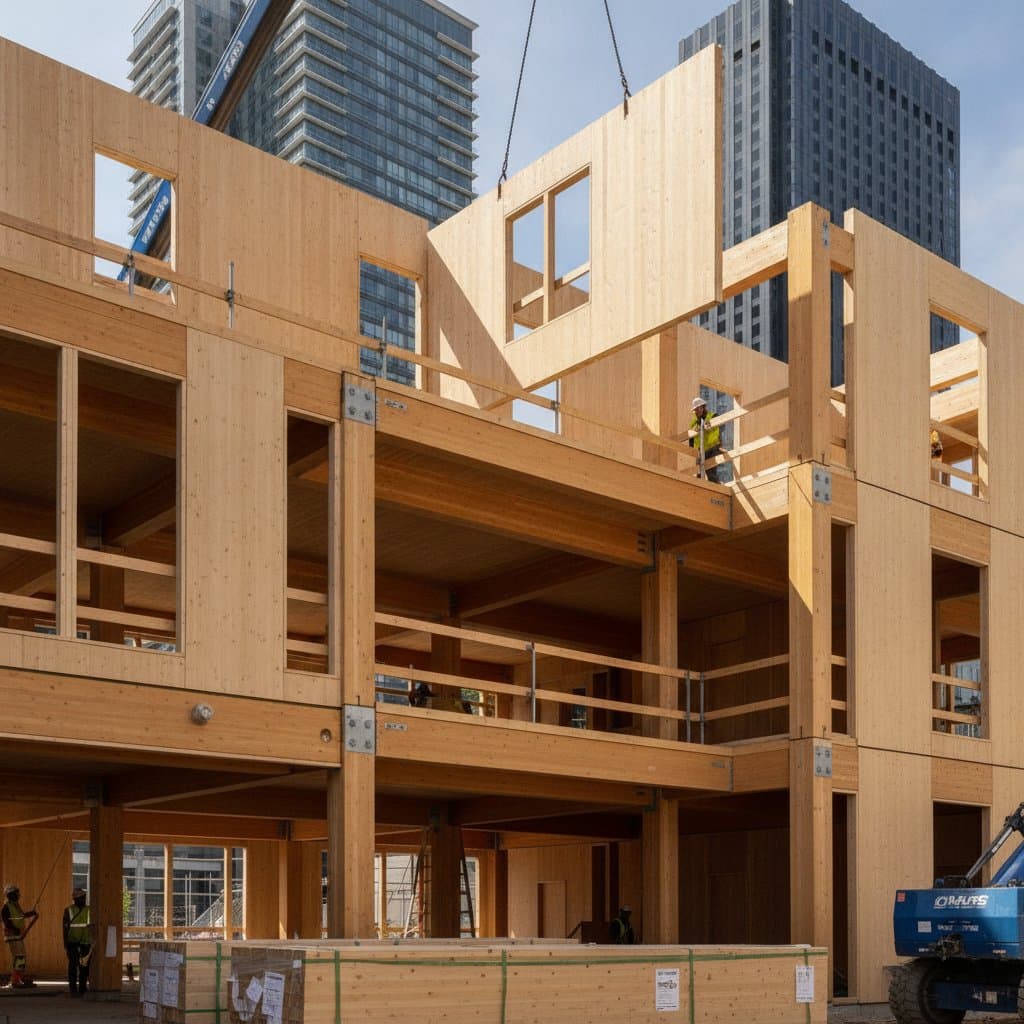
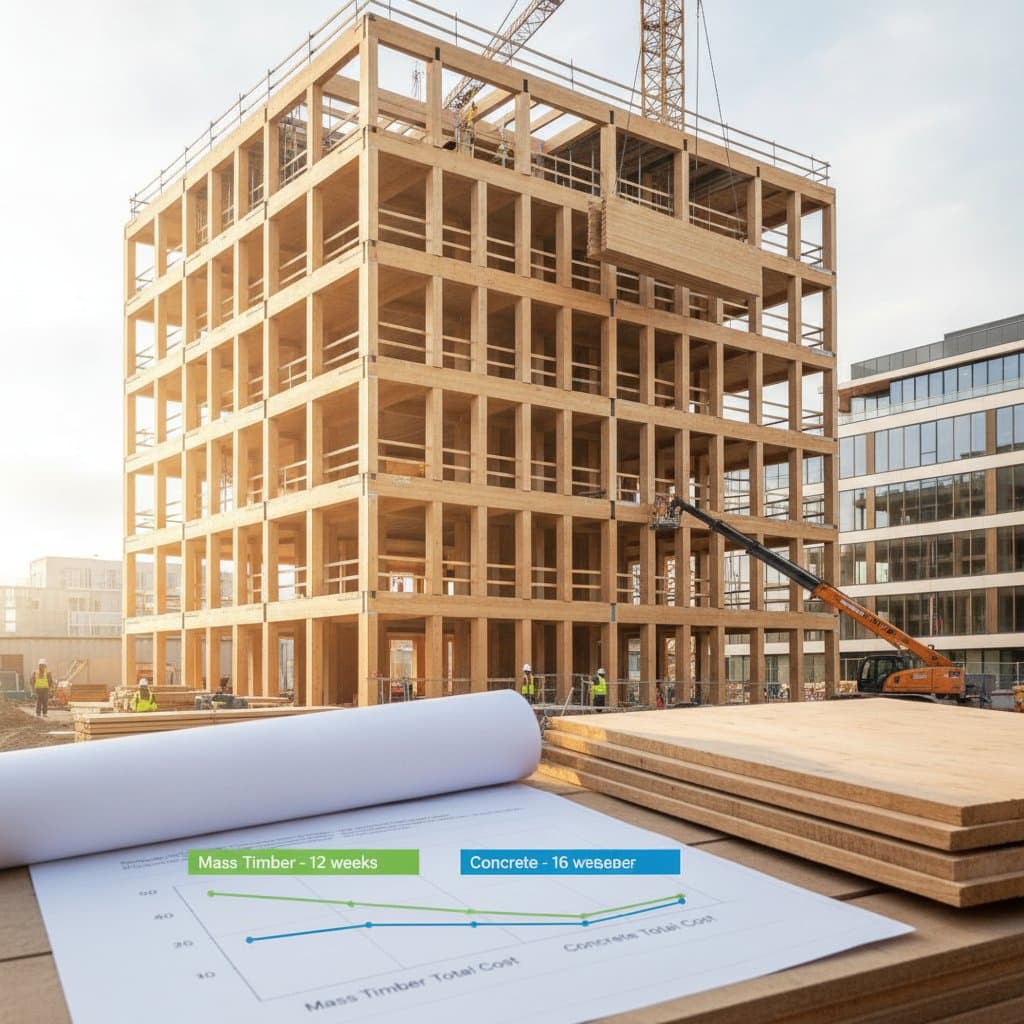
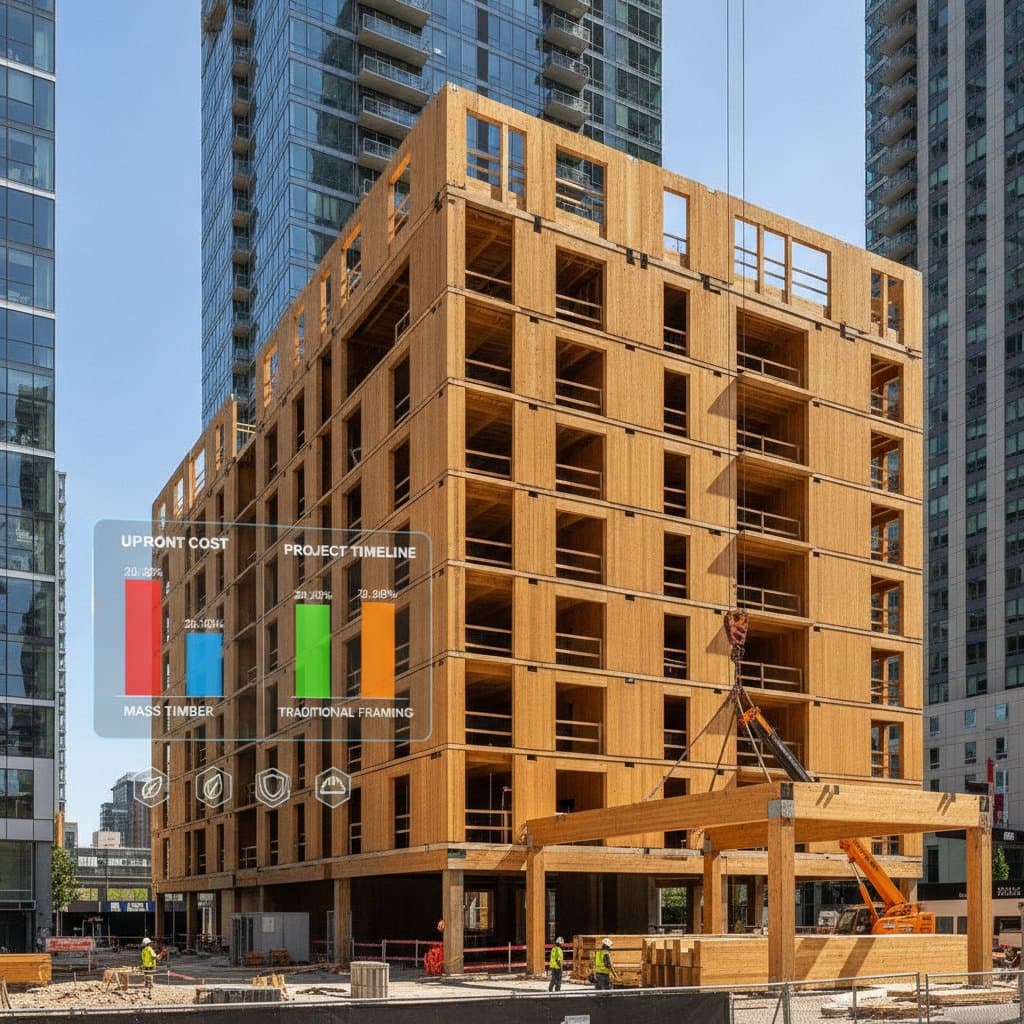
Mass timber employs large engineered wood panels, such as cross-laminated timber (CLT), to construct structural walls, floors, and roofs. This approach fits residential and mid-rise projects for homeowners or developers seeking precise cost management, accelerated timelines, and minimized environmental effects. Project costs typically range 5 to 20 percent below those of steel or concrete framing, with construction periods shortened by several weeks. Primary concerns include moisture exposure during erection and faulty connections, both addressable through meticulous planning and oversight.
Step-by-Step Comparison: Mass Timber Versus Traditional Framing
1. Evaluate Material Costs
Traditional framing relies on dimensional lumber, nails, and sheathing. Mass timber integrates these into prefabricated engineered panels.
- CLT panels carry a higher price per square foot than individual studs and sheathing, yet they consolidate multiple components.
- Decreased labor requirements balance the elevated material expense.
Verification Step: Solicit bids from regional suppliers, incorporating delivery and handling charges for precise calculations.
2. Account for Labor Efficiency
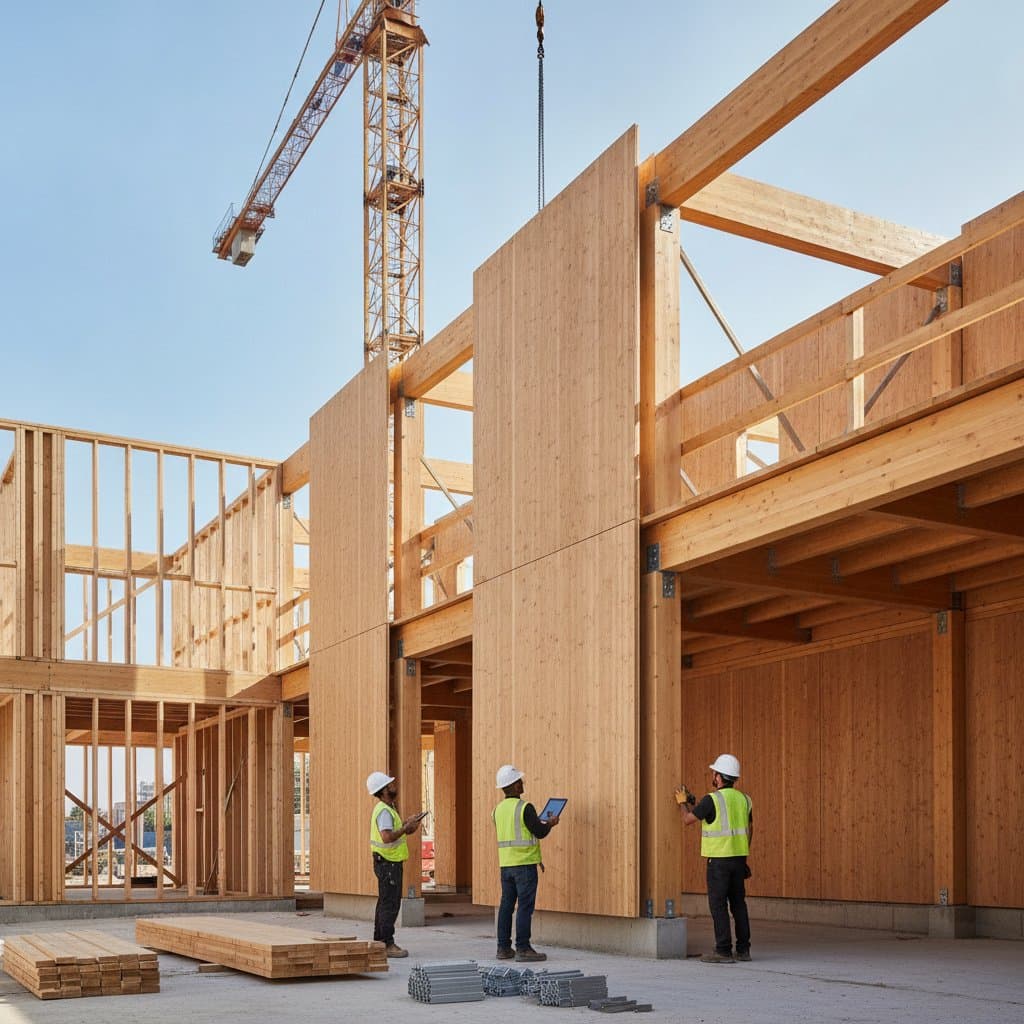
Mass timber panels arrive pre-fabricated and marked for assembly. Traditional methods demand extensive on-site cutting and piecing together.
- Installation teams erect CLT floors or walls within hours, rather than days.
- Reduced trade involvement occurs because panels serve as structural, insulating, and surface elements simultaneously.
Verification Step: Project total labor hours for each method prior to budget finalization.
3. Factor in Construction Time
Reduced timelines lower interest on loans and expenses for site protections.
- Structures using CLT achieve weather-tight enclosure weeks ahead of framed alternatives.
- Earlier sealing limits vulnerability to elements and potential mold development.
Verification Step: Adjust timelines to account for streamlined framing and fewer inspection phases.
4. Consider Structural Performance
Mass timber offers superior strength relative to weight. A single CLT panel supports substantial loads while weighing less than equivalent concrete.
- Lighter loads permit smaller foundations, cutting expenses.
- Minimal interior supports enable open, adaptable interior designs.
Verification Step: Review load capacities via the supplier's engineering specifications.
5. Evaluate Fire Safety and Code Compliance
Mass timber develops a char layer during fire events, which insulates the core and retards combustion. Steel loses integrity at elevated temperatures, while conventional wood ignites rapidly.
- Current building regulations acknowledge this inherent fire resistance.
- Additional treatments, such as intumescent coatings or encasements, may apply based on occupancy.
Verification Step: Secure endorsements from a qualified structural engineer or building official.
6. Review Environmental and Long-Term Costs
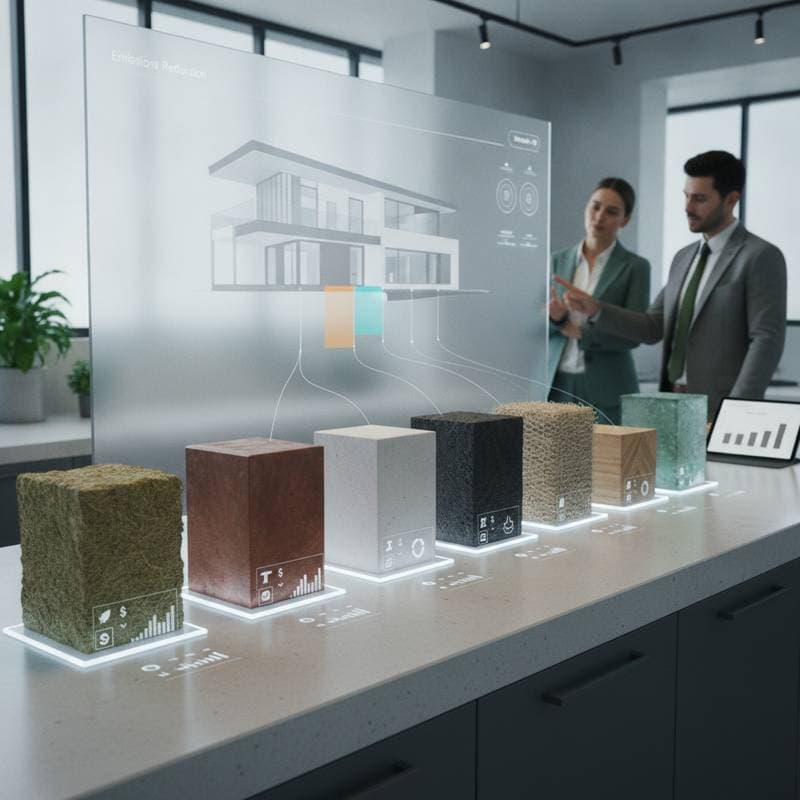
Mass timber sequesters carbon and derives from renewable sources. Production of concrete and steel demands intensive energy inputs.
- Lifecycle assessments show mass timber lowers overall carbon footprint.
- Reduced mass decreases fuel for transport and concrete for bases.
Verification Step: Obtain environmental product declarations from manufacturers for substantiation.
7. Plan for Moisture Protection
Panels require dryness throughout erection.
- Shield unloaded materials with protective coverings.
- Install vapor barriers promptly upon positioning.
- Establish interim drainage along open sections.
Verification Step: Test moisture levels with a calibrated meter prior to enclosing surfaces, targeting under 15 percent.
8. Assess Interior Finishing Costs
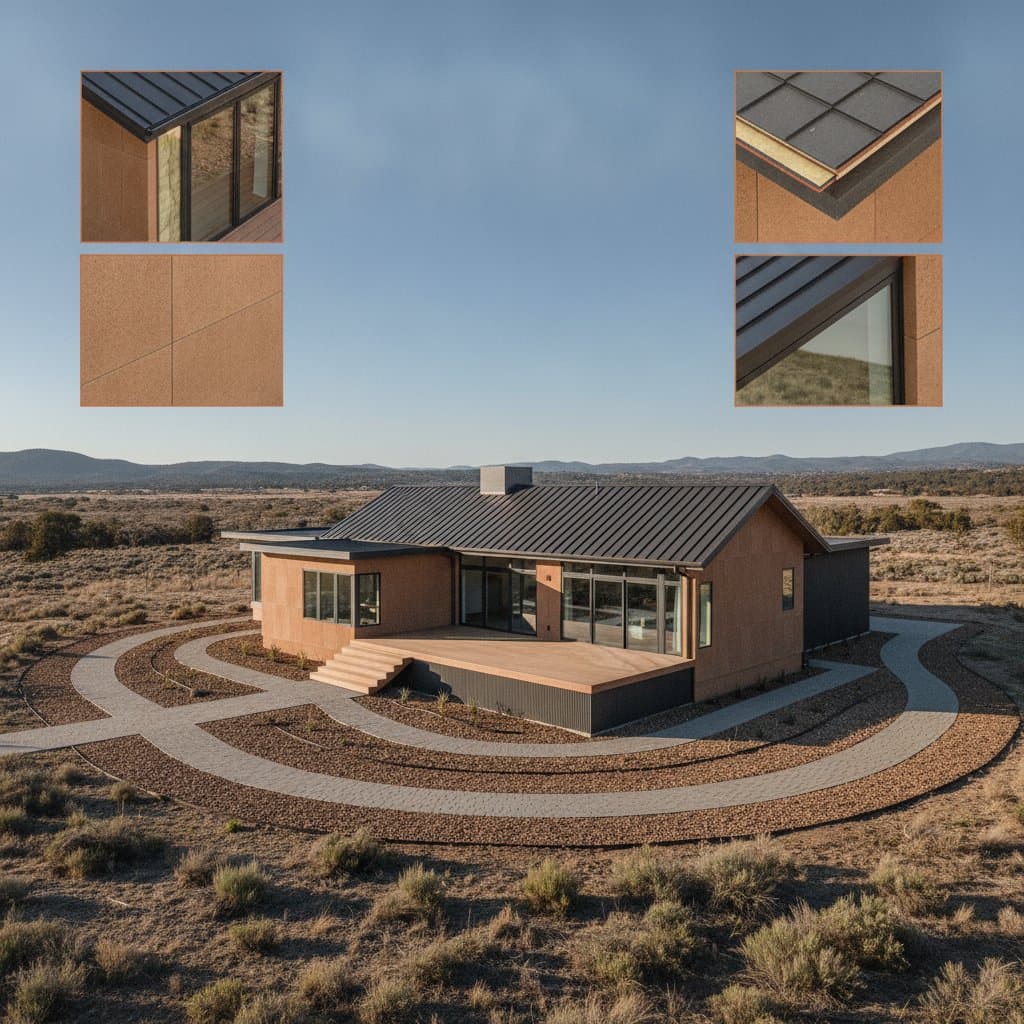
Conventional framing necessitates post-erection drywall, insulation, and coatings. CLT provides an exposed wood finish that often eliminates these layers.
- Savings accrue in materials and workforce for interior surfaces.
- Enhancements for acoustics or fire performance might prompt optional coverings.
Verification Step: Incorporate elective finishing expenses into detailed estimates.
9. Compare Lifespan and Maintenance
Well-protected mass timber endures for generations with routine care.
- Seal exposed areas and prevent water intrusion.
- Conduct annual examinations of fasteners and seams for degradation.
Verification Step: Document upkeep schedules in facility management protocols.
10. Confirm Insurance and Financing
Certain financial institutions or carriers seek validation for mass timber applications.
- Submit fire performance reports and professional certifications.
- Premiums align with or fall below conventional rates post-review.
Verification Step: Examine coverage provisions ahead of agreement execution.
Quality Checks and Troubleshooting
Common Issues
- Swelling edges: Results from premature wetting; address by light sanding followed by resealing.
- Loose connectors: Secure or substitute with approved hardware; avoid unverified alternatives.
- Panel misalignment: Realign using verified measurements and adjust lifting apparatus.
Simple Fixes
- Employ moisture meters to ensure panels register below 15 percent before enclosure.
- Install gaskets at seams prone to drafts.
- Seal fissures narrower than 1 millimeter to block air and water penetration.
When to Call a Pro
Engage a licensed structural engineer or general contractor for:
- Designs featuring multi-level CLT supports or platforms.
- Assemblies demanding fire ratings.
- Panels surpassing available hoisting capabilities.
- Jurisdictional approvals needing engineered seals.
Typical Costs
- Engineering services: 2 to 4 percent of overall budget.
- Installation labor: 10 to 20 dollars per square foot.
- Crane operations: 500 to 1,000 dollars daily, scaled by capacity and span.
How to Vet a Contractor
- Seek examples from completed mass timber endeavors.
- Validate credentials for hoisting and tools.
- Ensure policies cover timber-specific risks.
- Demand a documented protocol addressing moisture and fire safeguards.
Cost Breakdown Summary
Material
- CLT panels: 6 to 12 dollars per square foot.
- Glulam beams: 8 to 15 dollars per linear foot.
- Connectors and fasteners: 1 to 2 dollars per square foot.
Labor
- Framing teams: 3 to 6 dollars per square foot for mass timber.
- Traditional approaches incur higher cumulative labor from extended durations.
Time
- Mass timber erection: Approximately half the duration of on-site framing.
- Compressed schedules minimize overhead for funding and oversight.
Difficulty
- Ranges from moderate to advanced, necessitating synchronized efforts, specialized lifts, and exact placements.
Implementing Mass Timber Effectively
Mass timber streamlines building processes, yielding quicker, neater results at reduced expense compared to lumber framing or metal alternatives. By merging structural integrity, thermal barriers, and aesthetic surfaces into single units, it trims both upfront and ancillary expenditures. Success hinges on upfront strategies for humidity management, safe handling, and regulatory adherence.
Projects executed with these principles deliver robust, elegant structures that advance sustainability objectives. For home expansions or bespoke dwellings, grasping mass timber's mechanics empowers informed decisions, ensuring dependable outcomes within budget constraints.