Hempcrete's Advantages: Understanding Costs and Environmental Benefits
Sustainable building materials have evolved from optional choices to essential components in modern construction. Homeowners and professionals increasingly seek options that minimize environmental harm. Hempcrete emerges as a compelling alternative to conventional concrete, offering natural insulation and carbon sequestration. This article examines hempcrete's composition, pricing structure, and comparisons to standard concrete to guide informed project decisions.
Composition of Hempcrete and Its Significance
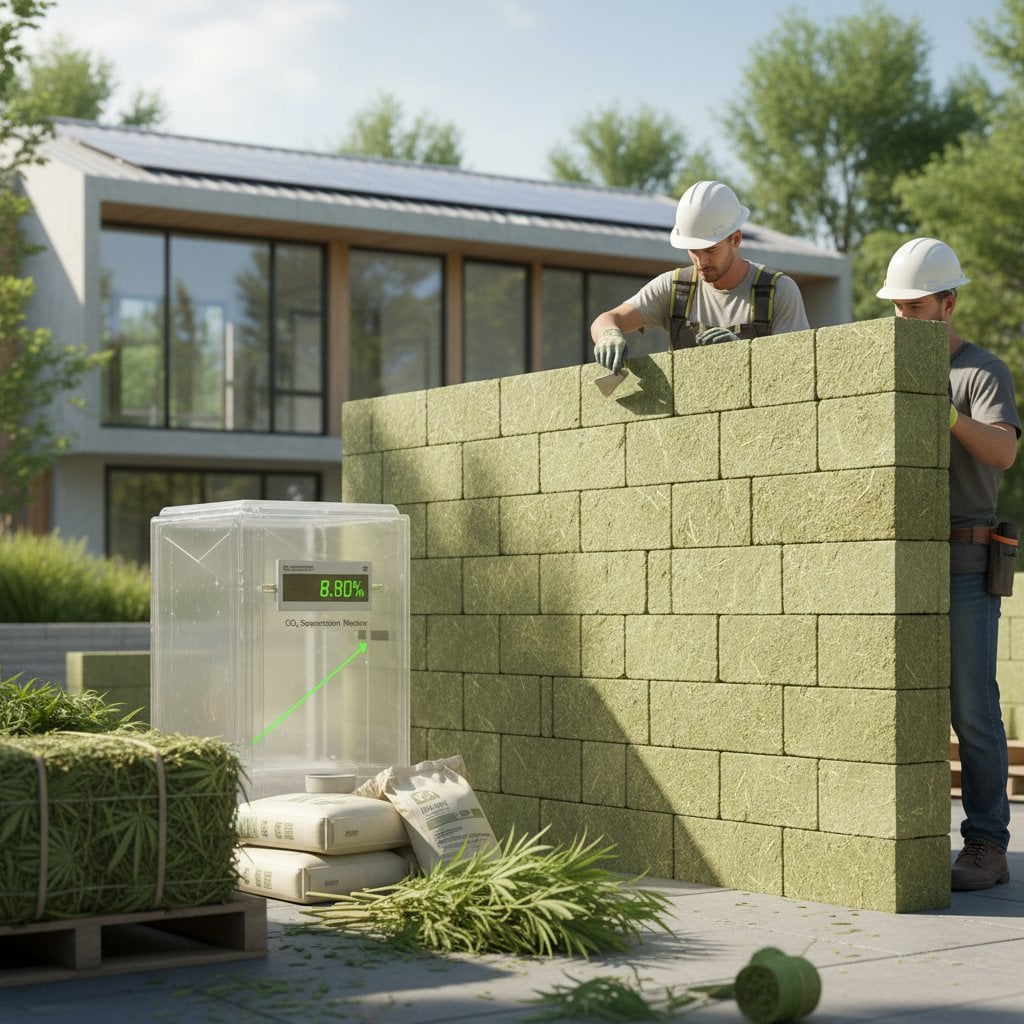
Hempcrete consists of hemp hurds, the inner woody core of the hemp plant, combined with lime and water. This mixture forms a lightweight, breathable substance used for insulation and non-structural wall infill. It integrates with structural frames rather than serving as a standalone foundation material. During the curing process, the plant fibers absorb carbon dioxide, counteracting emissionsproduction.
The material excels in natural temperature and humidity control, creating comfortable indoor environments. It resists pests, contains no toxic elements, and endures when installed correctly. These attributes support energy-efficient designs and promote superior air quality within buildings.
Pricing Comparison: Hempcrete Against Conventional Concrete
Hempcrete pricing differs from that of standard concrete due to unique sourcing and application demands. Key factors include material availability and installation techniques, which influence overall budgeting.
- Material expenses: Hemp hurds and lime often require regional or imported supply, elevating the price per cubic foot over cement-based options. Hemp remains a renewable resource, yet its market scales gradually.
- Labor requirements: Application involves manual packing or spraying into forms, extending project timelines compared to concrete pours. Skilled labor constitutes a significant portion of expenses.
- System integration: As an infill material, hempcrete necessitates a separate structural framework, such as timber or metal, adding to comprehensive build costs.
Projects incorporating hempcrete typically incur 10 to 25 percent higher initial outlays than those using framed walls with synthetic insulation. However, reductions in utility expenses and maintenance needs recoup portions of this premium across the building's lifespan.
Breakdown of Costs: Components and Installation Processes
A hempcrete wall assembly divides expenses into primary categories for precise estimation.
- Hemp Hurds
- These fibers undergo shredding and preparation for uniform mixing.
- Costs fluctuate with local supply chains and processing facilities.
- Residential projects demand multiple cubic meters, favoring bulk procurement to control pricing.
- Lime Binder
- This component solidifies the mixture while shielding the fibers.
- Formulations optimized for hempcrete exceed the price of general-purpose lime or cement.
- Extended curing periods, often spanning weeks, impact scheduling and indirect costs.
- Formwork and Workforce
- Temporary molds enclose wall cavities for filling and compaction.
- Manual methods demand time-intensive labor to ensure density and alignment.
- Post-curing, compatible finishes like lime-based plasters enhance the system's breathability without impeding vapor flow.
Reasons Builders Select Hempcrete Over Cheaper Alternatives
Despite elevated starting costs, hempcrete delivers superior attributes that align with performance-driven projects.
- Thermal performance: Its open-cell structure combines insulation with moderate thermal mass, stabilizing indoor climates and lowering energy demands.
- Humidity management: The material wicks excess moisture and releases it gradually, mitigating mold risks and enhancing occupant well-being.
- Environmental profile: Hemp cultivation captures atmospheric carbon, offsetting lime-related emissions and positioning the material as a net carbon sink.
- Durability factors: Well-executed installations withstand environmental stresses for generations with limited upkeep.
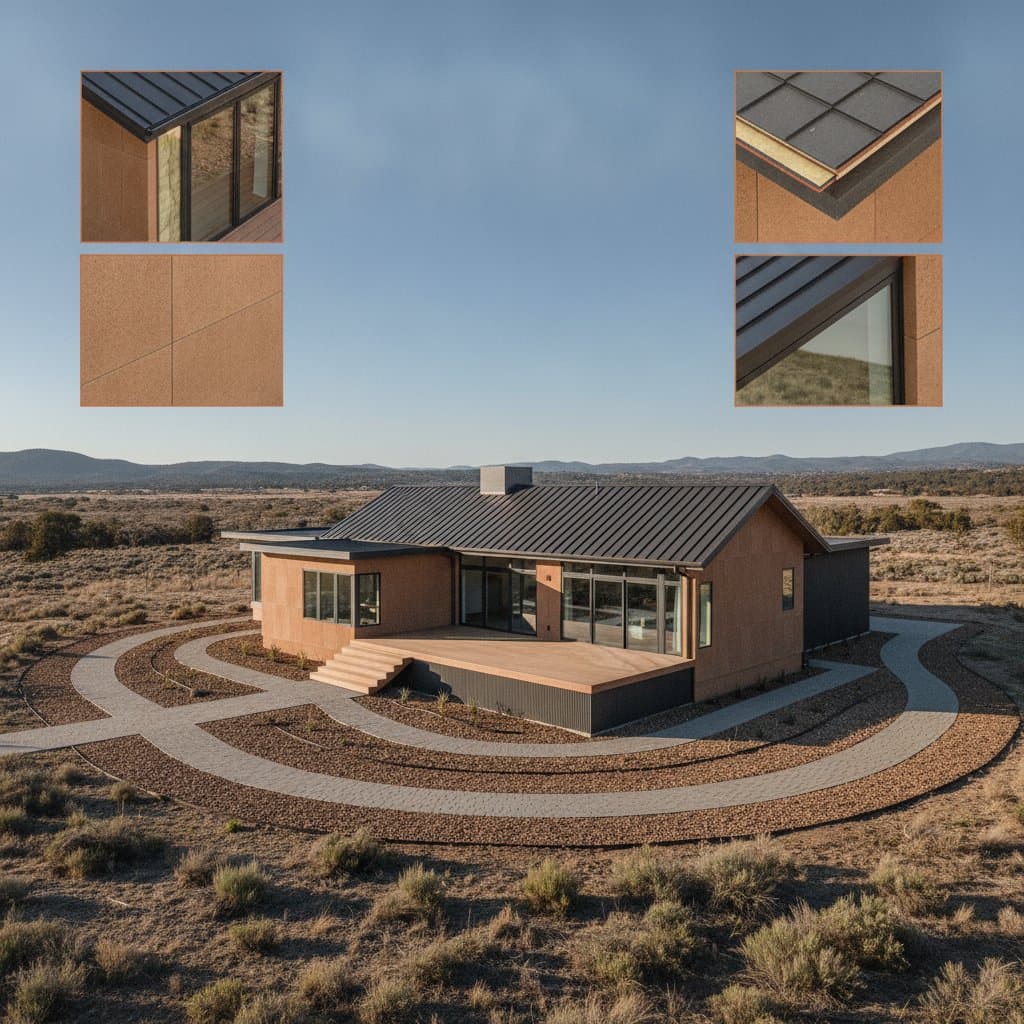
- Design versatility: Exposed or rendered hempcrete surfaces complement contemporary and traditional aesthetics seamlessly.
Evaluating Total Value Over Time
Assessing hempcrete requires a holistic view of life-cycle economics and operational efficiencies.
Energy reductions from improved insulation often recover initial investments within a decade. Enhanced resilience minimizes repair interventions and material replacements. Superior air quality contributes to health benefits that extend beyond quantifiable metrics. As green certifications gain market premium, properties featuring hempcrete attract higher resale values.
Traditional concrete offers lower unit costs but burdens the environment with substantial emissions from manufacturing. In contrast, hempcrete's regenerative qualities yield lower cumulative impacts. Across a structure's service life, these dynamics frequently render hempcrete the more economical choice in environmental and functional terms.
Guidelines for Cost Estimation and Implementation
Incorporating hempcrete demands strategic planning to optimize expenses and outcomes.
-
Design for thickness: Allocate space for walls measuring 12 inches or greater to maximize insulation benefits without compromising layouts.
-
Engage qualified specialists: Select contractors versed in bio-based materials to streamline processes and avoid inefficiencies.
-
Select appropriate coatings: Opt for permeable finishes such as clay or lime renders to maintain the material's regulatory properties.
-
Integrate complementary elements: Combine with salvaged timber, natural fibers, or recycled aggregates for comprehensive sustainability.
-
Assess regional resources: Proximity to hemp cultivation or processing hubs reduces transport fees and carbon footprints.
Key Limitations and Mitigation Strategies
Hempcrete presents viable solutions alongside inherent constraints.
It supports non-load-bearing applications exclusively, requiring conventional materials for foundational and framing elements. Regulatory acceptance varies; some jurisdictions mandate engineering validations for compliance. Optimal performance occurs in temperate zones, where detailed waterproofing addresses excessive precipitation. Prolonged curing necessitates phased construction to accommodate strength development.
Addressing these aspects during initial planning establishes feasible schedules and financial parameters.
Advancing Projects with Hempcrete Integration
Adopting hempcrete signifies commitment to mindful resource stewardship and enduring performance. The material's blend of ecological gains, comfort enhancements, and efficiency supports forward-thinking builds.
For sustainability-focused endeavors, evaluate hempcrete through consultations with bio-material experts. Prioritize comprehensive cost analyses that encompass operational and environmental dimensions. Such approaches unlock tangible returns in reduced consumption and elevated living standards.
Hempcrete enables resilient, vapor-permeable enclosures that excel in functionality and ecological harmony. With deliberate design and proficient execution, it contributes substantially to progressive architectural practices.