Mass Timber Versus Traditional Methods: Notable Cost Advantages
Mass timber construction emerges as a viable alternative to conventional steel and concrete approaches. Builders value its structural integrity, environmental benefits, and rapid erection. Property developers frequently ask whether mass timber delivers genuine cost reductions.
Overview of Typical Costs
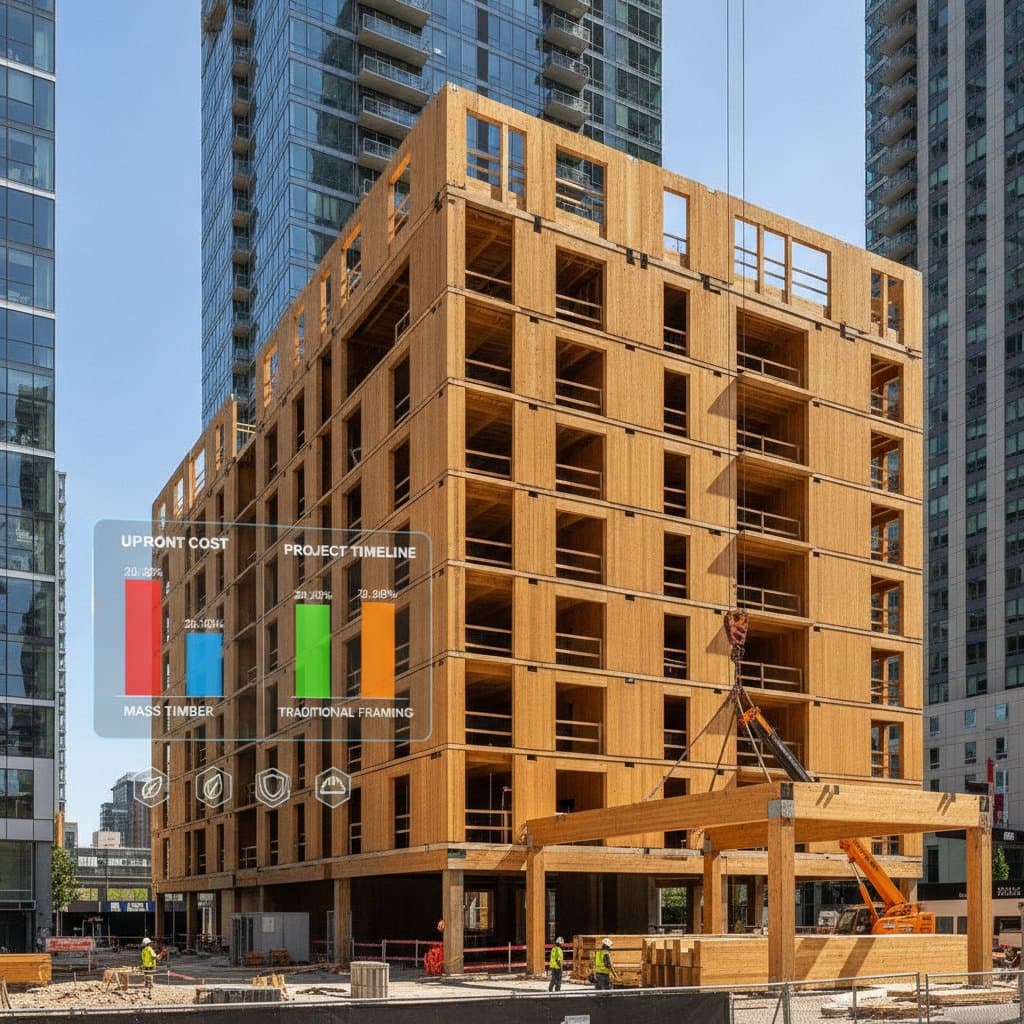
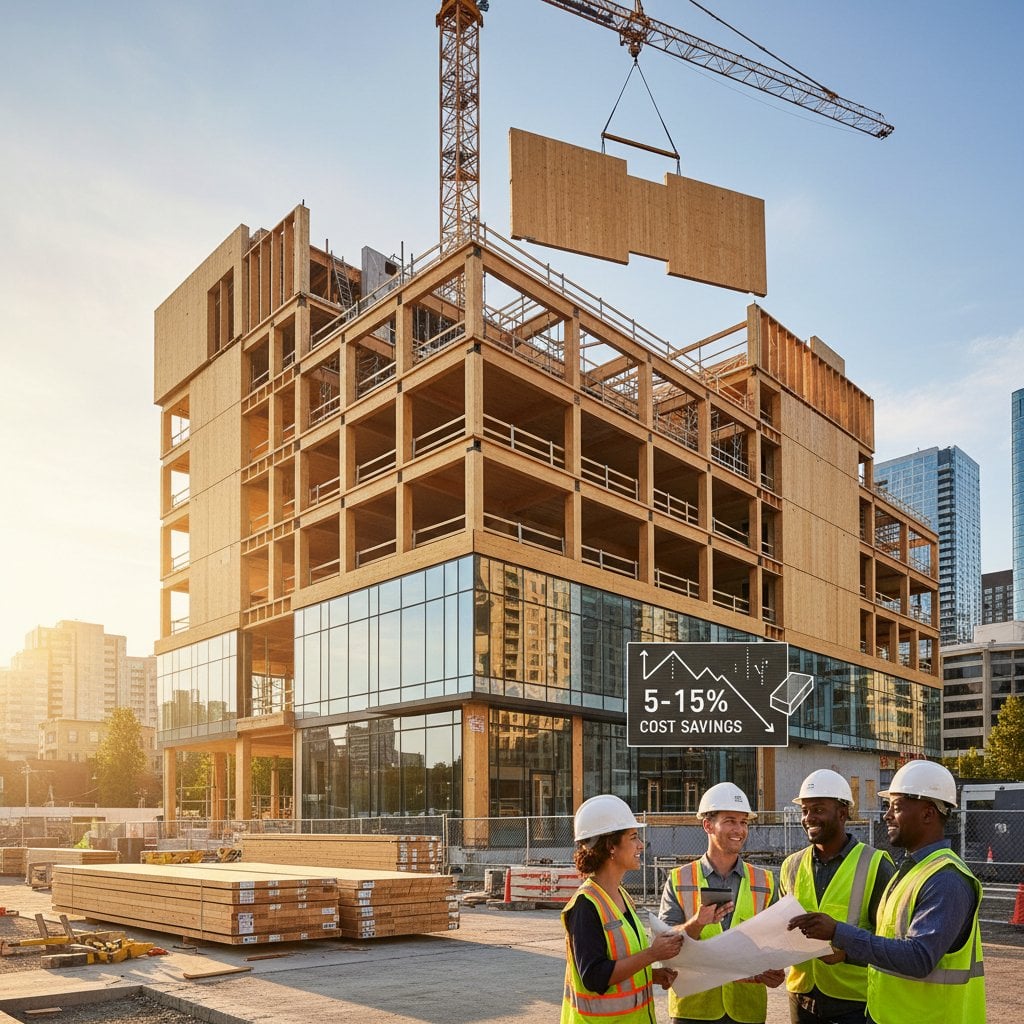
Projects built with mass timber generally range from $250 to $400 per square foot, influenced by project specifics and regional factors. Steel and reinforced concrete buildings typically cost $300 to $450 per square foot. Cross-laminated timber applications yield average savings of 5 to 15 percent on overall expenses relative to equivalent steel or concrete structures.
Key elements affecting costs encompass:
- Expenses for cross-laminated timber panels and glued-laminated beams
- Labor productivity and erection timelines
- Engineering demands of the structure
- Logistics for delivery and lifting equipment
- Treatments for finishes, fire resistance, and sound control
Essential Benefits and Observations
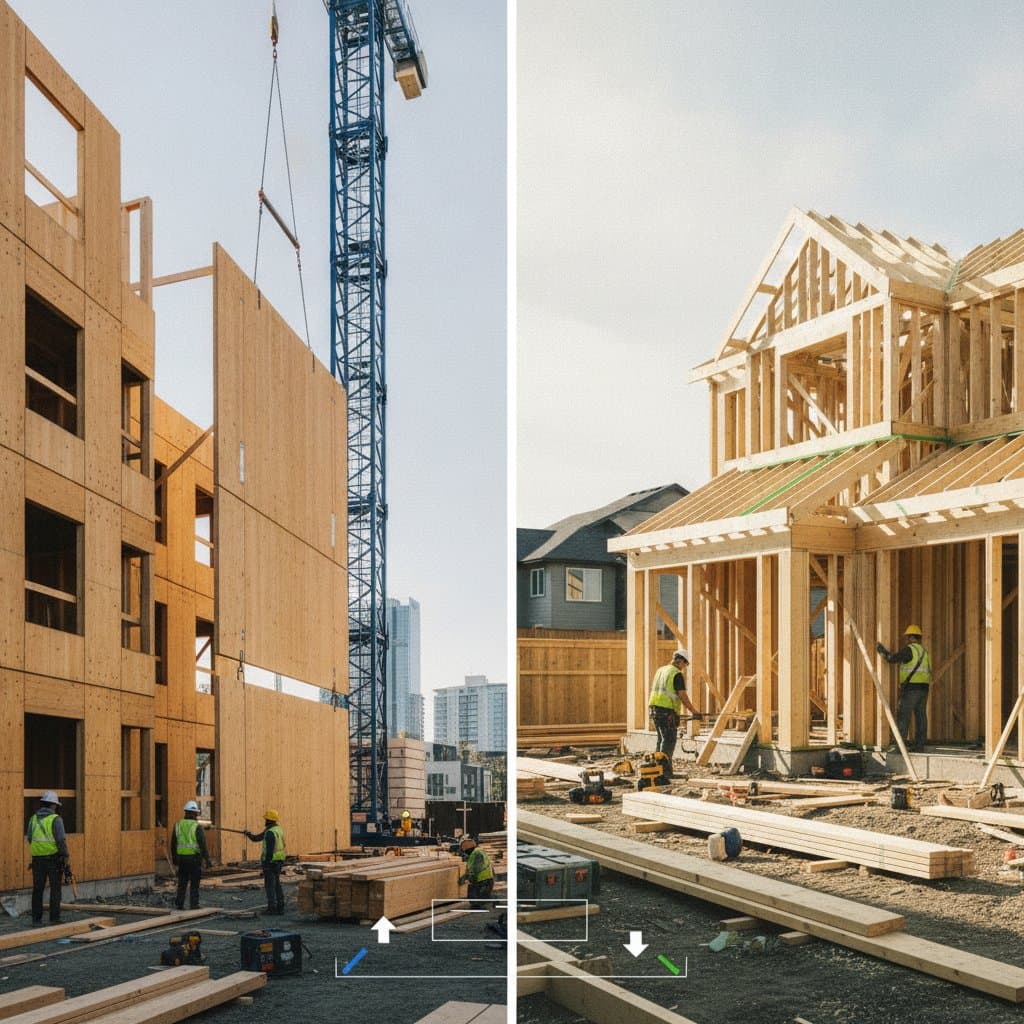
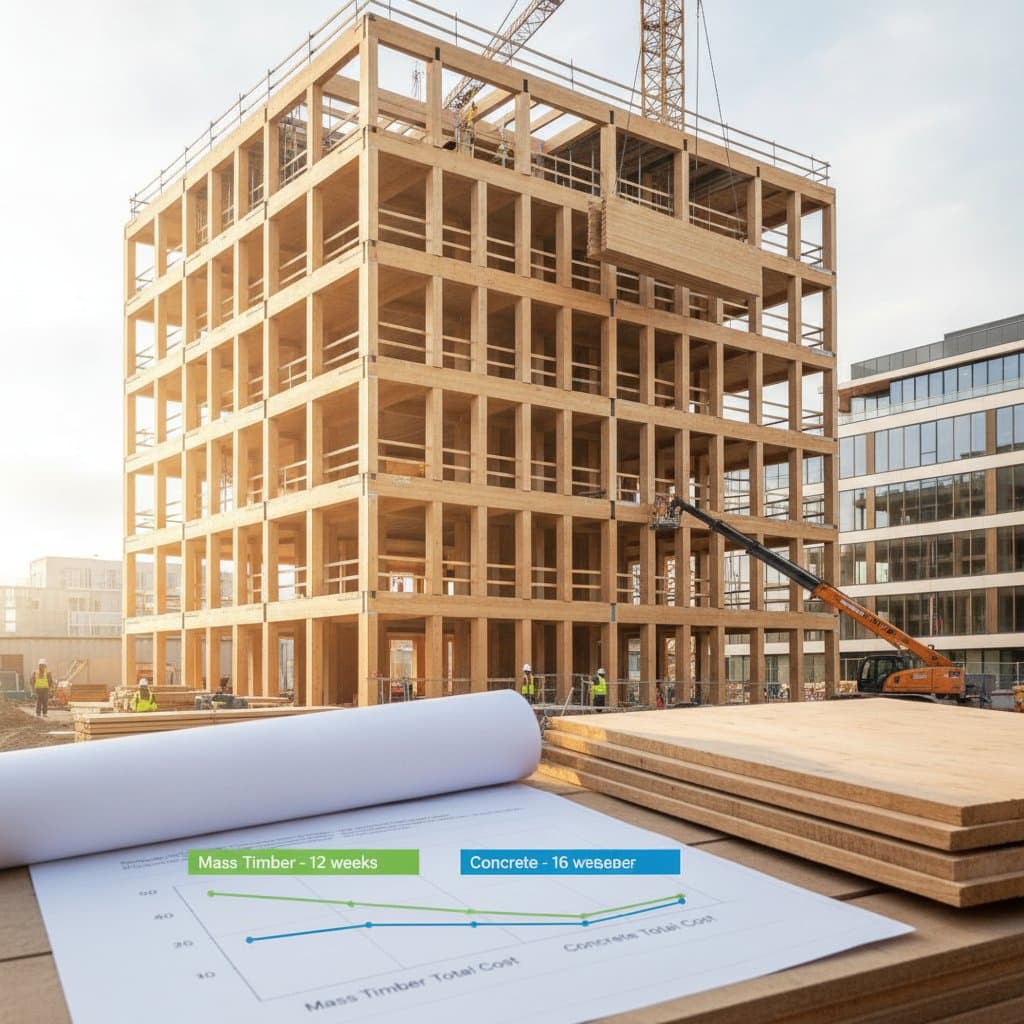
Mass timber shortens build times by 20 to 25 percent. Factory-prefabricated panels minimize waste and on-site labor. The material weighs about one-fifth as much as concrete, which decreases foundation expenses.
Fireproofing and soundproofing additions may increase budgets if overlooked initially. Exposed wood elements can bypass the need for additional surfacing materials.
Expenses by Project Scale and Category
For smaller commercial or multi-family developments, mass timber costs $275 to $350 per square foot. Mid-rise offices or public facilities average $325 to $400 per square foot. Comparable concrete or steel projects often exceed $350 to $450 per square foot, primarily from extended durations and heavier components.
In residential settings, cross-laminated timber in modular setups ranges from $250 to $300 per square foot. Standard steel or concrete framing costs $275 to $350 per square foot. Savings grow when accounting for accelerated schedules and lower field labor.
Contractor Expenses and Workforce Productivity
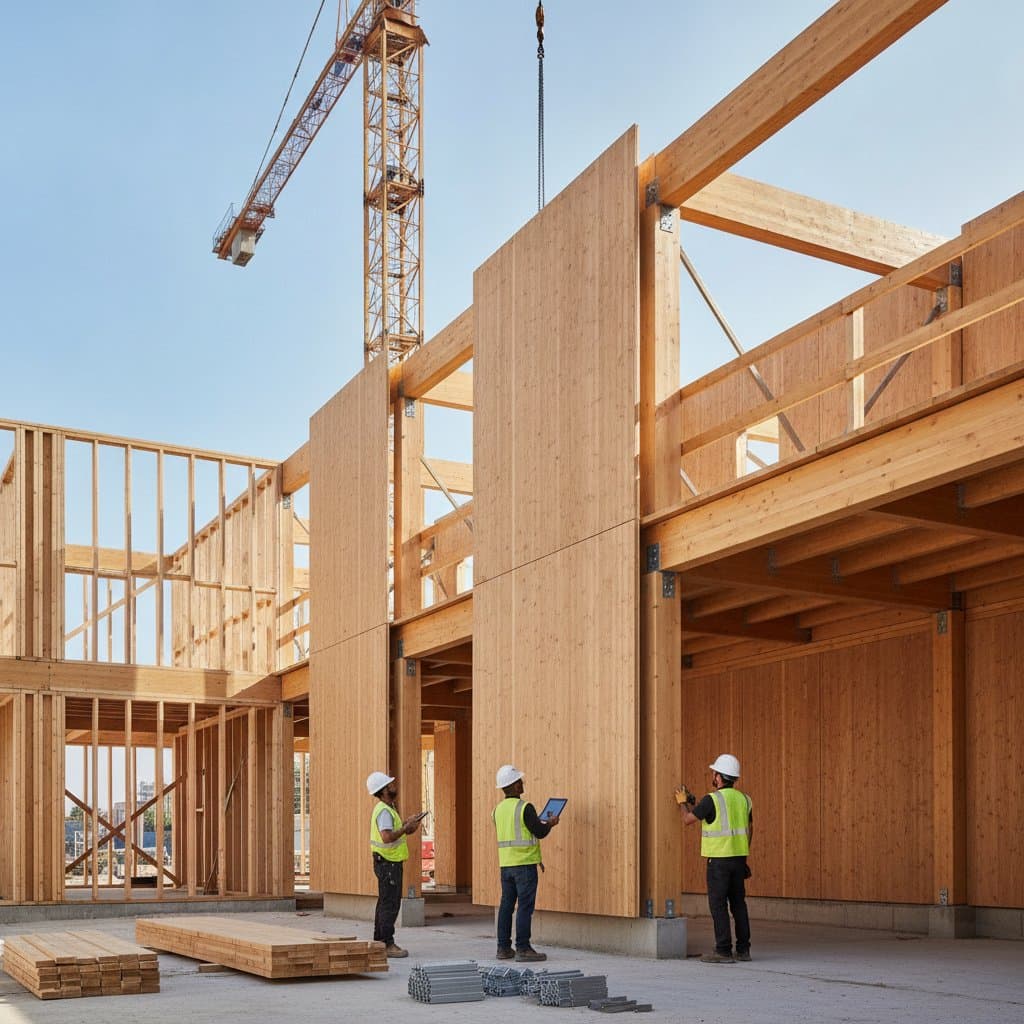
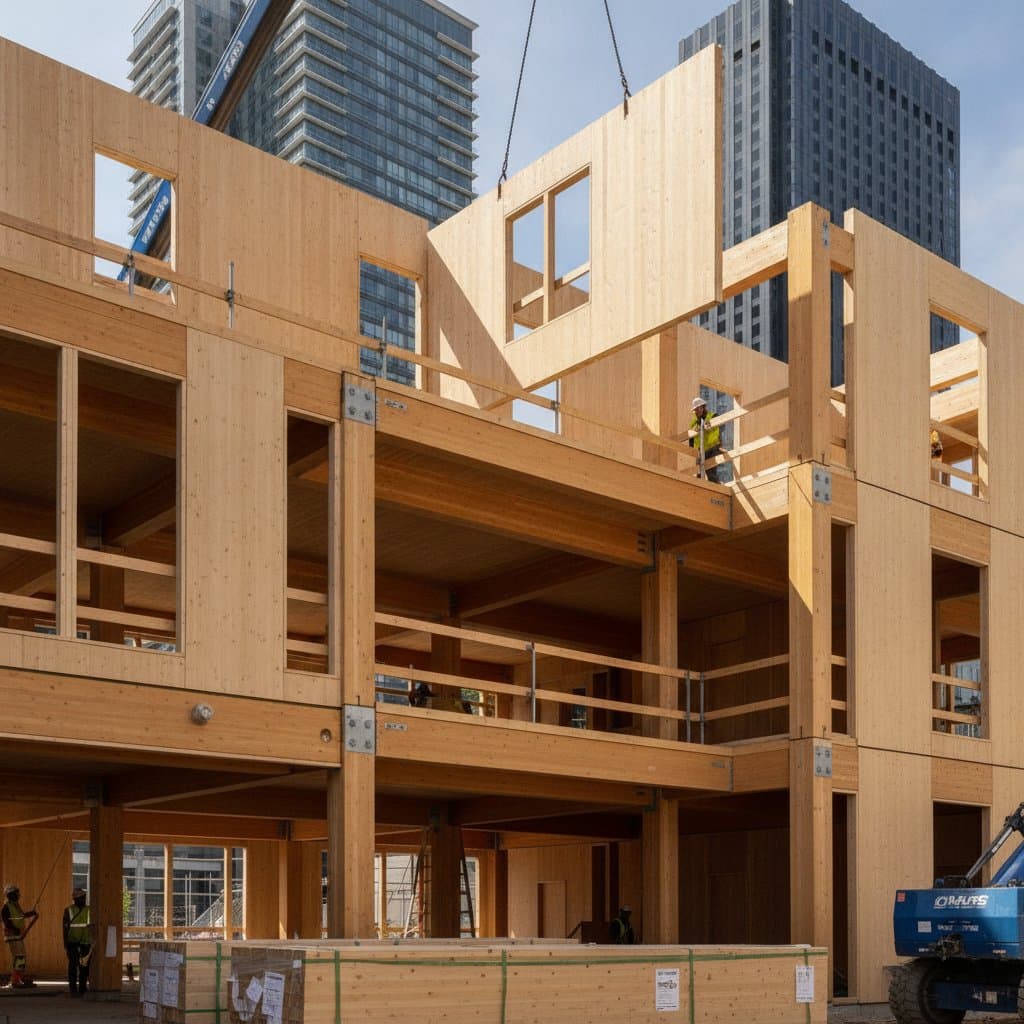
Mass timber demands fewer personnel on site, as fabrication occurs in factory environments. Components arrive pre-assembled, eliminating formwork, reinforcement placement, and curing periods.
Although cross-laminated timber exceeds concrete in price per volume, workforce reductions compensate. Fewer specialized trades participate, and erection proceeds via cranes and mechanical fasteners. Industry professionals report labor reductions of 10 to 20 percent against standard methods.
Other Influences on Budget
Permitting and structural analysis may involve additional scrutiny in certain areas, incurring fees for expert input. Collaboration with cross-laminated timber-savvy engineers expedites regulatory processes.
Shipping large panels necessitates oversized vehicles and lifting gear. Expenses vary with proximity to production facilities.
Fire and sound management through coatings, enclosures, and barriers can escalate if implemented post-design. Proactive integration maintains fiscal control.
Finishing options often feature untreated wood, which avoids drywall and overhead expenses while providing visual appeal.
Strategies for Cost Reduction
- Select standard panel dimensions to minimize trimming and production fees.
- Integrate mechanical pathways during initial planning to prevent modifications.
- Employ hybrid configurations, such as timber slabs paired with concrete shafts, to optimize resource use.
- Adopt straightforward layouts with level surfaces and uniform spacing to ease analysis and manufacturing.
- Maximize off-site assembly for enhanced timelines and budgetary gains.
Investment Returns
Property owners benefit from prompt occupancy and minimized borrowing expenses. Condensed timelines enable earlier revenue from leases or operations. Lighter loads also trim foundation and earthquake-resistant features, bolstering project viability.
Ongoing upkeep proves economical, as timber avoids rust and requires minimal resurfacing unlike treated metal or masonry. Thermal efficiency rises naturally from wood's insulating properties.
Professional Installation Versus Self-Build
Mass timber demands exacting design and heavy machinery. Self-construction suits only minor outbuildings. Substantial endeavors require contractors versed in cross-laminated timber handling.
Expert teams secure precise joints, humidity safeguards, and code adherence. Amateurs might manage modest shelters with kit components, yet comprehensive builds necessitate qualified oversight.
Engaging specialists elevates initial outlays but averts setbacks, integrity issues, and corrections. Professionals offer the most reliable route for substantial investments.
Basis for Cost Estimates
These figures draw from nationwide contractor assessments, material provider data, and completed initiatives. Estimates cover materials, workforce, and basic completions, omitting site acquisition and approvals. Real figures fluctuate with locale, intricacy, and economic climate.
Common Questions
By what margin does mass timber undercut concrete or steel? Savings reach 5 to 15 percent total, varying with specifications and workforce dynamics.
What upkeep does mass timber demand? Routine checks for dampness and fasteners suffice. Sealed wood can stay visible without issue.
How does fire performance rate? Surface charring shields interiors in cross-laminated timber. Engineered solutions and treatments satisfy current standards.
Can mass timber handle high elevations? Engineered variants support mid- and high-rise forms under expert guidance.
Do insurers charge more for timber? Premiums differ by carrier, though proven safety records enhance approval for these systems.
Safeguarding Long-Term Value
Mass timber thrives with defenses against extended wetness. Ensure gutters function and reseal penetrations regularly. Scheduled reviews confirm secure fastenings and preserved surfaces.
Market growth for cross-laminated and engineered wood sustains affordability against legacy options. Benefits extend beyond immediate efficiencies to enduring resilience and ecological merits.