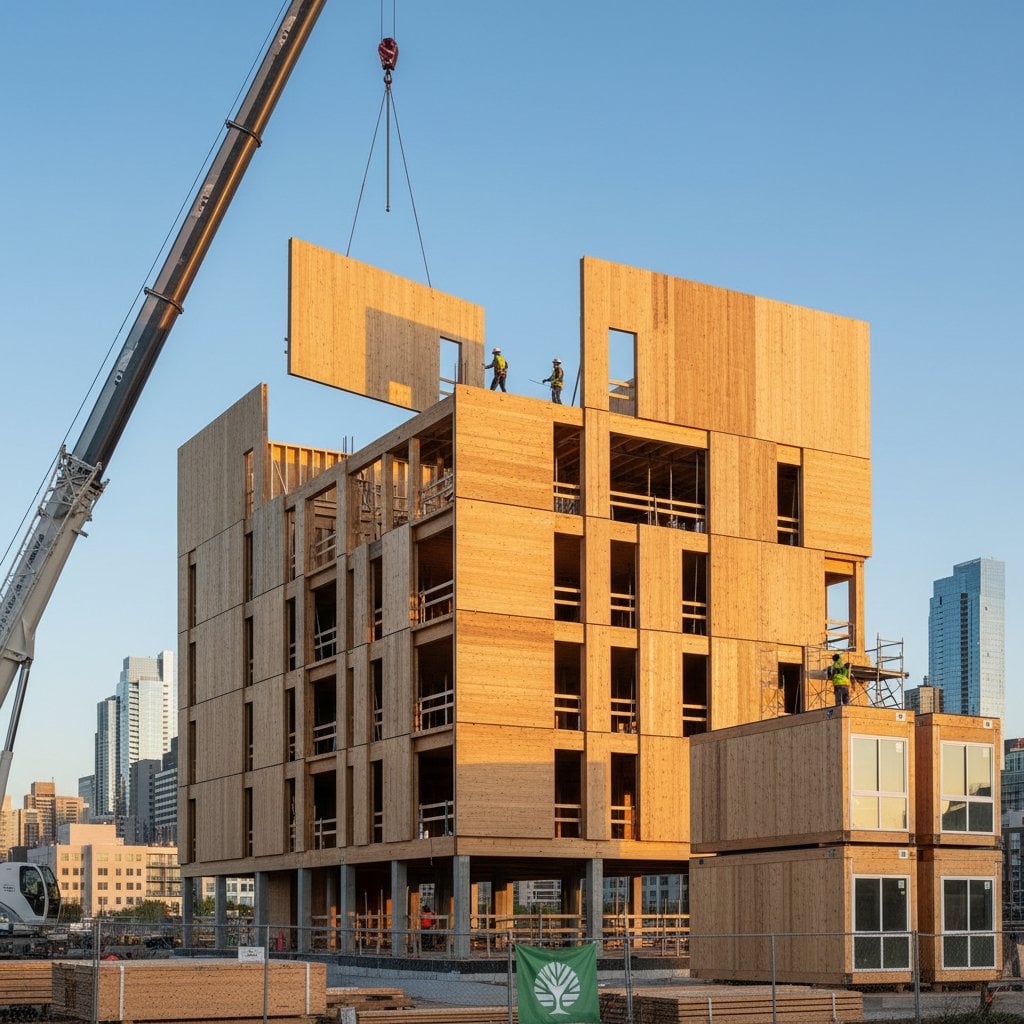
Mass Timber: Lower Costs and Accelerate Construction
Mass timber construction attracts interest for its efficiency, resilience, and environmental benefits. For those seeking to decrease project expenses while completing builds more rapidly, this material provides a compelling equilibrium of functionality and adaptability. Engineered wood products like cross-laminated timber enable the creation of robust, multifaceted structures that assemble swiftly and function dependably.
This article details how mass timber diminishes costs, compresses timelines, and preserves enduring value. It also examines essential elements affecting cost, design, and performance to assist in determining suitability for upcoming projects.
Distinguishing Features of Mass Timber
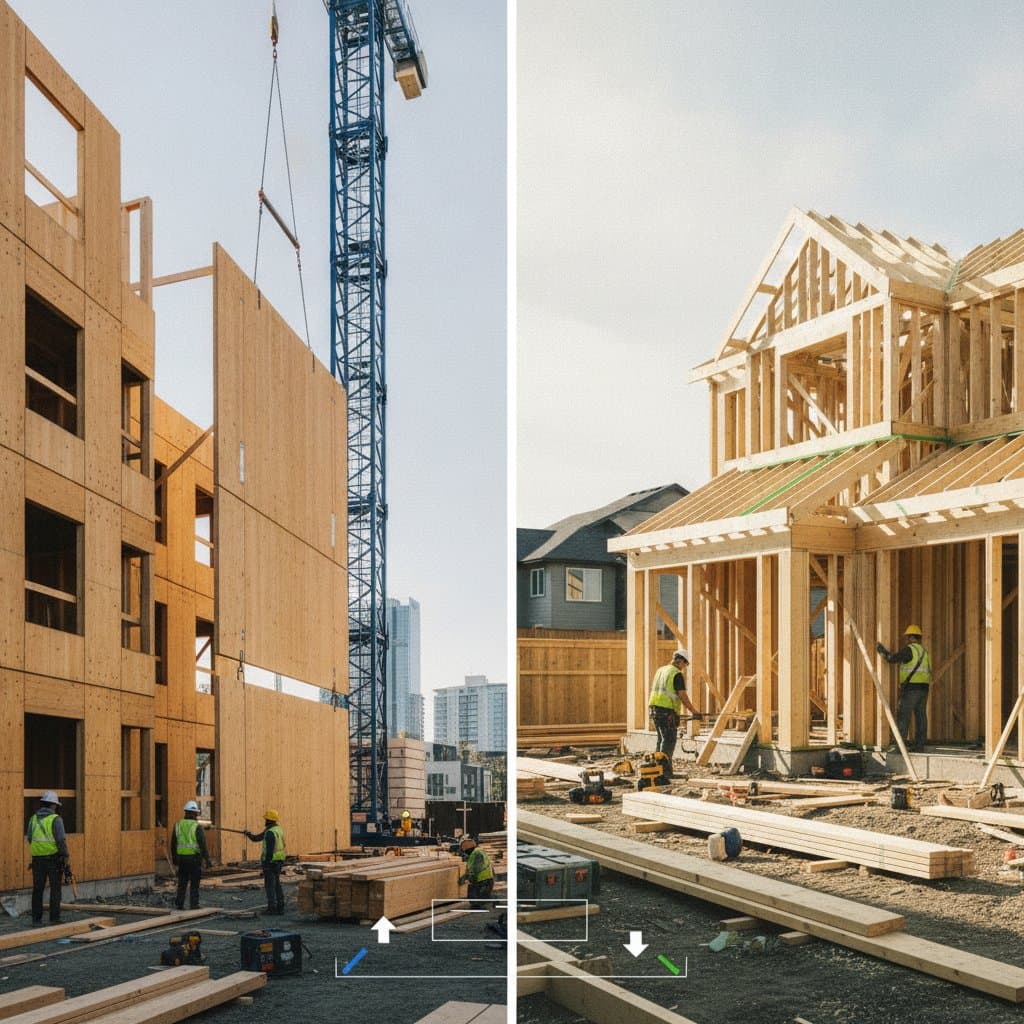
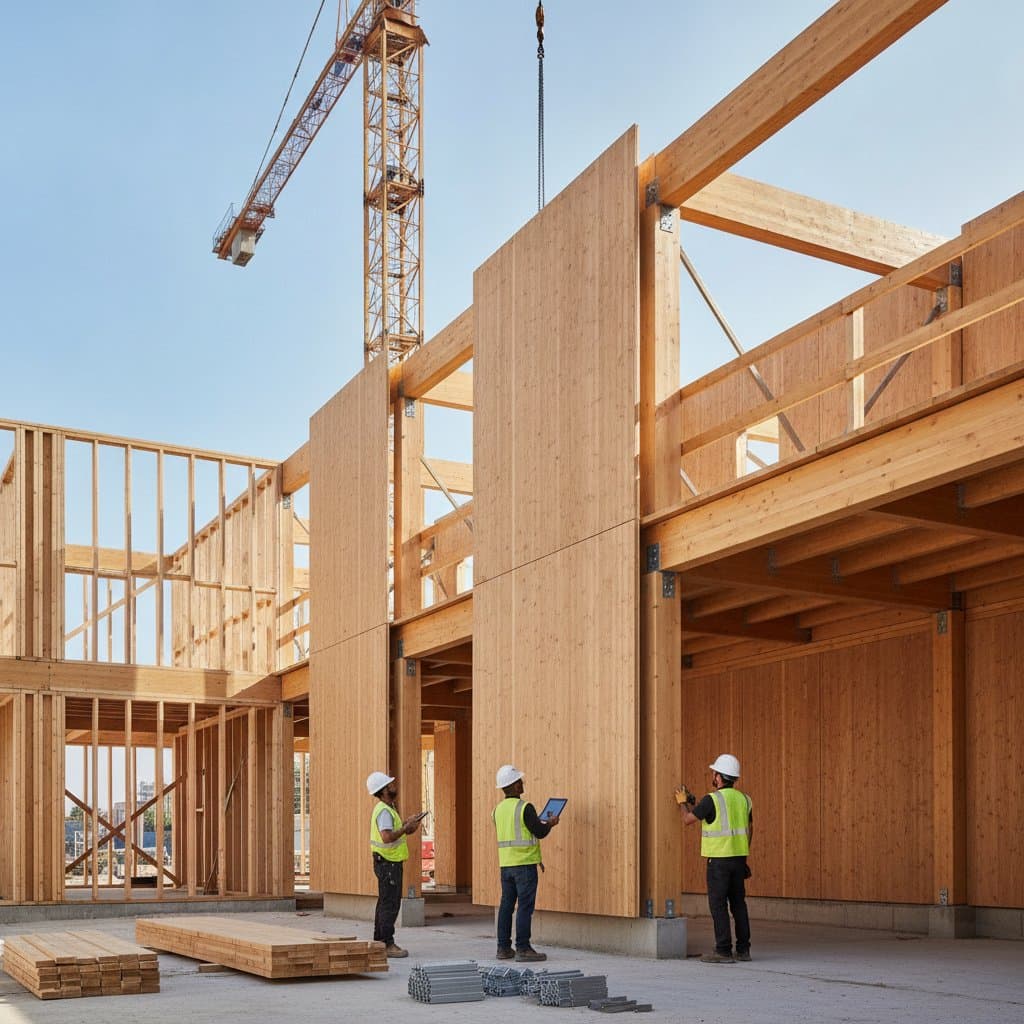
Mass timber consists of sizable engineered wood panels or beams that constitute a building's structural framework. In contrast to conventional stick framing, these panels undergo prefabrication in regulated settings, receive precise cuts for fitting, and arrive prepared for erection. The predominant product, cross-laminated timber, forms through layering boards perpendicularly and securing them with adhesives. This orthogonal configuration yields remarkable strength and steadiness.
The outcome resembles concrete or steel in structural behavior yet possesses substantially less weight. This diminished mass impacts aspects from foundation dimensions to crane specifications, resulting in quantifiable financial reductions.
Mechanisms for Cost Reduction in Mass Timber Construction
Mass timber diminishes expenses through interconnected mechanisms. By merging material optimization with expedited installation and abbreviated labor periods, the aggregate project budget frequently proves lower than with standard materials.
1. Time Savings from Prefabrication
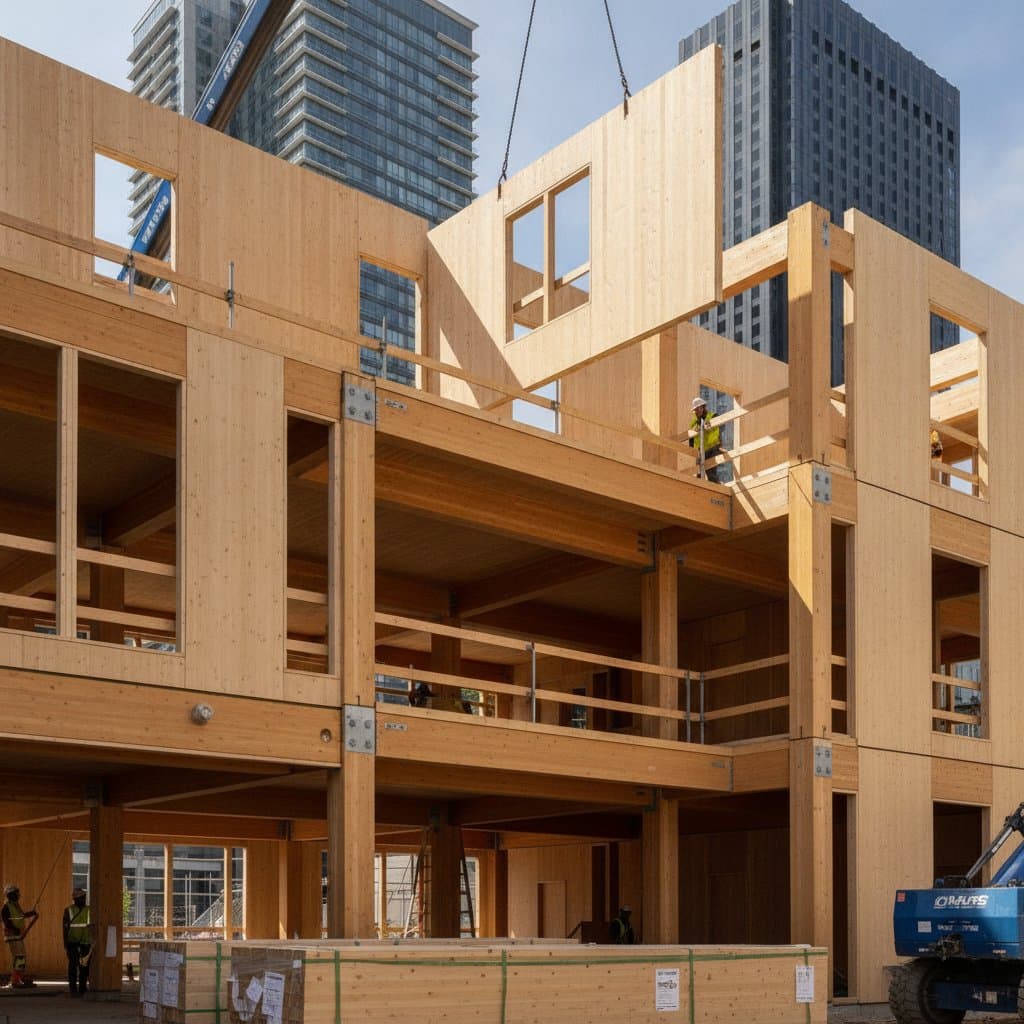
Cross-laminated timber and similar mass timber elements arrive on site assembly-ready. Factories pre-cut apertures for windows, doors, and mechanical installations. This approach curtails on-site alterations and sustains crew productivity. With diminished weather interruptions and material waste, labor duration and ancillary expenses decrease.
2. Compact Foundations Due to Reduced Weight
Mass timber's lighter profile compared to steel or concrete permits smaller foundations and less reinforcement. The reduced loading capacity conserves funds on excavation, concrete pouring, and rebar installation. Additionally, it eases placement on sites with suboptimal soil, where denser materials demand greater preparatory efforts.
3. Decreased Labor Demands
Mass timber panels serve dual roles as structure and interior finish. Upon assembly, they form an inviting wooden surface that typically requires no drywall or further treatment. This versatility cuts labor expenditures and accelerates the completion phase. Crews finish the building envelope promptly, allowing subsequent trades to commence earlier.
4. Compressed Project Timelines
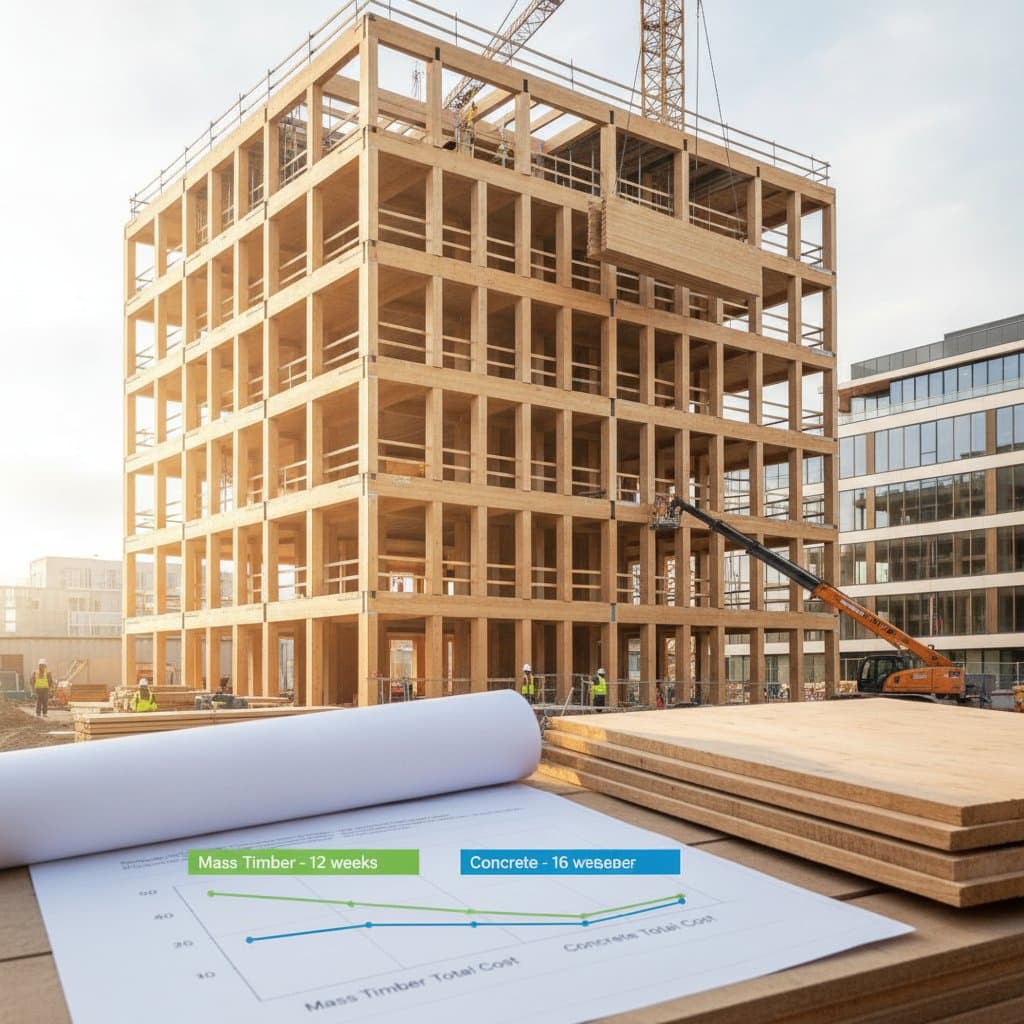
Each week eliminated from construction equates to savings in financing, oversight, and equipment leasing. Mass timber initiatives often erect in a portion of the conventional duration, substantially lowering indirect costs. Developers frequently observe that accelerated occupancy or prompt revenue initiation compensates for upfront material investments.
Principal Design and Performance Benefits
Beyond cost and velocity, mass timber introduces architectural and ecological merits that enrich the design methodology and ultimate edifice.
1. Natural Aesthetic and Design Versatility
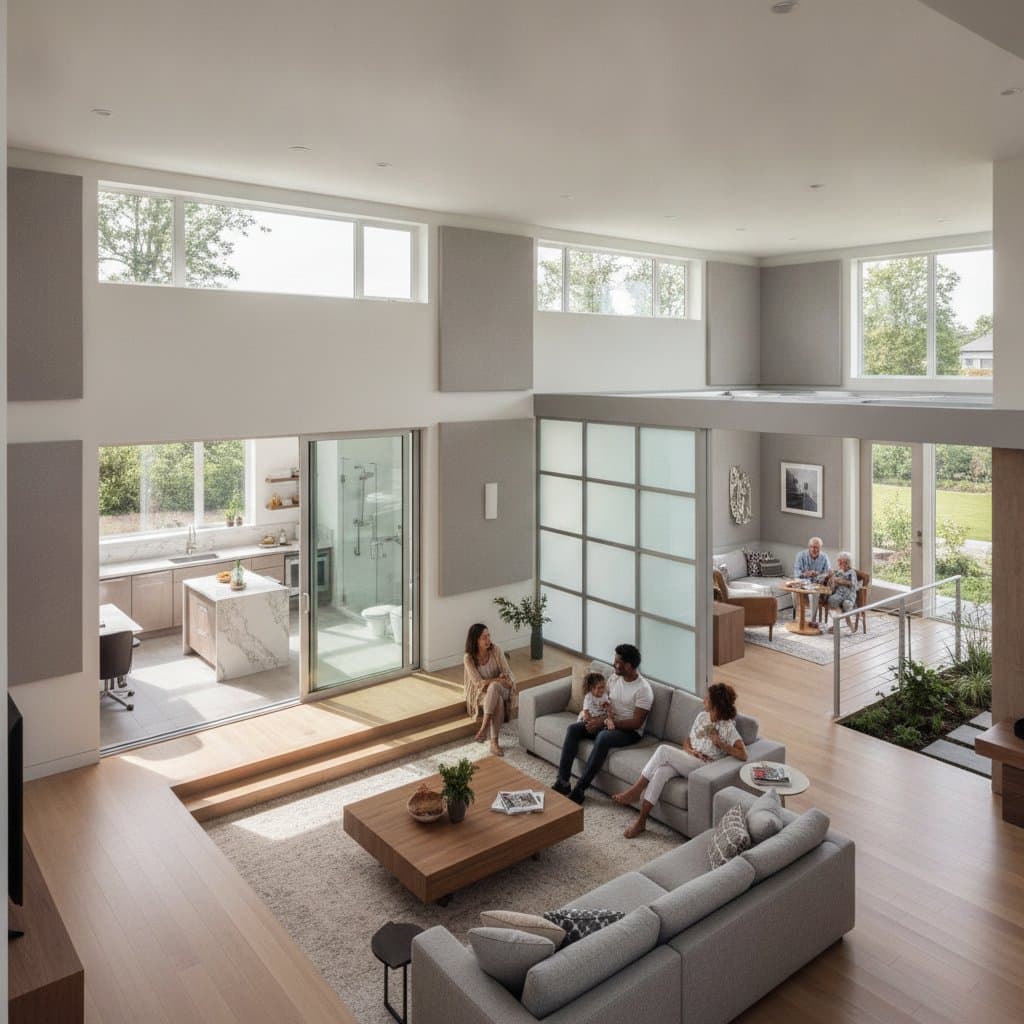
Mass timber interiors reveal inherent wood patterns, imparting warmth and tactile quality valued by inhabitants. Exposed timber fosters a unique aesthetic adaptable to diverse structures, including commercial offices and residential dwellings. Integration with steel fittings or glazed partitions yields contemporary, harmonious compositions.
2. Robustness and Fire Performance
Engineered cross-laminated timber panels deliver superior strength and dimensional stability. They accommodate substantial loads and resist deformation or distortion. Fire evaluations demonstrate mass timber's efficacy through consistent charring that safeguards the interior and upholds integrity. Such attributes qualify it for mid-rise and expansive edifices.
3. Environmental Sustainability and Carbon Sequestration
Timber sequesters carbon captured during growth. In building applications, this carbon remains contained instead of atmospheric release. Opting for sustainably harvested wood lessens construction's ecological impact relative to steel or concrete, which involve high-energy manufacturing processes.
4. Sound Insulation and Thermal Regulation
The inherent density of cross-laminated timber panels impedes noise transmission across areas. Paired with appropriate insulation, mass timber edifices achieve superior auditory comfort. The material's thermal characteristics further promote energy conservation, aiding consistent internal climate control.
Essential Cost Factors in Cross-Laminated Timber Projects
Although mass timber often trims overall expenses, meticulous planning ensures realization of these gains. Address the subsequent considerations at the outset of design.
1. Procurement and Transport Logistics
Delivery logistics affect ultimate pricing. Procuring panels from proximate producers shortens haul distances and guarantees punctual arrival. As prefabrication precedes, precise design alignment proves vital prior to fabrication. Subsequent modifications incur additional charges.
2. Structural Engineering and Team Coordination
Mass timber endeavors thrive on initial architect-engineer-fabricator collaboration. Designs must incorporate panel extents, joints, and force transmission. Building information modeling streamlines these integrations and averts assembly discrepancies.
3. Regulatory Compliance and Approvals
Jurisdictional codes progressively accommodate mass timber, though stipulations differ. Consult authorities promptly to verify adherence and paperwork. Validated certifications for fire endurance, load-bearing capacity, and humidity tolerance facilitate seamless ratification without prohibitive postponements.
4. Ongoing Upkeep Strategies
Wood demands safeguards against dampness and solar degradation. Adequate sealing, weatherproofing, and juncture treatments prolong external timber longevity. Internally, treated surfaces necessitate occasional reapplication or cleansing. With diligent care, mass timber installations endure comparably to traditional counterparts.
Cost Comparison: Mass Timber Against Conventional Methods
Cross-laminated timber's upfront material price may exceed basic lumber, yet offsets emerge elsewhere:
- Labor: Prefabrication lessens on-site personnel hours.
- Machinery: Compact cranes and reduced lifting apparatus decrease leasing fees.
- Substructure: Lighter mass curtails digging and concrete quantities.
- Timeline: Swifter finalization abbreviates funding and administrative outlays.
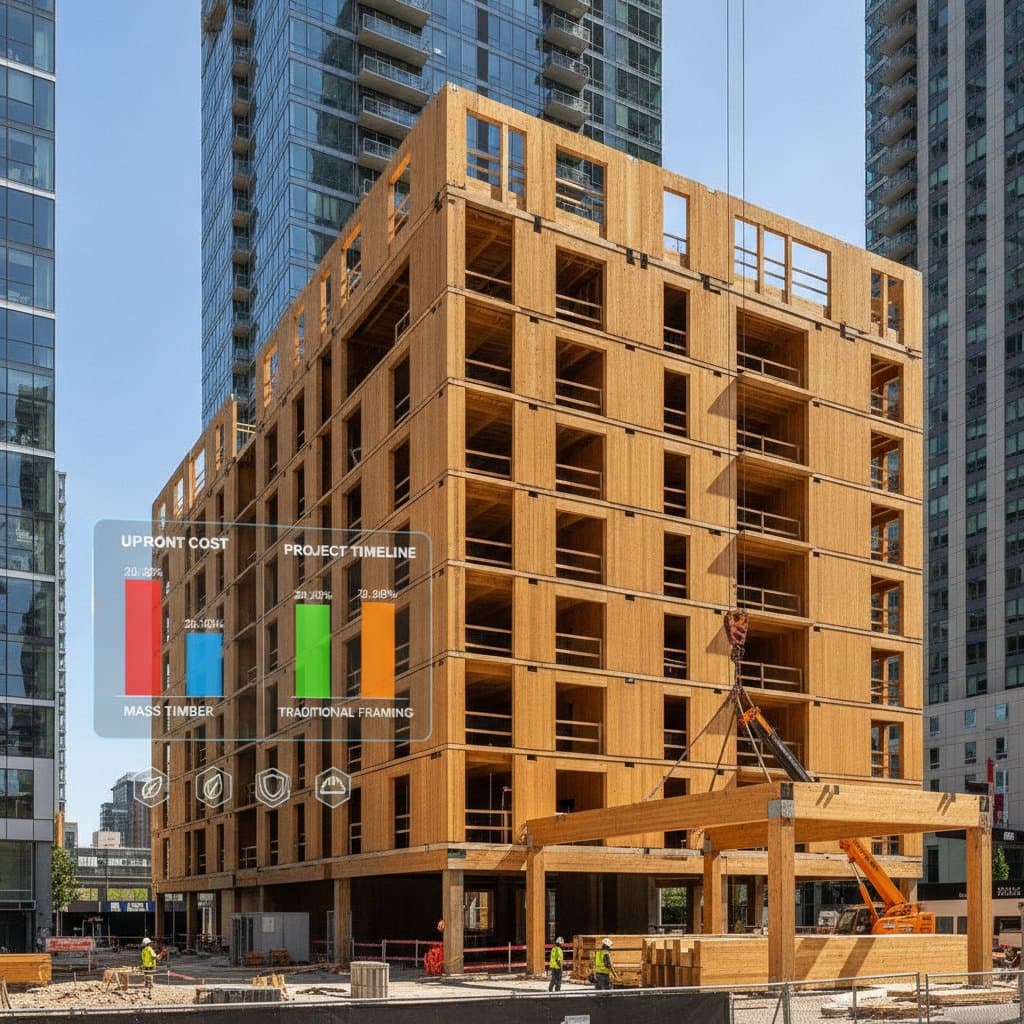
Collectively, these elements render total project costs equivalent or inferior to concrete or steel alternatives. For numerous developers, the temporal edge alone warrants adoption.
Ideal Applications for Mass Timber
Mass timber suits initiatives leveraging rapid erection, compelling visuals, and eco-conscious operation. Typical scenarios encompass:
- Multi-unit Residences: Expedited erection facilitates expansive ventures.
- Commercial Offices: Revealed wood fosters engaging work environments.
- Academic Venues: Minimal carbon emissions and salubrious components align with organizational objectives.
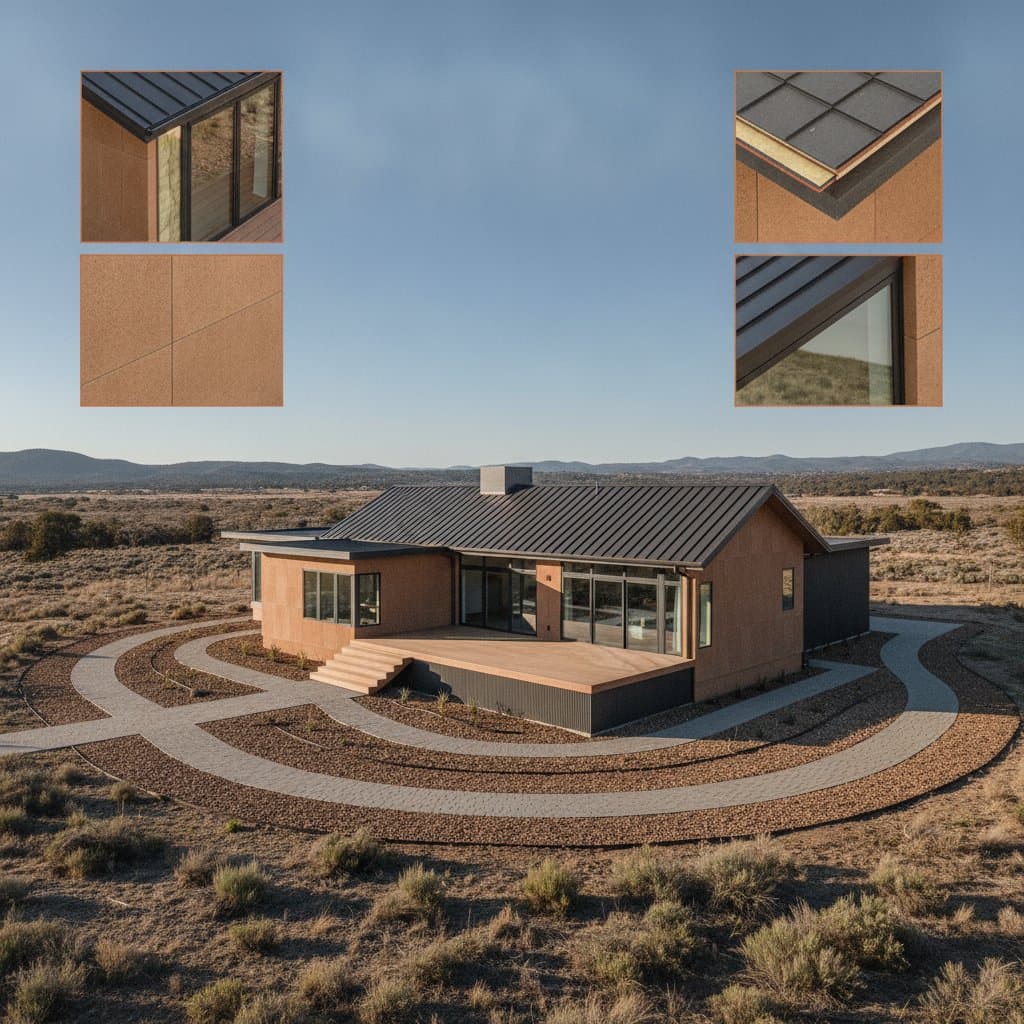
- Bespoke Residences: Modular panels streamline framing and on-site efforts.
In every instance, the synergy of velocity, accuracy, and ecological stewardship yields tangible enhancements.
Strategies for Moisture and Environmental Protection
As an organic substance, timber necessitates vigilant humidity oversight. Construction professionals employ targeted tactics:
- Interim Enclosures: Cover panels amid erection to avert water ingress.
- Meticulous Joinery: Incorporate weatherstripping, projections, and runoff channels.
- Moisture Controls: Install barriers to regulate internal vapor, particularly in fluctuating regions.
- Durable Coatings: Utilize treatments countering ultraviolet and aqueous harm.
Adhering to these protocols secures resilience and curtails future preservation expenses.
Leveraging Established Mass Timber Frameworks
Advancements in mass timber encompass refined bonding agents, fasteners, and flame-retardant measures. Producers often supply comprehensive assemblies featuring annotated panels, mounting components, and procedural manuals.
Education and preliminary alignment prove pivotal. Familiarity with manipulation methods and linkage specifics renders erection efficient.
Implementing Mass Timber Effectively
To curtail project outlays while adhering to stringent deadlines, mass timber presents a viable strategy. Engage design collaborators versed in engineered timber, synchronize promptly with producers, and orchestrate supply chains judiciously.
Precision fabrication allied with innate resources yields fiscal and visual merits. For commercial complexes, multi-unit complexes, or tailored homes, this methodology enables swifter, more astute, and sustainable construction.