2026 Cost Comparison: Mass Timber Versus Traditional Framing
Sustainable construction practices continue to evolve, positioning mass timber as a viable alternative to traditional wood framing. Professionals in the building industry evaluate these options based on initial expenses, operational efficiency, and enduring benefits. This analysis examines essential elements to inform decisions on budget allocation, workforce requirements, and investment returns.
Guide Overview
This resource addresses the following areas:
- Primary influences on expenses for mass timber and conventional framing
- Detailed assessments of materials and workforce expenditures
- Evaluations of sustained functionality and upkeep needs
- Scenarios favoring one approach over the other
- Strategies for achieving expense predictability over time
Expense Analysis
Materials Breakdown
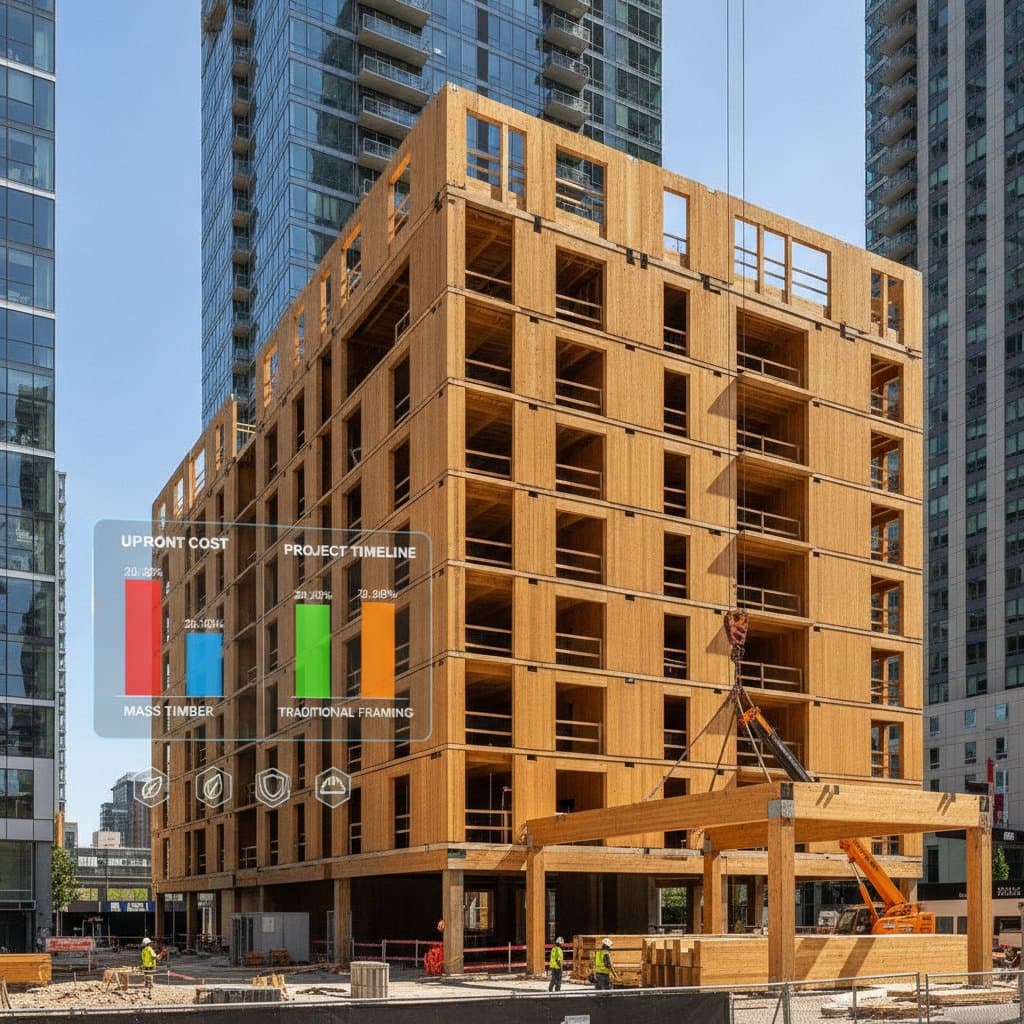
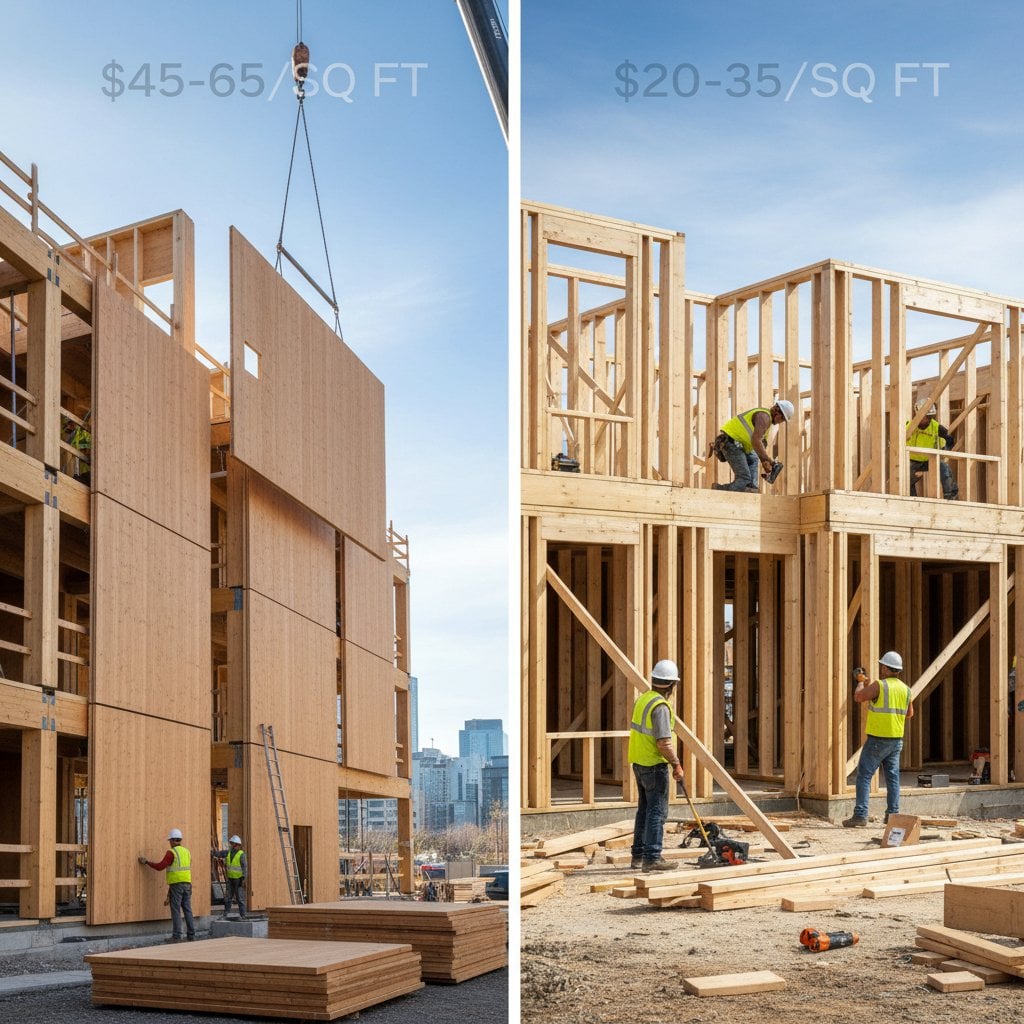
Mass timber components range from $45 to $65 per square foot in material pricing. In contrast, traditional framing materials fall between $20 and $35 per square foot. The elevated price of mass timber reflects advanced fabrication processes, enhanced load-bearing capabilities, and constraints in regional manufacturing volumes.
For instance, a 2,000-square-foot residential project using mass timber might incur $90,000 to $130,000 in materials, while traditional framing could total $40,000 to $70,000. Builders should factor in transportation costs, as mass timber often ships from specialized facilities.
Workforce Expenditures
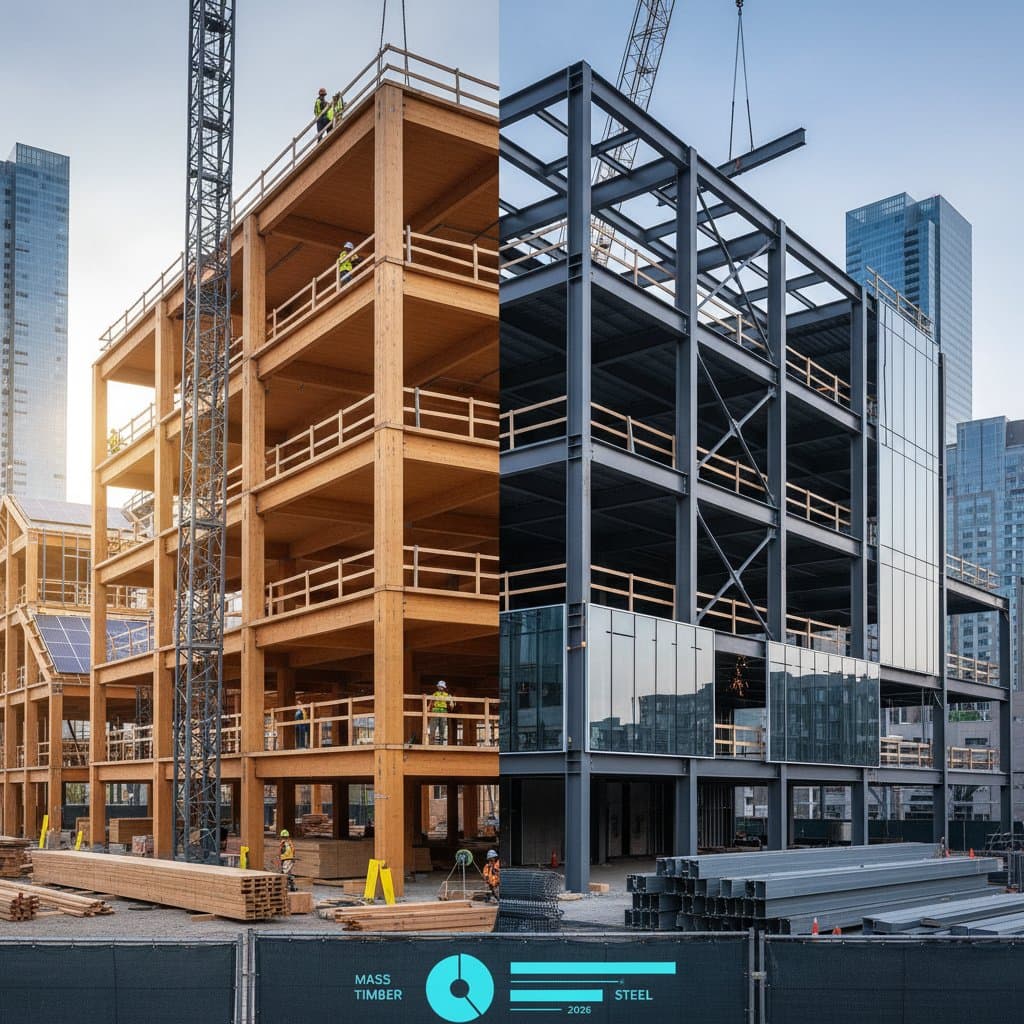
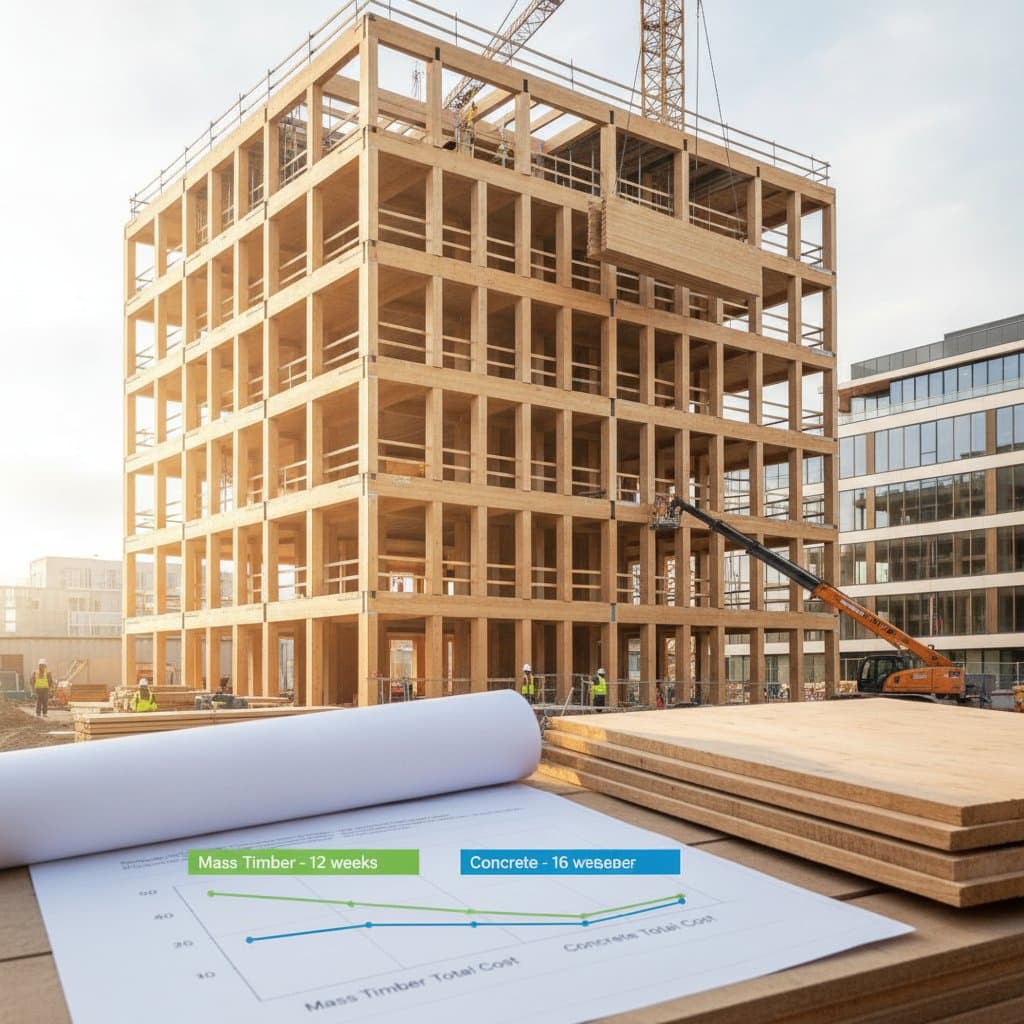
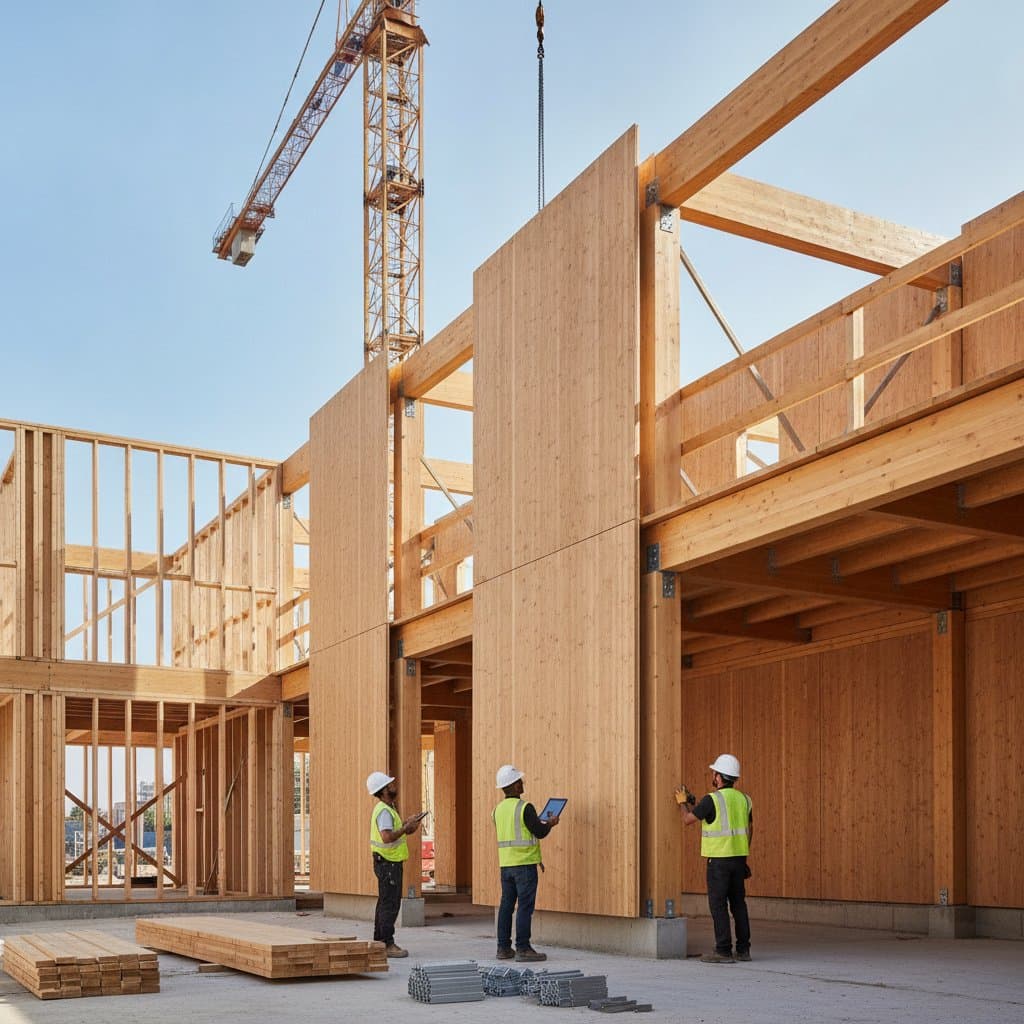
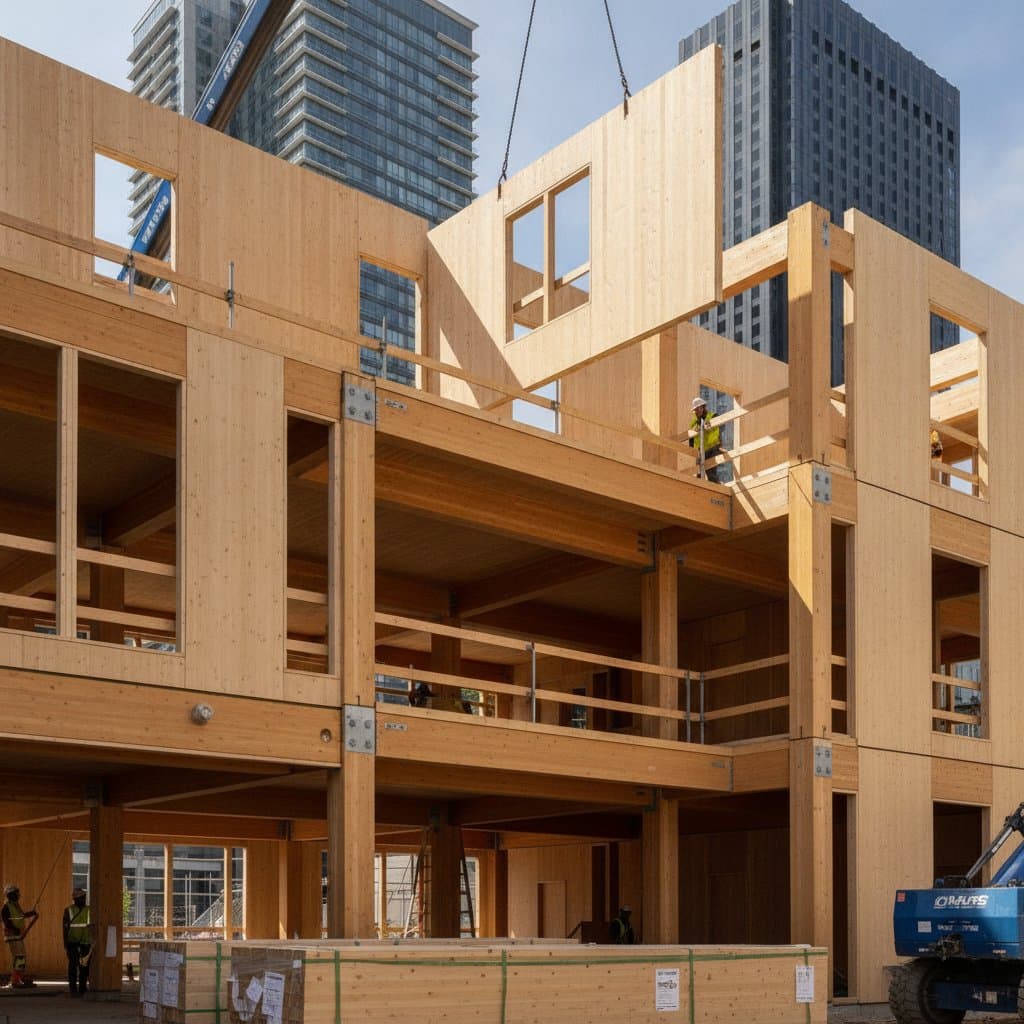
Mass timber installation demands fewer labor hours due to its prefabricated nature. Panels arrive pre-cut and labeled, allowing crews to assemble structures 20 to 30 percent faster than with on-site framing. This efficiency minimizes exposure to environmental disruptions and accelerates project timelines.
Traditional framing involves extensive cutting, nailing, and bracing at the site, which extends labor duration. A typical crew might spend 40 percent more time on these tasks, potentially increasing payroll by $5 to $10 per square foot depending on regional wage rates. Selecting experienced teams can mitigate these differences.
Influence of Project Size and Design
For compact residential builds, traditional framing provides superior cost control through familiar supply chains. Larger commercial or multi-unit developments leverage mass timber's prefabrication to cut overall timelines and waste by up to 15 percent.
Intricate layouts with expansive openings or visible structural features suit mass timber particularly well. Architects can integrate these elements seamlessly, enhancing both form and function without supplemental supports.
Investment Returns and Market Value
Properties featuring mass timber often appreciate faster, with premiums of 5 to 10 percent in resale markets driven by eco-conscious buyers. Shorter construction periods reduce financing interest for developers, yielding savings of 10 to 15 percent on holding costs.
Traditional framing suits projects with tight timelines or fiscal constraints, delivering reliable performance without premium pricing. Across decades, mass timber's lower energy use can recoup 20 to 30 percent of the upfront differential through utility reductions.
Consider a mid-sized office building: mass timber might add $50,000 initially but save $15,000 annually in operations, achieving break-even within seven years.
Owner-Builder Versus Expert Involvement
Suitable Owner-Led Projects
Experienced individuals can manage traditional framing for modest extensions, storage units, or outbuildings. Local suppliers provide straightforward access to lumber, and resources like building manuals guide safe execution.
Mass timber projects demand engineering oversight and heavy machinery for panel handling. Amateurs risk structural compromises, so professionals handle all but the simplest decorative applications.
Engaging Specialists
Regulatory adherence and oversight apply universally. Secure certified experts for elevated structures, business facilities, or load-altering work to ensure safety and compliance.
Inquire about portfolios in advanced wood systems, vendor partnerships, and protocols for humidity control. Demand comprehensive proposals delineating workforce, supplies, and timelines for transparent comparisons.
Strategies for Cost Optimization
- Secure materials ahead of schedule to navigate mass timber supply constraints and lock in rates.
- Adopt hybrid approaches, such as mass timber roofing atop framed elevations, to merge efficiencies.
- Optimize layouts for prefabrication, targeting under 5 percent waste through digital modeling.
- Prioritize robust moisture defenses with quality sealants and airflow systems to avoid future interventions.
- Solicit multiple proposals, emphasizing itemized expenses to uncover efficiencies in sourcing or sequencing.
Implementing Your Choice
Project objectives, regional resources, and team capabilities guide the selection between mass timber and traditional framing. Mass timber advances efficiency and ecological goals for ambitious endeavors, while conventional methods ensure practicality for routine builds. Assess site specifics, consult stakeholders, and align with certified suppliers to realize a resilient, cost-effective outcome tailored to your needs.