Understanding Prefab and Traditional Bathroom Installations
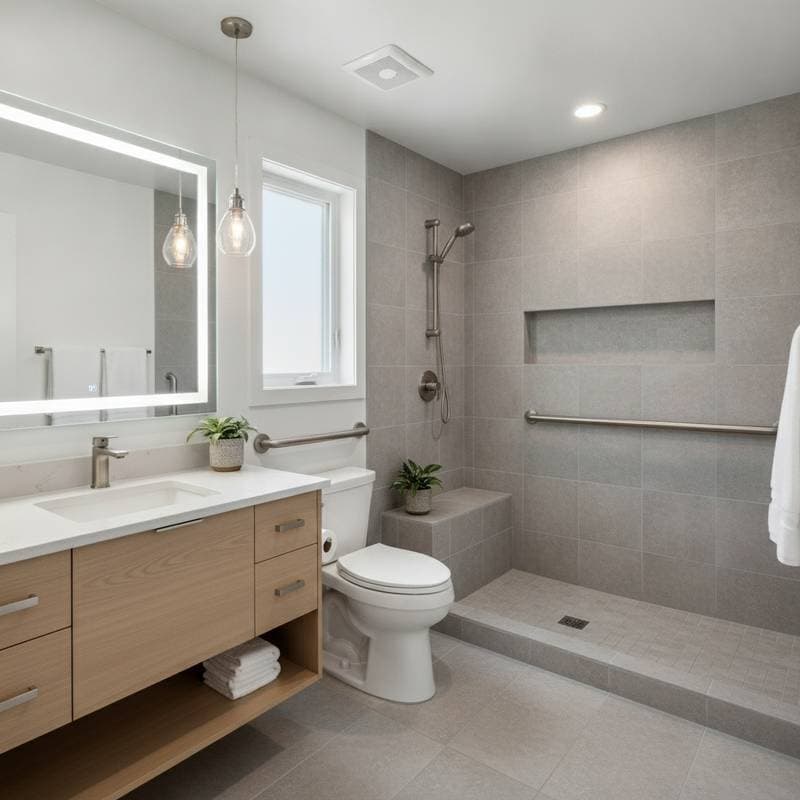
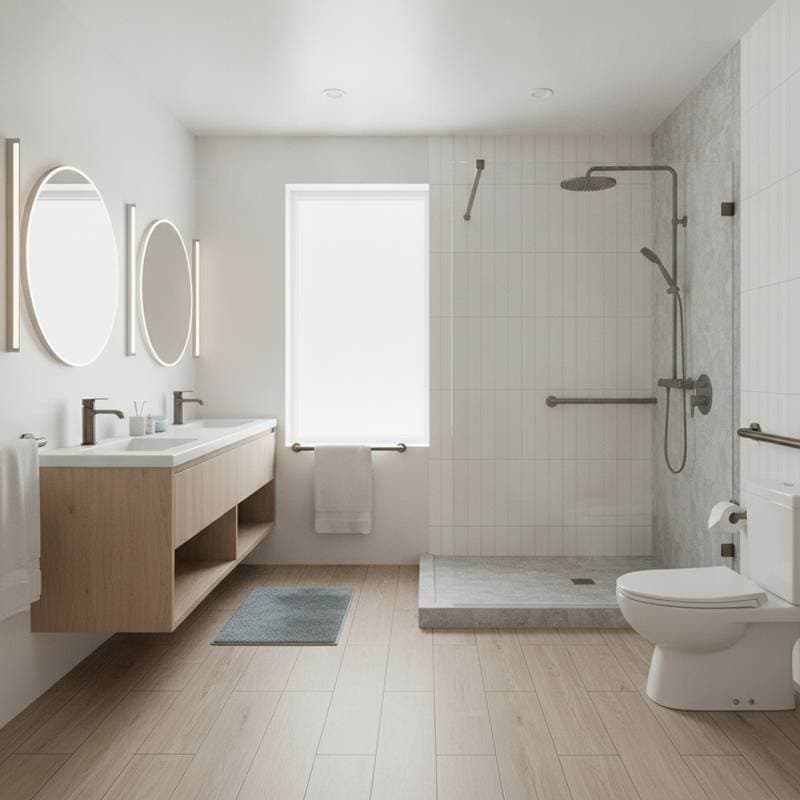
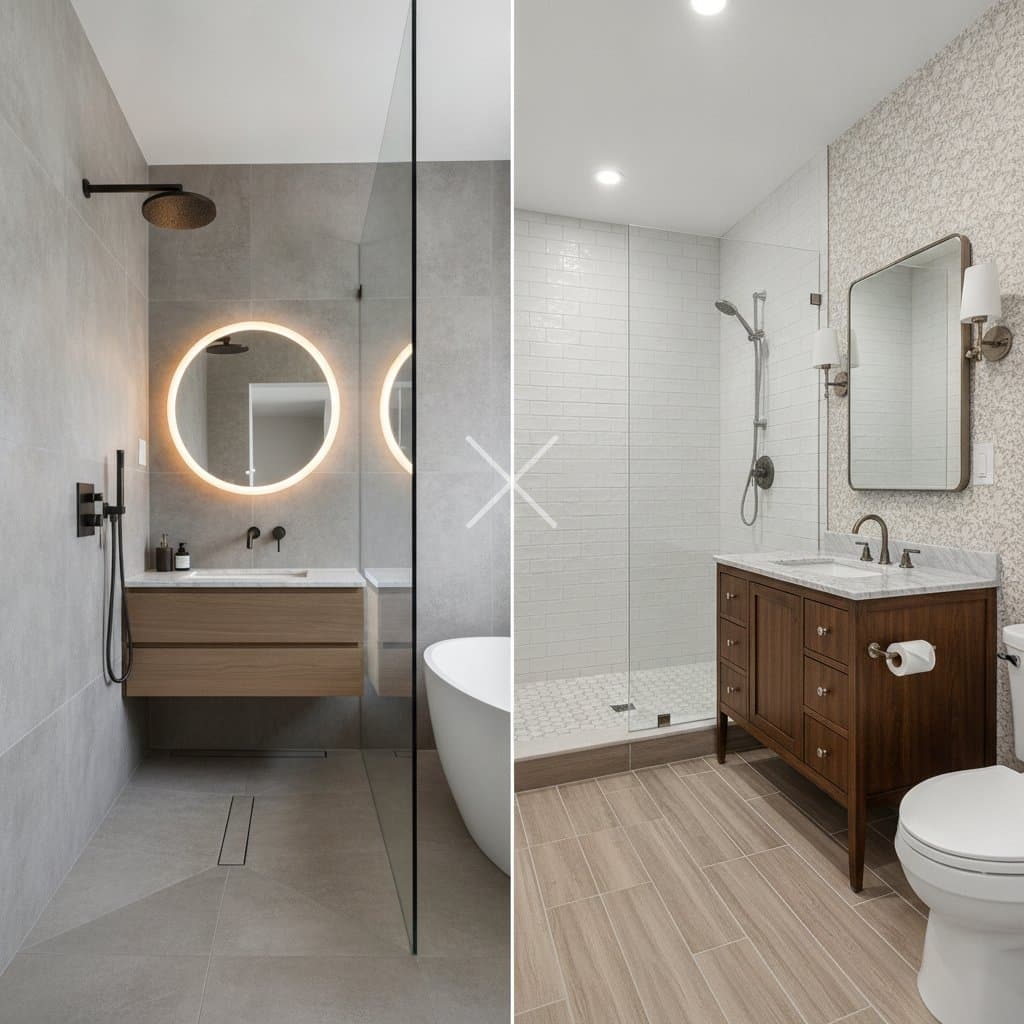
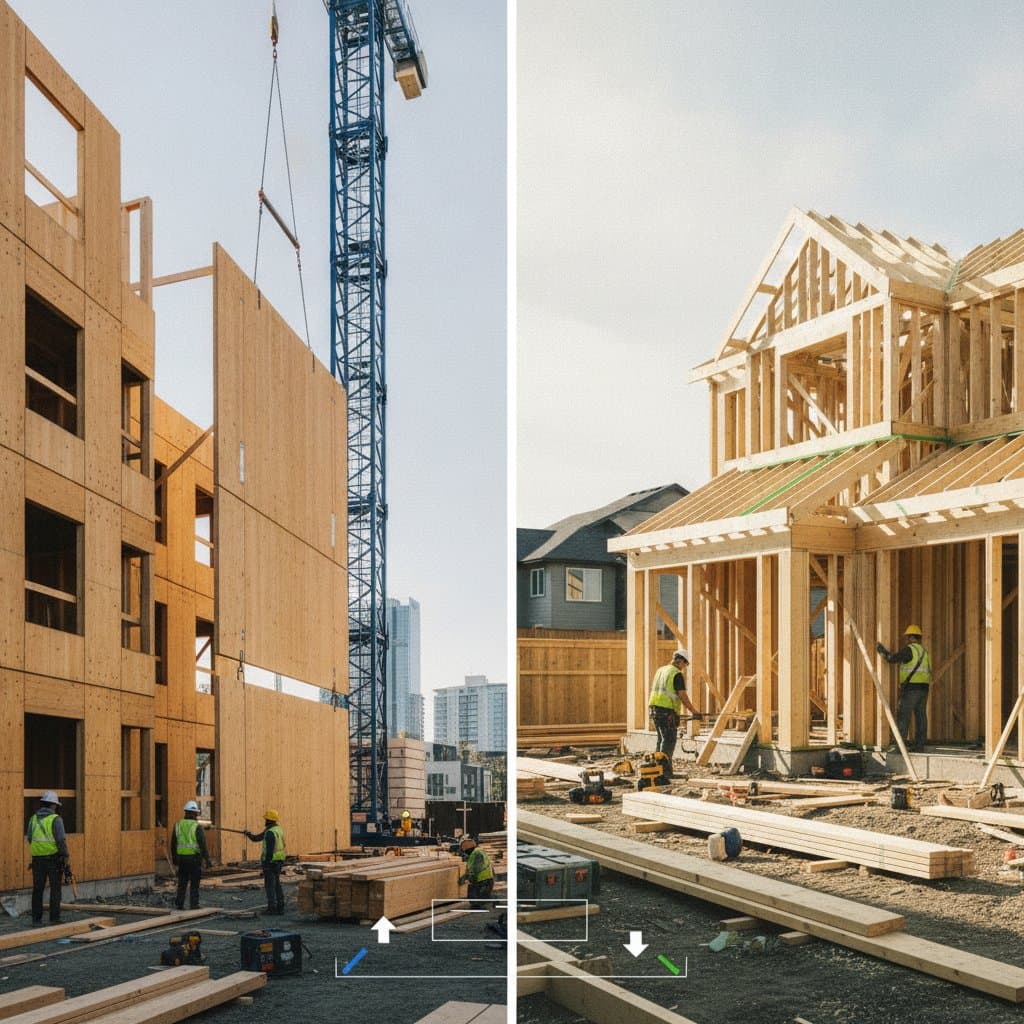
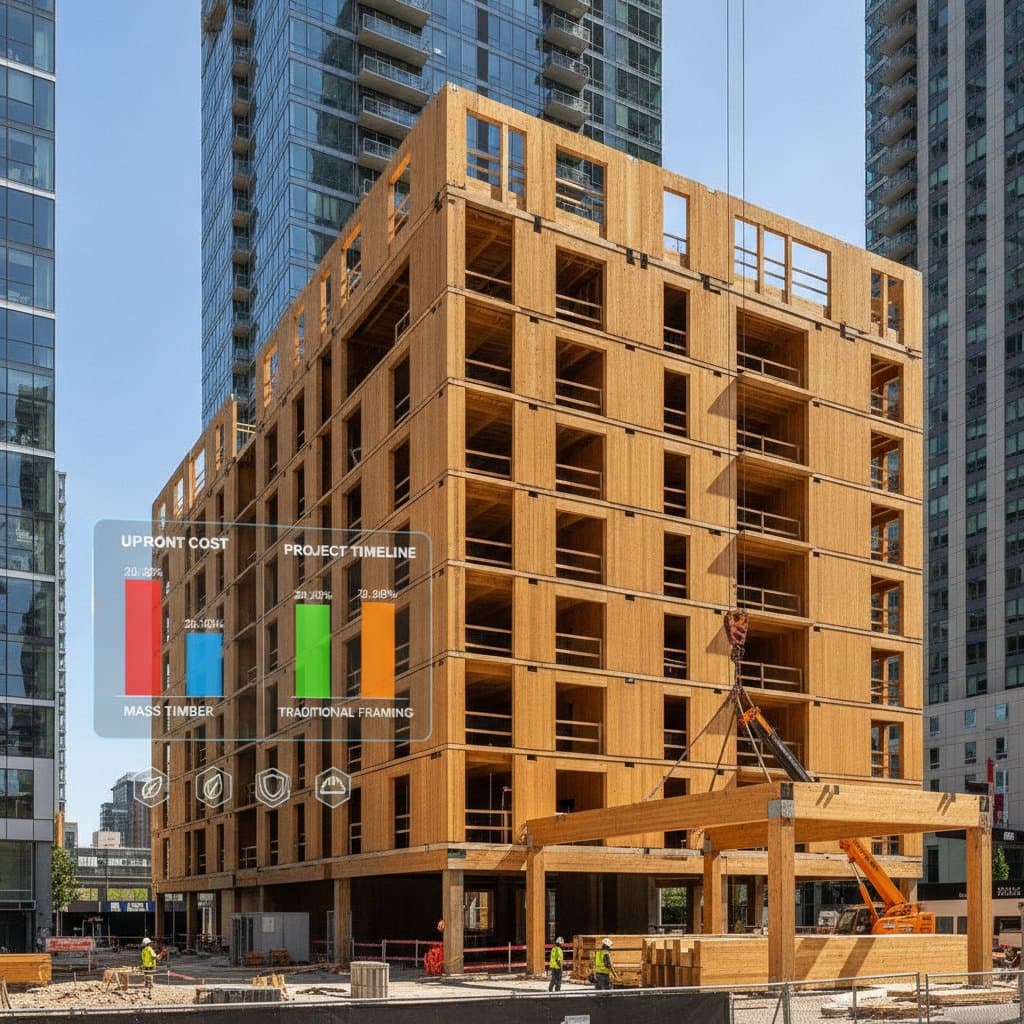
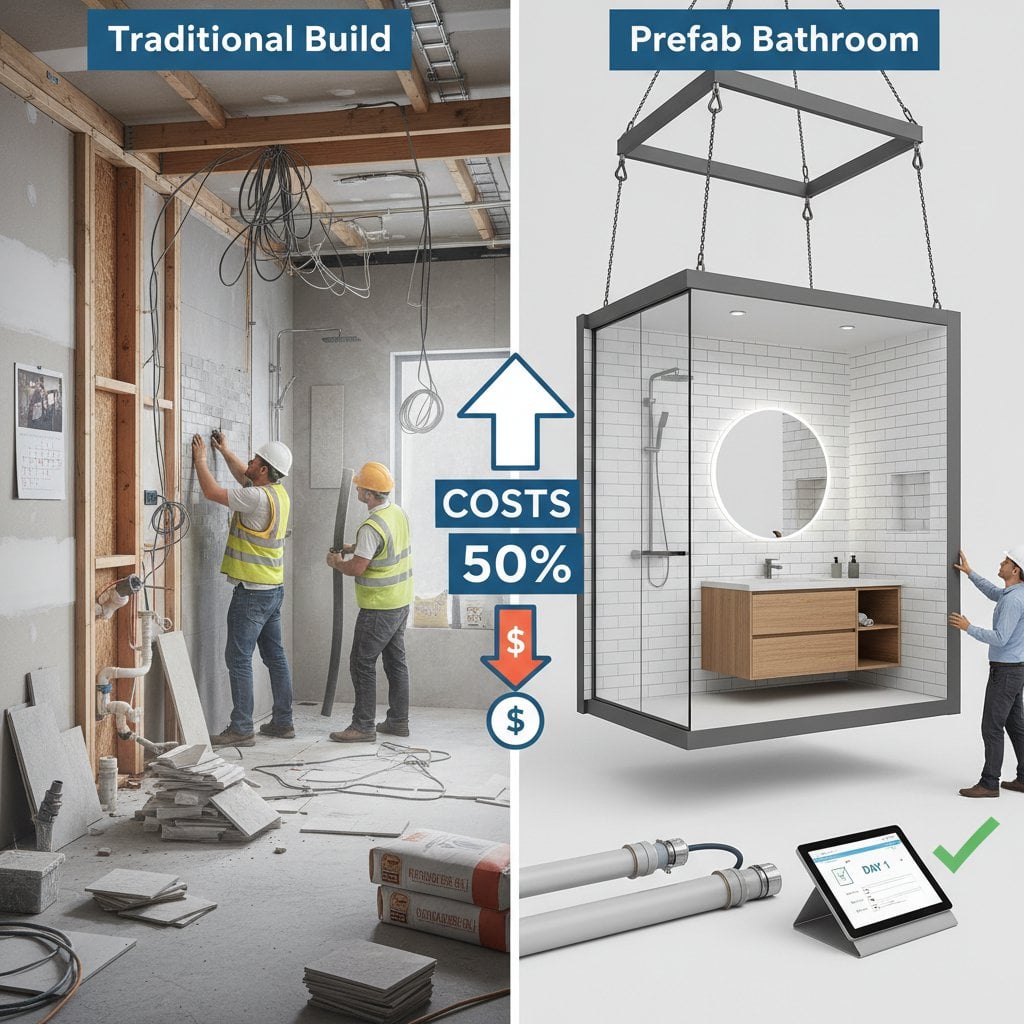
Prefab bathroom systems arrive pre-assembled in modular units, ready for on-site integration. Traditional builds involve custom construction from the ground up, using individual materials like tiles, fixtures, and framing. This comparison highlights key differences in cost, timeline, and durability to guide your decision-making process.
Prefab options streamline renovations by reducing labor and material waste, often completing in days rather than weeks. Traditional methods allow for unique layouts but demand more time and skilled oversight. Consider your space constraints and aesthetic goals when selecting an approach.
Cost Breakdown: Prefab Versus Traditional
Prefab installations typically range from $8,000 to $18,000, depending on size and features. Basic modular pods start at the lower end, including fixtures like sinks, toilets, and showers pre-installed. Professional installation adds labor fees, but overall expenses remain 50% below traditional remodels.
Traditional bathroom overhauls cost $20,000 to $35,000 or higher, factoring in custom cabinetry, tiling, and plumbing rerouting. Material selections, such as high-end vanities or imported tiles, drive up prices quickly. Hidden costs like permits and inspections further inflate budgets for on-site builds.
Savings with prefab stem from factory-controlled production, which minimizes errors and excess purchases. For a standard 50-square-foot bathroom, prefab units save approximately $10,000 to $15,000 compared to equivalent traditional setups. Always obtain multiple quotes to confirm local pricing variations.
Timeline and Efficiency Comparison
Prefab systems install in 2 to 5 days, with most work involving site preparation and connections. Units ship complete with plumbing and electrical stubs, allowing quick hookups to existing lines. This rapid pace suits busy households or rental properties needing minimal downtime.
Traditional remodels extend 4 to 8 weeks, encompassing demolition, framing, and finishing stages. Delays often arise from supply chain issues or weather impacts on material delivery. Prefab avoids these pitfalls by front-loading assembly in a controlled environment.
Quality remains comparable when using reputable manufacturers; prefab units undergo rigorous testing for leaks and structural integrity. Traditional builds excel in bespoke details, such as curved walls or integrated lighting, but require precise craftsmanship to match prefab reliability.
DIY Options for Prefab Installations
Experienced homeowners can tackle prefab setups if basic plumbing and electrical infrastructure exists. Position the unit on a level subfloor, align supply and drain lines, and secure it with provided anchors. Seal all joints with silicone caulk to prevent water intrusion.
Essential tools include a level, pipe wrench, and voltage tester. Review the manufacturer's manual for model-specific steps, such as adjusting door swings or integrating ventilation. Limit DIY to straightforward placements; complex integrations demand professional input.
Budget for DIY prefab at $8,000 to $12,000, covering the unit and minor supplies. This approach empowers cost control but assumes familiarity with building basics. Test water pressure and electrical continuity post-installation to ensure functionality.
Professional Installation Recommendations
Engage licensed contractors for traditional builds to handle structural modifications and code compliance. They manage demolition, install new piping, and coordinate subcontractors like tilers and painters. Oversight ensures the project passes inspections without revisions.
For prefab, professionals charge $12,000 to $18,000, focusing on precise placement and system integration. They verify load-bearing capacity and adapt the unit to irregular spaces. Hiring experts reduces risks like misalignment or code violations.
Select specialists in modular construction for optimal results. They provide warranties on labor and often bundle design consultations. Compare bids from at least three firms to secure competitive rates and timelines.
Essential Safety Measures During Installation
Prioritize slip prevention by selecting footwear with rubber soles for wet or tiled areas. Maintain a dry workspace to avoid falls, especially around drains and shower bases.
Address electrical risks by disconnecting power at the breaker panel before handling outlets or fixtures. Use grounded tools and inspect cords for damage to prevent shocks.
Protect against debris with gloves, safety glasses, and a dust mask during cutting or sanding. Ventilate the area to disperse fumes from adhesives or paints. Pressure-test plumbing lines after connections to detect leaks early.
Follow these protocols to safeguard health and comply with safety standards. Document each step for reference in case of inspections or future maintenance.
Managing Cleanup and Waste Disposal
Remove old tiles, fixtures, and drywall fragments promptly to clear the workspace. Transport waste to designated construction recycling centers, separating metals, glass, and organics as required by local regulations.
Prefab packaging, often made from recyclable cardboard and foam, can return to suppliers or facilities. Clean residues from adhesives using solvent-based removers specified by the product guidelines.
Vacuum dust thoroughly and wipe surfaces before final assembly. This preparation prevents contamination of new components and promotes a hygienic environment. Schedule disposal in advance to avoid project delays.
Indicators for Professional Intervention
Seek expert assistance if plumbing requires relocation or diameter increases to support high-flow fixtures. Similarly, new electrical circuits or panel upgrades necessitate certified electricians.
Inspect for underlying issues like wood rot, floor sagging, or wall dampness before proceeding. These conditions demand remediation to support the new installation securely.
Local codes may mandate licensed installers for prefab modules, particularly in multi-unit buildings. Professionals ensure adherence, avoiding fines or rework.
Hourly rates vary: plumbers at $75 to $150, electricians at $80 to $160. Full remodels under general contractors total $20,000 to $35,000. Verify credentials through state boards and obtain proof of liability insurance.
Contractor Selection Checklist
- Confirm active state licensing and bonding.
- Review portfolios of completed bathroom projects.
- Request detailed proposals outlining tasks, schedules, and guarantees.
- Evaluate references for reliability and quality.
- Negotiate terms in a signed agreement to protect all parties.
Advanced Strategies for Optimal Results
Select prefab units certified for your region's plumbing and electrical standards, such as those compliant with UPC or IPC codes. Measure access paths meticulously to accommodate pod dimensions during delivery.
Conduct functionality tests on faucets, drains, and lights prior to enclosing panels. Stockpile spare sealants, gaskets, and paint for prompt fixes.
When blending prefab elements with custom additions like hardwood floors or stone counters, assess thermal expansion rates. Use flexible membranes at junctions to mitigate cracks from material shifts.
These practices enhance longevity and aesthetics. Document the setup with photos for warranty claims or resale documentation.
Choosing the Right Path for Your Remodel
Prefab bathrooms deliver consistent outcomes with abbreviated disruption, perfect for cost-sensitive updates or guest suites. Traditional approaches provide unparalleled personalization, ideal for primary spaces demanding unique flair.
Weigh priorities: prefab for efficiency and economy, traditional for tailored excellence. Either selection, executed thoughtfully, elevates your home's comfort and value.