Integrating 3D-Printed Components to Lower Home Construction Costs by 2026
Home construction undergoes continuous transformation through technologies that decrease expenses, limit waste, and accelerate timelines. Among these innovations, 3D printing, or additive manufacturing, stands out prominently. This process employs large-scale printers to fabricate structural elements, walls, and complete foundations layer by layer using concrete or composite materials. For homeowners and builders, it provides a viable means to manage budgets effectively while upholding structural integrity and creative possibilities.
Mechanisms Behind Cost Reductions in 3D Printing
Conventional construction demands multiple specialized trades, substantial machinery, and prolonged labor periods. 3D-printed components eliminate many of these elements. Automated systems manage the printing operation, ensuring accurate material deployment and minimizing inaccuracies. Consequently, material waste decreases by as much as 60 percent, and labor expenses drop by 30 to 50 percent relative to traditional methods.
Key areas of savings emerge in the following aspects:
- Foundations and Structural Walls: On-site printing streamlines foundation creation and eliminates much of the formwork required in standard processes.
- Custom Fixtures and Panels: Printers produce intricate designs without incurring additional manufacturing fees.
- Project Acceleration: Printed foundations or wall assemblies complete in days rather than weeks, thereby lowering interest and site-holding expenses.
Anticipated Expenses for Homeowners
Costs fluctuate based on location and project magnitude, yet initial implementations indicate that printed components range from 20 to 40 percent below traditional masonry or concrete alternatives. For instance, a printed foundation typically costs $5 to $8 per square foot, in contrast to $8 to $12 for poured concrete. Complete structural shells may range from $120 to $150 per square foot, influenced by material composition and finishing requirements.
Greater economies arise when professionals incorporate printed elements into hybrid constructions, pairing them with standard framing or pre-engineered roofs. Such integration preserves adaptability alongside financial benefits. Homeowners benefit from consulting detailed breakdowns to identify optimal combinations for their specific needs.
Exploring DIY Options and Professional Engagement
Individuals may print small decorative features or interior dividers using accessible consumer printers and handle their installation independently. However, substantial structural items like load-bearing walls or foundations necessitate industrial printers managed by qualified experts. These endeavors require adherence to regional building regulations and successful inspections, underscoring the importance of professional involvement.
To select a contractor, verify completion of specialized 3D printing training and utilization of verified equipment for load-bearing uses. Request examples from comparable projects involving similar dimensions and substances. Competent professionals coordinate with inspectors and structural engineers to guarantee regulatory compliance and safety.
Enhancing Design Versatility and Aesthetic Choices
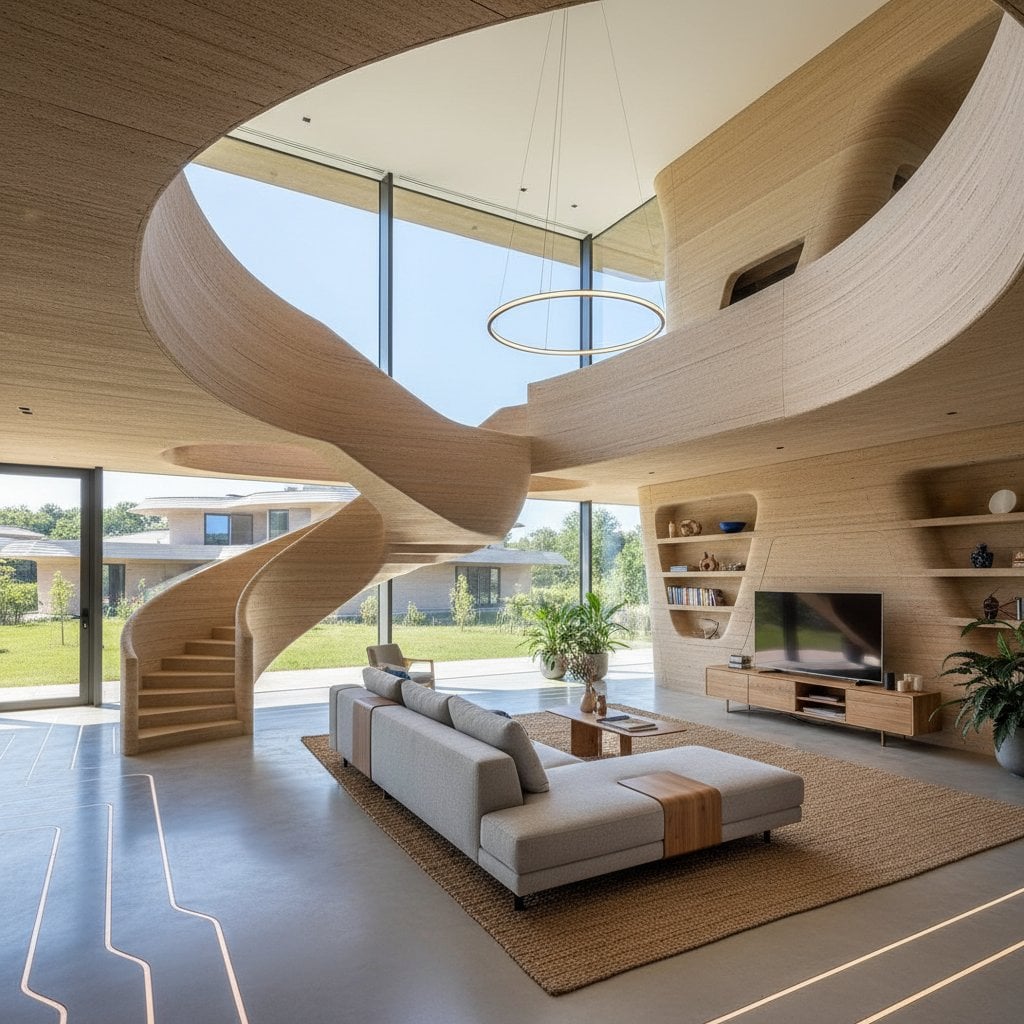
Additive manufacturing supports virtually any geometric form without supplementary charges. Elements such as curved walls, embedded insulation pathways, and integrated utility channels integrate seamlessly during printing. This capability facilitates realization of contemporary minimalist aesthetics or fluid organic configurations that prove costly with conventional substances.
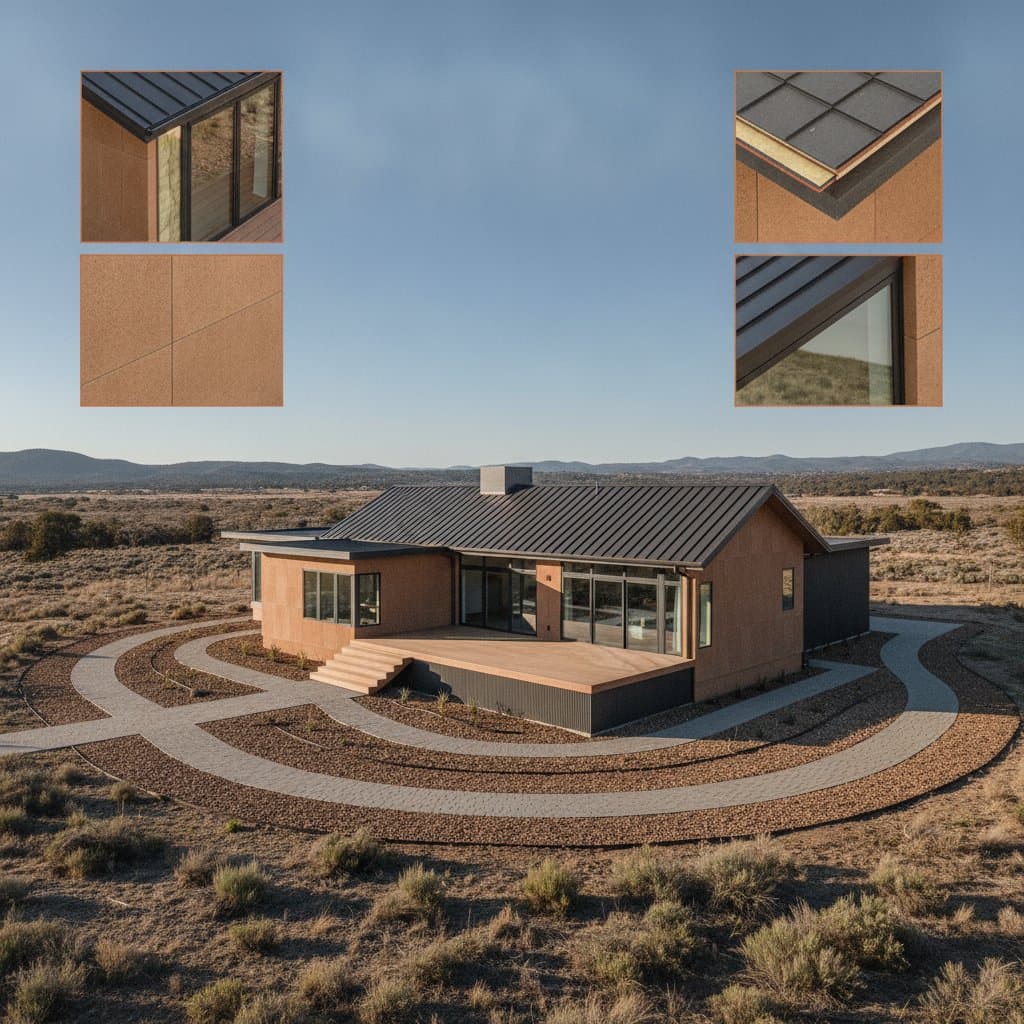
Exposed printed surfaces offer a distinctive textured finish for modern appeal, while applications of stucco or paint yield traditional exteriors. In regions prone to elevated humidity or thermal variations, formulations incorporate additives to bolster resilience and thermal performance. Designers recommend prototyping small sections to preview textures and ensure alignment with overall vision.
Ensuring Durability and Simplified Upkeep
Components produced through 3D printing achieve or surpass the longevity of standard materials. Appropriate sealing protects against moisture infiltration and fractures for several decades. Upkeep entails periodic evaluations of sealant conditions and targeted repairs as needed.
The process generates minimal joints and seams, reducing the frequency of caulking or patching compared to joint-heavy traditional builds. Homeowners should schedule annual reviews by qualified inspectors to maintain peak performance and preempt issues.
Optimizing Returns and Sustained Benefits
Printed construction delivers advantages extending past initial savings. Reduced labor and material outlays build immediate equity, and thermally efficient walls lower ongoing energy expenditures. Professionals adapt blueprints swiftly, compressing schedules and enhancing marketability for resale.
To maximize value, prioritize builders with proven 3D expertise and solicit comprehensive financial analyses. Hybrid approaches often yield the best balance of innovation and reliability, positioning properties for long-term appreciation in an evolving market.
Adopting Advanced Methods for Efficient Residential Development
3D-printed home components shift rapidly from prototype to standard practice. Advancements in machinery and formulations will drive further price reductions. Homeowners position themselves advantageously by partnering with additive manufacturing specialists and obtaining precise cost evaluations. Merging these cutting-edge techniques with established building principles results in resilient, streamlined, and budget-savvy residences that embody forward-thinking construction.