
Flood-Resistant Foundations: Balancing Cost and Protection
Increasing flood risks from rising sea levels and intense storms compel homeowners to evaluate foundation designs that withstand water intrusion. A well-chosen flood-resistant foundation separates routine maintenance from total rebuilding after a deluge. Factors such as geographic location, financial resources, and personal risk assessment guide the selection process. This overview details primary foundation strategies, associated expenses, and key compromises to support informed choices for enduring security.
Primary Flood-Resistant Foundation Designs
Effective flood defense starts with the foundation, which either lifts the structure or fortifies it against water entry.
Elevated Pier Foundations
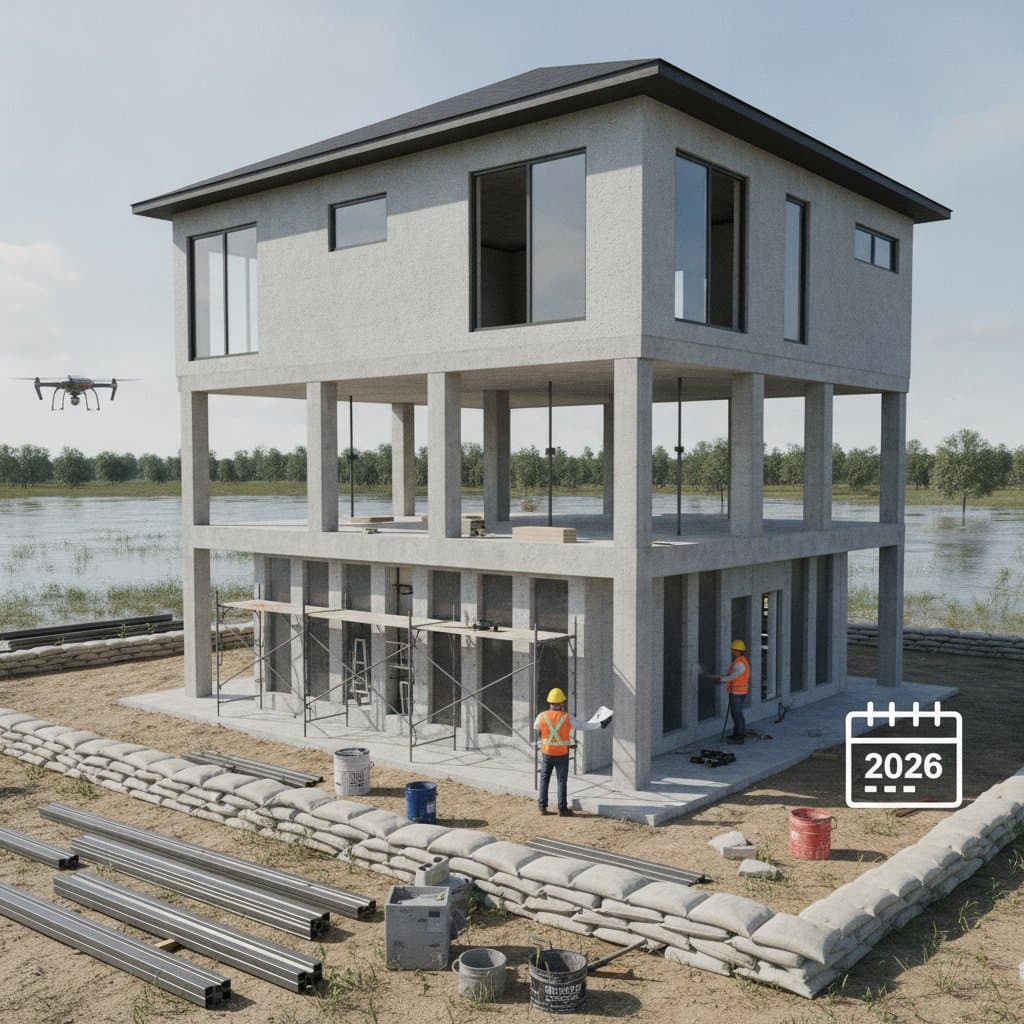
These systems position the home above the base flood elevation through concrete or steel piers driven into the ground. Such designs excel in coastal regions and along riverbanks where water surges frequently.
Elevation ensures living areas remain dry while permitting water to pass beneath the structure, minimizing force on exterior walls. Costs range from $25 to $60 per square foot, influenced by required height and subsurface stability. Professional involvement is essential, including geotechnical assessments and engineering plans; avoid DIY attempts due to structural complexities. Schedule inspections every two to three years to check for rust, misalignment, or subsidence.
Flood-Vented Foundations
Strategic vents in foundation walls enable water to enter and exit freely, equalizing pressure during inundation.
This approach mitigates hydrostatic forces that could buckle walls or fracture slabs. Individual vents cost $200 to $400, and typical installations require four to eight units based on perimeter length. While prefabricated vents suit skilled homeowners, exact placement and airtight sealing demand adherence to local floodplain regulations for code compliance.
Sealed Waterproof Foundations
Impermeable coatings and membranes form a continuous barrier over concrete slabs and walls to block moisture penetration.
Such barriers effectively repel shallow groundwater and surface runoff, preserving basement integrity. Comprehensive waterproofing for a standard residence costs $5,000 to $15,000. Opt for durable options like elastomeric paints or bentonite clay sheets in areas with high soil moisture. Plan to refresh surface treatments every 10 to 15 years to preserve effectiveness.
Weighing Expenses Against Protective Benefits
Each flood mitigation method requires trade-offs between immediate outlays and sustained risk reduction.
Elevated foundations demand the largest upfront expenditure yet can lower flood insurance rates by as much as 60 percent, yielding substantial savings over decades. Vented setups offer economical relief from pressure buildup but provide limited safeguards during prolonged or deep submersion. Sealed systems suit low-to-moderate risk zones yet may overwhelm if floods surpass engineered thresholds.
Consult a structural engineer to model precise cost-benefit analyses, factoring in your property's elevation, soil composition, and designated flood zone.
Adapting to Local Conditions and Architectural Needs
Tailoring flood defenses to site-specific challenges enhances overall performance.
In coastal environments, prioritize elevated piers or driven piles to counter wave impacts and corrosive saltwater. Riverine settings benefit from vented foundations paired with modest elevation to accommodate unstable, silt-heavy soils. Urban areas prone to flash flooding respond well to sealed foundations integrated with sump pump systems for rapid water removal without extensive alterations.
Incorporate resilient materials such as corrosion-resistant stainless steel hardware, epoxy-coated rebar, and high-strength concrete to prolong service life in humid conditions.
Engaging Qualified Experts
Compliance with municipal codes and federal floodplain guidelines is non-negotiable for flood-resistant projects. Seek professional assistance for tasks including:
- Raising structures to exceed base flood elevations
- Altering piers or load-bearing elements
- Applying below-grade waterproofing layers
- Obtaining certifications that qualify for insurance discounts
Request from potential contractors evidence of floodplain expertise, client testimonials from comparable installations, and itemized estimates. Reputable firms deliver geotechnical reports, as-built elevation surveys, and protocols for ongoing upkeep.
Practical Approaches to Cost Control
View flood-proofing as a strategic outlay that preserves assets over time. Implement these tactics to optimize spending:
- Integrate foundation enhancements during broader renovations to share excavation and labor expenses.
- Explore eligibility for government-funded flood resilience programs or low-interest loans.
- Select scalable pier configurations that allow future adjustments if updated flood maps indicate higher risks.
- Bolster site preparation with improved stormwater management, such as extended downspouts and regraded landscapes, to avert avoidable pooling.
Common Questions on Flood-Resistant Foundations
Which foundation design delivers superior flood resistance?
Elevated pier or pile foundations offer the most robust protection by relocating the entire habitable structure beyond anticipated flood heights.
Do waterproof coatings suffice for all flood scenarios?
These treatments manage superficial water exposure effectively but fail against floods that overtop the foundation level.
How do flood vents influence home energy performance?
Engineered vents feature self-sealing mechanisms that prevent drafts and heat loss during non-flood periods.
Can flood upgrades boost market appeal?
Properties featuring verified mitigation measures typically attract quicker offers and fetch 5 to 10 percent higher prices in vulnerable regions.
Sustaining Foundation Resilience
Investing in a flood-resistant foundation secures both occupant well-being and financial stability. Conduct annual visual checks, ensure unobstructed drainage routes, and renew compliance documentation to sustain peak functionality. Initiate the process with a site-specific hazard assessment from a certified specialist, then select the cost-protection equilibrium that aligns with your priorities.