Flood-Proof Homes: Smart Methods and 2026 Material Costs
Residents in flood-prone regions face significant risks to their properties from rising waters and severe weather events. Effective flood-proofing demands thoughtful planning, selection of robust materials, and implementation of proven design principles that either exclude water or manage its entry to minimize harm. This comprehensive guide details key flood-resistant strategies, provides estimated material costs for 2026, and offers practical steps to enhance home resilience, enabling homeowners to safeguard their investments against environmental threats.
Understanding Flood-Resistant Design
Flood-resistant design employs two primary approaches to protect structures. Dry floodproofing seals the building envelope to prevent water intrusion, utilizing impermeable barriers and elevated entry points. Wet floodproofing, in contrast, permits water to enter non-critical areas while safeguarding essential components such as electrical systems and appliances through strategic placement above anticipated flood levels.
Both strategies incorporate elevation, drainage enhancements, and resilient materials to comply with evolving building standards. Homeowners must evaluate site-specific factors, including soil type, historical flood data, and regulatory requirements, to select the optimal method. For instance, elevating a home on piers or fill can raise living spaces by several feet, dramatically reducing exposure to inundation.
Even partial implementations yield substantial benefits. Installing breakaway walls in crawl spaces allows floodwaters to flow through without compromising the foundation, while waterproof membranes on exterior walls provide an additional layer of defense. These measures not only limit immediate damage but also lower long-term recovery expenses and insurance premiums.
Key Flood-Proofing Methods
Several established techniques form the backbone of flood-resistant construction. Elevated foundations, such as stem walls or pile systems, lift the entire structure above base flood elevation, ideal for new constructions in high-risk zones. Retrofitting existing homes often involves hydraulic lifts or extended columns to achieve similar results without full demolition.
Sealed concrete construction reinforces slabs and walls with hydrophobic admixtures and epoxy coatings to repel moisture. Improved site drainage redirects water via French drains, sump pumps, and sloped grading, preventing pooling around the foundation. Flood vents installed in garage walls or enclosures equalize hydrostatic pressure, reducing structural stress during submersion.
Interior protections include raising utilities to attics or upper floors and using corrosion-resistant wiring. Exterior upgrades feature impact-resistant shutters and temporary barriers like sandbags or inflatable dams for rapid deployment during warnings. Integrating these methods creates a layered defense system tailored to local conditions.
2026 Material Cost Overview
Projected material prices for 2026 reflect advancements in sustainable manufacturing and supply chain stabilization, though regional variations apply. Homeowners should obtain quotes from local suppliers to account for transportation and labor factors. The estimates below focus on per-unit costs for common flood-proofing components.
- Waterproof concrete and sealants: Reinforced mixes with integral water repellents range from $180 to $250 per cubic yard, while penetrating sealants cost $0.50 to $1.20 per square foot for application on existing surfaces.
- Flood vents: Engineered vents compliant with FEMA standards price at $150 to $300 per unit, offering automatic operation for basements and enclosures.
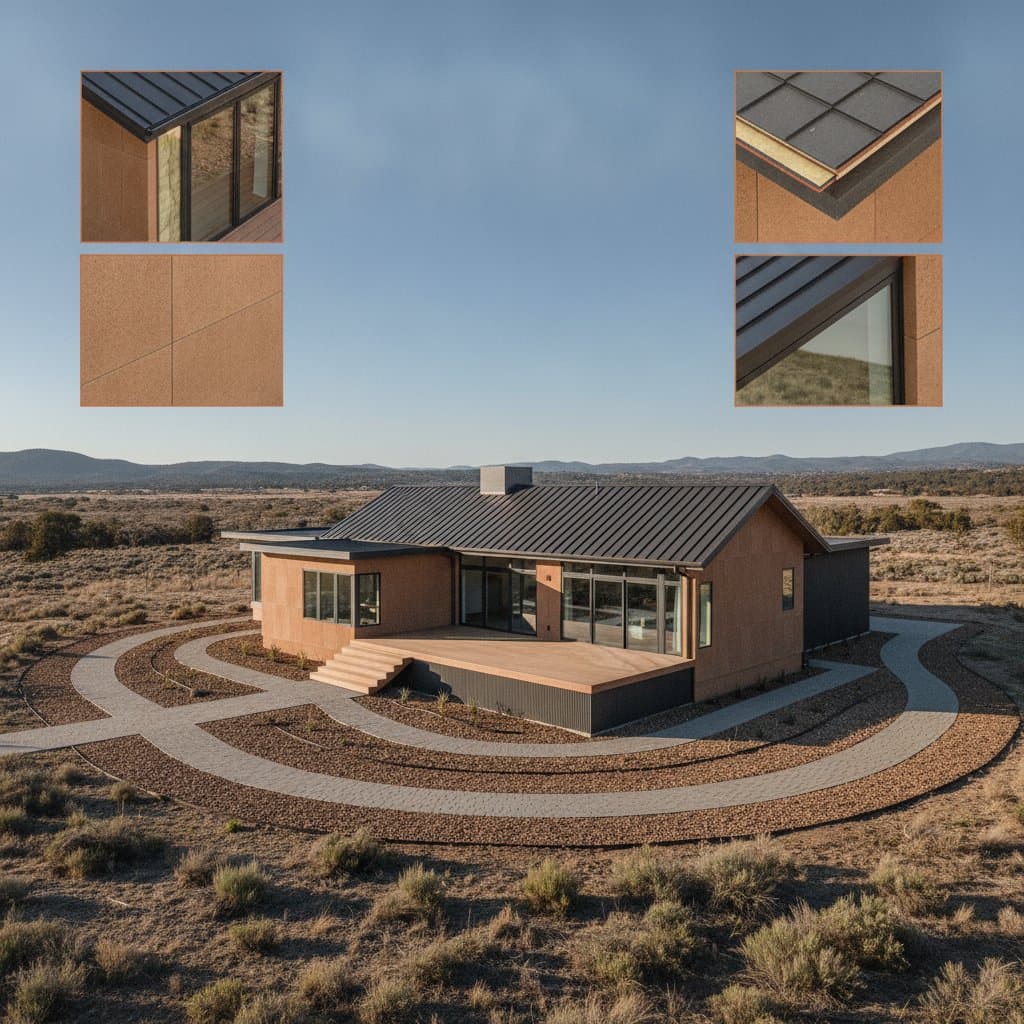
- Fiber cement siding: Durable panels resistant to moisture and mold fall between $8 and $15 per square foot installed, providing a 50-year service life.
- Permeable pavers: For driveways and walkways, these drainage-enhancing units cost $10 to $20 per square foot, reducing runoff by up to 90 percent.
- Elevated foundation systems: Pilings or helical piers for new builds range from $20,000 to $50,000 total, with retrofit costs escalating to $30,000 to $80,000 depending on home size.
- Waterproof insulation and finishes: Closed-cell spray foam insulation prices at $1.50 to $3 per board foot, paired with epoxy floor coatings at $4 to $8 per square foot.
- Flood barriers: Portable aluminum panels start at $200 per linear foot, while permanent steel gates reach $500 to $1,000 per linear foot for automated systems.
These investments prove cost-effective over decades. High-quality materials diminish the frequency of replacements and mitigate the financial impact of flood events, which average $30,000 in damages per occurrence according to recent studies. Budgeting 10 to 20 percent above base estimates accommodates inflation and unforeseen site challenges.
Practical Steps for Flood-Proof Planning
Effective planning begins with thorough site assessment. Obtain flood insurance rate maps from government resources to identify your property's risk level and design flood elevation. This data informs decisions on elevation requirements and material selections.
Prioritize integrated solutions over isolated fixes. Select siding and trim that resist water absorption, such as fiber cement paired with galvanized metal flashing to seal joints. Ensure all components, from roofing to foundation, align in their moisture management capabilities.
Enhance drainage infrastructure systematically. Install extended downspouts directing water at least 10 feet from the foundation, complemented by permeable surfaces to infiltrate stormwater. Regular landscape maintenance, including clearing swales and berms, sustains optimal flow patterns.
Adhere to jurisdictional mandates diligently. Many regions enforce minimum elevation standards or mandate certified flood vents in enclosed areas below base flood level. Engage professionals early to navigate permitting processes and avoid costly revisions.
Incorporate resilience into broader home upgrades. During kitchen remodels, elevate appliances and cabinetry; in bathrooms, opt for water-resistant tile backer boards. These proactive choices amplify protection without necessitating standalone projects.
Sustaining Flood Resistance Through Maintenance
Long-term durability hinges on vigilant upkeep. Schedule annual inspections to detect sealant degradation, vent blockages, or foundation shifts, addressing issues promptly to avert escalation. After storms, clear accumulated sediment from drainage paths and test sump pumps for functionality.
Preserve material integrity with routine care. Apply fresh sealant coats every three to five years on concrete elements, and inspect siding for cracks that could harbor moisture. Document maintenance activities to support insurance claims and warranty validations.
By embedding these practices into homeownership routines, owners extend the lifespan of flood-proof features. This approach not only fortifies the physical structure but also builds confidence in facing seasonal threats, ensuring a secure and enduring living environment.