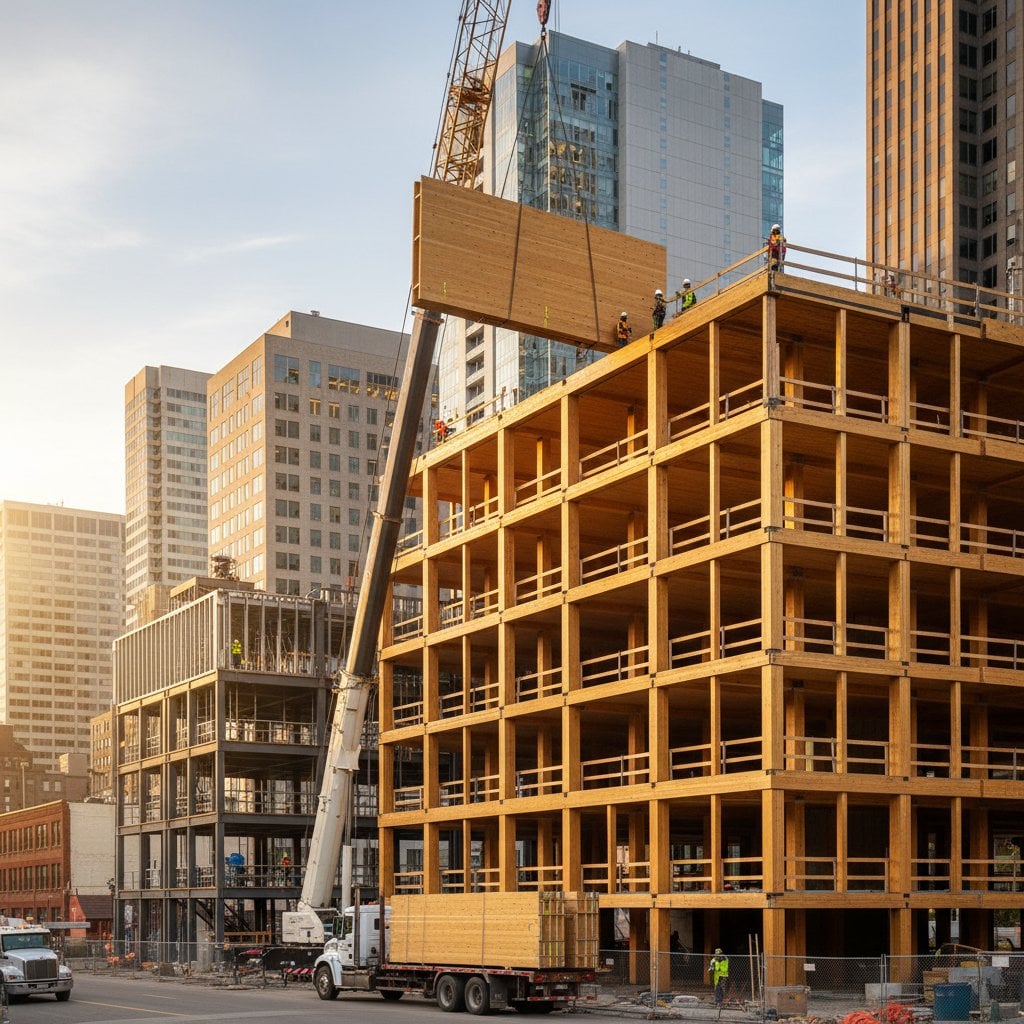
Mass Timber: A Cost-Effective Alternative to Traditional Materials?
Mass timber revolutionizes building design and construction through engineered wood products such as cross-laminated timber (CLT), glue-laminated beams, and laminated veneer lumber. These materials form robust structural systems suitable for various applications. Developers and builders often inquire whether mass timber proves more economical than conventional methods. The answer hinges on project scale, design intricacies, and local material availability. In numerous scenarios, mass timber matches or surpasses steel and concrete when accounting for labor efficiency, construction speed, and environmental advantages.
Cost Overview
Mass timber projects generally range from $250 to $400 per square foot, with mid-rise buildings averaging $325 per square foot. Steel and concrete structures fall between $300 and $450 per square foot. Light wood framing offers the lowest costs at $150 to $250 per square foot, yet it limits applications in taller or expansive designs.
Key factors influencing expenses include:
- CLT panel type and thickness
- Span lengths and load capacities
- Labor requirements and assembly duration
- Finishing materials and fireproofing measures
- Regional timber supply and accessibility
Essential Advantages
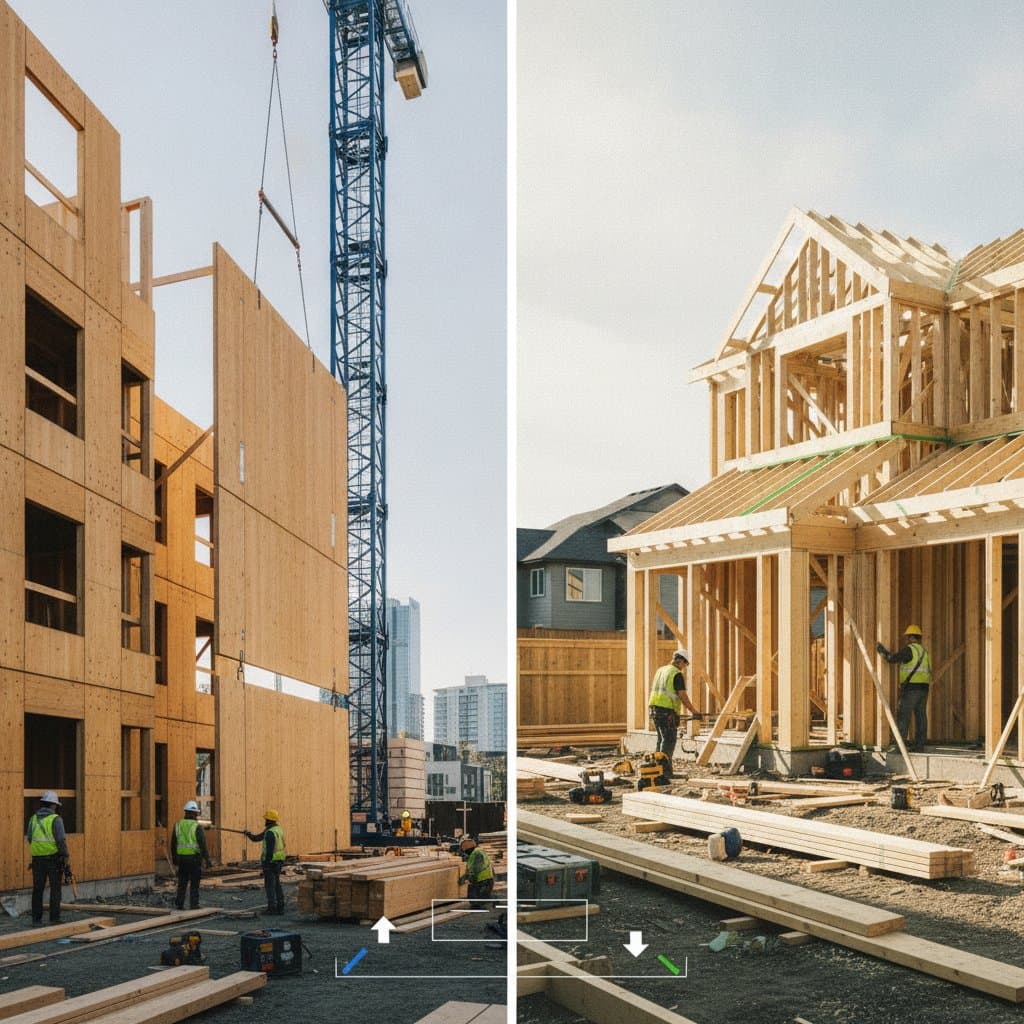
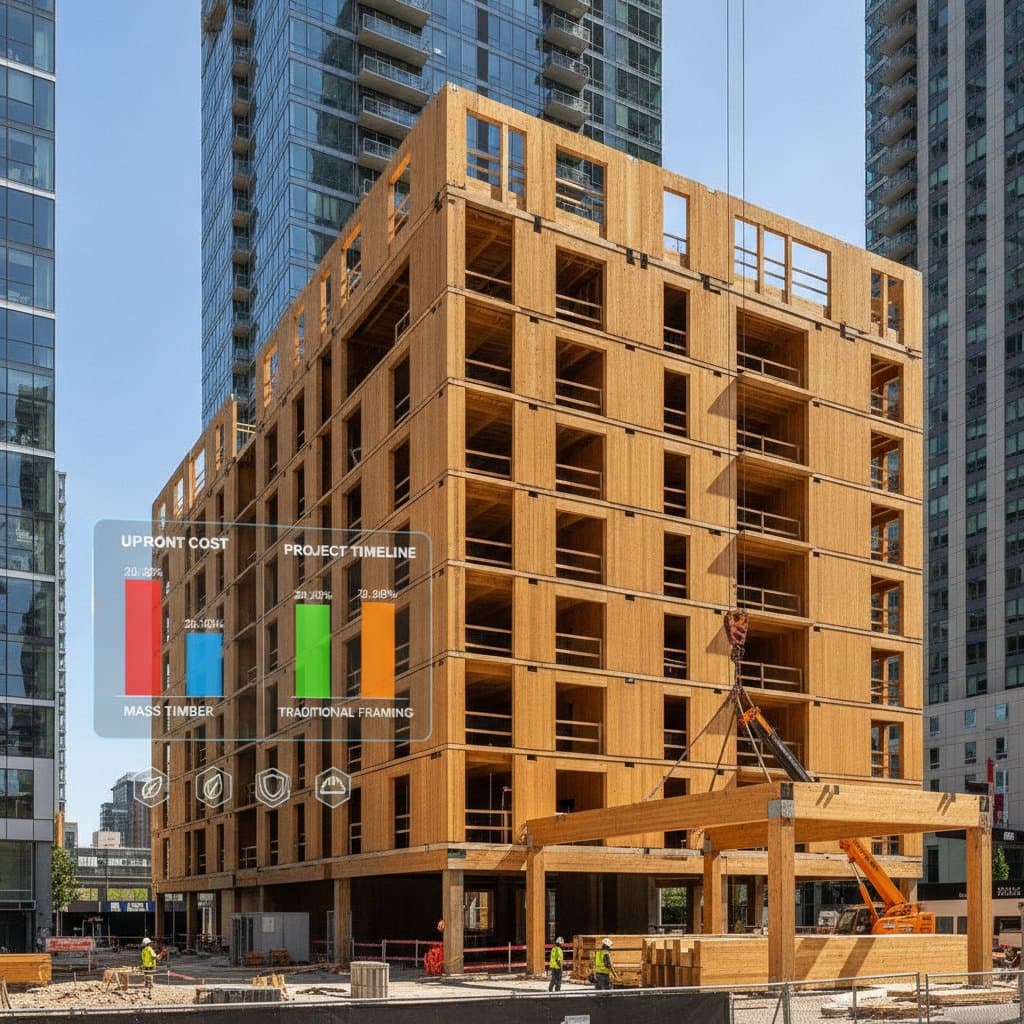
Mass timber shortens construction schedules by up to 25 percent, which decreases labor expenditures. Prefabricated panels require minimal on-site preparation, reducing waste generation. Supply chain challenges in remote areas may increase transportation fees. Fireproofing and soundproofing elements contribute an additional 5 to 10 percent to overall budgets. Environmental benefits, including carbon sequestration and potential incentives, help balance upfront investments.
Costs by Project Scale and Category
Residential Applications
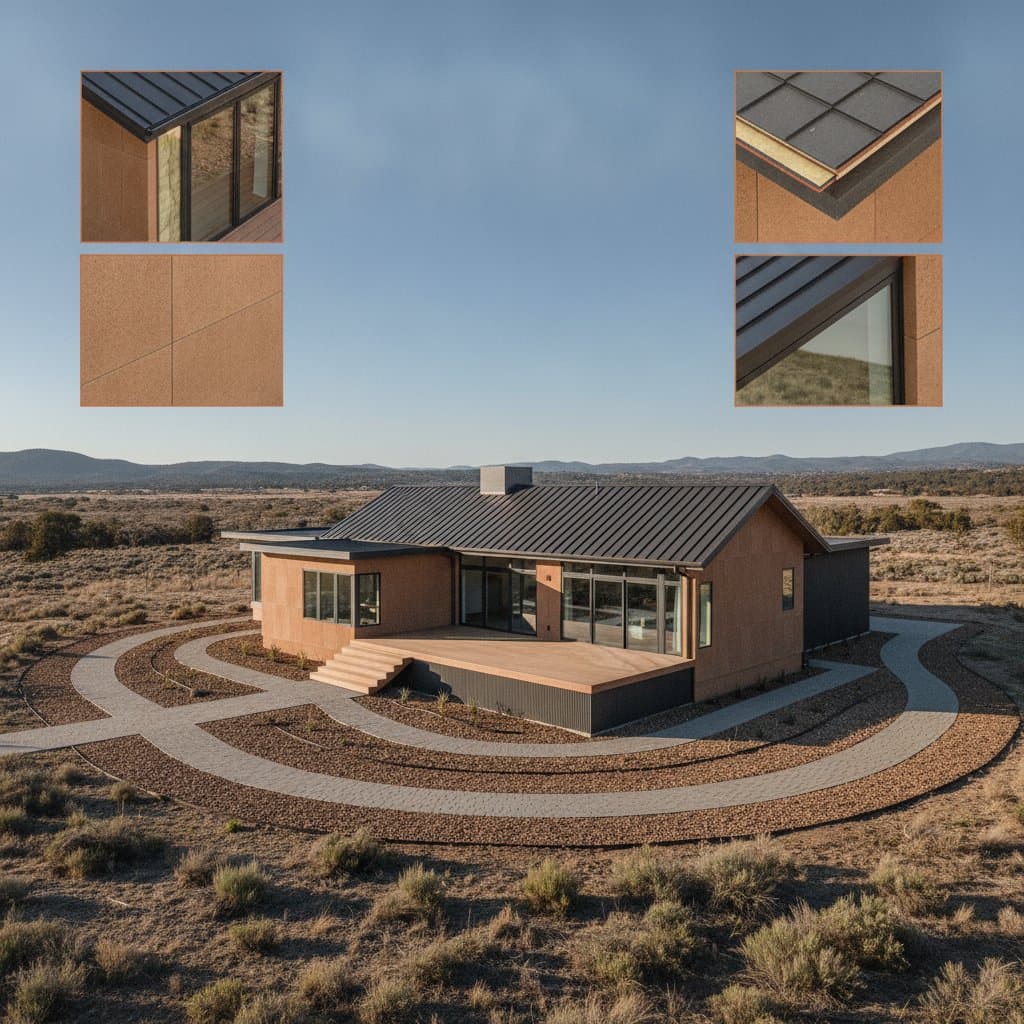
In single-family homes or modest multifamily developments, CLT panels for floors, walls, and roofs cost $170 to $275 per square foot. Expenses escalate with intricate designs or visible wood surfaces. Structures featuring open plans, high ceilings, or extended spans approach the higher end of this spectrum.
Mid-Rise and Commercial Developments
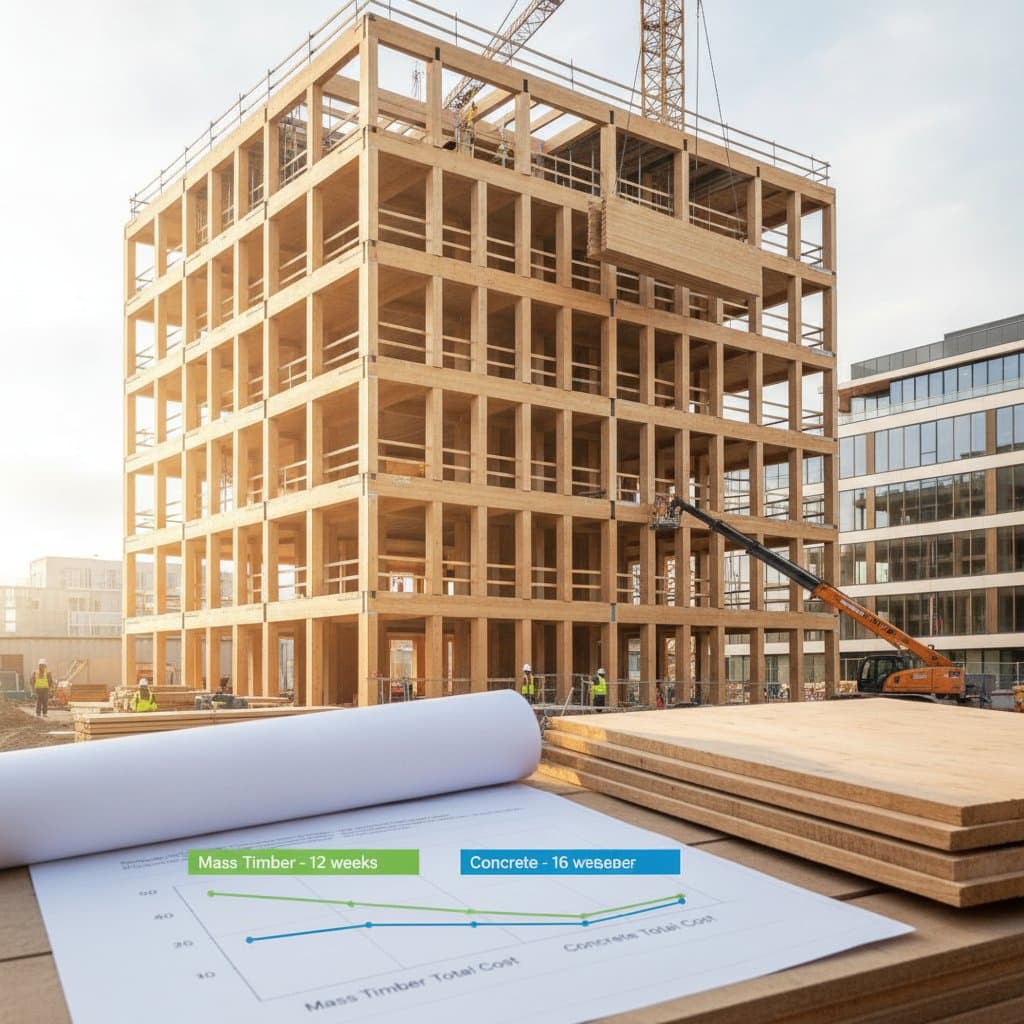
Mass timber excels in mid-rise and mixed-use buildings, with costs spanning $250 to $400 per square foot based on specifications and regulations. Relative to concrete or steel, comprehensive project estimates often align closely or favor mass timber after incorporating efficiencies from accelerated timelines and lighter foundations.
Large-Scale and Specialized Builds
Institutional or expansive commercial endeavors may reach $400 to $500 per square foot for mass timber. Intricate forms, combined material systems, or elevated fire standards drive these figures upward. Such projects frequently yield lower ongoing operational costs and enhanced user experience, justifying the initial outlay.
Professional Installation and Contractor Considerations
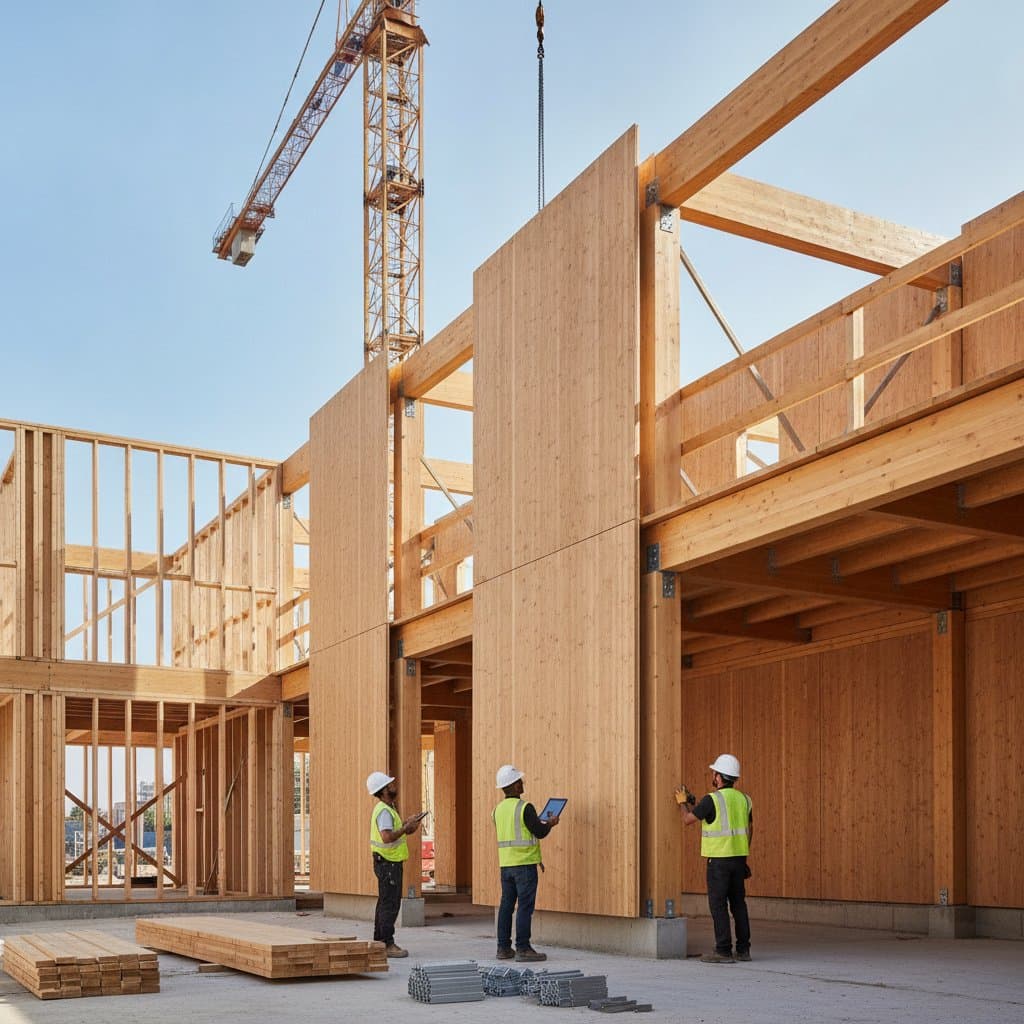
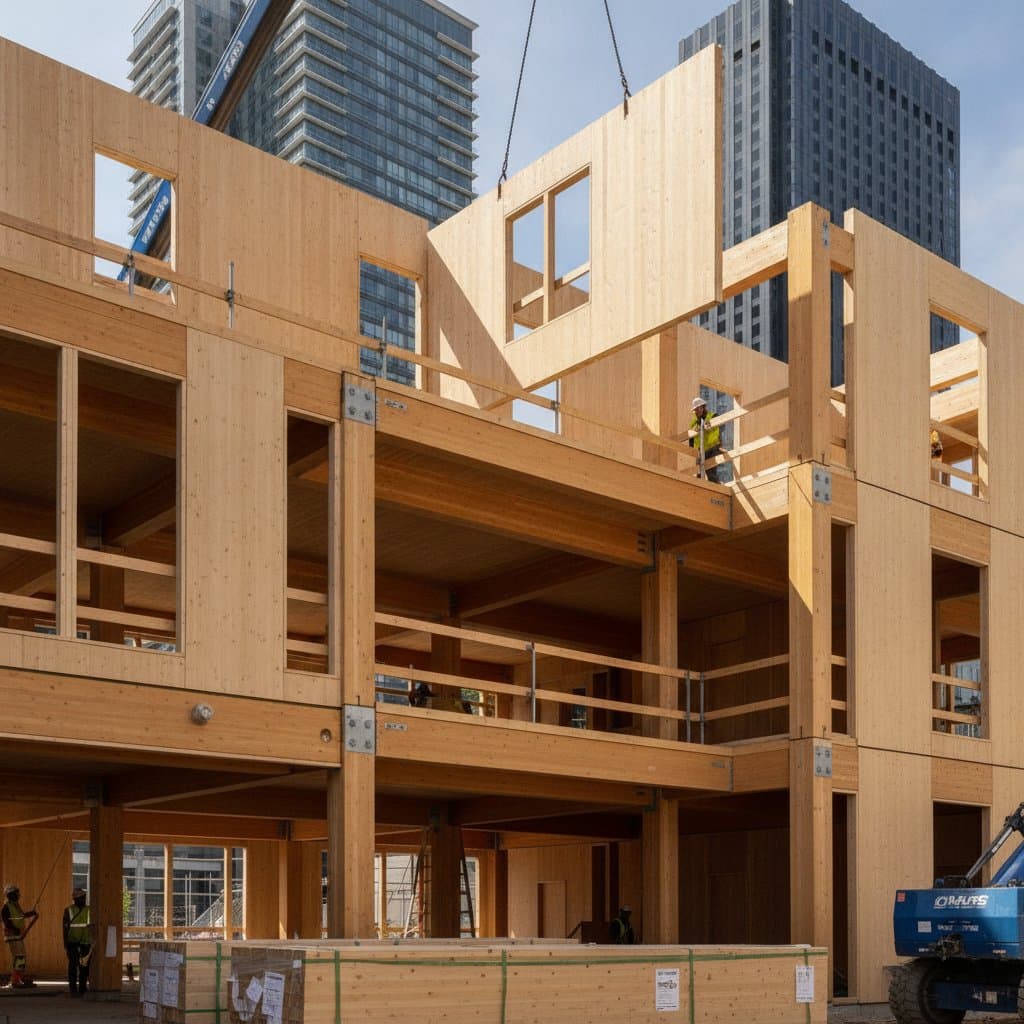
Mass timber demands skilled labor and specialized machinery. Assembly involves cranes and exact connections, where errors prove expensive to correct. Contractors comprise 30 to 40 percent of total expenses. Proficient teams complete installations swiftly, often trimming weeks from schedules compared to steel or concrete alternatives.
Homeowners seldom find DIY viable for mass timber. Panels arrive custom-made, necessitating engineered plans and expert placement. Even minor outbuildings require approved fasteners and hoisting aids. Engaging contractors versed in mass timber guarantees safety, regulatory adherence, and budget adherence.
Influential Cost Elements
Material Expenses
CLT and glue-laminated components range from $6 to $15 per square foot of surface area. Variations stem from wood species, panel depth, and surface treatment. Sourcing locally minimizes shipping fees, though imports sometimes provide superior uniformity.
Engineering and Design Fees
These structures depend on precise engineering and integration. Fees for structural evaluations, joint specifications, and fire planning add $3 to $8 per square foot. Initial investments prove beneficial by curbing on-site modifications and postponements.
Regulatory and Permitting Costs
Building codes dictate expenses via mandates for fire safeguards, noise barriers, and earthquake resistance. Fees and inspections contribute $2 to $5 per square foot, varying by location. Certain areas provide rebates or streamlined processes for timber initiatives, mitigating these additions.
Logistics and Delivery
Large CLT panels incur shipping fees of $2 to $6 per square foot, influenced by mileage and dimensions. Site storage and elevation tools require forethought. Streamlined planning preserves financial limits.
Strategies to Reduce Expenses
- Adopt uniform panel dimensions to minimize scraps and manufacturing fees.
- Integrate hybrid approaches, pairing timber with concrete foundations or steel links for balanced economics and functionality.
- Partner with nearby providers to lower delivery charges.
- Opt for exposed timber finishes to avoid extra coverings or partitions.
- Involve architects, engineers, and builders from project outset to avert expensive alterations.
Long-Term Value Assessment
Mass timber investments yield substantial returns over time. Quicker builds enable prompt occupancy and revenue generation for investors. Reduced structural weight trims foundation costs by 10 to 15 percent. Energy conservation and ecological merits attract occupants, boosting property values. Research indicates mass timber edifices command 6 to 10 percent premiums over equivalent steel or concrete counterparts.
Upkeep remains economical, as panels withstand deformation and sustain integrity with appropriate protection. Fire tests demonstrate controlled charring, preserving load-bearing capacity in crises. These attributes prolong service life and amplify returns across years.
Maintenance Practices
Mass timber structures preserve worth through diligent care. Periodic checks of seals, connections, and coatings ward off water damage. Renewing exterior wood treatments biennially maintains appearance and resilience. Indoor climate management further safeguards materials.
Owners benefit from monitoring utility reductions and comfort levels, which highlight timber's superior performance. Recording these outcomes aids in marketing or securing financing, validating the choice of mass timber.
Frequently Asked Questions
How does mass timber cost compare to steel or concrete?
Mass timber averages $250 to $400 per square foot, aligning with steel or concrete totals when factoring in time and labor efficiencies.
Is CLT less expensive than standard wood framing?
Light framing costs $150 to $250 per square foot and remains more affordable. CLT suits larger scales where conventional methods fall short.
What maintenance does mass timber require?
Routine building upkeep suffices. Protecting exposed areas from dampness and refreshing surfaces ensures endurance.
Can mass timber satisfy fire codes?
Affirmative. Panels char steadily, upholding integrity. Detailed designs meet or surpass standards.
How rapidly can mass timber projects proceed?
Timelines shorten by 20 to 25 percent versus steel or concrete, thanks to off-site fabrication and no curing periods.
Does mass timber benefit the environment?
Indeed. It sequesters carbon and demands less production energy than alternatives, lessening emissions.
Advancing with Mass Timber
Embracing mass timber positions projects for efficiency and sustainability. By evaluating site-specific factors and leveraging expert guidance, builders unlock cost savings and superior outcomes. This approach not only meets immediate needs but also contributes to enduring architectural progress.