2026 Granny Flat Costs: Unlock True ROI Potential
Adding a granny flat, also known as an accessory dwelling unit (ADU), expands living space and generates income. A clear understanding of cost components enables informed financial planning and optimization of return on investment.
Quick Cost Summary
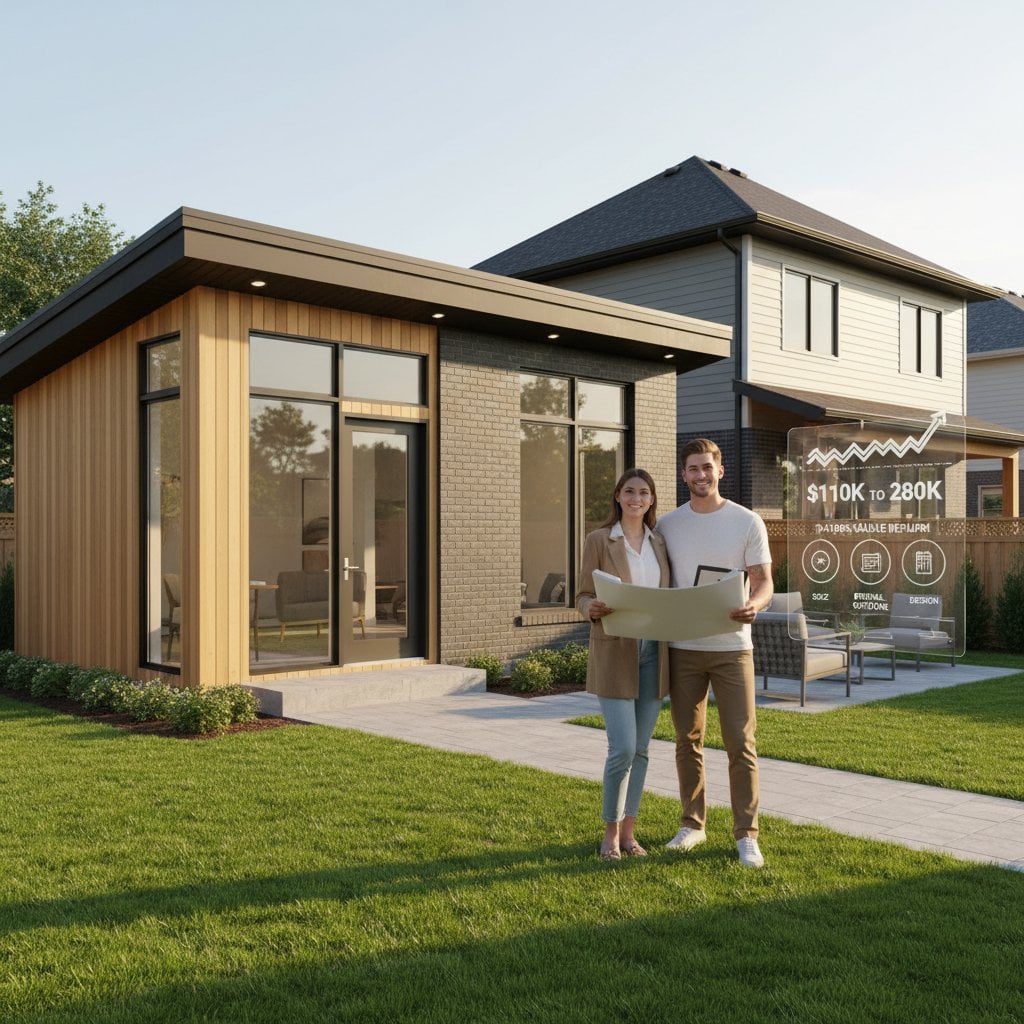
Homeowners typically invest between $110,000 and $280,000 for a detached granny flat. The average for a mid-range project stands at $190,000.
Attached units or garage conversions prove more affordable, whereas luxury detached builds with bespoke elements approach the upper limit.
Key factors driving expenses include:
- Size and layout of the unit
- Construction method, whether new build or conversion
- Quality of materials and finishes
- Local labor and contractor rates
- Utility connections and site work
Key Insights
Detached granny flats command higher upfront costs yet yield greater rental opportunities. Permitting and utility fees often add 10 to 15 percent to the total.
Prefabricated or modular designs shorten timelines and cut expenses by 10 to 20 percent. Thoughtful planning positions a granny flat to recoup 70 to 100 percent of its value upon resale.
Rental revenue frequently recovers construction outlays within several years.
Cost by Size or Type
Unit dimensions and configuration significantly affect overall expenses. Larger areas demand additional materials, labor, and infrastructure.
| Type of ADU | Typical Size (sq. ft.) | Average Cost Range |
|---|---|---|
| Garage Conversion | 300 to 500 | $60,000 to $130,000 |
| Attached Granny Flat | 400 to 800 | $90,000 to $200,000 |
| Detached Granny Flat | 500 to 1,000 | $150,000 to $280,000 |
| Prefabricated or Modular | 400 to 800 | $80,000 to $180,000 |
Garage conversions minimize costs by leveraging existing frameworks. Detached options escalate expenses through dedicated foundations, framing, and independent utilities. Modular approaches trim labor while potentially constraining customization.
Contractor Costs and Professional Services
Labor constitutes 40 to 60 percent of project budgets. Engaging licensed contractors guarantees adherence to codes and superior craftsmanship.
Anticipate these fees:
- General contractor: $100 to $250 per square foot, encompassing materials
- Architect or designer: 5 to 10 percent of total project cost
- Engineer or structural expert: $2,000 to $8,000, based on site demands
- Permits and inspections: $3,000 to $12,000
Expert oversight minimizes errors, accelerates approvals, elevates build quality, and safeguards property worth over time.
Additional Cost Factors
Materials and labor form the core, yet other elements shape the final tally.
Site Preparation
Sloped or irregular terrain requires grading, foundation bolstering, or retaining walls. Such work adds $5,000 to $25,000, contingent on soil stability.
Utilities and Infrastructure
Linking to water, sewer, and power systems ranges from $5,000 to $30,000. Isolated or intricate setups inflate these figures.
Materials and Finishes
Basic selections like vinyl floors, laminate surfaces, and standard fixtures run $100 to $150 per square foot.
Mid-tier choices, including hardwood flooring, quartz counters, and energy-saving windows, fall between $150 and $200 per square foot.
Luxury elements such as bespoke cabinetry, stone surfaces, and custom lighting surpass $200 per square foot.
Design Complexity
Intricate features like custom layouts, high ceilings, or unique roofing demand extra resources. Straightforward rectangular plans deliver the best value.
Regional Pricing
Variations in labor and regulations create location-based differences. Dense urban zones with rigorous zoning and labor shortages elevate totals.
DIY vs Hiring a Pro
Granny flat projects involve diverse skills in carpentry, plumbing, electrical work, and heating systems. While select owners manage simple interior elements, professionals handle the majority.
DIY suits:
- Surface-level tasks like painting or flooring installation
- Exterior enhancements such as landscaping or patios
- Assembly of pre-fabricated cabinetry
Professionals excel in:
- Structural elements including framing and roofing
- Electrical and plumbing systems
- Foundation laying and utility excavation
- Ensuring code adherence and passing inspections
Experienced DIY efforts might reduce labor by 10 to 20 percent. However, errors risk costly fixes or regulatory hurdles. Licensed teams prioritize safety, compliance, and enduring value.
Ways to Save on Granny Flat Costs
Strategic decisions curb expenses while upholding standards.
- Select modest square footage to limit material and labor needs without compromising utility.
- Pursue prefabricated or modular formats for streamlined production that minimizes waste.
- Choose mid-range materials offering solid aesthetics and longevity.
- Repurpose structures like garages or basements to bypass foundational expenses.
- Integrate with concurrent home improvements to consolidate permits and contractor bids.
- Front-load planning to sidestep delays from redesigns or approvals.
Incorporating energy-efficient components, such as insulated glazing, LED fixtures, and optimized HVAC, trims ongoing utility expenses and boosts renter interest.
Return on Investment (ROI)
Quality construction yields prompt and sustained benefits.
Rental Income
Owners often secure $1,000 to $2,500 monthly rents, varying by locale and scale. This revenue repays build costs in five to ten years and sustains ongoing earnings.
Resale Value
A code-compliant ADU elevates property appraisals by 20 to 35 percent. Prospective buyers value the added versatility for living or leasing.
Family Use
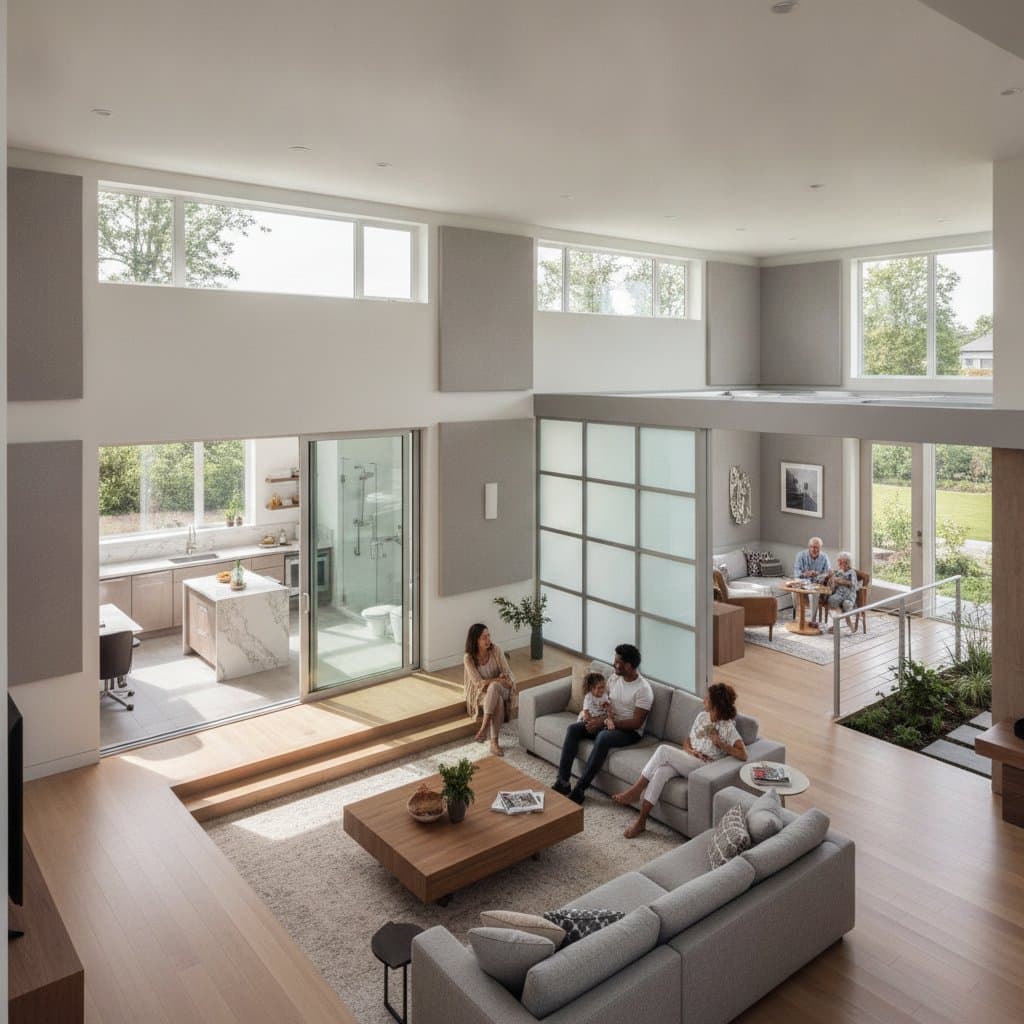
These units accommodate relatives, serve as offices, or function as guest areas. Such applications enrich daily life and property utility.
Cost Recovery Example
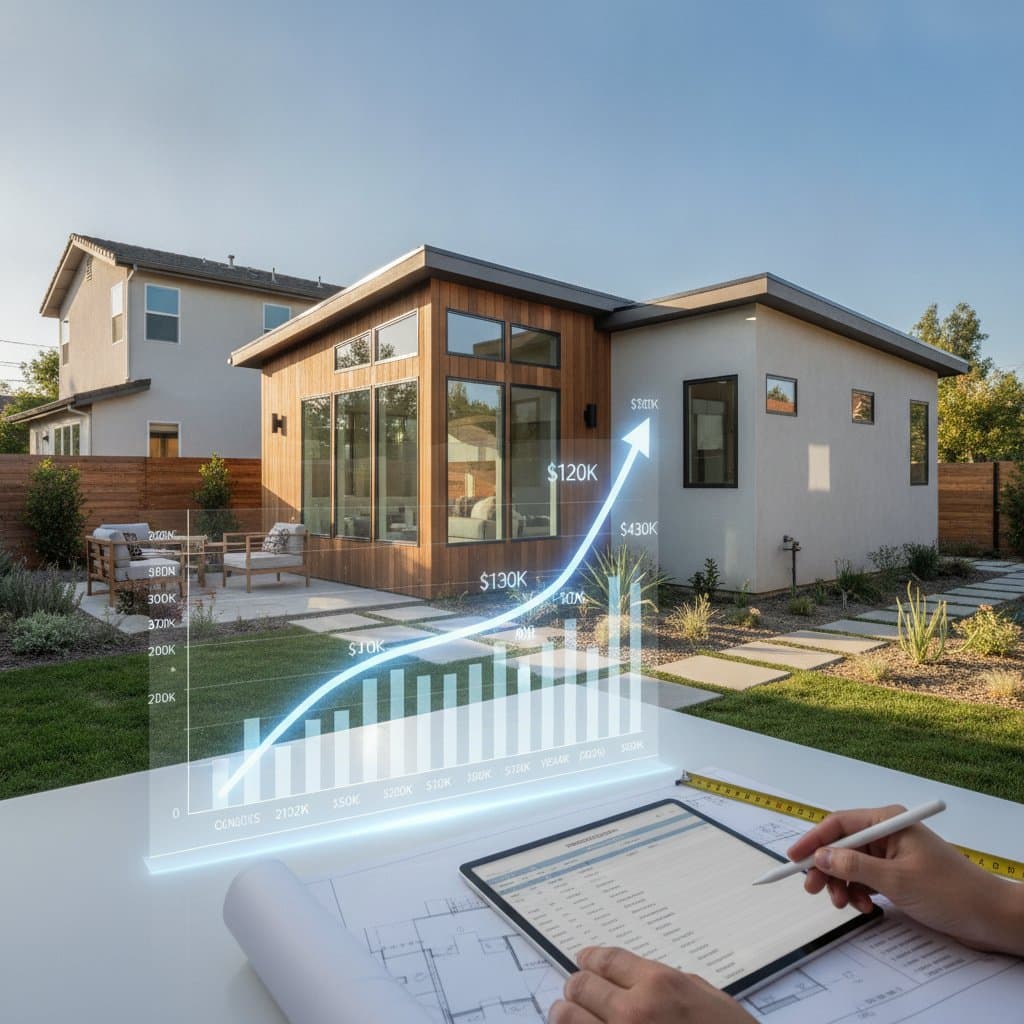
For a $190,000 investment yielding $1,800 monthly rent, annual income reaches $21,600. Deducting maintenance leaves full recovery in roughly nine years, followed by pure profit.
Cost Methodology
Estimates derive from contractor bids, industry databases, and owner reports. These encompass standard labor, materials, and approvals. Variations arise from geography, intricacy, and vendor pricing.
FAQs
How much does a small granny flat cost?
A 400-square-foot model generally ranges from $90,000 to $140,000, influenced by finishes and terrain.
Is a granny flat worth the investment?
Affirmative, when constructed to standards and thoughtfully planned. Rents and value appreciation deliver robust yields.
Can I build a granny flat myself?
Minor elements suit self-management, but comprehensive builds necessitate licensed trades for safety and legality.
Do I need a permit for a granny flat?
Required. Local authorities mandate approvals for building, systems, and occupancy, with fees differing by jurisdiction.
How long does construction take?
Four to eight months typically, affected by design, climate, and bureaucracy.
Can I finance a granny flat?
Options include equity loans, build-specific financing, and refinancing.
Does a granny flat increase property taxes?
It does, as enhancements raise assessed value. Impacts hinge on regional rates and evaluations.
Maintaining Your Investment
Regular upkeep preserves profitability and allure. Annual checks on roofs, pipes, and wiring maintain integrity. Periodic updates to surfaces sustain marketability.
For rentals, manage as a venture: log costs, secure coverage, and claim deductions. Reserve rent portions for unforeseen fixes.
Enhance with solar integrations, automated climate controls, or conservation features to elevate comfort and efficiency. These draw eco-conscious tenants and cut bills.
Granny flats adapt to evolving circumstances, from hospitality to workspaces or personal retreats. Prioritize intelligent design, fiscal prudence, and diligent care to realize functional and fiscal rewards.