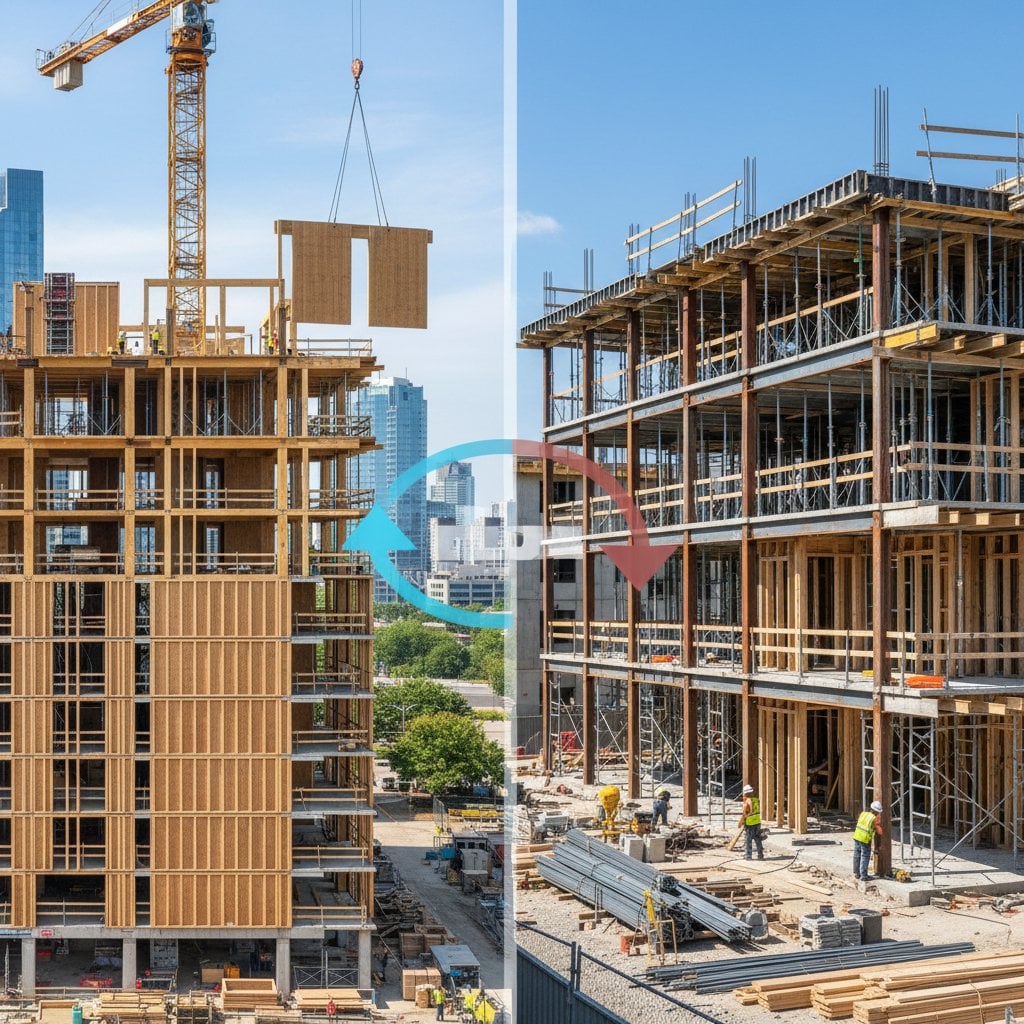
Mass Timber vs Traditional Framing: 2026 Cost Reality
Quick Cost Summary
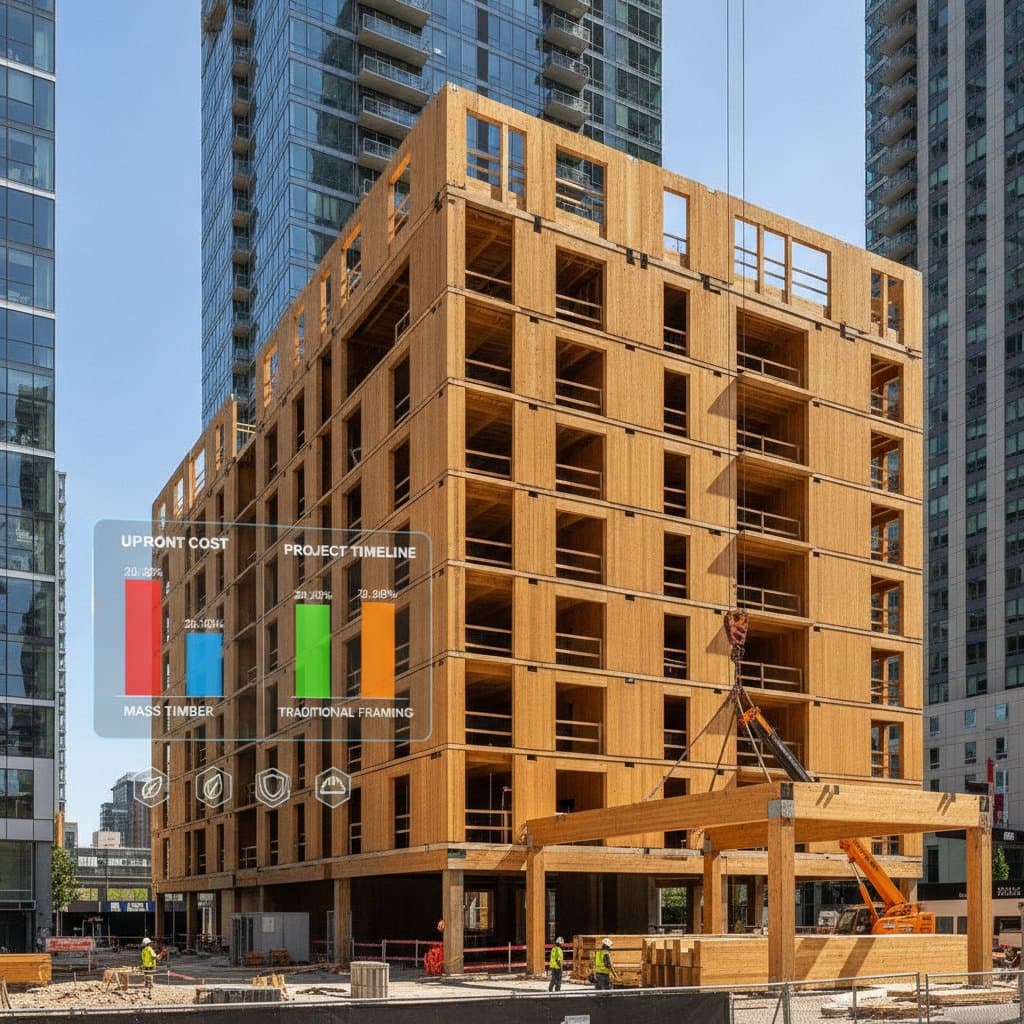
A mass timber building typically costs between $250 and $400 per square foot, with an average of around $325 per square foot. Traditional light wood framing usually ranges from $150 to $250 per square foot, averaging about $200 per square foot. This creates an average difference of $125 per square foot.
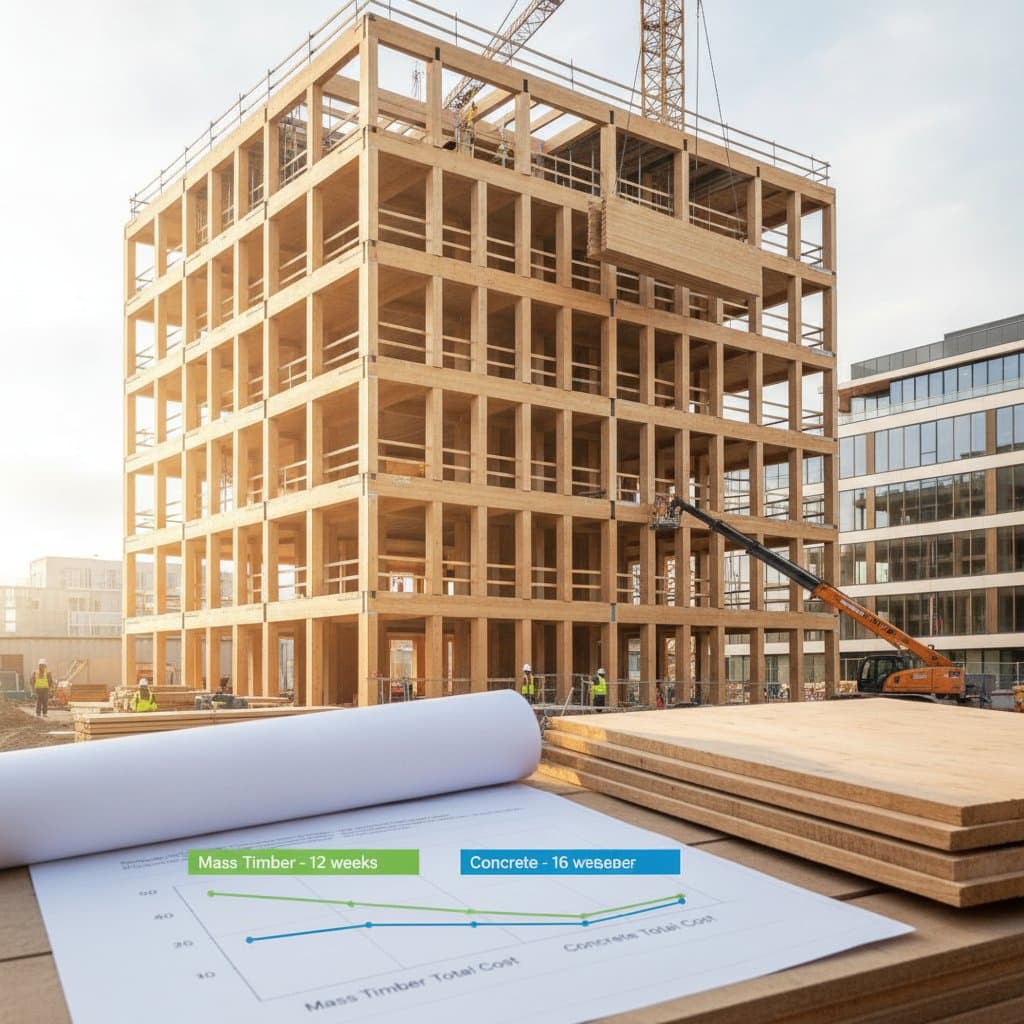
The main cost drivers are material type, labor complexity, engineering requirements, and building scale. While mass timber carries a higher upfront cost, it can reduce construction time and long-term maintenance expenses.
Highlights and Key Insights
- Mass timber materials like cross-laminated timber (CLT) and glulam panels cost more per unit than standard studs or plywood.
- Labor and equipment costs may be lower for mass timber because prefabricated panels can shorten onsite work.
- Fire and acoustic ratings often add cost to both systems but affect mass timber projects more due to code compliance.
- Sustainability and aesthetics give mass timber a resale advantage that can offset higher initial spending.
- Traditional framing remains the most budget-friendly choice for smaller residential and low-rise projects.
Contractor Costs and Labor Differences
Traditional framing uses familiar materials and methods, so labor availability is high and prices are stable. Most general contractors can estimate it easily, and crews can complete a typical single-family frame in a few weeks.
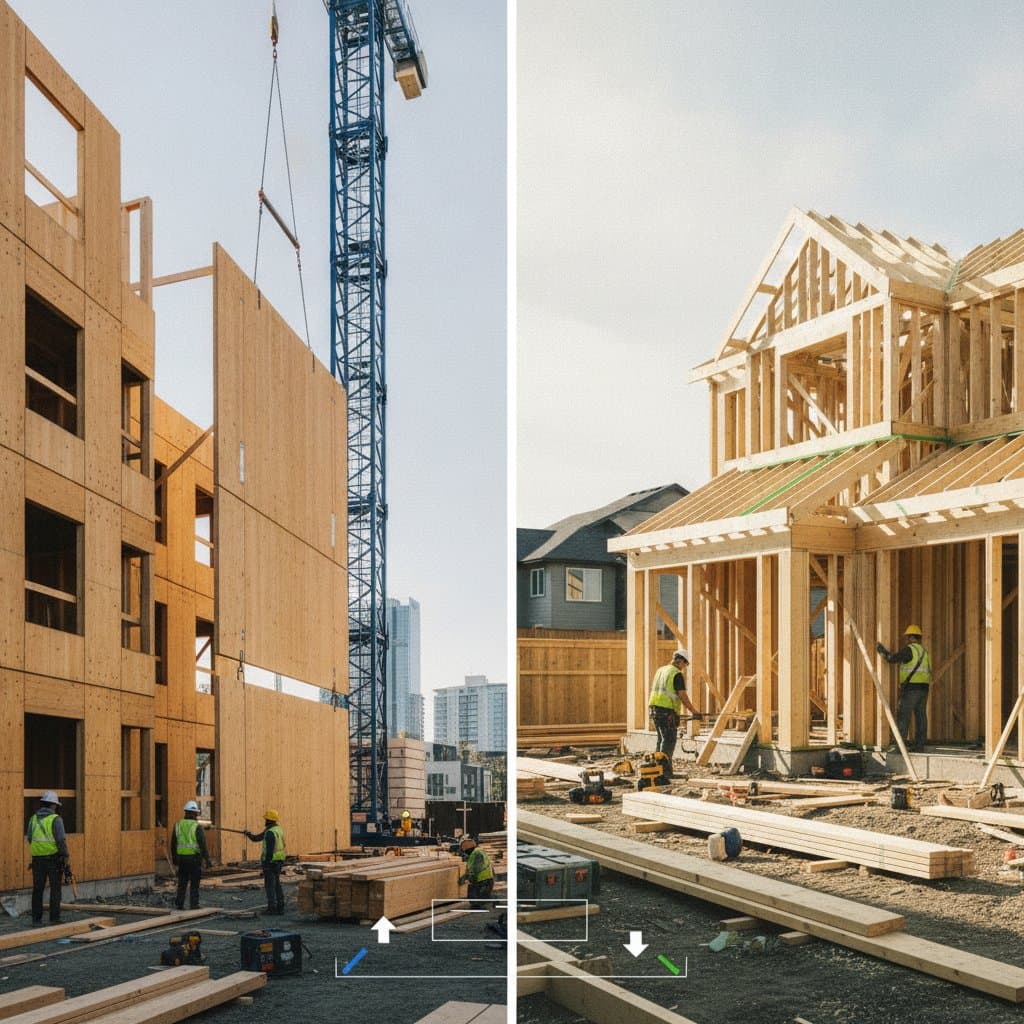
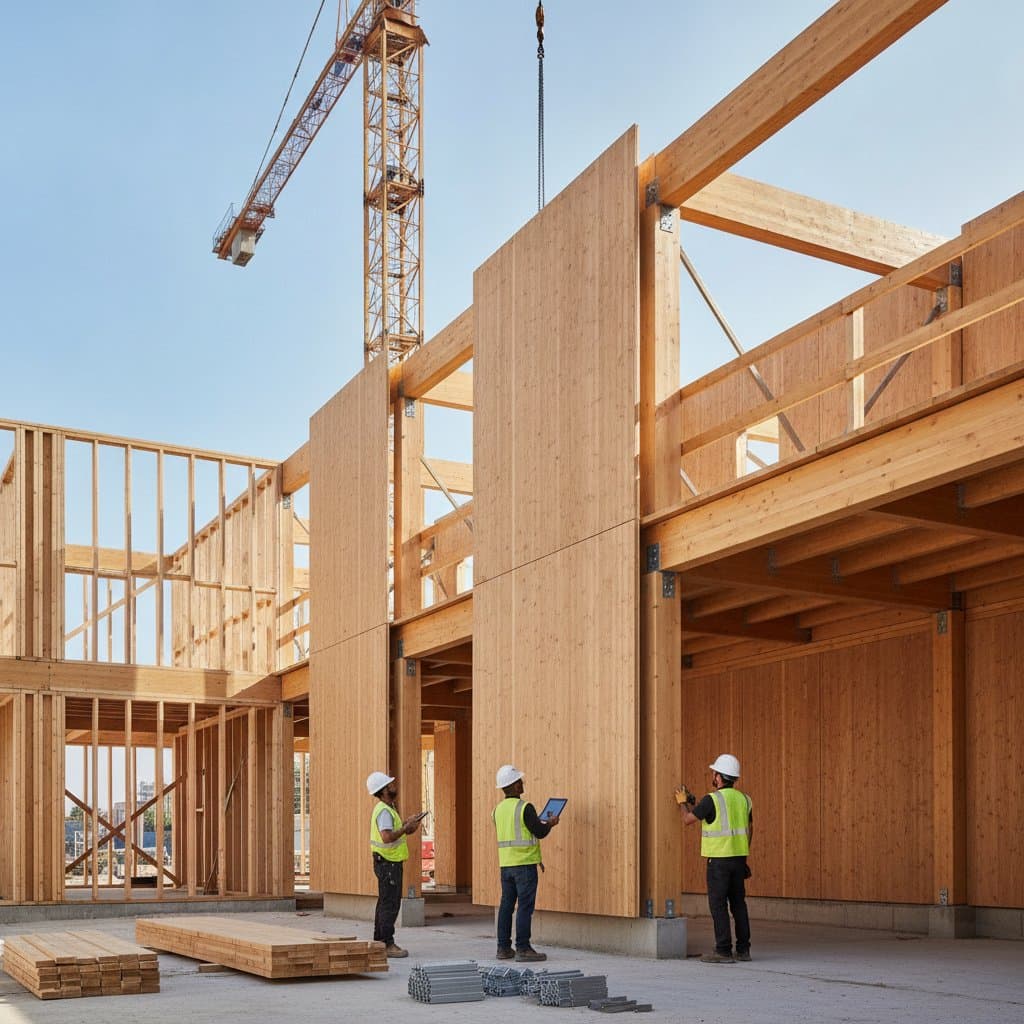
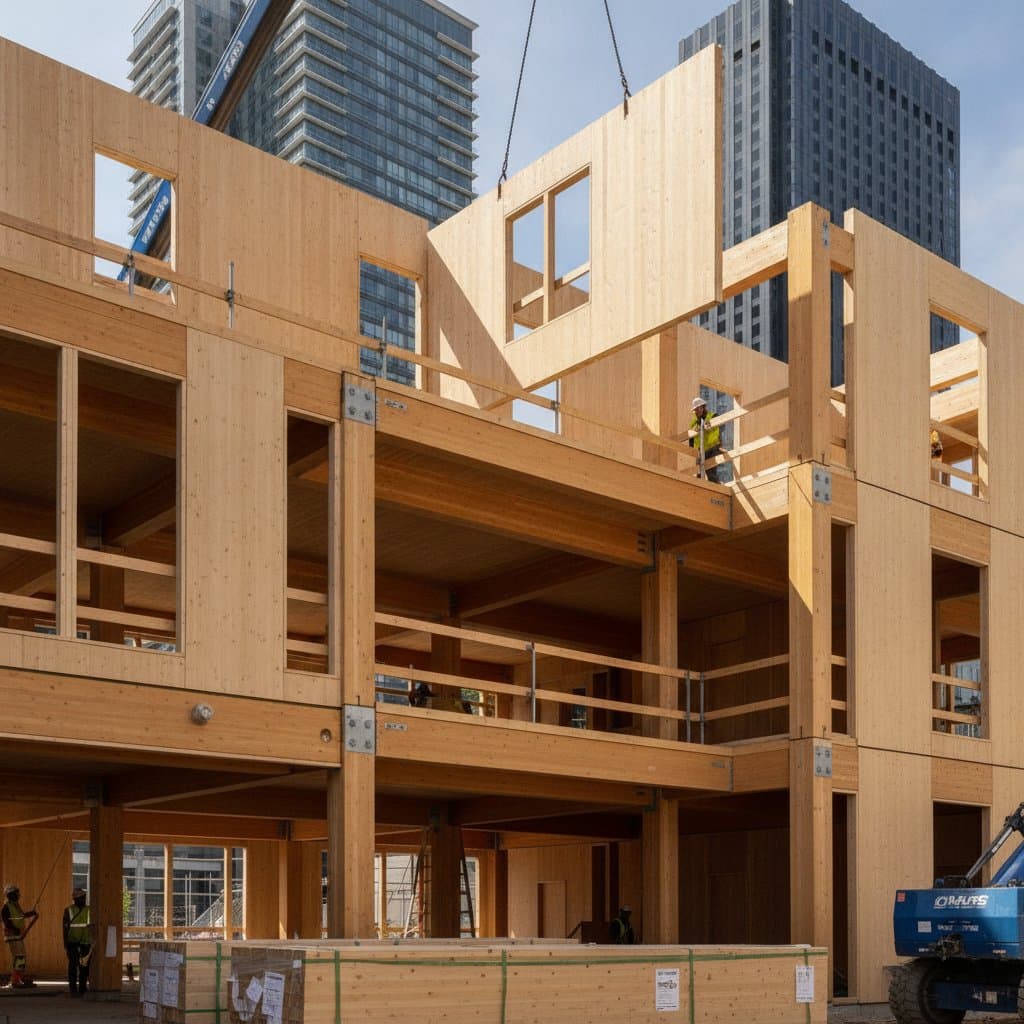
Mass timber construction requires specialized handling, cranes, and precision installation. Labor rates may be higher per hour, but total hours on site are often fewer. Prefabricated CLT panels arrive ready to assemble, which can cut framing time by up to 25 percent on large projects.
For traditional framing, labor often represents 30 to 40 percent of total cost. For mass timber, it drops closer to 20 to 30 percent, depending on complexity and local skill availability.
Ways to Save on Either System
- Simplify the design. Reducing corners, angles, and architectural complexity lowers fabrication time and waste.
- Source locally. Choosing suppliers and mills within your region cuts transportation costs for both lumber and panels.
- Bundle material orders. Buying in bulk, especially for large projects, can yield discounts from suppliers.
- Plan early with the builder. Coordinating design and fabrication schedules prevents costly delays or redesigns.
- Use hybrid structures. Combining mass timber floors with steel or concrete cores can balance cost and performance.
Owners who plan for long-term occupancy often accept higher upfront costs for mass timber due to its energy efficiency, durability, and resale potential.
DIY vs Hiring a Pro
Traditional Framing
A skilled homeowner can attempt basic framing on small additions or sheds. The materials and tools are accessible, and most inspection processes are straightforward. Still, structural and load-bearing walls should be verified by a licensed contractor or engineer. DIY framing can save 10 to 20 percent of total cost but increases risk if mistakes occur.
Mass Timber
DIY is not realistic for mass timber construction. CLT panels require precise engineering, heavy equipment, and coordination with structural specialists. Fabrication errors can be expensive, and lifting panels safely demands professional crews. Hiring a certified contractor is the only reliable option for this building type.
Cost Methodology
All cost figures are based on averages from contractor estimates, supplier quotes, and recent project data from multiple regions. The numbers reflect standard construction conditions without extreme site restrictions or premium finishes. Variability exists by location, labor availability, and design complexity.
FAQs
How much more expensive is mass timber than traditional framing?
Mass timber typically costs 25 to 50 percent more per square foot, but time savings and reduced maintenance can offset that difference.
Is mass timber stronger than traditional framing?
Yes. Engineered panels have higher load capacity and dimensional stability, especially for mid-rise or large buildings.
Can mass timber be used for residential homes?
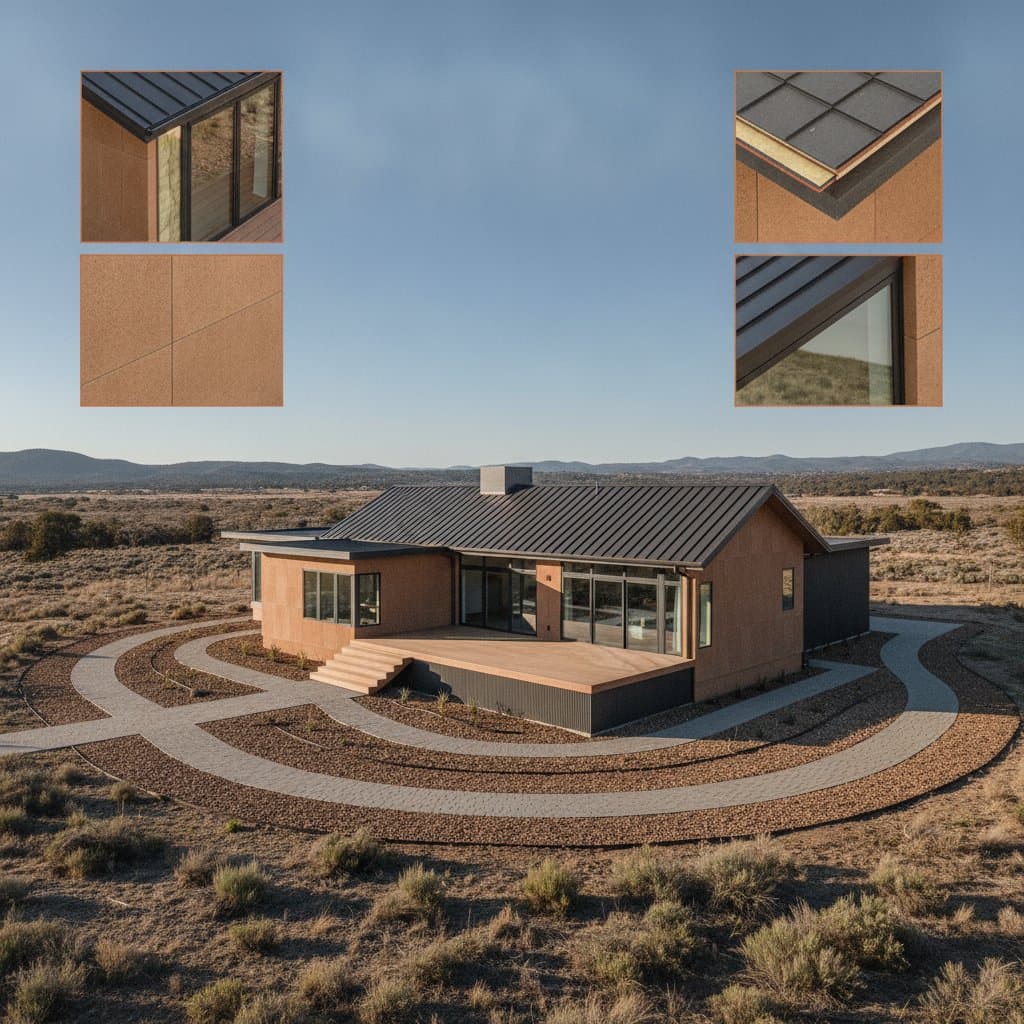
Yes, but it is less common for single-family homes due to higher material costs and limited supplier options.
What affects mass timber pricing the most?
Panel thickness, fabrication distance, design complexity, and fire rating requirements are the main factors.
Does mass timber increase property value?
It can. Buyers often value its sustainable materials, modern appearance, and reduced long-term maintenance needs.
Protecting Long-Term Value
Whether you choose mass timber or traditional framing, regular inspection and care protect your structure and maintain value. Keep wood components dry, monitor for insect activity, and manage ventilation to prevent moisture buildup.
Mass timber buildings benefit from protective coatings that resist UV and humidity. Traditional framing requires consistent exterior maintenance and interior sealing to prevent warping.
Both systems deliver strong, durable results when built and maintained correctly. Your final decision comes down to budget, design goals, and how long you plan to own or operate the property.