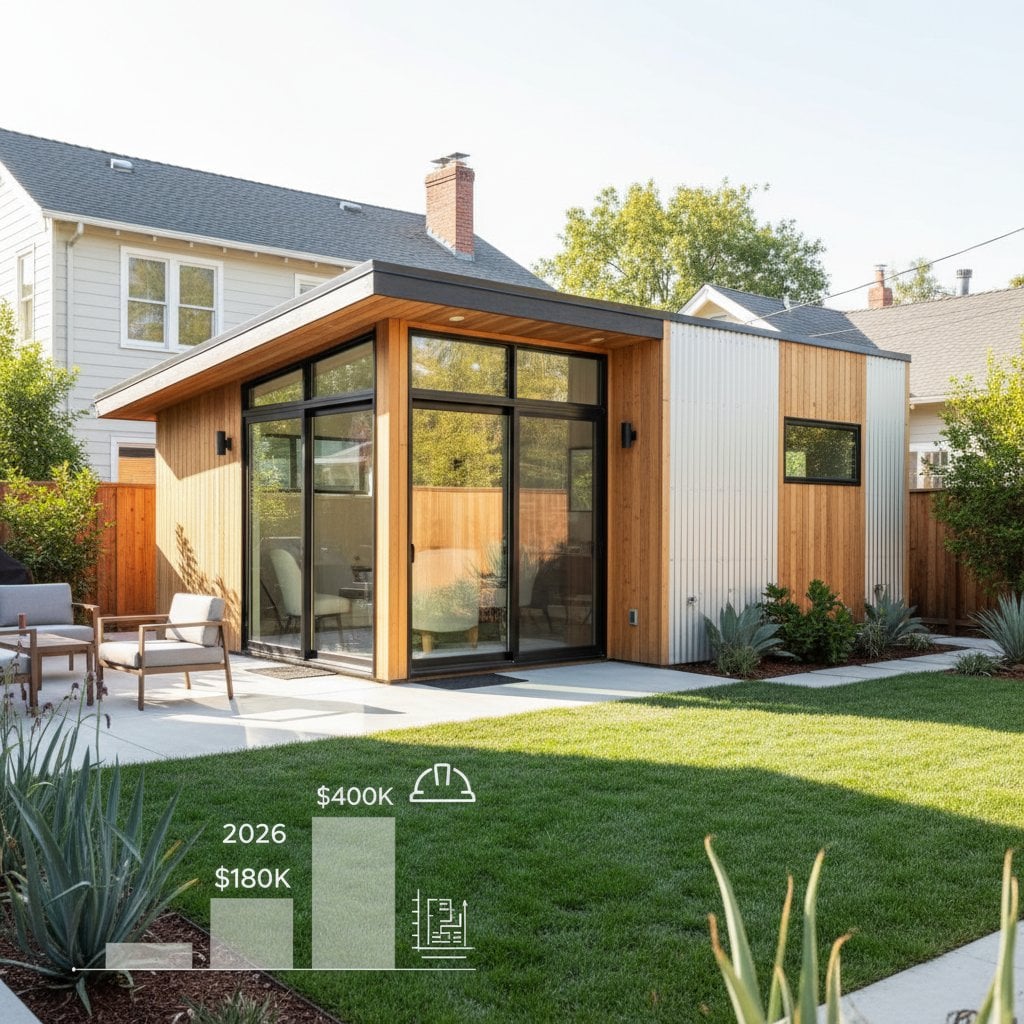
Realistic 2026 ADU Costs for Building Backyard Homes
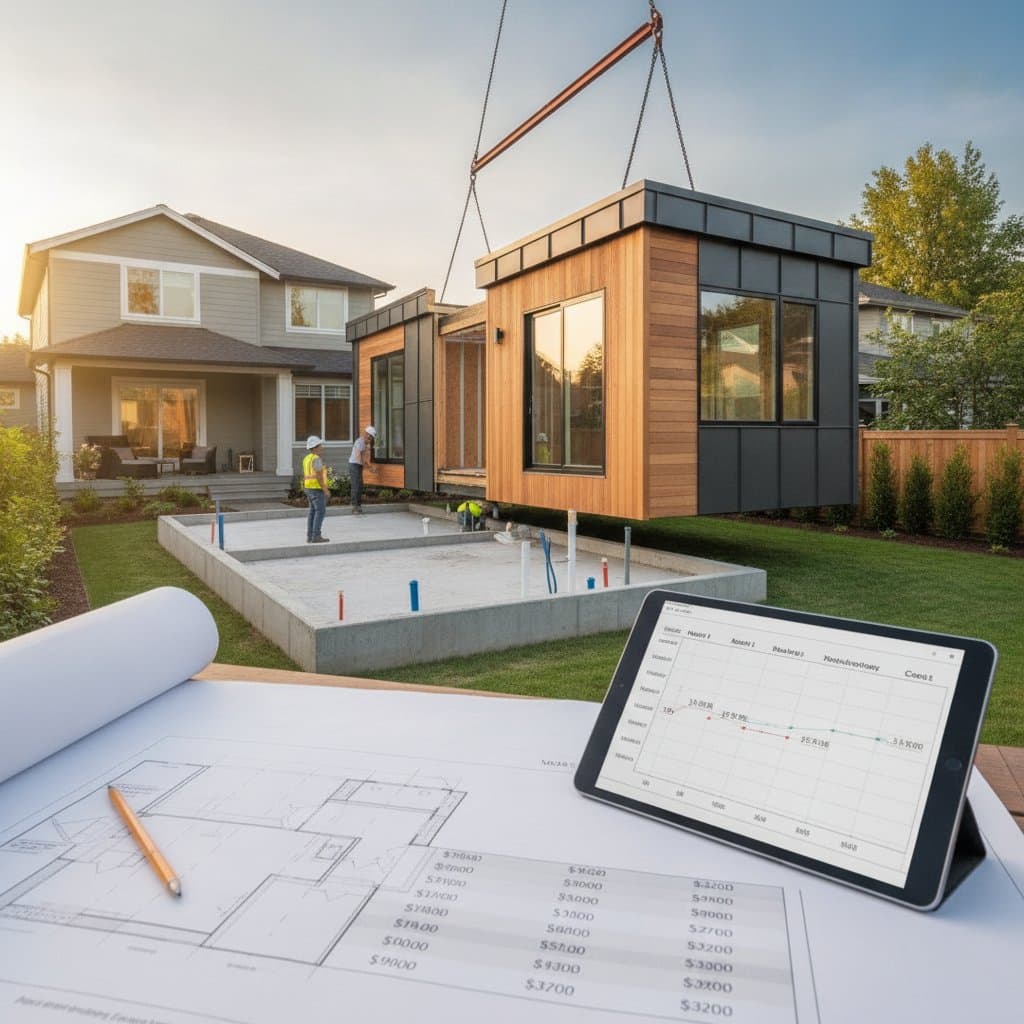
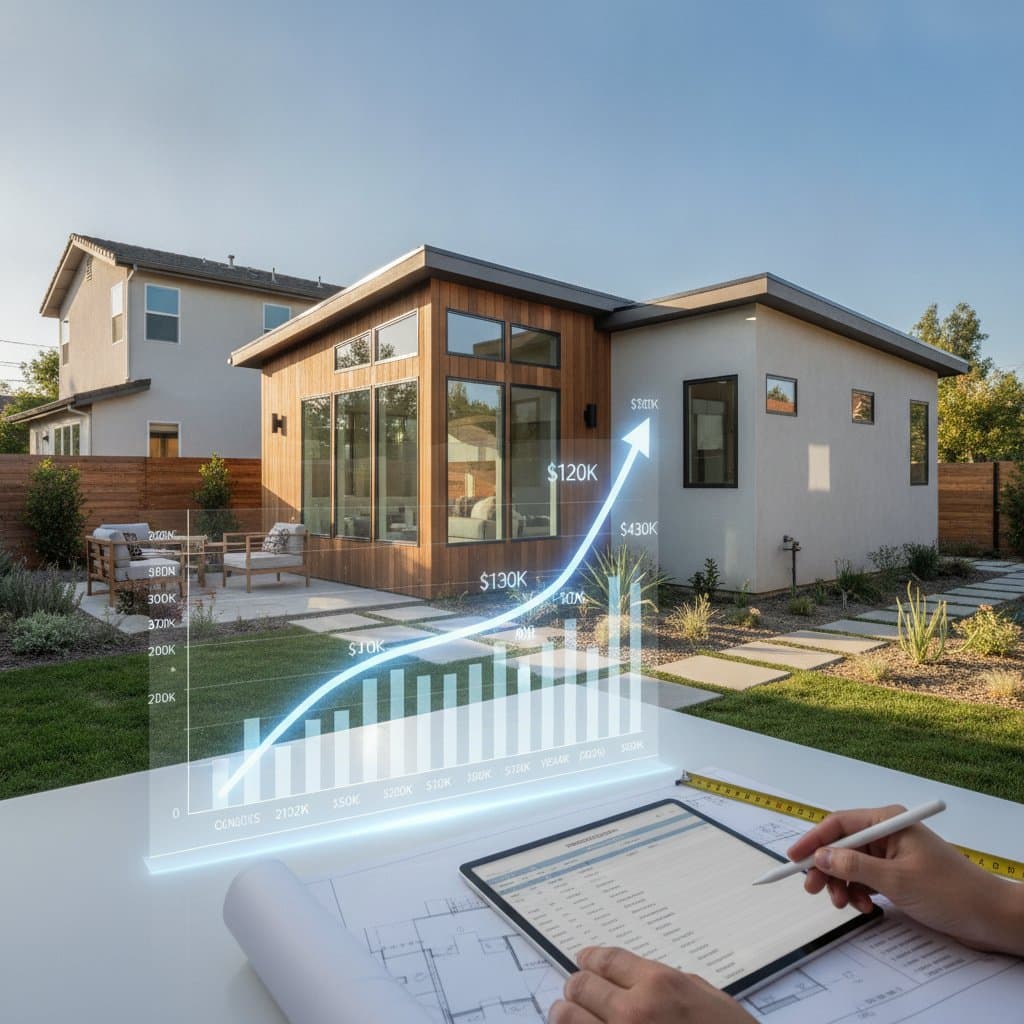
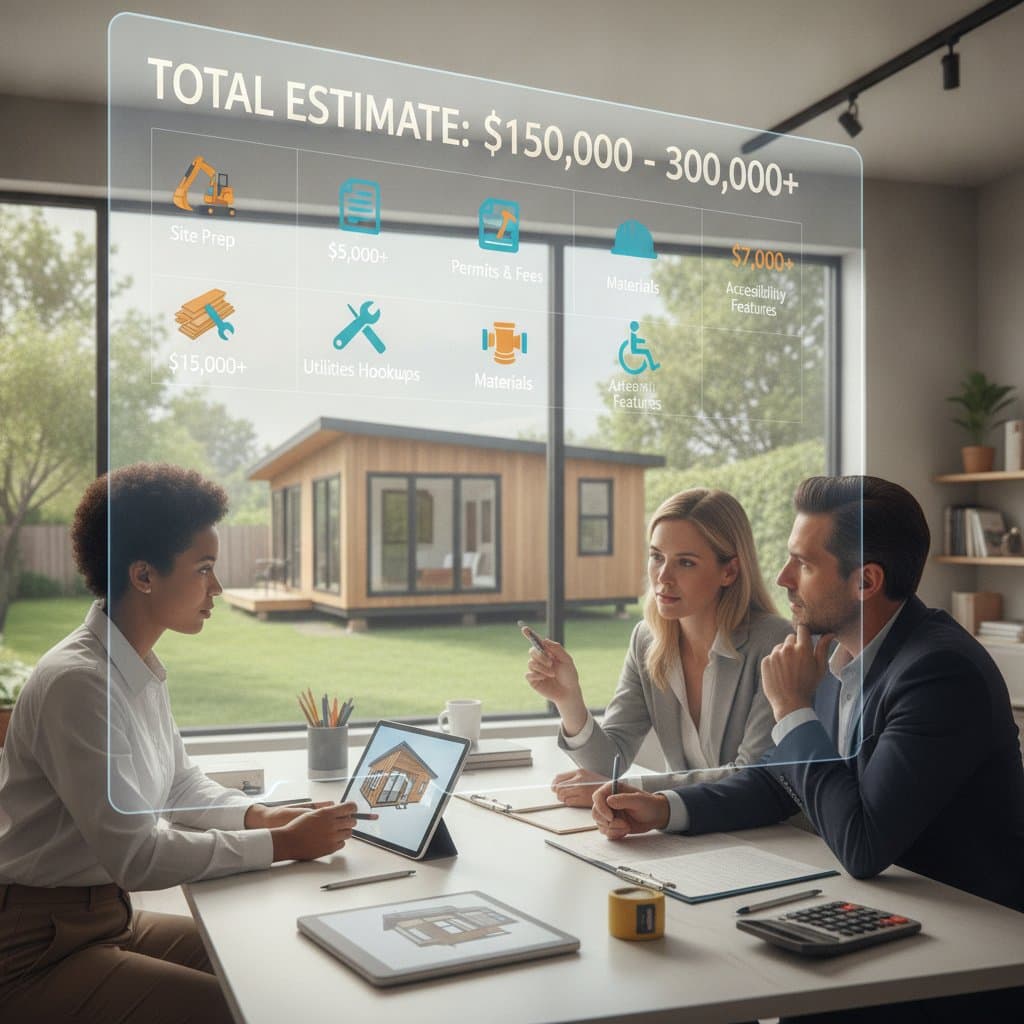
Building a backyard accessory dwelling unit costs between 180000 and 400000 dollars for a complete and code compliant structure. A small studio layout may cost less while a two bedroom detached unit with full utilities can reach the higher range. Expect a total project timeline of six to twelve months from design to final inspection. The process involves advanced steps due to permitting foundation work and utility connections.
Homeowners should always hire licensed professionals for electrical plumbing and structural tasks.
Step by Step Overview of an ADU Build
1. Research Local ADU Rules
Confirm zoning limits and setback requirements first. Some cities restrict accessory dwelling units by lot coverage or maximum height. Review these details before any design work begins. Obtain written confirmation or a zoning summary from the local building department.
2. Create a Feasible Design
Work with a designer or architect experienced in accessory dwelling units. The design must meet local code and include foundation framing and utility plans. Keep layouts simple to control costs. Choose a rectangular footprint for efficient material use. Verify that roof pitch and window placement meet code and privacy requirements. The plan set should include site floor elevation and utility drawings that match local submittal standards.
3. Obtain Permits
Submit the design with all required documents and pay plan check and permit fees. Review times vary by jurisdiction. Work cannot begin until stamped and approved drawings are received. Keep all permits and inspection cards on site before breaking ground.
4. Prepare the Site
Clear vegetation and debris from the area. Grade the site for proper drainage. Install temporary fencing to secure the location. Mark utility positions before excavation starts. Contact the utility locator service to identify underground gas water sewer and electrical lines before digging. The finished site must be level accessible and free of obstacles.
5. Build the Foundation
Select a foundation type suitable for soil conditions. Slab on grade offers the lowest cost but requires embedded plumbing and electrical before pouring. A raised foundation provides easier access for repairs yet increases cost due to framing and crawl space. Hire a licensed contractor for excavation and concrete work. The foundation must pass inspection and match plan dimensions exactly.
6. Frame and Sheath the Structure
Use kiln dried lumber for walls floors and roof framing. Secure all joints with approved fasteners and metal connectors. Sheath walls with structural plywood or oriented strand board. Apply fall protection when working on the roof or elevated platforms. Framing must remain square plumb and inspected before covering.
7. Install Rough Utilities
Licensed professionals run electrical plumbing and HVAC lines according to approved plans. This step includes conduit wiring water supply drains and vent lines. Rough in inspections require sign off before insulation and drywall installation.
8. Insulate and Drywall
Install insulation rated per energy code requirements. Common ratings include R 13 for walls and R 30 for ceilings. Add vapor barriers where required. Hang drywall with screws tape seams and apply joint compound. Surfaces must be smooth and ready for paint.
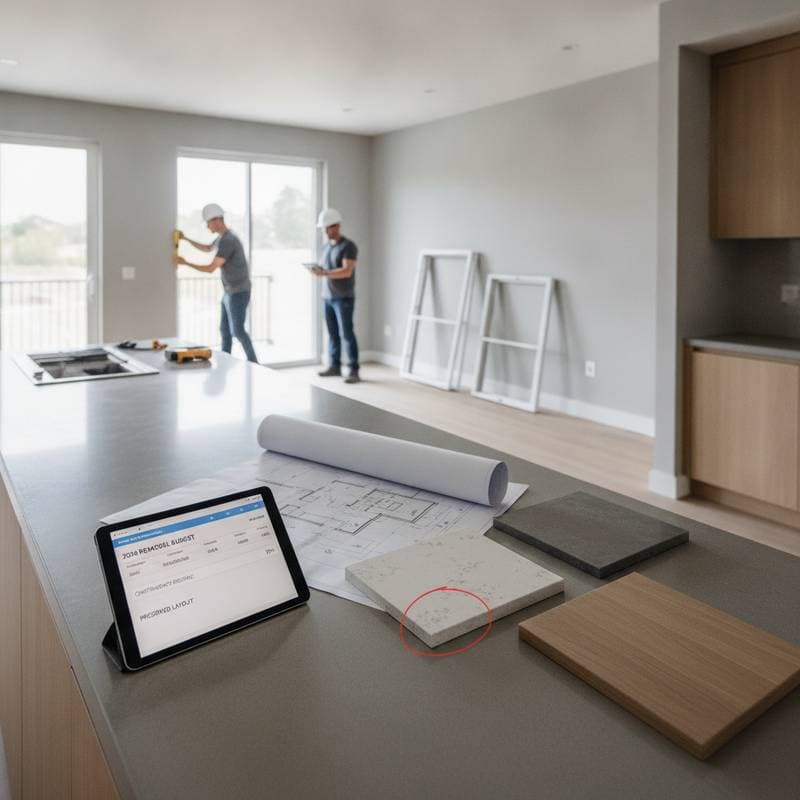
9. Finish Interior and Exterior
Paint walls install flooring add cabinets and mount fixtures. Use moisture resistant materials in kitchens and baths. Apply exterior siding trim and roofing. All finishes should be complete clean and free of gaps or exposed fasteners.
10. Connect Final Utilities and Test
Licensed electricians and plumbers connect fixtures outlets and appliances. Test water flow drainage and electrical circuits. Schedule final inspections. All utilities must function correctly with recorded approvals.
Quality Checks and Troubleshooting
Common Failure Points
Uneven foundations cause door and window misalignment. Fix these issues with professional leveling or shimming. Moisture intrusion results from missing flashing or poor drainage. Seal joints and confirm slope away from the structure. Insufficient ventilation leads to condensation and mold. Ensure attic and crawl space vents remain open and unobstructed. Overloaded circuits occur when multiple high load appliances share one circuit. An electrician can verify circuit capacity.
Simple Fixes
Tighten loose door hinges or hardware after the structure settles. Caulk small cracks in siding or trim before moisture penetrates. Replace weatherstripping if air leaks develop around openings.
When to Call a Pro
Hire licensed professionals for electrical service installation or upgrades. Gas line or main water line work also requires experts. Structural framing shear walls or foundation modifications demand qualified contractors. Roofing above single story height needs professional handling.
Typical costs for professional services range as follows. Electrical setup costs 4000 to 10000 dollars depending on load requirements. Plumbing installation costs 6000 to 15000 dollars depending on fixture count and distance from main lines. Structural framing costs 25000 to 60000 dollars depending on size and design complexity. Roofing and exterior finishes cost 10000 to 30000 dollars depending on material type.
When selecting a contractor verify license and insurance status through the state licensing board. Request at least three written estimates with identical scopes of work. Review references from recent accessory dwelling unit projects. Confirm timelines payment schedules and warranty terms in writing.
Pro Tips for Success
Simplify the design since every corner adds framing and roofing cost. Choose standard window and door sizes to avoid custom pricing. Use durable low maintenance materials such as fiber cement siding and vinyl windows. Reduce long term costs by installing energy efficient lighting and appliances. Keep all inspection records and receipts for resale or insurance purposes.
Planning Your Backyard ADU Project
Careful planning and realistic budgeting protect finances and property value. A clear understanding of costs code requirements and safe construction practices helps achieve a durable comfortable backyard home.
FAQs
What does ADU mean?
An accessory dwelling unit is a small second home on the same lot as a primary residence.
Do I need a permit for a backyard cottage?
Every accessory dwelling unit requires building and utility permits before construction.
Can I build an ADU myself?
Minor work is possible but structural electrical gas and plumbing tasks require licensed professionals.
What is the cheapest type of ADU?
A garage conversion is usually the least expensive since it uses existing walls and utilities.
How long does it take to build an ADU?
Most projects take six to twelve months including design permits and construction.
Can I rent out my ADU?
Many cities allow long term rentals but short term rentals may be restricted. Check local regulations before listing.