Unlocking Value: Granny Flat ADU Costs and ROI in 2026
Building a granny flat, or accessory dwelling unit (ADU), expands your property's potential. Homeowners pursue these additions for family housing, remote workspaces, or rental revenue. This guide details cost drivers, investment returns, and planning steps to support informed choices.
Defining a Granny Flat ADU
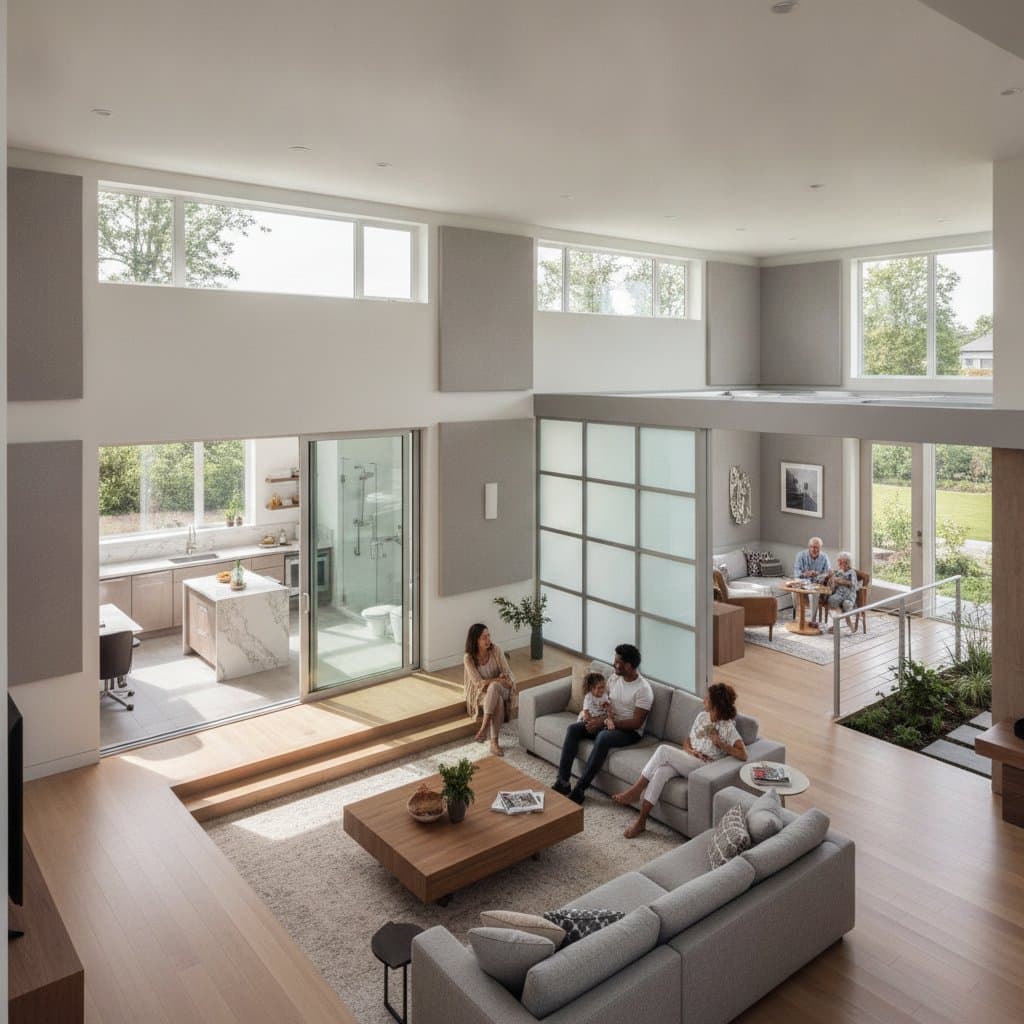
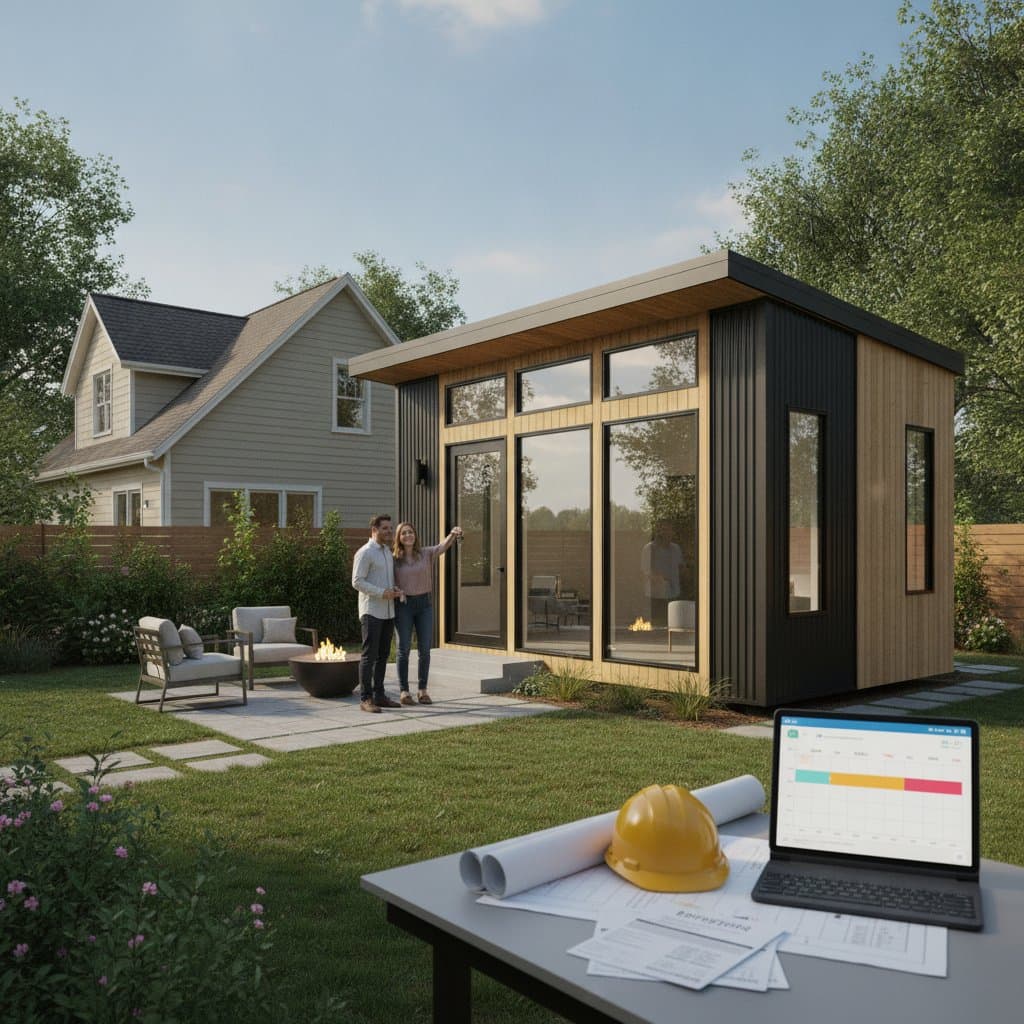
A granny flat ADU functions as an independent living space on the same property as the primary residence. It typically features a kitchenette, bathroom, and bedroom. Options include attached extensions, garage conversions, or standalone backyard units. Property owners install ADUs to accommodate elderly relatives, support returning adult children, or create income through rentals.
ADUs enhance versatility by adding livable area without buying additional land. Thoughtful integration ensures the unit complements the main house and elevates overall property appeal.
Key Factors Influencing Construction Costs
Multiple elements determine ADU expenses. Identifying these allows for accurate budgeting and efficient project management.
ADU Type
Different configurations vary in expense and build requirements.
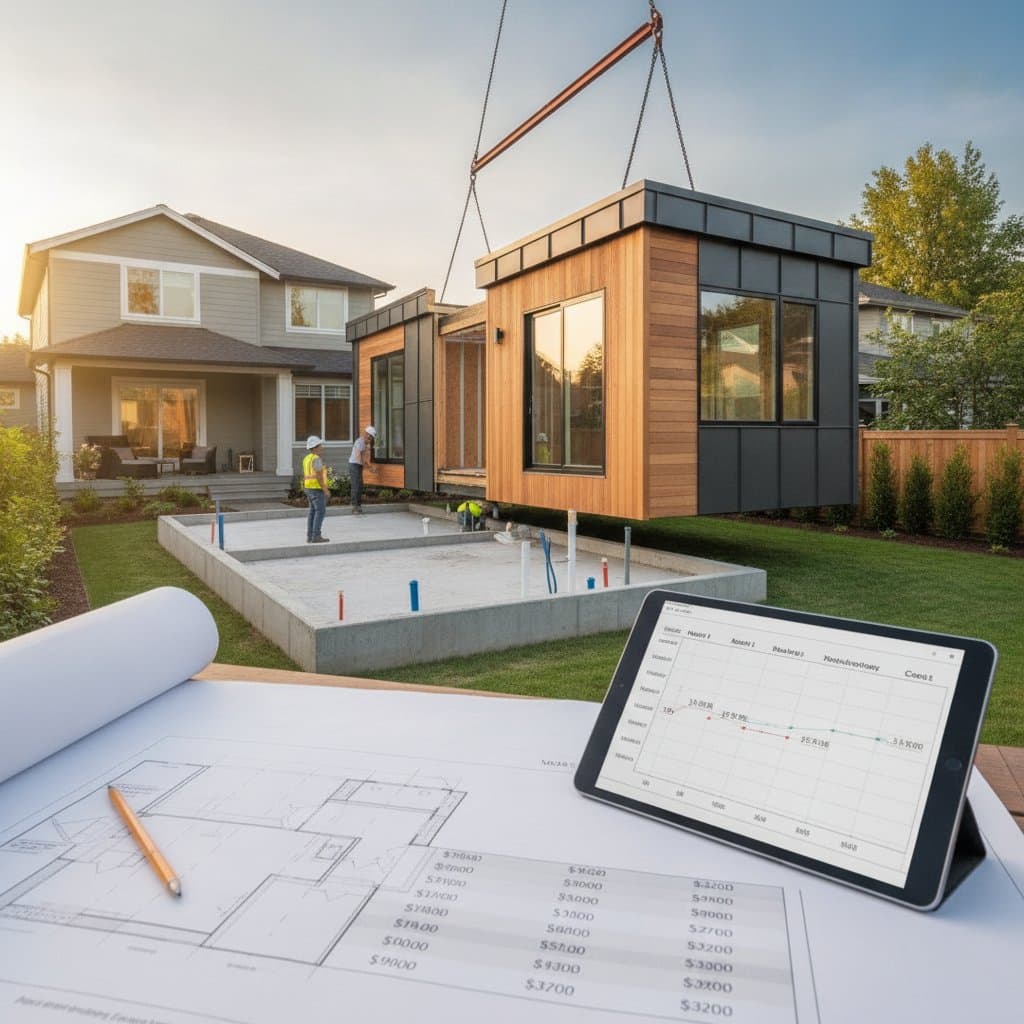
- Detached ADU: Constructed separately, this provides maximum privacy but demands new foundations, framing, and utility lines, often costing $150,000 to $300,000.
- Attached ADU: Connected to the main structure, it shares walls and systems, potentially saving 20-30% on materials while requiring privacy-focused layouts.
- Garage Conversion: Leverages existing foundations, typically ranging from $50,000 to $150,000, though reinforcements for insulation and ceiling height may add costs.
- Basement or Attic Conversion: Utilizes interior space, with expenses of $40,000 to $120,000, complicated by plumbing rerouting and ventilation upgrades.
Size and Layout
Larger units increase costs proportionally. A 400-square-foot efficiency model might total $80,000, while a 800-square-foot one-bedroom reaches $200,000. Incorporate essentials like separate entries and efficient storage to control plumbing and electrical outlays.
Site-Specific Challenges
Terrain and access impact budgets. Level sites simplify construction, but sloped lots require grading, adding $5,000 to $20,000. Distance to main utilities necessitates trenching, which can escalate expenses by 10-15%.
Materials and Finishes
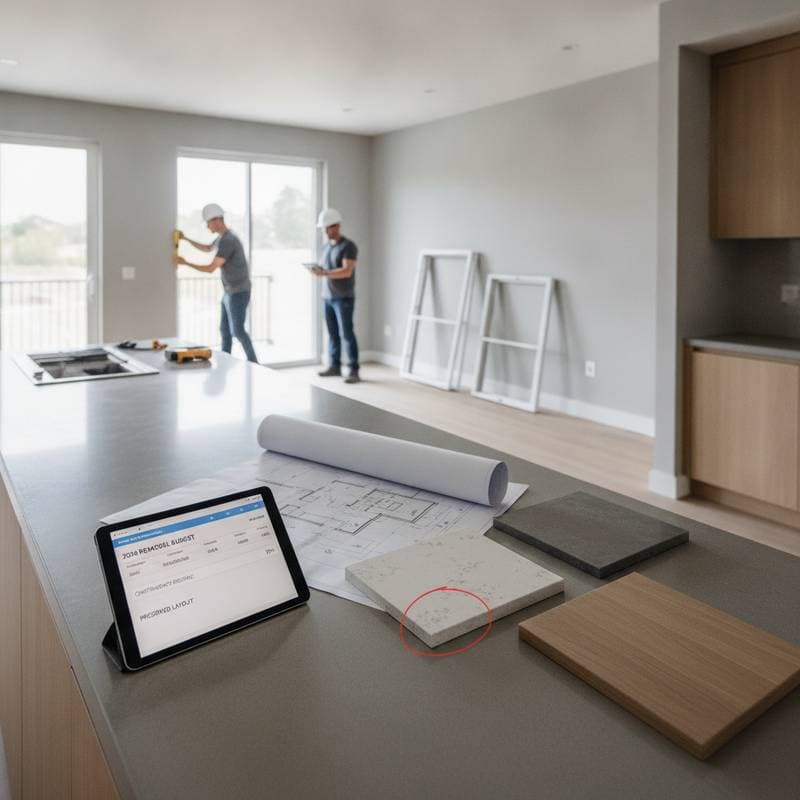
Durable selections balance upfront and ongoing costs. Opt for fiber cement siding over wood for longevity, and energy-efficient windows to cut utility bills. Interior choices like vinyl plank flooring and quartz counters provide quality without excess spending.
Permits and Regulatory Fees
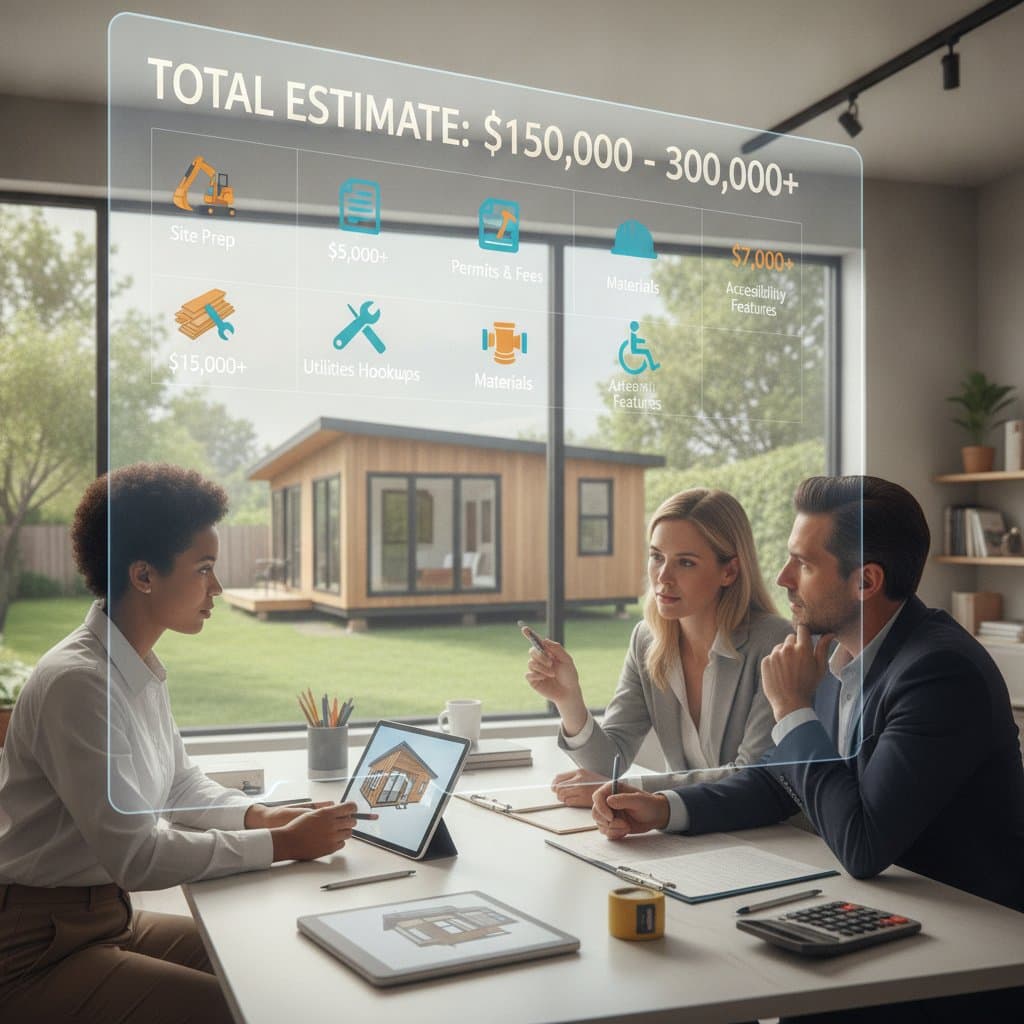
Local rules dictate approvals, with fees from $2,000 to $10,000 covering inspections and impact assessments. Engage contractors versed in zoning to expedite processes and minimize revisions.
Labor and Expertise
Professional teams, including architects and builders, account for 40-50% of totals. Select licensed experts to ensure code compliance and avoid rework, which could double initial estimates.
Typical Cost Estimates for 2026
Expect ranges of $100 to $300 per square foot, depending on type and location. Garage conversions average $80,000 to $150,000, while detached units hit $200,000 to $400,000. Factor in 10-15% contingency for surprises like soil testing or electrical overhauls. These figures reflect rising material prices and labor demands projected for 2026.
Strategies to Maximize ROI
ADUs deliver returns through financial and practical gains. Evaluate these benefits to align with your objectives.
Generating Rental Income
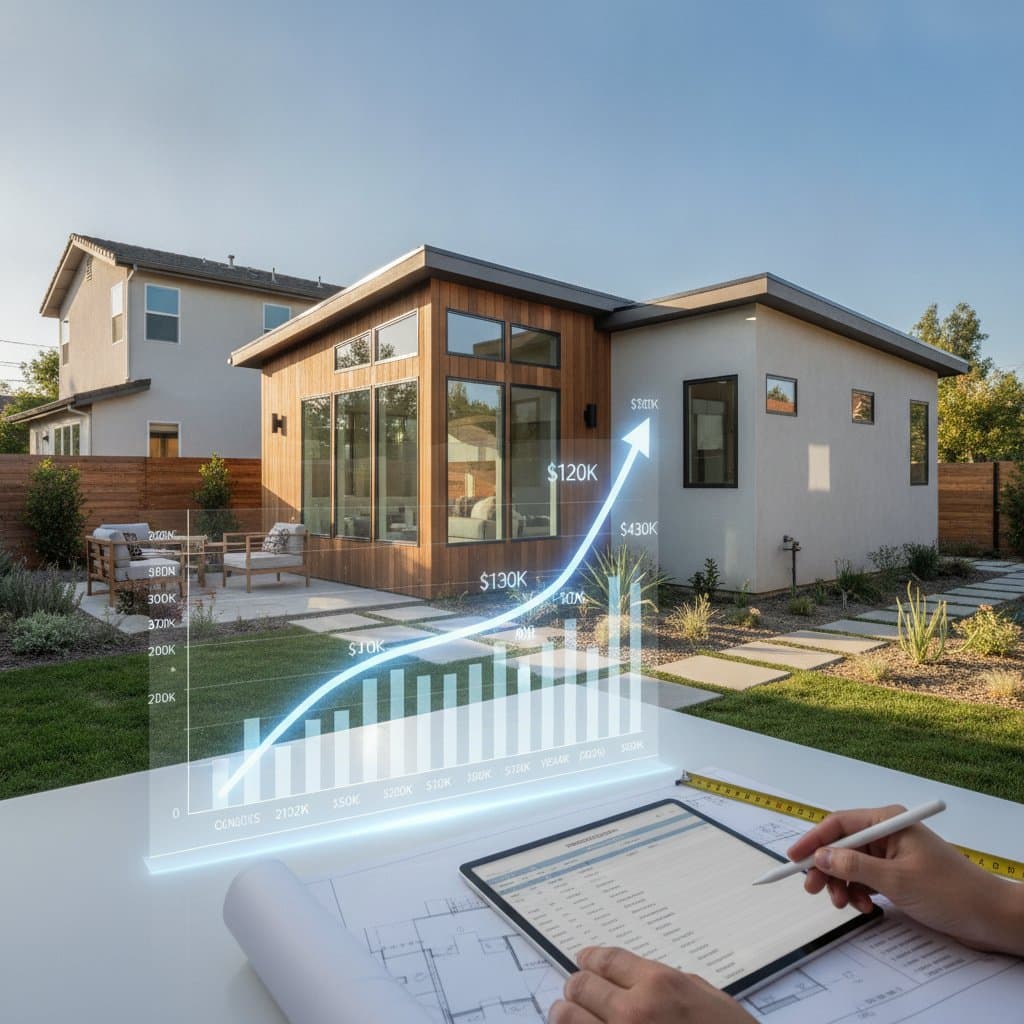
Legal ADUs attract tenants, yielding $1,000 to $2,500 monthly in urban areas. Long-term leases stabilize cash flow; short-term options via platforms boost earnings in high-demand zones. Use income to cover construction loans within 5-7 years.
Boosting Property Value
ADUs add 10-20% to home worth, with appraisers factoring in added square footage. Marketable features like modern kitchens appeal to buyers seeking multigenerational setups, accelerating sales and equity growth.
Supporting Family Dynamics
Separate living quarters foster independence for relatives, cutting external housing costs by thousands annually. Design for shared yard access to maintain family bonds.
Creating Professional Spaces
Transform the ADU into a dedicated office or studio, eliminating $500+ monthly commercial rents. Include high-speed wiring and ergonomic layouts for productivity.
Planning for Future Needs
Incorporate universal design elements, such as zero-step entries and grab bar reinforcements, for aging in place. This adaptability extends the unit's utility over decades.
Design Choices for Enduring Value
Effective designs integrate with existing architecture and enhance usability.
Exterior Harmony
Select siding that mirrors the main house, like matching lap styles in complementary shades. Stone accents on traditional homes add curb appeal without clashing.
Color Schemes
Timeless neutrals such as warm greige or soft taupe ensure broad appeal. Modern contrasts with matte black accents provide sophistication; softer tones like sage green suit relaxed aesthetics.
Roof and Structural Alignment
Align roof pitches for seamless visuals. Pitched designs suit classics, while flat roofs modernize. Add eaves for weather protection and energy savings.
Lighting and Entry Features
Position windows for cross-ventilation and views, using double-pane glass for efficiency. A bold entry door in deep navy injects character.
Outdoor Integration
Attach a 100-square-foot patio with weather-resistant decking. Plant native shrubs for low-effort screening and aesthetic unity.
Financial Strategies for Sustainable Returns
Treat the ADU as a strategic asset with structured funding and oversight.
Building a Realistic Budget
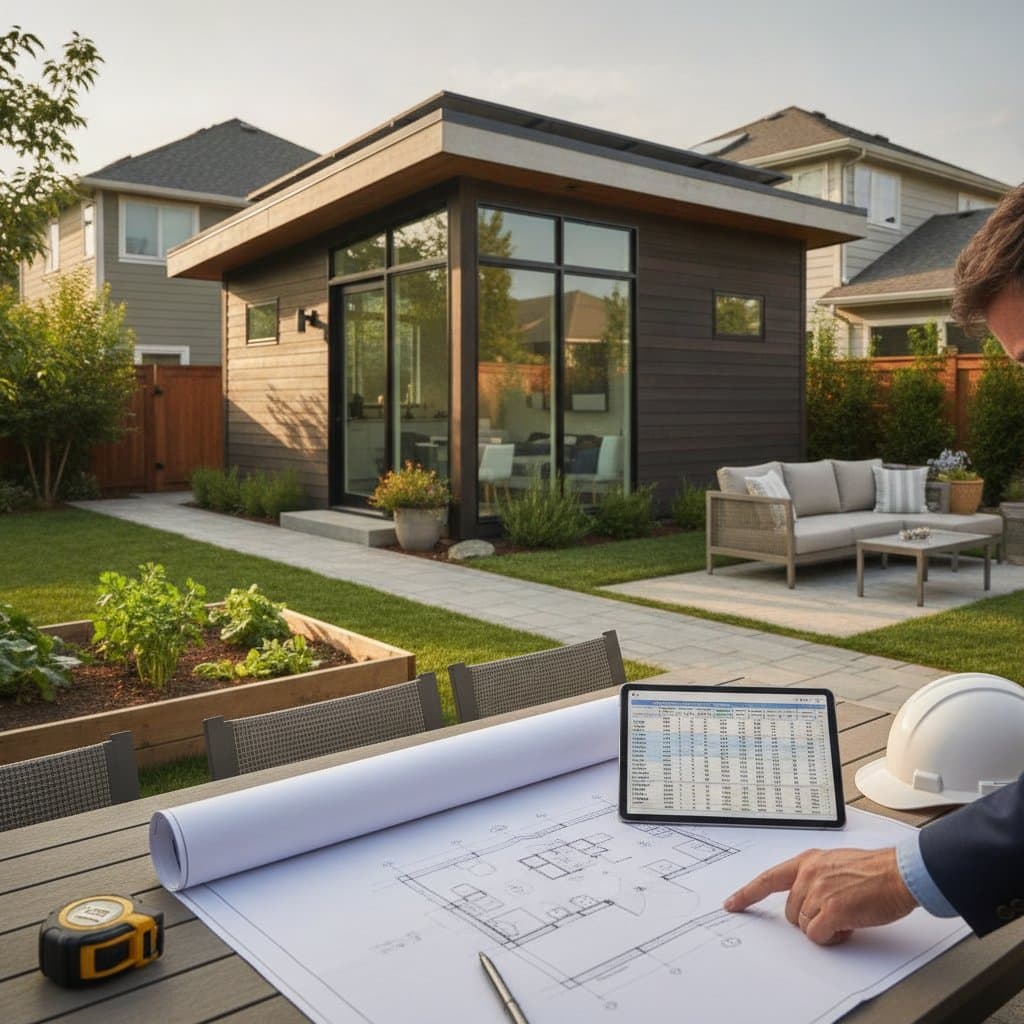
Allocate funds across construction (60%), design (10%), permits (5%), and reserves (15%). Track via spreadsheets to adapt to changes.
Exploring Funding Sources
Home equity lines offer flexible draws at 6-8% rates; construction loans suit phased builds. Refinancing captures low rates for lump sums. Align choices with income projections.
Navigating Taxes and Insurance
ADUs may raise assessments by 5-10%; rentals qualify for deductions. Update policies to cover the addition, potentially increasing premiums by $200-500 yearly.
Managing Upkeep Expenses
Schedule annual inspections for roofs and systems. High-quality appliances extend lifespans, reducing replacement costs over 10-15 years.
Steps for a Successful Project
- Partner with ADU specialists who hold current licenses and provide portfolios of local builds.
- Verify zoning compliance through municipal offices, confirming minimum setbacks of 5-10 feet.
- Develop floor plans emphasizing multi-use areas, like fold-out beds, to optimize 500 square feet.
- Install energy-saving features, such as solar-ready panels, to qualify for rebates up to $5,000.
- Secure detailed contracts outlining timelines, milestones, and change order protocols.
Assessing Ongoing Benefits
Track success by monitoring rental yields against costs and annual property reappraisals. Adjust uses as needs evolve, from income generation to personal retreat. This approach secures lasting enhancements to lifestyle and finances.