Essential Insights into Prefab ADU Costs and Timelines
Prefabricated accessory dwelling units, known as ADUs, represent a streamlined approach to expanding property space. Homeowners often pursue these units for purposes such as rental income generation, guest accommodations, or dedicated workspaces. Prefab construction accelerates the process compared to site-built alternatives, delivering completed structures with reduced labor demands and material waste.
To navigate a prefab ADU project successfully, individuals must grasp the elements that shape expenses and schedules. This resource outlines cost determinants, phase-by-phase expectations, the role of expert involvement, and budgeting techniques that prevent unforeseen expenditures.
Breaking Down Average Prefab ADU Costs
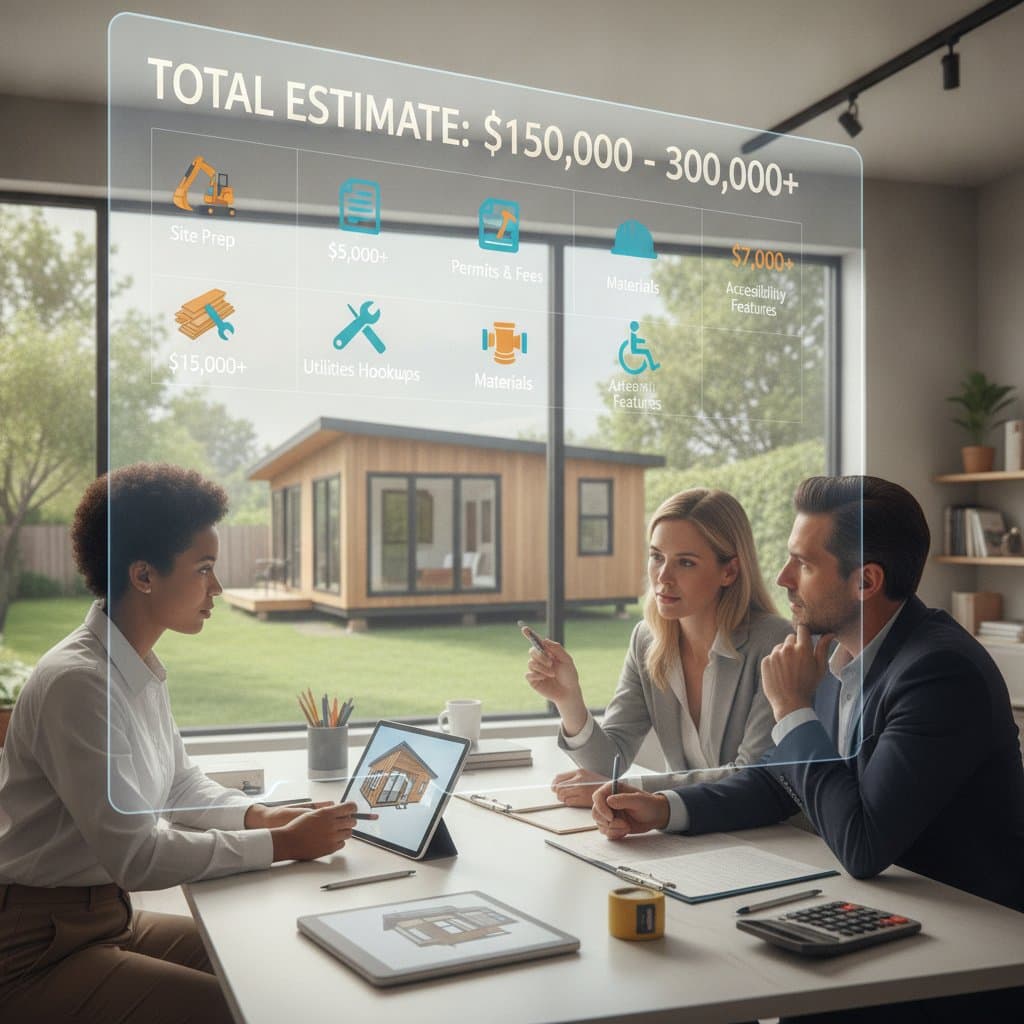
The price of a prefab ADU varies based on unit dimensions, interior quality, and property-specific challenges. Overall, expenses range from $250 to $500 per square foot, encompassing the modular unit, groundwork, assembly, and infrastructure integrations.
This pricing reflects a turnkey approach, where the manufacturer handles off-site fabrication, and local teams manage on-site adaptations. Factors like regional labor rates and material availability can shift these figures, so obtaining localized estimates proves essential.
Cost Ranges by Unit Size
- Compact studio or one-bedroom options (250 to 400 square feet): Expect totals from $80,000 to $160,000. These smaller configurations suit single occupants or minimalistic needs, minimizing material and installation demands.
- Two-bedroom configurations (500 to 800 square feet): Budgets fall between $140,000 and $320,000. Such units accommodate families or multi-use scenarios, requiring more robust structural elements.
- Expansive custom designs (over 800 square feet): Investments start at $300,000 and escalate with bespoke features. Larger footprints demand enhanced engineering to ensure stability and compliance.
These estimates incorporate prefabricated components alongside site-related expenses, including regulatory approvals, base construction, and service line extensions for water, sewage, and power.
Detailed Expense Allocation
- Acquisition of the prefab module: Accounts for 60 to 70 percent of the budget. This covers design, manufacturing, and initial transport to the site.
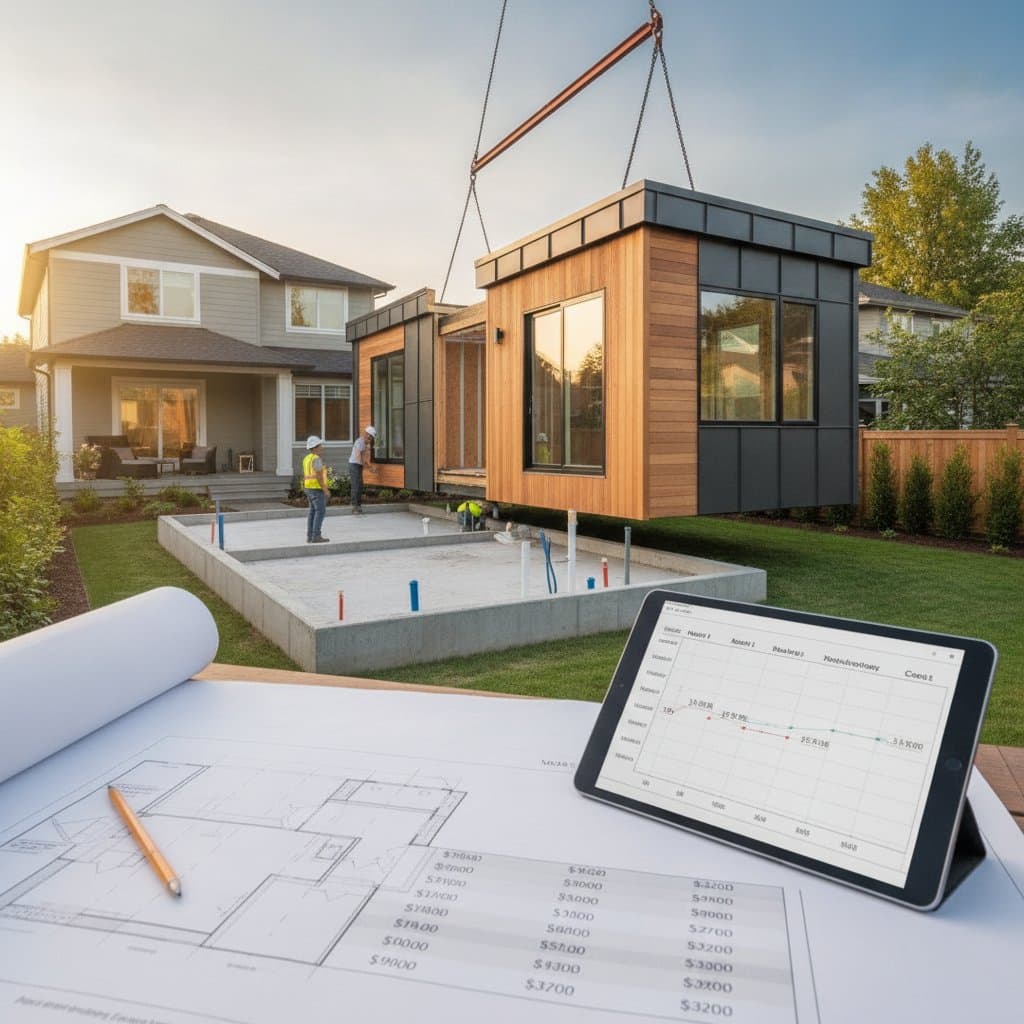
- Land preparation and foundational elements: Represents 10 to 15 percent. Tasks involve grading, concrete pouring, or pier installations tailored to soil composition.
- Infrastructure linkages: Comprises 10 to 20 percent. Connections demand trenching, piping, and electrical wiring compliant with utility standards.
- Regulatory and oversight processes: Encompasses 5 to 10 percent. Fees support plan submissions, zoning verifications, and compliance checks.
Manufacturers sometimes present base prices that omit on-site necessities. Prospective buyers should insist on itemized proposals that detail every component, facilitating transparent comparisons across providers.
Factors Shaping Costs and Project Durations
Multiple variables influence both financial outlays and completion schedules for prefab ADUs. Addressing these early allows for proactive adjustments that align outcomes with expectations.
Site evaluations and regulatory consultations form the foundation of accurate projections. By anticipating challenges, owners can allocate resources efficiently and maintain momentum throughout the build.
Property Site Characteristics
Terrain features like inclines, unstable ground, or restricted entry points elevate preparation needs. For instance, rocky soil may necessitate specialized excavation equipment, adding $5,000 to $15,000 in fees. Conversely, level terrains with straightforward access streamline operations, potentially shortening setup by weeks.
Conduct a professional survey prior to commitment. This step identifies obstacles such as tree roots or underground lines, preventing delays that compound expenses.
Infrastructure Integration Challenges
Proximity to main utility sources determines connection complexity. Short distances enable straightforward hookups, often completed in days, whereas extended lines require extensive digging, extending timelines by one to two months and costs by 15 to 25 percent.
Engage utility specialists during planning. They assess feasibility and recommend routing options that balance efficiency with code adherence.
Jurisdictional Guidelines
Building codes dictate design constraints, from boundary offsets to accessibility mandates. Progressive areas offer expedited approvals, reducing wait times to 30 to 60 days, while stringent locales involve layered reviews that stretch to four months.
Research municipal ADU ordinances online or through planning departments. Pre-application meetings clarify requirements, smoothing the path to issuance.
Interior and Exterior Specifications
Units arrive with tiered options: basic setups feature standard appliances and vinyl exteriors, mid-level include granite counters and composite decking, and premium variants offer smart home integrations and custom cabinetry. Each upgrade increments costs by 20 to 50 percent but enhances appeal and durability.
Align selections with intended use. For rental properties, prioritize low-maintenance elements that attract tenants and sustain income.
Strategies to Optimize Value and Control Expenses
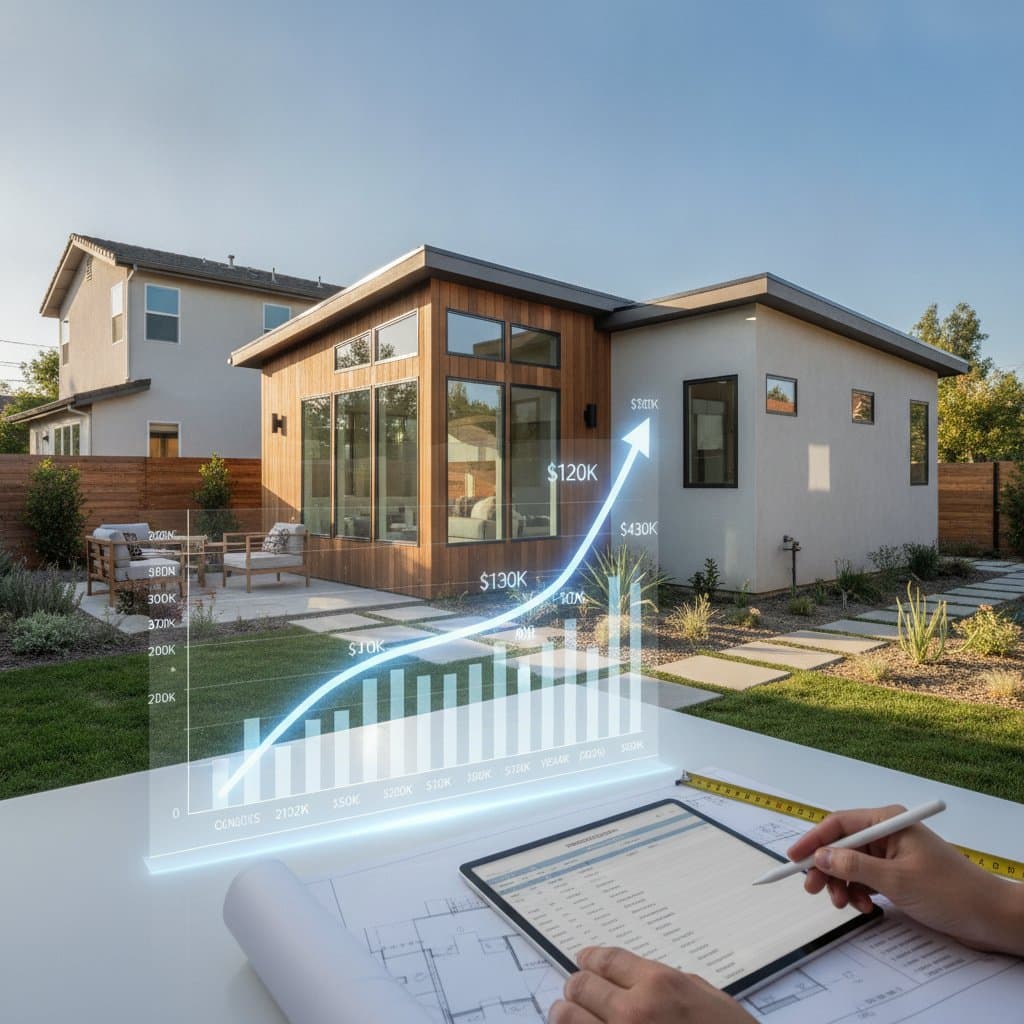
Investing in a prefab ADU yields long-term benefits, including property appreciation and utility diversification. Thoughtful decisions during planning amplify these advantages while curbing initial outlays.
Focus on scalable choices that adapt to future needs. This approach ensures the unit delivers sustained utility without necessitating premature overhauls.
Opting for Proven Designs
Standardized blueprints bypass custom engineering premiums, which can add 10 to 20 percent to fabrication fees. Pre-approved plans accelerate production, often delivering units within eight to twelve weeks from order.
Review manufacturer catalogs for adaptable models. Verify compatibility with local standards to avoid redesign iterations.
Streamlining Service Placements
Positioning the ADU near existing infrastructure cuts connection expenses by up to 30 percent. Measure distances meticulously and adjust footprints accordingly, consulting engineers for optimal layouts.
Incorporate flexible piping during foundation work. This foresight accommodates potential expansions without disruptive retrofits.
Selecting Resilient Materials
Durable choices like fiber-cement exteriors resist weathering, metal roofs minimize repairs, and resilient flooring withstands heavy traffic. These selections lower annual upkeep to under $1,000, preserving investment integrity over decades.
Evaluate warranties alongside aesthetics. Longer guarantees signal quality, justifying modest upfront premiums.
Incorporating Efficiency Measures
High-performance glazing, advanced insulation, and energy-star appliances slash utility bills by 20 to 40 percent annually. Many prefab lines integrate these as defaults; scrutinize specifications to confirm inclusions.
Pursue incentives like tax credits for green builds. Documentation from certified installers supports rebate claims, further offsetting costs.
Addressing Frequent Prefab ADU Inquiries
Will a prefab ADU appreciate in value?
Constructed units typically boost overall property worth by 20 to 30 percent, contingent on market dynamics and integration quality. Appraisals often highlight added square footage and revenue potential.
What financing options exist for prefab ADUs?
Home equity lines, renovation loans, or builder-affiliated programs provide accessible funding. Interest rates hover around 4 to 7 percent, with terms extending 10 to 30 years.
Is a distinct address required for the ADU?
Regulations vary; many areas designate secondary identifiers for services. Coordinate with postal and utility providers to establish seamless operations.
What is the expected lifespan of a prefab ADU?
Quality builds endure 50 years or longer with routine care. Modular frames employ steel reinforcements that outperform wood in seismic zones.
Is renting out the prefab ADU permissible?
Zoning permissions govern usage; confirm short-term platforms like Airbnb align with ordinances. Income projections aid in justifying the investment.
Advancing Your Prefab ADU Initiative
Prefabricated ADUs merge rapid deployment with customizable functionality, transforming underutilized spaces into valuable assets. Initiate by assessing your lot's potential through surveys and code reviews.
Solicit comprehensive bids from vetted contractors, emphasizing full-scope inclusions. Collaborate with code-savvy teams to orchestrate seamless progression from concept to completion, realizing a structure that enhances lifestyle and equity.