
2026 ADU Costs: Strategic Planning for Granny Flats
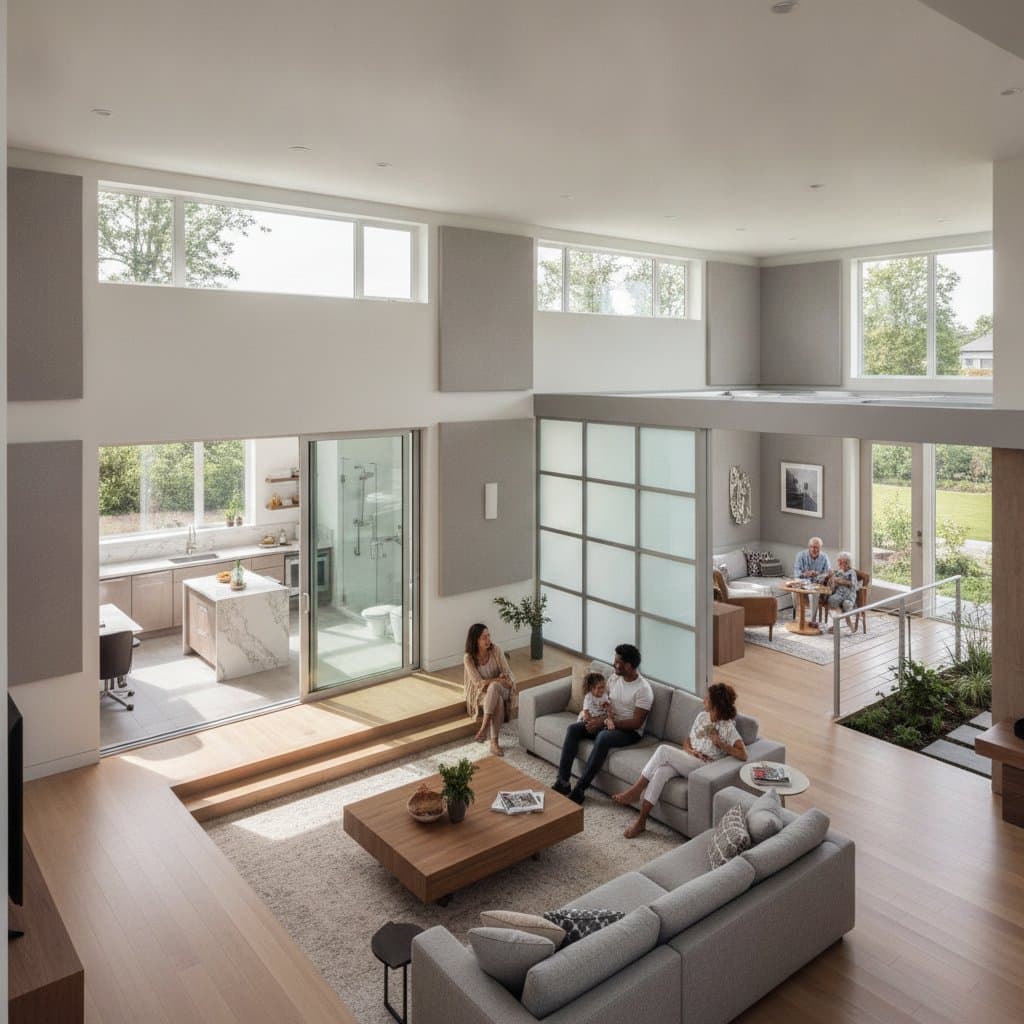
Accessory dwelling units, commonly known as ADUs or granny flats, attract increasing interest from homeowners who desire additional space, rental revenue, or adaptable housing solutions. These compact, independent residences enhance property worth, facilitate multigenerational arrangements, and promote sustained financial security. Grasping the elements that influence ADU expenses and applying thoughtful planning strategies prove essential for achieving a prosperous and economical construction project.
This guide addresses prevailing ADU cost estimates, design alternatives, construction elements, and intelligent planning approaches that maximize returns on investment.
Understanding the Types of ADUs
Detached ADU
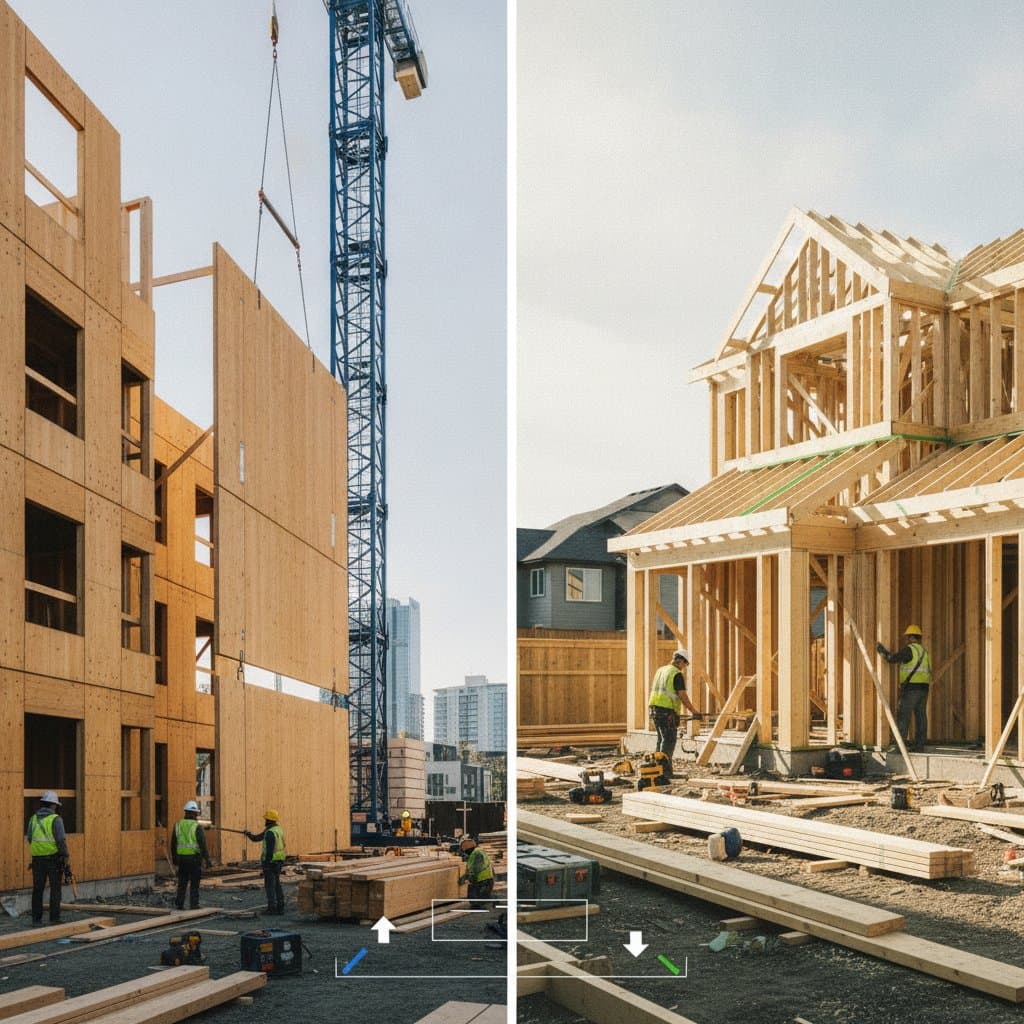
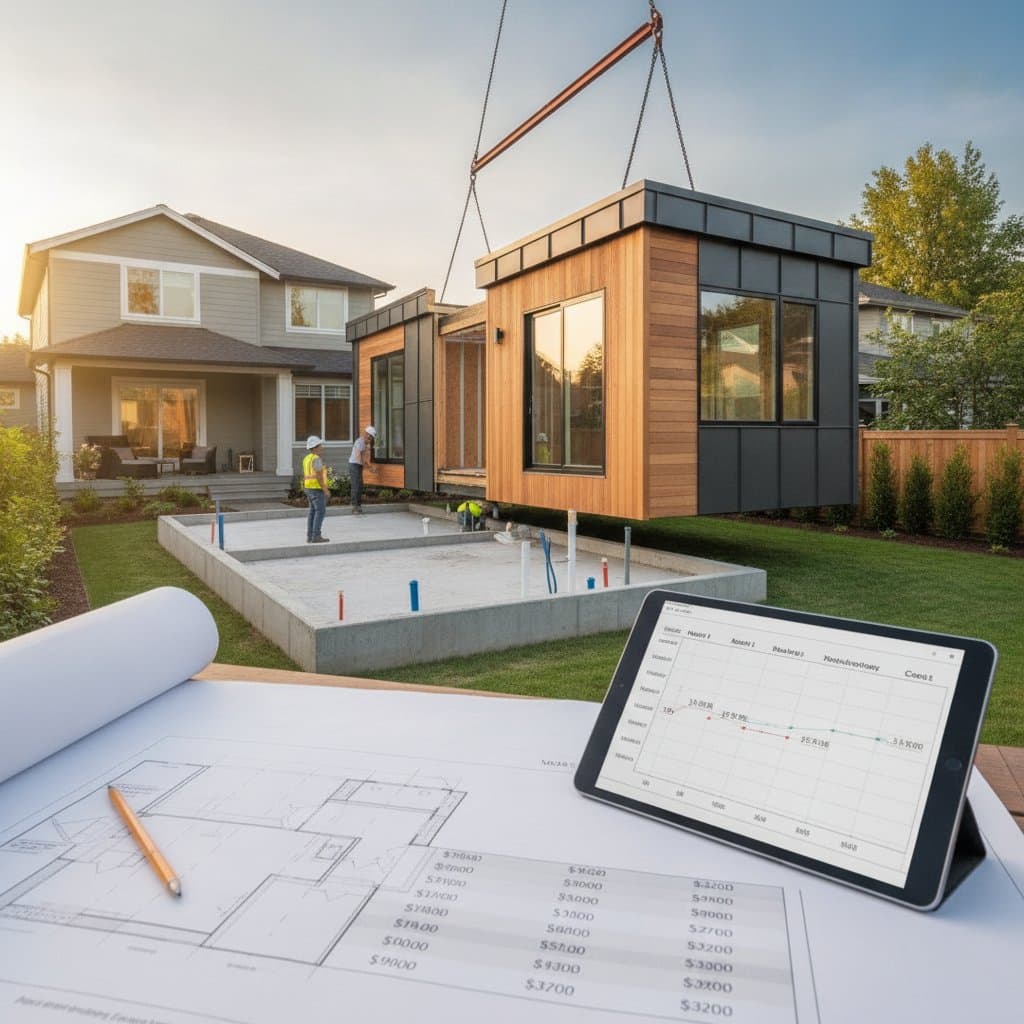
A detached ADU stands as a standalone structure apart from the primary residence. It delivers seclusion and versatility for leasing purposes or family accommodations.
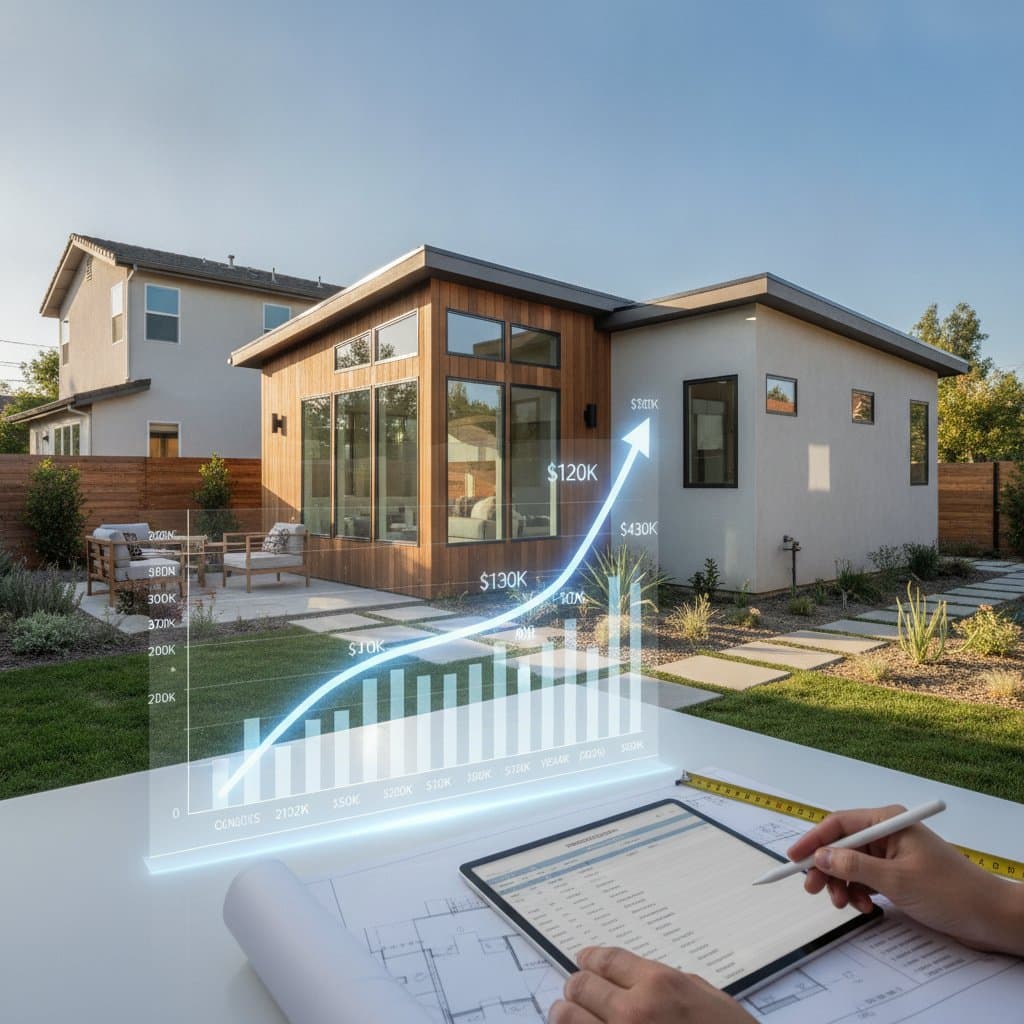
Why it matters: Detached configurations grant maximum autonomy and substantial rental potential. They also contribute significantly to resale appreciation.
Average cost: $250 to $500 per square foot, varying with material selections, finish levels, and site characteristics.
DIY vs Pro: Foundation installation, plumbing integration, and electrical systems demand professional expertise, making detached ADUs unsuitable for full DIY efforts.
Tips: Select streamlined designs that minimize plumbing and electrical routing distances. Opt for uncomplicated roof profiles and conventional window types to manage expenses effectively.
Garage Conversion
Transforming a garage into an ADU represents one of the most economical choices. The existing framework substantially lowers framing and foundation outlays.
Why it matters: This method accelerates the creation of habitable areas while optimizing land utilization.
Average cost: $100,000 to $180,000, contingent on dimensions and completion standards.
DIY vs Pro: Homeowners may undertake certain finishing elements, such as painting and molding installation. Professionals must address electrical and plumbing modifications to satisfy regulatory standards.
Tips: Evaluate ceiling clearance and airflow provisions at the outset. Garages frequently require structural enhancements or improved insulation to achieve livable conditions.
What Drives ADU Costs
Size and Layout
Greater dimensions elevate material and labor demands. Configurations spanning 400 to 800 square feet typically achieve optimal equilibrium between utility and expenditure.
Site Preparation
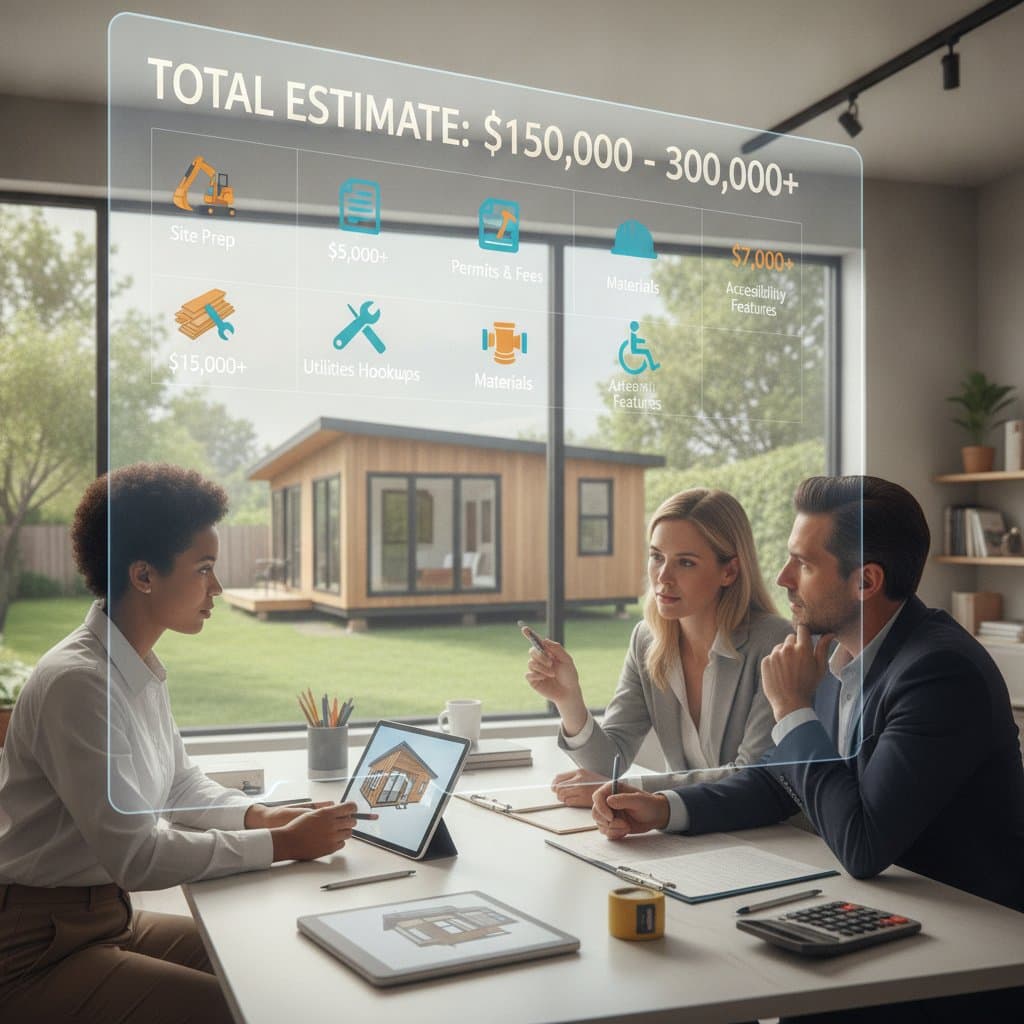
Irregular landscapes, restricted entry points, or suboptimal soil quality raise excavation and foundation charges. Site development often incurs $10,000 to $30,000 in various scenarios.
Utility Connections
Linking to current water, sewage, and power supplies spans $10,000 to $40,000, based on proximity and ease of access.
Materials and Finishes
Premium finishes enhance aesthetics yet may duplicate material allocations. Resilient intermediate options, including fiber cement exteriors, laminate surfaces, and quartz-resembling counters, yield solid performance and endurance.
Permits and Fees
Construction authorizations, plan evaluations, and municipal assessments aggregate $5,000 to $25,000. Regulations differ by locality, so verify stipulations prior to commencing designs.
Labor
Workforce expenses constitute 40 to 60 percent of overall budgets. Engaging certified specialists guarantees adherence to safety protocols and mitigates future upkeep challenges.
Regional and Material Considerations
Climate
In temperate zones, emphasize shading mechanisms and airflow systems. In frigid areas, prioritize thermal barriers and airtight seals. Regionally suited builds avert energy inefficiency and discomfort.
Local Regulations
Certain districts cap ADU dimensions or mandate proprietor residency. Others expedite approvals to foster residential expansion. Familiarity with jurisdiction-specific rules prior to planning conserves resources and timelines.
Material Choices
Composite exteriors, standing seam metal coverings, and vinyl frames provide robustness with reasonable upkeep. Incorporating salvaged timber or repurposed elements infuses uniqueness while lessening ecological footprints.
Maintenance and Longevity
Routine upkeep safeguards ADU investments and sustains comfort for occupants.
Key tasks include:
- Conducting roof and gutter examinations biannually
- Refreshing exterior coatings every five to seven years
- Replacing HVAC filters on a regular schedule
- Inspecting sealant applications surrounding windows and entrances
- Ensuring adequate perimeter drainage
Sturdily constructed ADUs, supported by diligent maintenance, endure comparably to principal dwellings, yielding prolonged utility and revenue opportunities.
Common Questions About ADU Costs
How long does it take to build an ADU?
Most initiatives span six to twelve months from approval to finalization, influenced by blueprint complexity and municipal processes.
Do I need a separate address for my ADU?
Select locales allocate distinct addresses for correspondence and services, whereas others employ the primary address augmented by unit identifiers.
Can I finance an ADU through a home equity loan?
Affirmative. Numerous owners leverage home equity financing, building loans, or refinance options to support ADU endeavors.
Will an ADU increase my property taxes?
Yes, generally proportional to the supplementary area rather than the full estate. Regional appraisers furnish projections of modifications.
What size ADU is most cost-efficient?
Structures measuring 500 to 700 square feet harmonize expenditures, habitability, and leasing appeal adeptly.
Implementing Your ADU Project
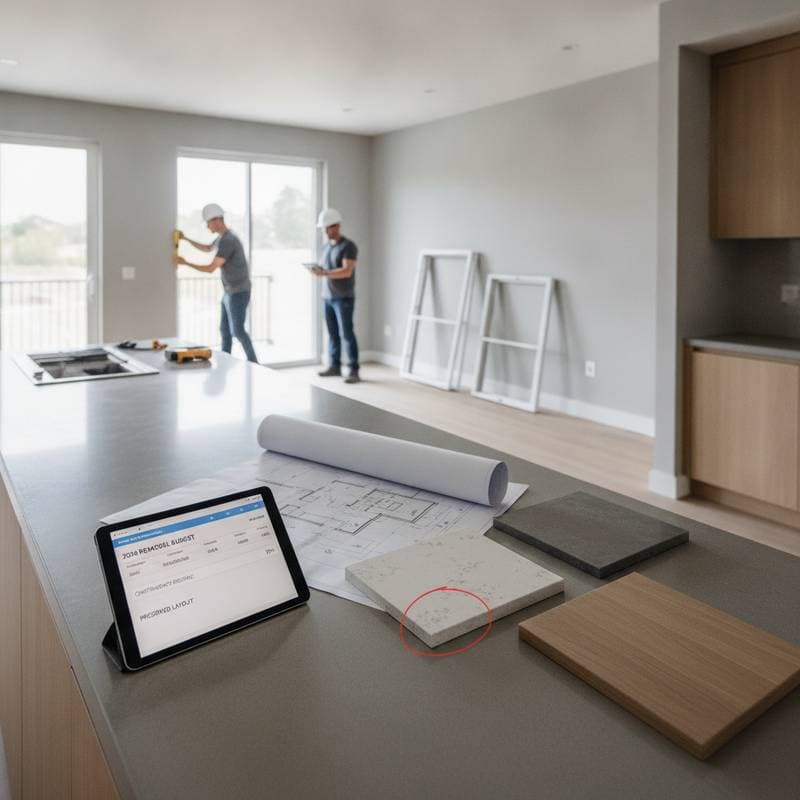
Constructing an ADU demands meticulous preparation, yet yields enduring advantages. Establish a comprehensive budget encompassing blueprints, authorizations, groundwork, and reserves for unforeseen elements. Collaborate with ADU-specialized contractors to manage compliance and accelerate endorsements.
Emphasize practicality and efficiency over opulent details in initial phases. Assess leasing prospects or familial requirements to determine appropriate scale and configuration. Upon completion, the result is a versatile habitat that responds to evolving needs and fortifies asset longevity.
Strategic foresight now yields a robust, streamlined granny flat that benefits residents and neighborhoods over extended periods.