
Understanding Backyard ADU Costs in 2026
Building a backyard accessory dwelling unit (ADU) offers homeowners added space, income potential, or family accommodations. However, costs can vary widely based on location, size, and features. By 2026, rising material prices and labor rates will influence budgets, making informed planning essential. This guide provides a detailed breakdown to help you estimate expenses accurately and avoid common pitfalls.
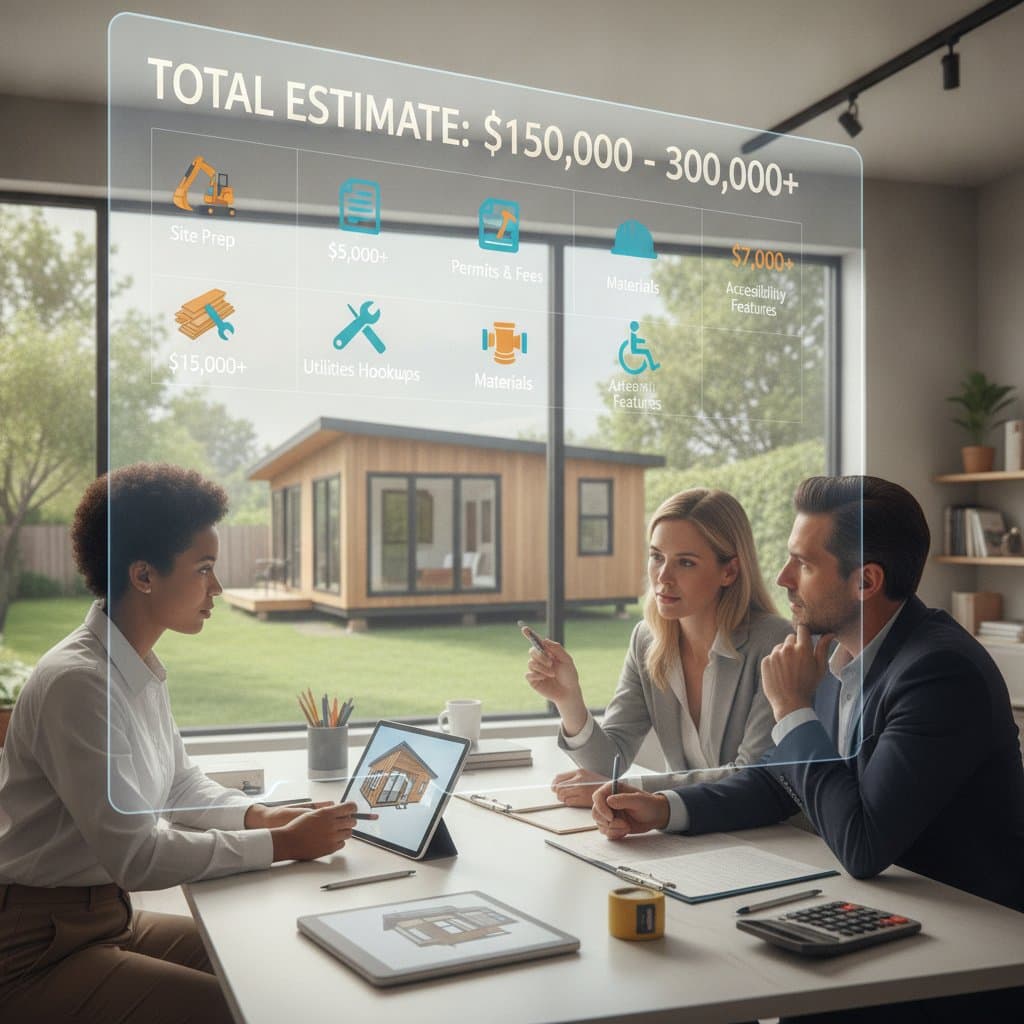
Expect total costs for a standard 600-square-foot ADU to range from $150,000 to $300,000, depending on finishes and site conditions. Factors like urban versus rural settings play a role, with denser areas often facing higher permitting fees. Early budgeting sets realistic expectations and prevents project delays.
Key Cost Components
Site Preparation and Foundation
Site work forms the base of any ADU project. Clearing land, grading, and excavation typically cost $10,000 to $20,000 for a modest lot. Foundation options include slab-on-grade at $8,000 to $15,000 or a raised structure for sloped sites, adding $20,000 or more. Soil testing, around $1,500, ensures stability and complies with seismic requirements in prone areas.
Design and Permitting
Professional design fees range from $5,000 to $15,000, covering architectural plans and engineering reviews. Custom designs increase this figure, while stock plans reduce it. Permitting costs $2,000 to $10,000, varying by municipality due to zoning updates expected by 2026. Consult local codes early to align with height, setback, and occupancy rules.
Construction and Framing
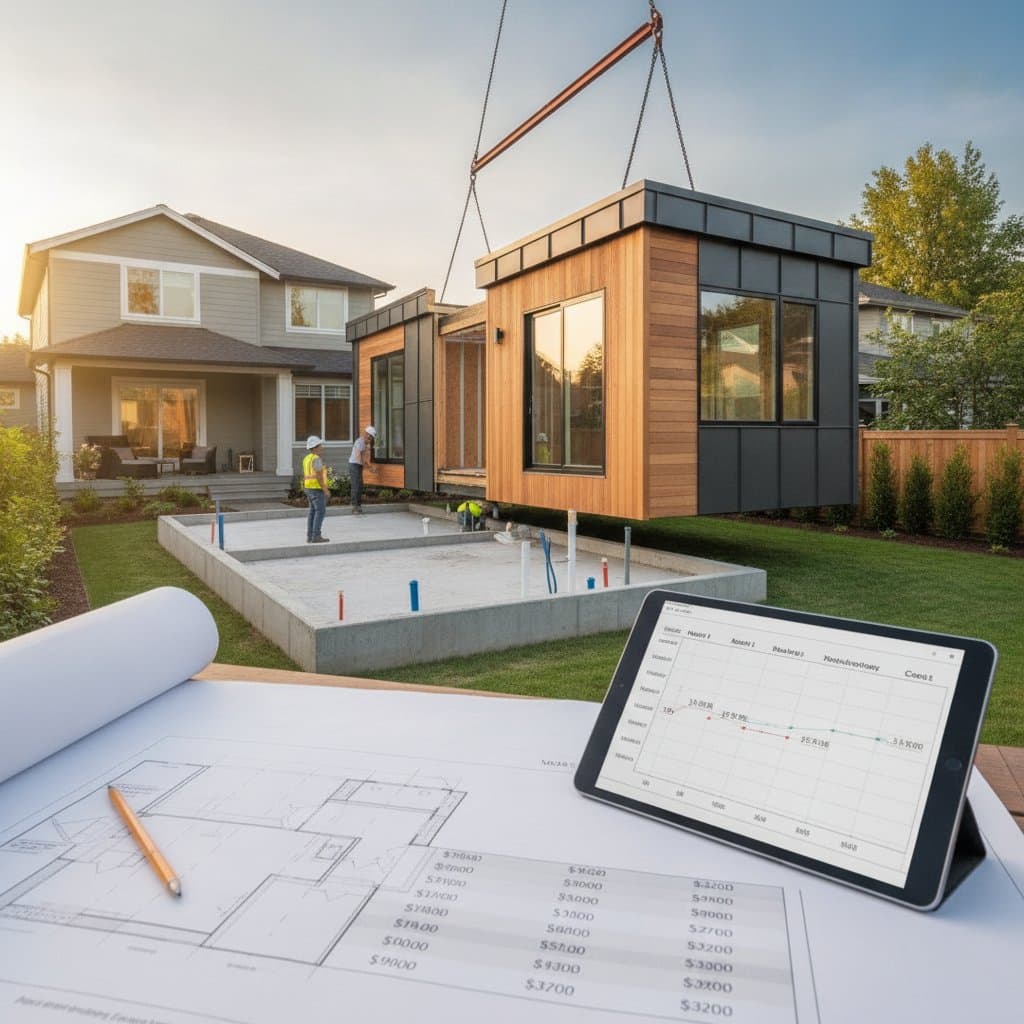
Framing the structure accounts for $40,000 to $80,000, using lumber or steel based on durability needs. Labor shortages may elevate rates to $100 per hour in high-demand regions. Opt for modular construction to trim 10 to 20 percent from this category through off-site assembly.
Utilities and Systems
Plumbing, electrical, and HVAC installations total $15,000 to $30,000. Connecting to the main home's systems saves compared to independent setups, which require septic or separate metering. Energy-efficient options, like solar-ready wiring, add $5,000 upfront but qualify for rebates.
Finishes and Interior
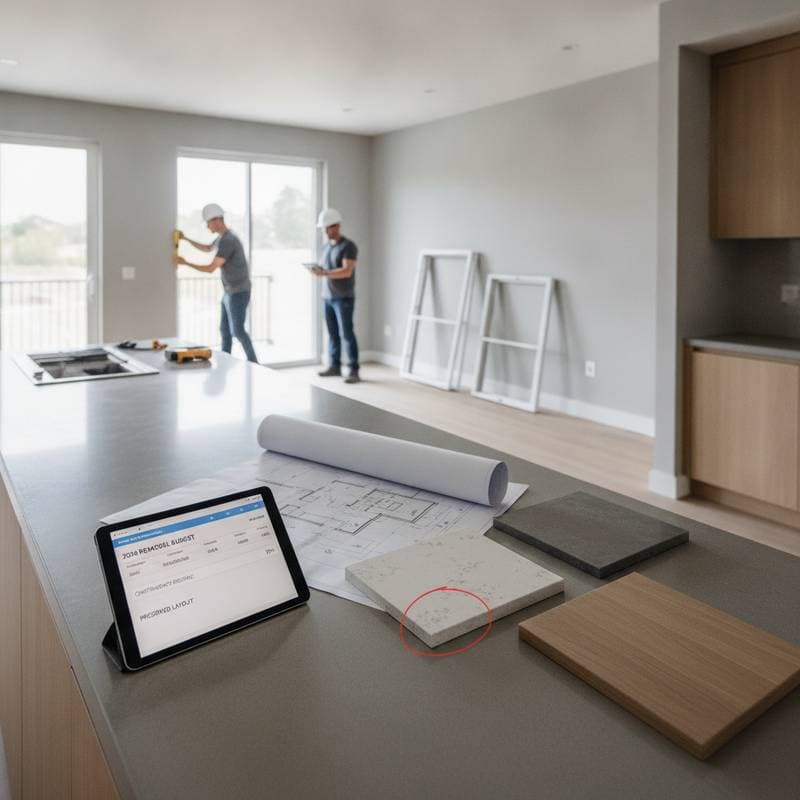
Interior work, including drywall, flooring, and cabinetry, spans $30,000 to $60,000. Basic finishes keep costs low, while high-end materials raise them. Focus on quality within your budget: quartz countertops at $50 per square foot versus laminate at $10 offer better longevity.
Exterior and Landscaping
Exterior elements cost $10,000 to $25,000, encompassing siding, roofing, and doors. Asphalt shingles provide economy at $5 per square foot, while metal roofing lasts longer at $10. Basic landscaping integrates the ADU seamlessly, adding $3,000 to $8,000 for pathways and planting.
Cost-Saving Strategies
Achieve efficiency without sacrificing quality through targeted choices.
- Select pre-designed plans from builders, which comply with codes and cut design time by weeks, saving $5,000 to $10,000.
- Adopt simple geometries, such as rectangular shapes with gable roofs, to minimize material waste and labor by 15 percent.
- Invest in durable, low-maintenance materials like fiber cement siding ($8 per square foot) over wood, reducing future repairs.
- Map utility paths during planning to prevent costly rerouting, potentially saving $2,000 in plumbing adjustments.
- Handle non-structural tasks yourself, like interior painting or minor landscaping, if skilled, to offset $1,000 to $3,000 in labor.
These steps maintain structural integrity while optimizing your investment.
Maximizing Value Through Smart Choices
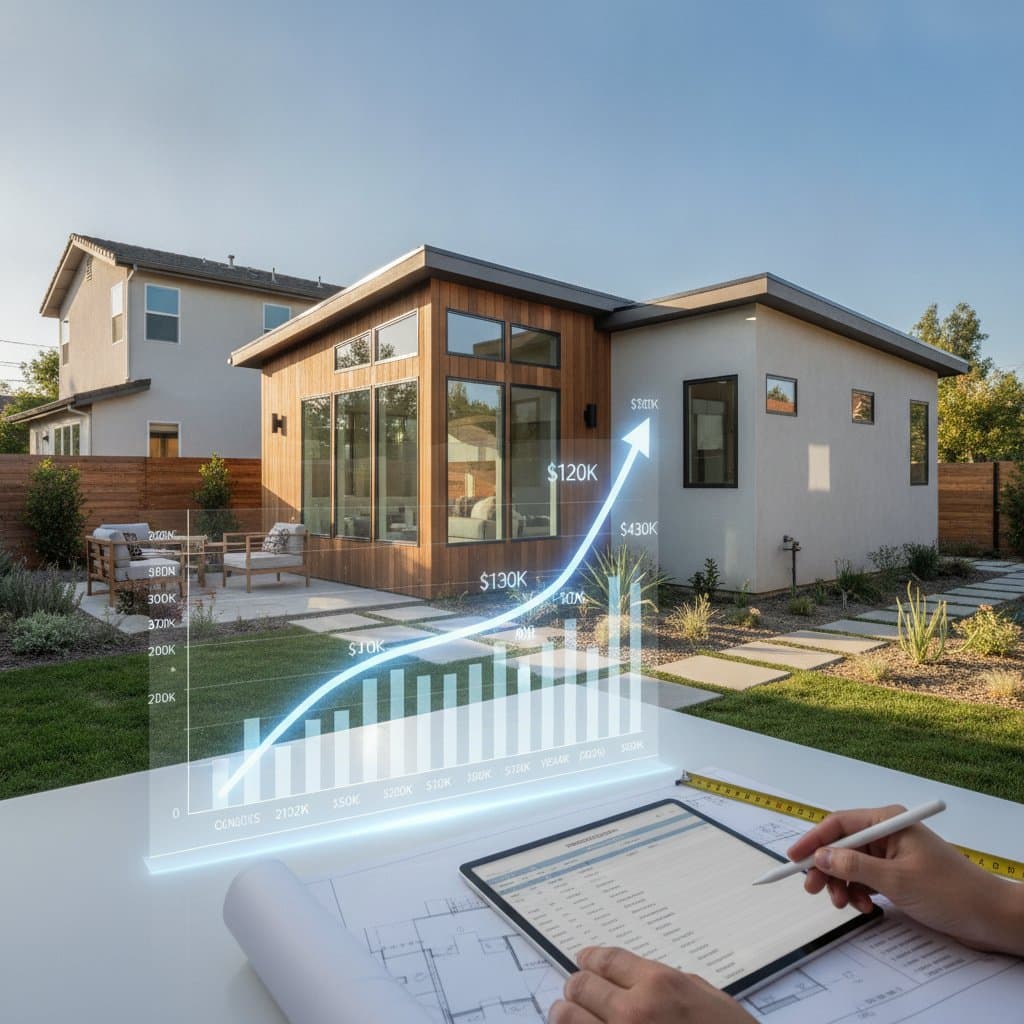
A well-built ADU enhances property flexibility and resale appeal. Rental income could recoup costs in five to ten years, depending on local markets. Tailor designs to needs: prioritize insulation for guest spaces or kitchens for rentals. Neighborhood aesthetics matter; match siding and rooflines to your primary home for cohesion.
Durable features like energy-efficient windows ($400 each) and composite decking ($40 per square foot) yield savings on utilities and upkeep. These elements boost energy ratings, appealing to eco-conscious buyers. Balance upfront spending with long-term benefits to ensure the ADU appreciates alongside your property.
Partnering with Experts
Engage contractors experienced in ADUs to navigate complexities. Seek specialists familiar with 2026 code revisions on sustainability and accessibility. Demand itemized bids separating labor (40 to 50 percent of total), materials (30 to 40 percent), and soft costs like permits (10 to 20 percent).
Clear contracts specify milestones, such as framing completion before 30 percent payment, protecting against overruns. Verify licenses and references to minimize risks. Professional oversight often uncovers efficiencies, like bulk material purchases, that DIY approaches miss.
Planning Your ADU Project
Define the ADU's role first: income generation demands durable, low-maintenance interiors, while family use allows personalization. Establish a budget with 10 to 15 percent contingency for inflation or surprises like poor soil. Gather inspirations for materials that harmonize with your home's style.
Approach the build as a strategic enhancement. Thoughtful execution controls expenses, creates functional space, and delivers enduring property value.