Mass Timber Homes: Analyzing Construction Costs
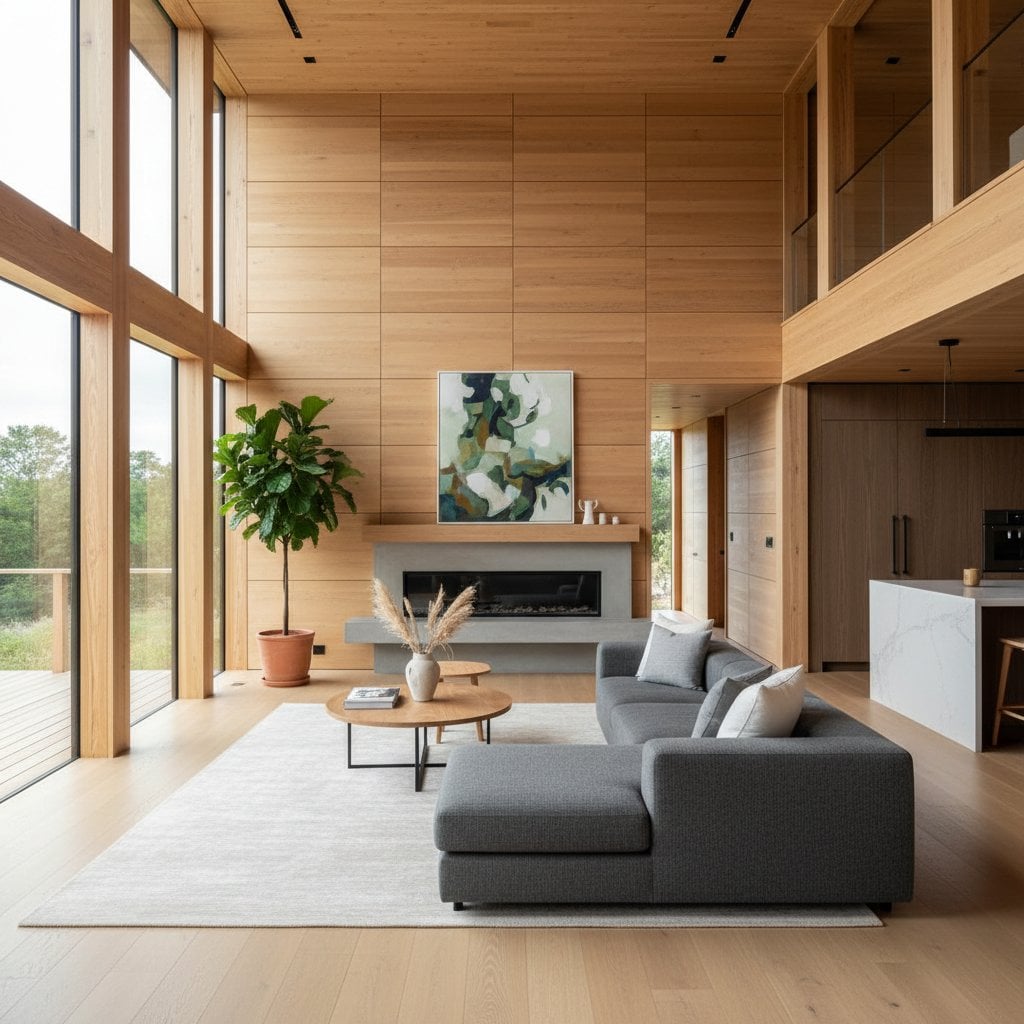
Mass timber homes attract interest through their structural integrity, reduced environmental impact, and warm appearance. Homeowners frequently inquire about the actual expenses involved in construction. A clear grasp of pricing elements, workforce requirements, and cost-reduction opportunities enables informed decisions on whether mass timber suits specific building objectives.
Cost Overview
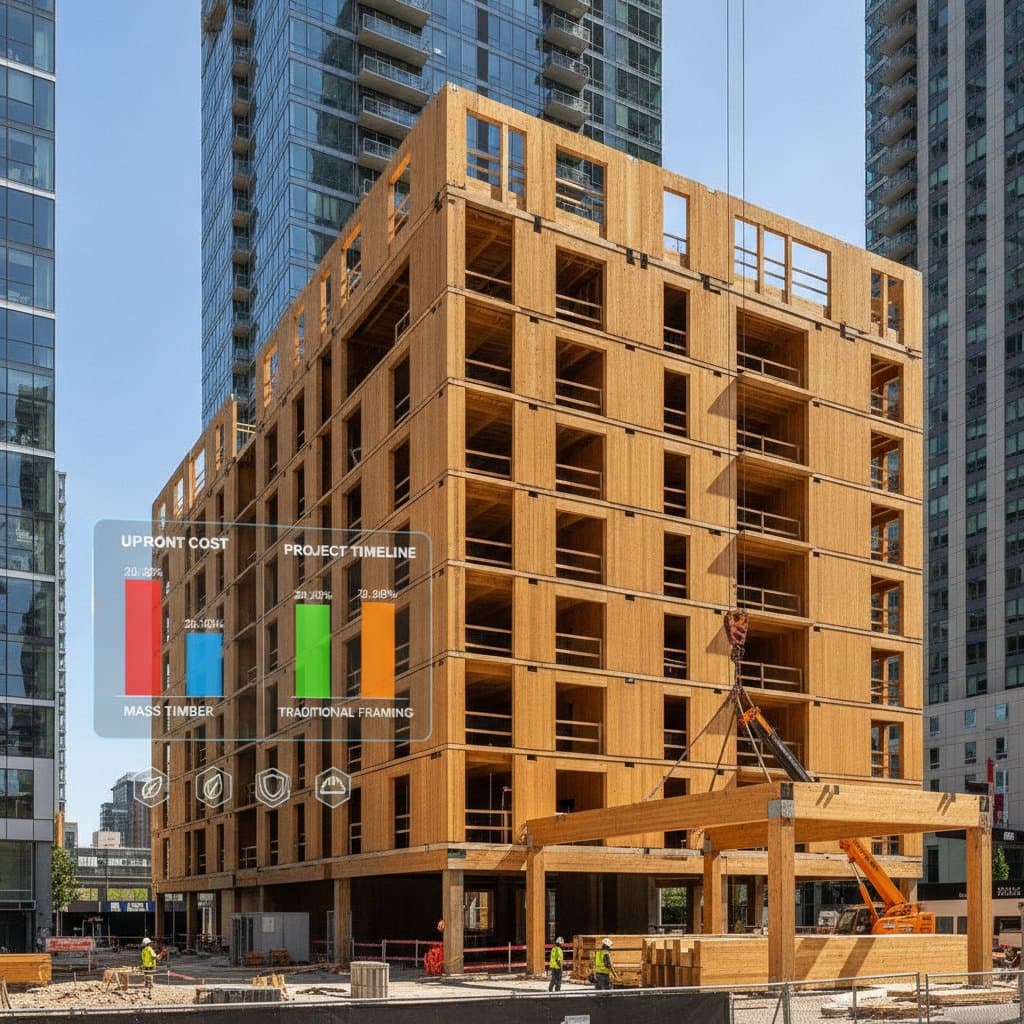
The typical expense for constructing a mass timber home falls between $250 and $400 per square foot, with many initiatives averaging $325 per square foot. Compact, straightforward builds approach $200 per square foot, whereas bespoke configurations or premium detailing surpass $500 per square foot.
Primary influences on costs encompass:
- Selection of timber framework (cross-laminated timber, glue-laminated beams, or nail-laminated panels)
- Degree of structural intricacy and personalization in design
- Expenses for workforce and fabrication, including exact cuts and placement
- Options for surface treatments and thermal barriers
- Logistics for delivery and equipment deployment with oversized components
Essential Observations
- Manufacturing accuracy in factories minimizes material loss, though it elevates initial outlays for supplies.
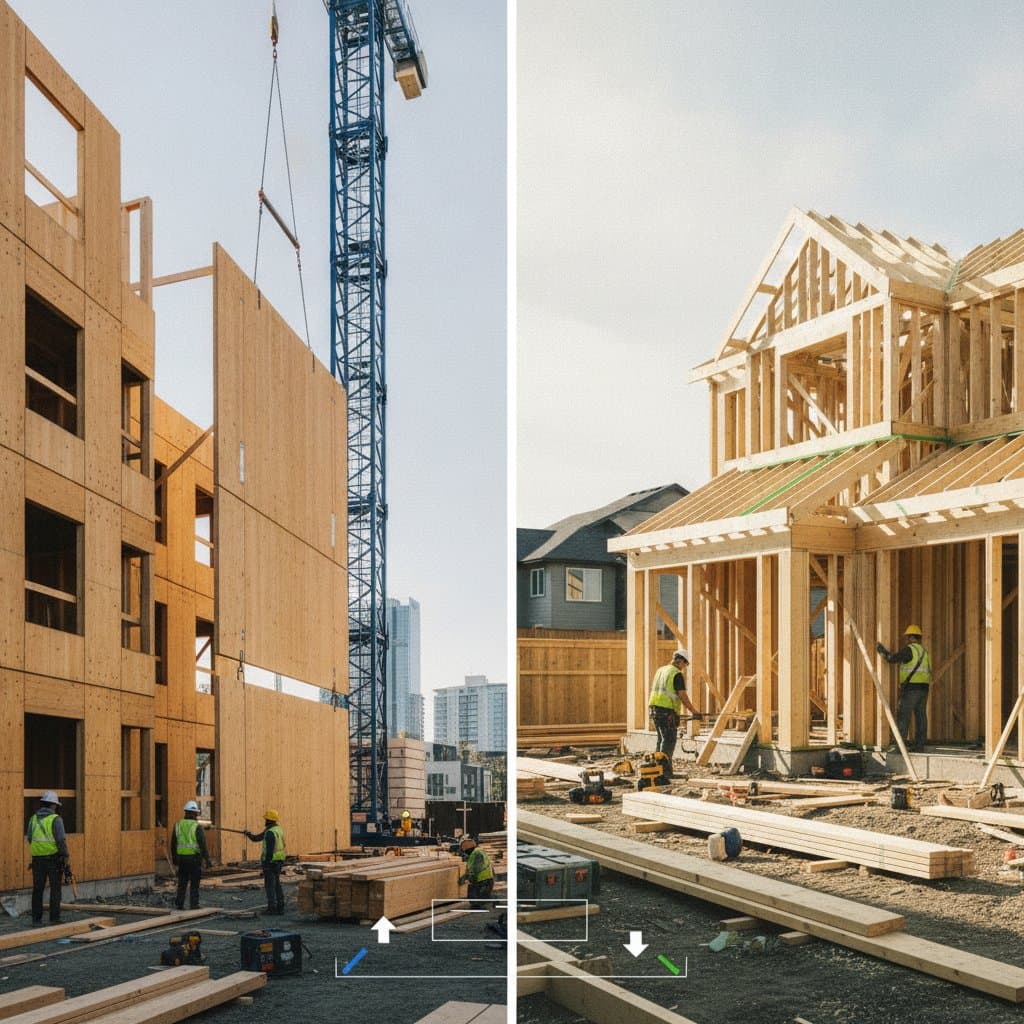
- Workforce demands prove lower than those for standard framing, thanks to accelerated erection processes.
- Opportunities for creative expression enhance visual appeal, yet they potentially increase overall expenditures.
- Availability of nearby timber resources and prevailing workforce rates significantly affect final figures.
- Superior thermal regulation and robustness contribute to enduring benefits.
Expenses by Scale and Configuration
Per-square-foot pricing varies according to the dimensions of the project and the selected mass timber approach.
Structures below 2,000 square feet: Anticipate $250 to $350 per square foot. Basic floor plans and uniform panel measurements maintain economical levels.
Properties from 2,000 to 3,500 square feet: Figures hover at $300 to $375 per square foot, influenced by roof extensions and fenestration arrangements.
Expansive or tailored residences: Expenditures climb to $400 to $500 per square foot for features like visible load-bearing components, elevated ceilings, or seamless window integrations.
Cross-laminated timber (CLT) setups represent the predominant choice, priced at $30 to $50 per square foot for the core enclosure. Glue-laminated (glulam) frameworks offer modest savings but demand additional elements. Nail-laminated panels excel in flooring applications and trim material costs by 10 to 15 percent.
Workforce and Contractor Expenses
Mass timber demands teams skilled in accurate panel positioning. Workforce typically comprises 20 to 30 percent of the aggregate project budget.
A lead contractor might levy $100 to $150 per square foot for comprehensive oversight, encompassing collaboration with load specialists and lifting apparatus handlers. Engaging regional experts versed in substantial wood or preassembled methods aids in budget management.
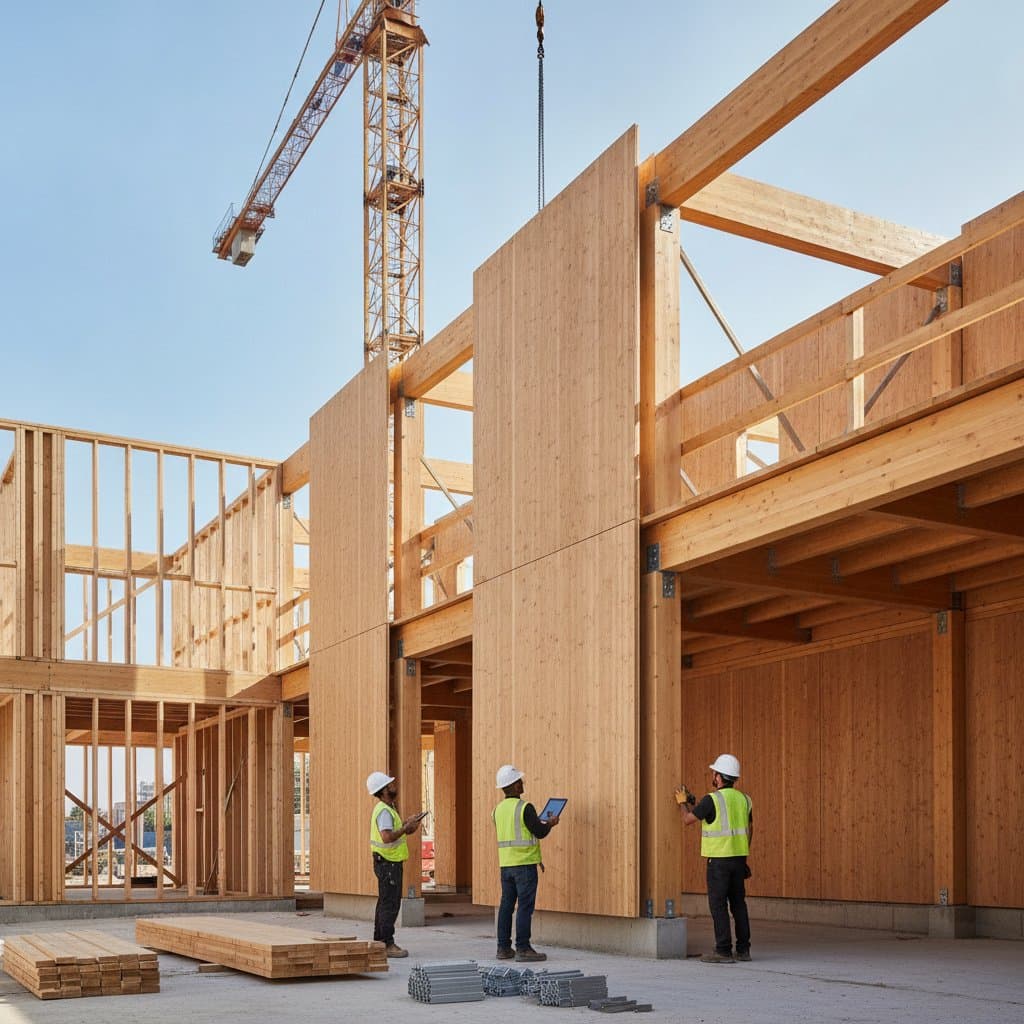
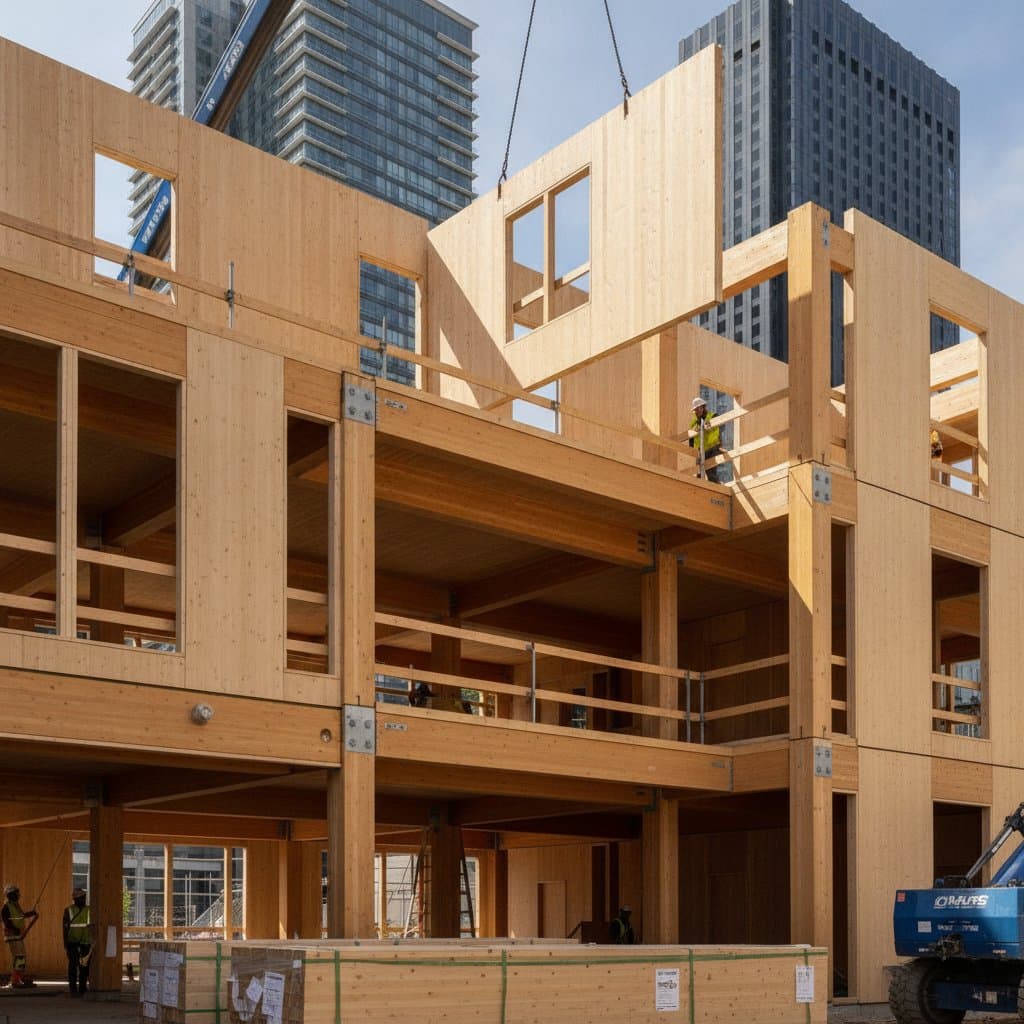
Erection durations outpace those of conventional methods. A dedicated team erects the primary shell within several days, curtailing paid hours. However, fees for lifting gear and conveyance introduce charges absent in traditional approaches.
Supplementary Expense Elements
Various ancillary outlays can alter the ultimate allocation.
Engineering and Planning Charges
Mass timber necessitates meticulous load analysis, connection detailing, and dampness management. Fees for structural planning span $3 to $8 per square foot.
Regulatory and Clearance Fees
Standards for mass timber continue to develop. Certain areas mandate unique evaluations or flame-retardant records. Clearance expenses fluctuate from $1,500 to $10,000, contingent on local governance.
Site Preparation and Delivery Challenges
Oversized panels require transport and elevation. Restricted entry or rugged landscapes elevate lifting and haulage costs by $5,000 to $15,000.
Surface Treatments and Thermal Layers
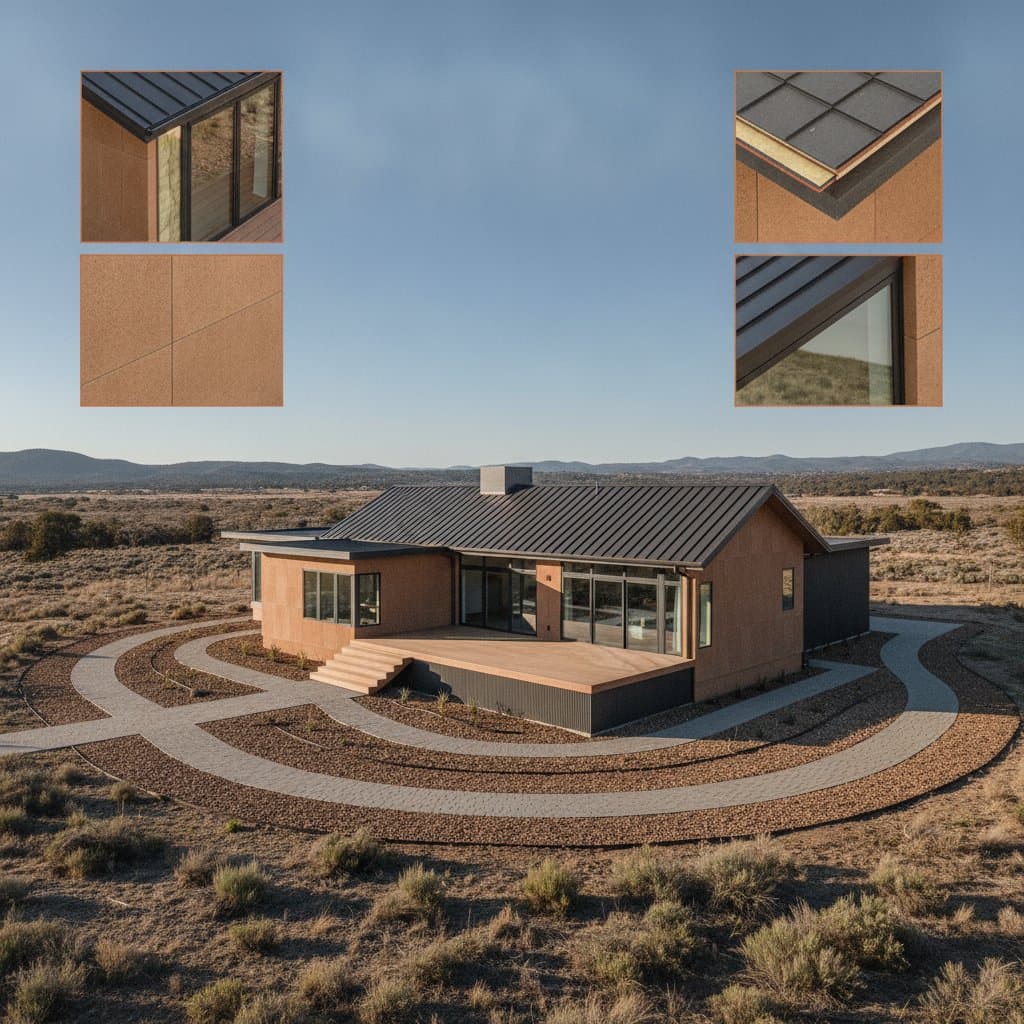
Visible wood surfaces eliminate partitioning expenses but call for thorough protection against elements and light. Compatible insulation adds $3 to $6 per square foot.
Strategies to Reduce Mass Timber Expenses
- Opt for conventional panel measurements. Bespoke sizes amplify scrap and production fees.
- Streamline architectural elements. Uniform elevations and spans shorten preparation and fitting durations.
- Source panels from proximate facilities. Domestic production circumvents substantial delivery charges.
- Integrate combined frameworks. Pair mass timber bases with standard or metallic reinforcements as needed.
- Adopt prefabricated modules. Off-site assembly diminishes fieldwork and climatic interruptions.
Such measures decrease project totals by 10 to 20 percent while upholding standards.
Investment Returns
Mass timber residences yield substantial future benefits. Their inherent style and eco-conscious profile draw purchasers, while inherent toughness curtails upkeep demands.
Thermal properties of wood yield annual reductions in climate control costs of 10 to 15 percent. Coverage premiums may decrease as regulations validate flame-resistant configurations.
Market dynamics and regional familiarity shape resale outcomes, but properties with prominent wood features and green elements transact promptly and near list values. Across ten years, returns align competitively with upscale traditional builds.
Professional Guidance Versus Self-Directed Efforts
Mass timber projects seldom proceed without expert involvement. Components necessitate lifting devices, exact positioning, and unique fasteners. Self-directed work confines to internal detailing or minor outbuildings.
Professional teams guarantee precision and security. Such direction incurs higher initial costs, yet prevents expensive errors and setbacks. The gap between partial self-builds and contractor-managed endeavors spans $100 to $150 per square foot, varying by extent.
Regulatory clearances, assessments, and capacity verifications demand oversight, rendering expert supervision essential for most owners.
Pricing Basis
Estimates derive from contractor bids, vendor projections, and data across diverse residential mass timber endeavors. Values cover complete builds incorporating groundwork, supplies, workforce, and essential detailing. Regional differences, up to 25 percent, arise from standards, procurement, and personnel access.
Common Questions
What is the per-square-foot cost of a mass timber home?
Averages range from $250 to $400 per square foot, varying by configuration and locale.
Does mass timber undercut concrete or steel in price?
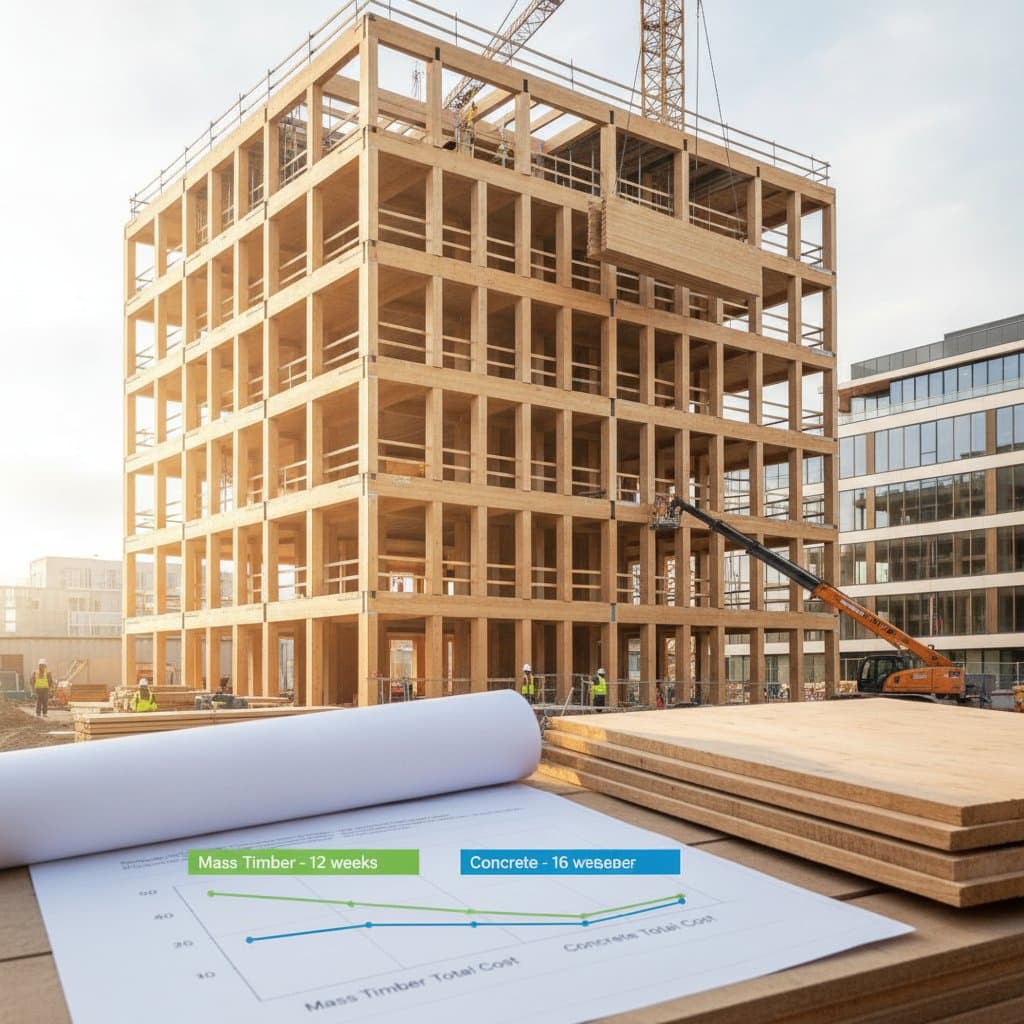
Not consistently. Supplies cost more, but quicker setup and reduced base requirements offset totals.
Is integration with alternative materials feasible?
Affirmative. Hybrid designs blend timber with metallic or standard frameworks.
Are specialized clearances needed for mass timber?
Select locales demand extra flame or load records. Verify regional stipulations prior to planning.
What duration marks mass timber construction?
Enclosure erection spans days, with full timelines mirroring custom traditional projects.
Does it promote environmental health?
Indeed. Wood sequesters carbon and draws from replenishable sources, fostering sustainability.
Preserving Structural Value
Mass timber endures well under vigilant care. Routine applications of sealants, eaves oversight, and moisture regulation safeguard wood condition. Internal treatments counter light-induced fading.
Schedule joint and coating reviews biennially. Select permeable coatings that permit vapor release yet repel liquids.
Through deliberate preparation, effective layouts, and diligent upkeep, mass timber homes merge contemporary functionality with organic comfort for prolonged service.