Understanding Mass Timber Construction
Mass timber represents a innovative approach to building that employs large-scale engineered wood products, such as cross-laminated timber (CLT) and glued-laminated timber (glulam). These materials assemble into structural panels and beams, providing strength comparable to steel or concrete while introducing natural aesthetics. Developers increasingly adopt mass timber for commercial, residential, and public projects seeking sustainability without sacrificing performance.
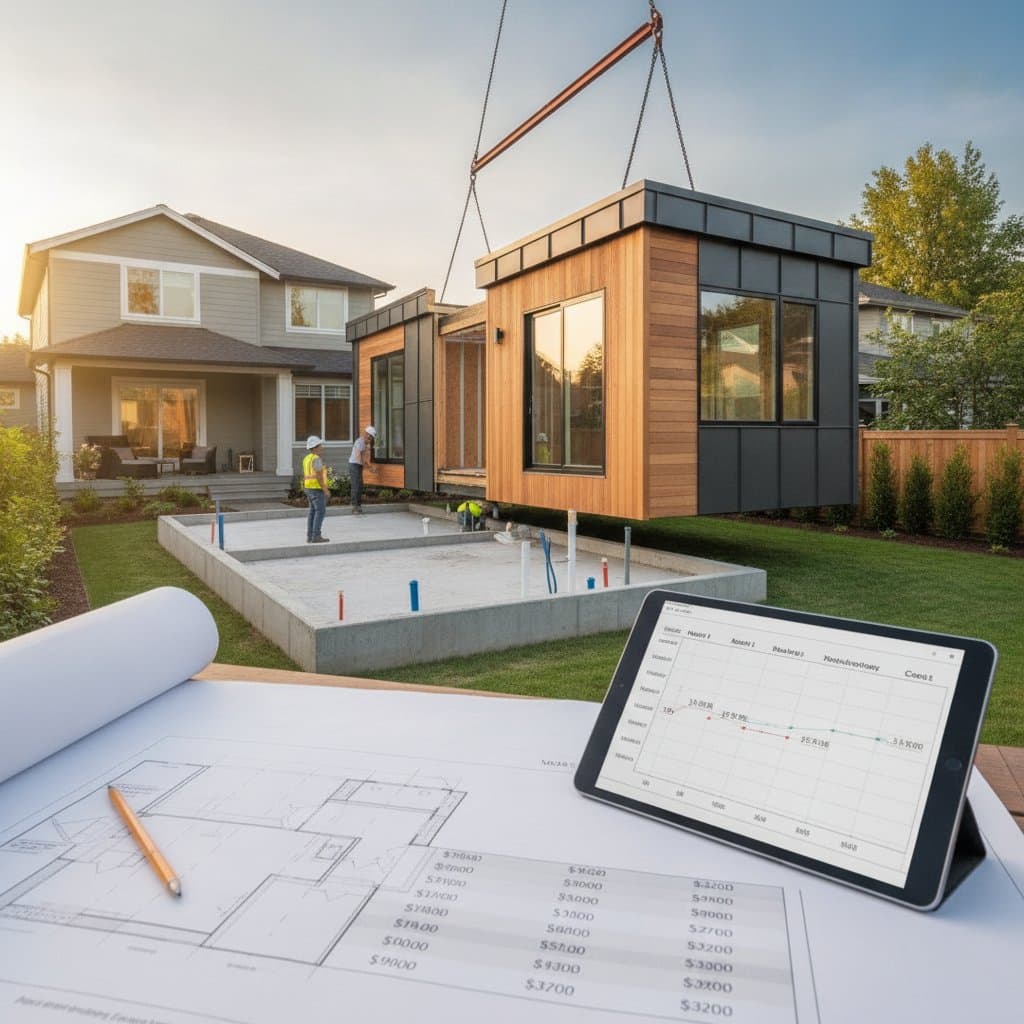
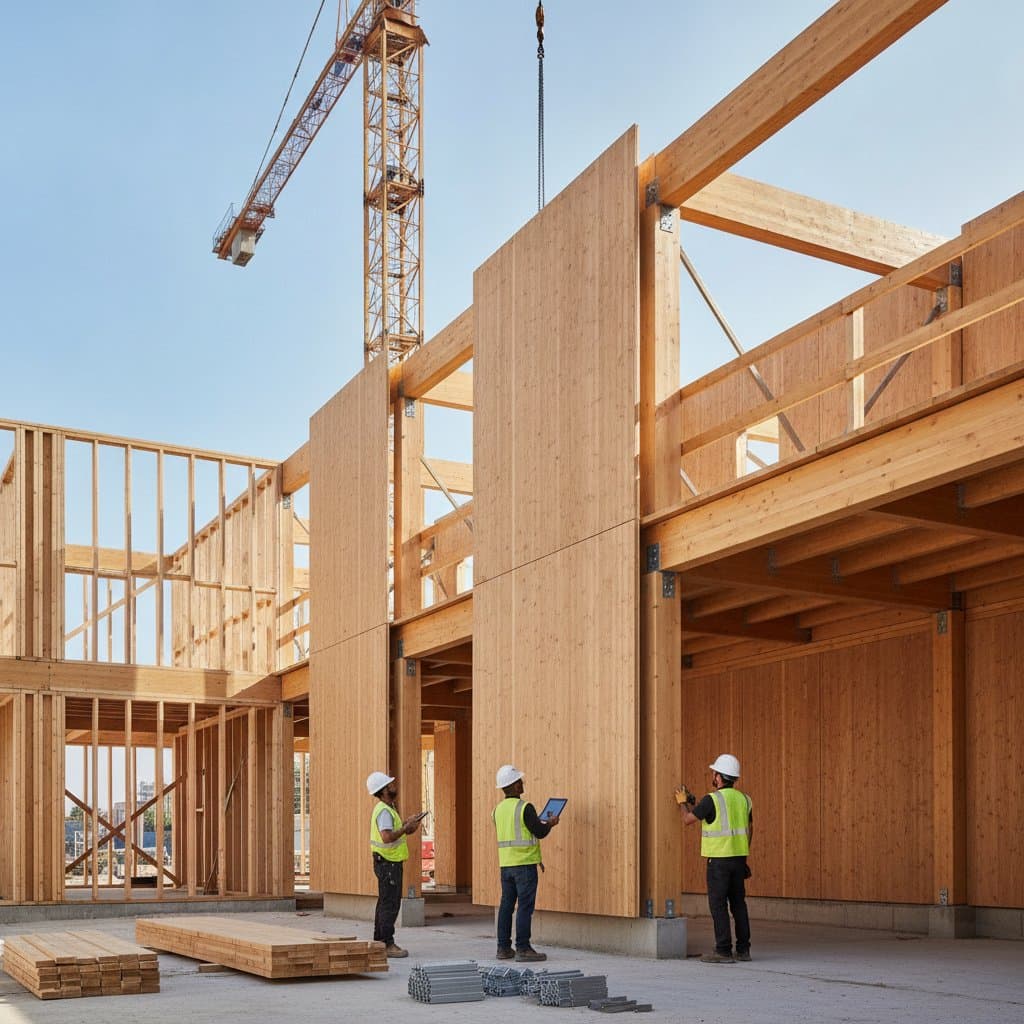
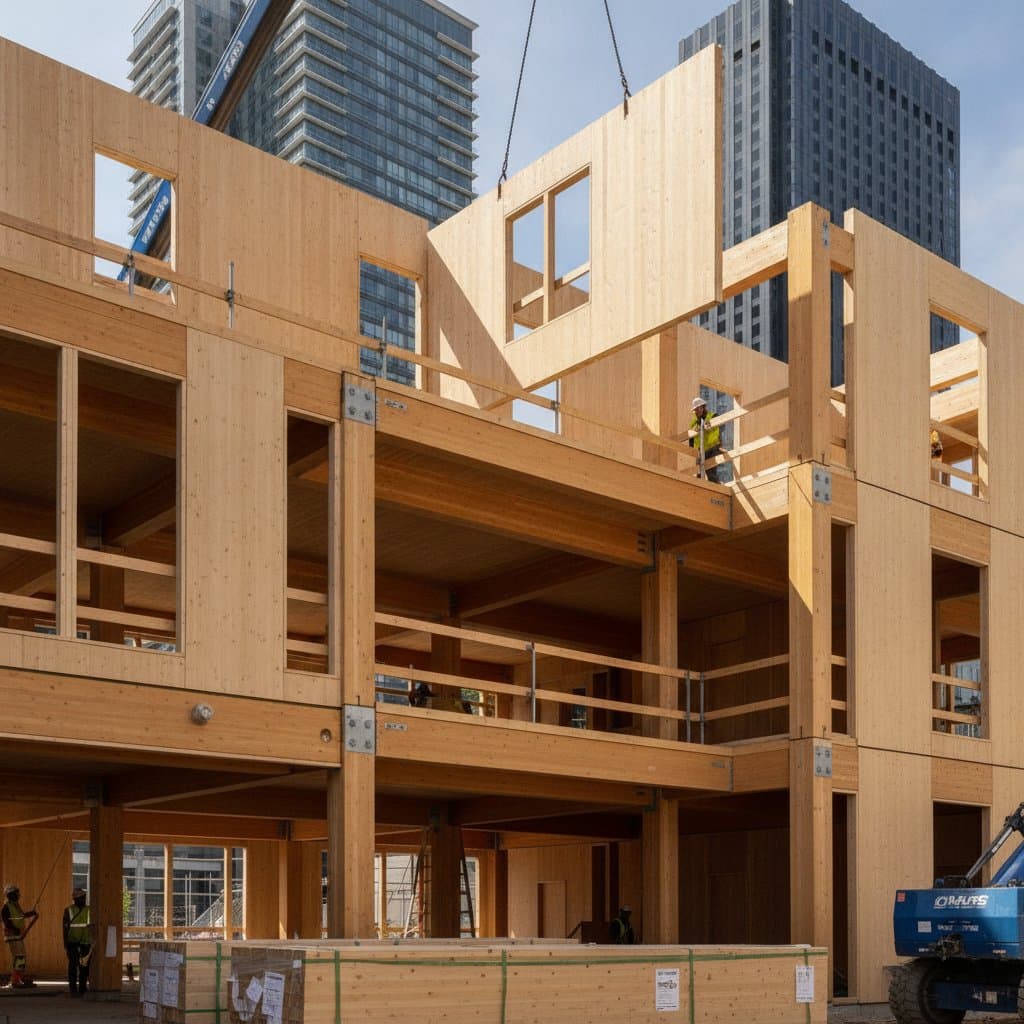
The appeal lies in its prefabrication potential. Factories produce components off-site, allowing for precise engineering and quality control before delivery. On-site assembly resembles a high-tech puzzle, where panels stack and connect rapidly, minimizing weather exposure and logistical delays.
Cost Comparison: Mass Timber Versus Steel
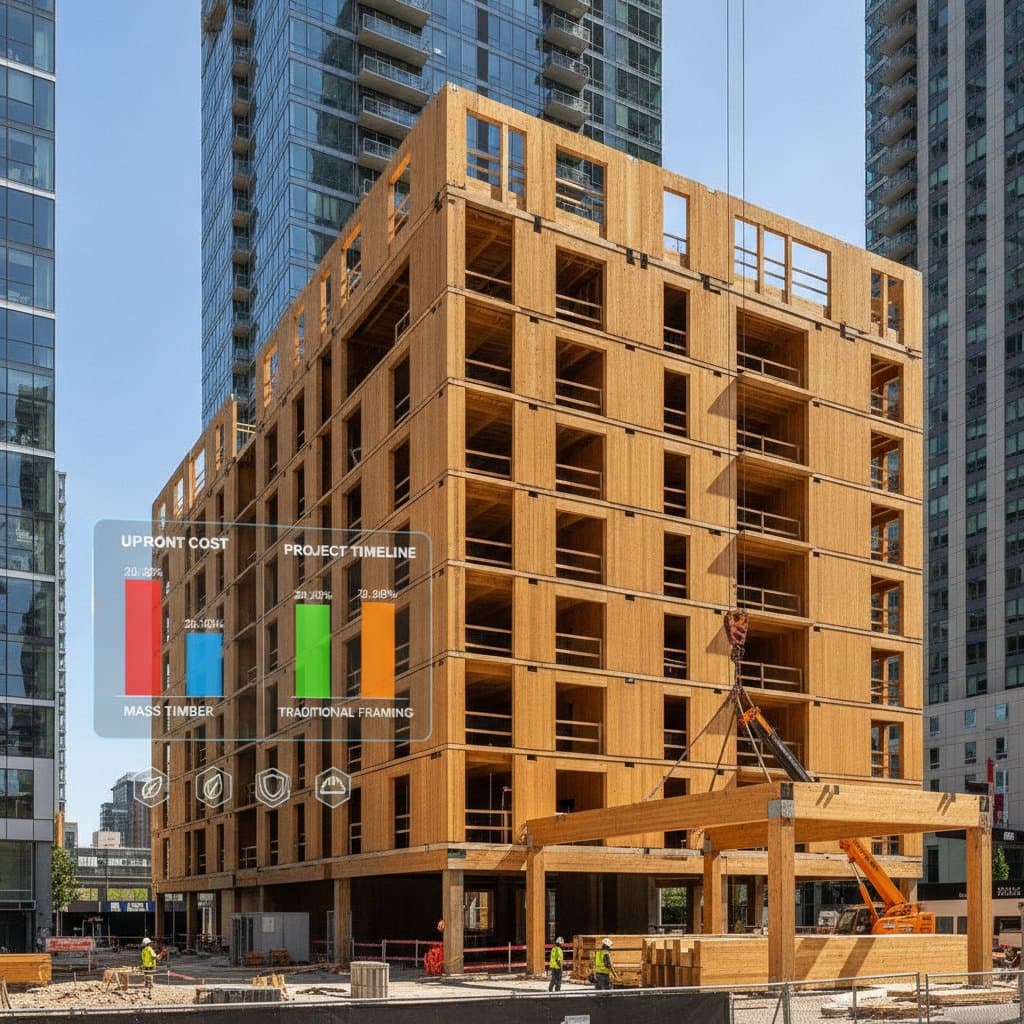
Initial material costs for mass timber often surpass those of steel by 10 to 20 percent, depending on project scale and regional sourcing. For instance, CLT panels command a premium due to specialized manufacturing processes that layer and press wood veneers under high pressure. Steel, by contrast, benefits from established supply chains and lower per-unit pricing for standard beams and columns.
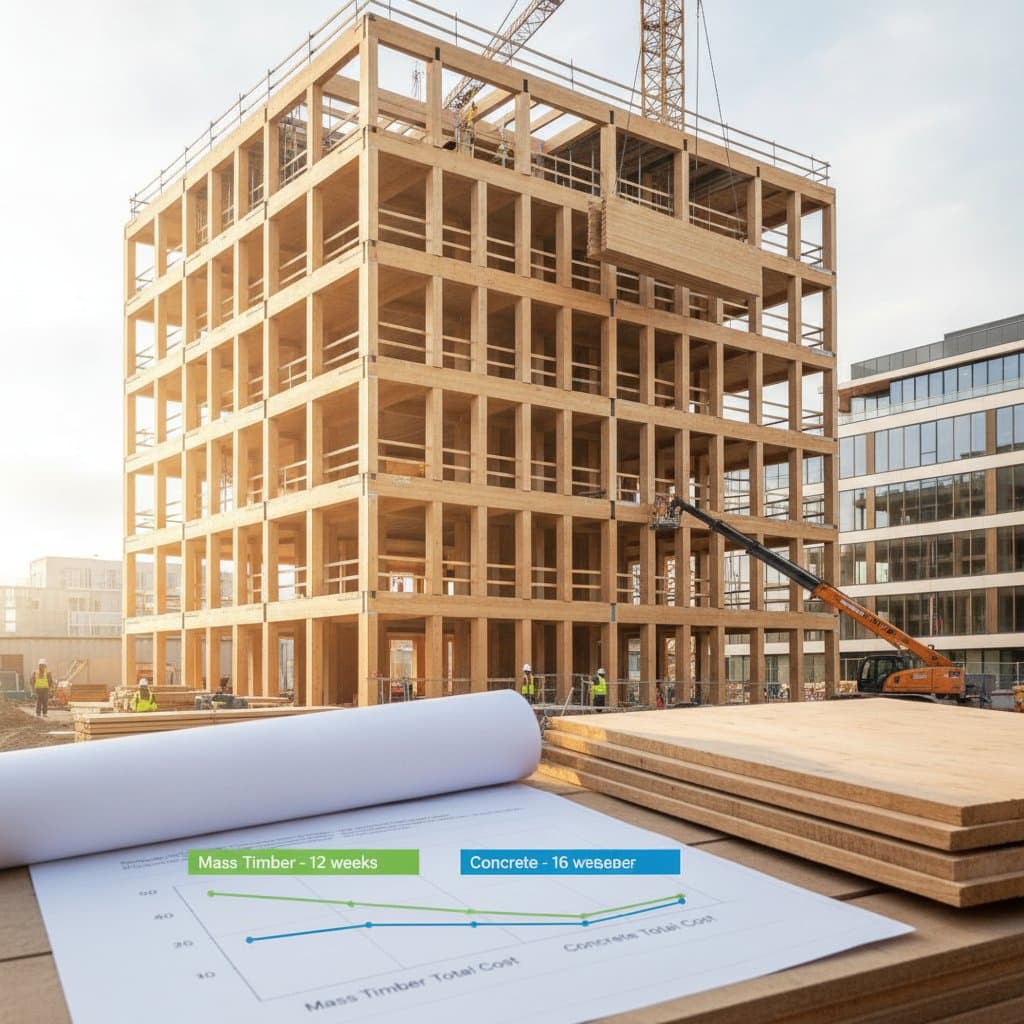
Total project costs, however, reveal a different picture. Mass timber reduces labor expenses through simplified installation; crews require fewer workers and less time to erect structures. Foundations also shrink in size, as wood's lighter weight demands less concrete and reinforcement, cutting earthwork and material needs by up to 30 percent.
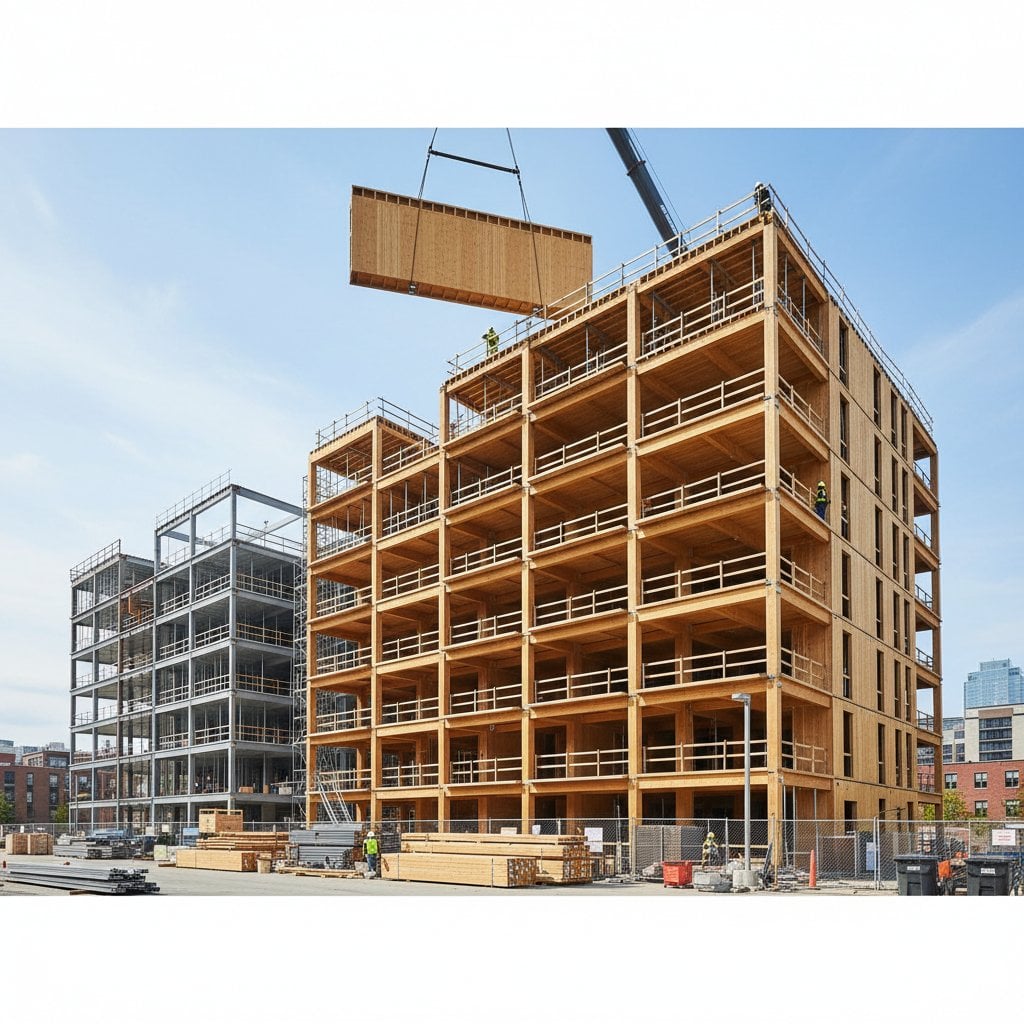
Time savings further tip the balance. A mid-rise office building using mass timber might complete framing in weeks, compared to months for steel erection involving welding and bolting. These efficiencies lower financing costs, accelerate occupancy, and enable developers to capture market opportunities sooner. In economic analyses, mass timber projects frequently achieve parity or savings of 5 to 15 percent over steel equivalents when factoring in full lifecycle expenses.
Advantages in Build Speed and Sustainability
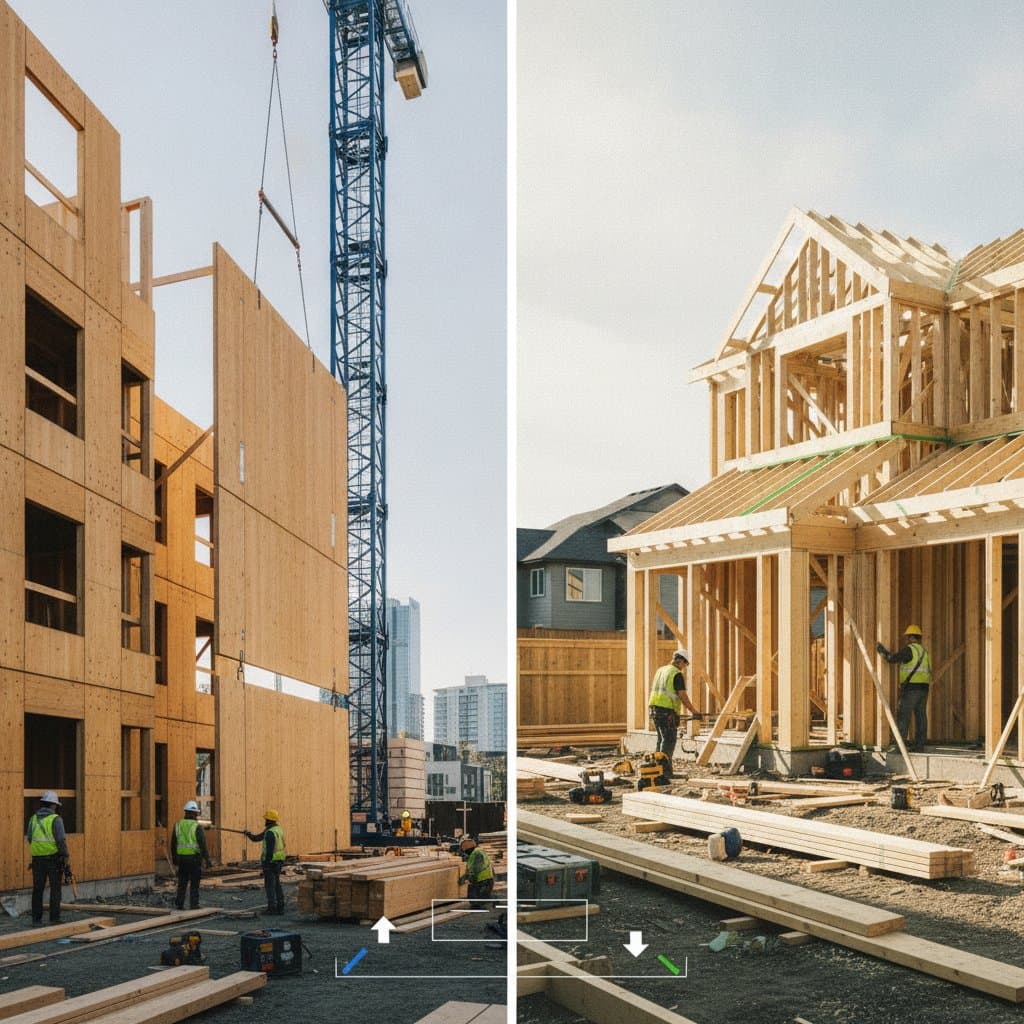
Construction timelines shorten dramatically with mass timber. Prefabricated elements arrive ready for quick stacking, often using cranes for vertical progression at rates of several floors per day. This modular method contrasts with steel's sequential fabrication, where delays in one phase ripple across the schedule.
Environmental benefits amplify the value proposition. Mass timber sequesters carbon during wood growth and maintains it through the building's life, offsetting emissions from production and transport. Unlike steel, which demands energy-intensive smelting, wood products derive from renewable forests managed under sustainable certification standards. Projects earn green building credits, appealing to eco-conscious clients and tenants.
Aesthetic and functional perks include exposed wood finishes that warm interiors and reduce reliance on additional cladding. Acoustic properties improve, with panels dampening sound better than metal frameworks, ideal for urban multifamily developments.
Addressing Key Risks and Mitigation Strategies
Despite advantages, mass timber demands careful management of potential challenges. Moisture poses the primary concern; wood absorbs water if unprotected, risking mold or dimensional changes. Builders mitigate this through design features like ventilated facades, sealants, and humidity-controlled storage during transport.
Fire performance requires attention, though modern testing debunks myths of easy ignition. Thick panels form a char layer during exposure, insulating inner layers and preserving structural integrity longer than unprotected steel, which softens at high temperatures. Sprinkler systems and intumescent coatings enhance safety, aligning with updated fire codes.
Building regulations vary by location. Many jurisdictions now permit mass timber in structures up to 18 stories, following advancements in International Building Code provisions. Early engagement with local authorities ensures compliance, avoiding redesigns. Selecting experienced contractors versed in wood engineering prevents installation errors that could compromise longevity.
Insurance considerations merit review. Policies must cover unique aspects like biological hazards or seismic performance in wood frames. Comprehensive coverage protects against unforeseen issues, maintaining project viability.
Practical Steps for Implementation
To integrate mass timber effectively, start with feasibility assessments. Consult structural engineers to model load-bearing capacities and integrate with hybrid designs combining wood with steel accents for optimal economics.
Source materials from certified suppliers to guarantee quality and traceability. Budget for specialized tools, such as CNC machinery for custom cuts, which streamline on-site adjustments.
Engage multidisciplinary teams early, including architects focused on biophilic design and sustainability consultants for certification pursuits. Pilot smaller projects to build internal expertise before scaling to larger endeavors.
Frequently Asked Questions
Is mass timber cheaper than steel overall?
Raw material prices for mass timber exceed steel, yet comprehensive savings emerge from expedited installation, reduced foundation work, and diminished labor requirements. These factors often result in equivalent or lower total expenditures.
Can mass timber support tall buildings like concrete structures?
Affirmative, subject to local codes. Recent updates permit mid-rise and high-rise applications using CLT, with examples reaching 12 stories or more in seismic zones.
Does mass timber pose heightened fire risks?
Negative; substantial panels develop a protective char that sustains load-bearing capacity beyond the point where steel loses strength. Compliance with fire-rated assemblies ensures safety.
What maintenance does mass timber require?
Routine inspections for moisture intrusion and sealing integrity suffice. Properly protected installations demonstrate longevity comparable to traditional materials, often exceeding 50 years.
Achieving Lasting Value Through Mass Timber
Mass timber construction delivers enduring structures that harmonize efficiency, ecology, and elegance. By balancing upfront investments with operational gains, projects realize competitive edges in speed and sustainability. Professional planning secures resilient outcomes, fostering buildings that serve communities for generations while advancing innovative design paradigms.