Preparing Your Home for Aging in Place: Strategies for 2026
Aging in place allows individuals to remain in their cherished homes while preserving comfort, safety, and independence amid evolving needs. Proactive planning transforms living spaces to accommodate current lifestyles and future requirements. This guide explores remodeling approaches and universal design principles that prepare homes for all life stages, ensuring seamless adaptation without compromising aesthetic appeal.
Universal design integrates accessibility into everyday environments, promoting ease of use for people of all ages and abilities. Thoughtful modifications address potential challenges such as reduced mobility or diminished vision, while maintaining an inviting atmosphere. By prioritizing these elements, homeowners create residences that support long-term well-being.
Core Principles of Aging-in-Place Design
Aging-in-place design emphasizes accessibility, convenience, and adaptability to foster independent living. Professionals recommend evaluating spaces for barriers that could impede movement or daily routines. Key considerations include optimizing pathways for unobstructed navigation and incorporating features that adjust to personal changes over time.
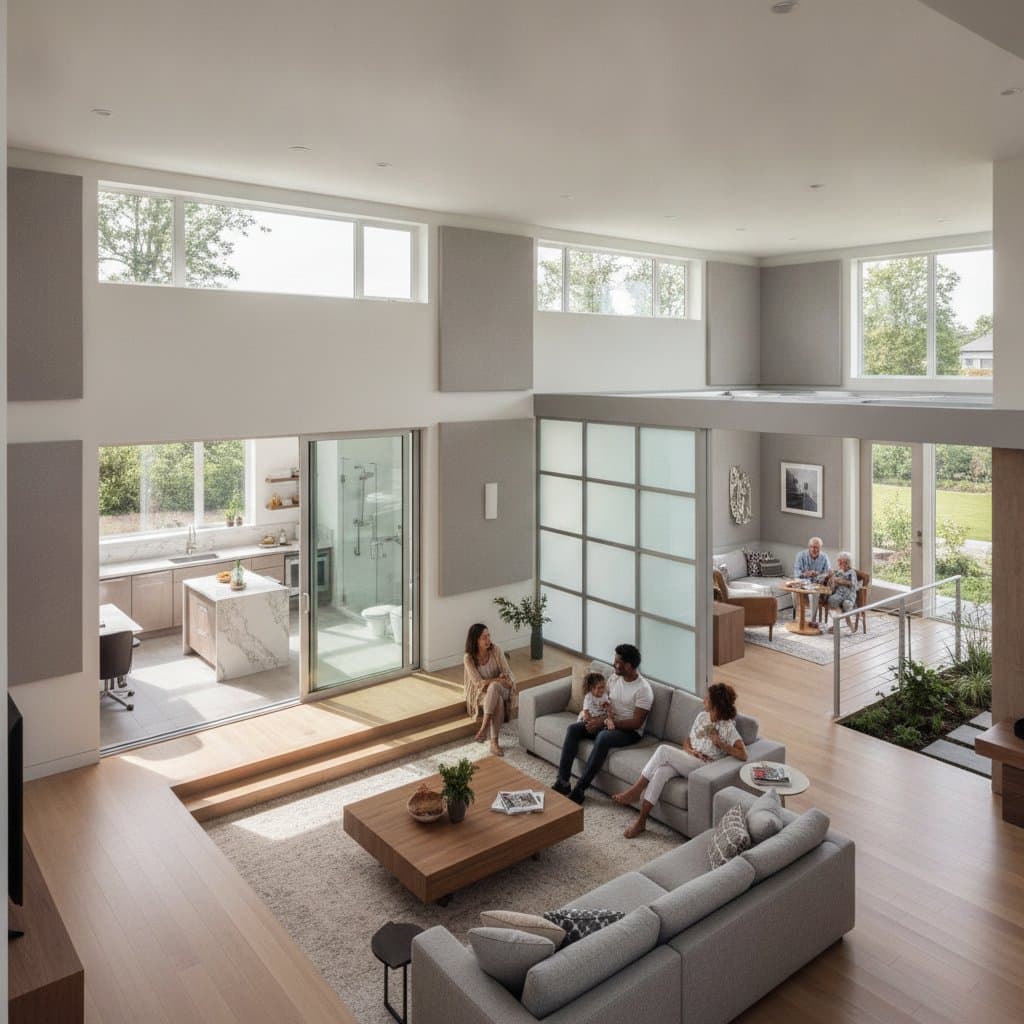
Flow within the home plays a critical role in usability. Designers suggest mapping out traffic patterns to identify areas needing wider clearances or smoother transitions. Adequate reach ranges ensure that essential items remain accessible without excessive stretching or bending, enhancing overall efficiency.
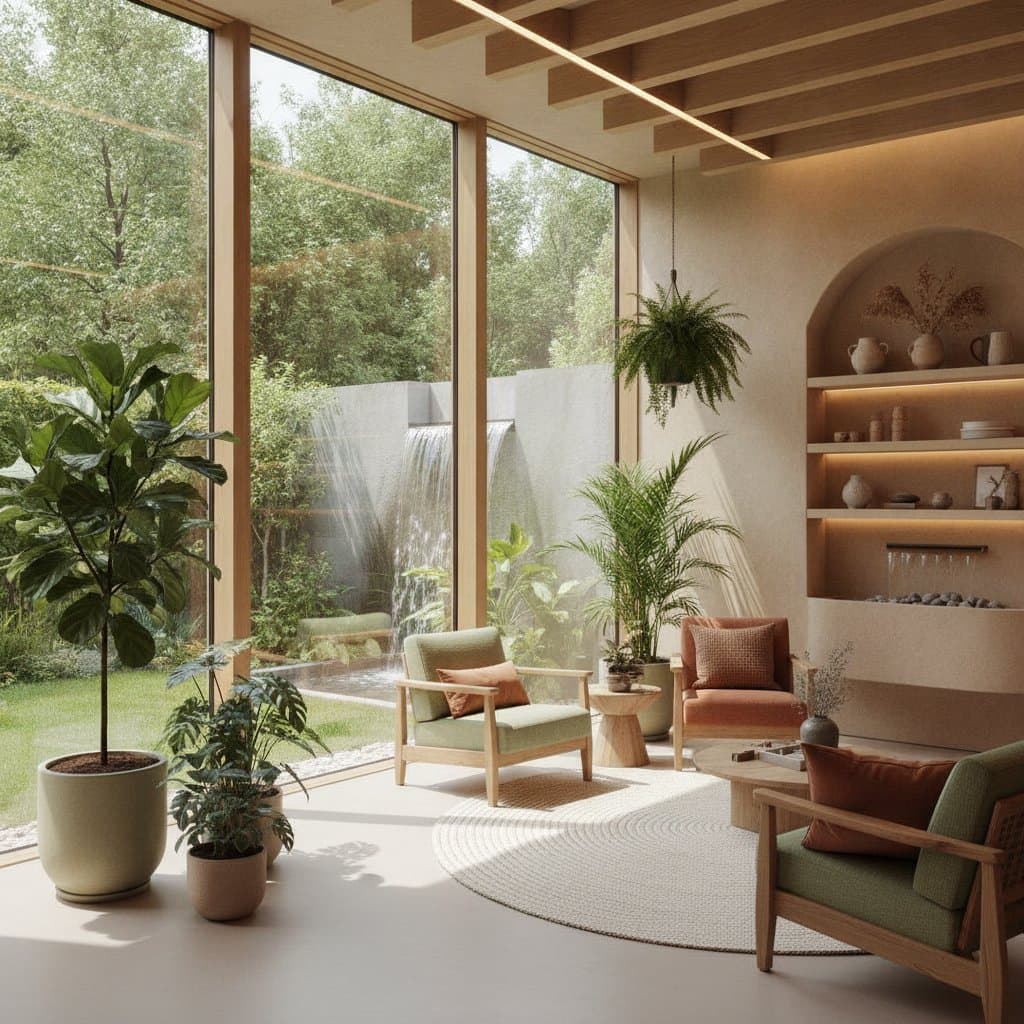
Lighting emerges as a foundational element in these designs. Natural light sources combined with artificial options minimize shadows and improve visibility. Such strategies not only aid safety but also contribute to a sense of spaciousness and warmth.
Essential Remodeling Features for Enhanced Accessibility
Implementing targeted updates elevates home functionality while aligning with modern standards. Homeowners benefit from consulting certified aging-in-place specialists to tailor solutions. The following features address common accessibility needs with practical, stylish integrations.
-
Zero-Threshold Entries
Installing a seamless transition at exterior doors removes elevation changes that pose tripping risks. Opt for doorways at least 36 inches wide, paired with motion-activated exterior lighting for nighttime arrivals. A sloped ramp or covered porch extension provides weather shelter and facilitates wheelchair access, ensuring year-round usability. -
Expanded Doorways and Hallways
Widening interior doors to a minimum of 32 inches accommodates mobility aids like walkers or wheelchairs. Hallways should measure at least 36 inches across to allow comfortable passage. Seamless flooring transitions, such as flush thresholds between rooms, prevent stumbles and maintain visual continuity throughout the home. -
Slip-Resistant Flooring Solutions
Select flooring with a high coefficient of friction, including textured porcelain tiles or low-pile berber carpets rated for durability. Steer clear of polished surfaces prone to wetness-induced slips. Neutral palettes in flooring choices enhance light reflection, aiding visual acuity and creating an illusion of greater space in compact areas. -
Curbless Shower Installations
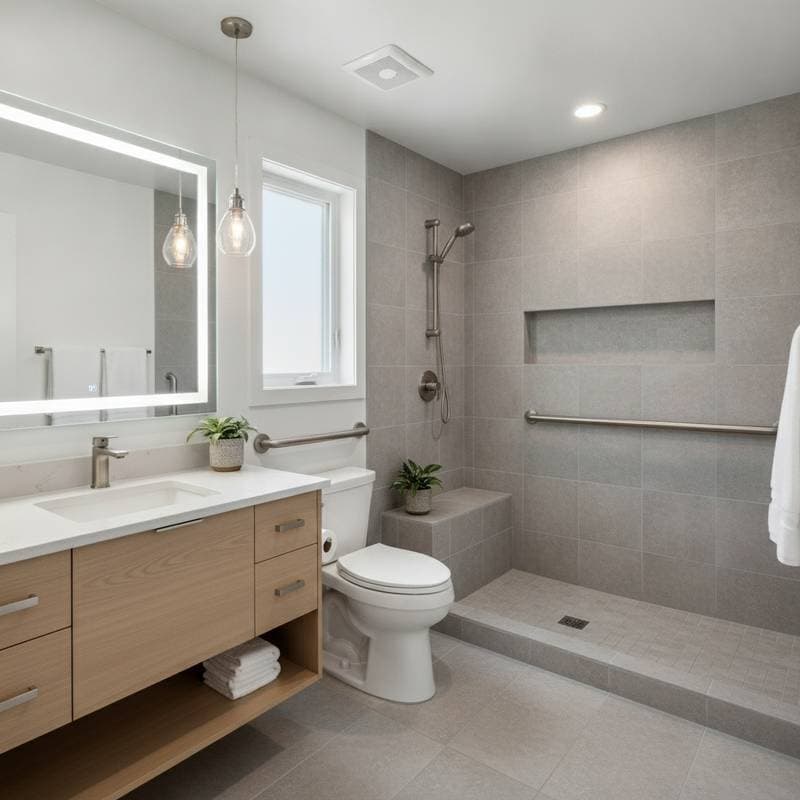
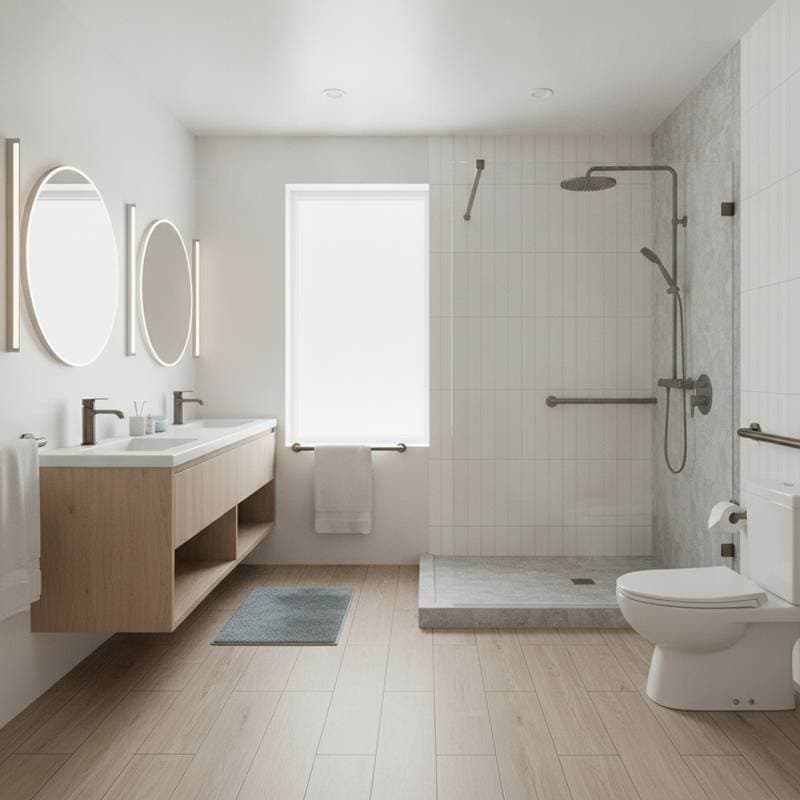
Eliminate traditional shower curbs by leveling the floor with the bathroom, promoting step-free entry. Incorporate a fold-down bench seat and adjustable-height shower wand for seated bathing options. Contrasting grout lines or tile patterns delineate floor boundaries, supporting depth perception and reducing disorientation risks. -
Ergonomic Hardware and Controls
Replace round knobs with lever-style handles on doors and faucets, requiring minimal torque for operation. Integrate touchless faucets and automatic door openers in high-traffic zones like kitchens and bathrooms. These upgrades prove invaluable for individuals with arthritis or reduced dexterity. -
Multi-Layered Lighting Systems
Layer overhead ambient lights with focused task illumination over workspaces and subtle accent glows for ambiance. Install dimmable LED strips under cabinets and along baseboards for pathway guidance. Smart controls enable voice or app-based adjustments, customizing brightness to suit daily activities or visual preferences. -
Adaptable Kitchen Configurations
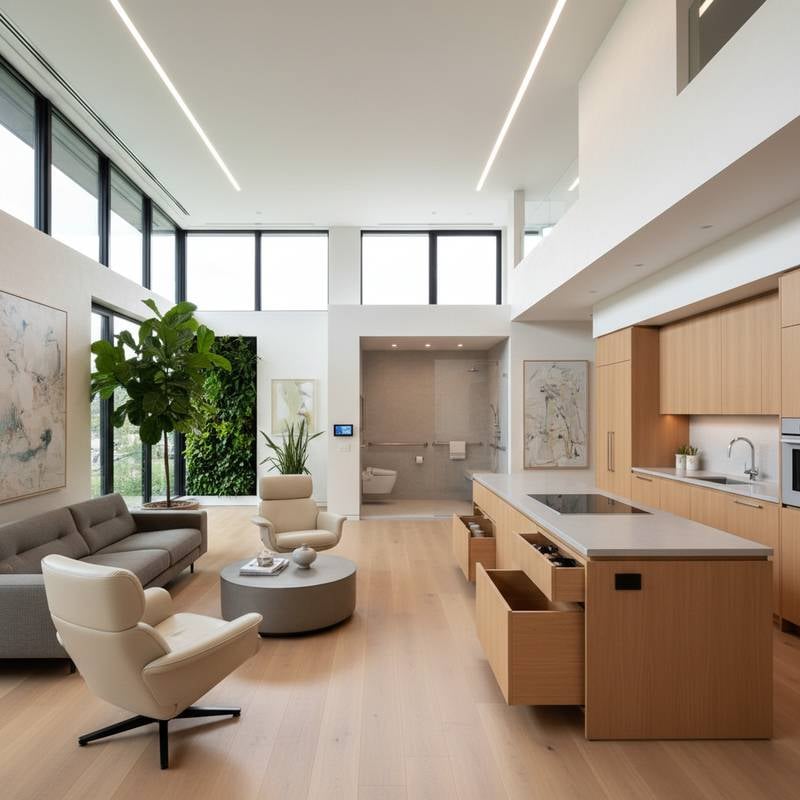
Design countertops at variable heights, with sections adjustable via hydraulic lifts for standing or seated use. Equip cabinets with full-extension drawers and swing-out lazy Susans to minimize reaching. Side-hinged ovens and pull-down shelves bring appliances within easy grasp, streamlining meal preparation without altering the kitchen's contemporary aesthetic.
Integrating Style with Functional Comfort
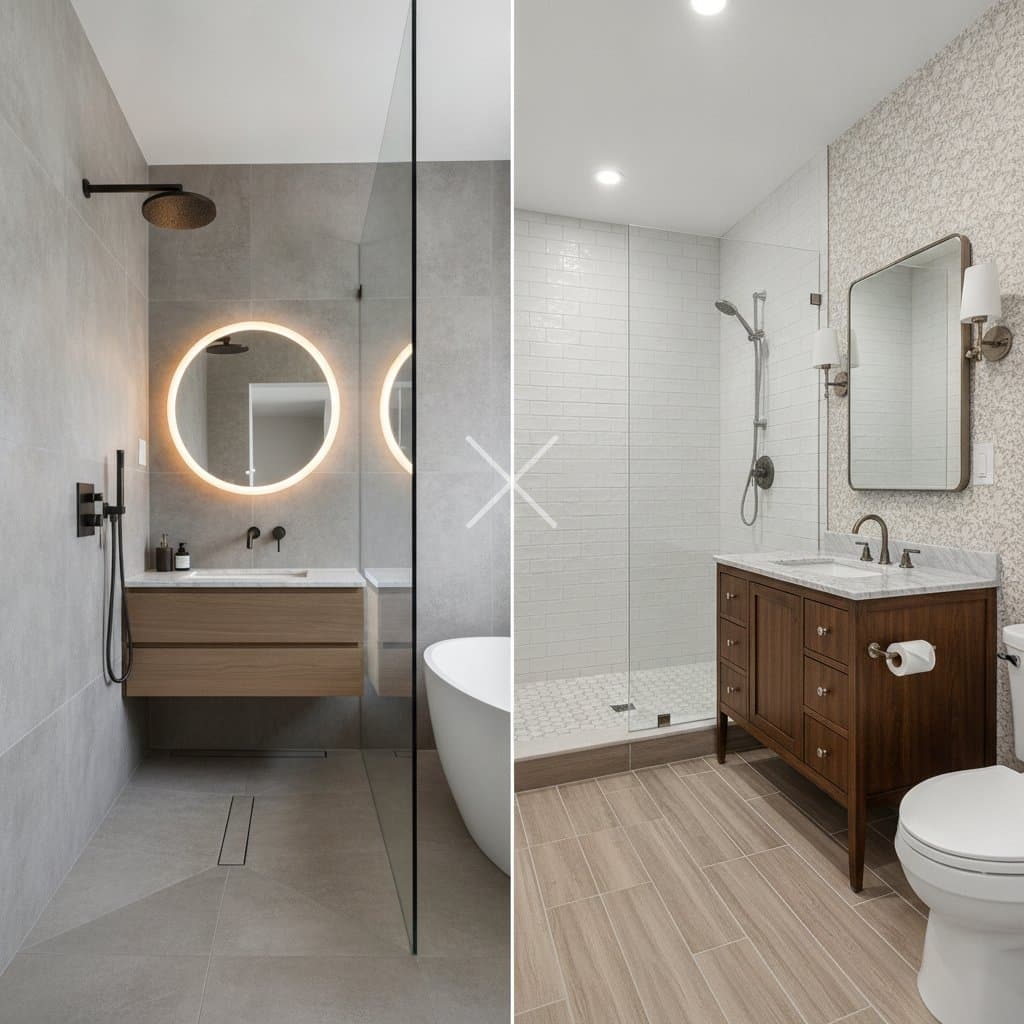
Aging-in-place renovations prioritize harmony between utility and elegance, avoiding institutional appearances. Timeless palettes of soft grays, warm beiges, and subtle earth tones form a versatile base. Accents in natural materials like reclaimed wood or matte brass hardware infuse personality and durability.
Color selection influences perception and safety. High-contrast edges on stairs or furniture outlines guide movement effectively. Textural elements, such as woven rugs over non-slip underlays or upholstered seating with firm support, add sensory appeal while fulfilling ergonomic demands.
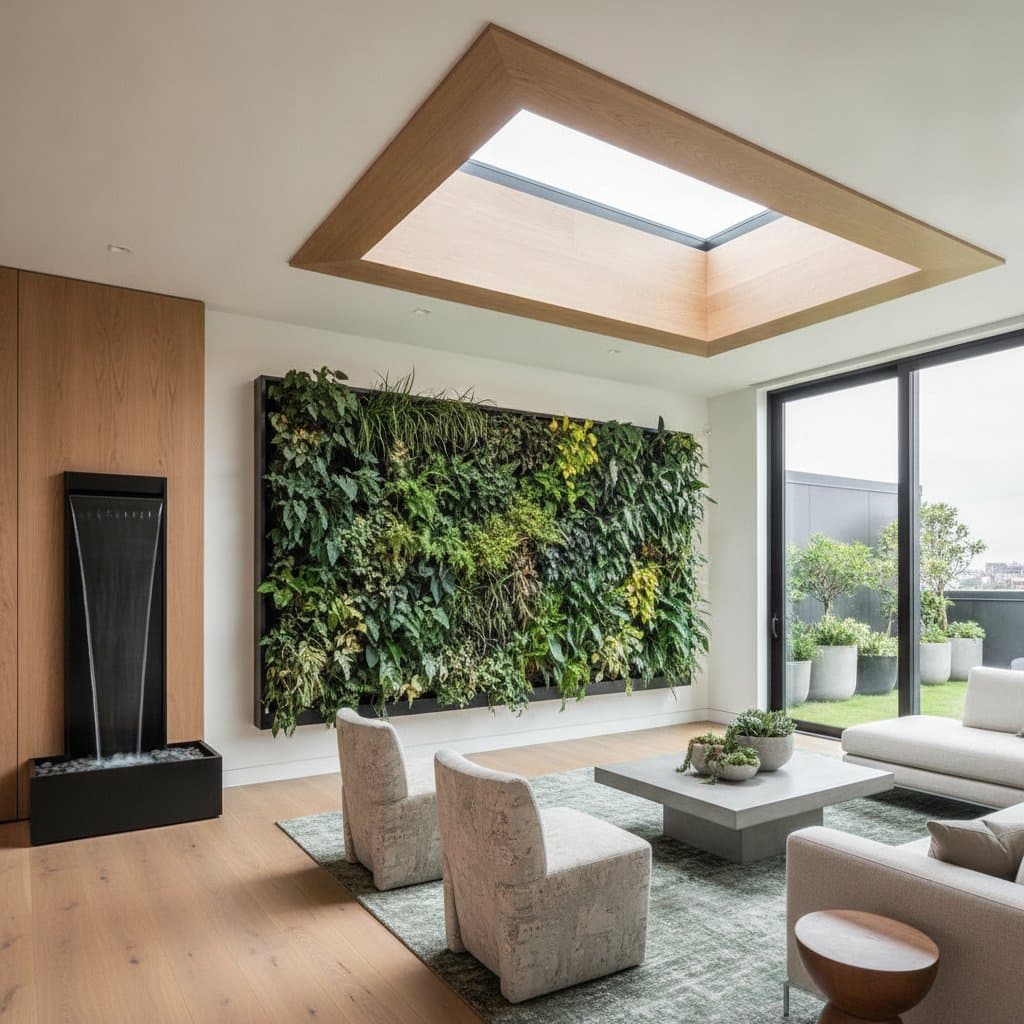
Lighting and material interplay further refines the environment. Warm-toned bulbs complement wood grains, fostering a cozy ambiance. Reflective surfaces on select cabinet fronts amplify light distribution, ensuring even illumination that supports both functionality and visual comfort.
Step-by-Step Planning and Budget Considerations
Approach renovations methodically to manage costs and disruptions effectively. Begin with a professional assessment to identify priority zones, such as entry points and wet areas, which yield the highest immediate benefits. Phased implementation allows gradual progress, starting with cosmetic updates like hardware swaps before tackling structural alterations.
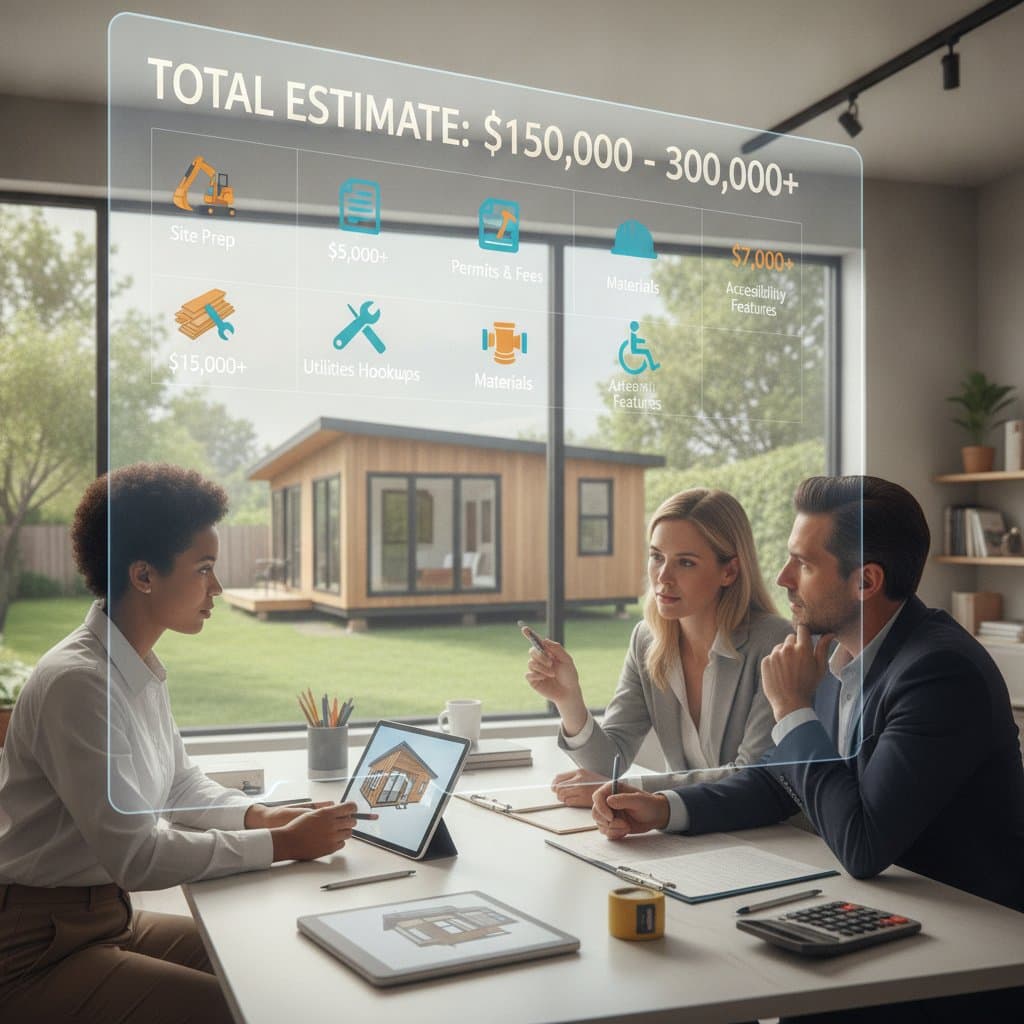
Budget for a basic accessibility overhaul ranges from $10,000 to $30,000, depending on home size and regional labor rates. DIY elements, including painting or installing grab bars, cut expenses significantly. Engage licensed contractors for plumbing relocations or load-bearing modifications to adhere to codes like the Americans with Disabilities Act guidelines.
Long-term savings arise from preventive designs that minimize future repairs. Energy-efficient lighting and insulation upgrades reduce utility bills alongside enhancing comfort. Document all changes for potential insurance discounts or increased resale value, as accessible homes appeal to broader markets.
Sustaining Independence Through Thoughtful Design
Strategic home modifications empower residents to navigate life transitions with confidence. Flexible layouts accommodate varying needs, from hosting family gatherings to private relaxation. These investments not only safeguard health but also preserve emotional ties to familiar spaces.
Anticipating usage patterns ensures enduring relevance. Regular evaluations every few years allow refinements as circumstances shift. Ultimately, a thoughtfully adapted home delivers lasting security, convenience, and joy, supporting vibrant living well into the future.