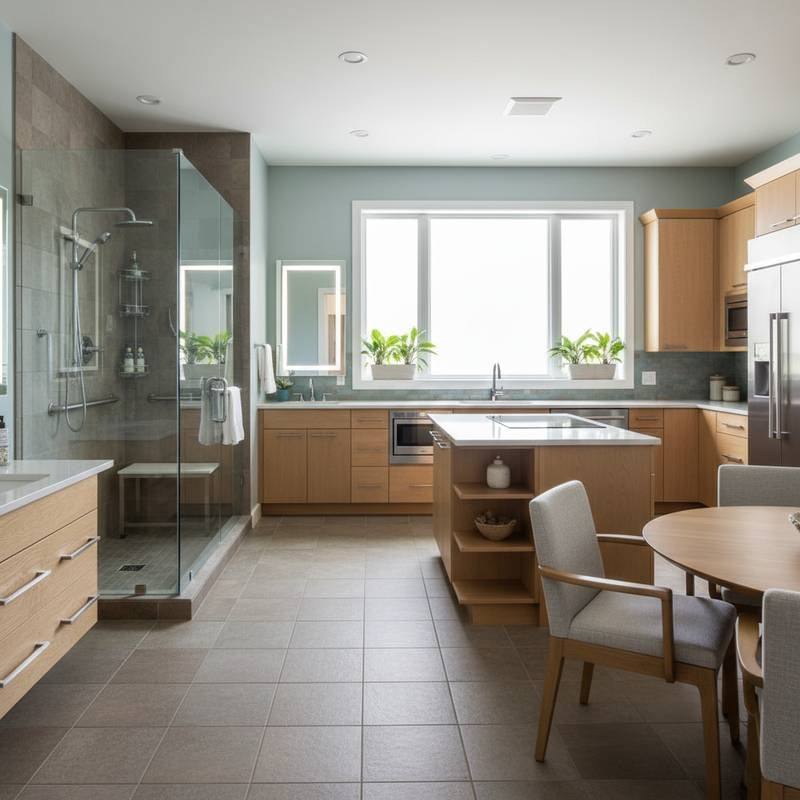
Understanding Universal Design Remodels
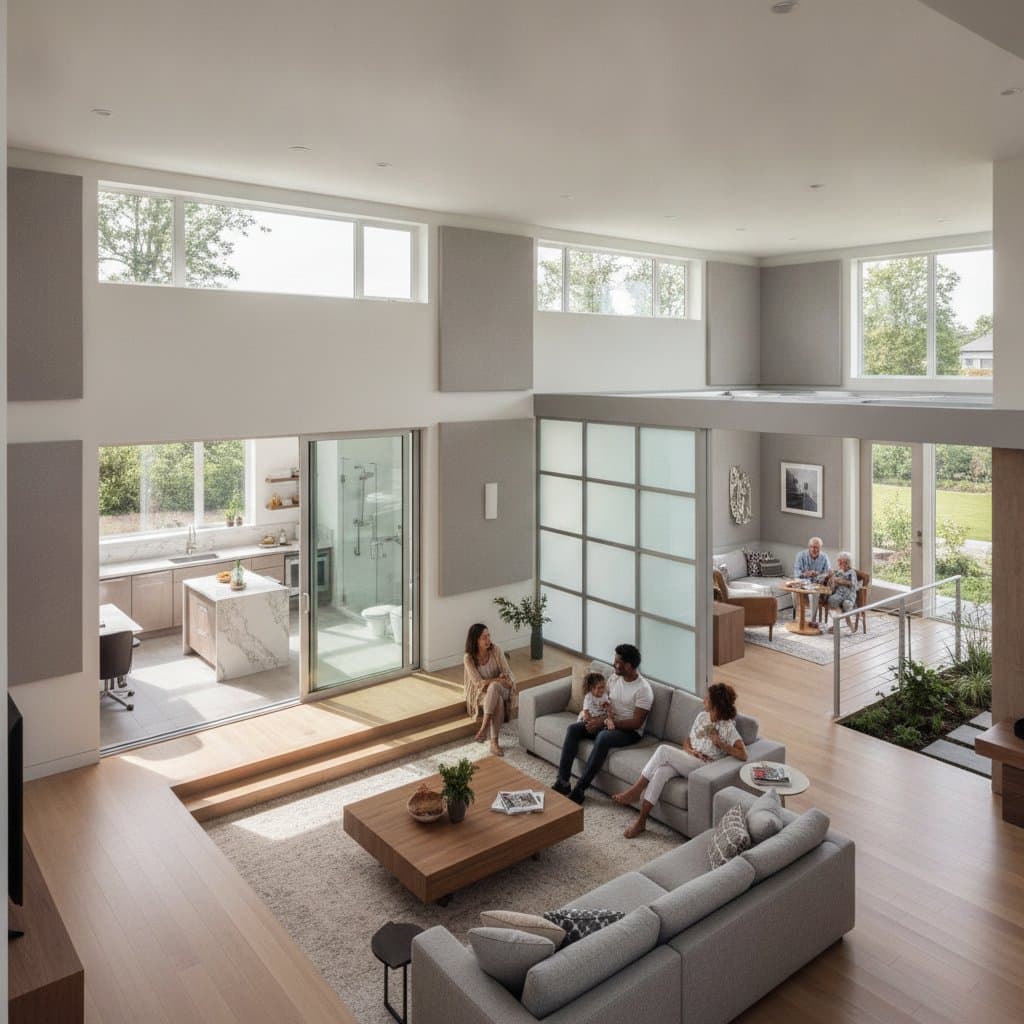
Universal design focuses on creating spaces that accommodate people of all ages, abilities, and sizes without compromising aesthetics or functionality. In remodeling contexts, this approach integrates features like wide doorways, lever handles, and slip-resistant flooring from the outset. Homeowners benefit from environments that support independent living over time.
The concept originated in the late 20th century but gains prominence in 2026 amid aging populations and inclusive living trends. Remodels under this principle avoid retrofits later, saving money and effort. Professionals recommend starting with a home assessment to identify priority areas such as kitchens, bathrooms, and entryways.
Why Invest in Universal Design by 2026
By 2026, demographic shifts will drive demand for adaptable homes, with over 20 percent of the population aged 65 or older in many regions. Universal design addresses these changes proactively, enhancing safety through elements like automatic lighting and grab bars. It also boosts property appeal in competitive markets.
Beyond compliance with building codes, these remodels foster equity in living spaces. Families with diverse needs, from young children to elderly relatives, experience greater ease. Long-term, such modifications correlate with higher home values, often recouping 70 percent or more of costs upon sale.
Economic forecasts indicate rising material prices, making timely remodels advantageous. Delaying could elevate expenses due to inflation in labor and supplies. Early adoption positions homeowners ahead of regulatory updates emphasizing accessibility.
Breaking Down the Average Cost of $45,000
The typical universal design remodel in 2026 averages $45,000, encompassing a spectrum from basic updates to comprehensive overhauls. Entry-level projects, such as installing ramps or adjusting cabinet heights, start at $20,000. Full-home transformations, including structural alterations, reach up to $75,000.
Costs divide into categories: labor accounts for 40 percent, materials 35 percent, and permits or consultations the remainder. For instance, widening a hallway might cost $5,000, while a fully accessible bathroom runs $15,000 to $25,000. Regional variations apply, with urban areas commanding higher rates due to demand.
This average reflects mid-range choices, like durable vinyl flooring and standard steel reinforcements. Opting for luxury finishes, such as custom stone countertops, pushes budgets upward. Contractors advise obtaining multiple quotes to align spending with project scope.
Key Factors Influencing Remodel Expenses
Structural changes represent the largest cost drivers, as they often require engineering assessments and permits. Removing walls to create open layouts or reinforcing floors for elevators adds $10,000 or more. Existing home conditions, like outdated wiring, further inflate totals.
Material selections impact budgets significantly; energy-efficient windows and doors, essential for universal access, cost 20 percent above standard options. Labor rates vary by expertise; certified universal design specialists charge premium fees but deliver precise results. Geographic location influences pricing, with coastal regions facing higher transport costs for supplies.
Project scale matters too: focusing on one room keeps expenses under $30,000, whereas whole-home adaptations exceed $50,000. Unforeseen issues, such as plumbing relocations, can add 10 to 15 percent. Budget buffers of 15 percent help mitigate these surprises.
Essential Planning Steps for Your Remodel
Begin with a professional evaluation to map accessibility needs against current layouts. Architects specializing in universal design provide blueprints that integrate seamlessly. This step ensures compliance with standards like the Americans with Disabilities Act, even if not mandatory.
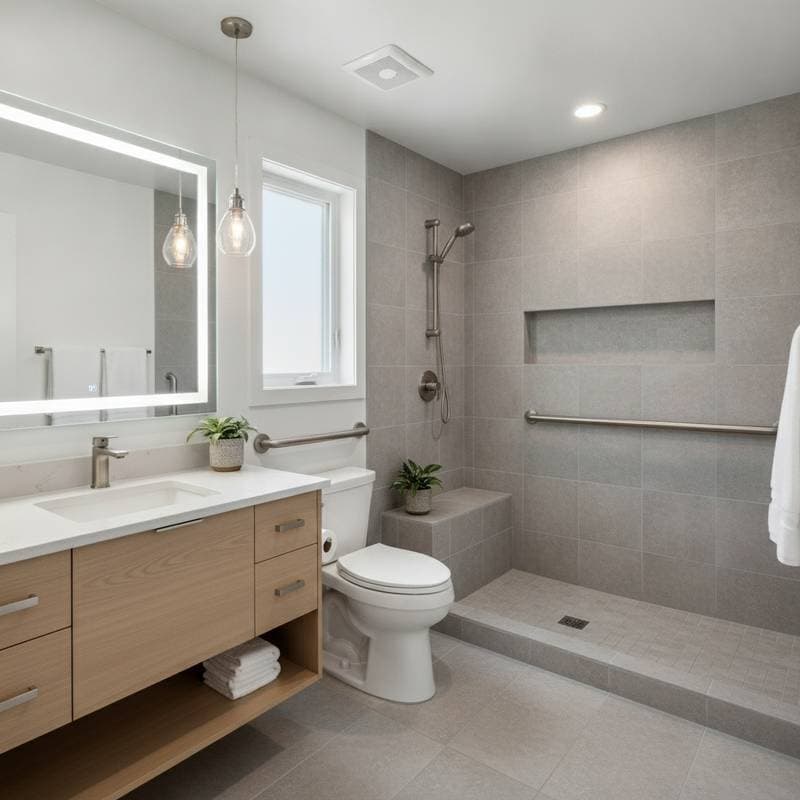
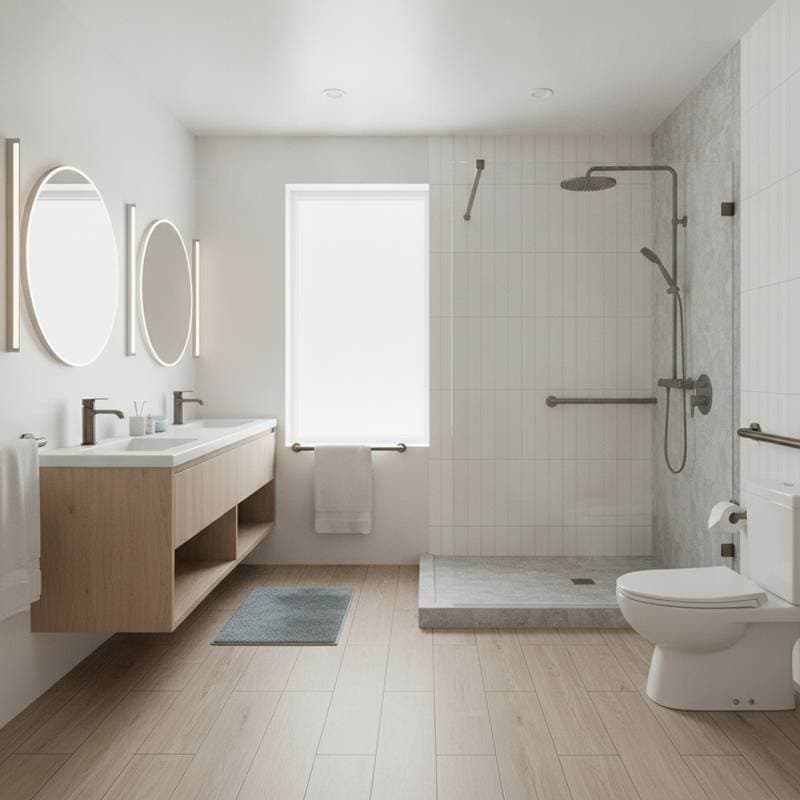
Next, prioritize features based on usage: kitchens benefit from pull-out shelves and lowered counters, while bathrooms need curbless showers. Create a phased timeline to spread costs, starting with high-impact areas. Involve all household members in decisions to tailor the space effectively.
Secure financing early; home equity loans or construction-specific credit lines offer flexibility. Research local incentives, such as grants for aging-in-place modifications. Document every choice to track progress and maintain budget discipline.
Selecting Materials and Fixtures
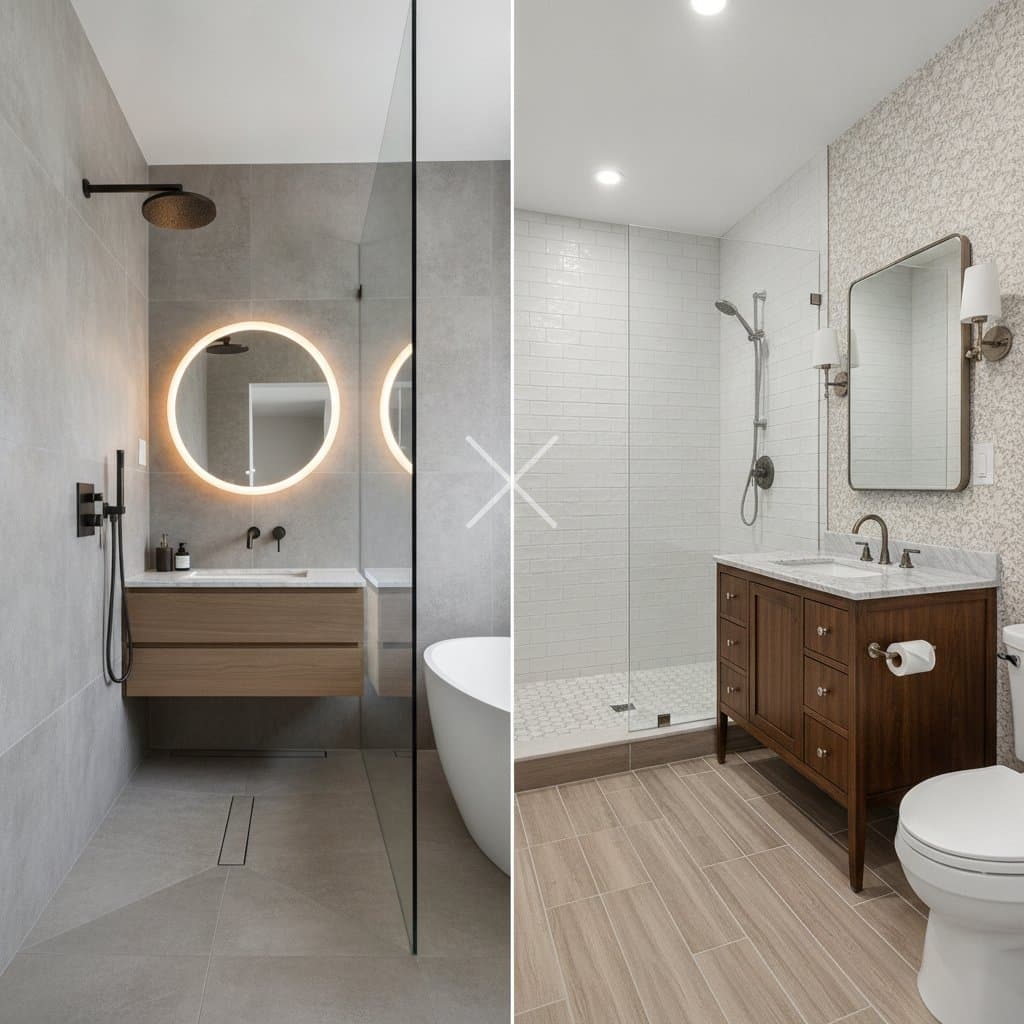
Choose versatile, low-maintenance materials that withstand varied use. Quartz countertops resist stains and support wheelchair access, while matte black hardware aids visibility. Avoid overly glossy surfaces to minimize glare for those with visual impairments.
Fixtures should feature touchless operations where possible, like sensor faucets, to promote hygiene and ease. Lighting layers, including under-cabinet and motion-activated options, enhance safety without complexity. Balance innovation with reliability to avoid maintenance pitfalls.
Financing Options and Cost-Saving Strategies
Tax credits under programs like the Residential Clean Energy Credit offset up to 30 percent of qualifying upgrades, such as solar-integrated accessible features. State rebates for energy-efficient remodels reduce net costs by $5,000 on average. Homeowners qualify by documenting installations.
DIY elements suit minor tasks, like painting or installing hardware, but leave structural work to experts. Bulk purchasing materials through contractor networks yields discounts. Scheduling during off-peak seasons lowers labor fees by 10 to 20 percent.
Long-term savings emerge from reduced utility bills and avoided future repairs. Energy-star appliances and insulation upgrades pay back within five years. Consult financial advisors to integrate remodel costs into broader home equity plans.
Real-World Examples of Successful Remodels
Consider a 2025 kitchen remodel in a suburban home, where owners installed adjustable-height islands and voice-activated appliances for $28,000. The space now serves a multigenerational family effortlessly, with resale value increasing by 12 percent. Similar projects highlight the practicality of targeted investments.
In an urban apartment, a $40,000 bathroom update featured a zero-threshold entry and heated floors, improving daily routines for a wheelchair user. Post-remodel, the owner reported enhanced independence and comfort. These cases demonstrate achievable outcomes within average budgets.
Another example involves a full entryway and hallway expansion costing $52,000, incorporating smart locks and wide pathways. The family appreciated the seamless flow, and appraisers noted a 15 percent value uplift. Such transformations underscore universal design's broad applicability.
Achieving Lasting Value Through Universal Design
Universal design remodels secure homes against future uncertainties, ensuring adaptability for evolving needs. Investments yield immediate usability gains alongside financial returns via appreciated property worth. Homeowners gain peace of mind knowing spaces support wellness and inclusion.
Strategic planning maximizes every dollar spent, creating environments that endure. Collaborate with skilled teams to realize visions that blend style with function. Ultimately, these upgrades elevate quality of life for current and future occupants.