Unlock Universal Design for Seamless Aging in Place
A home should adapt as life changes. Universal design helps create a space that supports comfort, independence, and accessibility for every stage of life. This approach combines function and style, allowing individuals to age in place gracefully without sacrificing beauty or convenience.
Understanding Universal Design
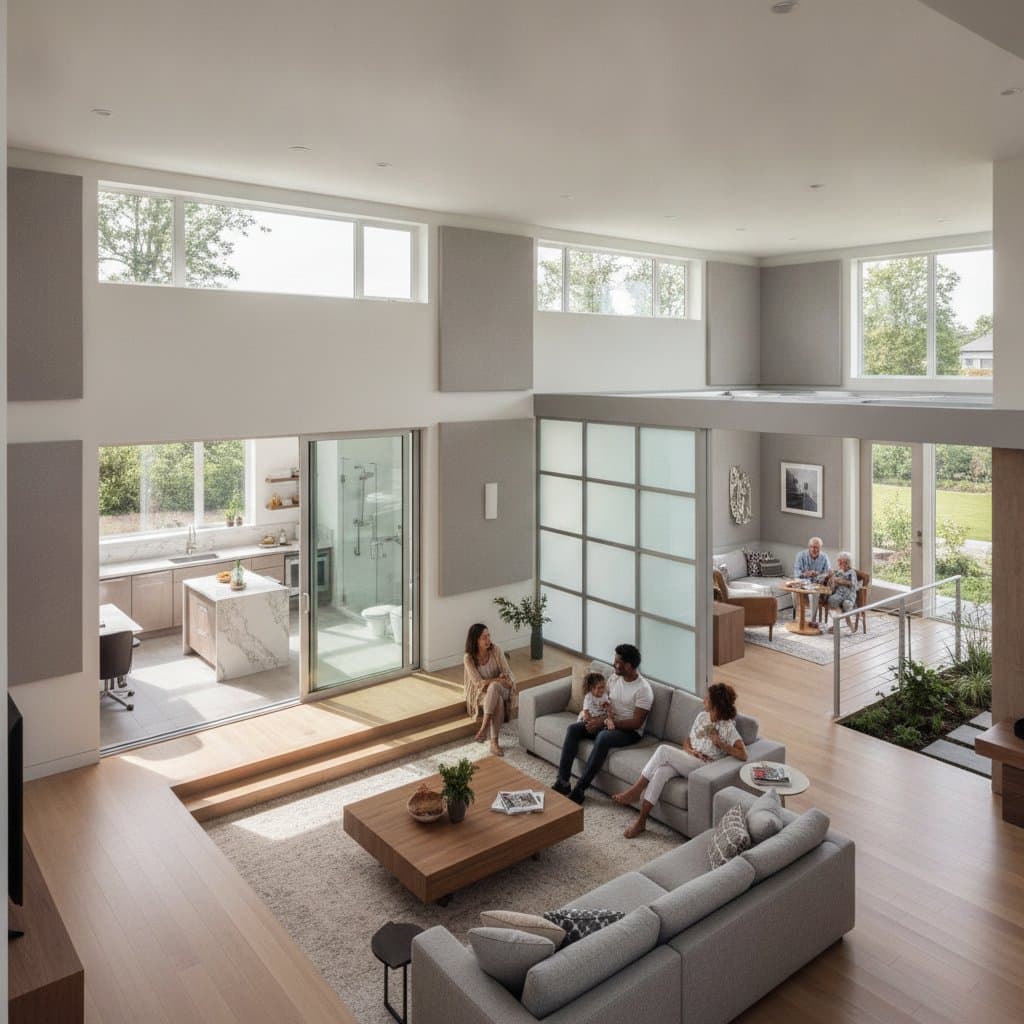
Universal design involves building or remodeling a home so that anyone can use it comfortably, regardless of age or ability. It emphasizes flexibility, safety, and simplicity. The goal is to integrate thoughtful features that make daily life easier without making the space appear clinical.
Consider universal design as invisible accessibility. Lever handles replace knobs for easier operation, wider doorways accommodate mobility devices, and strategic lighting reduces shadows. These elements enhance safety and enjoyment for all occupants.
Key Principles Behind a Universal Home
Before examining specific features, review the guiding principles that shape universal design. These concepts ensure that every decision, from layout to material selection, promotes long-term livability.
-
Equitable Use
The space must serve every person without requiring special adaptations. For instance, a walk-in shower provides easy entry for wheelchair users and simplifies access for those carrying items. -
Flexibility in Use
Designs accommodate varied users and preferences. Adjustable-height counters or pull-down shelving adapt to changing needs over time. -
Simple and Intuitive Design
Features operate with minimal effort and clear instructions. Controls, switches, and handles require little strength and have obvious functions. -
Perceptible Information
Elements like lighting, contrast, and texture aid navigation. A darker floor border around light tiles clearly defines pathways. -
Tolerance for Error
Choices minimize accident risks. Non-slip flooring, rounded countertop edges, and automatic shutoff appliances enhance safety. -
Low Physical Effort
Tasks demand minimal strain. Lever handles, touchless faucets, and motorized blinds streamline routines. -
Size and Space for Approach and Use
Rooms provide ample space for movement, including mobility aids, furniture, and potential future equipment.
Practical Applications by Room
Apply universal design principles throughout the home. These ideas suit full renovations or targeted updates, delivering function alongside style.
Entryways and Exteriors
- Zero-Step Entry: Install a gentle ramp or level threshold in place of stairs. This aids those carrying groceries, maneuvering strollers, or using mobility devices.
- Wider Doorways: Target at least thirty-six inches to fit walkers or wheelchairs comfortably.
- Lever Handles: These grip more easily than round knobs and suit users of all ages.
- Ample Lighting: Position motion-sensor lights near entrances and pathways to prevent falls.
- Slip-Resistant Surfaces: Opt for textured concrete or pavers that maintain traction in wet weather.
Such modifications boost accessibility and enhance curb appeal. A well-lit, open entry conveys a welcoming, contemporary feel.
Kitchens That Work for Everyone
The kitchen serves as a central hub, where design flexibility proves essential.
- Varied Counter Heights: Incorporate a lower section for seated preparation.
- Pull-Out Shelving: Access items without excessive bending or reaching.
- Single-Lever or Touch Faucets: Operate effortlessly with one hand or reduced strength.
- Drawer-Style Appliances: Select dishwashers or microwaves that extend for secure loading.
- Task Lighting: Mount under-cabinet fixtures to illuminate work surfaces and eliminate shadows.
Neutral finishes, durable materials, and efficient organization ensure these enhancements integrate into diverse design aesthetics.
Bathroom Comfort and Safety
Bathrooms pose significant hazards, making deliberate design crucial for value and reassurance.
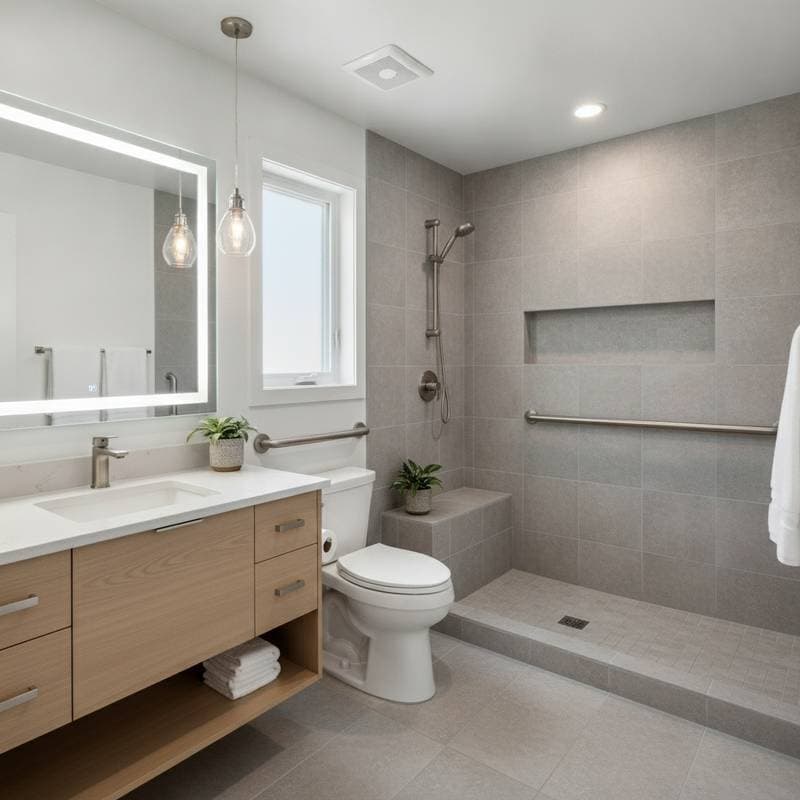
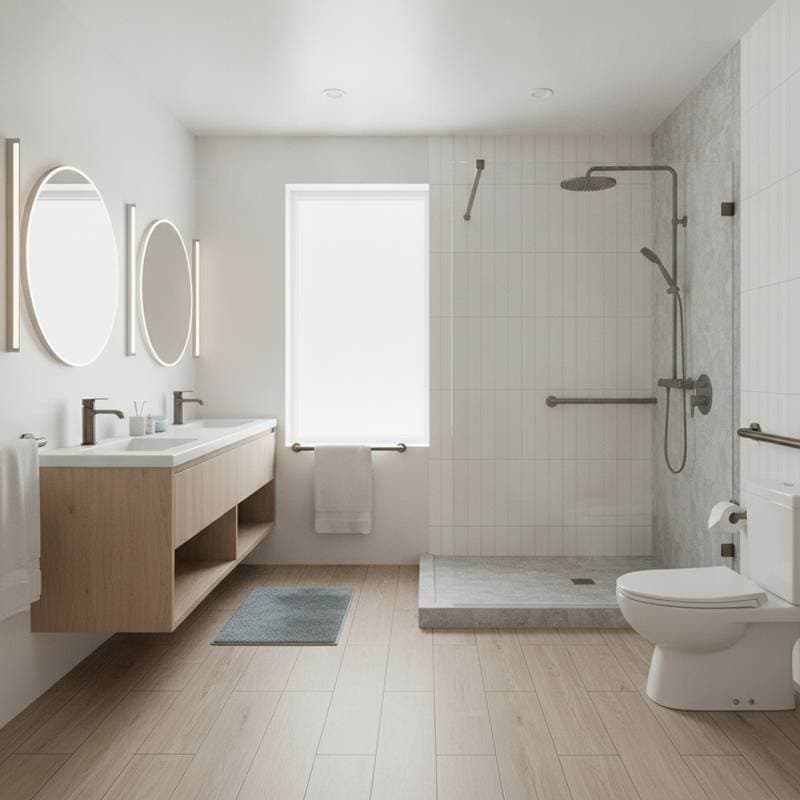
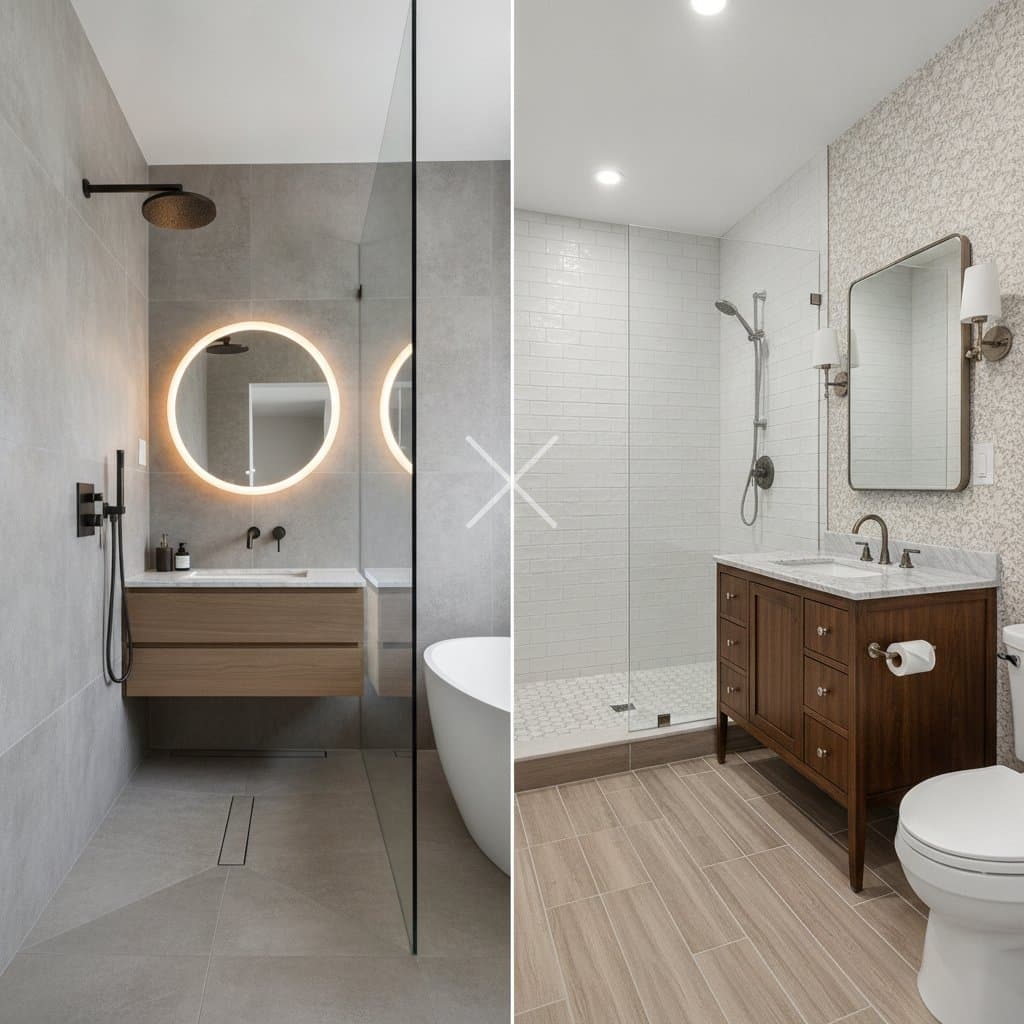
- Curbless Showers: A seamless floor transition removes tripping risks and offers a modern appearance.
- Grab Bars: Select styles that coordinate with existing hardware for visual harmony.
- Non-Slip Flooring: Textured tile or vinyl provides grip without an institutional look.
- Comfort-Height Toilets: These stand about two inches taller than standard models, easing pressure on knees and hips.
- Handheld Showerheads: Adjustable positions accommodate varying heights and mobility needs.
Effective ventilation, moisture-resistant surfaces, and multi-level lighting finalize a functional, appealing bathroom.
Living and Bedroom Areas
Extend comfort and accessibility into living and sleeping zones.
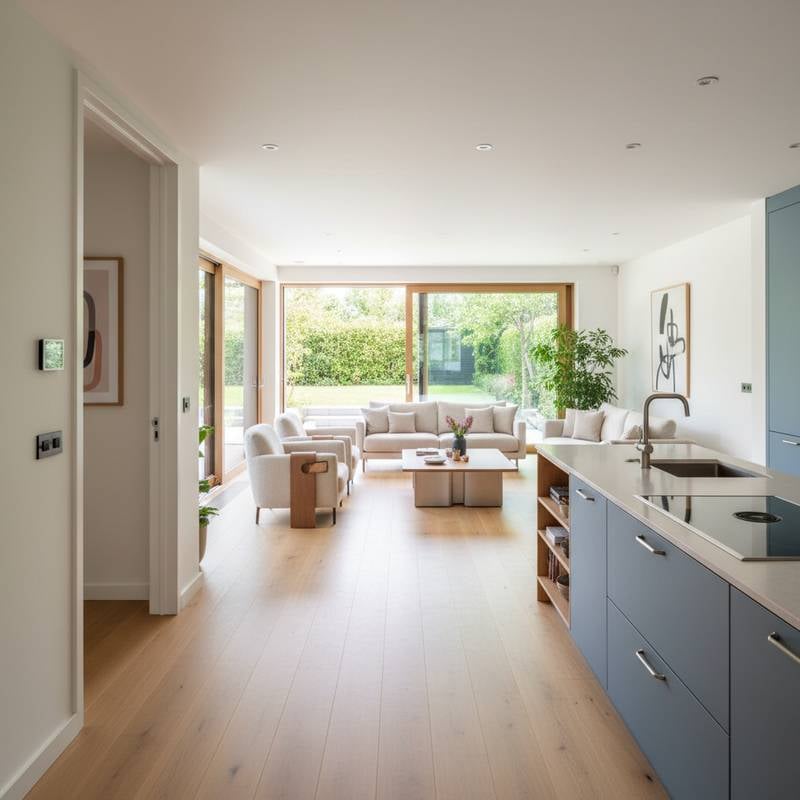
- Open Floor Plans: Reduce barriers and expand pathways. Arrange furniture to facilitate smooth navigation.
- Smooth Flooring Transitions: Eliminate thresholds that could cause trips between rooms.
- Adjustable Lighting: Use dimmers and layered options to optimize visibility and mood.
- Reachable Controls: Position switches, outlets, and thermostats at standard accessible heights.
- Smart Home Features: Integrate automated lighting, blinds, or climate systems to lessen physical demands.
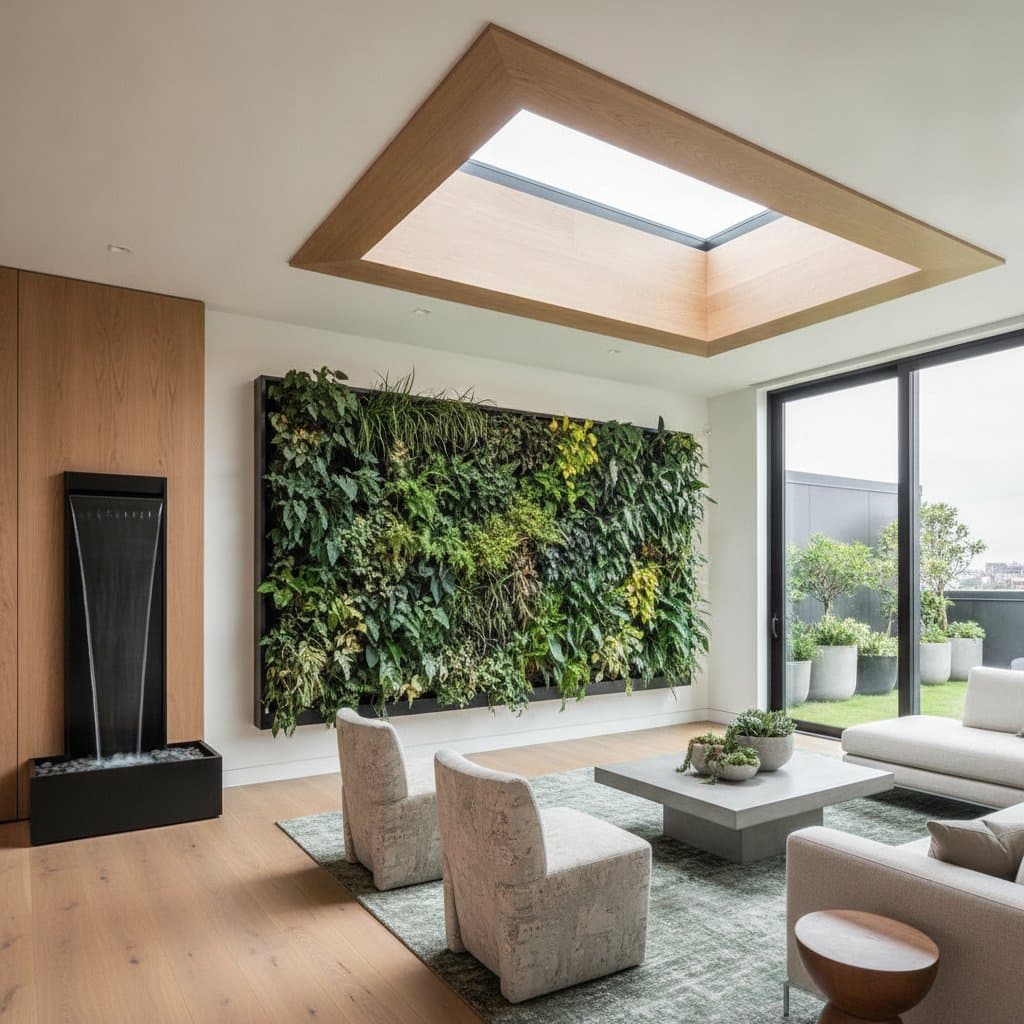
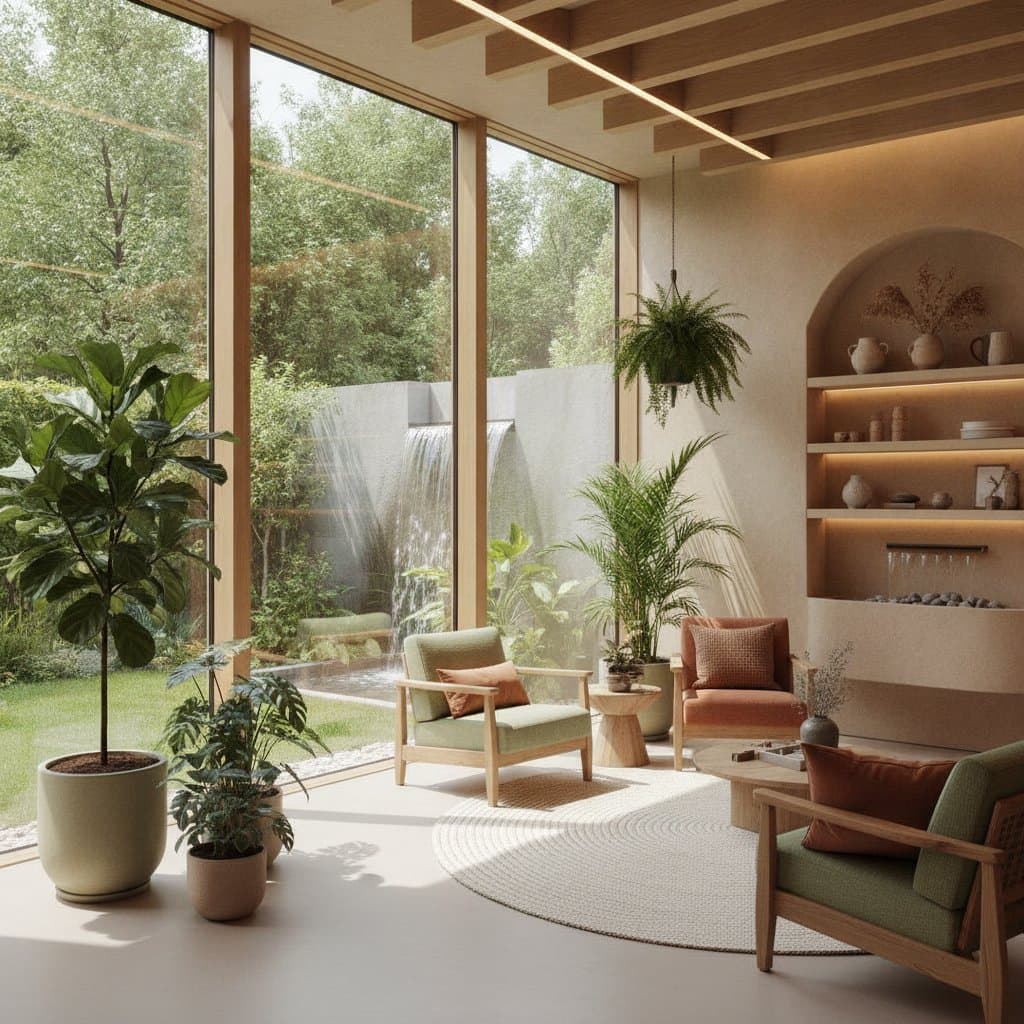
Select soothing colors, gentle textures, and abundant natural light to foster a secure, enduring environment.
Stairways and Multi-Level Homes
Prepare for potential future mobility needs, even if not immediate.
- Sturdy Handrails on Both Sides: These provide reliable balance and support.
- Contrasting Tread Edges: Visual markers clarify step boundaries.
- Wider Stair Widths: Accommodate space for lifts or additional rails in the future.
- Landing Platforms: Include rest areas on extended staircases.
For multi-level homes, incorporate a stacked closet designed for potential elevator conversion. This proactive measure simplifies and economizes long-term adaptations.
Materials, Lighting, and Color Choices
Aging in place requires no aesthetic trade-offs. Appropriate materials and finishes bolster safety while elevating design.
- Flooring: Select resilient options such as luxury vinyl, cork, or matte tile. These cushion steps and resist slips.
- Lighting: Combine ambient, task, and accent layers for uniform brightness, avoiding single overhead sources.
- Color Contrast: Employ light and dark shades to highlight edges, fixtures, and routes, aiding those with diminished vision.
- Hardware Finishes: Brushed nickel, matte black, or warm brass ensure secure grips and clear visibility.
These selections enhance comfort and sustain a unified, refined aesthetic.
Cost and Effort Considerations
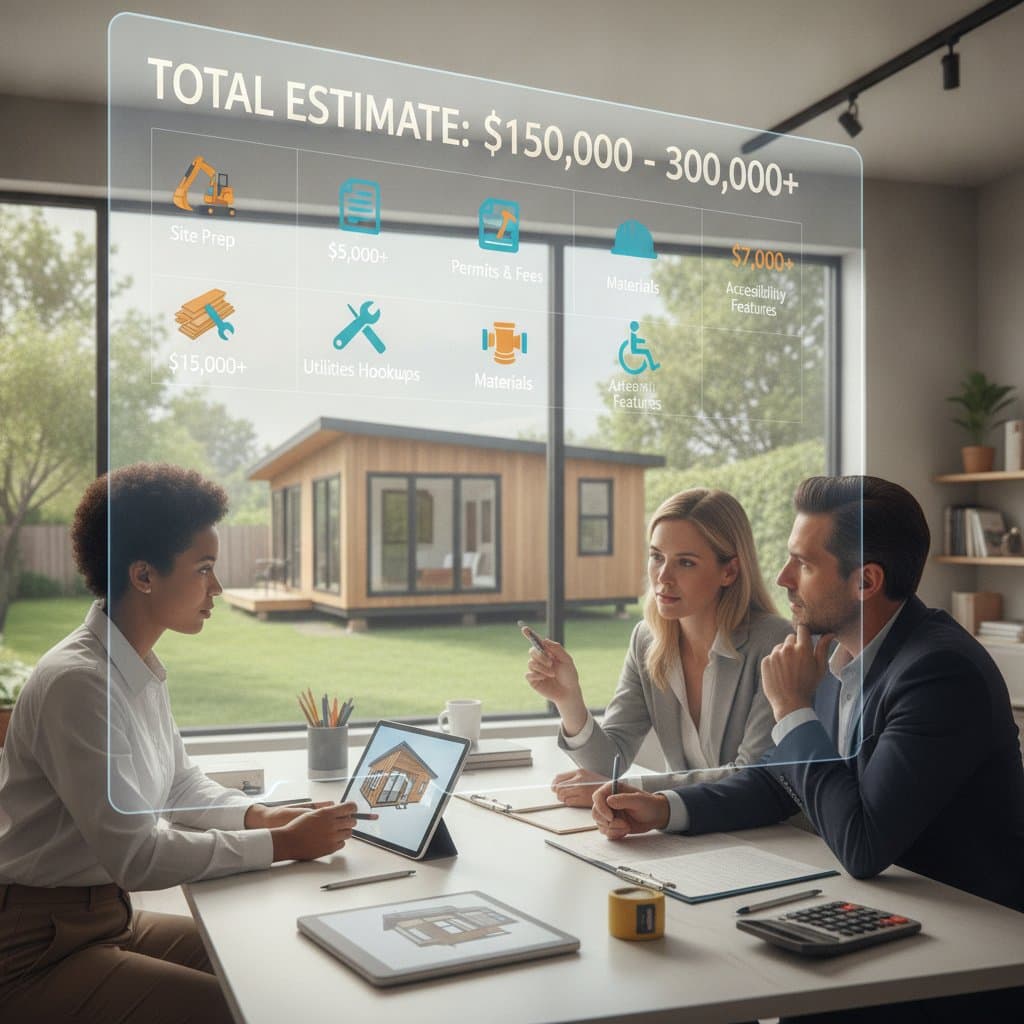
Incorporate universal design within any renovation budget. Simple changes like lever handles or non-slip flooring offer affordable, self-managed improvements. More extensive alterations, such as doorway expansions or zero-step entries, benefit from professional expertise.
Integrate features during ongoing projects to maximize efficiency. When replacing flooring, choose inherently slip-resistant varieties. During bathroom work, add wall blocking for future grab bars, even if not installing them immediately. Such strategies curb future expenses.
Common Questions
How do I start planning a universal design remodel?
Walk through the home to identify mobility, lighting, or reach challenges. Collaborate with a contractor versed in accessibility standards to rank priorities.
Does universal design affect home resale?
Accessible features attract diverse buyers. Intentional, non-institutional designs elevate property value and marketability.
Can I make these updates gradually?
Yes. Begin with minor adjustments like hardware replacements or lighting enhancements before tackling major overhauls.
Build a Home That Endures
A home that evolves with its occupants fosters sustained independence and ease. Universal design delivers this adaptability through every considered element, from lighting to layouts. Plan ahead to enrich current living while securing future well-being.