Why Universal Design Matters in Aging-in-Place Remodels
Staying in your home as you age brings comfort, independence, and familiarity. Universal design offers a thoughtful approach to remodeling that supports aging in place without sacrificing style or function. This article explains why universal design matters, what it looks like in practice, and how to create a home that adapts gracefully to every stage of life.
Understanding Universal Design
Universal design is a philosophy that focuses on creating spaces usable by people of all ages and abilities. It integrates accessibility features from the start rather than adding them as an afterthought. The approach helps plan a remodel that feels natural and cohesive.
At its core, universal design promotes safety, comfort, and independence. It considers how lighting, layouts, materials, and hardware choices affect everyday movement. The goal is to make a space intuitive and easy to use for children, adults, and older adults with limited mobility.
The Connection Between Universal Design and Aging in Place
Aging in place means continuing to live in your own home safely and comfortably as needs change. Universal design supports this goal by removing barriers before they become problems. Features like zero-step entries, lever door handles, and curbless showers make daily tasks easier without signaling specialized construction.
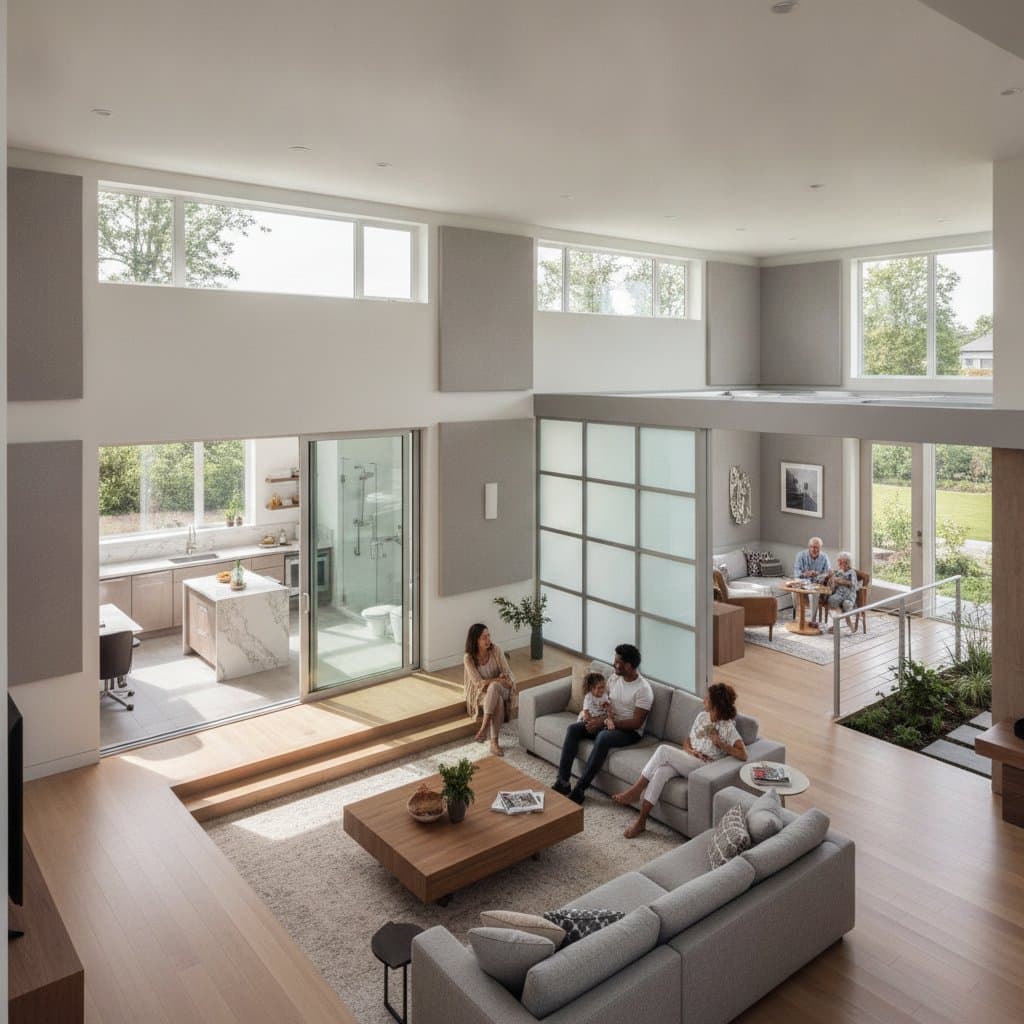
This approach benefits everyone. Parents pushing strollers, guests with temporary injuries, and older adults with limited balance all find it easier to move through a home designed with universal principles. It future-proofs the space while maintaining a warm, inviting atmosphere.
Key Principles of Universal Design
A successful aging-in-place remodel starts with a clear understanding of universal design principles. These guide every decision from floor layout to fixture placement.
- Equitable Use. Spaces and features should be useful to people with a wide range of physical abilities. A kitchen with varied counter heights allows someone standing or seated to prepare meals comfortably.
- Flexibility in Use. Designs should adapt to different preferences and abilities. Adjustable shower heads, handheld sprayers, and pull-down shelving units make everyday tasks more manageable.
- Simple and Intuitive Operation. Controls and layouts should be easy to understand without extra effort. Lever handles, touchless faucets, and rocker light switches serve as practical examples.
- Perceptible Information. Important details should be visible or tactile for everyone. Contrasting colors on floors and walls help define edges for people with limited vision.
- Tolerance for Error. The design should minimize hazards and the consequences of accidental actions. Slip-resistant flooring and rounded countertop edges help prevent injury.
- Low Physical Effort. Features that reduce strain are essential. Wider doorways, smooth flooring transitions, and motion-sensor lighting all lower physical demand.
- Size and Space for Approach and Use. Adequate clearances allow mobility devices to move freely. Hallways, doors, and bathrooms should provide enough maneuvering room for a wheelchair or walker.
Applying Universal Design in Key Areas of the Home
Entryways and Transitions
Aging-in-place remodels often start at the entry. A zero-step threshold eliminates tripping hazards and makes it easier to enter with a walker, wheelchair, or groceries in hand. Choose slip-resistant surfaces and improve lighting to ensure visibility after dark.
This change makes the home safer without altering its appearance. Pair textured pavers, matte-finish concrete, or composite decking with motion-sensor lights or recessed fixtures.
Kitchens
The kitchen is a hub of daily activity. Universal design focuses on accessibility and comfort while keeping the style consistent with the rest of the home.
Include pull-out shelves and drawers for lower cabinets. Add varied counter heights for seated and standing use. Consider side-opening ovens, drawer-style dishwashers, and lever or touch-control faucets. These choices reduce strain and make cooking more enjoyable.
Select easy-grip hardware, durable quartz countertops, and slip-resistant flooring with subtle texture.
Bathrooms
Bathrooms are one of the most critical areas for safety. A universal-design bathroom combines accessibility with elegance.
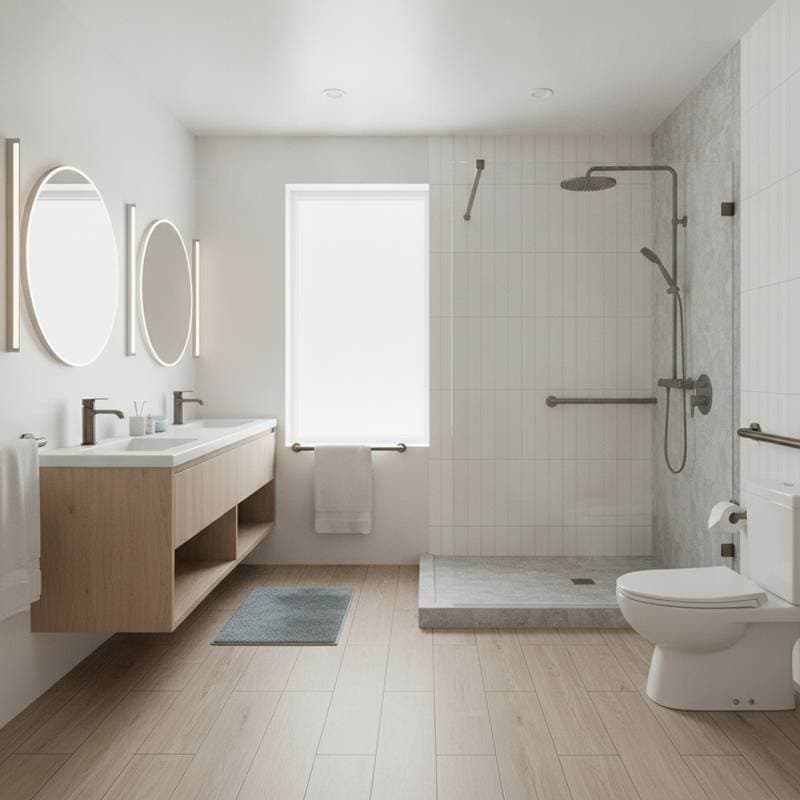
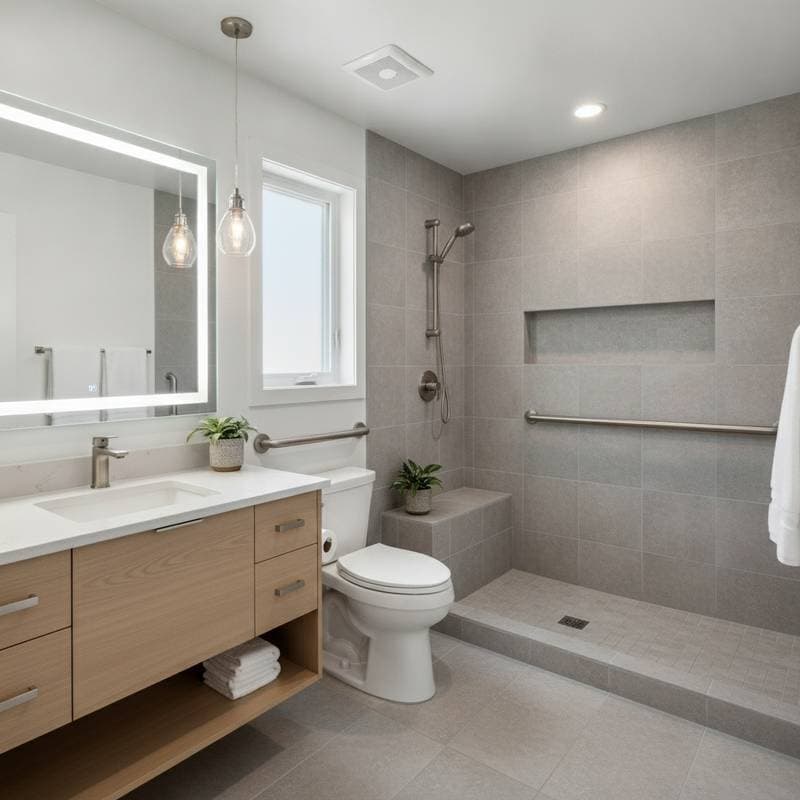
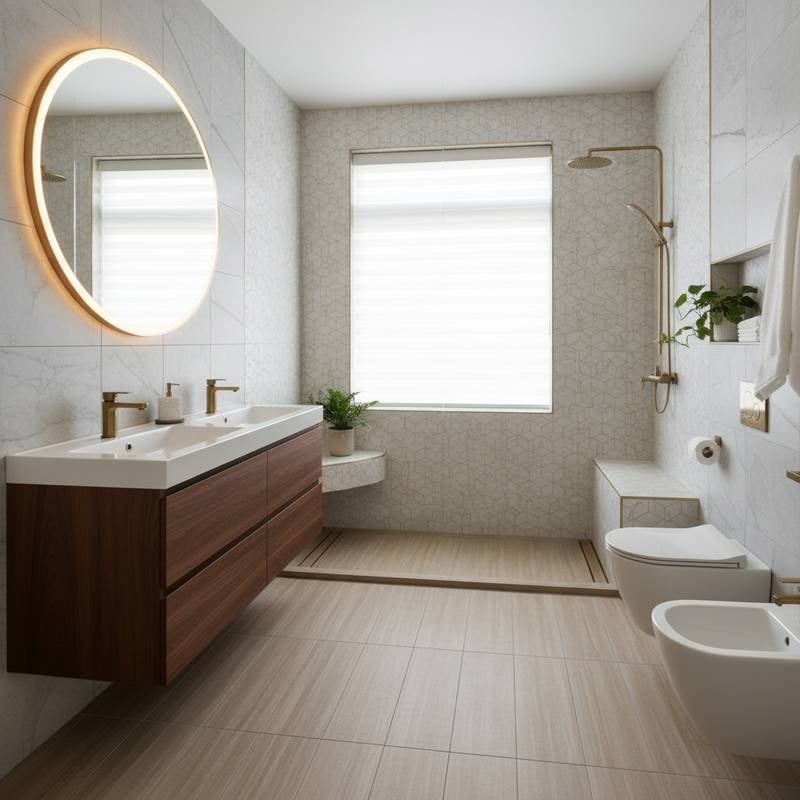
Consider a curbless shower with a linear drain. Add built-in bench seating and a handheld shower wand with adjustable height. Install grab bars that double as towel racks. Provide wide clearances around the toilet and vanity.
Use contrasting tile colors to define zones. Choose matte finishes to reduce glare and warm lighting to create a spa-like feel.
Bedrooms
Comfort and convenience are the focus in the bedroom. Provide ample circulation space, low thresholds, and good lighting to improve both safety and relaxation.
Widen doorways and clear floor space for mobility aids. Adjust bed height and place reachable outlets. Add task lighting with easy controls and non-slip flooring materials. These features allow comfortable navigation at night or during recovery periods.
Pair soft, neutral wall colors with warm wood tones and layered lighting to create a soothing environment.
Hallways and Common Spaces
Universal design extends beyond individual rooms. The way spaces connect affects how easily residents can move through the home.
Widen hallways for easy navigation. Maintain consistent flooring without abrupt changes in height. Add ample lighting near steps or corners. Use contrasting wall trims to guide depth perception.
Install continuous flooring such as luxury vinyl plank or engineered hardwood for durability and visual flow.
Balancing Design and Aesthetics
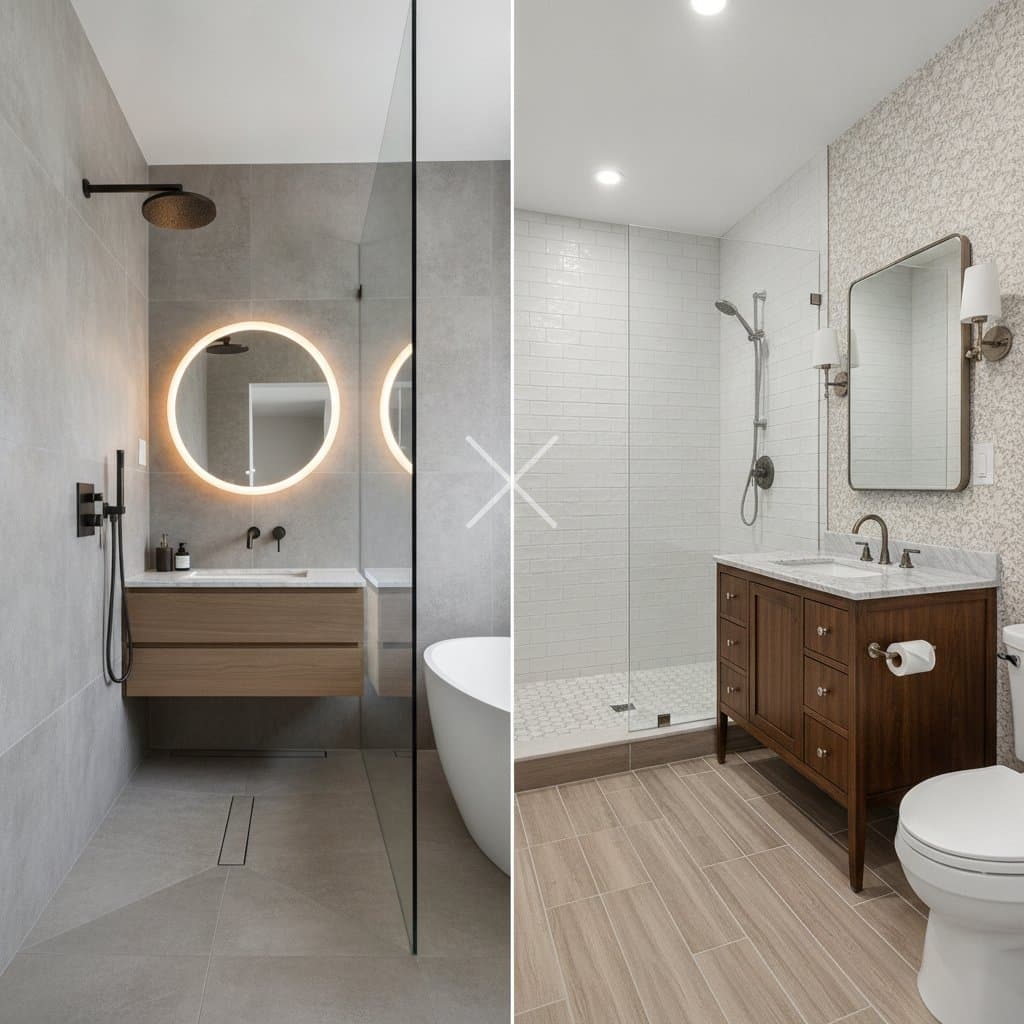
Universal design does not mean sterile or institutional. The best remodels blend accessibility features into the architecture and decor. Materials, color, and lighting maintain warmth and personality.
Choose finishes that match the rest of the home. Brushed nickel grab bars can coordinate with faucets. Opt for cabinetry with subtle pull handles that complement the existing style. Use layered lighting with ambient, task, and accent sources to improve visibility without harshness.
Mix textures such as matte tiles and soft textiles to create depth and comfort. Color contrast helps define edges and improve navigation. Pair a light vanity with a darker floor to separate surfaces visually.
Durable, low-maintenance materials support aging in place. Non-porous surfaces resist stains while matte finishes reduce glare. Vinyl, porcelain tile, and quartz withstand moisture and daily use without frequent upkeep.
Cost and Effort Considerations
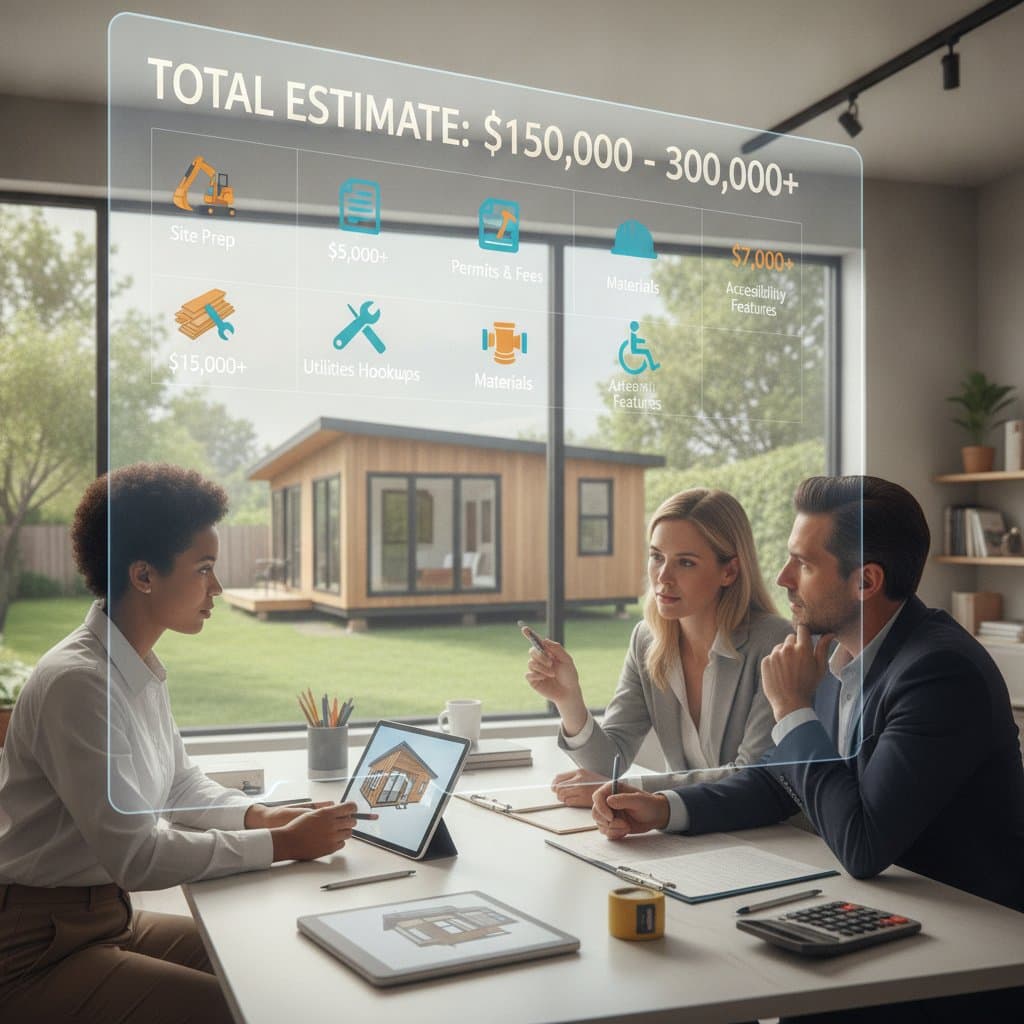
A universal design remodel can vary in cost depending on scope and materials. Entry-level upgrades such as lever handles and grab bars are affordable and quick to install. Larger projects like curbless showers or widened doorways require more planning and professional construction.
DIY-friendly tasks include replacing knobs with levers, adding non-slip mats, or installing touch lights. Professional scope covers adjusting floor levels, installing new plumbing fixtures, or modifying structural openings.
Upfront costs can be higher, yet universal design reduces long-term expenses related to assisted living or repeated remodels. It represents an investment in comfort and independence.
Common Questions About Universal Design and Aging in Place
How do I pick finishes that feel modern but accessible? Focus on clean lines and durable materials. Matte finishes, warm neutrals, and consistent hardware styles maintain a cohesive look.
Does universal design affect resale value? Homes that are accessible and adaptable appeal to a wider range of buyers. They often sell faster because they meet practical needs without visible compromise.
Is universal design only for older adults? The design benefits families at every stage. It improves usability for children, guests, and anyone recovering from injury.
Do I need to remodel all at once? Not necessarily. Start with key areas like the bathroom or entryway and expand as needs evolve.
Creating Your Adaptable Living Space
Adopting universal design in an aging-in-place remodel means creating a home that works with residents rather than against them. Every feature from lighting to layout supports ease of movement and peace of mind. Planning with accessibility in mind now avoids costly changes later and preserves the comfort of staying in the home you love.
A well-designed space should never feel restrictive. Universal design turns accessibility into an invisible strength that blends safety and beauty seamlessly. When the home adapts gracefully to changing needs, residents gain more than convenience.