Material Swaps That Shield Budgets From 2026 Inflation
Rising construction costs make it difficult to keep projects on budget. Material prices fluctuate while labor costs rise and supply chains remain unpredictable. Choosing smart material swaps now helps you stay ahead of inflation while maintaining quality and durability. This guide explains how to make cost conscious choices that protect your investment without compromising style or performance.
Understanding Material Value in a Shifting Market
Every material carries both an upfront cost and a long term impact. The goal is not only to pay less now but also to avoid higher maintenance or replacement costs later. Materials that offer durability, local availability, and stable pricing serve as the best defense against inflation. Swapping just a few key elements can create lasting savings for residential or commercial builds.
Inflation affects materials differently. Metals, natural stone, and imported woods tend to rise sharply when supply tightens. Engineered or composite alternatives often stay more stable because they rely on consistent manufacturing rather than extraction or import. Keeping this balance in mind helps you make informed substitutions.
Fiber Cement Siding Instead of Brick
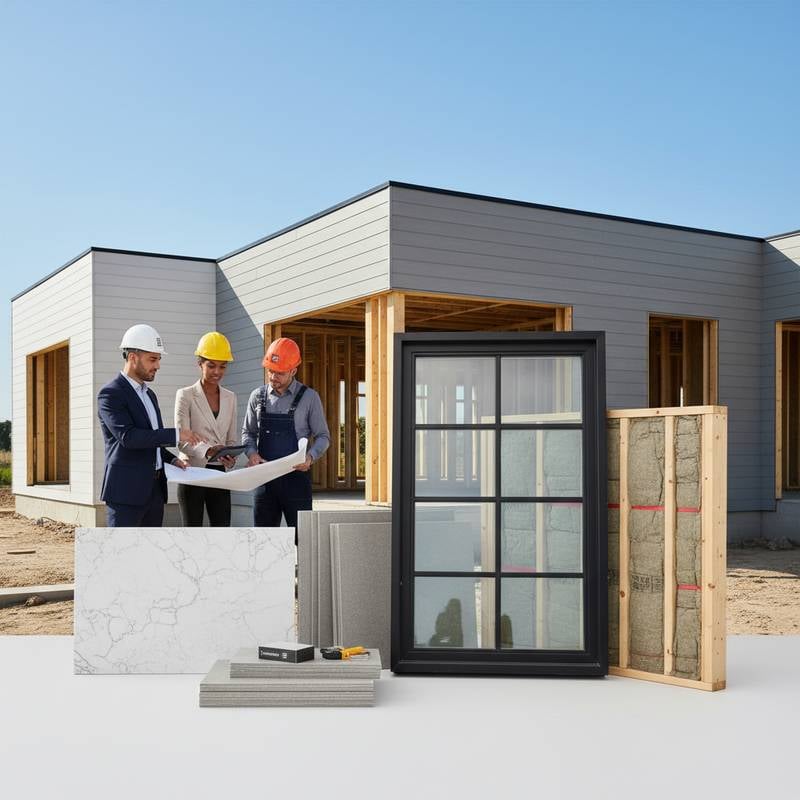
Brick production relies heavily on fuel and transport, which makes its price sensitive to inflation. Fiber cement siding offers similar visual depth and solid structure at a fraction of the cost. It holds paint well, resists rot, and lasts decades.
Paint fiber cement in earthy tones such as clay beige or slate blue for a traditional look. Add white trim and cedar accents for balance. Use smooth panels for modern designs or woodgrain textures for classic exteriors.
Fiber cement requires minimal upkeep. Even if repainting becomes necessary, the base material remains sound, which means you save on repairs over time. It is also fire resistant, which can reduce insurance costs in some regions.
Asphalt Shingles Instead of Metal Roofing
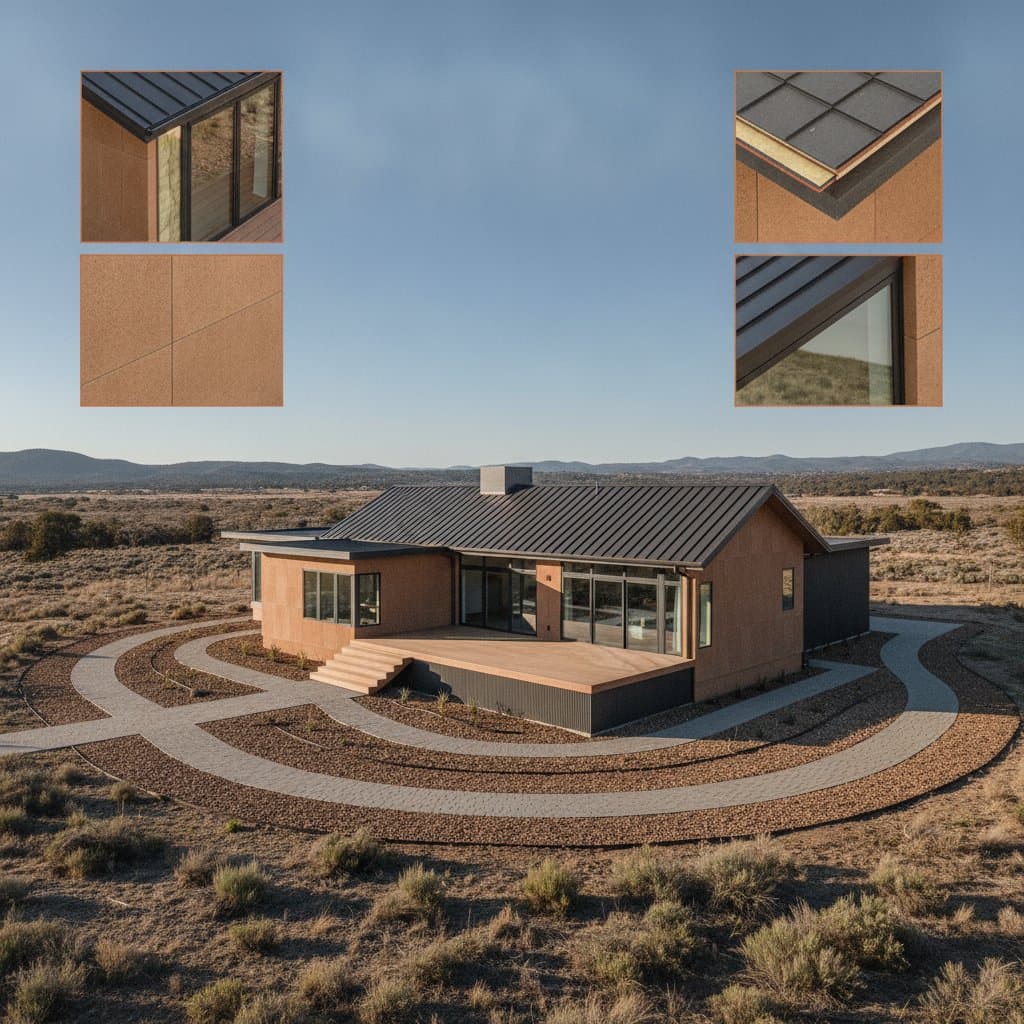
Metal roofing materials often reflect global metal prices, which can spike during inflation. Premium asphalt shingles, especially architectural grades, now offer improved durability and wind resistance. They replicate the dimensional look of metal or slate while keeping costs lower.
Choose darker tones like charcoal gray or espresso brown for a sleek finish. Match them with white or light gray siding to balance contrast. Add copper toned gutters or fixtures for warmth.
Modern asphalt shingles can last decades with proper installation. Reflective coatings improve energy efficiency by keeping roofs cooler, which helps offset rising energy costs. Replacement or repair is also simpler and more affordable than with metal panels.
Composite Decking Instead of Natural Wood
Pressure treated wood and hardwood decking rise in price as lumber markets fluctuate. Composite decking, made from recycled wood fibers and plastic, offers stable pricing and long lifespan. It resists fading, splintering, and warping.
Use warm brown tones like cedar blend for traditional homes. Choose cool grays for coastal or modern spaces. Combine the decking with powder coated aluminum railings for a crisp finish.
Composite decking costs more upfront but saves money over time. No staining or sealing is required, and cleaning remains simple. It also extends usable outdoor space without frequent repairs.
Reclaimed Materials for Character and Savings
Reclaimed materials bypass the inflation prone supply chain entirely. Using salvaged brick, wood, or metal reduces waste and adds character. Many suppliers now certify reclaimed products for structural and safety standards.
Install exposed reclaimed beams in farmhouse or industrial interiors. Pair reclaimed brick accent walls with smooth stucco. Repurpose old metal panels as decorative siding.
Reclaimed materials may need cleaning or refinishing, but labor costs are offset by material savings. Each piece brings unique texture and history. Local sourcing also cuts transportation costs.
Domestic Ceramic Tile Instead of Imported Tile
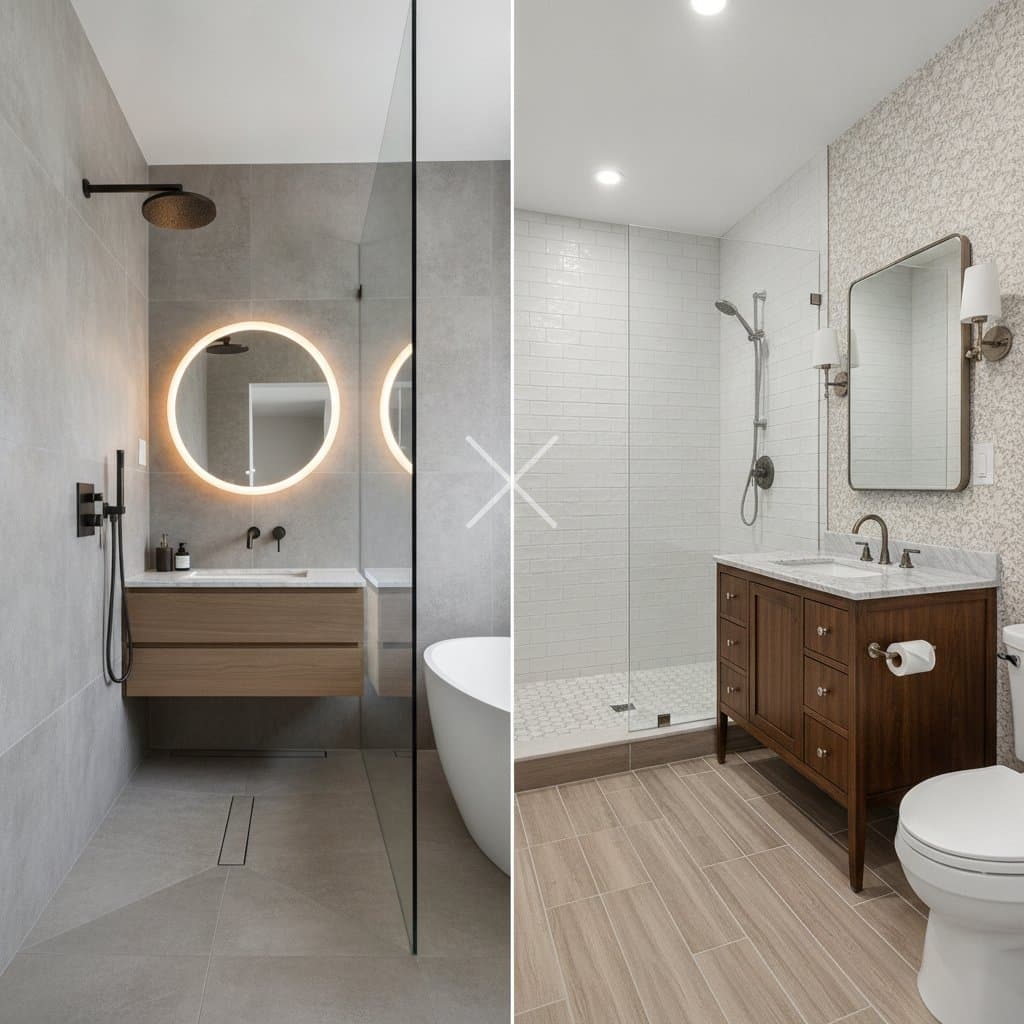
Imported tile prices fluctuate with shipping and tariffs. Domestic ceramic tile offers consistent quality with lower transportation costs. Many manufacturers now produce designs that replicate marble, travertine, or slate.
Use large format matte tiles for modern bathrooms. Choose textured neutrals for entryways. Combine them with dark grout for definition.
Ceramic tile maintains its finish for decades. It handles temperature changes well, making it suitable for both interiors and exteriors. Buying domestic also shortens lead times, which prevents project delays.
Key Principles for Cost Resilient Material Choices
Compare lifespan, maintenance effort, and repair costs when evaluating options. A material that lasts twice as long for a slightly higher price provides better value than a low cost material that requires frequent replacement.
Local materials often sidestep transportation fees and supply chain interruptions. Regional stone, wood, and manufactured products keep money in local economies and reduce delivery delays.
Materials with lower maintenance needs protect your budget over time. Vinyl siding or composite decking might cost more initially but save labor and material expenses for upkeep.
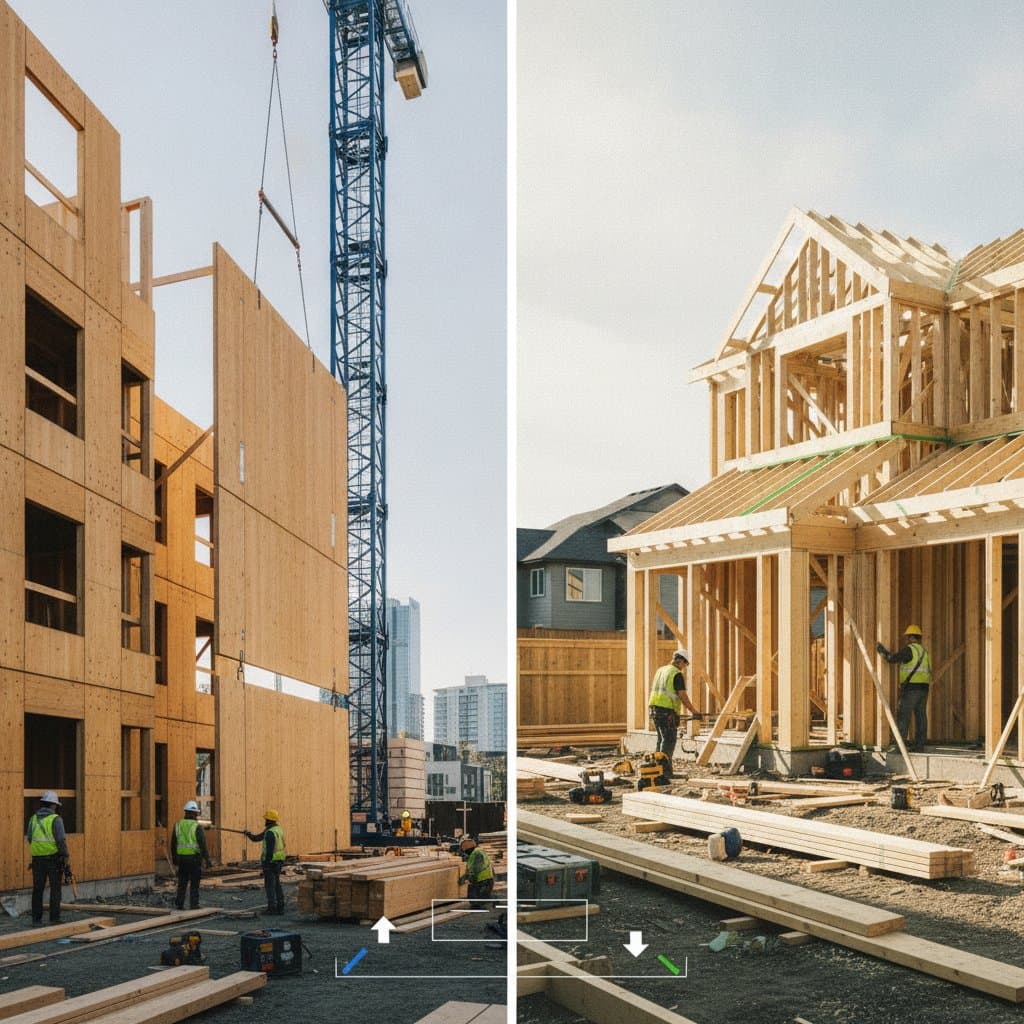
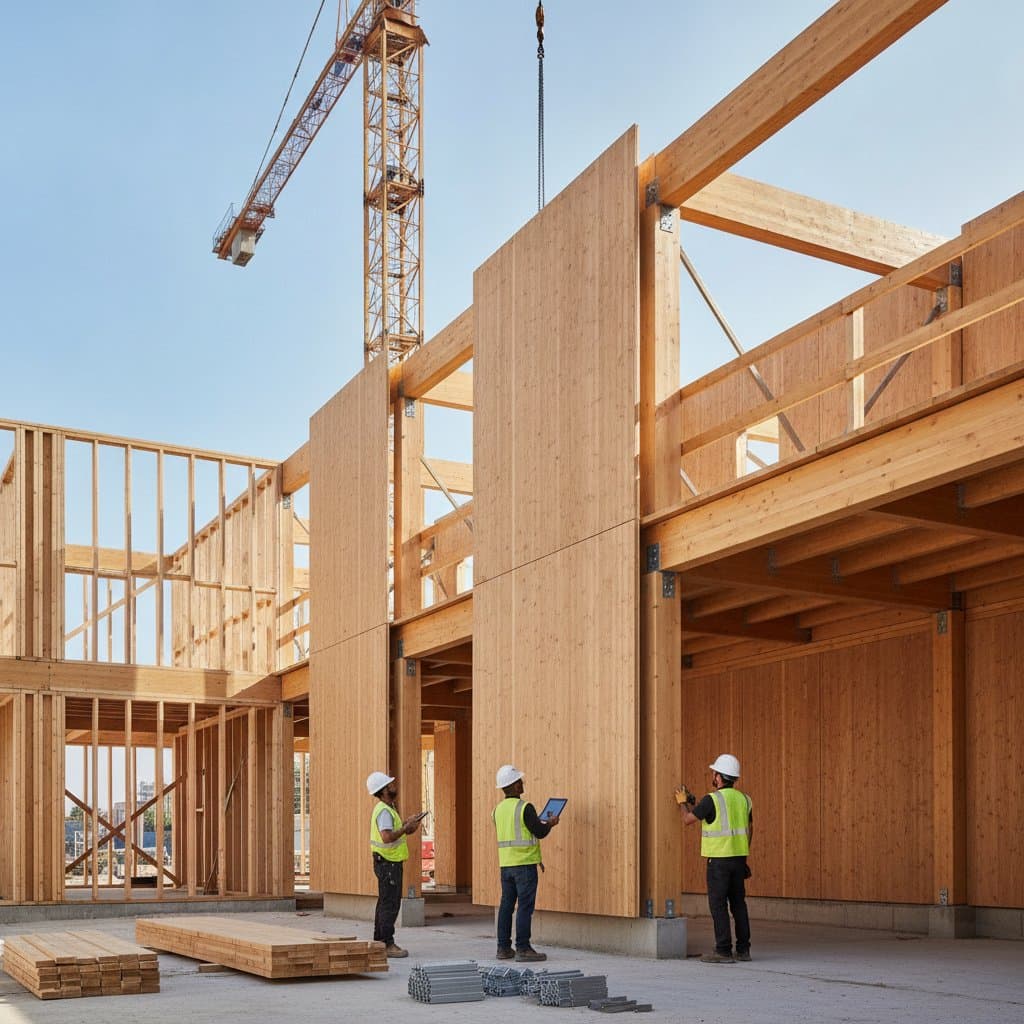
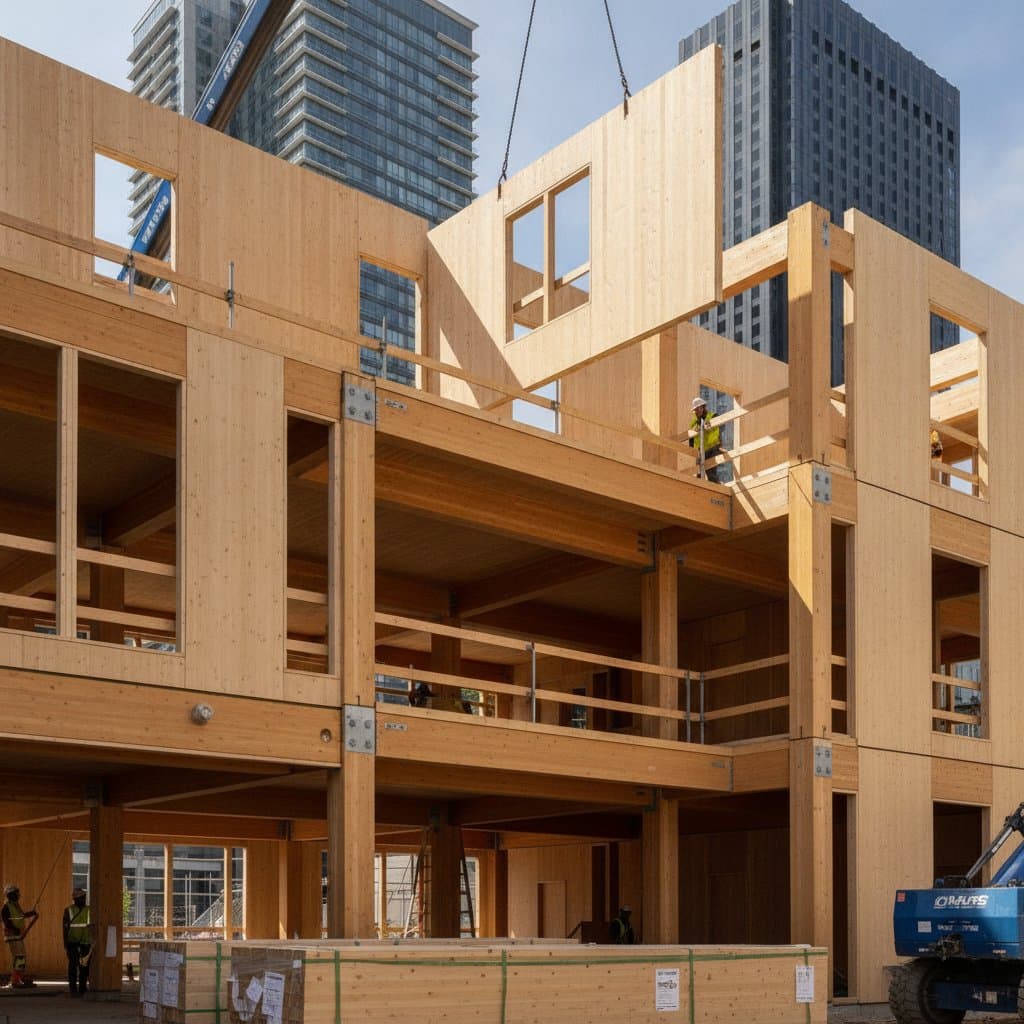
Some materials install faster or with fewer specialized tools. Prefabricated walls, LVP flooring, and composite decking reduce labor hours, which can balance out higher material costs.
Applying These Swaps to Your Next Build
Review your current material list against these alternatives before finalizing specifications. Focus first on high impact areas such as siding, roofing, and outdoor surfaces where inflation hits hardest. Track both initial costs and projected maintenance expenses to confirm long term value. These targeted substitutions help stabilize budgets while preserving quality and visual appeal throughout 2026 and beyond.