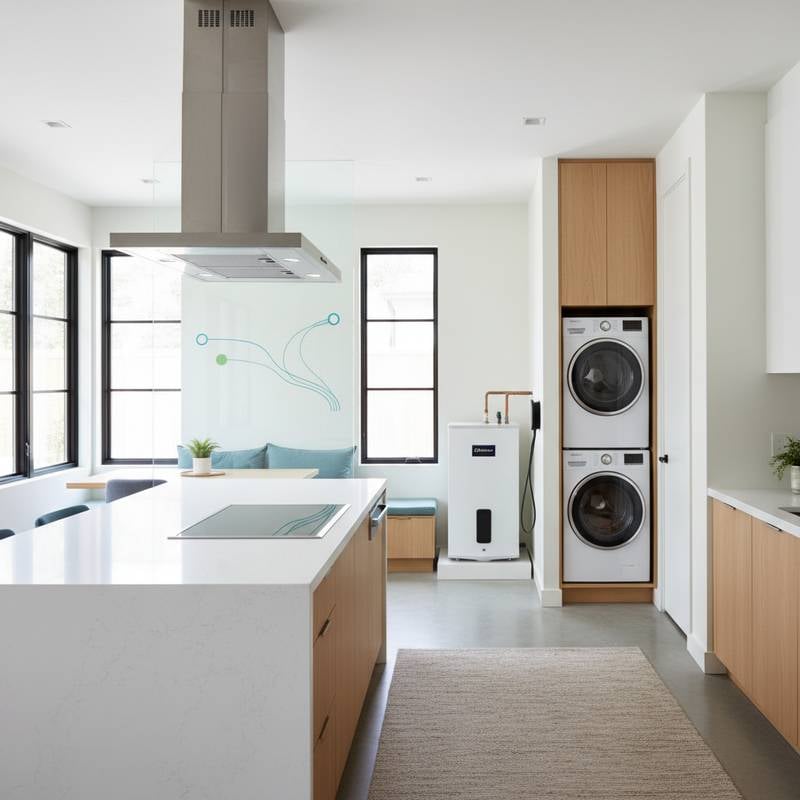
Electrify Your Home: Achieve Substantial Savings on Energy Bills
Essential Overview
Switching from gas to electric appliances lowers energy bills, enhances indoor air quality, and decreases maintenance expenses. Homeowners often manage minor replacements, such as a gas dryer or cooktop, independently, yet comprehensive electrification demands a licensed electrician and plumber. Anticipate moderate complexity, expenses ranging from several hundred to thousands of dollars based on project scale, and durations from one day for a single unit to weeks for complete conversions. Primary hazards encompass electrical shock, gas leaks, and violations of building codes if procedures lack proper safety measures.
Detailed Step-by-Step Guide
1. Assess and Plan the Conversion
Compile an inventory of all gas-powered devices in your residence, including the stove, oven, water heater, furnace, and dryer. Examine their existing gas and electrical connections thoroughly.
- Evaluate the voltage requirements for each, typically 120 or 240 volts.
- Inspect your electrical panel for sufficient available capacity.
Verification Point: Confirm identification of circuits needing upgrades or additions.
2. Conduct a Professional Load Calculation
Engage a licensed electrician to perform a comprehensive calculation of your home's electrical load. This evaluation verifies that your service panel supports the increased demand from new appliances.
Verification Point: Obtain a detailed load calculation report to determine if a panel upgrade proves necessary.
3. Secure and Seal Gas Lines
Caution: Refrain from altering primary gas lines without professional assistance.
For appliance removal, install a fitting gas plug of appropriate size and apply Teflon tape rated for gas applications. Secure the connection tightly and test for leaks using a soapy water solution.
Verification Point: Absence of bubbles or hissing indicates a successful seal; summon your gas utility provider without delay if issues arise.
4. Enhance Electrical Circuits
Establish or modify circuits to accommodate the elevated load. Heavy-duty appliances generally necessitate dedicated 240-volt circuits.
- Select wiring gauged appropriately for the required amperage.
- Incorporate breakers into the panel as specified by code.
Verification Point: Ensure voltage and breaker ratings align precisely with the appliance specifications on its label.
5. Position and Connect the Electric Appliance
Site the new unit in compliance with manufacturer-specified clearances for ventilation and safety. Attach wiring to the designated terminals and either plug into a matching outlet or hardwire following provided guidelines.
Verification Point: The appliance activates without breaker trips or error indications.
6. Evaluate Full Operation
Operate the appliance through a complete cycle or heating phase. Observe for irregular sounds, vibrations, or electrical odors during this test.
Verification Point: Confirm consistent performance, accurate temperature attainment, and freedom from sparks or burning scents.
7. Dispose of or Recycle Former Gas Appliances
Fully disconnect the outdated unit, ensuring all connections cease activity. Convey it to a certified recycling facility or metal salvage operation. Numerous utility companies provide incentives for transitioning to electric alternatives.
Verification Point: All gas and electrical connections remain capped or sealed without exception.
Troubleshooting and Quality Assurance
Frequent Challenges
- Breaker Tripping: Indicates insufficient circuit rating or undersized wiring; resolve by upgrading the breaker or increasing wire gauge.
- Power Absence: Inspect outlet voltage and breaker status for resolution.
- Odor of Burning: Suggests improper wiring or overload; disconnect power instantly and consult a licensed electrician.
- Lingering Gas Smell: Points to inadequate sealing of gas lines; close the valve promptly and notify your gas utility.
Efficiency Concerns
Should a new electric stove or water heater exhibit delayed heating, confirm that circuit voltage corresponds to the unit's rating. Undersized voltage or extended wiring distances diminish operational efficiency.
Engaging Professional Assistance
- Service Panel Modifications: Employ a licensed electrician exclusively for panel or meter alterations.
- Gas Line Disconnections: Delegate to a certified plumber or gas specialist for main line handling.
- Regulatory Adherence: Select contractors versed in local electrical and energy regulations.
- Comprehensive Home Electrification: Coordinate efforts among electricians, HVAC experts, and energy advisors as required.
Estimated expenses include:
- Individual Appliance Replacement: 300 to 1,500 dollars, encompassing labor and materials.
- Panel Enhancement: 1,500 to 4,000 dollars.
- Entire Home Transition: 8,000 to 25,000 dollars, varying by home size and appliance count.
Solicit written proposals from no fewer than three licensed professionals. Request verification of licenses, insurance documentation, and warranty provisions. Review references prior to commencing any work.
Advantages in Energy Efficiency and Expenses
Electric appliances demonstrate superior energy conversion compared to gas counterparts. Heat pump models for water heating and drying reduce consumption by as much as 50 percent relative to conventional gas units. Induction cooktops deliver precise, immediate heat while minimizing energy loss. Discontinuing gas service eliminates associated monthly charges from utilities.
Long-term financial benefits extend to reduced maintenance, as electric systems feature fewer mechanical components and avoid combustion-related risks. Incentives from utilities and energy initiatives, including rebates and favorable financing, offset initial investments significantly. For instance, programs in many regions subsidize up to 30 percent of conversion costs for qualifying households.
Enhancements in Safety and Ecology
Electrification elevates indoor air purity by eliminating combustion byproducts like carbon monoxide and nitrogen dioxide. Absence of open flames in electric operations lowers fire hazards substantially. Moreover, this shift curtails personal contributions to greenhouse gas emissions, particularly when electricity derives from renewable origins such as solar or wind.
Retain carbon monoxide detectors near any remaining gas appliances, testing them monthly and replacing every five years. Maintain adequate ventilation practices post-conversion to sustain optimal air circulation.
Expert Recommendations for Optimal Results
- Time projects for temperate seasons to minimize disruptions to essential heating or cooking functions.
- Install a comprehensive home energy monitoring system to quantify usage patterns and validate savings.
- Close off disused vents or flues to block drafts and humidity ingress.
- Mark new circuits distinctly within the panel directory for simplified future access.
- Archive appliance manuals and receipts to facilitate warranty activations and rebate submissions.
Frequently Asked Questions
How much can I save annually by electrifying my home? Savings vary by location and usage, but typical households report 20 to 40 percent reductions in energy costs, equating to 500 to 1,500 dollars yearly depending on appliance efficiency and local rates.
Do I need to upgrade my entire electrical system? Not always; a load calculation determines needs. Many homes accommodate partial upgrades without full panel replacement.
Are electric appliances safer than gas ones? Yes, they eliminate gas leak and combustion risks, though proper installation remains essential to prevent electrical issues.
What rebates are available? Check with your utility provider or visit government energy sites for programs like federal tax credits up to 2,000 dollars for heat pumps and efficient appliances.
How long does a full conversion take? Single appliances install in hours to days; whole-home projects span two to six weeks, including permits and inspections.
Advance Toward an Efficient Future
Electrifying your residence demands thoughtful preparation, yet delivers enduring advantages in comfort, affordability, and security. Initiate with a single appliance swap, verify electrical readiness, and involve qualified experts for intricate tasks. Progressive upgrades propel your living space toward a streamlined, fully electric paradigm that conserves resources and fosters environmental stewardship.