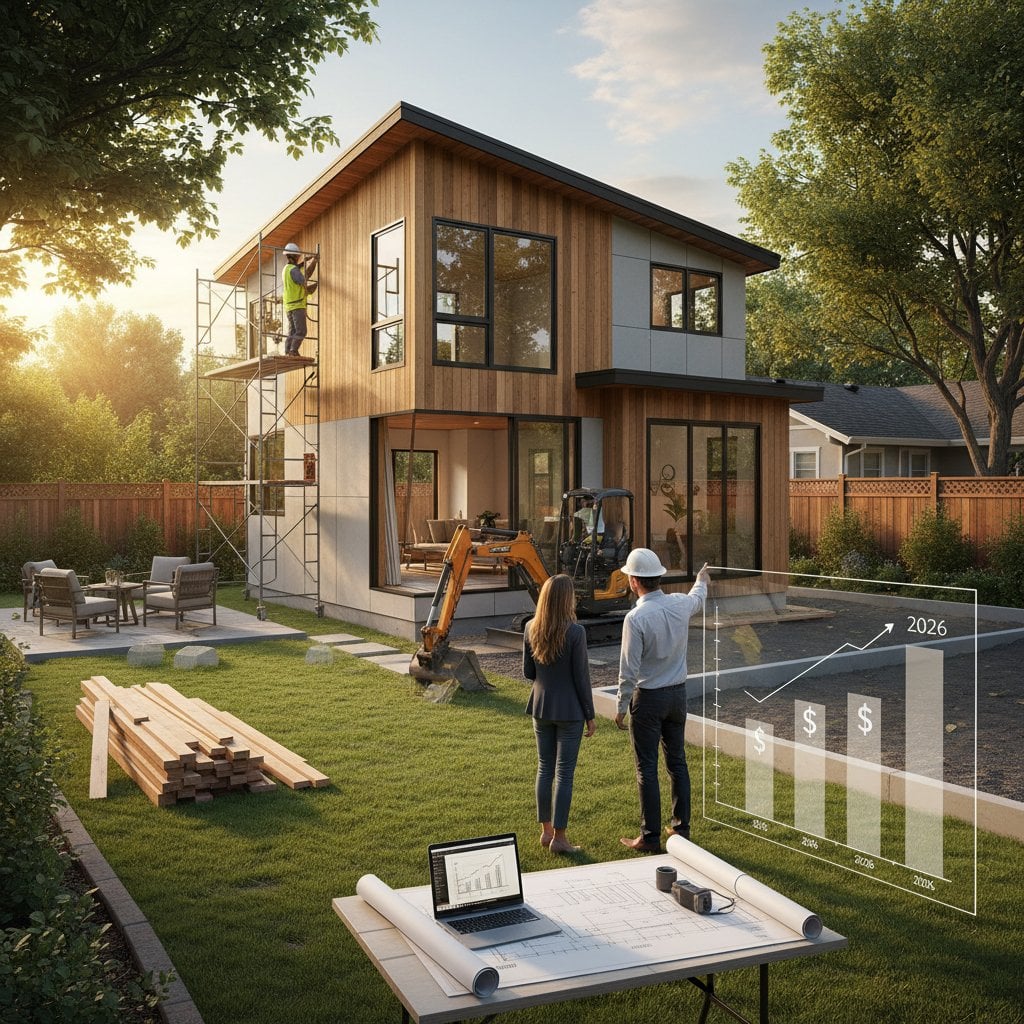
Understanding Backyard Accessory Dwelling Units
Accessory dwelling units (ADUs) provide versatile living spaces on existing properties. These structures, often called granny flats or backyard cottages, serve as guest houses, home offices, or rental units. In 2026, demand for ADUs continues to rise due to housing shortages and multigenerational living trends.
Homeowners value ADUs for their potential to increase property utility without major disruptions. Local zoning laws increasingly support these additions, making them accessible in many urban and suburban areas. Before proceeding, verify regulations in your jurisdiction to ensure compliance.
Projected Costs for 2026
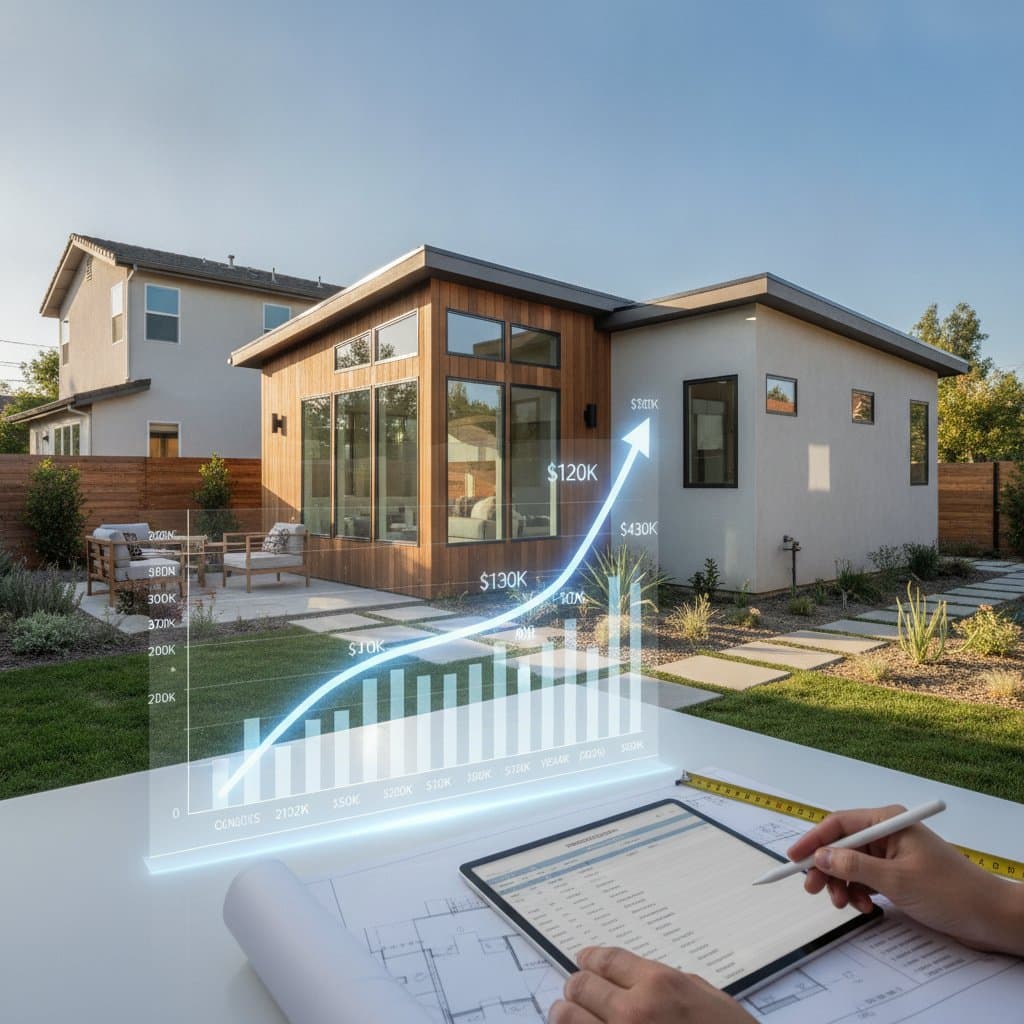
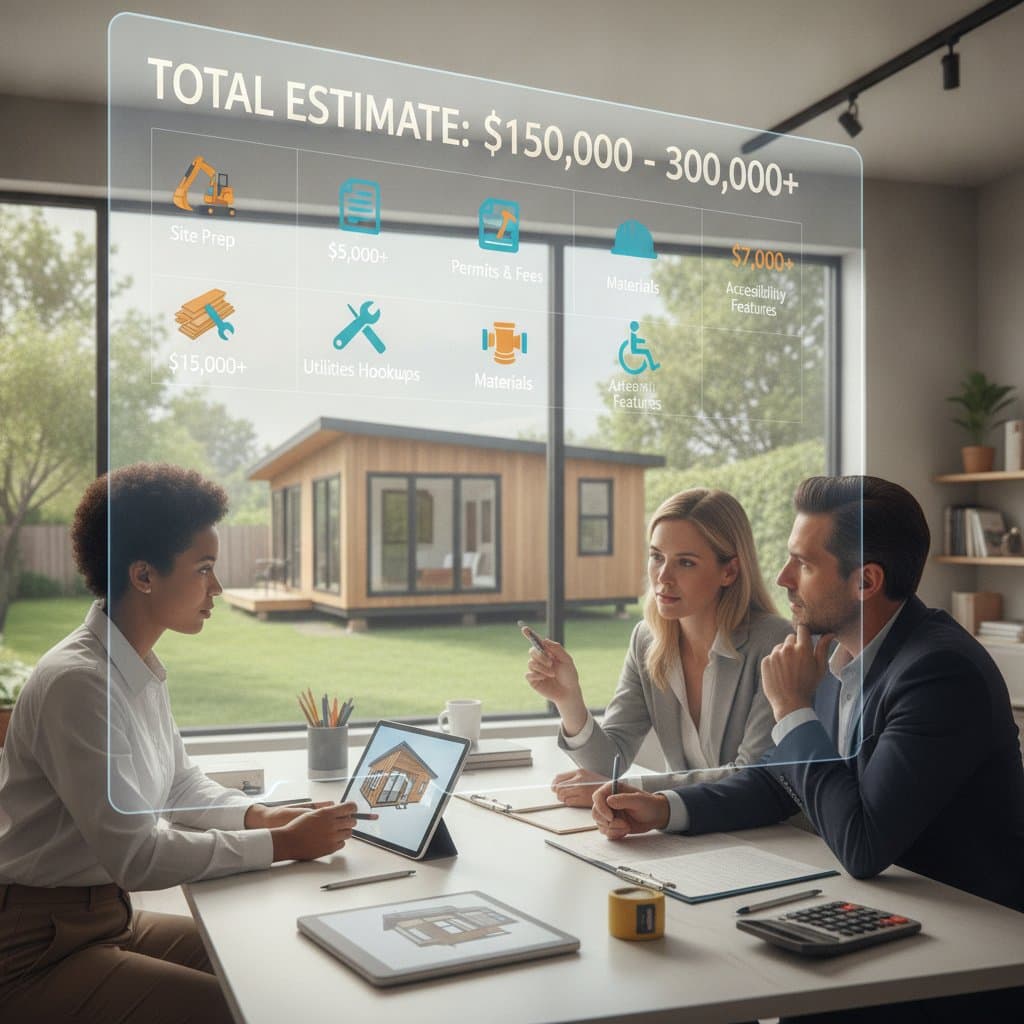
The average cost to build a backyard ADU in 2026 falls between $180,000 and $350,000. This range accounts for a standard 400- to 800-square-foot unit with basic to mid-level finishes. Prices reflect inflation, material costs, and labor rates projected for the year.
Smaller units under 500 square feet start near the lower end, while larger or custom designs approach $350,000. Site preparation, such as grading or utility connections, adds 10 to 20 percent to the total. Budget carefully to cover these variables.
Factors Influencing ADU Expenses
Several elements determine the final price tag of an ADU project. Location plays a significant role; urban areas with high labor costs exceed rural estimates by 15 to 25 percent. Material selections, from standard framing to premium siding, directly impact budgets.
Design complexity also affects costs. Simple, prefabricated models reduce expenses compared to site-built structures with custom features like vaulted ceilings or energy-efficient systems. Utility hookups for water, electricity, and sewage represent another key variable, often requiring professional assessments.
Environmental considerations, such as seismic retrofitting in earthquake-prone regions, increase outlays. Obtain quotes from multiple contractors to compare these factors and secure competitive pricing.
Detailed Cost Breakdown
Foundation and Site Work
Foundation costs range from $20,000 to $50,000, depending on soil conditions and unit size. Flat sites require less excavation, keeping expenses lower. Sloped or rocky terrain demands additional engineering, pushing costs higher.
Site preparation includes clearing, grading, and drainage installation. These steps prevent future issues like water pooling. Allocate 10 percent of your budget here for unforeseen adjustments.
Structural Framing and Exterior
Framing and exterior elements account for $60,000 to $120,000. Wood framing remains cost-effective, while steel options suit specific designs. Roofing, siding, and windows contribute to durability and aesthetics.
Energy-efficient materials, such as insulated panels, add upfront costs but yield long-term savings. Select weather-resistant finishes to withstand local climates. Professional installation ensures structural integrity.
Interior Finishes and Systems
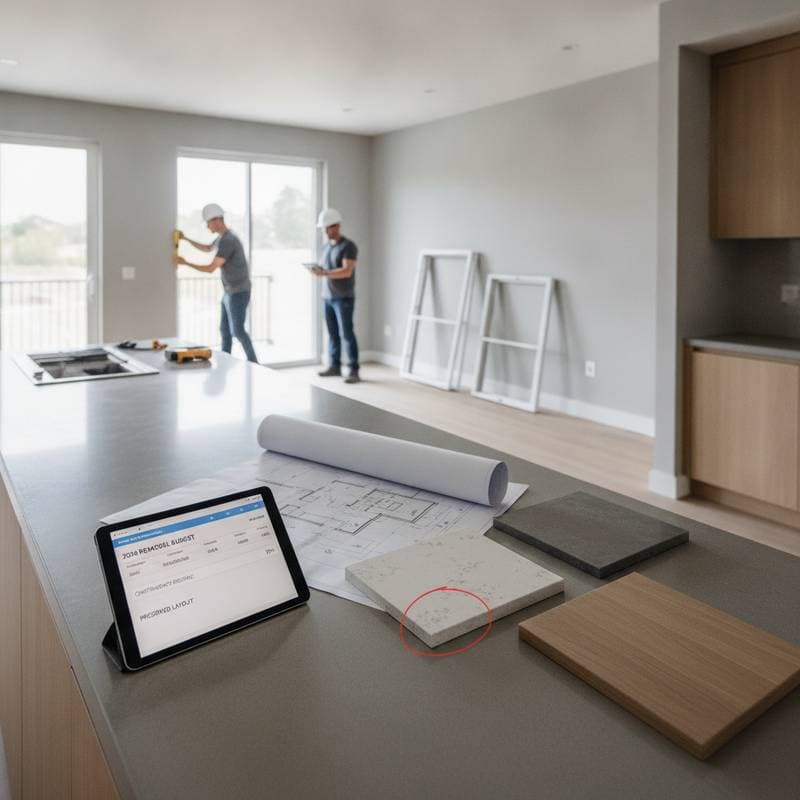
Interior work, including plumbing, electrical, and HVAC, totals $50,000 to $100,000. Basic kitchens and bathrooms keep costs down, while luxury appliances elevate prices. Lighting and flooring choices enhance functionality.
Mechanical systems must meet building codes for safety and efficiency. Integrate smart home features if desired, but weigh their value against added complexity. Hire licensed specialists for these installations.
Permits, Fees, and Contingencies
Permits and fees comprise 5 to 10 percent of the budget, or $10,000 to $25,000. Architectural plans and engineering reviews incur separate charges. Set aside 10 to 15 percent for contingencies to handle delays or changes.
Insurance and financing costs vary by lender. Explore grants or incentives for energy-efficient builds to offset expenses. Track all documentation to streamline approvals.
Navigating Permits and Regulations
Securing permits forms the foundation of any ADU project. Contact your local planning department early to review zoning requirements. Most areas mandate setbacks, height limits, and occupancy standards.
Submit detailed plans prepared by a licensed architect or engineer. Expect reviews to take 4 to 8 weeks. Address any revisions promptly to avoid timeline extensions.
Inspections occur at key stages: foundation, framing, and final completion. Schedule these with certified inspectors to confirm code adherence. Non-compliance leads to costly rework.
Construction Timeline Overview
The full ADU build process spans six to ten months in 2026. Planning and permitting consume the first one to two months. Design finalization and contractor selection follow closely.
Construction phases, from foundation to finishing, require three to six months. Weather delays or supply chain issues may extend this period. Coordinate with your team to maintain momentum.
Post-construction walkthroughs and occupancy approvals mark the end. Factor in seasonal timing; spring and summer starts often yield faster completions. Monitor progress weekly to stay informed.
Essential Steps for a Successful Build
-
Assess your property and needs. Measure available space and define the ADU's purpose, such as rental income or family housing.
-
Research local laws. Consult zoning maps and attend community meetings to understand restrictions and incentives.
-
Hire professionals. Engage architects, contractors, and engineers with ADU experience. Verify licenses and references.
-
Develop a detailed budget. Include all categories and add a buffer for inflation or changes.
-
Obtain financing. Explore home equity loans, construction financing, or personal savings options.
-
Oversee construction. Visit the site regularly and communicate with your team to resolve issues quickly.
-
Plan for occupancy. Arrange utilities, furnishings, and insurance once the build completes.
Strategies to Control Costs and Enhance Value
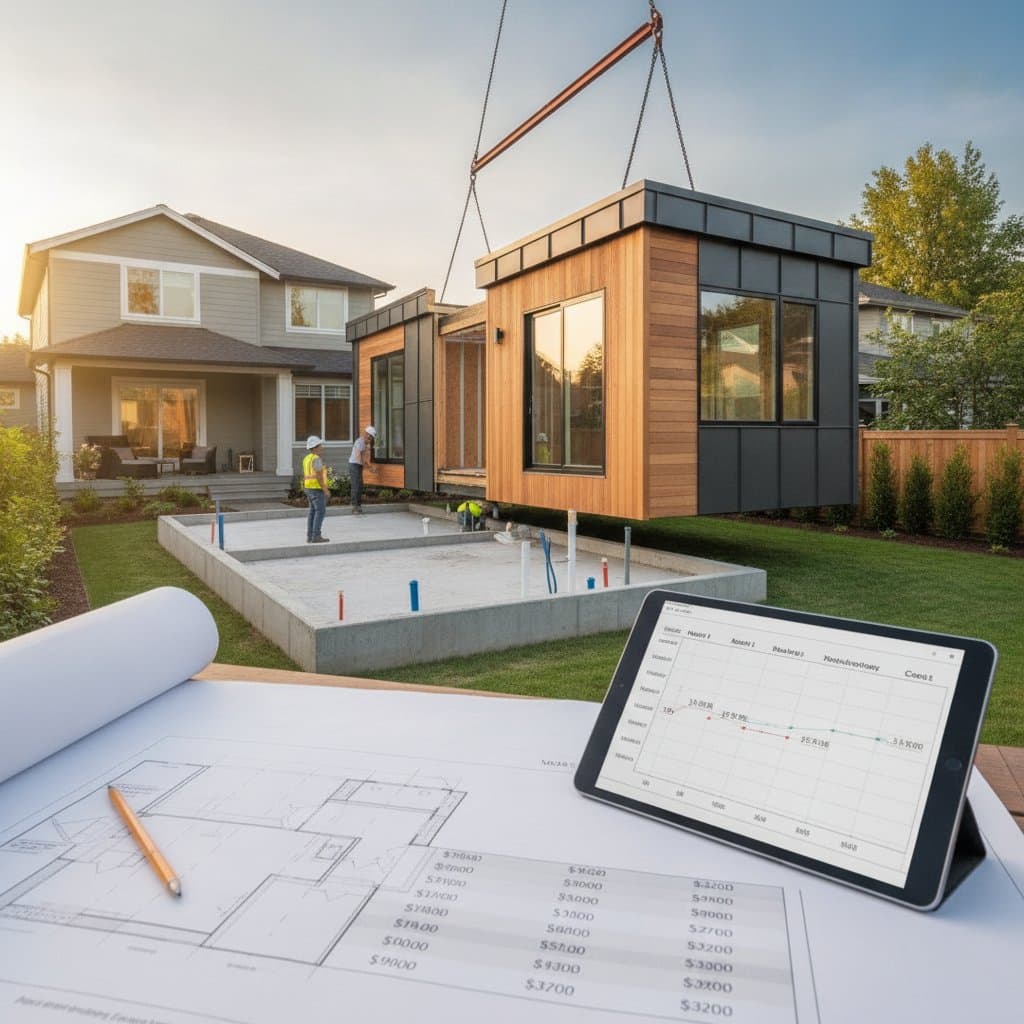
Opt for modular or prefab ADUs to cut labor expenses by up to 20 percent. These units arrive pre-assembled, reducing on-site time. Ensure they meet local codes for seamless integration.
Prioritize sustainable features like solar panels or high-efficiency appliances. These qualify for rebates and lower utility bills over time. Balance initial investments with future benefits.
Collaborate with experienced builders to avoid common pitfalls. Clear contracts outline scopes, timelines, and payments. Regular updates keep the project on track.
Realizing the Benefits of Your ADU Investment
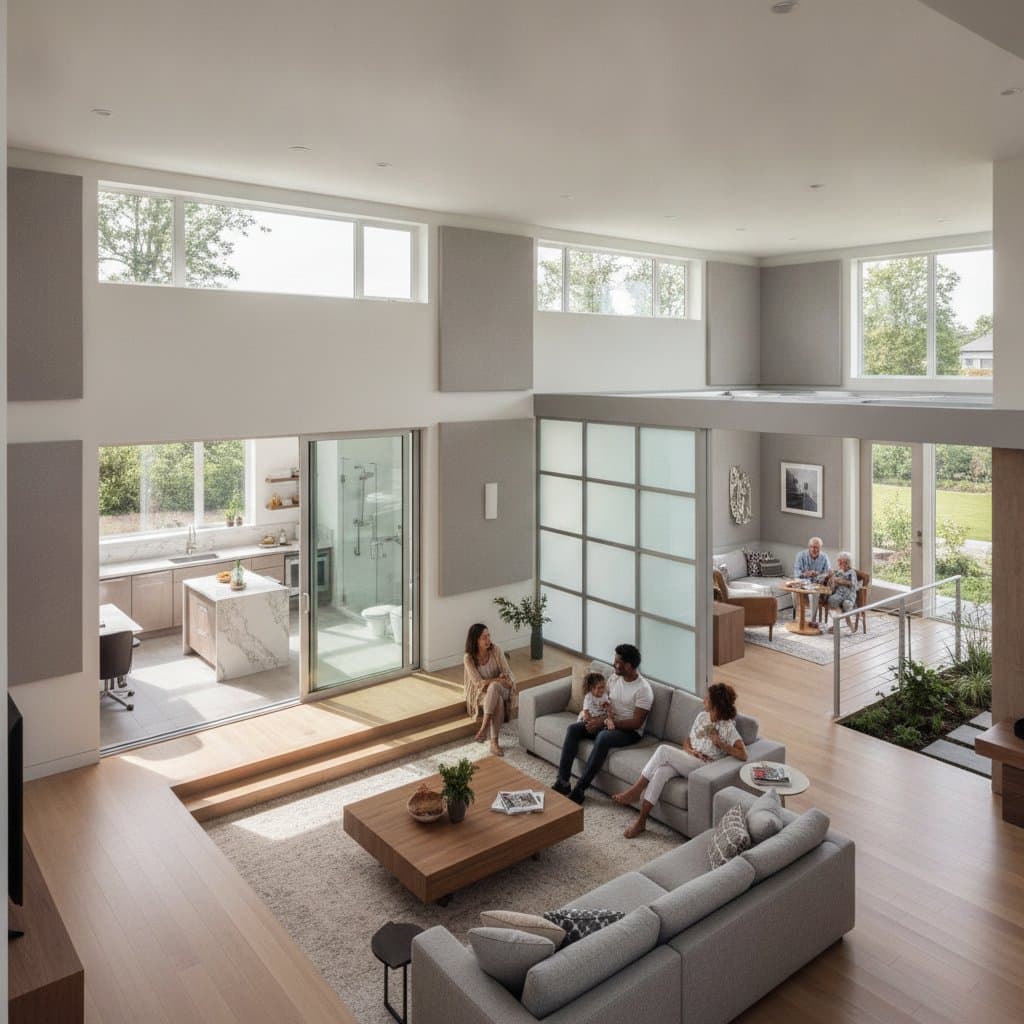
A well-planned ADU enhances property value and provides flexible living options. Rental potential generates steady income, while family use fosters closer connections. Energy-efficient designs promote sustainability.
Homeowners report satisfaction with added space and privacy. The investment pays dividends through increased equity and utility. Start your project with confidence, armed with these insights, to achieve lasting results.