Understanding Foundation Flood-Proofing
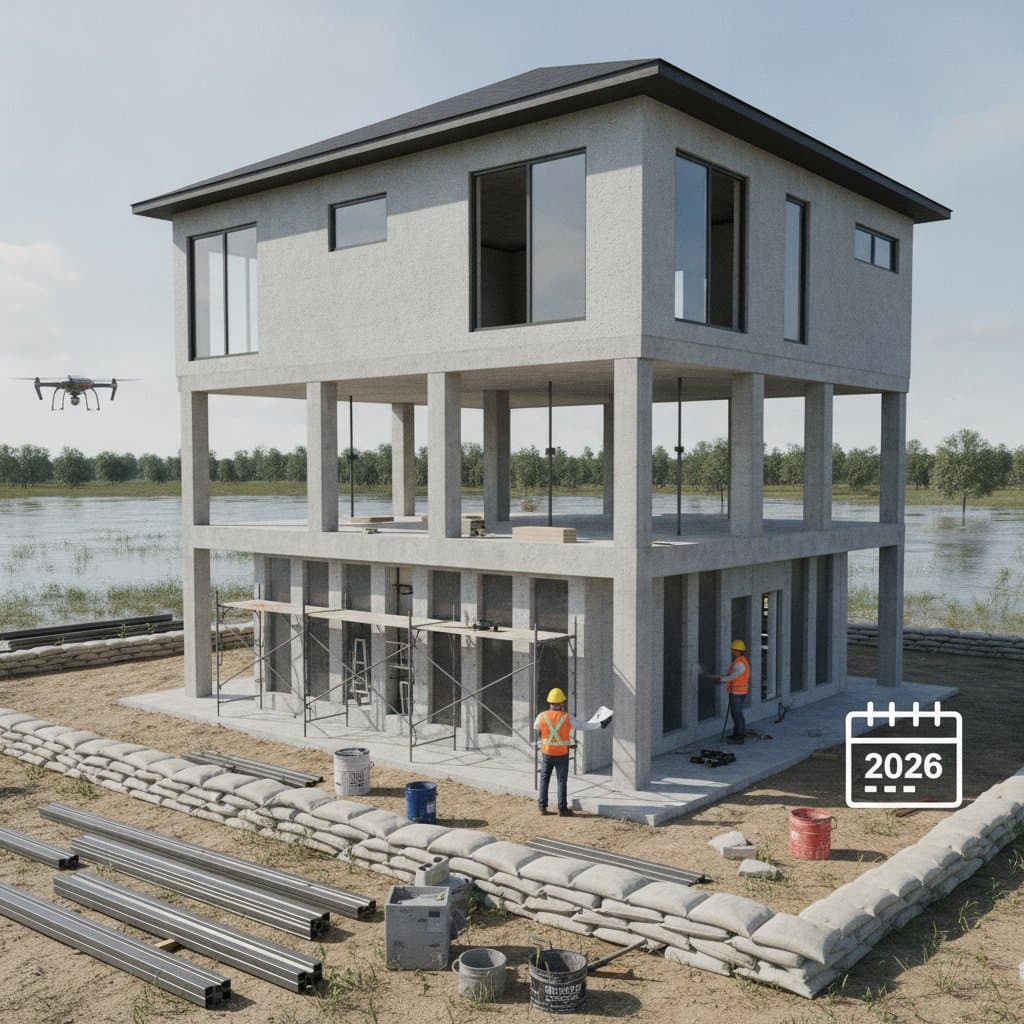
Flooding poses a significant threat to home foundations, leading to structural damage, mold growth, and expensive repairs. In 2026, with increasing weather volatility, homeowners invest in flood-proofing to safeguard their properties. This process involves sealing, draining, and reinforcing the foundation to repel water intrusion effectively.
Effective flood-proofing requires assessing your home's location, soil type, and local flood risks. Professionals recommend combining multiple strategies for optimal results. Homeowners who act proactively avoid the average $10,000 annual cost of water-related damages reported by insurance agencies.
Breaking Down the Costs in 2026
The total expense for flood-proofing varies based on project scope, location, and materials. Basic waterproofing applications start at $8,000 for smaller homes, while comprehensive systems with excavation and advanced drainage reach $35,000 or more. Labor accounts for 40 to 60 percent of the budget, with materials comprising the rest.
Key cost factors include:
- Permits and Inspections: Local building codes mandate permits, costing $200 to $1,500. Inspections ensure compliance with 2026 flood zone regulations.
- Drainage Systems: Installing French drains or perimeter piping ranges from $2,000 to $10,000, depending on trench length.
- Sump Pumps: A primary sump pump with battery backup costs $1,500 to $3,000, including installation.
- Waterproof Coatings: Applying sealants to foundation walls adds $1,000 to $5,000.
- Additional Features: Backflow valves or interior sealing push costs higher, up to $15,000 for full retrofits.
Homeowners in high-risk areas may qualify for grants or low-interest loans through federal programs. Consulting a local contractor provides a precise estimate tailored to regional material prices and labor rates.
Essential Flood-Proofing Methods
Several proven methods protect foundations from water. Exterior approaches redirect water away from the structure, while interior solutions manage any that enters. Selecting the right combination depends on your budget and flood severity.
Exterior Waterproofing Techniques
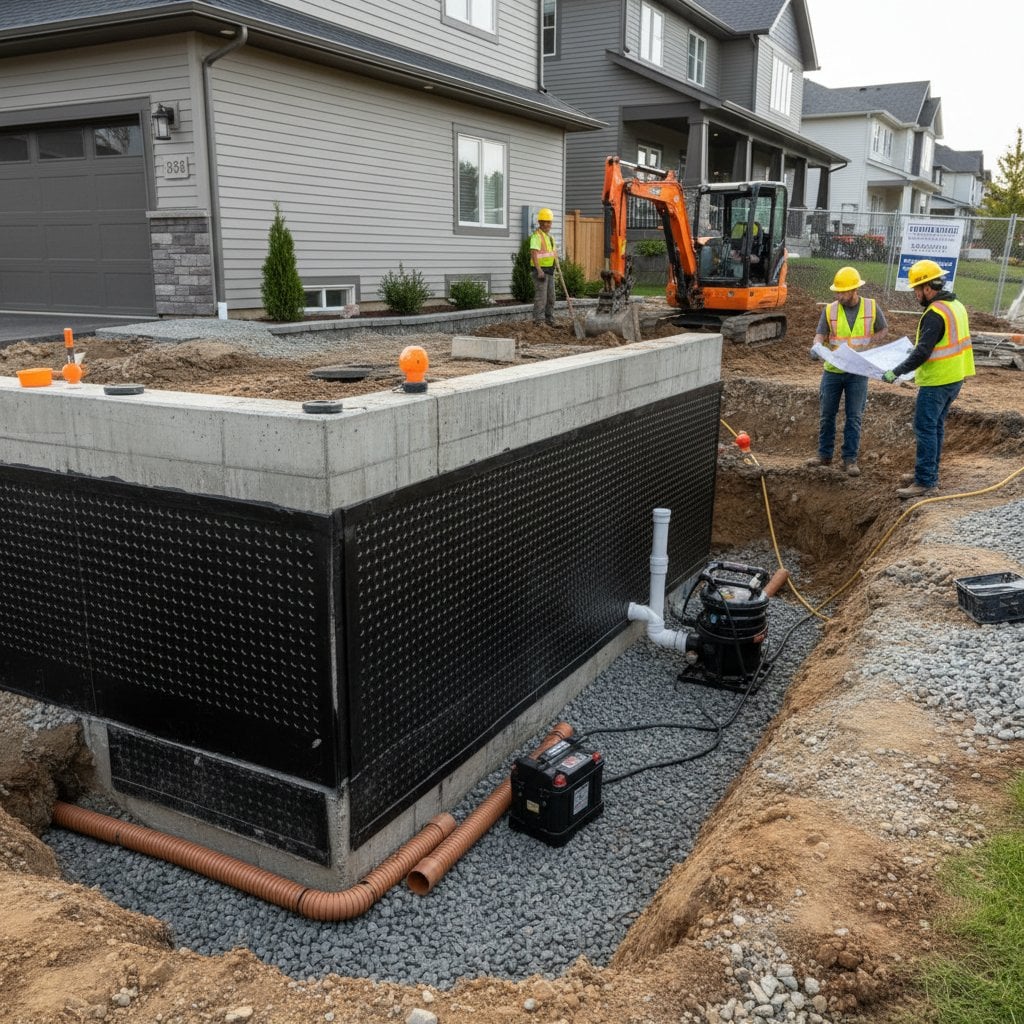
Exterior methods focus on preventing water contact with the foundation. Digging a trench around the perimeter allows for drainage installation and sealant application. This approach offers long-term protection but requires significant upfront work.
Interior Waterproofing Options
Interior systems handle water that reaches the basement or crawl space. Sump pumps and interior drains collect and expel moisture efficiently. These methods suit homes where exterior access proves challenging.
Step-by-Step Guide to Flood-Proofing
Implementing flood-proofing follows a structured process. Begin with planning and end with testing. Most projects span 3 to 10 days, depending on complexity.
-
Assess and Plan: Evaluate your foundation for cracks, poor grading, or existing damage. Obtain necessary permits from local authorities. Hire a structural engineer if the home sits in a designated flood zone.
-
Prepare the Site: Clear vegetation and debris around the foundation. Mark excavation lines using a laser level for accuracy. Ensure proper safety measures, including barriers to protect utilities.
-
Excavate and Install Drainage: Dig a trench 6 to 12 inches wide and 2 feet deep along the foundation. Place perforated PVC pipe at the base, surrounded by gravel for filtration. Slope the pipe at least 1 percent toward a discharge point away from the home.
-
Apply Waterproofing: Seal foundation walls with a high-quality, masonry-rated coating using a brush or roller. For interior work, install a vapor barrier over walls and floors. Patch any cracks with concrete mix before sealing.
-
Install Sump Pump System: Position the sump pit in the lowest interior area. Connect the pump to a discharge line with a check valve to prevent backflow. Add a battery backup for power outages.
-
Backfill and Grade: Refill the trench with gravel and soil, compacting layers to avoid settling. Regrade the yard to direct water away from the foundation, maintaining a 6-inch drop over the first 10 feet.
-
Test and Inspect: Run water tests to verify drainage and pump function. Schedule a final inspection to confirm code compliance.
Tools and Materials Needed
Gathering the right supplies ensures efficient work. Source materials from reputable suppliers for durability.
- Masonry brush or roller
- Waterproof coating or sealant rated for foundation use
- Drainage pipe, 4-inch perforated PVC
- Gravel, washed and 3/4-inch size
- Sump pump with check valve
- Vapor barrier
- Concrete patch mix
- Shovel, wheelbarrow, trowel
- Laser level or string line
- Safety gear: gloves, mask, goggles, boots
Cleanup and Disposal
Proper cleanup maintains site safety and complies with environmental standards. Dispose of waste responsibly to avoid fines.
- Remove leftover concrete, sealant containers, and debris. Transport them to a local building materials recycling center or approved landfill.
- Rinse tools with clean water before storing them properly.
- Regrade any disturbed soil and reseed the area to prevent erosion and promote regrowth.
Maintenance and Lifespan
Flood-proofing systems last 10 to 25 years with regular upkeep. Consistent maintenance extends performance and prevents minor issues from escalating.
Care Schedule
- Inspect grading and gutters twice a year to ensure proper water flow.
- Test the sump pump every three months by filling the basin with water and observing operation.
- Check the backup power source annually for battery health and connections.
- Reapply waterproof coating every 5 to 10 years, or sooner if flaking or wear appears.
Signs You Need Repair or Replacement
Monitor for indicators of system failure to address problems promptly.
- Persistent dampness or musty smell in the basement
- Paint bubbling near the floor line
- Increased sump pump cycling frequency
- Mold growth or returning water marks
When to Call a Professional
Certain tasks demand expert intervention to ensure safety and effectiveness. Avoid attempting complex work without qualifications.
Hire a licensed contractor when:
- Excavation requires depths greater than 2 feet near footings.
- Structural cracks exceed 1/2 inch in width.
- Flood mitigation includes backflow preventers or connections to storm drains.
Professionals bring specialized equipment and knowledge of local codes, reducing risks and guaranteeing quality results.
Pro Tips for Lasting Protection
Enhance your project with these practical recommendations.
- Maintain a photo record before, during, and after the project to document changes and support insurance claims.
- Install a battery backup for the sump pump to handle power disruptions.
- Use gravel rather than sand near the foundation to avoid clogging drainage paths.
- Combine interior and exterior methods for comprehensive defense against water intrusion.
Investing in flood-proofing secures your home against rising waters and preserves property value. A fortified foundation withstands storms, minimizes repair needs, and provides peace of mind for years ahead.