Biophilic Remodel Costs: Nature's Wellness Boost
A biophilic remodel integrates natural elements into home spaces to elevate comfort, health, and overall mood. This approach incorporates natural light, greenery, organic textures, and materials that mimic the outdoors. For those planning a renovation that promotes restoration and vitality, a clear grasp of biophilic remodel costs enables informed budgeting and prioritization of impactful features.
Understanding Biophilic Design
Biophilic design fosters a deep human affinity for nature by incorporating elements such as wood, stone, and vegetation into indoor environments. These components create spaces that promote equilibrium and vitality. The core principle holds that exposure to natural motifs and substances indoors cultivates tranquility and concentration. Factors including light, texture, sound, and air quality all contribute to this sensory experience.
Biophilic remodels span a spectrum from modest enhancements, such as installing skylights or placing indoor plants, to comprehensive overhauls like altering wall configurations for optimal light penetration or adding natural airflow mechanisms. Expenses hinge on the project's scale, selected materials, and execution quality. Breaking down these components clarifies the financial commitment involved.
Key Elements That Influence Cost
Each biophilic renovation involves decisions that shape both the budget and the outcome. The following outlines primary considerations.
1. Natural Light Enhancements
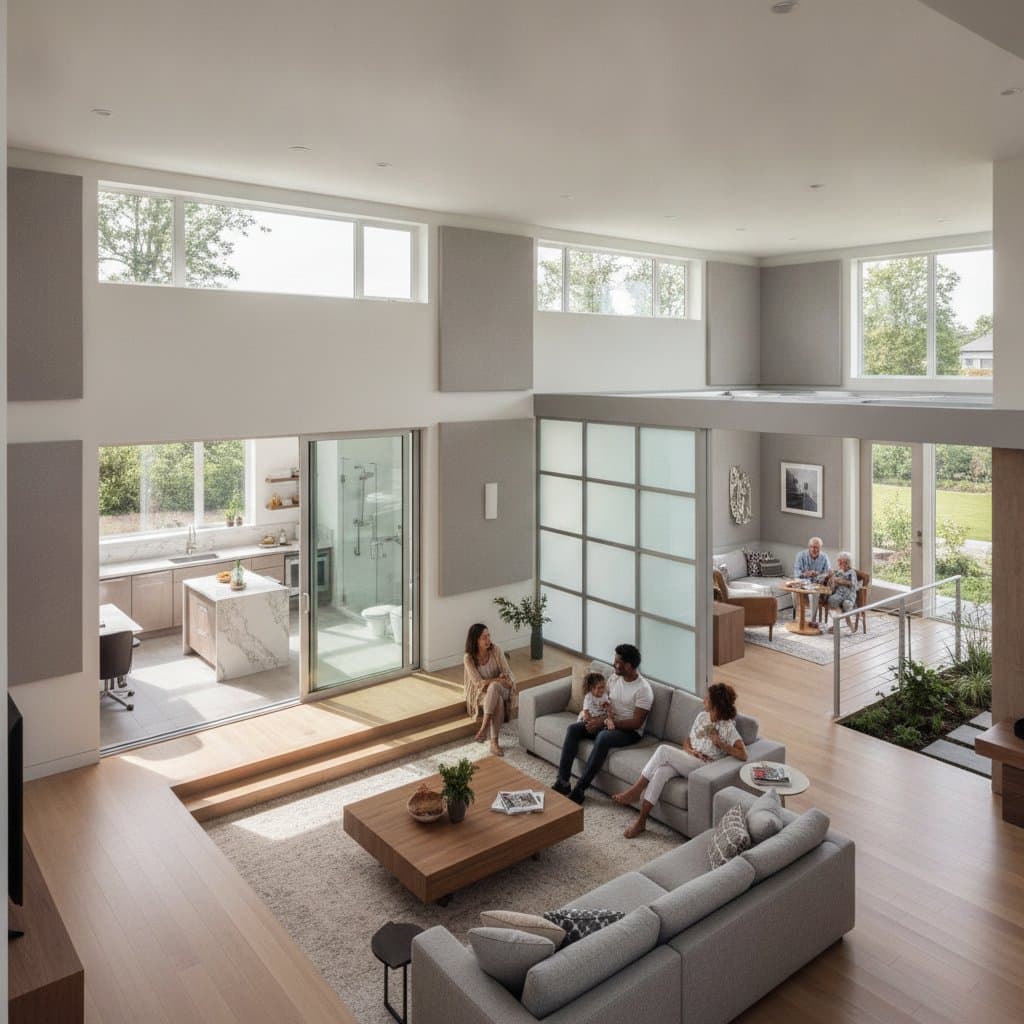
Enlarging windows, installing skylights, or incorporating glass partitions can revitalize dim interiors. Structural modifications, such as reframing or bespoke glazing, typically demand greater investment.
Natural light diminishes reliance on electric illumination and uplifts room ambiance.
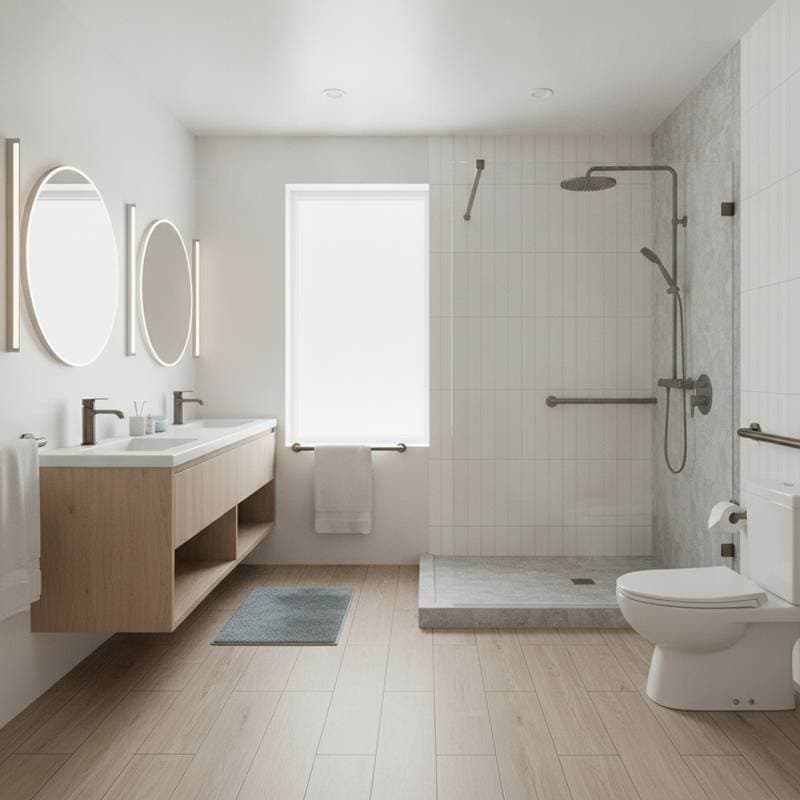
Pair light wood floors with pale walls to amplify and soften the glow.
Costs for these upgrades range from $1,500 to $5,000 for standard skylights, escalating to $10,000 or more for custom glass installations.
2. Living Greenery Features
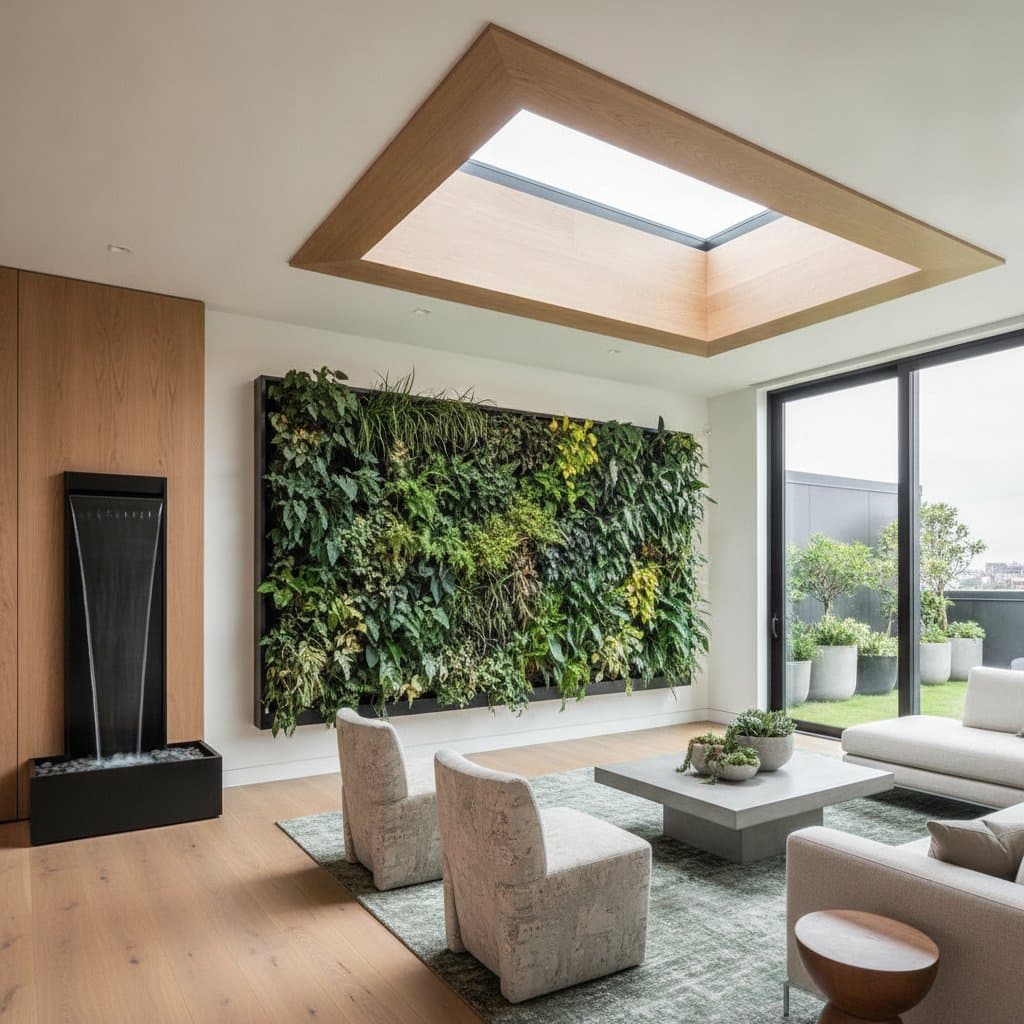
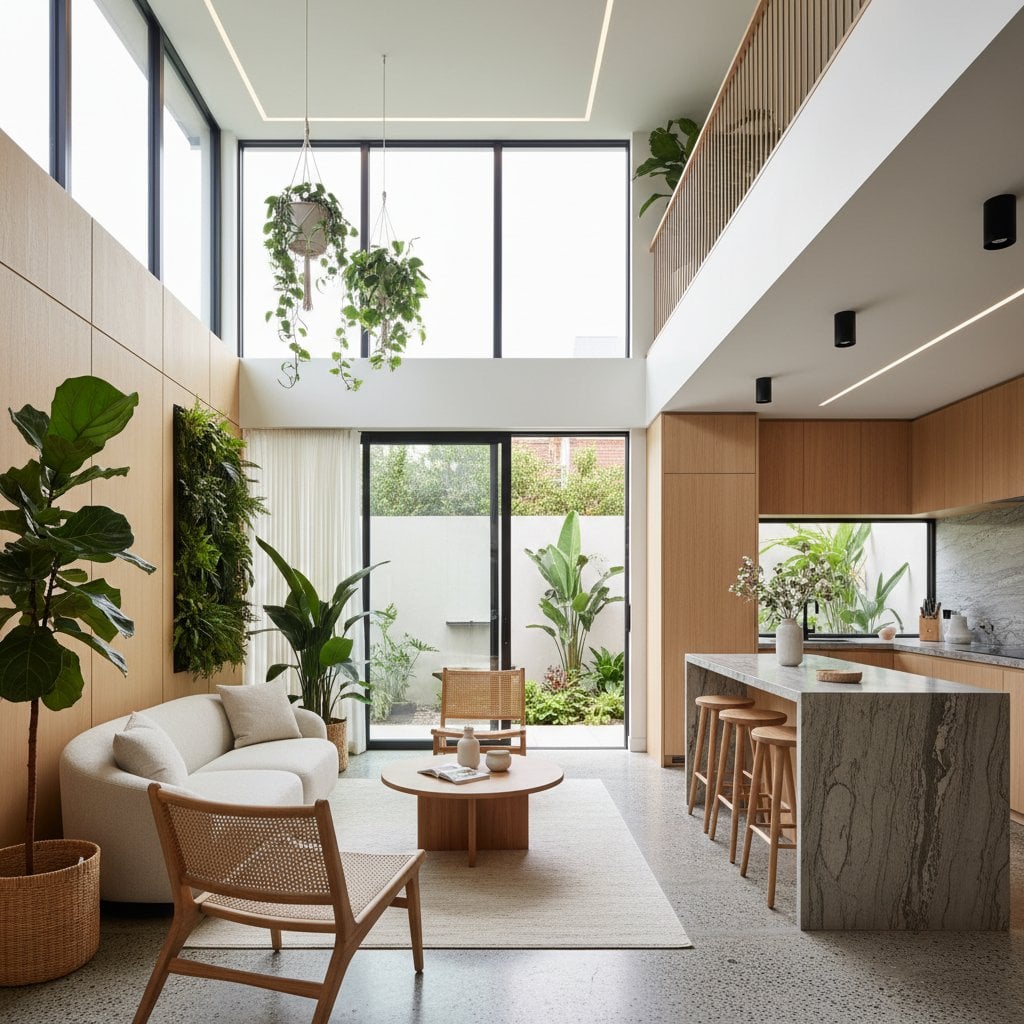
Incorporating vertical plant walls, built-in planters, or dedicated green zones establishes an immediate link to the natural world.
Vegetation purifies air, tempers rigid surfaces, and infuses organic hues.
Blend greenery with stone or clay elements to ground the design.
A compact living wall costs around $2,000 to $4,000, whereas expansive setups with automated irrigation may exceed $8,000.
3. Natural Materials and Finishes
Selections like wood, bamboo, cork, clay, and stone impart warmth and depth. Prices fluctuate based on material type, treatment, and labor.
These substances develop patina over time and enrich sensory engagement.
Opt for oak or ash planks alongside limewashed surfaces for an understated, grounded aesthetic.
Budget $3 to $10 per square foot for basic installations, with premium options reaching $15 to $25 per square foot.
4. Water and Air Features
Compact fountains, passive ventilation setups, or humidity-regulating systems heighten sensory comfort.
Water's gentle motion and sound foster serenity, while optimized air quality bolsters health.
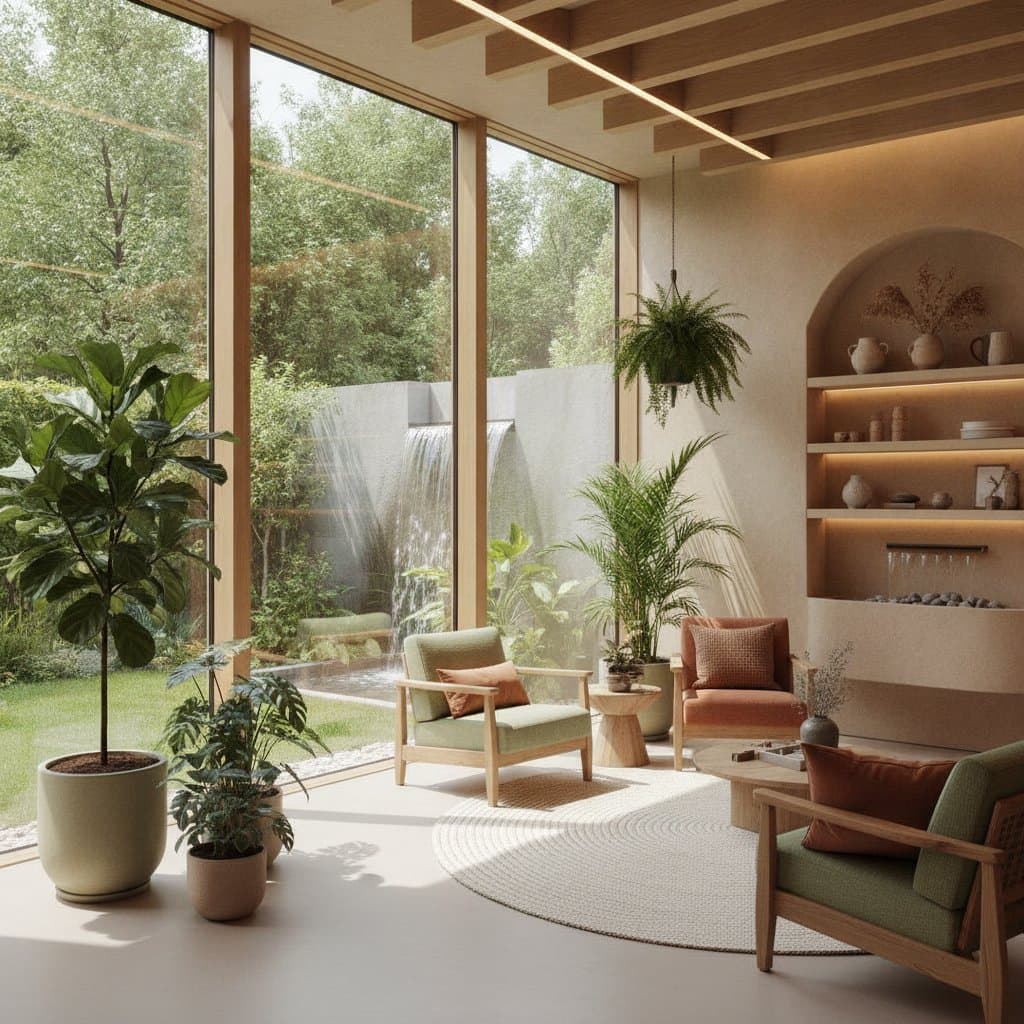
Site a fountain adjacent to seating or glazing, framed by natural stone for seamless integration.
Entry-level water elements start at $500 to $1,500, with advanced air systems adding $3,000 to $7,000.
5. Outdoor Access and Views
Linking indoor areas to exteriors via sliding panels, decks, or buffer zones amplifies expense and appeal.
Proximity to nature, whether visual or tangible, sharpens mental acuity and composure.
Employ subdued greens, earth tones, and neutrals to unify indoor-outdoor schemes.
Wall adjustments or deck additions range from $5,000 for basic sliders to $20,000 plus for full patios.
6. Lighting Design
Supplemental illumination that emulates natural day-night shifts aligns with biological rhythms.
Such lighting mitigates exhaustion and sustains even illumination.
Integrate diffused LED sources with daylight, selecting adjustable-temperature fixtures.
Basic setups cost $500 to $2,000, while automated systems total $3,000 to $6,000 with efficiency gains.
7. Texture and Pattern Integration
Organic motifs, including wood grains or stone marbling, enhance visual cohesion.
Nature's inherent repetition evokes reassurance and poise.
Layer woven floor coverings, linen fabrics, and relief panels for multidimensionality.
Affordable options like basic weaves run $1,000 to $3,000 per room, versus $5,000 for bespoke woodwork.
Estimating Costs by Project Scope
Gauge potential expenditures by evaluating the renovation's depth. Three tiers provide a framework for preparation.
Small-Scale Biophilic Updates
These encompass repainting in natural shades, laying fiber rugs, introducing potted flora, and tweaking fixtures.
Investments remain modest, suitable for short-term or self-directed efforts.
Tackle decor swaps or plant placements independently, as they demand basic tools and expertise.
Total costs typically fall between $500 and $3,000.
Mid-Range Remodels
Initiatives here feature fresh surfacing, expanded glazing, or embedded planters, merging aesthetics with utility.
Outlays prove moderate, scaled to choices and extent.
Engage specialists for precise flooring, framing, or watering installations to ensure durability.
Expect $5,000 to $15,000 overall.
Extensive Biophilic Renovations
Major undertakings reconfigure layouts or extend outdoor realms, incorporating tailored joinery, masonry, or airflow integration.
Elevated pricing stems from foundational shifts and niche supplies.
Entrust structural, wiring, and climate modifications to certified experts for compliance and safety.
Budgets often surpass $20,000, up to $50,000 or beyond for comprehensive work.
Style and Color Harmony
Biophilic principles align with palettes drawn from the environment to instill serenity and flow. Select tones that mirror local landscapes.
Soft greens evoke foliage and woodland depths; pair them with crisp trim and pale timber furnishings.
Warm neutrals like beige, sand, and clay form restful bases; accent with matte dark hardware or fibrous elements.
Cool blues hint at waterways and horizons; merge with metallic fittings or light lithic surfaces.
Earthy browns suit varied architectures alongside timber or masonry exteriors.
Assess undertones for balance: yellow-infused greens warm spaces, blue-tinged ones cool them. Prioritize reflectance too; brighter shades open areas, deeper ones foster closeness.
Practical Considerations
Maintenance
Organic materials demand tailored upkeep. Seal wood periodically, polish stone as needed, and monitor plants for hydration and illumination. Account for ongoing effort and expense in your blueprint.
Climate and Region
Regional conditions dictate material resilience and efficacy. In moist zones, favor water-repellent coatings; in arid regions, choose hardy flora and fade-resistant treatments.
Wellness and Comfort
Biophilic intent centers on vitality. Enhanced airflow, stable moisture, and ample daylight yield salubrious habitats. Benefits extend to property appreciation and personal health.
Energy Efficiency
Numerous biophilic modifications enhance conservation. Advanced glazing, improved seals, and passive circulation lessen mechanical demands. Savings accrue gradually, recouping portions of upfront costs.
FAQs About Biophilic Remodels
What serves as the ideal entry for a biophilic remodel?
Begin with illumination sources. They shape hue rendition, vegetation vitality, and emotional tone above all else.
Is a designer essential for biophilic aesthetics?
No requirement exists for starters. Introduce raw substances and basic foliage, then seek professional input for structural or luminous adjustments.
Does biophilic integration elevate property worth?
Spaces that radiate luminosity, freshness, and natural ties draw premium buyer attention, particularly among wellness enthusiasts.
Are biophilic touches viable in compact areas?
Affirmative. A single substantial plant, reflective panel, or timber feature suffices to infuse natural essence.
Integrating Nature for Lasting Home Vitality
A biophilic remodel transcends surface changes to redefine daily habitation. Each chosen substance, surface, and vista nurtures equilibrium and rejuvenation. Through deliberate strategy and premium selections, craft a residence that sustains health across seasons. Initiate with targeted enhancements or pursue wholesale renewal to secure perpetual ease and allure.