Flood-Proof Foundation Costs: What Homeowners Need to Know
Floods pose a significant threat to a home's foundation, the essential support for the entire structure. Residents in areas prone to flooding or proximity to water sources benefit greatly from proactive measures. This guide outlines the expenses associated with flood-proofing, variables that shape those costs, and methods suited to various home configurations and risk profiles. Homeowners gain insights into developing a sustainable plan that balances protection with financial considerations.
Fundamentals of Foundation Flood-Proofing
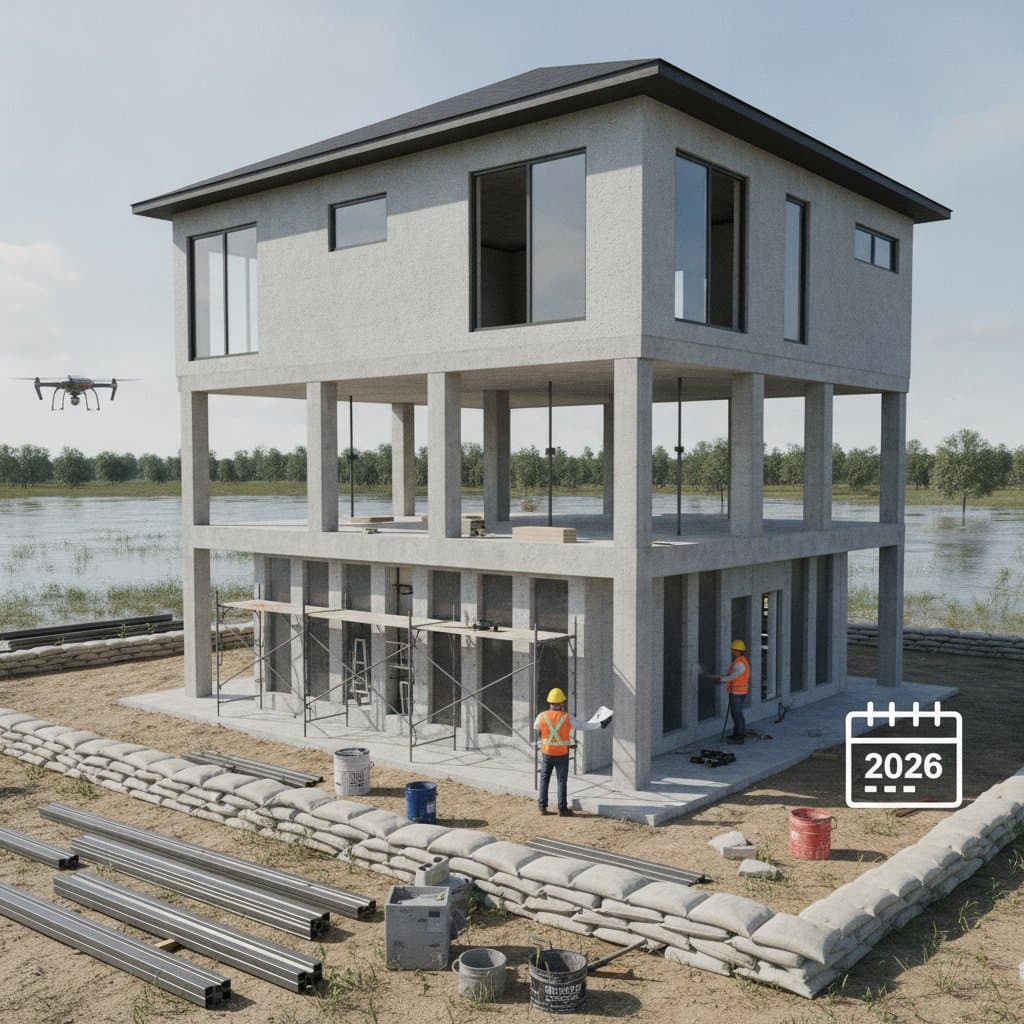
Flood-proofing involves alterations or reinforcements to the foundation that resist water penetration and structural harm during inundation events. The primary objective is to alleviate water pressure on walls and block entry through fissures or vulnerabilities. Two principal approaches exist:
- Dry flood-proofing employs barriers, coatings, or seals to exclude water completely.
- Wet flood-proofing permits regulated water ingress while employing fast-drying materials and configurations to limit harm.
Professionals may integrate these techniques based on the site's flood hazard and building characteristics.
Importance of Protecting the Foundation
Water infiltration undermines the home's structural stability. It erodes concrete, corrodes embedded steel, and destabilizes supporting soil. Remediation after damage proves far more expensive than upfront prevention. Effective flood-proofing safeguards assets, potentially lowers insurance rates, and elevates market value. It also minimizes disruption following severe weather incidents.
Key Variables Affecting Project Costs
Expenses for a flood-proof foundation vary according to multiple elements. These determine the scope of labor, material selections, and project intricacy.
Foundation Configuration
Various foundation designs respond uniquely to flood scenarios.
- Slab-on-grade setups cost less to seal but prove challenging to raise.
- Crawl space designs facilitate access for sealing and drainage upgrades.
- Basement configurations demand comprehensive interventions due to intense hydrostatic forces on walls and floors.
Flood Risk Designation
Properties in elevated risk zones necessitate advanced features like reinforcements or lifting. Regional codes often mandate particular standards, thereby increasing overall expenditures.
Site Soil and Drainage Profile
Clay-heavy soils hold moisture, intensifying wall pressure. Sandy compositions drain swiftly yet erode readily. An on-site assessment identifies needs for regrading, perimeter drains, or pump installations.
Property Size and Height
Greater square footage demands more resources and workforce. Lifting the structure incurs substantial fees but serves as a definitive remedy for recurrent flooding.
Material Choices and Regional Labor
Options for coatings, barriers, and supports range in expense and longevity. Workforce rates fluctuate with location and scale.
Established Flood-Proofing Techniques and Associated Expenses
Homeowners commonly employ these strategies to shield foundations from water threats. Suitability hinges on local conditions, with variations in execution, pricing, and efficacy.
Sealants and Barrier Coatings
Apply these substances to external or internal foundation surfaces to repel moisture.
- Average expense: Moderate, scaled to surface area and product quality.
- Effectiveness: Forms an impermeable layer against penetration via concrete voids or minor fractures.
- Complementary measures: Integrate with drainage enhancements or pump systems for comprehensive defense.
- Ideal application: Properties facing low to medium flood threats or persistent basement humidity.
Opt for acrylic or epoxy formulations, which endure longer and withstand expansion stresses better than standard options.
Water Management Systems and Pumps
These setups channel water from the foundation perimeter prior to damage occurrence.
- Average expense: Moderate to elevated, contingent on layout complexity.
- Effectiveness: Lowers pressure buildup and routes water to designated outlets.
- Complementary measures: Pair with boundary drains or surface barriers.
- Ideal application: Basements or crawl spaces prone to accumulation during precipitation.
Position a sump pump within a basin at the basement's lowest elevation to handle infiltrated water during intense downpours.
External Barrier Sheets
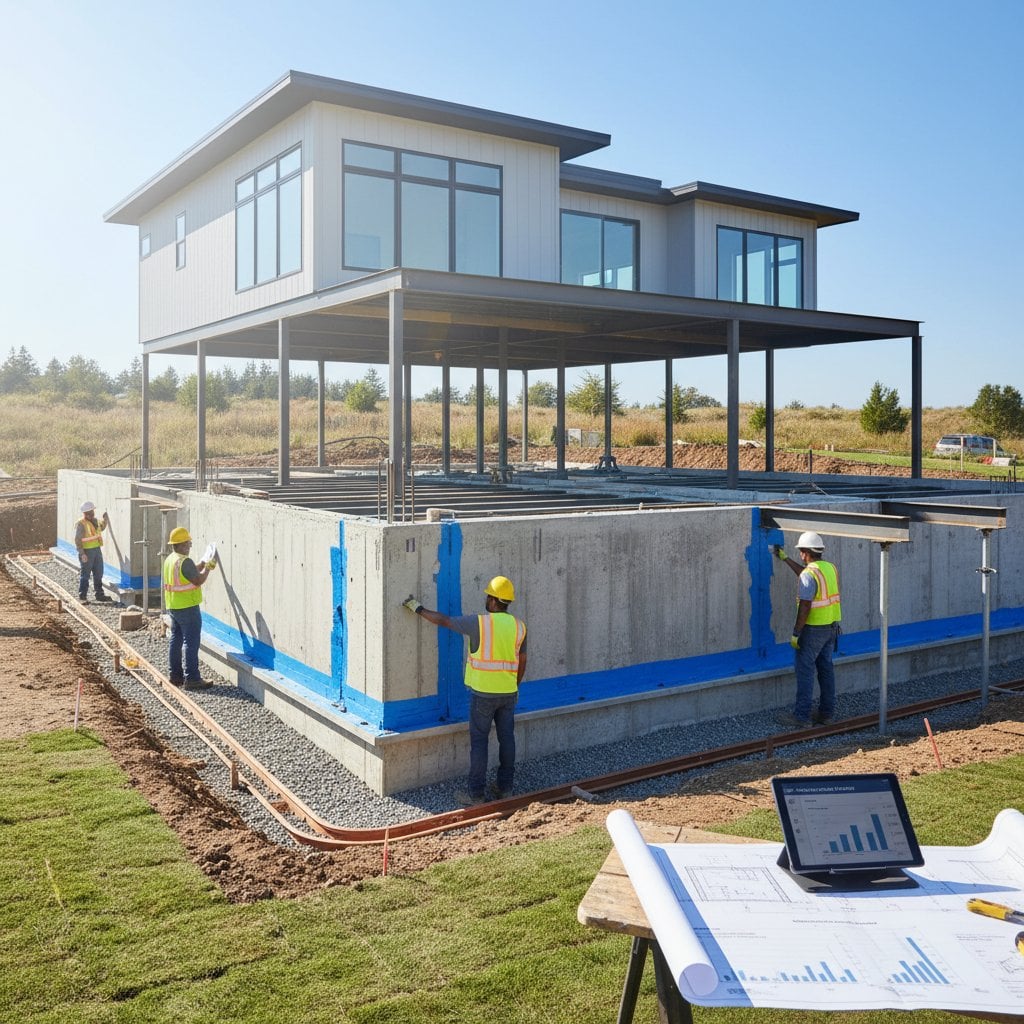
Affix pliable membranes to foundation exteriors prior to soil replacement.
- Average expense: Elevated initially, owing to digging requirements.
- Effectiveness: Intercepts water contact with the structure.
- Complementary measures: Incorporate insulating layers or guards to avert tears during soil reinstatement.
- Ideal application: Fresh builds or extensive remodels.
Such installations offer enduring reliability and rank highly for subsurface safeguarding.
Perimeter Drains and Surface Regrading
These redirect subsurface and surface flows from the building.
- Average expense: Moderate, proportional to terrain extent.
- Effectiveness: Averts accumulation adjacent to the foundation.
- Complementary measures: Extend downspouts and adjust contours for optimal runoff.
- Ideal application: Slab or crawl space setups with occasional water issues.
Proper sloping directs rainfall away from the dwelling, reducing infiltration risks.
Pressure Relief Vents and Managed Inundation
Incorporate openings in enclosed zones to balance forces during events.
- Average expense: Moderate, with minimal upkeep demands.
- Effectiveness: Mitigates collapse risks by equalizing internal and external pressures.
- Complementary measures: Select rapid-drying elements like perforated blocks or preserved wood.
- Ideal application: Structures in shoreline or waterway flood districts.
Vents comply with regulations in designated zones and support utility placements above flood lines.
Structural Lifting
Elevate the building to surpass anticipated flood heights.
- Average expense: Substantial, based on mass and lift magnitude.
- Effectiveness: Avoids any floodwater interaction.
- Complementary measures: Utilize pilings or bolstered pillars for support.
- Ideal application: Sites with frequent inundations or severe threat levels.
Though costly, this method delivers lasting security and notable insurance reductions.
Base Strengthening and Support Additions
Address pre-existing impairments through stabilization.
- Average expense: Substantial, scaled to deterioration scope.
- Effectiveness: Bolsters the foundation against shifts and fractures.
- Complementary measures: Apply barriers post-stabilization.
- Ideal application: Aged dwellings or those showing prior water effects.
Techniques like deepening footings or installing braces counteract soil instability.
Expense Overview by Approach
Projects differ in financial commitment. Consider these ranges for planning.
- Coatings and seals: Moderate outlay for routine safeguarding.
- Membrane applications with digging: Increased due to machinery and effort.
- Flow redirection: Moderate to high, influenced by topography.
- Pump setups: Moderate, plus periodic servicing fees.
- Lifting initiatives: High, frequently balanced by policy discounts.
- Reinforcement work: High, targeted at compromised bases.
Layered combinations, such as drains with barriers, enhance resilience while curbing future expenses.
Developing a Tailored Plan and Budget
Customization aligns protection with site specifics, architecture, and finances.
Assess Exposure Levels
Consult flood zone maps or engage an engineer to gauge threats. Proximity to waterways typically warrants advanced safeguards.
Conduct Expert Evaluations
A foundation expert pinpoints issues like fissures or subsidence needing prior attention. This ensures method synergy and avoids redundant spending.
Solicit Detailed Quotes
Obtain itemized proposals covering supplies, personnel, and approvals. Inquire about material durability and ongoing care requirements.
Account for Upkeep
Systems like pumps demand routine checks. Allocate funds for sustained performance to avert failures in crises.
Explore Funding Assistance
Certain locales offer subsidies or loans for mitigation. Compliance with guidelines qualifies projects for support.
Finishing Options for Visible Foundation Elements
Exposed sections post-project benefit from protective and visually appealing covers.
- Elastomeric paints: Flex with surfaces to prevent splits.
- Veneer stones: Blend naturally while shielding walls.
- Sealed stucco: Suits lifted bases and repels dampness.
- Cement fiber boards: Withstand wear with little attention, fitting raised designs.
Select options that harmonize with siding colors and resist environmental stresses.
Strategies for Sustained Defense
Post-installation vigilance prolongs efficacy.
- Examine the foundation biannually for fissures or dampness indicators.
- Clear gutters and extensions to block wall overflows.
- Refresh barriers per product guidelines.
- Test pumps ahead of wet seasons.
- Maintain slopes in yard areas and limit root-invasive plants near bases.
Routine steps forestall minor problems from escalating.
Engaging Specialists
DIY suits simple tasks like internal applications or runoff control. Complex operations, including earthwork, raising, or fortification, necessitate certified teams. Professionals guarantee regulatory adherence, equipment access, and documentation for claims or sales.
Strengthening Home Resilience Through Preparation
Foundation fortification transcends repairs; it fortifies safety and livability. Informed choices on costs and techniques yield decisions attuned to threats and resources.
Sustaining Protective Measures
Document all enhancements and arrange regular reviews. Evolving climates and aging structures may introduce fresh risks.
Proactive flood readiness equips homes to endure future adversities.