Understanding the Tariff Impact on Construction
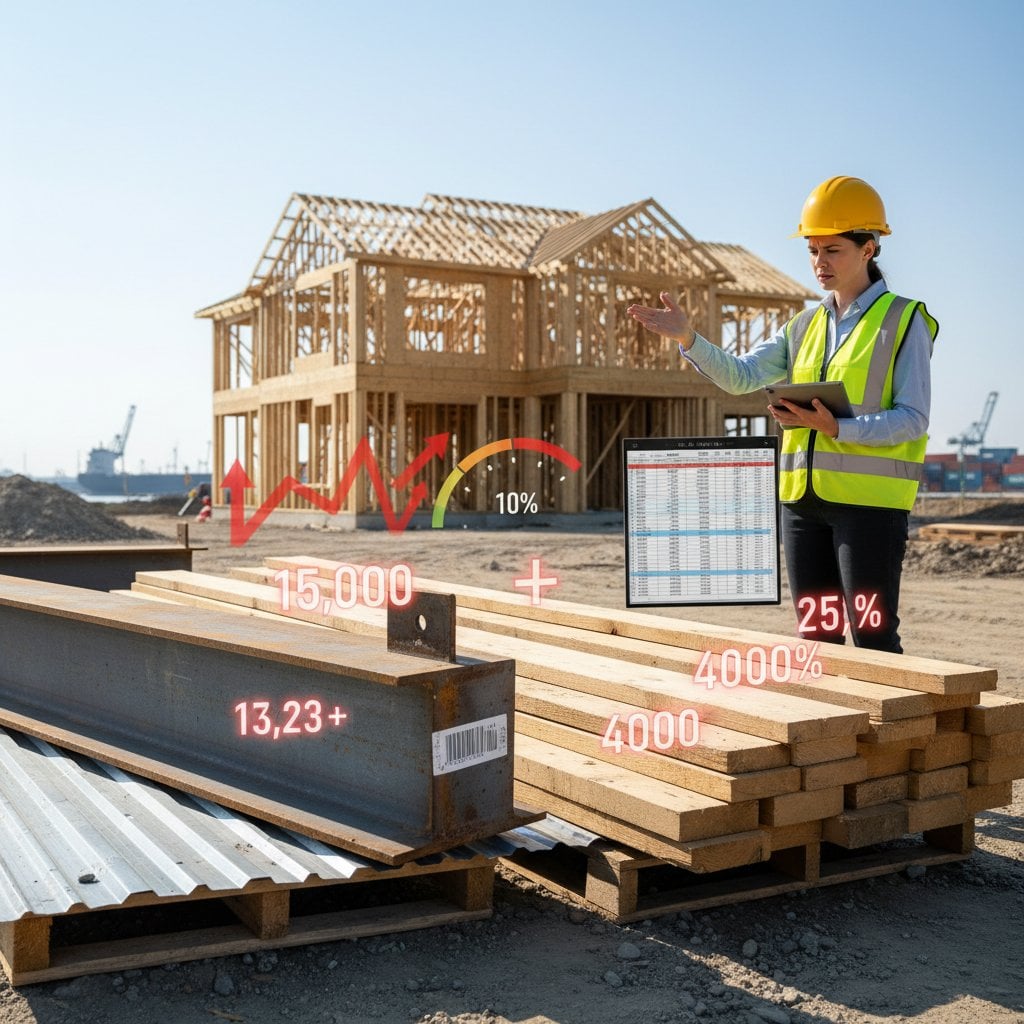
Tariffs represent taxes imposed on imported goods, and recent policies target key construction materials like steel, aluminum, and lumber. These measures aim to protect domestic industries but often result in higher costs for builders and homeowners alike. For a typical residential or commercial project, the added expense can range from $15,000 to $40,000, depending on scale and material intensity.
The construction sector relies heavily on these imports when domestic supplies fall short. When tariffs increase, the price of imported steel rises by up to 25 percent, aluminum by 10 percent, and lumber by 15 percent or more. Builders pass these costs to clients, straining budgets from the outset.
Breaking Down Material Cost Increases
Steel forms the backbone of structural elements in most builds, from beams to reinforcement bars. A 25 percent tariff on imported steel directly elevates expenses; for a mid-sized home, this translates to an additional $10,000 in framing and foundation costs alone. Larger commercial projects see even steeper hikes, often exceeding $30,000.
Aluminum, used in roofing, siding, and windows, faces similar pressures. Tariffs push prices higher, adding $5,000 to $15,000 for exterior components on average. Lumber, essential for framing and sheathing, experiences volatility due to global supply chains; a 15 percent increase can contribute another $10,000 to $20,000 for wood-heavy designs.
These figures vary by project type. Residential builds under 3,000 square feet might absorb $15,000 in extras, while expansive developments approach $40,000. Early estimation during bidding phases helps quantify the exact burden.
Ripple Effects Beyond Materials
Higher material prices trigger broader supply chain reactions. Domestic producers often raise their rates to match import costs, creating a uniform price surge across the market. This adjustment affects even projects aiming to avoid imports entirely.
Labor costs climb as skilled workers demand compensation aligned with inflated material budgets. Welders, carpenters, and installers face longer hours to offset rising expenses, pushing hourly rates up by 5 to 10 percent. For a six-month project, this adds $5,000 to $10,000 in payroll.
Delays compound the issue. Tariff-related shortages slow deliveries, extending timelines by weeks or months. Idle crews and rental equipment fees accumulate, potentially doubling the initial cost overrun. Weather or regulatory hurdles exacerbate these setbacks, turning minor disruptions into major financial drains.
Actionable Strategies to Offset Rising Costs
Builders and project managers can counter tariff effects through proactive measures. Local sourcing reduces reliance on imports; partnering with regional suppliers ensures steady access to materials at potentially lower rates. Identify certified domestic mills early to lock in pricing before further increases.
Forward planning secures advantages. Conduct thorough market analyses six to twelve months ahead to forecast tariff changes. Negotiate fixed-price contracts with vendors, including clauses for volume discounts or alternative sourcing if imports spike.
-
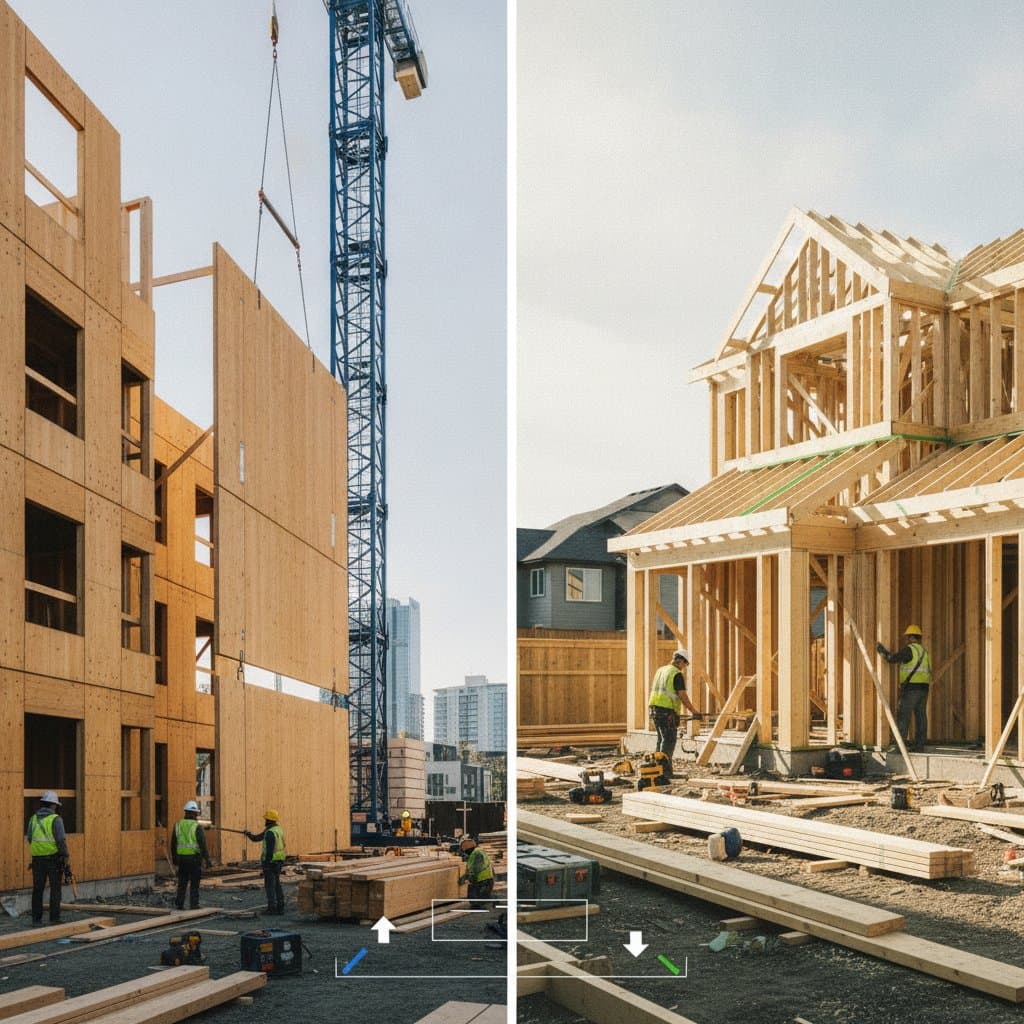
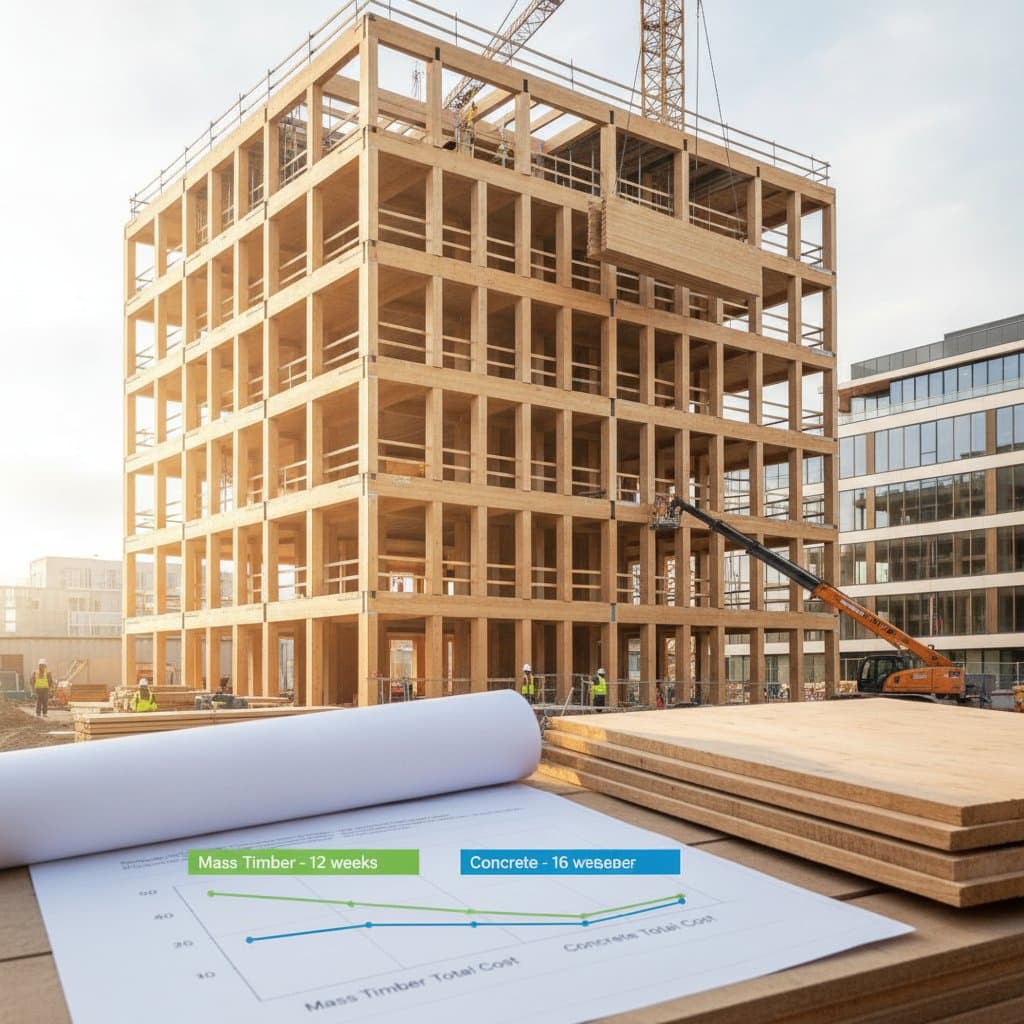
Evaluate alternative materials: Consider engineered wood products over traditional lumber for cost savings of 10 to 20 percent. Recycled steel or aluminum composites maintain strength while dodging premium import fees.
-
Build budget contingencies: Allocate 15 to 25 percent extra in financial planning for tariff buffers. Phased funding releases allow adjustments without halting progress.
-
Optimize design efficiency: Collaborate with architects to minimize material use through modular construction or energy-efficient layouts. These approaches cut overall needs by up to 15 percent, softening the blow.
-
Leverage technology: Use software for precise material takeoffs and waste reduction. Digital modeling predicts cost fluctuations, enabling real-time tweaks.
Implementing these steps requires coordination among stakeholders. Regular team briefings keep everyone aligned, preventing surprises that escalate expenses.
Securing Long-Term Project Stability
Navigating tariffs demands vigilance and adaptability, but informed actions preserve profitability. By anticipating cost drivers and integrating mitigation tactics, projects stay on track and deliver value. Homeowners and developers who prepare thoroughly emerge with structures that withstand economic shifts.
The key lies in viewing tariffs not as insurmountable barriers but as prompts for smarter building practices. Projects fortified against these pressures often yield superior outcomes, from durable materials to streamlined operations. Invest time in planning today to ensure your next construction endeavor thrives amid uncertainty.