Understanding Cost Savings: Prefab ADUs Versus Ground-Up Construction
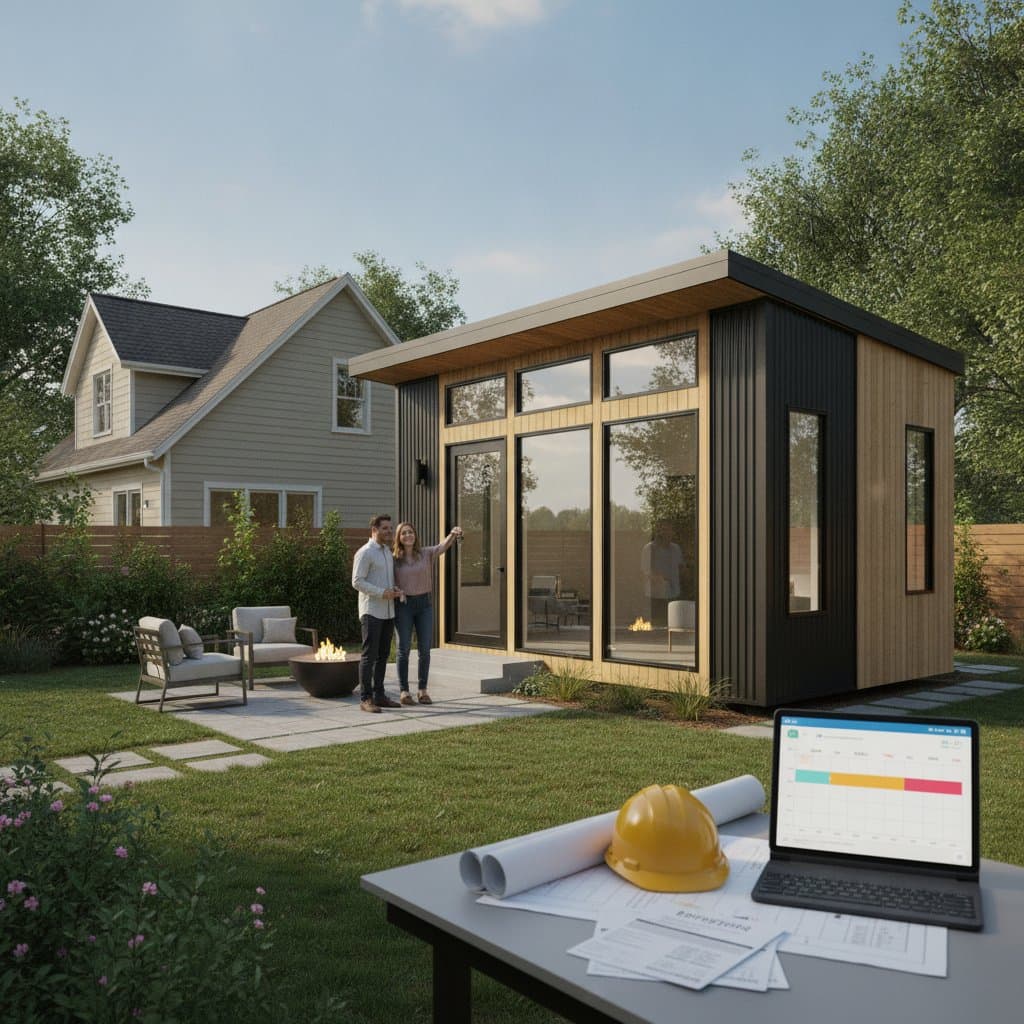
Homeowners often consider adding an accessory dwelling unit (ADU) to expand living options and enhance property appeal. Costs represent a primary concern in this decision. Prefab ADUs and ground-up builds vary significantly in their approaches to materials, assembly, and timelines, leading to notable differences in overall expenses. A clear comparison enables informed planning that aligns with financial goals.
Essential Cost Overview
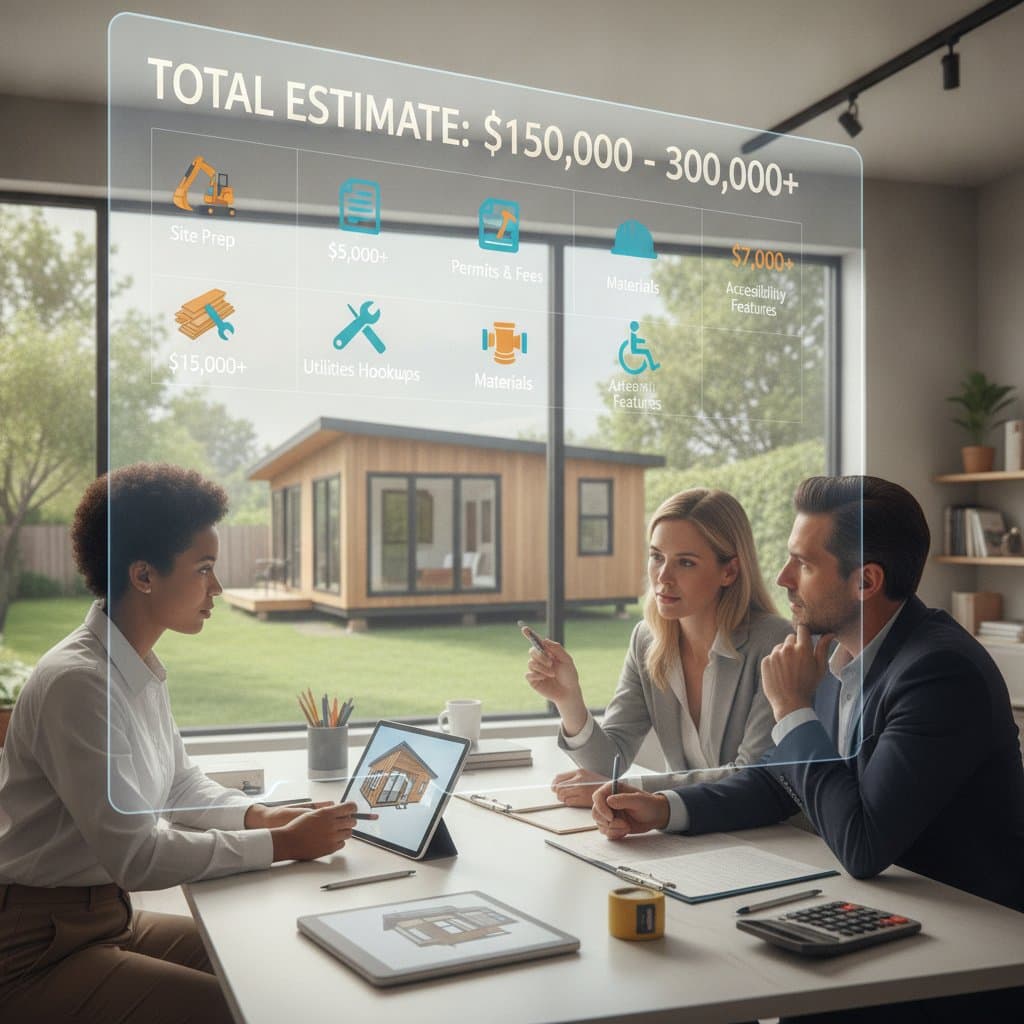
Prefab ADUs generally range from $150,000 to $250,000, with an average of approximately $200,000. In contrast, ground-up ADUs typically cost between $250,000 and $400,000, averaging around $300,000. Key factors influencing these figures include site preparation, utility integrations, permitting requirements, design intricacies, and finish selections.
Core Advantages and Observations
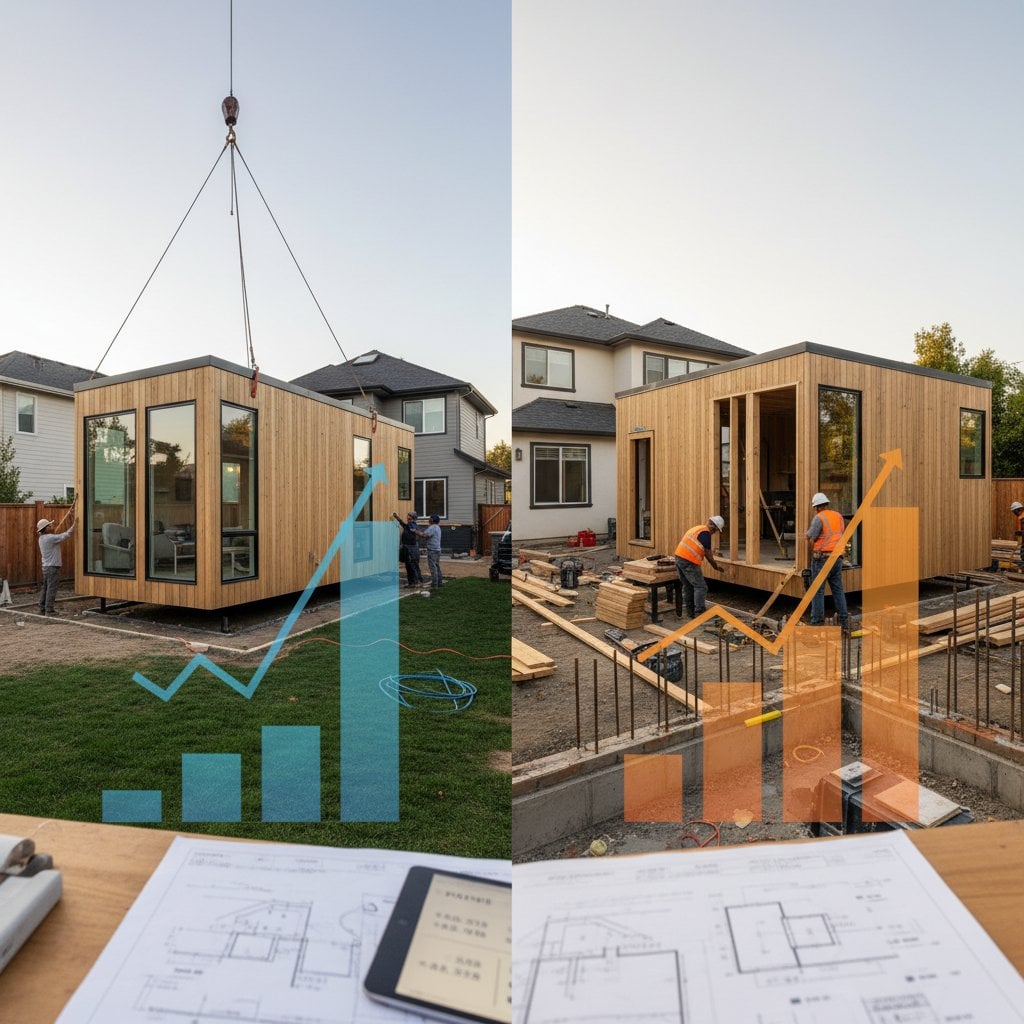
Prefab ADUs deliver savings of 30 to 40 percent relative to ground-up methods. Pre-manufactured elements minimize on-site labor and accelerate completion schedules. Both approaches incur expenses for site work and permits, yet ground-up projects demand higher investments in customization, which elevate design and workforce requirements. Prefab options suit sites with straightforward access for transport and setup.
Pricing by Unit Size and Configuration
For studio or one-bedroom units, prefab costs span $150,000 to $225,000, while ground-up equivalents fall between $225,000 and $300,000. Two-bedroom configurations may surpass $250,000 for prefab and $350,000 for ground-up builds. Elements such as bespoke designs, intricate floor plans, or premium materials further inflate budgets. Prefab pricing remains more predictable through reliance on modular designs and uniform components.
Labor and Contractor Expenses
Prefab methods halve on-site labor needs, as factories complete framing, insulation, and interior work under optimal conditions. This approach reduces workforce expenses and mitigates disruptions from environmental factors. Ground-up constructions necessitate comprehensive on-site teams for structural, roofing, electrical, and plumbing tasks. In these projects, labor constitutes 40 to 50 percent of the total budget, compared to 25 to 30 percent in prefab scenarios.
Supplementary Expense Considerations
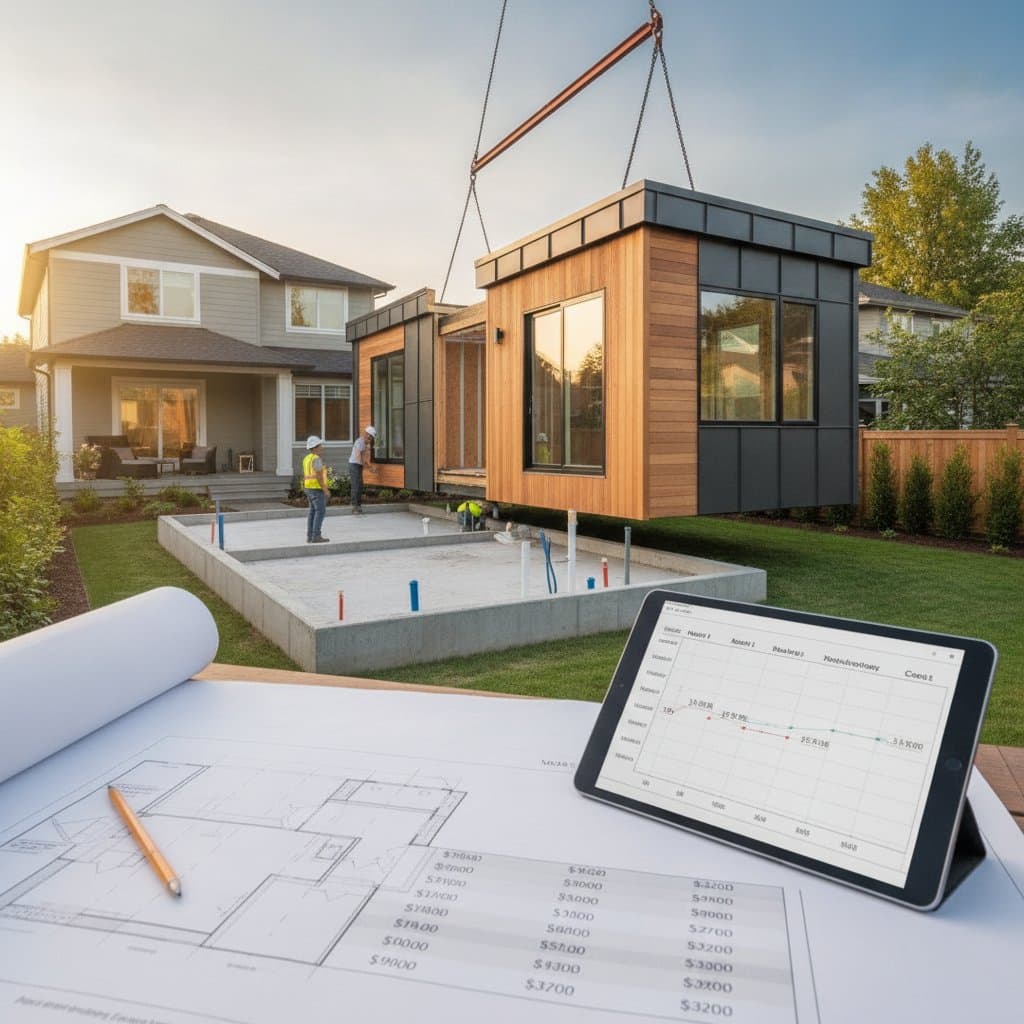
Permitting, land grading, foundational elements, and utility connections contribute $20,000 to $60,000 across both build types. Properties in urban settings might require additional excavation or structural supports, thereby increasing outlays. For prefab units, evaluate delivery pathways; restricted access like narrow paths or inclines could necessitate specialized equipment, adding to transport costs.
Options for Self-Management Versus Professional Oversight
Prefab ADUs limit self-directed efforts, given that primary assembly occurs remotely. Homeowners may oversee simple final touches, but certified experts manage placement and connections to utilities. Ground-up projects permit broader self-involvement in areas like painting or exterior enhancements, provided structural components adhere to regulations. Engaging qualified contractors guarantees code compliance and prevents expensive corrections. Potential savings from self-management reach 10 to 20 percent, contingent on relevant expertise and availability.
Strategies for Cost Reduction
- Select compact layouts to minimize demands on materials and personnel.
- Opt for conventional surfaces over specialized features like custom woodwork or imported flooring.
- Solicit bids from several prefab providers to identify optimal rates.
- Coordinate utility alignments at the outset to eliminate unforeseen adjustments.
- Leverage any pre-existing foundations or service lines where feasible.
Evaluating Investment Returns
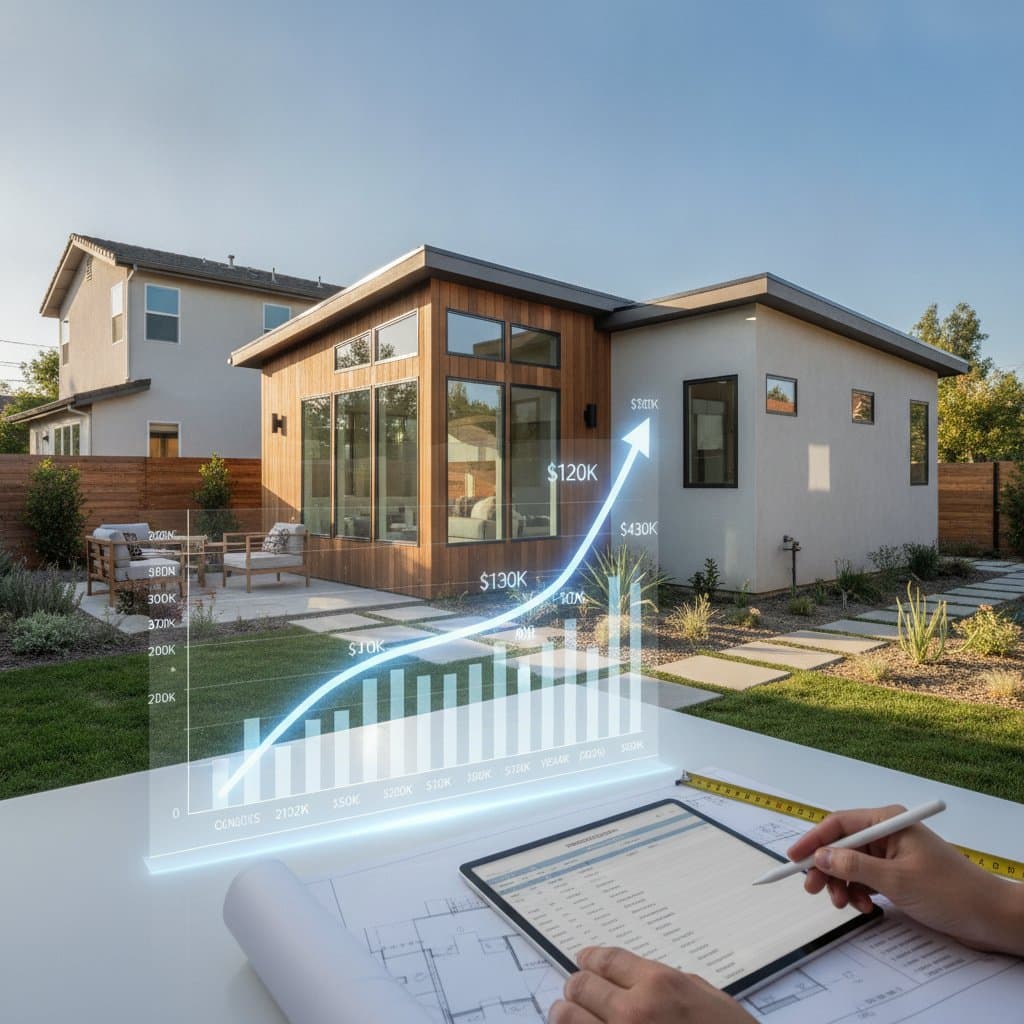
An effectively constructed ADU recoups 70 to 100 percent of its investment via elevated property assessments or steady rental revenues. Prefab choices facilitate quicker returns through reduced initial outlays and comparable leasing potential to bespoke units. Moreover, these structures benefit from diminished ongoing upkeep due to standardized, high-quality fabrication.
Basis for Cost Estimates
These projections draw from contractor assessments, vendor proposals, and completed project analyses. They presume typical site attributes and moderate finish levels. Variations arise from geographic locations, ground stability, and regional regulatory charges.
Steps to Launch Your ADU Project
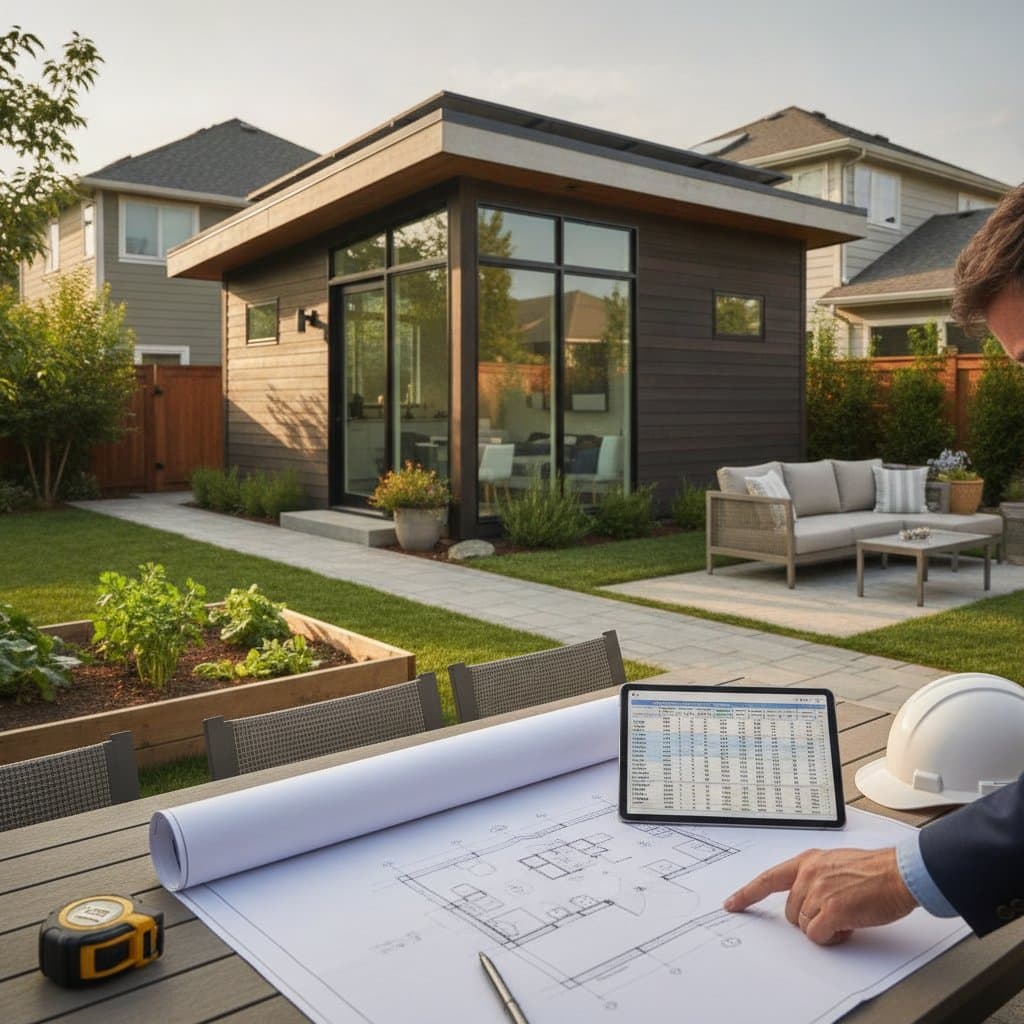
Define your financial parameters and assess site characteristics prior to selecting a construction path. Obtain itemized estimates delineating materials, labor, and preparatory work. Prefab ADUs provide expedited processes and economical outcomes, whereas ground-up approaches afford extensive personalization. Through precise budgeting and strategic foresight, realize an ADU that delivers enduring utility and property appreciation.