
Unlock the Best Bathroom Remodel for 2026: Wet Room or Traditional Design
A bathroom remodel transforms daily routines and enhances home comfort. Homeowners must decide between a wet room and a traditional bathroom, each offering unique benefits in functionality and aesthetics. These options vary significantly in installation costs, design complexity, and upkeep requirements. Clear knowledge of these aspects enables informed budgeting and a tailored renovation that aligns with personal needs.
Key Highlights and Insights
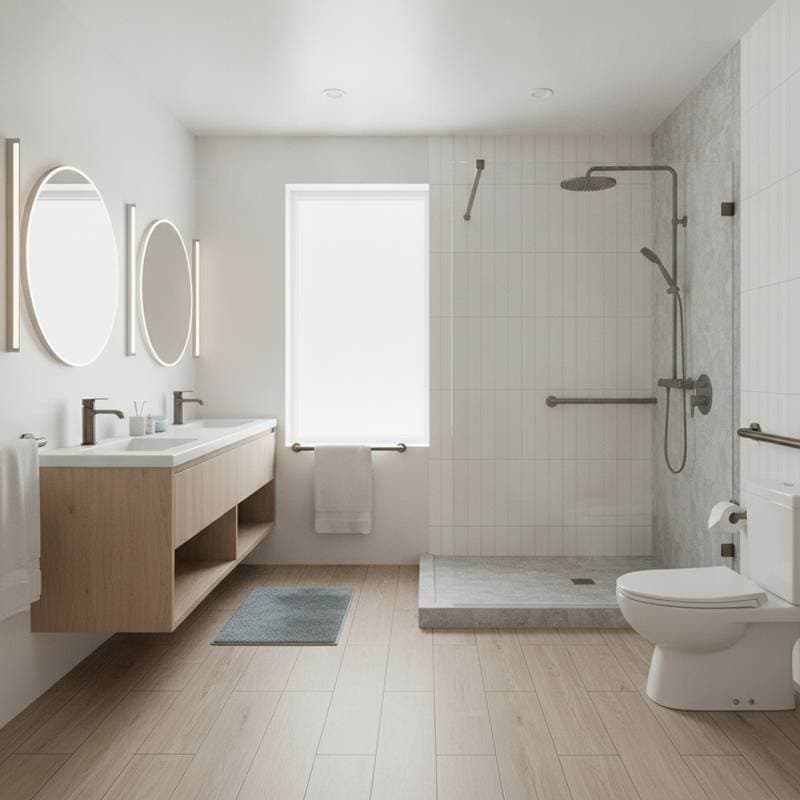
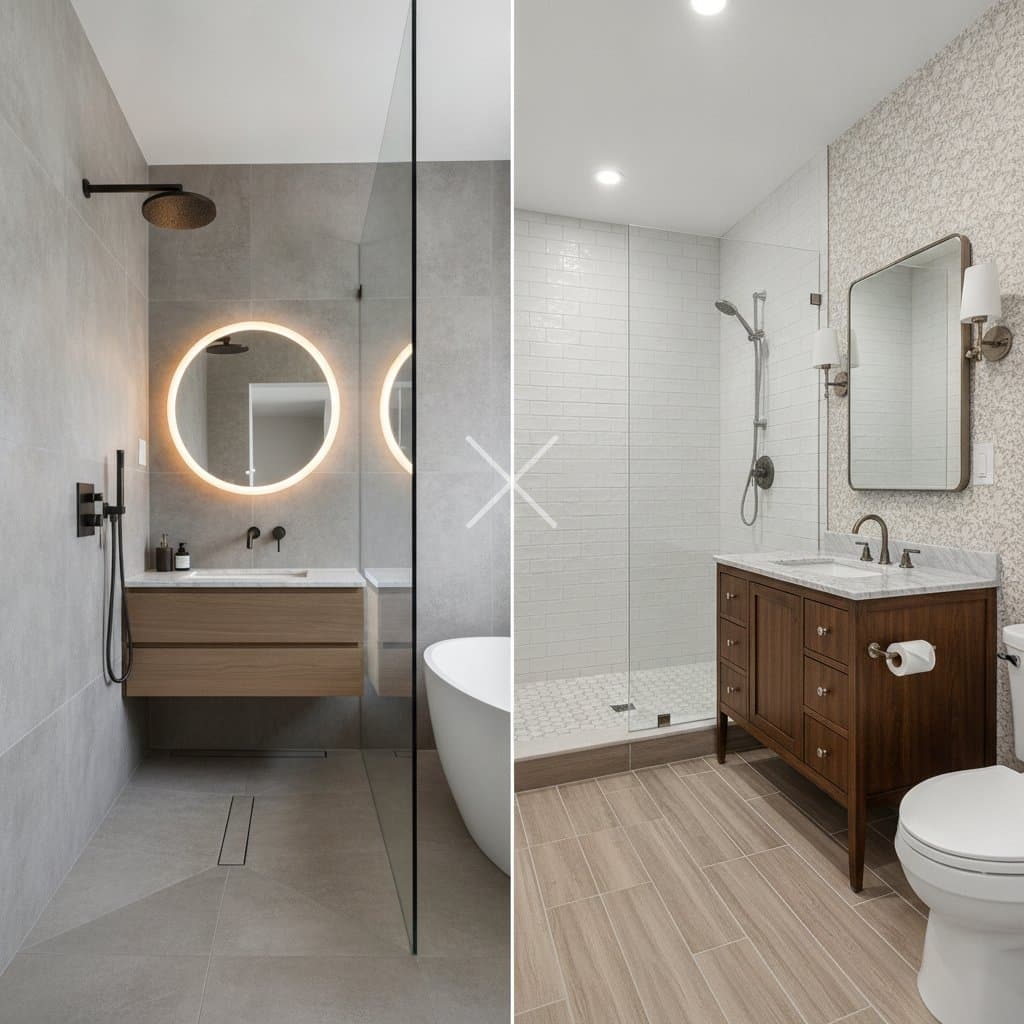
- Wet rooms feature open, fully waterproofed areas without enclosed shower stalls, allowing seamless water flow across the space.
- Traditional bathrooms confine showers or tubs to dedicated areas, reducing moisture spread and simplifying waterproofing efforts.
- Wet room labor costs reach up to 30 percent higher owing to intricate sealing, sloped flooring, and custom drainage systems.
- Wet rooms expand the perceived size of compact spaces and support aging-in-place accessibility with barrier-free access.
- Traditional designs require less maintenance, incur lower upfront expenses, and integrate easily into standard home architectures.
- Proper execution in either style elevates resale value through enhanced appeal and durability.
Contractor Costs and Labor Breakdown
Labor constitutes 40 to 60 percent of total expenses in bathroom renovations. Wet rooms demand more specialized expertise for installing waterproof membranes, creating precise floor gradients, and fitting advanced drains, which elevates this proportion.
Standard labor allocation:
- Plumbing adjustments: 15 to 20 percent
- Tiling and waterproofing applications: 25 to 35 percent
- Electrical work and lighting setup: 10 to 15 percent
- Design consultation and final finishes: 10 percent
Traditional bathrooms rely on conventional plumbing configurations and minimal tile modifications. In contrast, wet rooms necessitate exact slope calculations and drain placements, extending project timelines. Select contractors experienced in wet room techniques to avoid issues like water infiltration or structural compromise.
DIY Options Versus Professional Installation
Feasibility of DIY Approaches
Individuals with intermediate skills might manage basic traditional bathroom refreshes, including wall painting, fixture replacements, or basic flooring updates. Wet room projects, however, demand expertise in drainage gradients, membrane applications, and precise tiling. Mistakes in waterproofing can result in subfloor deterioration or wall damage over time.
Detailed Cost Analysis
- DIY traditional renovation: $6,000 to $12,000, focusing on materials while self-performing labor
- Professional traditional renovation: $15,000 to $25,000, varying by selected finishes and scope
- DIY wet room: Discouraged beyond cosmetic changes due to technical demands
- Professional wet room renovation: $25,000 to $45,000, encompassing comprehensive waterproofing and custom design
Professionals guarantee accurate slope implementation, secure membrane adhesion, and aligned tiling, which supports longevity and manufacturer warranties.
Return on Investment Analysis
Quality bathroom renovations recoup 55 to 65 percent of costs upon resale. Wet rooms attract buyers seeking luxury or accessibility, while traditional bathrooms offer broader market appeal.
Factors influencing returns include local market dynamics, home condition, and execution quality. Steer clear of highly personalized configurations that deter potential purchasers. Opt for timeless neutral palettes and resilient materials to sustain value amid evolving trends.
Design and Functionality Breakdown
Benefits of Wet Rooms
- Spacious open design: Expands the feel of confined areas through uninterrupted layouts.
- Superior accessibility: Provides seamless entry without thresholds, ideal for mobility challenges or future-proofing.
- Contemporary style: Complements sleek minimalist or relaxing spa aesthetics.
- Simplified cleaning: Minimizes crevices, facilitating efficient maintenance.
Challenges of Wet Rooms
- Elevated expenses: Extensive waterproofing and expert labor inflate overall budgets.
- Moisture control needs: Demands robust ventilation systems and flawless gradients to manage humidity.
- Market perception risks: Certain buyers favor contained shower zones for familiarity.
Benefits of Traditional Bathrooms
- Budget-friendly installation: Requires fewer waterproof layers and standard procedures.
- Effective water containment: Restricts moisture to shower or tub zones, protecting adjacent areas.
- Flexible adaptation: Suits diverse architectural styles and existing structures.
- Routine upkeep ease: Faces reduced constant exposure to water.
Challenges of Traditional Bathrooms
- Accessibility limitations: Curbs and enclosures can hinder movement for some users.
- Compact visual impact: Segmented areas may diminish the sense of openness.
Strategies for Long-Term Upkeep
Wet rooms demand vigilant care to preserve waterproof integrity. Schedule periodic grout resealing and membrane inspections to avert leaks. Install powerful exhaust fans to curb mold and prolong tile durability.
Traditional bathrooms involve routine caulking around fixtures but encounter fewer systemic waterproofing demands. Both configurations gain from premium ventilation units and moisture-resistant wall and ceiling coatings.
Enhancing Accessibility and Safety
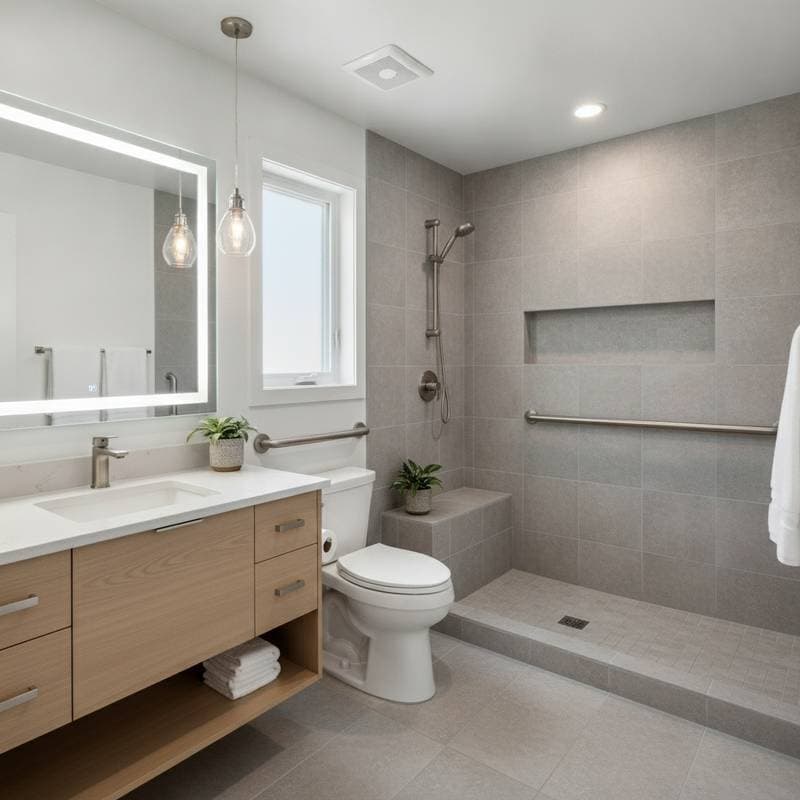
Wet rooms excel in accessibility with flush flooring and unobstructed paths, accommodating varied mobility needs. Incorporate textured non-slip tiles and strategically placed grab bars for added security. Traditional setups can incorporate anti-slip surfaces and expanded doorways, yet achieving comparable openness often requires extensive alterations.
Sustainability and Water Conservation
Incorporate efficient elements like low-flow showerheads and dual-flush toilets in both designs to reduce usage. Wet rooms may promote concise showers via open rinsing, though multi-head setups could increase consumption if unchecked. Optimize drainage paths and plumbing efficiency to curb waste regardless of configuration.
Selecting the Ideal Configuration for Your Space
Align your decision with objectives, financial limits, and residency duration. Pursue a wet room for a modern, inclusive design if prepared for waterproofing investments. Choose traditional for cost-effective, familiar functionality with minimal complexity.
Assess family dynamics too; households with children often prioritize bathtubs, which integrate smoothly into traditional formats. Those planning for longevity appreciate wet room adaptability. Balance visual appeal with practical utility in your planning.
Frequently Asked Questions
How do wet room costs compare to traditional bathroom expenses?
Wet rooms typically cost 30 to 50 percent more, driven by comprehensive waterproofing and skilled labor requirements.
Is it possible to convert any bathroom into a wet room?
Most spaces allow conversion, though floor modifications may prove necessary for effective drainage and sealing.
Do wet rooms work well in compact bathrooms?
They enhance the illusion of space in small areas, provided waterproofing and slopes receive meticulous attention.
Can wet rooms boost property value?
They often do, particularly in contemporary residences or accessibility-focused markets, contingent on craftsmanship and demand.
What is the typical installation timeline?
Traditional projects span two to three weeks; wet rooms extend to three to five weeks, accounting for waterproofing and curing periods.
Which flooring suits wet rooms best?
Porcelain or natural stone tiles with slip-resistant properties perform optimally; avoid vinyl or laminate unless rated for wet conditions.
Is a bathtub compatible with wet room designs?
Yes, freestanding tubs integrate effectively into the waterproofed open area.
Safeguarding Your Renovation Investment
Protect your remodel by selecting durable materials and scheduling annual inspections. Regular cleaning with pH-neutral products preserves surfaces. Consult professionals for any emerging issues to maintain performance and value over time.