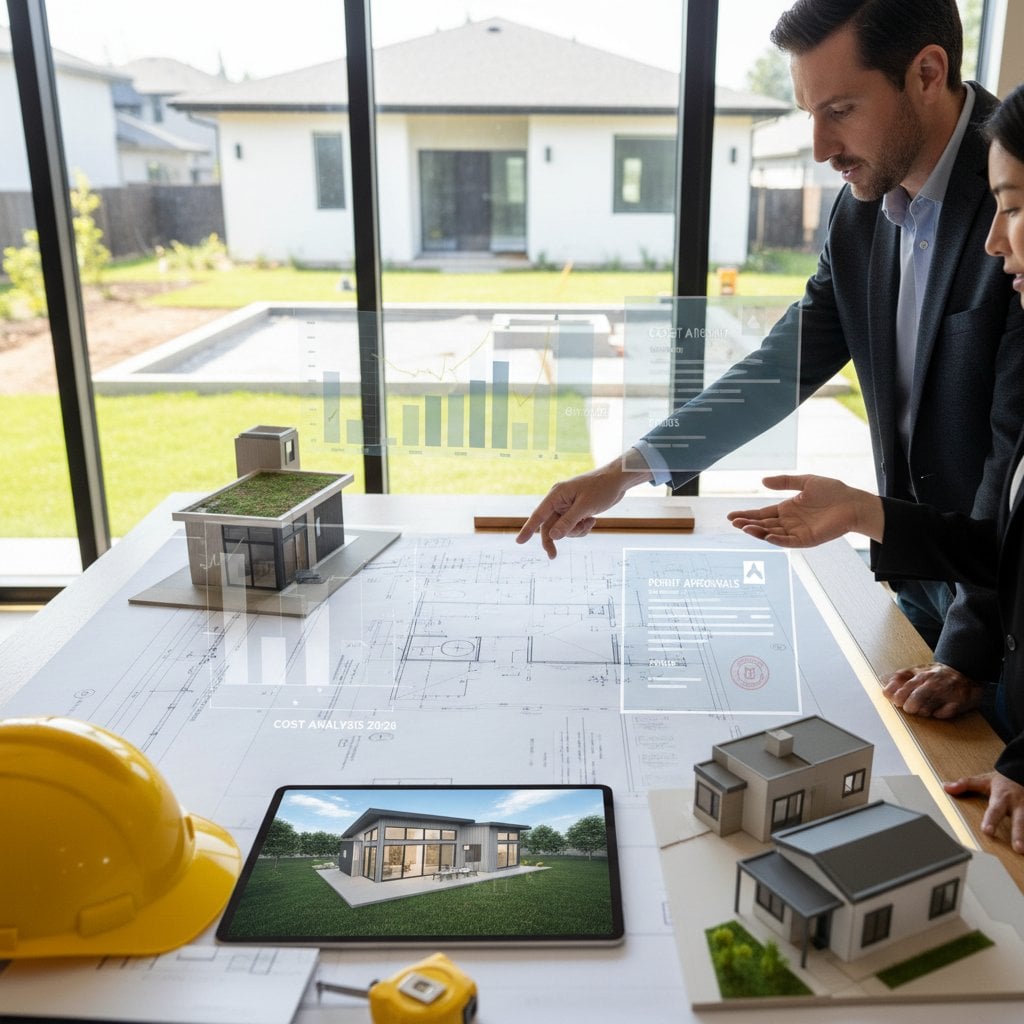
2026 ADU Costs and Permits: Essential Planning Insights
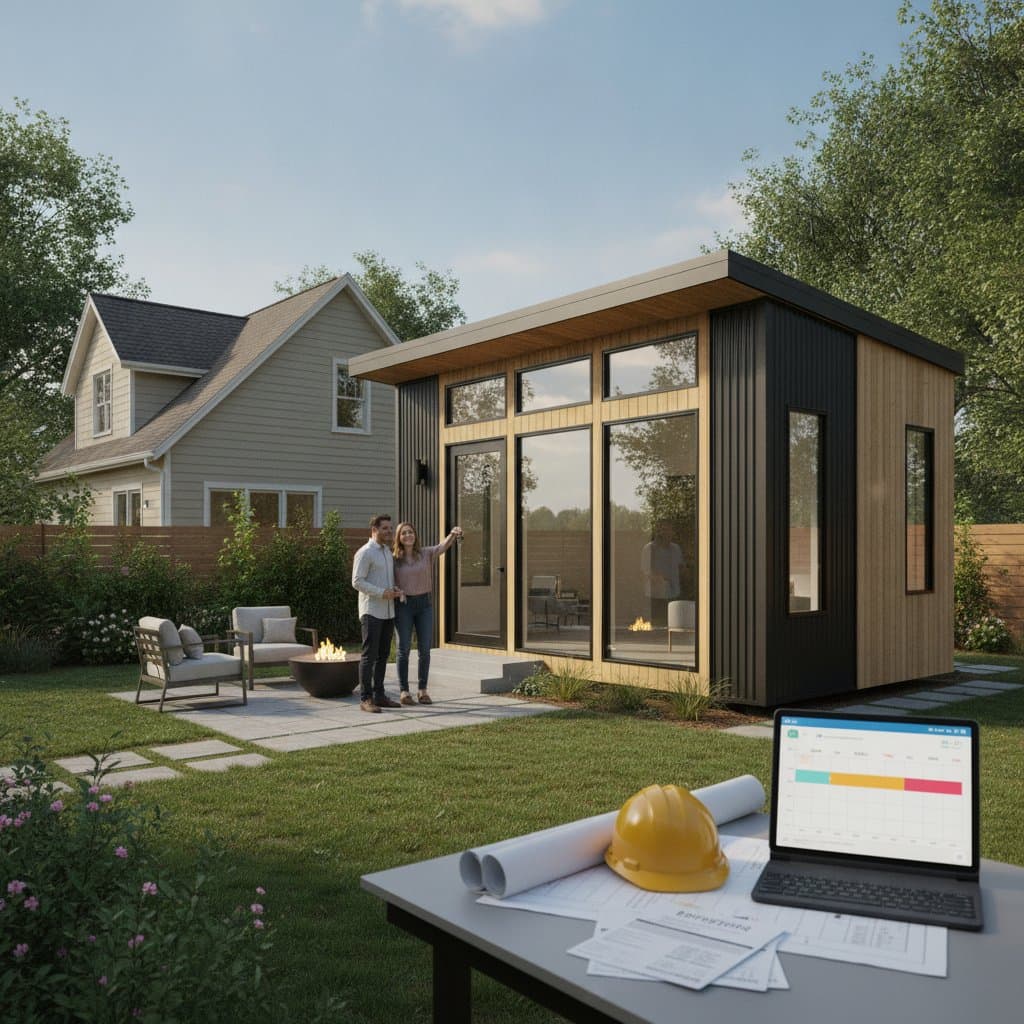
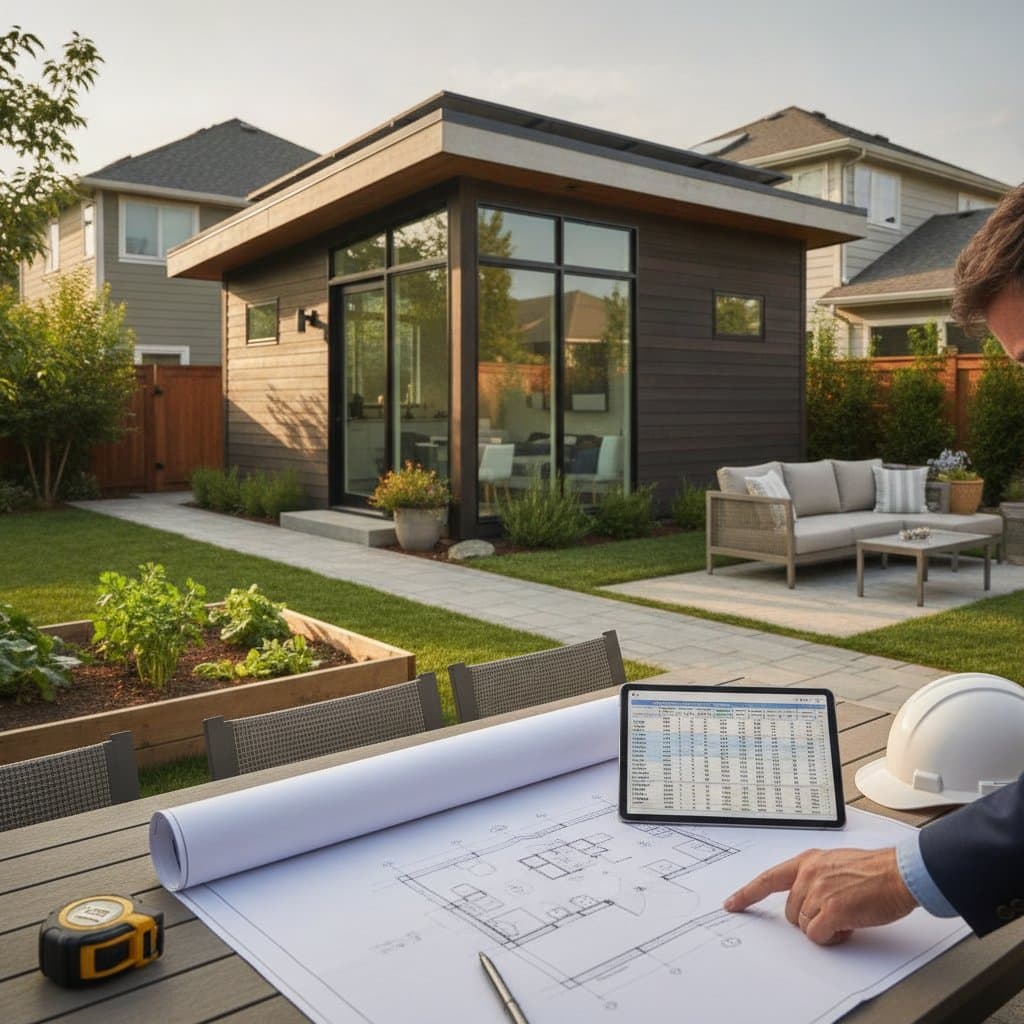
Building an Accessory Dwelling Unit (ADU) expands property value and functionality. This guide details how to plan an ADU project through clear understanding of costs, permits, and practical steps prior to construction.
Cost and Time Estimates
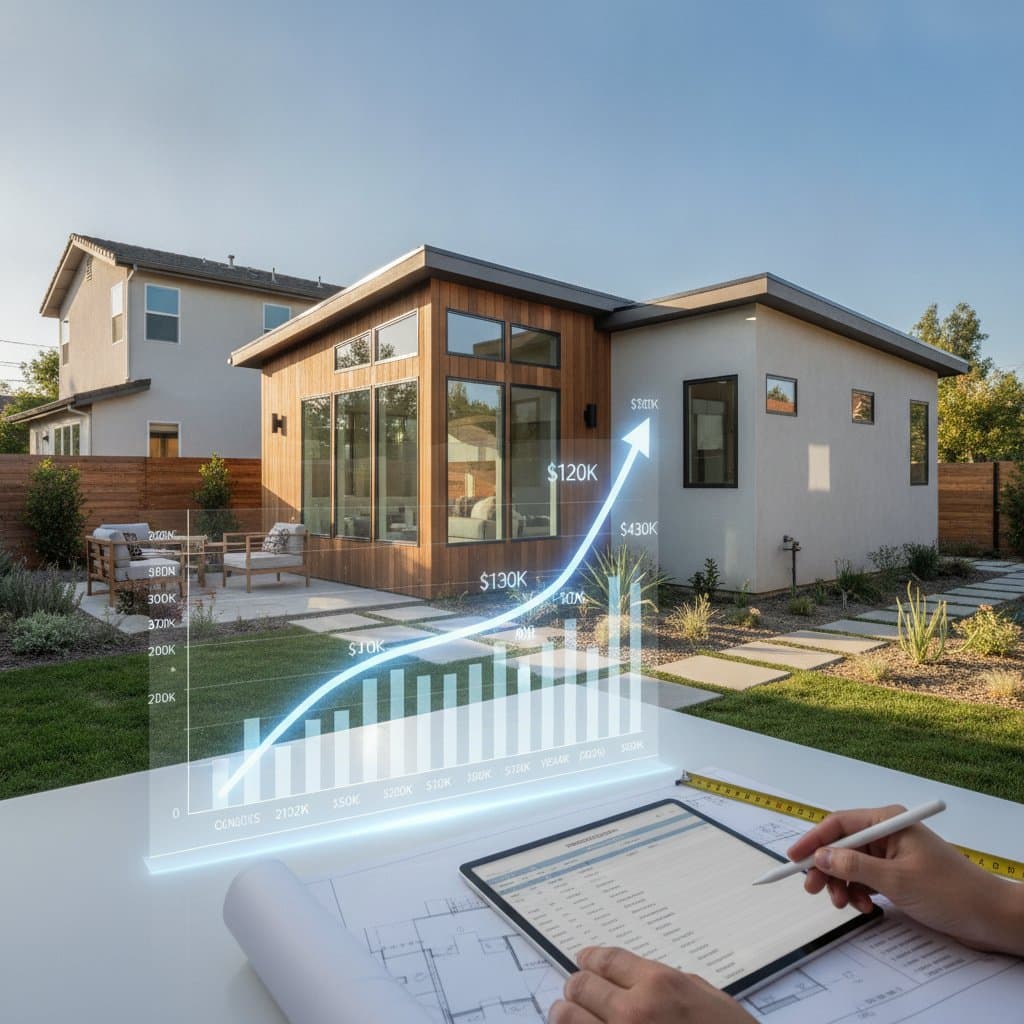
ADU costs differ based on size, design, materials, and site conditions. The following provides a realistic breakdown:
- Detached ADU (standalone unit): $250,000 to $500,000
- Attached ADU (connected to main house): $175,000 to $350,000
- Garage conversion ADU: $100,000 to $250,000
- Basement ADU: $150,000 to $300,000
Factors that influence cost:
- Square footage. Larger units demand more materials and labor.
- Foundation and grading. Sloped or uneven terrain elevates excavation expenses.
- Utilities. Extending water, sewer, and electrical lines adds significant costs.
- Finishes. Premium cabinetry, flooring, or tile can increase interior expenses substantially.
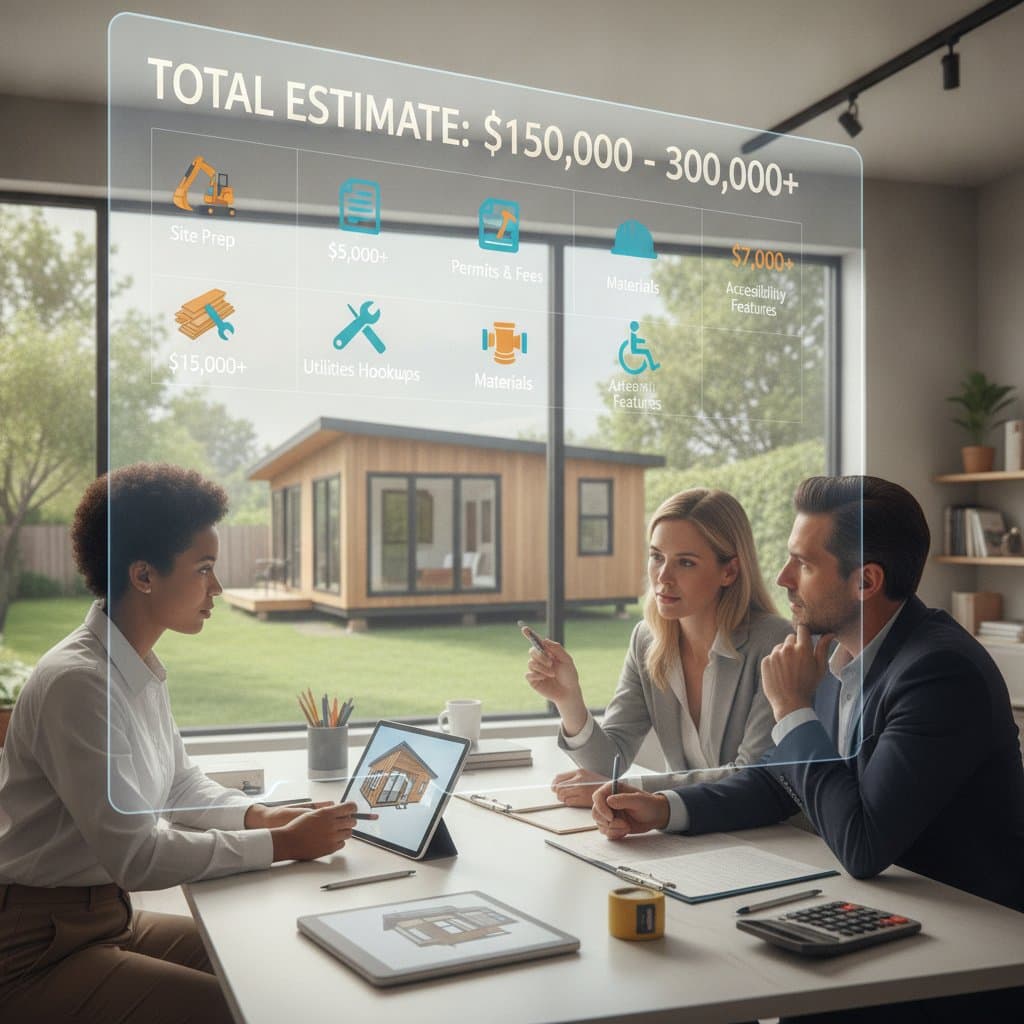
- Permits and fees. Local charges typically range from $5,000 to $25,000, varying by jurisdiction.
Timeline estimates:
- DIY construction: 12 to 18 months
- Professional construction: 6 to 10 months
Difficulty rating: Advanced. ADU projects require coordination among multiple trades, structural engineering, and adherence to building codes.
Step-by-Step Planning and Construction Process
1. Confirm Zoning and Lot Eligibility
Review local zoning regulations to determine if the property supports an ADU. Jurisdictions often specify minimum lot sizes, height restrictions, or additional parking requirements. Verify eligibility early to prevent redesign efforts.
Success check: Property complies with all zoning standards prior to proceeding with design.
2. Define the Type and Size of ADU
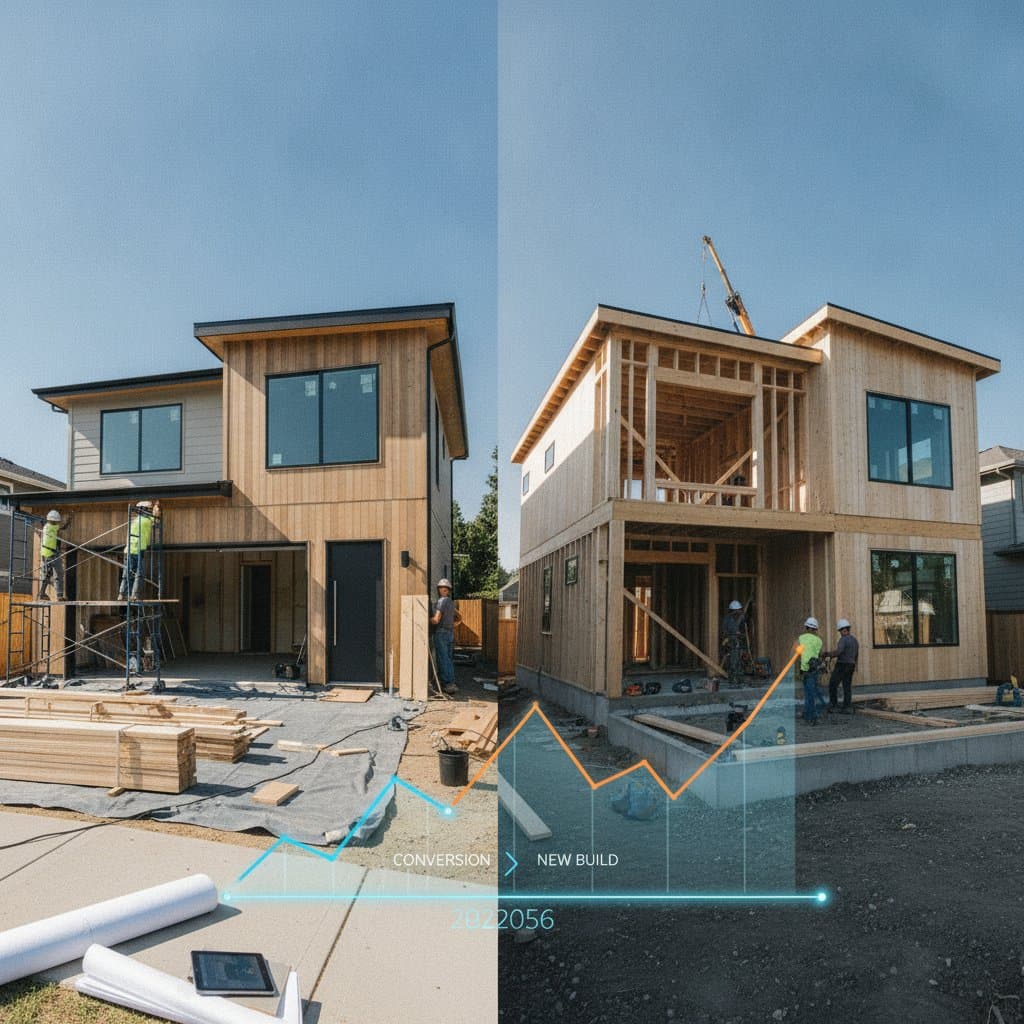
Select from detached, attached, garage conversion, or basement options. Detached units provide greater privacy yet incur higher costs due to new foundations. Conversions leverage existing structures to minimize expenses.
Success check: Selected type aligns with budget constraints and site configuration.
3. Create a Concept Design
Collaborate with a designer or architect to develop initial plans. Incorporate detailed floor plans, elevations, and site layouts. Ensure provisions for plumbing, HVAC systems, and accessibility features.
Success check: Design adheres to zoning restrictions and accommodates utility connections.
4. Obtain Permits and Approvals
Present plans to the local building department for evaluation. Anticipate fees for plan review and impact assessments. Certain areas mandate distinct permits for utility integrations.
Success check: Approved plans receive official stamps, clearing the path for construction.
5. Prepare the Site
Remove vegetation, grade the area for a level building pad, and identify underground utility lines. Contact utility locator services to mark lines accurately before any excavation begins.
Caution: Underground Utility Risk. Failure to locate lines can result in damage and project delays.
Success check: Site achieves stability, levelness, and clear markings for foundation preparation.
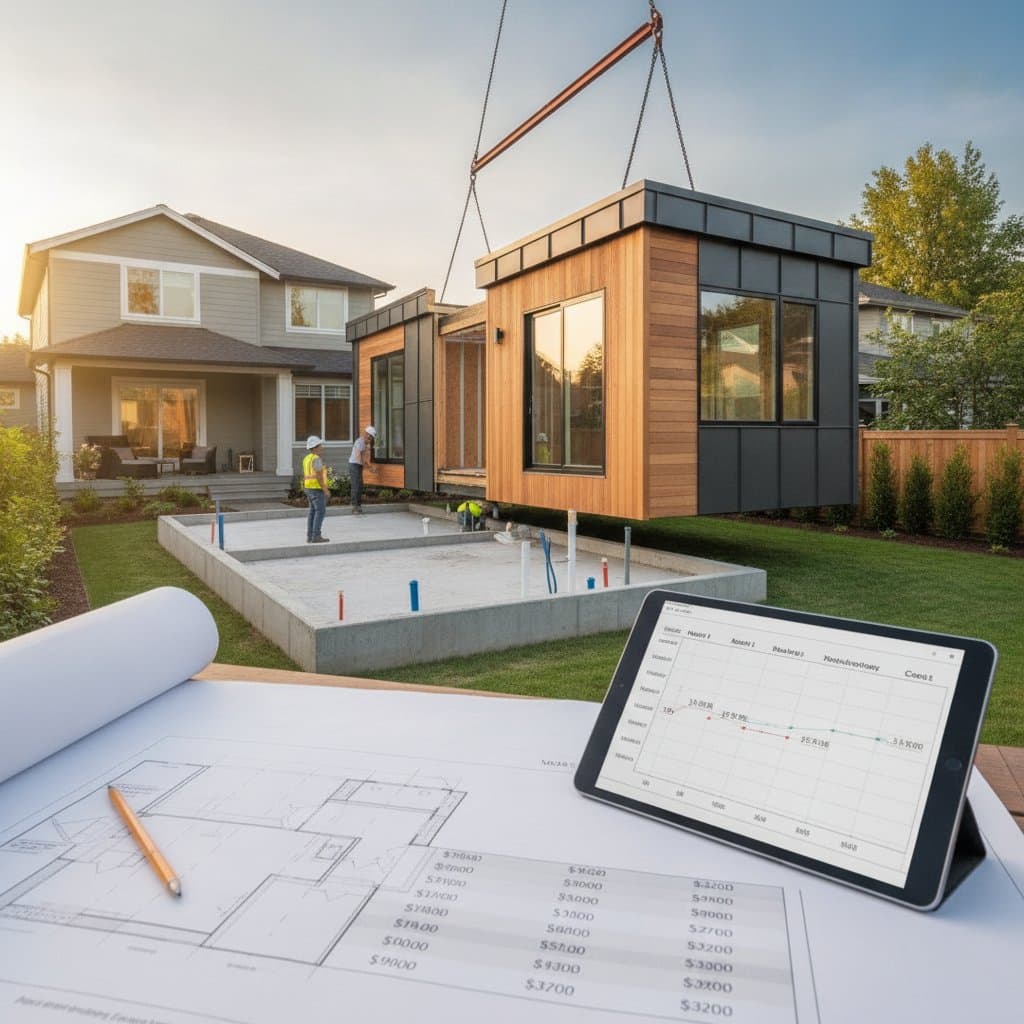
6. Build the Foundation
Construct a concrete slab or install footings tailored to the ADU. Conduct soil compaction tests if required by local codes. Integrate moisture barriers and anchor bolts for durability.
Success check: Foundation secures inspection approval for structural integrity and precise alignment.
7. Frame the Structure
Erect walls, floors, and roof framing. Employ scaffolding and safety harnesses for elevated work to mitigate risks.
Warning: Fall Risk. Heights demand rigorous safety protocols.
Success check: Framing remains plumb, square, and consistent with design specifications.
8. Install Utilities
Route electrical wiring, plumbing lines, and HVAC ducts. Disconnect primary power sources prior to electrical installations to prevent hazards.
Warning: Electrical Hazard. Unauthorized work poses severe risks.
Success check: Rough-in inspections confirm compliance for each utility system.
9. Add Insulation and Drywall
Apply insulation materials that satisfy energy efficiency codes, followed by drywall installation. Opt for moisture-resistant varieties in wet areas like bathrooms.
Success check: Surfaces prepare evenly for subsequent finishing stages.
10. Complete Interior and Exterior Finishes
Install flooring, apply paint, mount cabinets, and fit fixtures along with exterior siding. Test all components for operational reliability.
Success check: Unit presents a complete appearance with fully functional elements.
11. Schedule Final Inspection
Arrange for the building inspector to evaluate overall structure, safety features, and code adherence. Address any noted deficiencies promptly.
Success check: Obtain final approval and certificate of occupancy.
Troubleshooting and Quality Checks
Common issues and fixes:
- Uneven foundation: Adjust with shims or self-leveling concrete prior to framing.
- Leaking plumbing joints: Secure fittings and pressure-test lines before enclosing walls.
- Poor insulation performance: Close air leaks using foam sealant or caulk.
- Moisture intrusion: Properly install flashing and vapor barriers at windows and doors.
Quality verification:
- Ensure walls remain plumb within 1/8 inch over 8 feet.
- Limit floor slope to 1/4 inch per 10 feet.
- Confirm windows and doors operate smoothly and secure firmly.
- Validate electrical outlets using a circuit tester.
Conduct inspections at each phase to eliminate the need for costly corrections.
Maintenance and Lifespan
Regular upkeep preserves the ADU's value and ensures resident safety.
Routine maintenance:
- Examine roof and gutters biannually for blockages or damage.
- Refresh exterior paint every 5 to 7 years, adjusted for local weather.
- Verify smoke and carbon monoxide detectors each month.
- Drain the water heater yearly to prolong its efficiency.
Typical component lifespans:
- Roofing: 20 to 30 years
- Siding: 15 to 25 years
- Windows: 15 to 20 years
- HVAC equipment: 10 to 15 years
Maintain a dedicated log for tracking upkeep and component replacements. Proactive measures avert major repairs.
Pro Tips for Success
- Secure written guidance from the building department at the outset.
- Allocate a 10 percent contingency fund for unforeseen expenses.
- Incorporate energy-efficient windows, insulation, and appliances to lower ongoing costs.
- Organize permits, reports, and receipts in a single accessible binder.
- Book inspections without delay to sustain project progress.
- Select durable, low-maintenance options like fiber cement siding or composite decking.
Thorough initial planning minimizes future expenditures. Balance decisions around cost, longevity, and regulatory compliance.
FAQ
What is the smallest legal size for an ADU?
Most jurisdictions permit units from 150 to 400 square feet, though some enforce larger minimums.
Do I need a separate address for my ADU?
Certain cities issue secondary addresses for utilities and mail, while others tie it to the primary residence.
Can I rent out my ADU?
Long-term rentals prove feasible in many areas, but short-term options face restrictions under local rules.
How much are permit fees for an ADU?
Fees aggregate $5,000 to $25,000, encompassing plan reviews, impact charges, and utility connections based on size and location.
Can an ADU share utilities with the main house?
Sharing occurs commonly, yet some locales demand independent meters for water or electricity. Consult utility providers early.
What type of foundation works best for a detached ADU?
Concrete slabs suit most sites, with raised foundations preferred for sloped or flood-vulnerable terrain.
Do I need fire separation between an ADU and the main house?
Attached units necessitate fire-rated walls and doors per code specifications.
Making It Happen
An ADU delivers versatile living options and boosts property worth through meticulous planning. Begin with zoning verification, realistic budgeting, and professional input for intricate elements. Focus on design precision, safety measures, and ongoing care to secure enduring benefits for personal use or income generation.