Understanding Accessory Dwelling Units in 2026
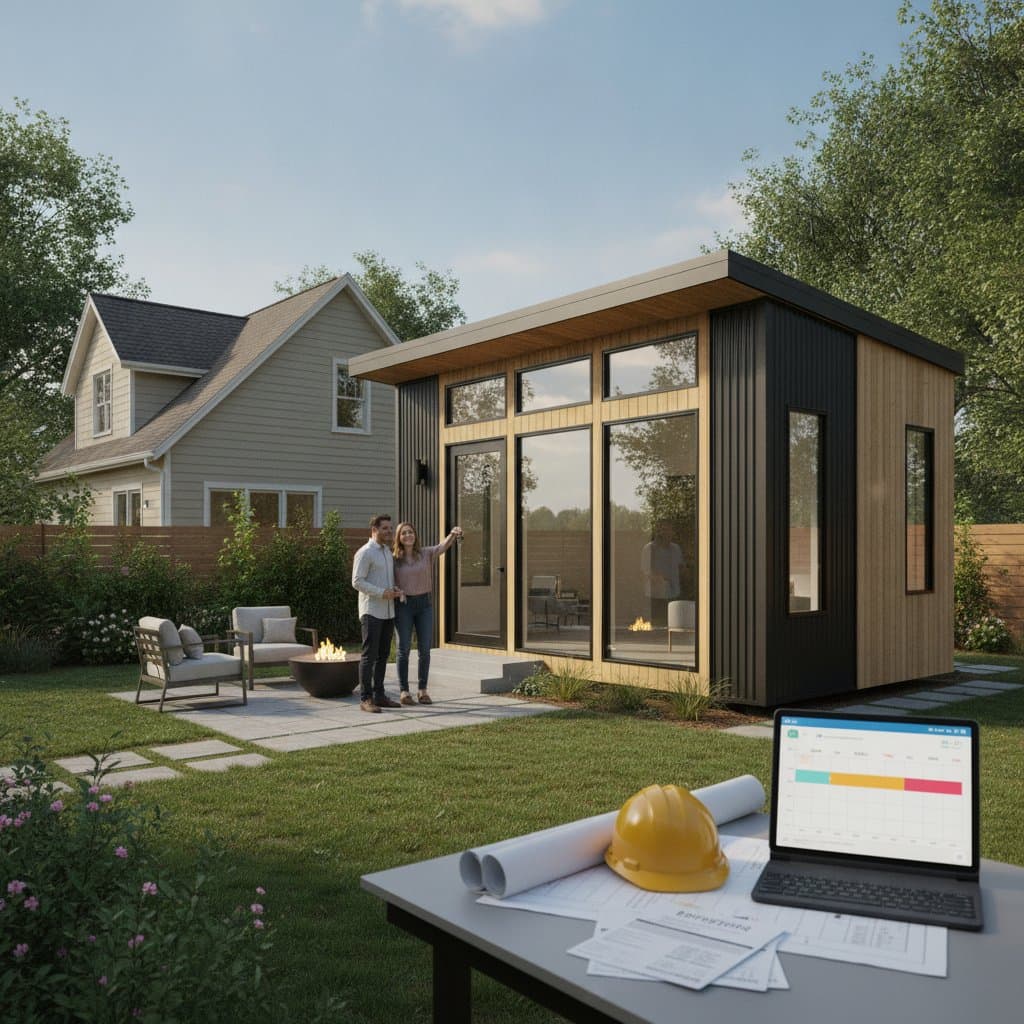
Accessory dwelling units, or ADUs, represent a versatile solution for homeowners seeking to expand living space or generate rental income. These structures, often built as backyard cottages or attached garage conversions, must adhere to evolving local regulations. In 2026, updated zoning laws aim to facilitate ADU construction while ensuring community harmony and safety standards.
Homeowners benefit from ADUs through increased property value and potential revenue streams. However, success hinges on thorough preparation and compliance with municipal guidelines. This guide outlines key zoning considerations and cost realities to inform your project decisions.
Key Zoning Laws Shaping ADU Projects
Zoning laws vary by jurisdiction, but 2026 brings standardized approaches in many areas to promote housing density. Most cities now permit ADUs on single-family lots, with size limits typically ranging from 500 to 1,200 square feet. Setback requirements mandate at least five feet from property lines, preserving neighbor privacy and access.
Owner-occupancy rules often apply, requiring the primary residence to remain inhabited by the property owner. Some regions impose height restrictions, capping ADUs at 16 to 20 feet to blend with residential aesthetics. Consult local planning departments early to confirm allowable configurations, such as detached versus attached units.
Environmental and utility mandates add layers to zoning compliance. Solar-ready roofing and energy-efficient designs qualify for incentives in progressive districts. Water and sewage connections must meet capacity standards, potentially necessitating upgrades to existing infrastructure.
Breaking Down 2026 ADU Construction Costs
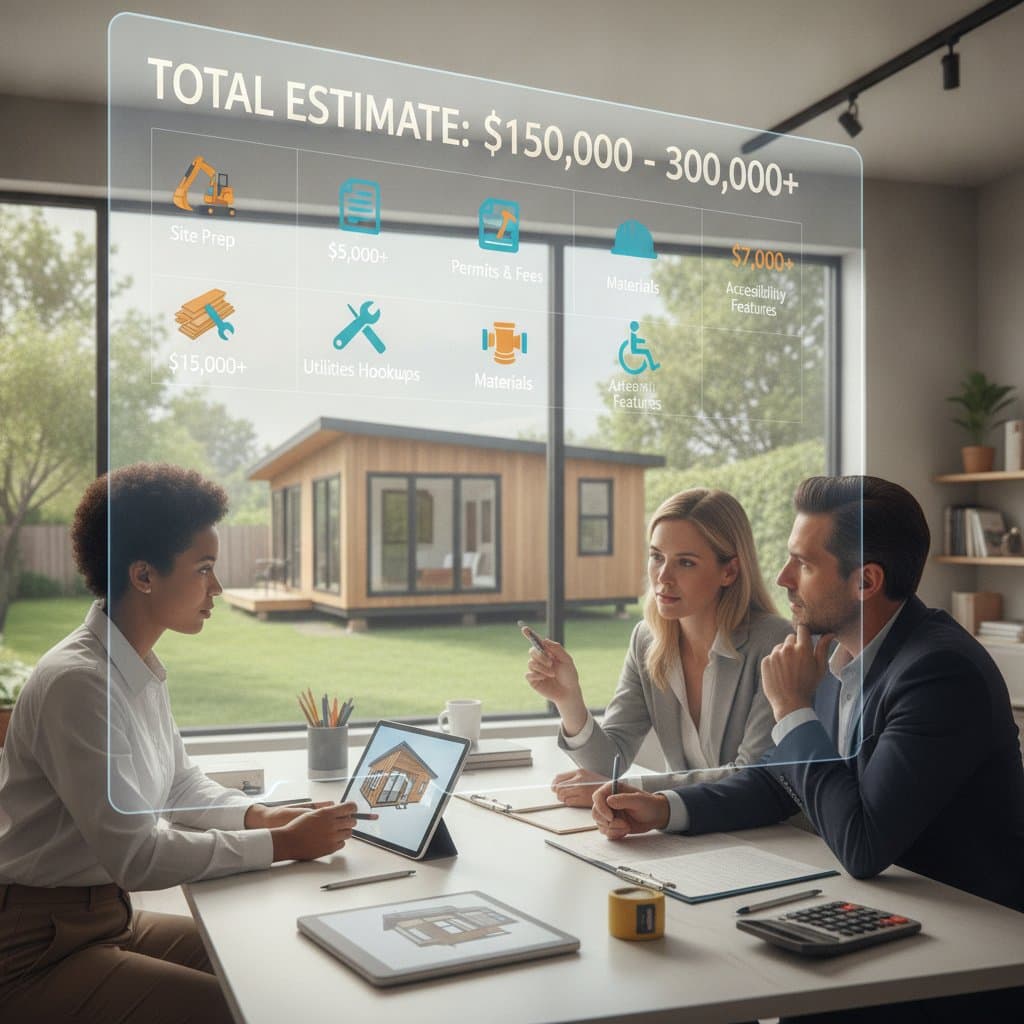
Project expenses in 2026 reflect rising material prices and labor demands, averaging $150,000 to $300,000 for a standard 800-square-foot ADU. Site preparation, including grading and foundation work, accounts for 15 to 20 percent of the budget, or about $25,000. Factor in soil testing to avoid surprises from unstable ground.
Building materials dominate costs, with framing, roofing, and siding contributing $80,000 on average. Opt for durable options like fiber cement siding to withstand weather while keeping long-term maintenance low. Interior finishes, from kitchen appliances to flooring, add another $50,000, emphasizing quality for rental appeal.
Utility installations and permitting fees round out the estimate at $20,000 to $40,000. Electrical and plumbing systems require professional certification to pass inspections. Hidden costs, such as design consultations with architects, can inflate totals by 10 percent if not planned.
Navigating the Permitting Process
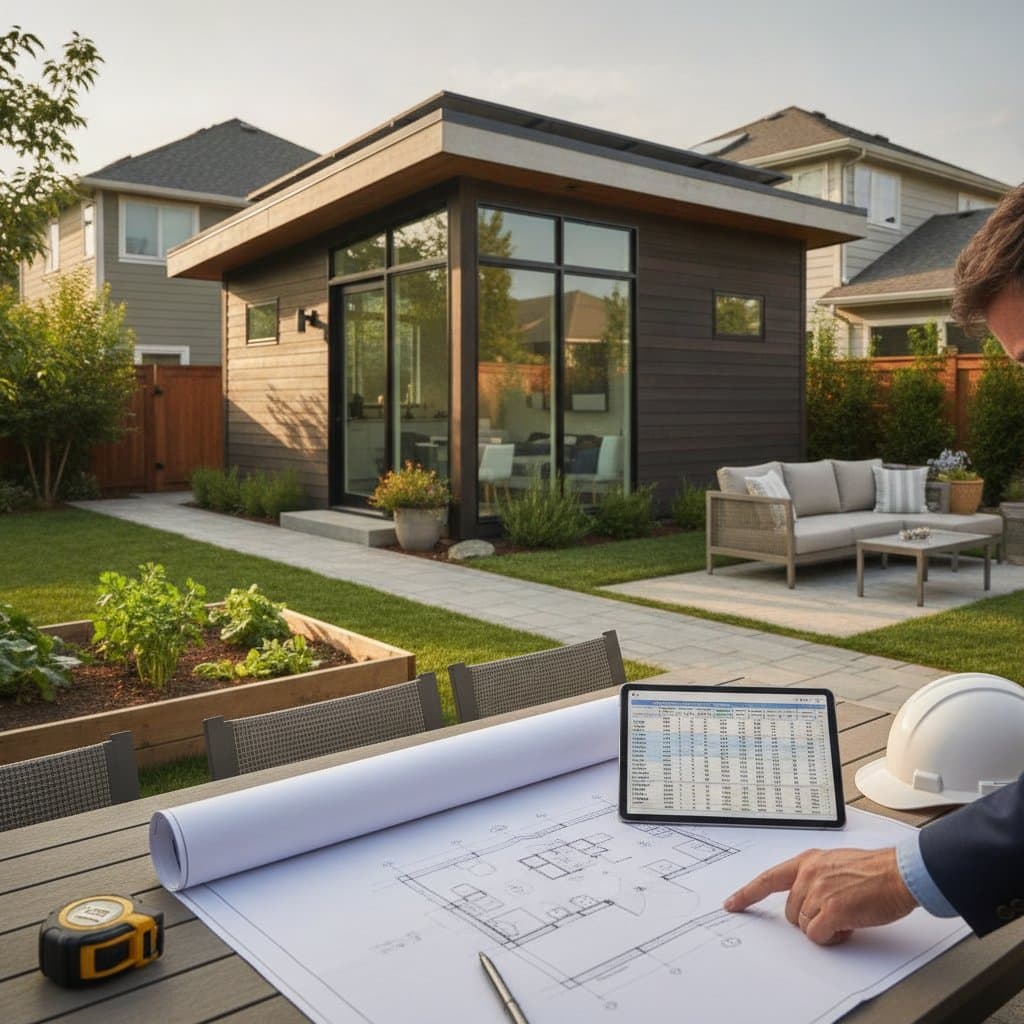
Secure zoning approval by submitting a detailed site plan to your local building department. This document should illustrate the ADU's location, dimensions, and impact on neighboring properties. Expect review times of 30 to 90 days, depending on municipal workload.
Environmental impact assessments may be required in sensitive areas, evaluating drainage and tree preservation. Engage a licensed surveyor to verify property boundaries and easements. Once approved, obtain building permits, which detail structural, mechanical, and electrical specifications.
Inspections occur at key stages: foundation pour, framing, and final occupancy. Address any deficiencies promptly to prevent delays. Budget $5,000 for fees and potential revisions, ensuring a streamlined path to construction start.
Step-by-Step Permitting Checklist
- Research local zoning ordinances via city websites or planning offices.
- Hire an architect or designer familiar with ADU codes.
- Prepare and submit application packets with blueprints and elevations.
- Respond to departmental feedback with necessary adjustments.
- Schedule phased inspections and maintain compliance records.
- Finalize occupancy certificate post-construction.
Budgeting Strategies for Cost Control
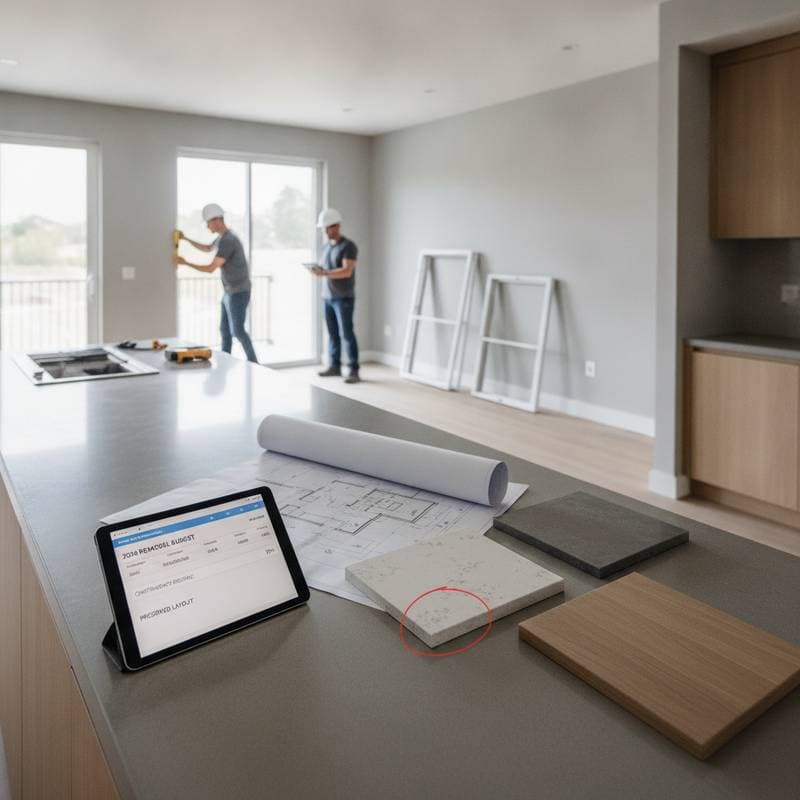
Develop a comprehensive budget spreadsheet tracking line items from design to occupancy. Allocate 10 percent as a contingency for unforeseen expenses, such as material price fluctuations. Prioritize energy-efficient features to access rebates, potentially saving $10,000.
Compare contractor bids from at least three vetted professionals, focusing on those with ADU experience. Phased payments tied to milestones protect your investment. Explore financing options like home equity loans, which offer favorable rates for property improvements.
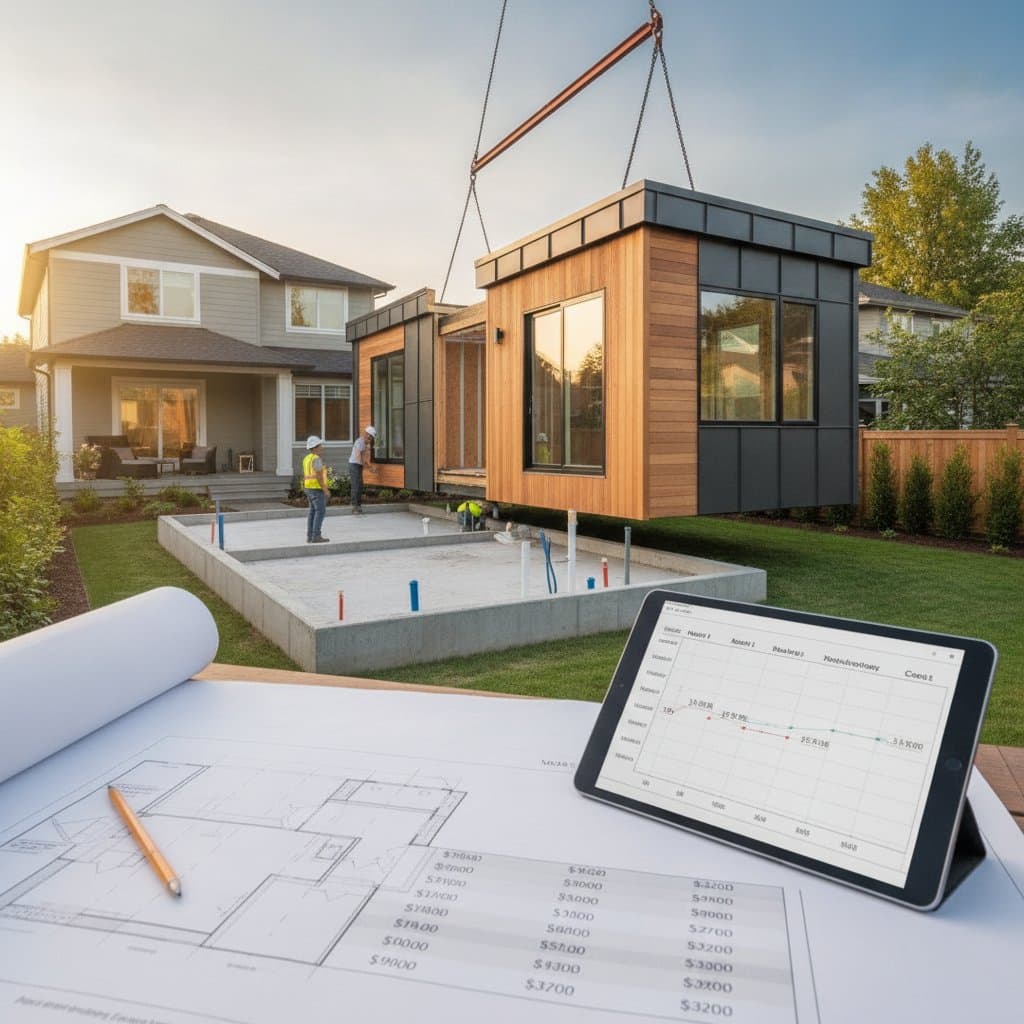
Monitor market trends for cost-saving opportunities, such as prefabricated ADU kits that reduce on-site labor by 30 percent. These modules arrive nearly complete, accelerating timelines and minimizing weather disruptions. Balance initial savings with durability assessments.
Essential Safety and Design Considerations
Incorporate fire safety measures, including smoke detectors, fire-rated walls, and separate egress points. Zoning often requires these to safeguard both the ADU and main home. Select non-combustible materials for exteriors to enhance resilience.
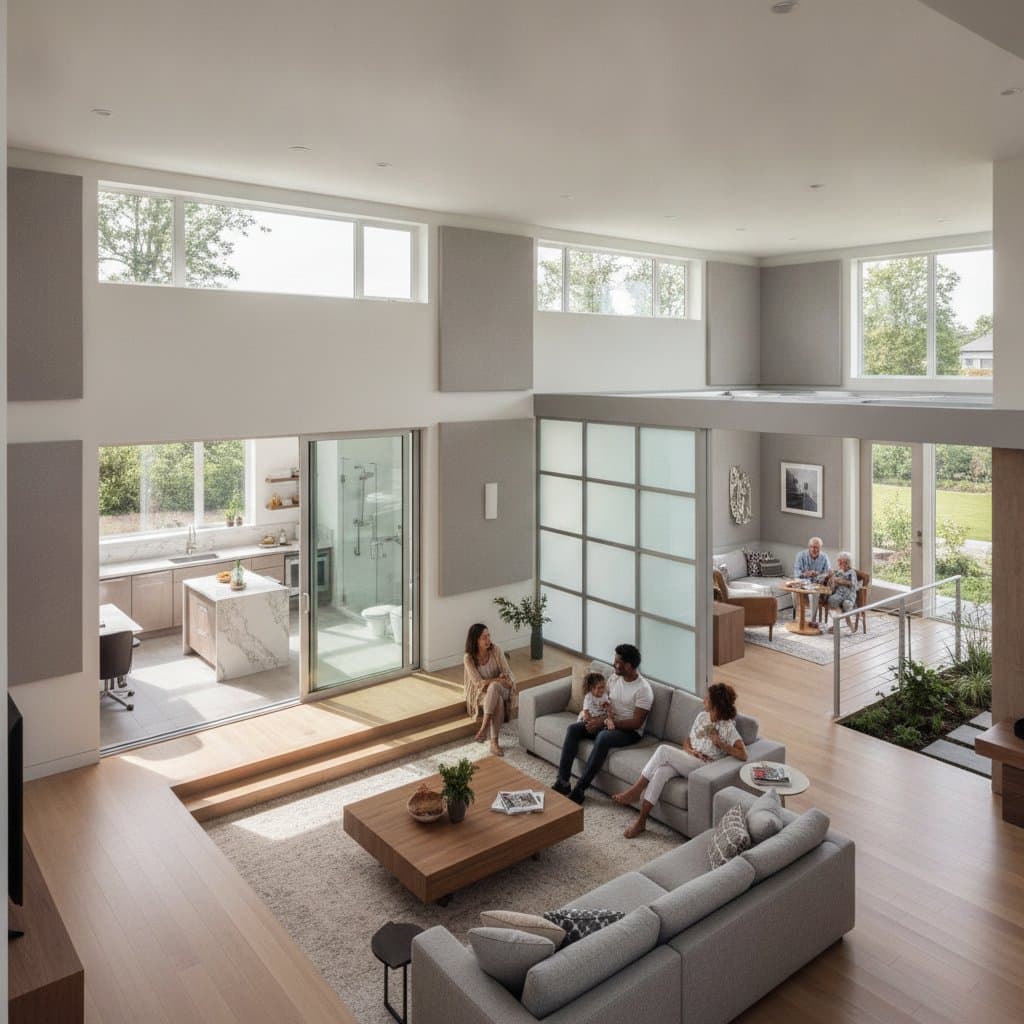
Accessibility features, like wide doorways and zero-step entries, future-proof the space for aging in place or diverse tenants. Soundproofing between units prevents disturbances, using insulation and resilient channels. Ventilation systems ensure air quality, complying with health codes.
Landscaping integrates the ADU seamlessly, with screening fences or native plants. Lighting paths reduce hazards, while smart home tech adds security. These elements not only meet regulations but elevate livability and marketability.
Maximizing ROI Through Smart Planning
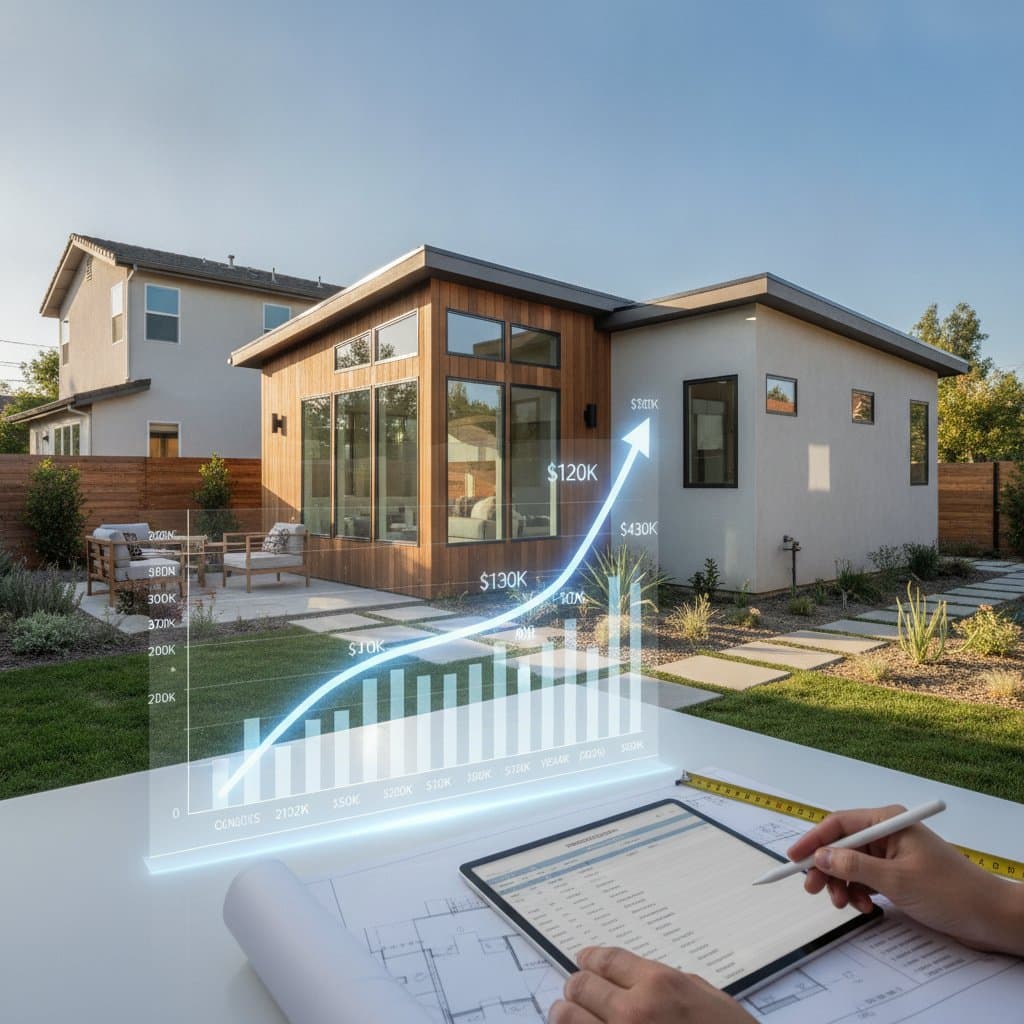
A well-executed ADU can yield 8 to 12 percent annual returns via rentals in high-demand areas. Focus on versatile interiors, such as open layouts adaptable for offices or guest suites. High-quality craftsmanship justifies premium pricing, attracting long-term tenants.
Track appreciation potential, as ADUs boost property values by 20 to 30 percent in compliant markets. Maintain records of all improvements for tax benefits and resale leverage. Regular upkeep preserves income streams and equity growth.
Consult financial advisors to align projects with personal goals, whether downsizing or investment expansion. Strategic ADU development transforms underutilized space into a lasting asset, securing financial stability amid 2026's housing dynamics.