Granny Flat Costs and ROI: Essential Insights for 2026
Constructing a granny flat, also known as an accessory dwelling unit (ADU), provides a versatile method to enhance living arrangements and elevate property worth. Homeowners pursue this addition to accommodate relatives, generate rental revenue, or improve marketability upon sale. Grasping the underlying expenses and potential returns equips individuals to proceed with confidence. This resource details cost determinants, anticipated expenditures, and the financial outcomes of a strategically planned granny flat.
Analyzing Construction Costs for Granny Flats
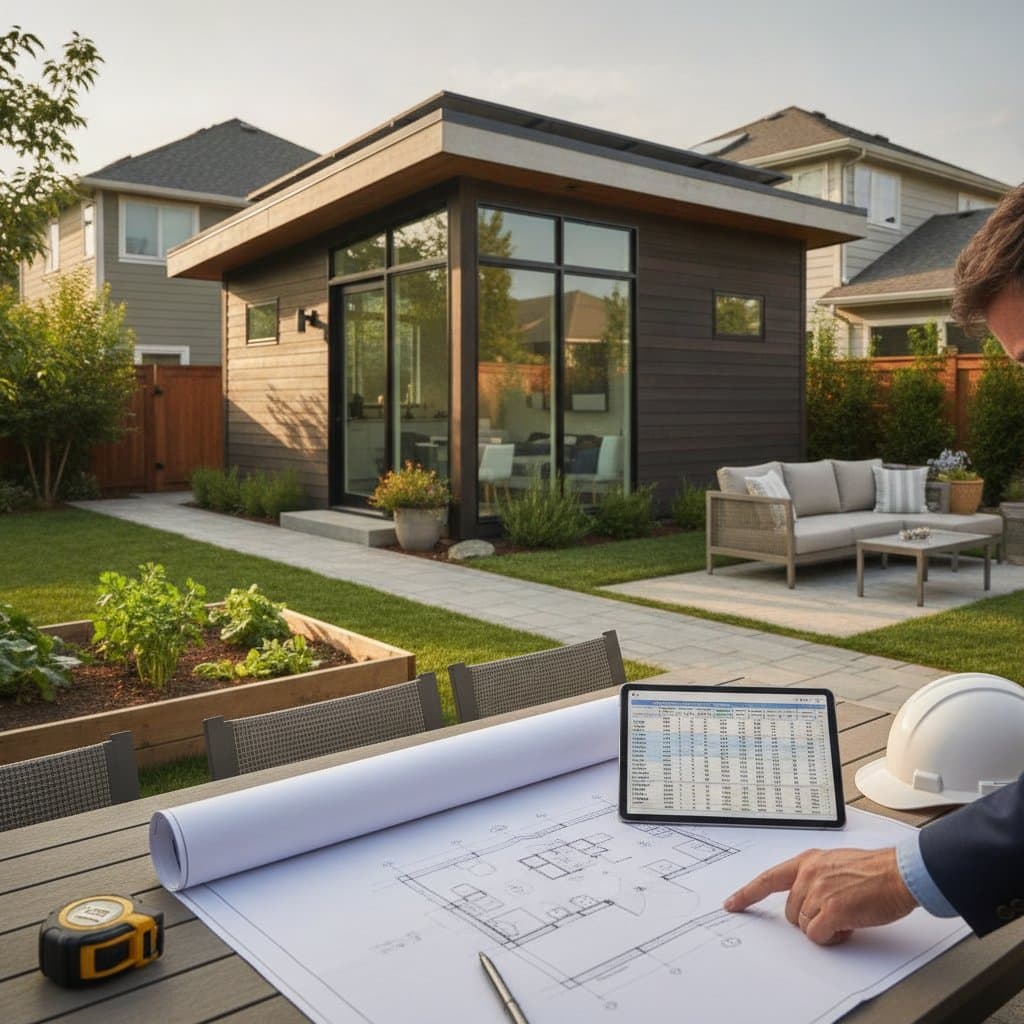
Expenses for granny flats fluctuate based on dimensions, configuration, material selections, and regional regulations. Detached structures generally incur higher initial outlays compared to attached variants, yet they frequently yield superior rental yields and enhanced resale premiums. Evaluating these elements allows for precise budgeting and informed choices.
Standard Cost Spectrum
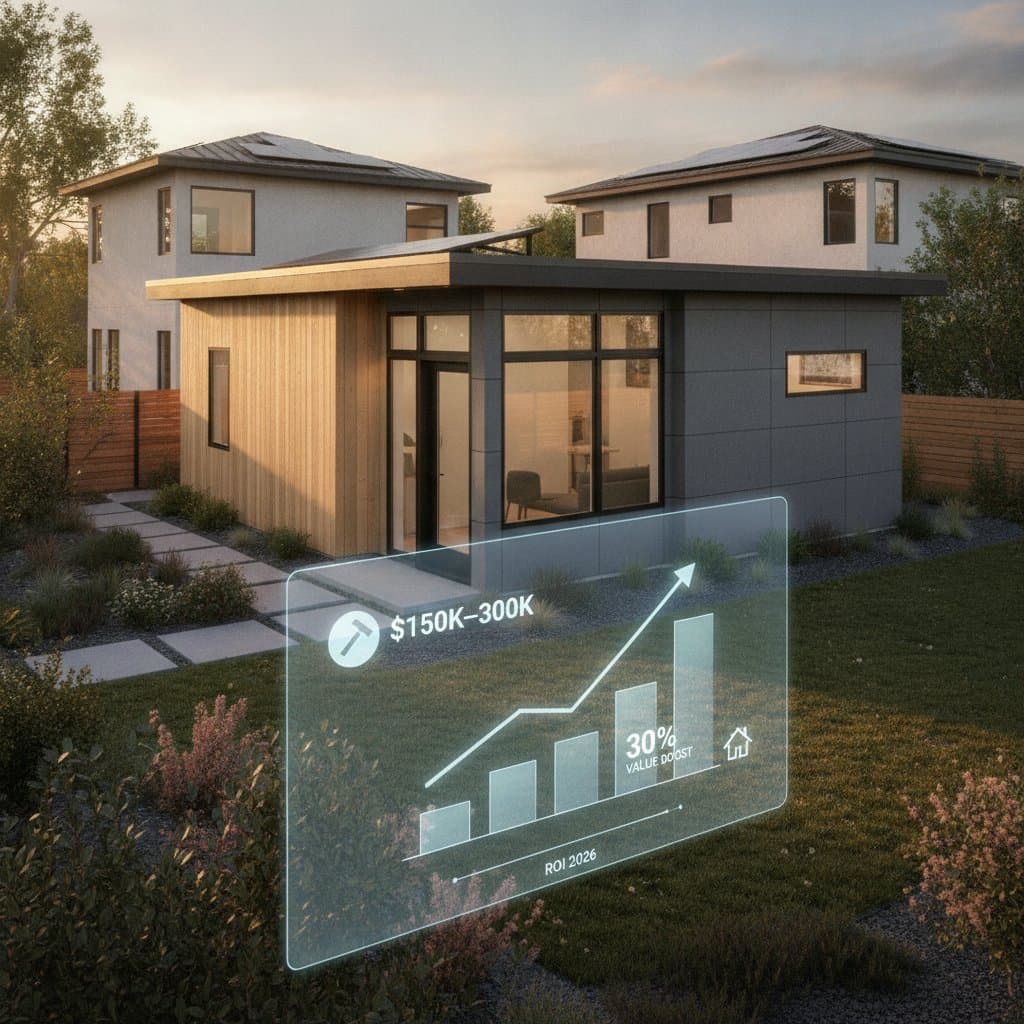
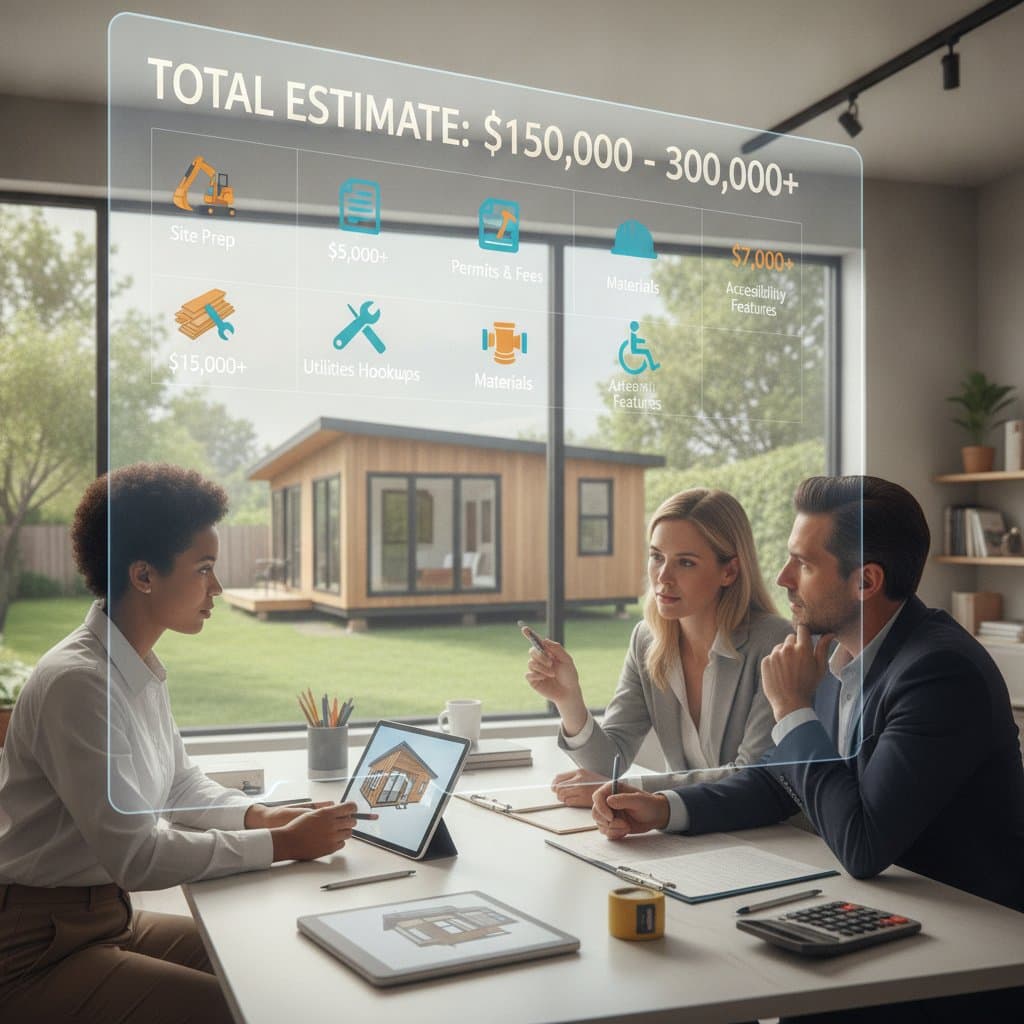
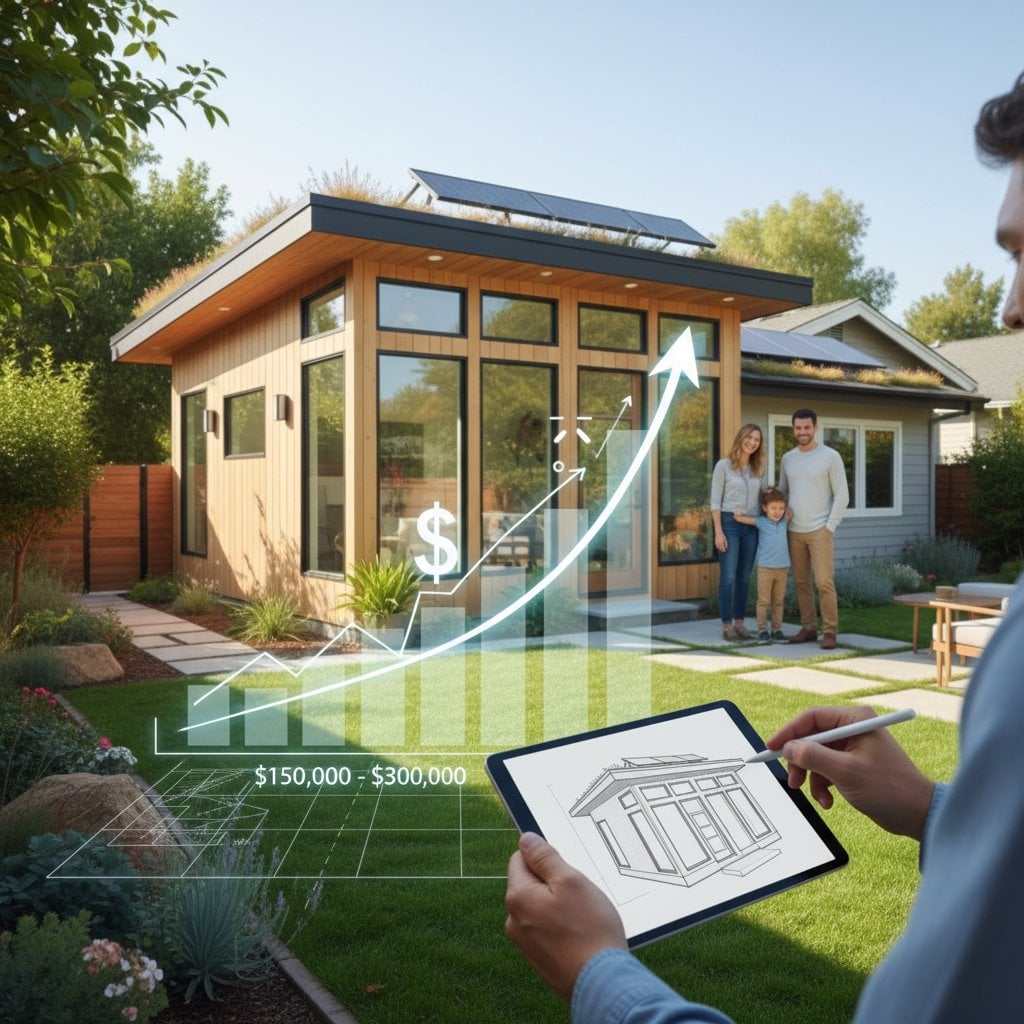
Homeowners typically allocate between $150,000 and $300,000 for a complete granny flat featuring a kitchenette, full bathroom, and communal space. Basic configurations with economical finishes might commence at $100,000, whereas luxurious options incorporating bespoke elements surpass $350,000. These figures encompass labor, materials, and compliance measures, reflecting 2026 market projections adjusted for inflation and supply chain dynamics.
Primary Cost Influences
-
Dimensions and Configuration: Construction rates average $250 to $500 per square foot. Expansive layouts elevate total spending but potentially optimize value through efficient space utilization, such as incorporating multifunctional areas.
-
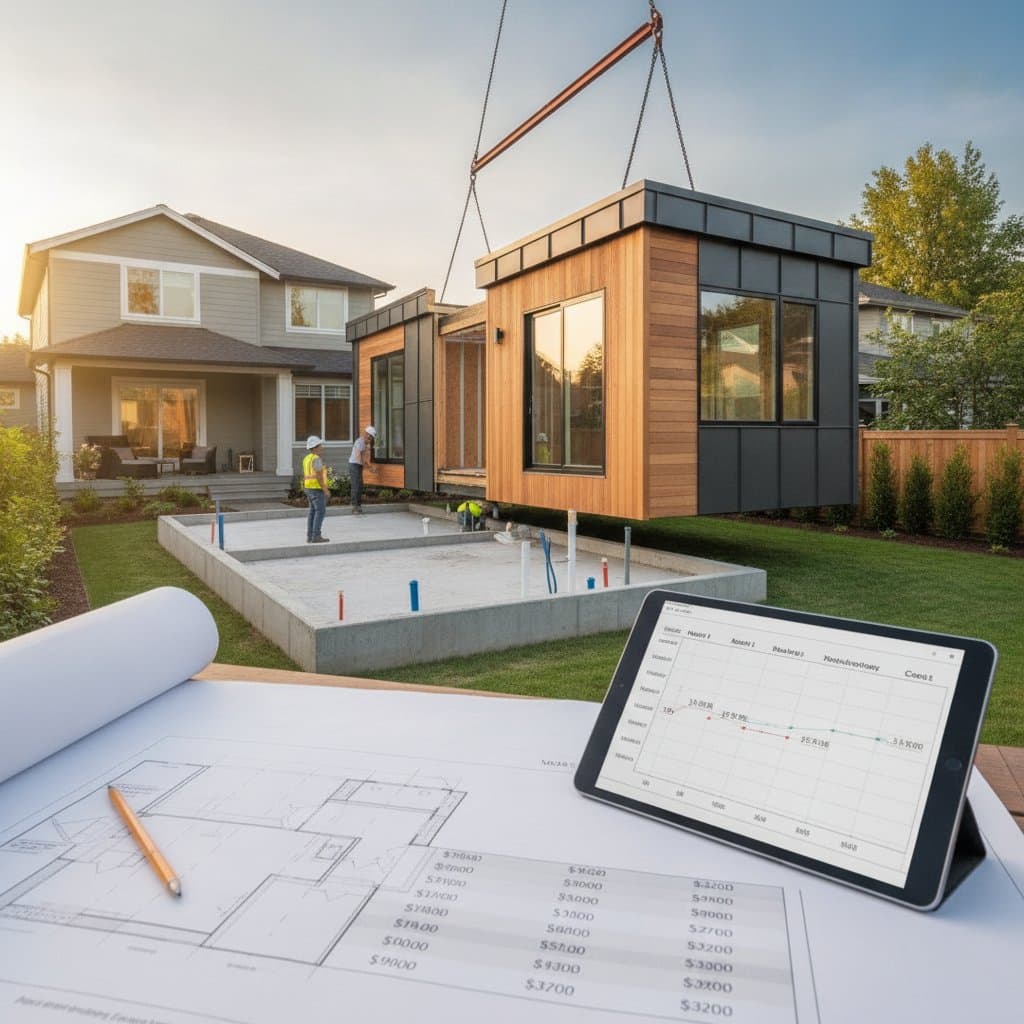
Property Terrain: Challenging landscapes, restricted entry points, or problematic soil compositions escalate groundwork and foundational expenses by up to 20 percent. Conducting a preliminary site assessment identifies these hurdles early.
-
Utility Extensions: Connecting plumbing, sewage, and power sources from the primary residence adds $10,000 to $30,000. Opt for trenchless installation techniques to minimize disruption and control costs in urban settings.
-
Material and Appliance Choices: Employing mid-range options maintains affordability, but selecting premium hardwood flooring, quartz countertops, or smart home integrations can inflate budgets by 15 to 25 percent. Balance aesthetics with durability for long-term savings.
-
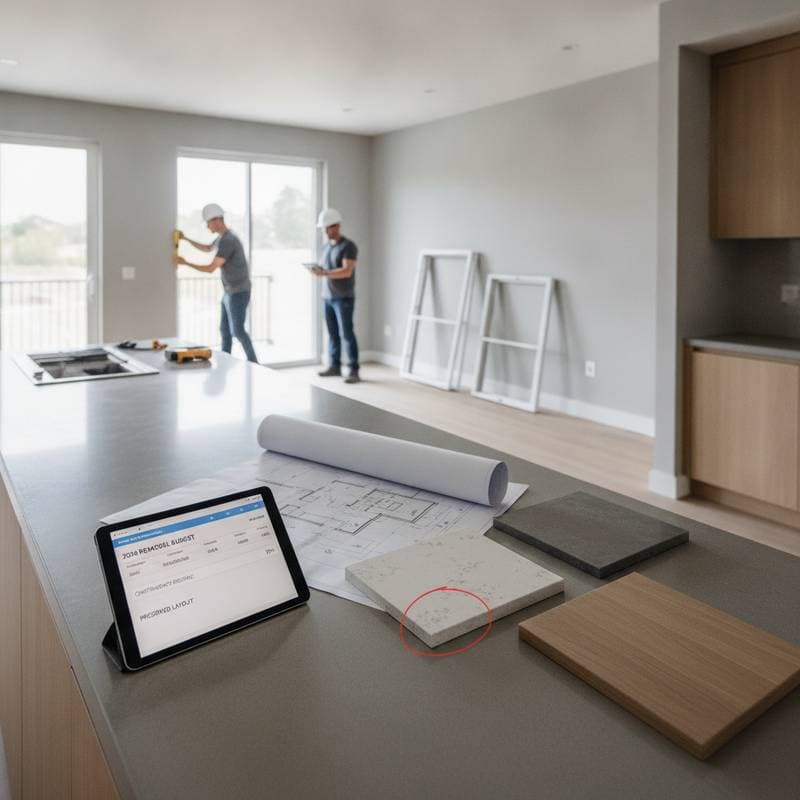
Regulatory and Planning Expenses: Budget $5,000 to $15,000 for architectural drawings, zoning approvals, and compliance checks. Engage local authorities during initial consultations to streamline this process and avert fines.
Strategies to Optimize Granny Flat ROI
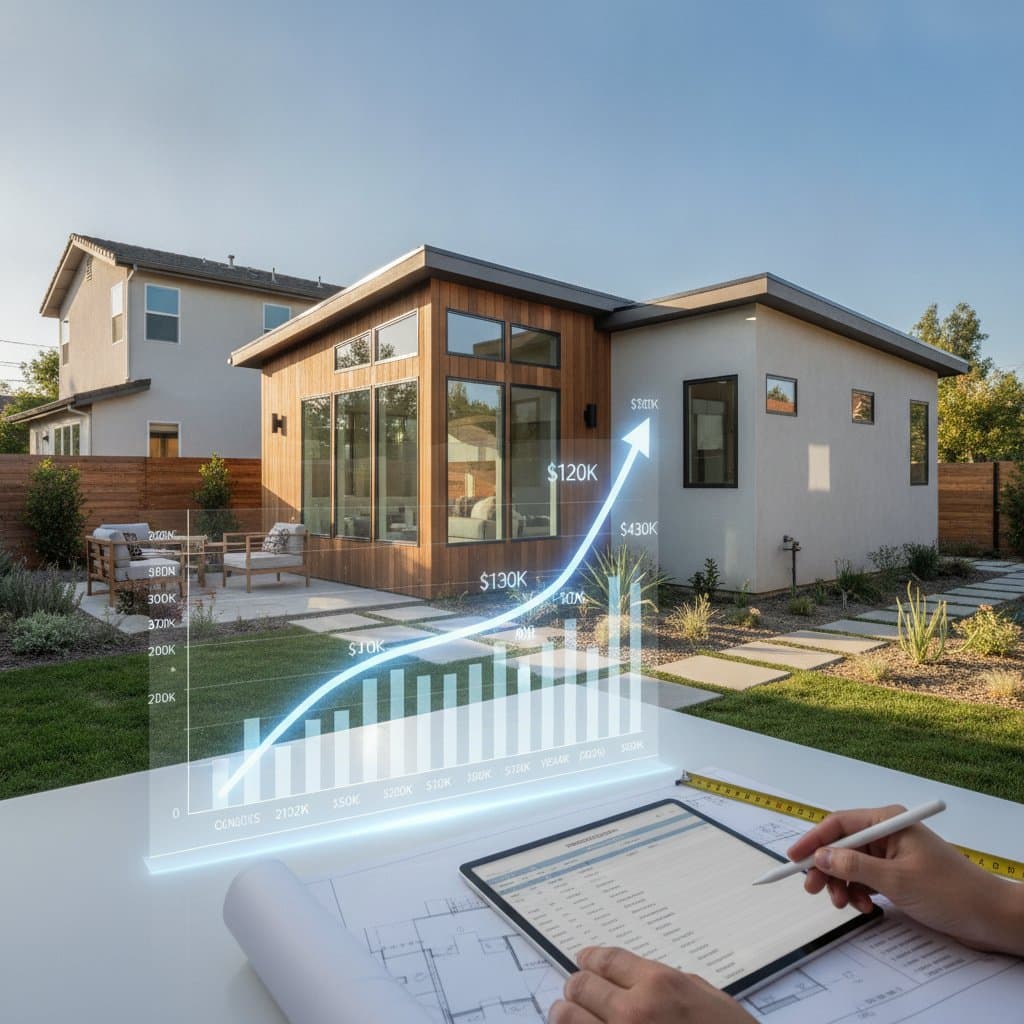
A thoughtfully executed granny flat elevates overall property valuation by 20 to 30 percent, contingent on geographic demand and execution excellence. Rental prospects position it among select renovations that recoup investments while fostering sustained wealth accumulation. Focus on elements that align with market trends for maximum financial impact.
Generating Rental Revenue
In diverse housing markets, a standalone ADU produces $1,200 to $2,500 monthly income. This stream offsets construction outlays within five to ten years, depending on occupancy rates. Prioritize resilient flooring, secure entryways, and soundproofing to appeal to reliable renters and curtail repair demands.
To enhance appeal, integrate amenities like in-unit laundry or high-speed internet readiness. Research local rental comparables via platforms such as Zillow or consult real estate agents to set competitive pricing. Establish clear lease terms covering utilities and maintenance responsibilities upfront.
Enhancing Resale Appeal
Prospective purchasers regard ADUs as adaptable features for intergenerational living or income supplementation. Properties equipped with these units command premiums of 10 to 15 percent over similar homes lacking them and attract offers 20 percent quicker. Highlight versatility in listings, such as potential for home offices or guest quarters.
Document all upgrades and compliance certifications to build buyer trust. In high-demand areas like California or urban suburbs, ADUs correlate with faster sales cycles and negotiated prices closer to asking values.
Incorporating Energy-Saving Features
Solar installations, advanced insulation, and water-conserving appliances diminish ongoing operational expenses by 30 to 50 percent. These enhancements broaden marketability to eco-conscious buyers and reduce bills for occupants. Calculate payback periods using tools from the Department of Energy to justify upfront investments.
Select ENERGY STAR-rated equipment and passive solar design principles during planning. Such measures not only lower utility demands but also qualify for potential rebates, further amplifying ROI.
Selecting and Collaborating with Professional Builders
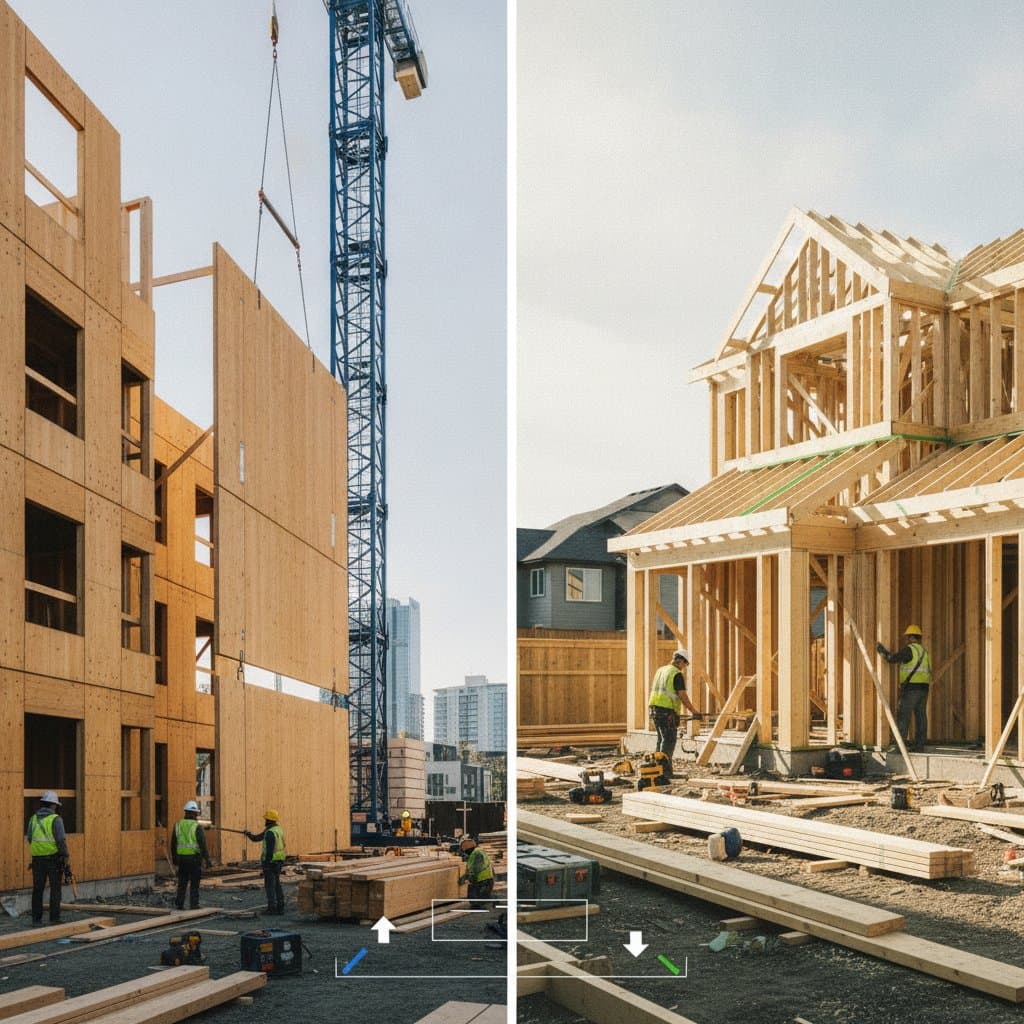
Erecting a granny flat demands seamless integration of conceptualization, regulatory navigation, and execution. Experienced contractors guarantee adherence to safety protocols and budgetary constraints while mitigating risks.
Seek professionals who demonstrate:
-
Proven track record in ADU projects, ideally with portfolios showcasing varied designs.
-
Comprehensive, itemized proposals outlining timelines, materials, and contingencies.
-
Verifiable testimonials and site visits to completed works.
-
Full responsibility for permit acquisition and regulatory inspections.
Involve builders from the outset to refine designs and preempt zoning conflicts. This approach curtails extensions that could add 10 to 20 percent to timelines and expenses.
Frequently Asked Questions on Granny Flats
What is the typical construction duration? Projects span four to eight months from schematic approval to final handover, influenced by approval processes and seasonal conditions. Allocate buffer time for unforeseen delays like material shortages.
Is a dedicated utility meter necessary? Shared connections suffice in many cases, but independent metering simplifies expense allocation for rental scenarios and complies with certain municipal codes.
What financing avenues exist? Options include home equity lines of credit, refinance cash-outs, or specialized improvement loans with rates around 5 to 7 percent in 2026 projections.
Do tax incentives apply? While rental earnings incur taxation, deductions cover repairs, asset depreciation over 27.5 years, and loan interest, potentially netting 20 to 30 percent savings.
Sustaining Value Through Ongoing Care
Granny flats preserve worth through diligent upkeep. Schedule yearly evaluations of roofing integrity, pipe functionality, and siding conditions to detect issues promptly. Refresh paint applications triennially to shield against elemental damage and uphold curb appeal.
Service heating, ventilation, and energy components biannually to sustain performance levels. These practices extend asset lifespan, minimize unexpected expenditures, and support consistent income or usage reliability. Ultimately, a maintained granny flat delivers enduring flexibility, revenue stability, and substantial equity growth for your estate.