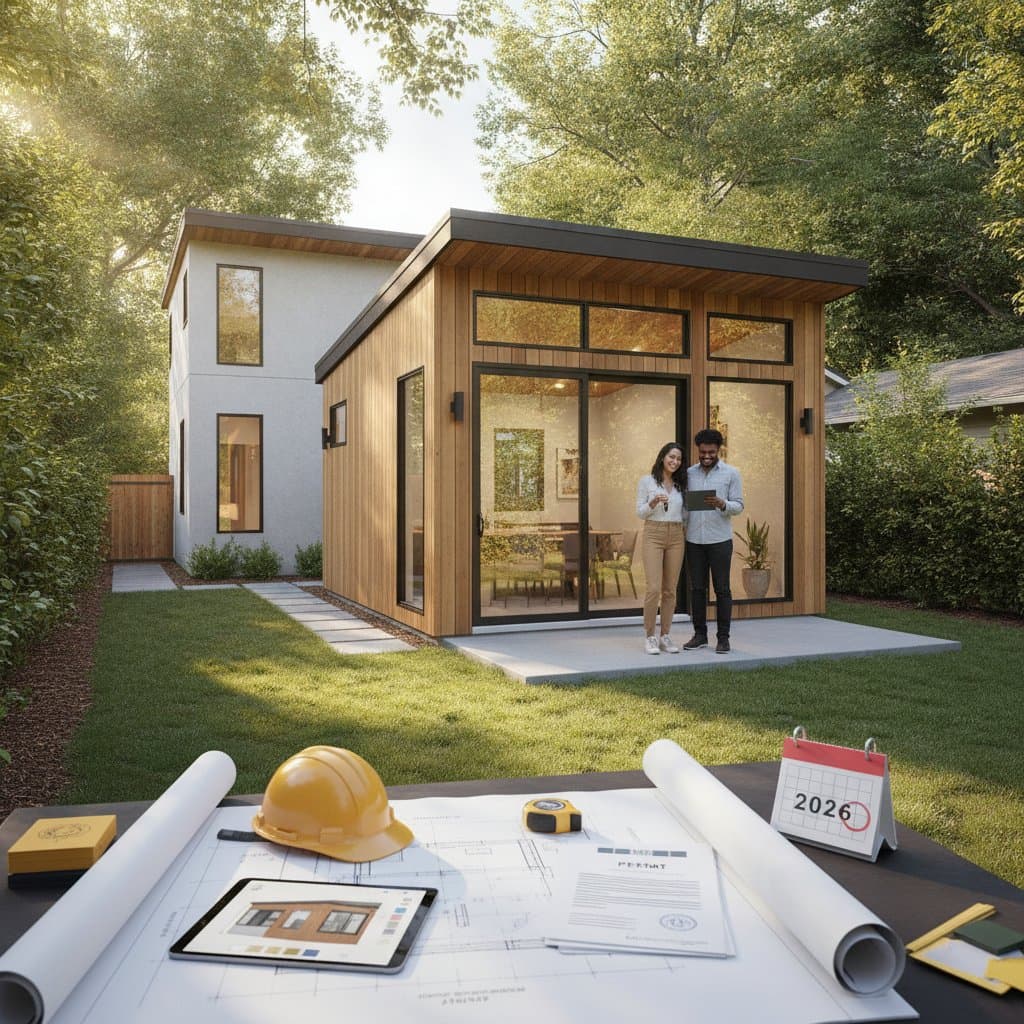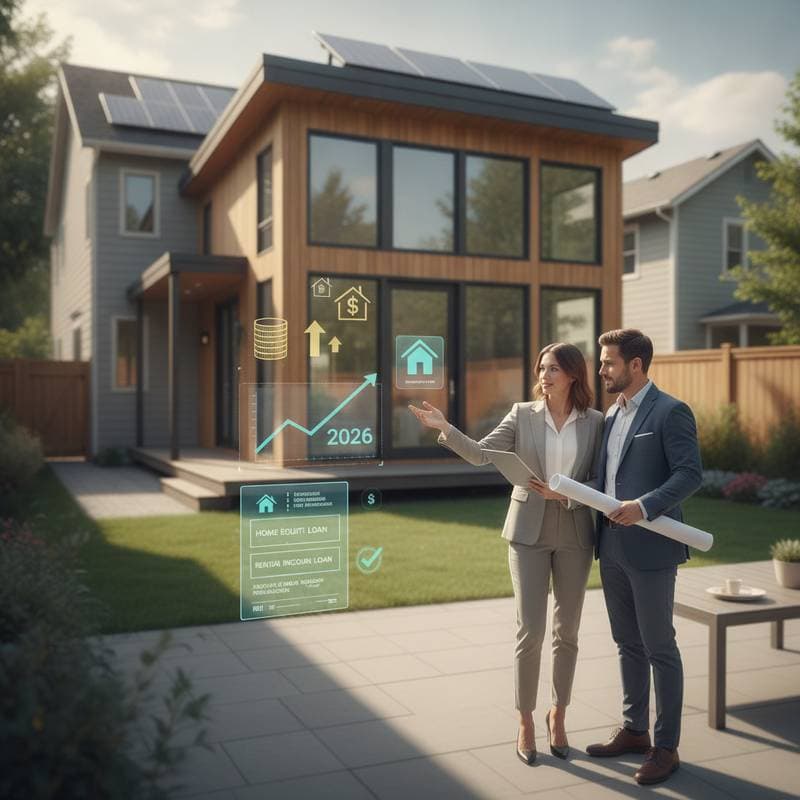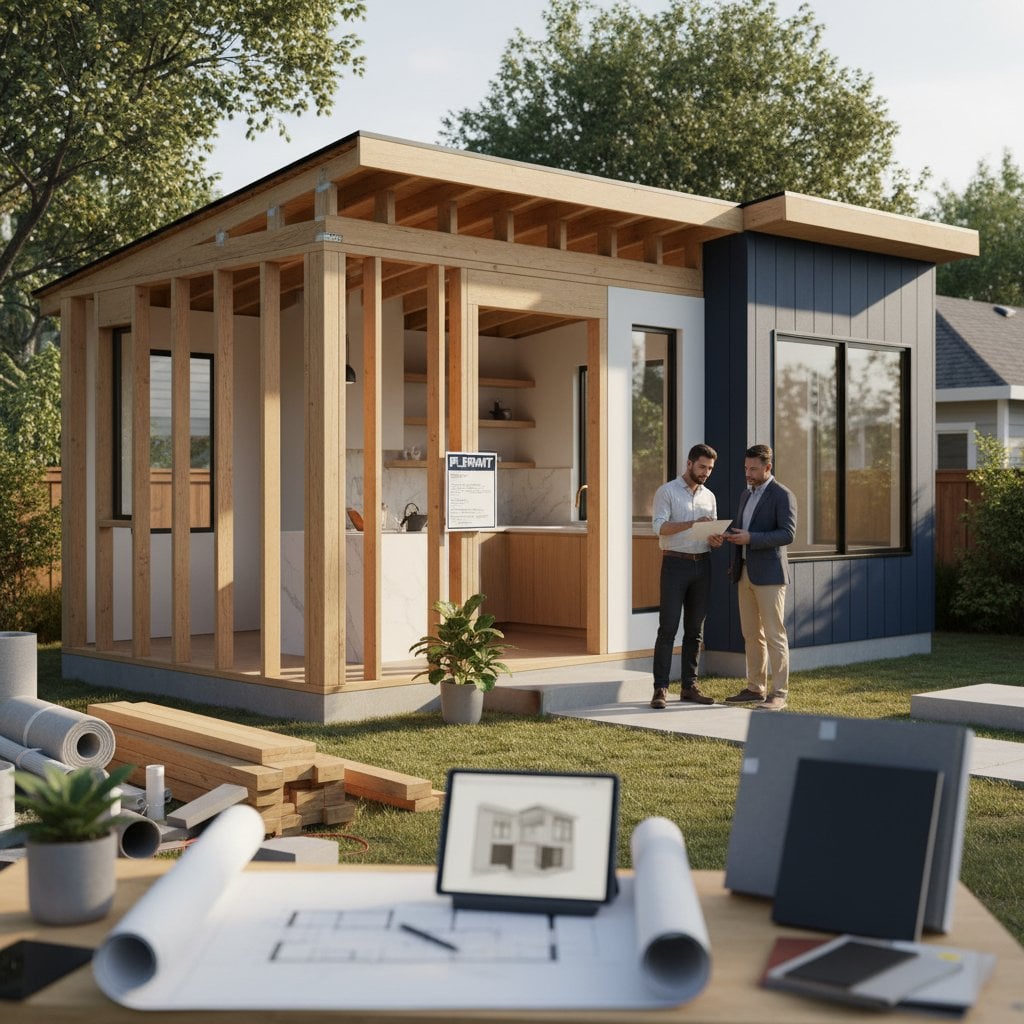
Key Costs for Constructing a Backyard ADU in 2026
A backyard accessory dwelling unit provides additional living space, elevates property value, and creates opportunities for rental income. Understanding the financial aspects proves essential before initiating any project. This guide examines anticipated expenses, allocation of funds, and effective management techniques to support informed decision-making.
Overview of Guide Topics
- Major categories of construction expenses
- Price variations based on unit size and configuration
- Factors involving permits and utility integrations
- Potential for do-it-yourself elements versus professional involvement
- Strategies to reduce costs and enhance investment returns
Breaking Down ADU Construction Expenses
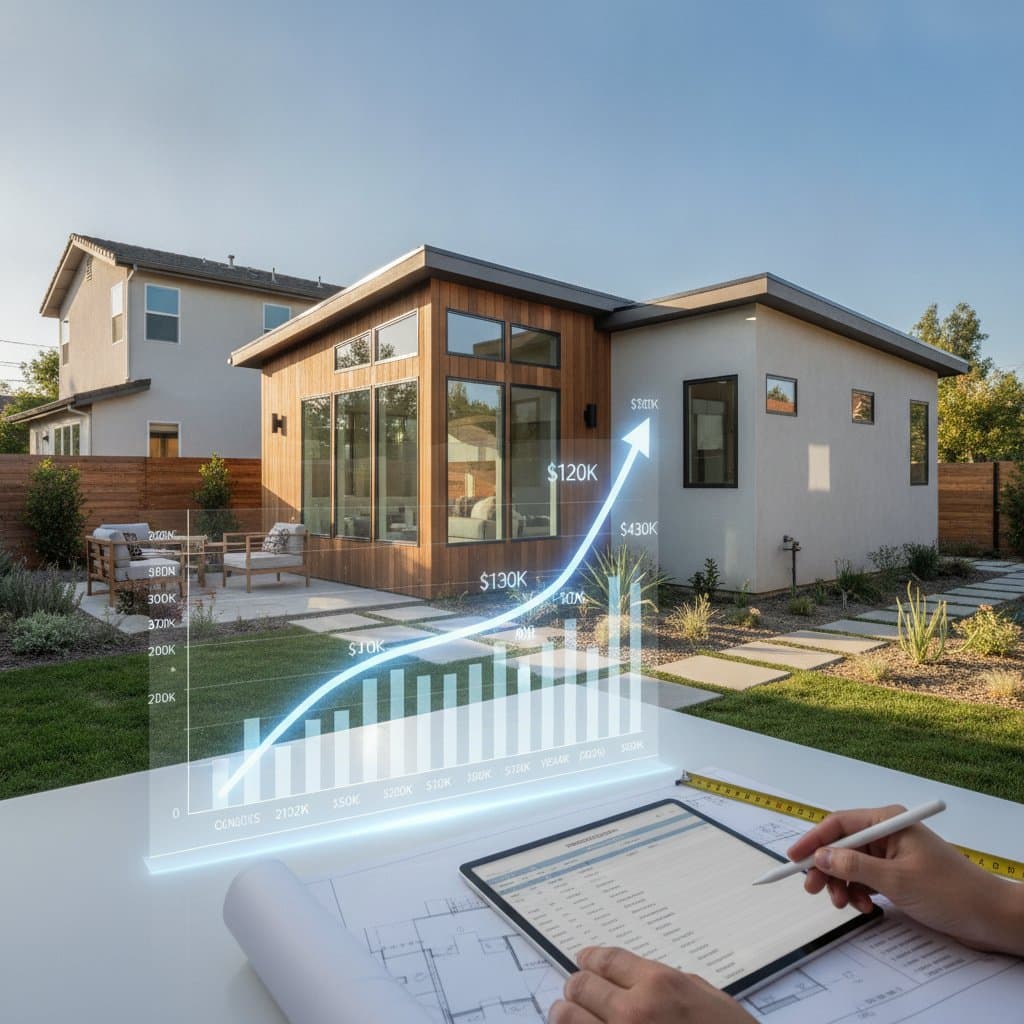
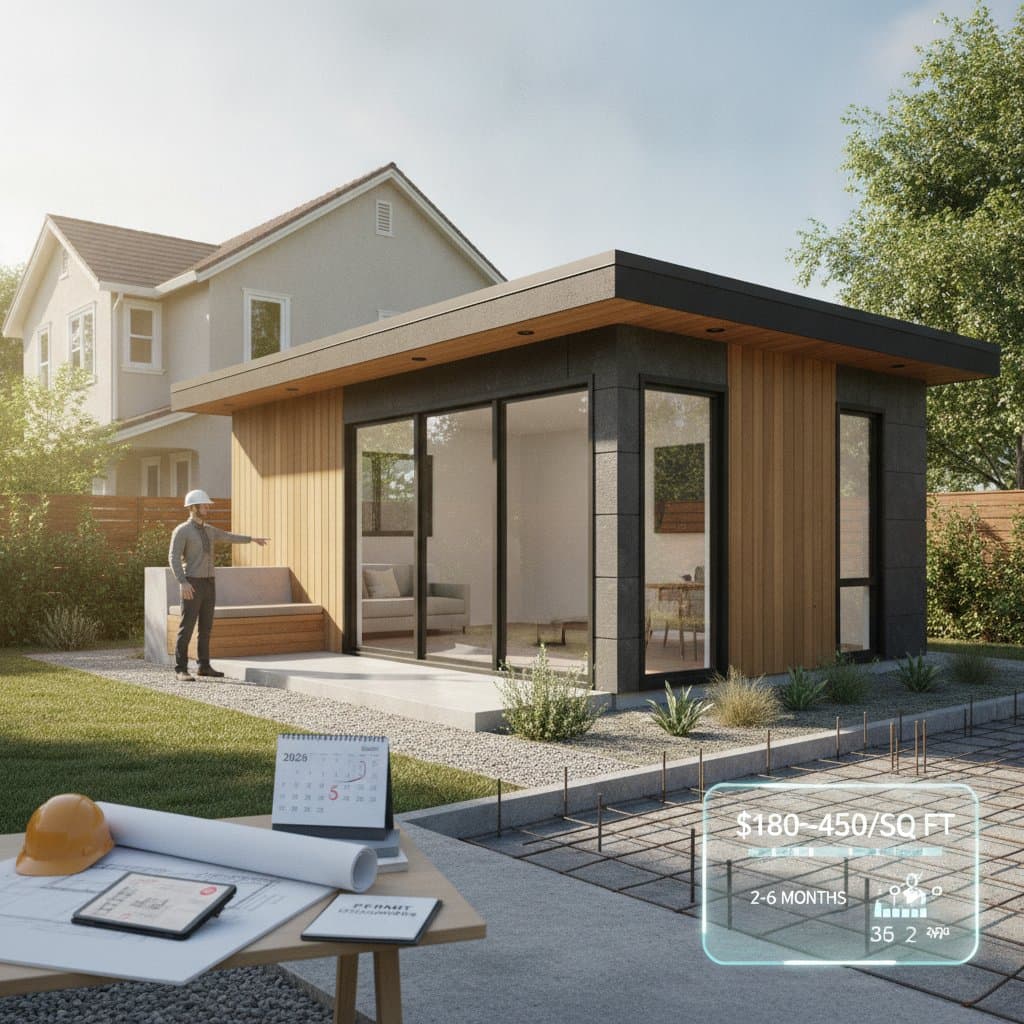
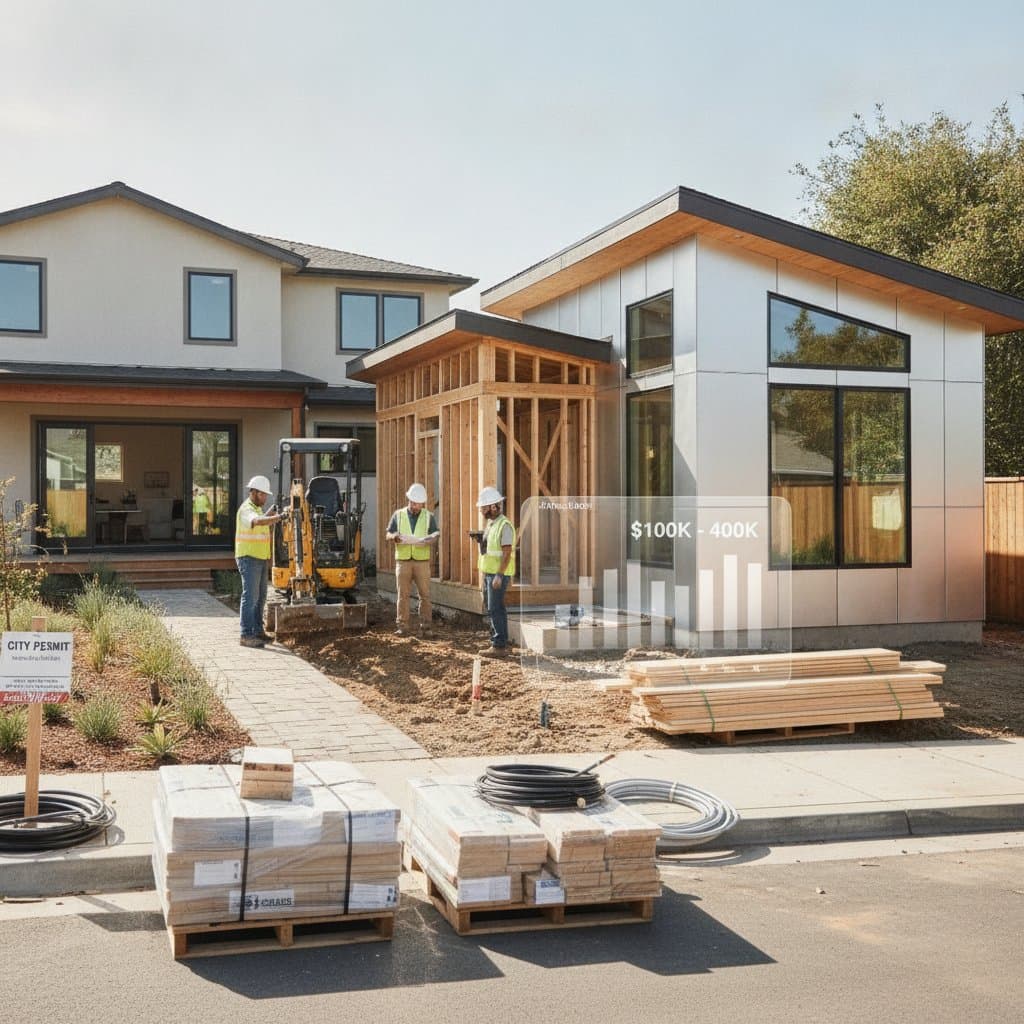
The overall expense for a backyard ADU hinges on factors such as dimensions, selected materials, and finish quality. Homeowners generally allocate between $250 and $500 per square foot. For instance, a compact 400-square-foot studio may begin at approximately $100,000, whereas a larger 1,000-square-foot unit could exceed $400,000, particularly in high-demand urban areas.
Costs fluctuate by region due to labor rates and material availability. In coastal zones, expenses often trend higher because of seismic reinforcements or elevated foundations. Inland locations might offer savings through more accessible suppliers and lower permitting hurdles.
Detailed Cost Breakdown
-
Site Preparation and Foundation Work
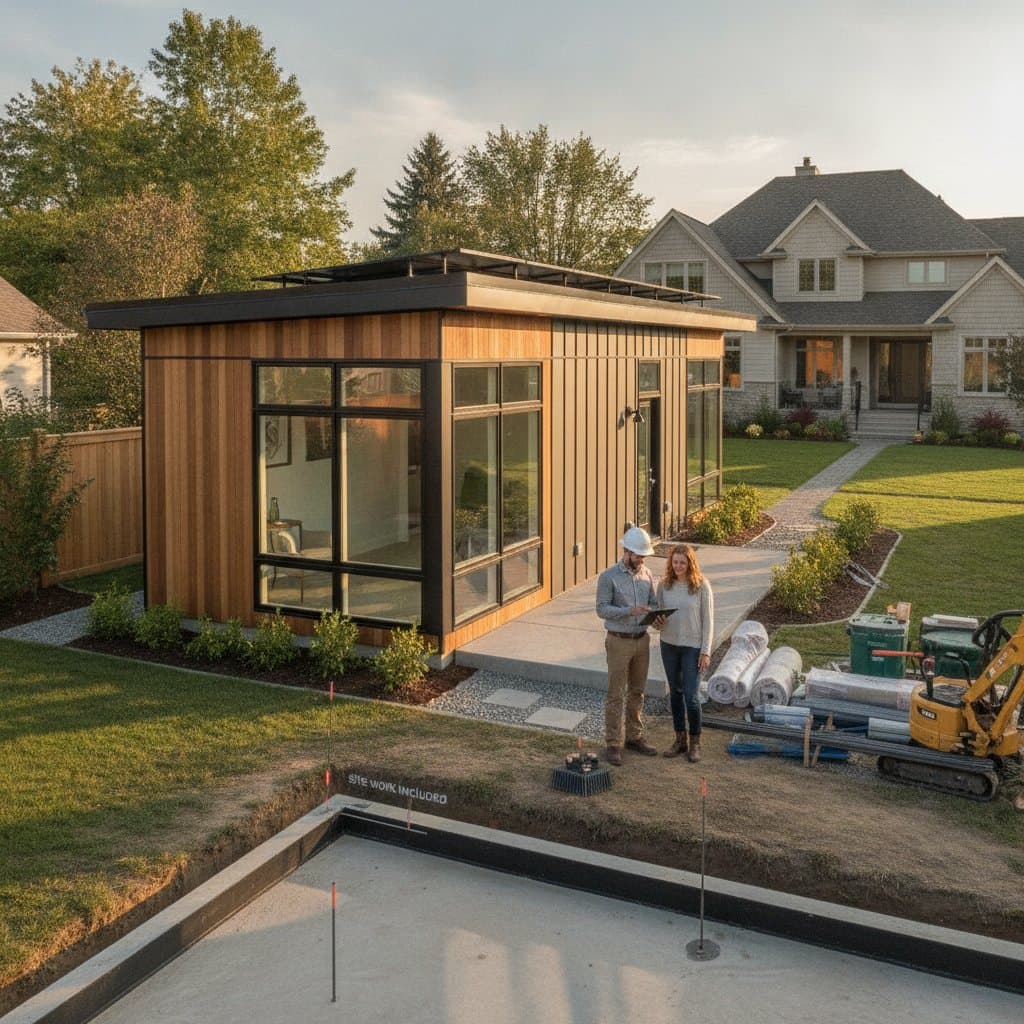
Initial site activities, including grading, excavation, and foundation pouring, along with basic utility hookups, range from $10,000 to $40,000. Challenging terrain, such as sloped properties or limited access, necessitates additional engineering, potentially adding 20 to 30 percent to this category. -
Framing, Structural Elements, and Roofing
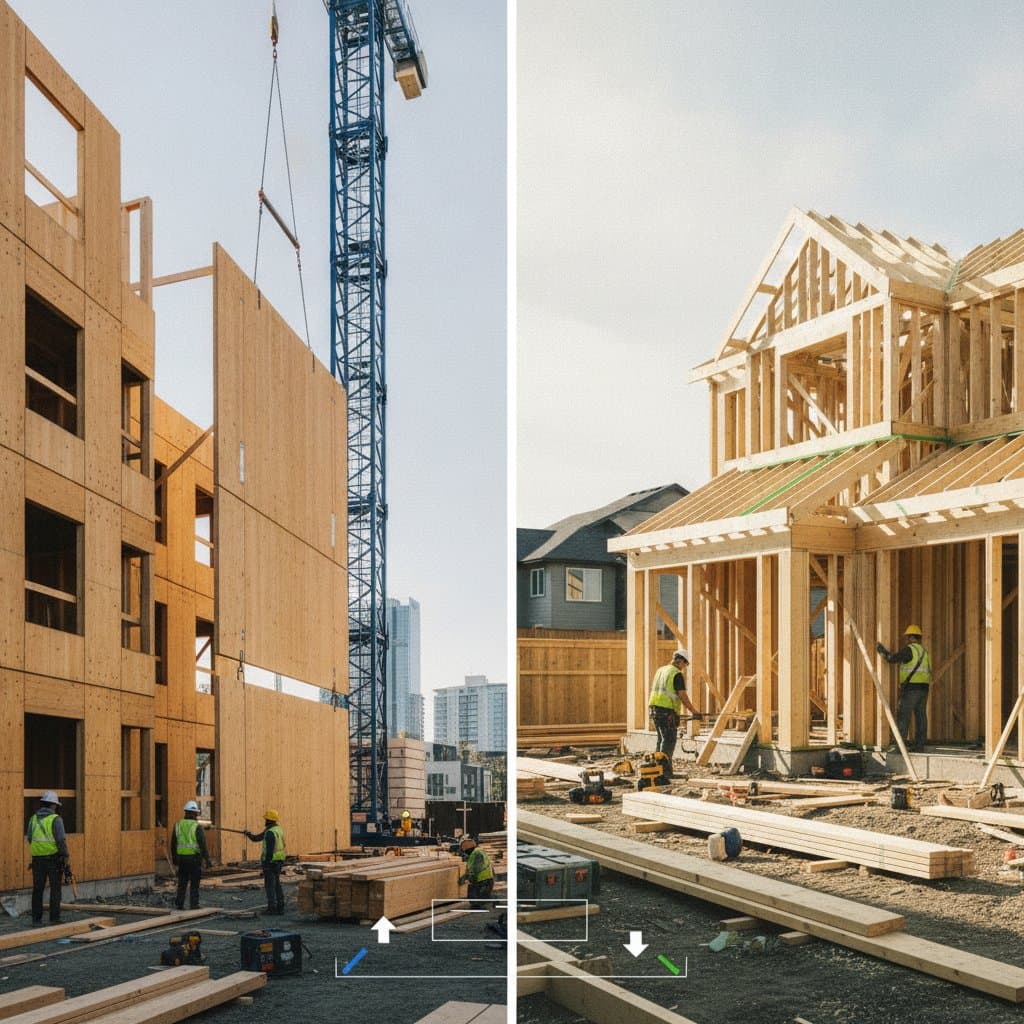
This phase encompasses lumber, labor for framing, and roofing installation, totaling $40,000 to $120,000 scaled to the unit's footprint. Opt for engineered wood products to resist moisture in humid climates, which can extend durability without significantly inflating the budget. -
Interior Finishing Touches
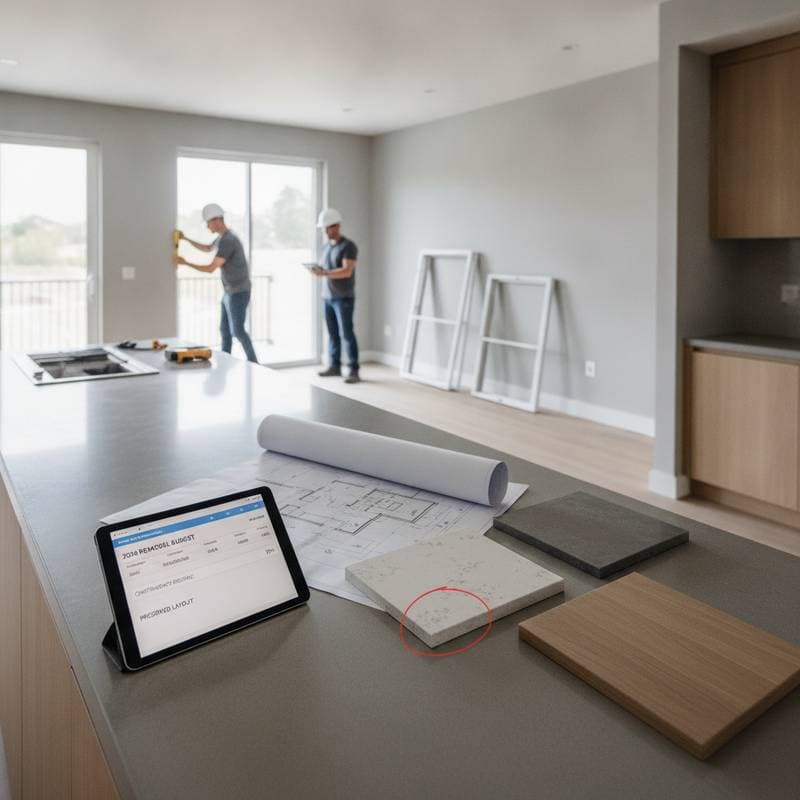
Elements like flooring, cabinetry, lighting fixtures, and wall treatments contribute $30,000 to $80,000. Select mid-tier options, such as laminate countertops and LED lighting, to achieve a premium appearance while controlling expenditures. -
Plumbing, Electrical Systems, and Heating, Ventilation, and Air Conditioning
These installations account for 15 to 25 percent of the total outlay. Basic setups suffice for smaller units, but incorporating energy-efficient components, like tankless water heaters or smart thermostats, increases upfront costs yet yields savings on monthly bills over time. -
Permitting and Associated Fees
Fees for building permits, zoning approvals, and utility connections fall between $3,000 and $15,000. Certain locales provide incentives, such as waived impact fees, for projects that incorporate sustainable features like rainwater harvesting systems.
Evaluating Do-It-Yourself Versus Professional Approaches
Homeowners with relevant skills may undertake non-structural tasks, including interior painting, simple landscaping, or fixture installations, to trim expenses by 10 to 20 percent. However, core elements like framing, plumbing, and electrical wiring demand certified expertise to comply with safety standards.
Local building codes enforce inspections at critical stages, such as foundation completion and rough-in phases. Engaging professionals minimizes risks of rework, which could otherwise double labor costs. For complex designs, such as multi-level units, professional oversight becomes non-negotiable to prevent structural failures.
Strategies to Enhance Value and Investment Returns
Backyard ADUs frequently recoup 60 to 100 percent of construction costs upon property sale, with returns amplified in housing-shortage markets. To optimize outcomes:
- Prioritize resilient materials, like fiber-cement siding, that require minimal upkeep.
- Align the ADU's exterior design with the primary residence to improve overall aesthetic harmony.
- Integrate tenant-friendly amenities, including in-unit laundry facilities or fenced outdoor areas.
- Install renewable energy options, such as solar panels, to reduce operational expenses and appeal to eco-conscious buyers.
Market data indicates that energy-efficient ADUs command rental premiums of 10 to 15 percent higher than standard units.
Navigating Permits, Building Codes, and Regional Regulations
Regulations vary widely, encompassing setbacks from property lines, maximum heights, and parking mandates. Consult municipal planning departments early to align designs with these rules. Progressive cities increasingly streamline ADU approvals to combat affordability challenges, often reducing review times from months to weeks.
Partnering with a contractor versed in local ordinances streamlines the process. They can identify exemptions, such as those for units under 500 square feet, and prepare documentation to expedite approvals.
Criteria for Engaging Professional Services
Select a licensed general contractor for projects featuring significant structural modifications, irregular site conditions, or lender financing requirements. Request itemized proposals delineating labor, materials, and timelines, and confirm adequate liability insurance.
Reputable contractors manage subcontractor coordination, inspection scheduling, and budget adherence. Verify references from similar ADU builds to gauge reliability and quality control.
Sustaining Your ADU Investment Long-Term
Post-construction, conduct annual checks on plumbing integrity, roof condition, and exterior siding to avert minor issues from escalating. Refresh paint applications every three to five years to maintain visual appeal and shield against environmental wear.
For rental purposes, budget 1 to 2 percent of the unit's value annually for maintenance and periodic upgrades, such as appliance replacements. A diligently preserved ADU functions reliably as a guest accommodation, remote workspace, or revenue stream for years to come.
Thorough planning, realistic budgeting, and expert collaboration transform a backyard ADU into a valuable asset. This investment not only enriches daily living but also fortifies financial security through increased property equity.