2026 ADU Costs: Permits, Construction, and ROI for Backyard Builds
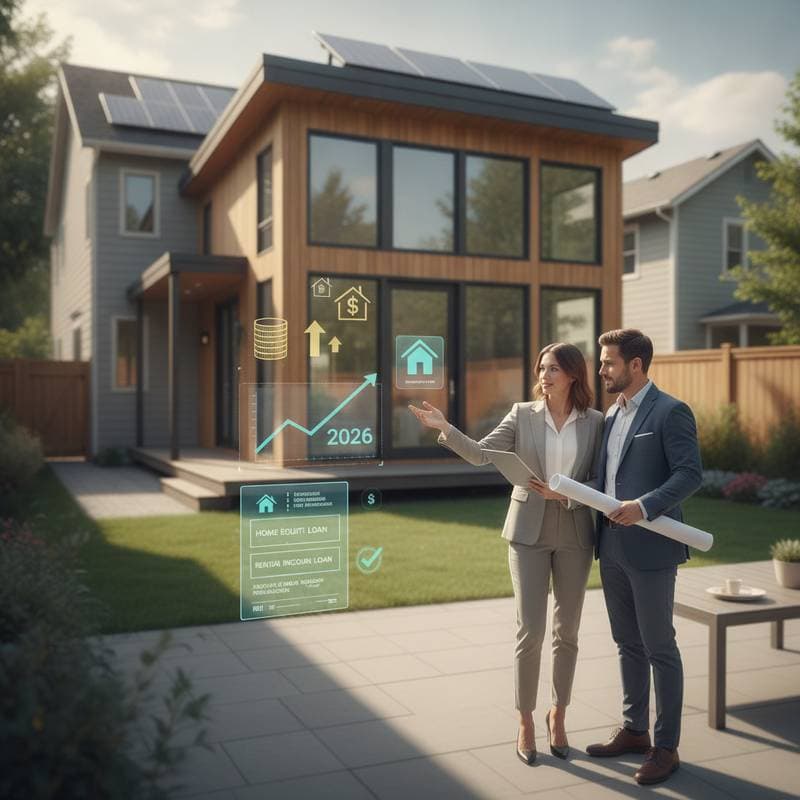
Building an Accessory Dwelling Unit (ADU) offers homeowners a practical way to expand living options and build equity. These secondary units provide space for aging parents, grown children, or income-generating rentals, all while adhering to zoning rules on the same property. To succeed, focus on accurate budgeting that covers every phase, from initial sketches to final occupancy, ensuring the project aligns with your financial objectives and local regulations.
This guide breaks down key costs for 2026, highlights permit navigation strategies, and assesses return on investment (ROI) factors. By understanding these elements, you can make informed decisions that minimize surprises and maximize benefits.
What Is an ADU and Why Build One?
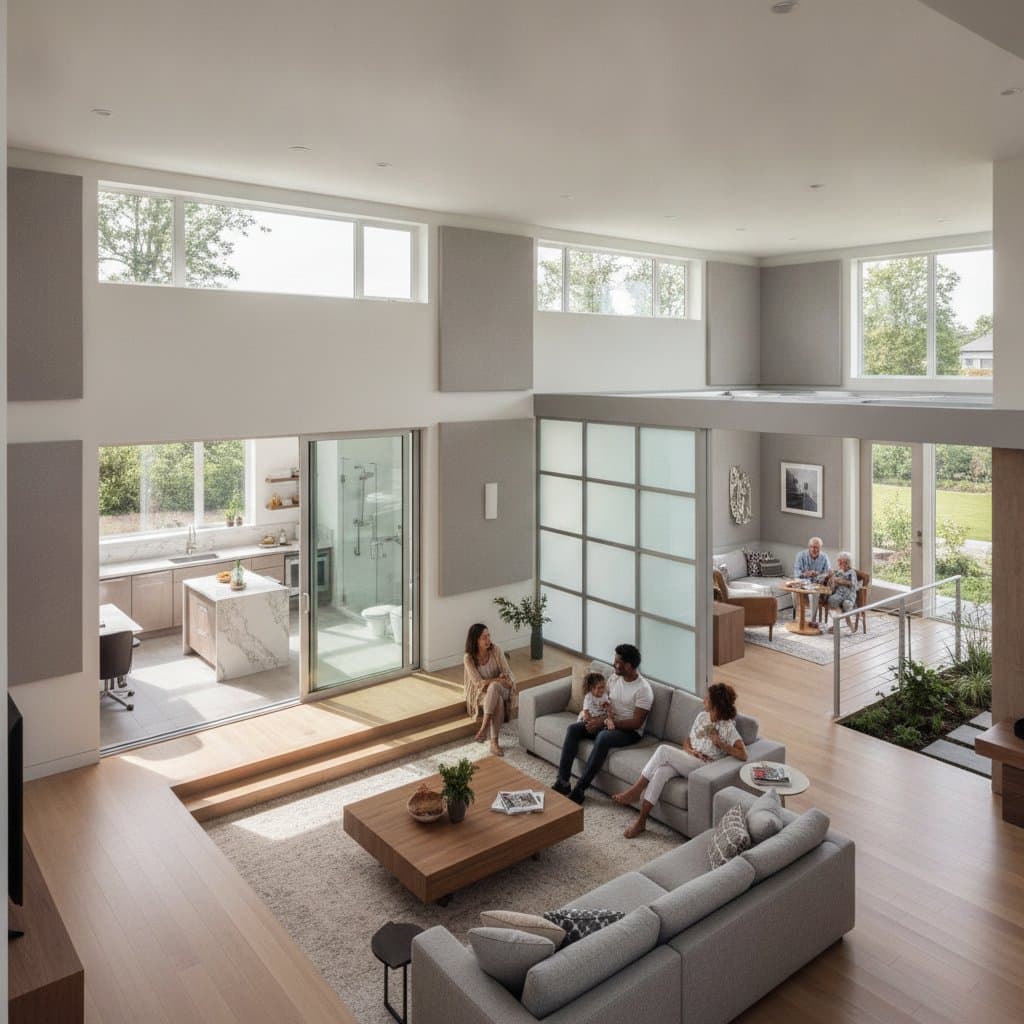
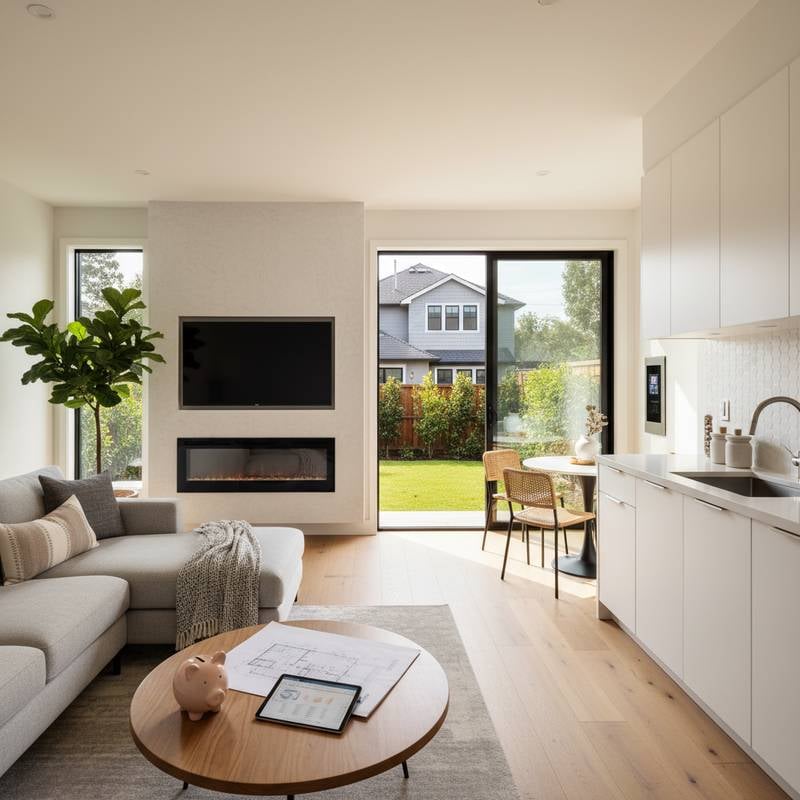
An ADU functions as a compact, independent residence on your existing lot, complete with its own kitchen, bathroom, and living quarters. Options include attached additions to your main house, garage conversions, or standalone backyard structures. Each type suits different needs: attached units integrate seamlessly for family use, while detached ones offer privacy ideal for renters.
In 2026, ADUs gain popularity due to housing shortages and rising property values. They address multigenerational living demands, provide supplemental income streams, or create dedicated workspaces. Success hinges on selecting the right configuration based on your lot size, budget constraints, and long-term plans. Always consult zoning maps early to confirm allowable placements and square footage limits, which often cap at 800 to 1,200 square feet depending on the jurisdiction.
Breaking Down the Total ADU Budget
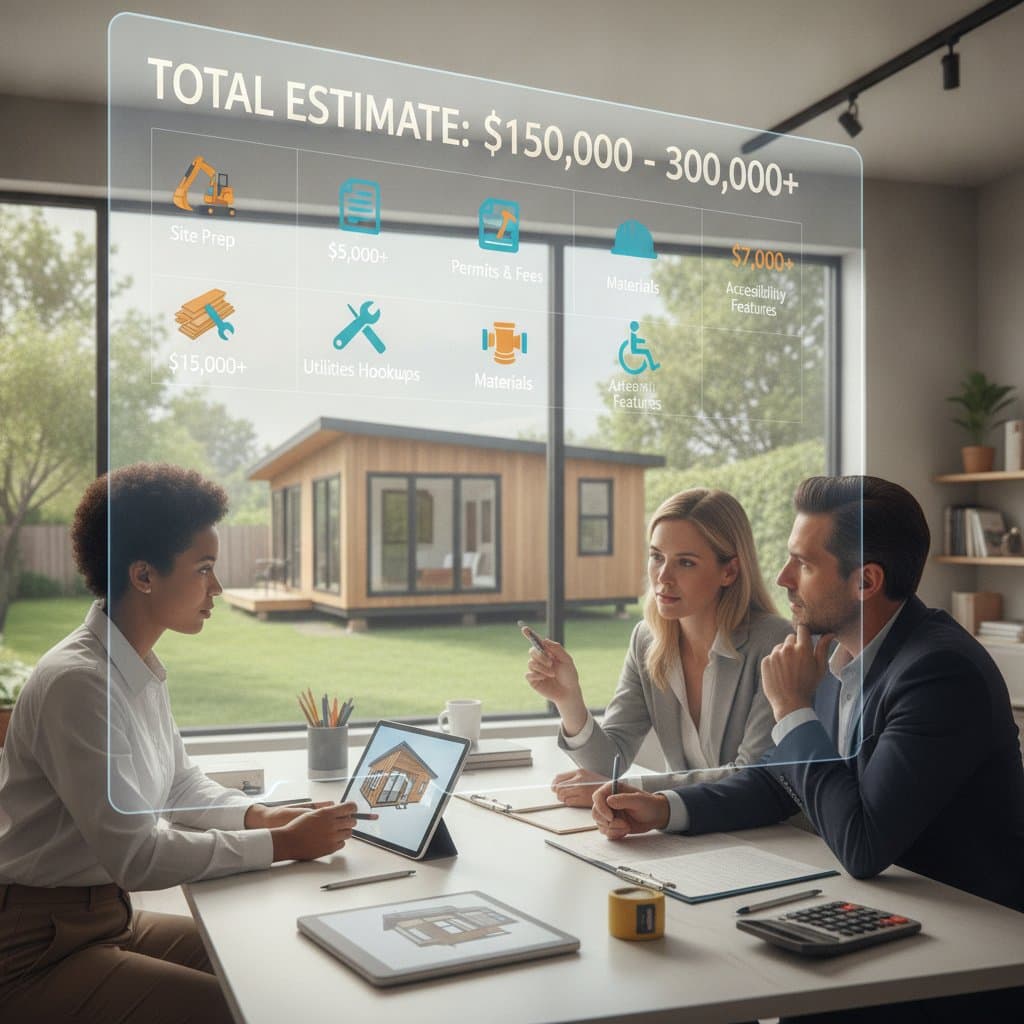
A well-planned ADU project budget typically ranges from $150,000 to $300,000 for a 600-square-foot unit, varying by location and features. Allocate funds across core categories to avoid overruns. Start with a spreadsheet that lists line items, vendor quotes, and a 10 to 15 percent contingency for unforeseen expenses like site preparation challenges.
Design and Architectural Fees
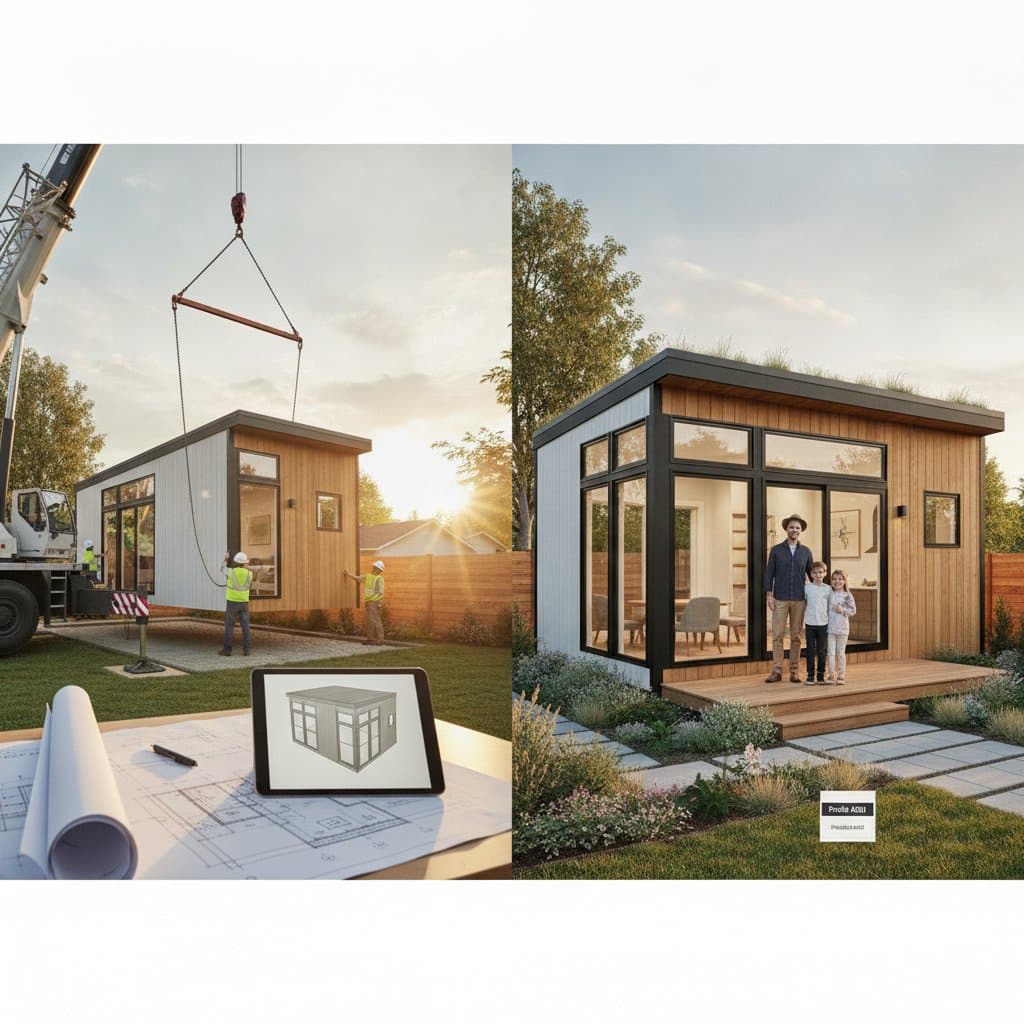
Professional design sets the foundation for a compliant and efficient build. Expect to spend $5,000 to $15,000 on architects or drafters who create blueprints tailored to your vision. This phase includes site surveys to assess topography and 3D renderings to visualize the final structure. Choose modular designs for cost savings, as they reduce on-site labor by up to 20 percent compared to custom builds.
Permitting and Regulatory Costs
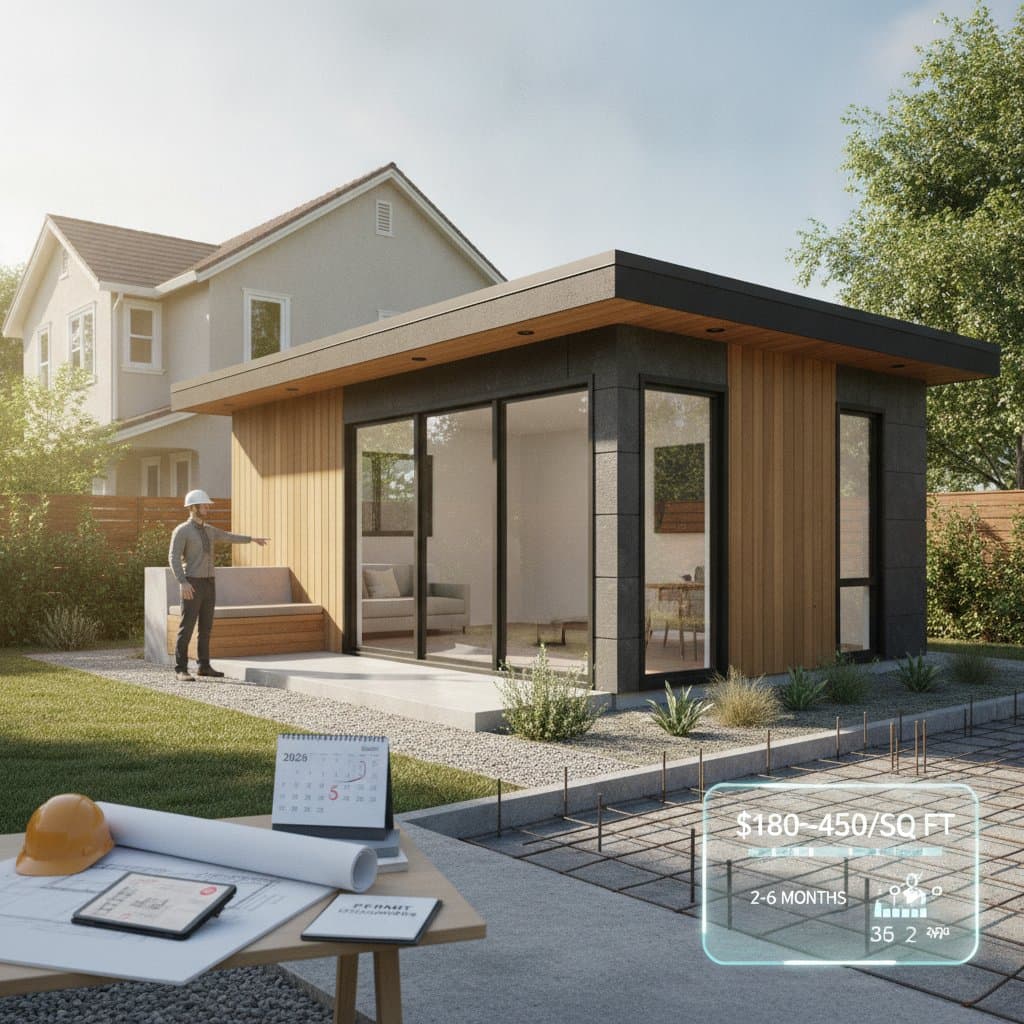
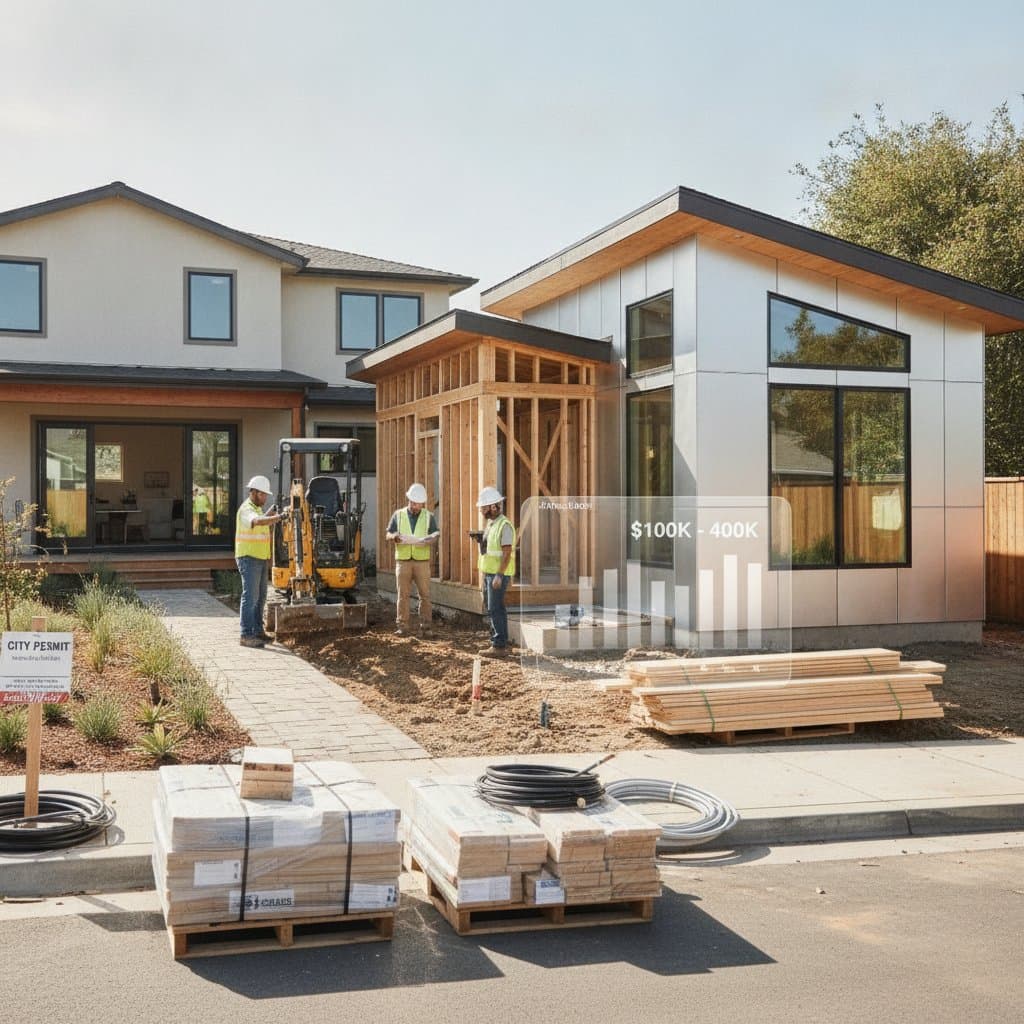
Permits represent a critical upfront investment, often totaling $2,000 to $10,000. Submit plans to your local building department for reviews on zoning compliance, seismic standards, and energy efficiency. In high-density areas, additional fees may apply for environmental impact assessments. Timeline this step early, as approvals can take 3 to 6 months; parallel processing with utility applications speeds progress.
Construction and Material Expenses
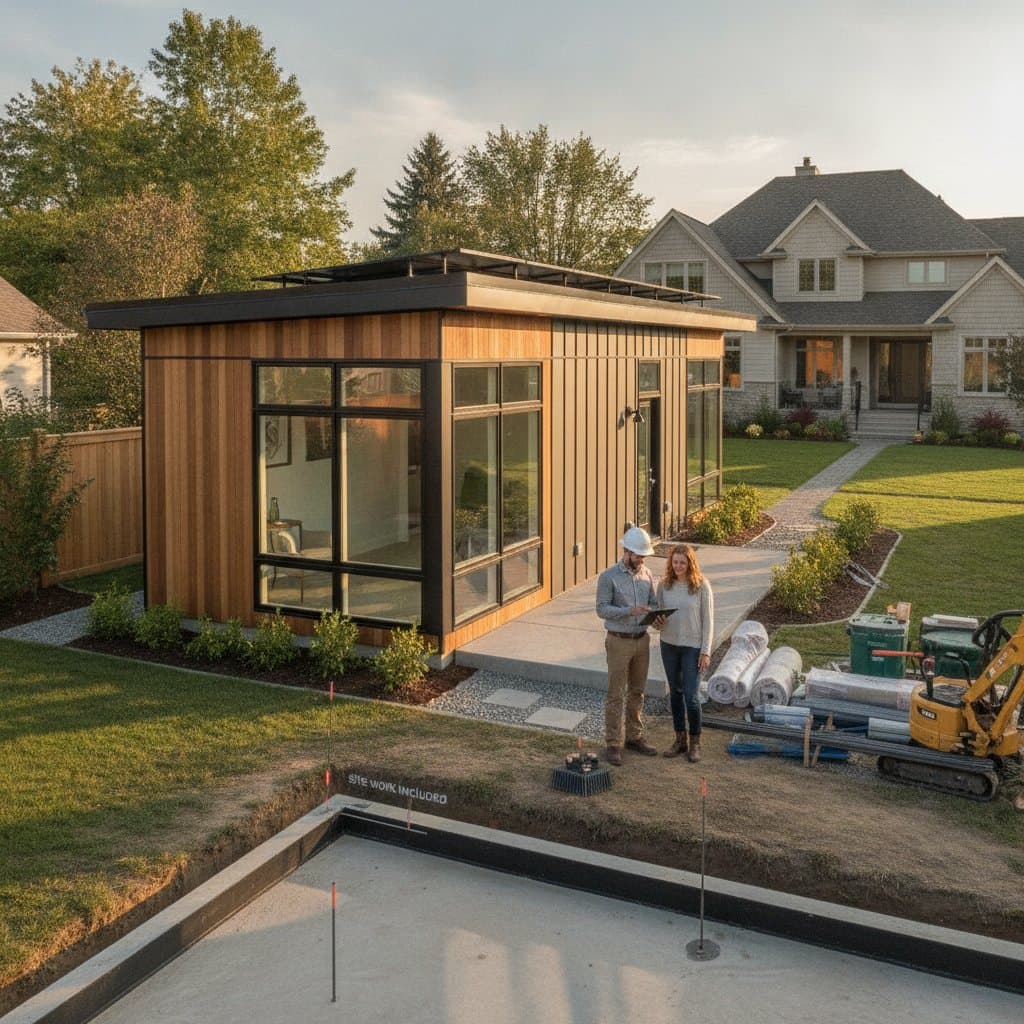
Construction forms the largest expense, accounting for 60 to 70 percent of the budget, or $100,000 to $200,000. Factor in labor for framing, roofing, and insulation, plus materials like lumber, siding, and energy-efficient windows. Opt for durable, low-maintenance finishes such as fiber cement siding to cut long-term upkeep. Detached ADUs demand extra for foundations and roofing, while conversions leverage existing elements to trim costs by 30 to 50 percent.
Utility Connections and Interior Finishes
Connecting utilities adds $10,000 to $25,000, covering electrical wiring, plumbing lines, and HVAC systems. Separate meters may be required for rentals, increasing expenses, but shared systems work for family use in some areas. Interior work, including cabinetry, flooring, and appliances, rounds out $20,000 to $40,000. Prioritize smart home integrations like energy-efficient LEDs to lower ongoing bills and appeal to future buyers or tenants.
Calculating ROI: From Rental Income to Property Appreciation
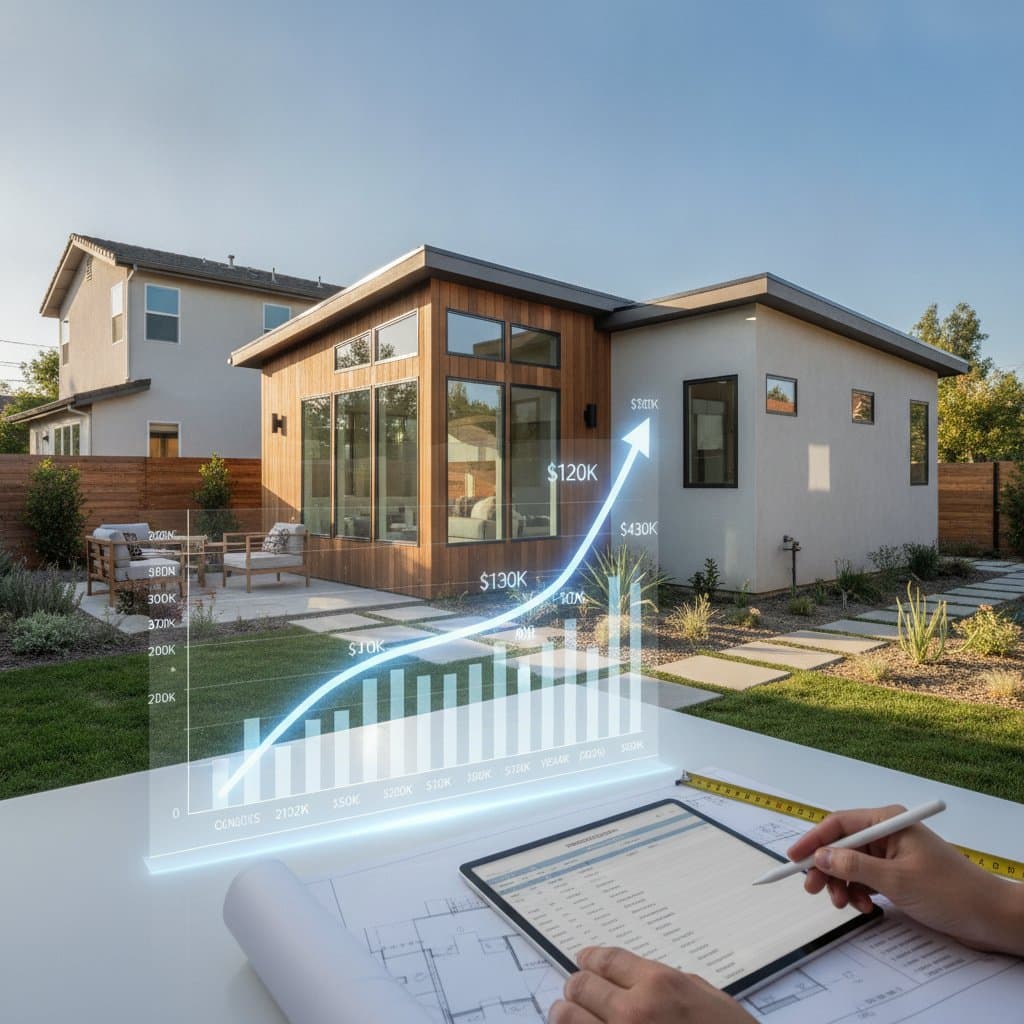
ADUs deliver value through multiple channels, often recouping costs within 5 to 10 years. Evaluate ROI by projecting cash flows against initial outlays, using tools like spreadsheets to model scenarios based on local market data.
Generating Rental Income
A well-located ADU can fetch $1,500 to $3,000 monthly in rent for a one-bedroom unit. Detached models with private yards attract premium tenants, potentially boosting rates by 15 to 20 percent. Secure long-term leases for predictable income, or explore short-term platforms if bylaws permit, though this may involve higher management fees. Deduct expenses like maintenance and taxes to net 70 to 80 percent of gross revenue.
Boosting Property Value
Post-construction, an ADU can increase your home's appraised value by 10 to 20 percent, or $50,000 to $150,000, depending on quality and location. Legal units appeal to buyers seeking turnkey rental opportunities or expanded square footage. Focus on universal design elements, such as wide doorways and accessible bathrooms, to enhance resale potential across demographics.
Enhancing Lifestyle and Family Dynamics
Financial returns aside, ADUs foster practical benefits like housing relatives without relocation costs. Convert the space into a hobby studio or gym for personal use, adding daily utility. For families, this setup promotes independence while keeping loved ones close, potentially saving thousands in external care or housing expenses annually.
Answering Key ADU Budgeting Questions
How should I determine the optimal ADU size?
Assess your lot's setbacks and coverage ratios first, typically allowing 20 to 30 percent of the yard for builds. Match size to intended use: 400 square feet suffices for a studio rental, while 800 square feet better serves family quarters. Balance aesthetics by ensuring the unit complements your main home's scale and style.
Is DIY construction feasible for an ADU?
Limited DIY applies to non-structural tasks like painting or landscaping, but core work demands licensed pros for code adherence. Electrical and plumbing errors risk safety hazards and permit denials, so budget for full contractor oversight to guarantee durability and insurance coverage.
What utility setup options exist?
Regulations vary: some permit shared water and power meters for attached units, saving $5,000 to $10,000, while detached ones often need independents. Coordinate with providers during design to map feasible connections, and consider solar panels for off-grid elements that reduce utility bills by 20 to 30 percent.
How does an ADU impact property taxes?
Completion triggers a reassessment, potentially raising taxes by $500 to $2,000 yearly based on added value. Check local exemptions for owner-occupied units or energy-efficient features to offset increases. Plan for this in your budget by consulting tax authorities pre-build.
Steps to Launch Your ADU Project
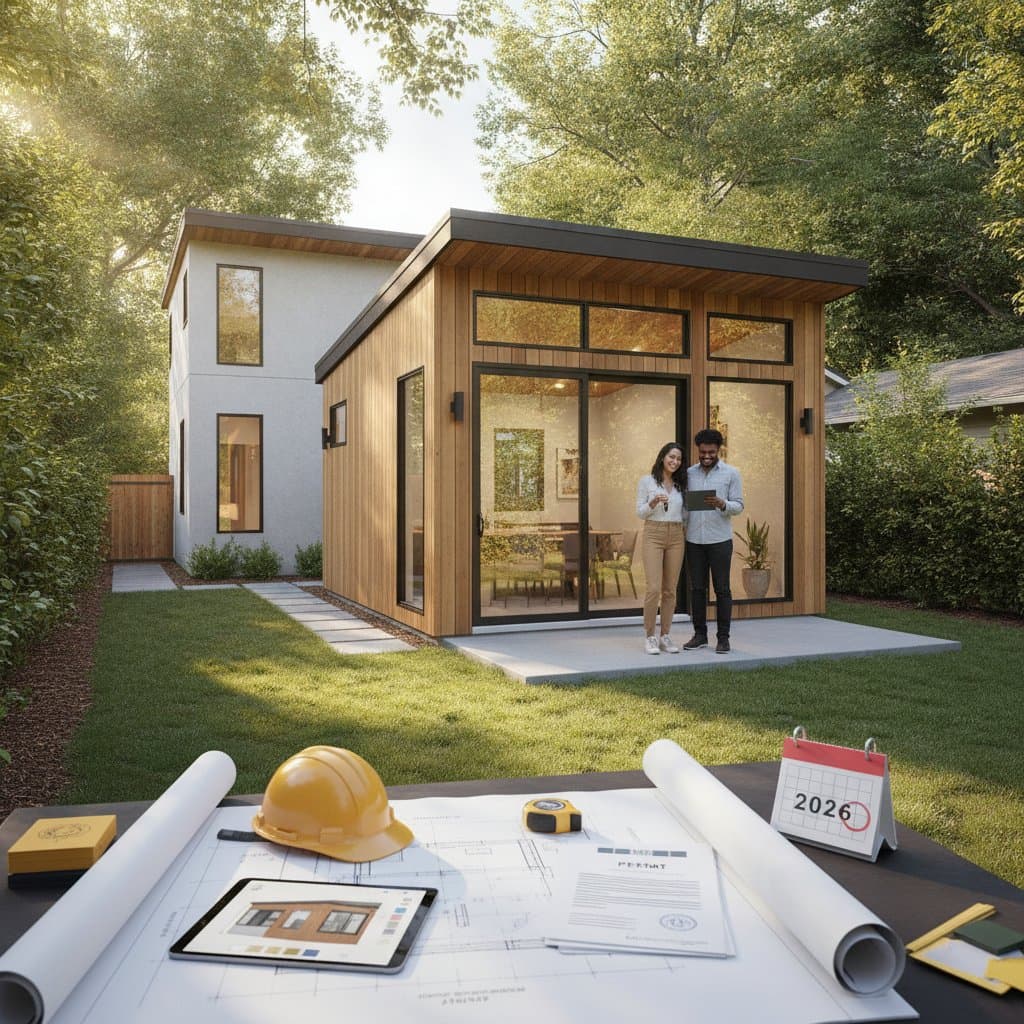
Begin with goal clarification: define primary use, target timeline, and funding sources like home equity loans or savings. Assemble a team of architect, contractor, and permit expediter experienced in ADUs to streamline execution. Track progress with weekly check-ins and adjust budgets as needed to stay within limits.
Secure financing early, aiming for rates under 6 percent in 2026's market. Finalize selections for materials and finishes to lock in prices against inflation. Upon completion, inspect thoroughly and document everything for tax and resale purposes. Your ADU will not only expand your home but also secure financial flexibility for the future.