2025 ADU Costs: The True Price of Garage Conversions
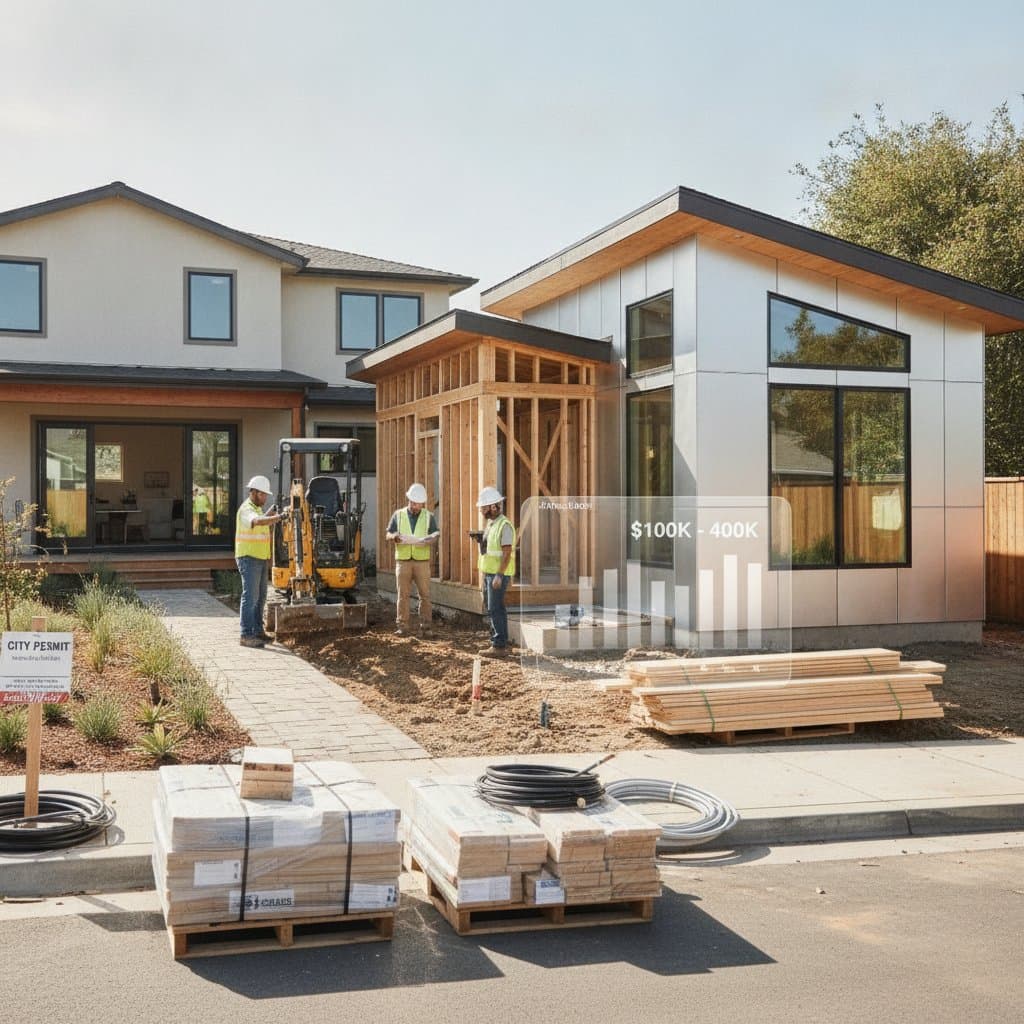
Accessory Dwelling Units (ADUs) offer homeowners versatile options for additional living space, from garage conversions to standalone cottages. In 2025, costs for these projects range widely based on location, size, and design complexity. Garage conversions typically fall between $100,000 and $200,000, while new detached units can exceed $250,000. Factors such as material choices, labor rates, and zoning requirements drive these figures. Understanding these elements helps builders and homeowners plan effectively for compliant, value-adding structures.
Recent zoning updates across many regions promote ADUs to address housing shortages. These changes often relax setback rules and height limits, allowing more flexible placements. However, they also introduce stricter sustainability mandates, like energy-efficient insulation and solar-ready roofing. These updates support increased density while preserving neighborhood character. Staying informed about them ensures designs remain compliant and cost-efficient.
Key Cost Drivers in 2025 ADU Projects
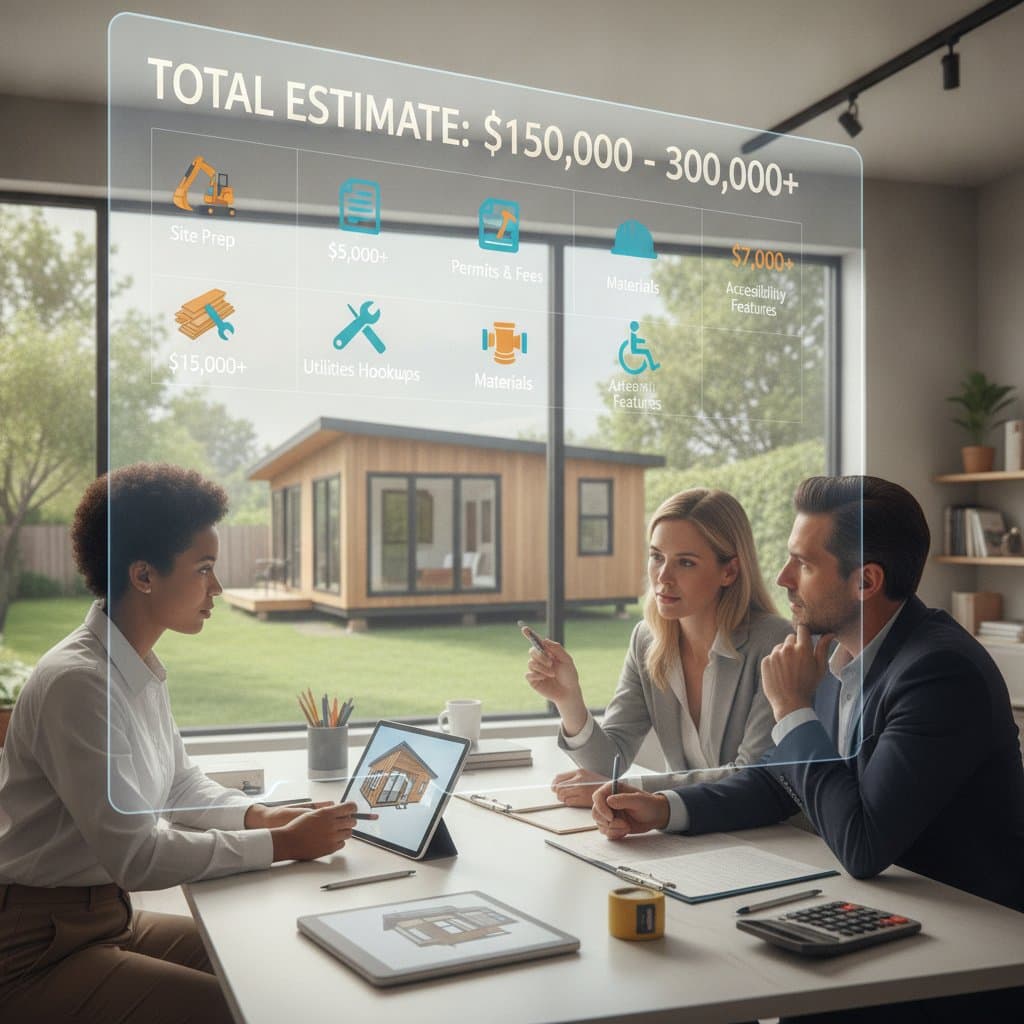
Labor and permitting account for 40 to 50 percent of total expenses in most ADU builds. Regional variations play a significant role; urban areas with high demand see elevated rates compared to suburban zones. Material costs have stabilized post-inflation, but supply chain issues can still add 10 to 15 percent to budgets. For garage conversions, structural reinforcements to meet seismic or wind standards often push expenses higher.
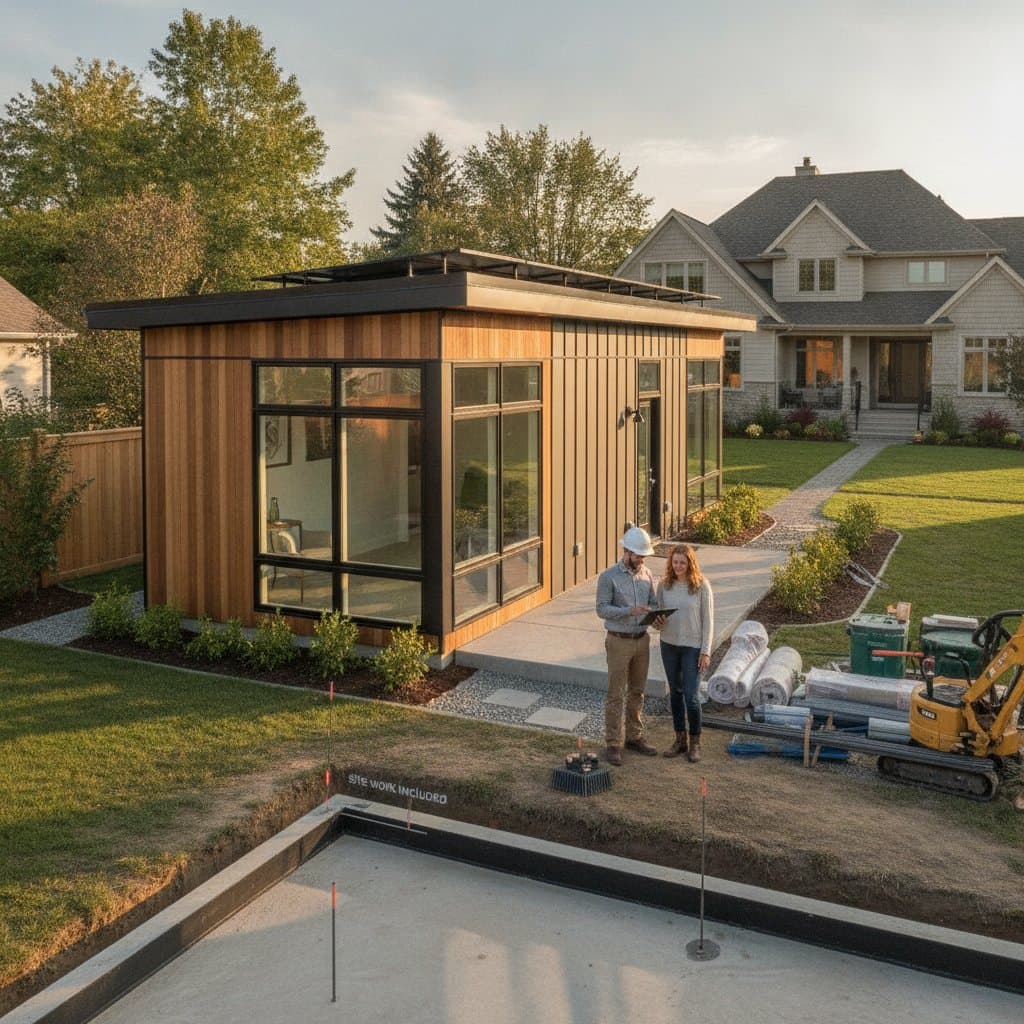
Utility connections represent another major line item. Extending plumbing, electrical, and HVAC systems from the primary home requires careful engineering to avoid disruptions. In 2025, incentives for green utilities, such as rebates for heat pumps or greywater systems, can offset these costs by up to 20 percent. Builders recommend early assessments to identify feasible connections and potential savings.
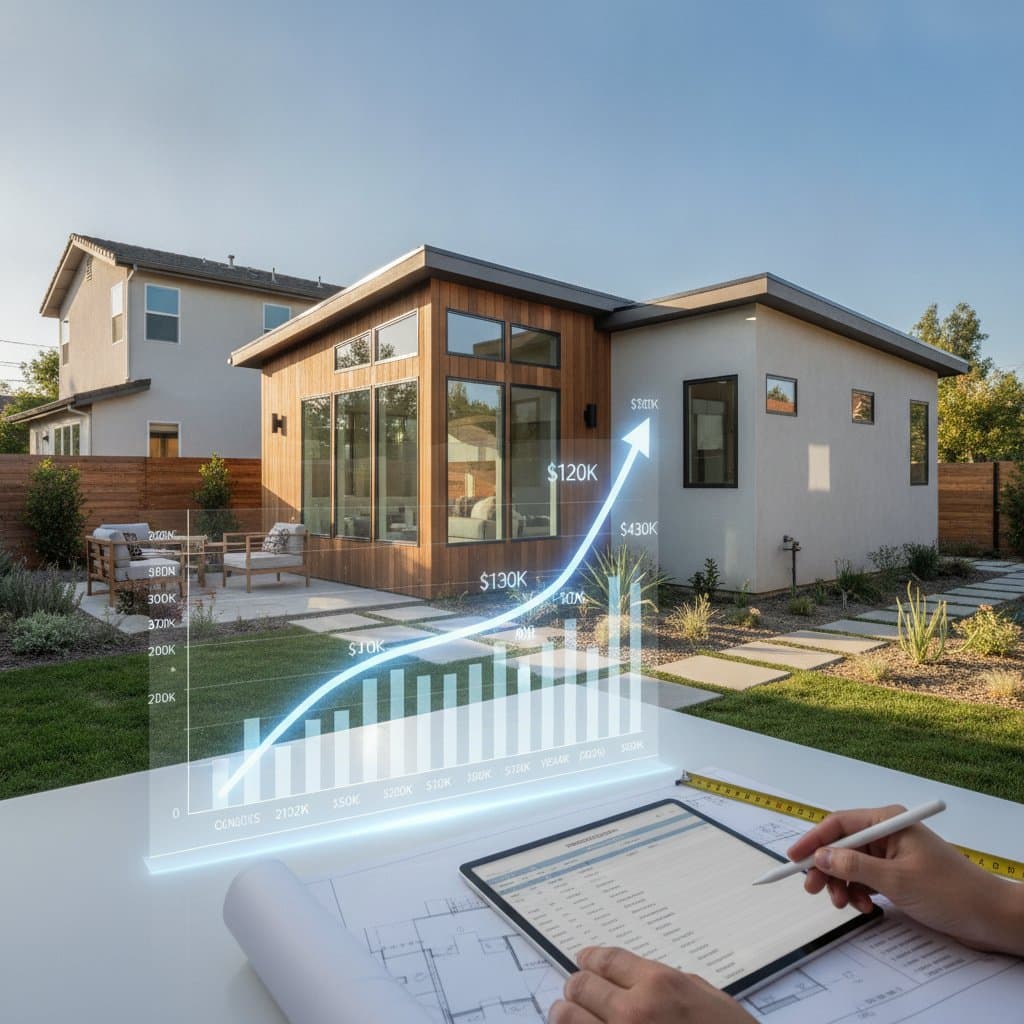
Zoning shifts influence pricing indirectly through design constraints. New rules in states like California and Oregon emphasize fire-resistant materials and accessible entryways, increasing upfront investments. Yet, these features enhance resale value and insurance eligibility. Homeowners who adapt to these regulations often recoup costs through rental income or family use within five years.
Design Choices That Balance Cost and Comfort
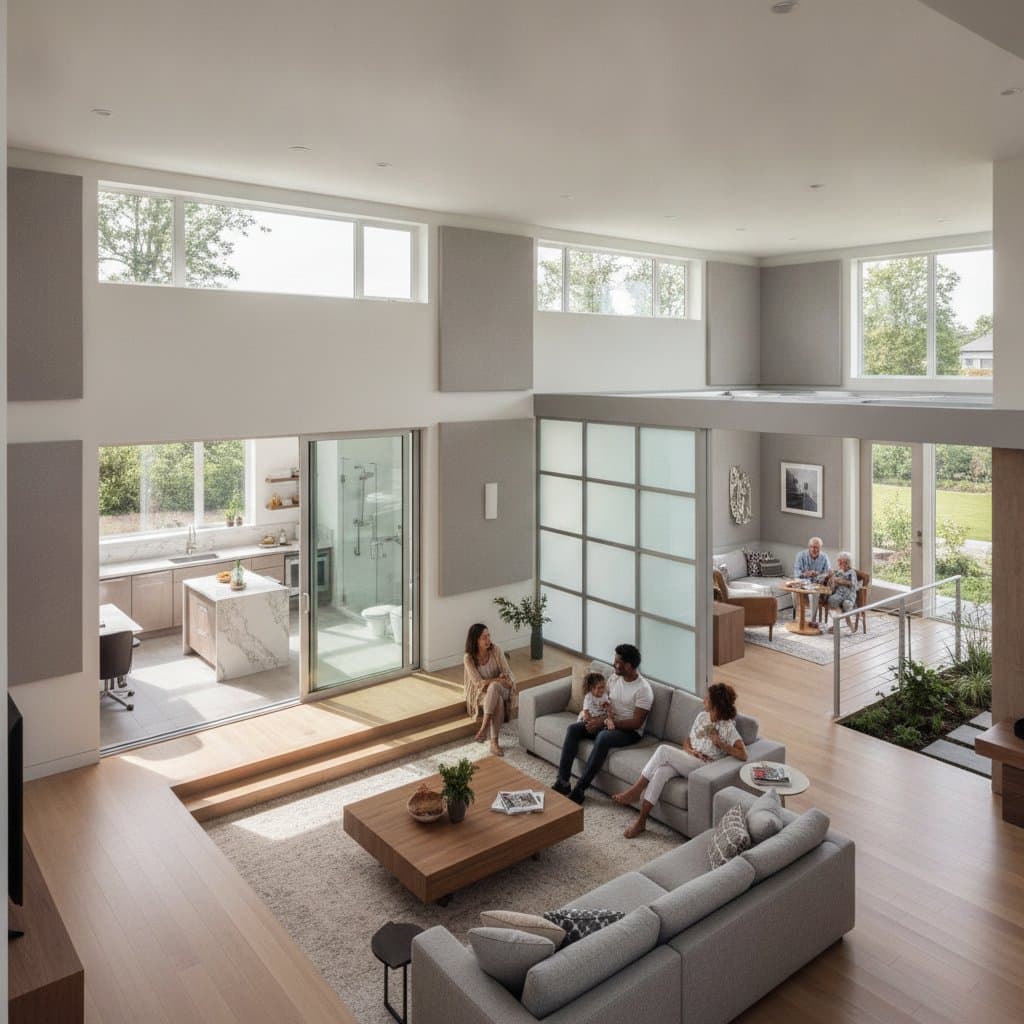
Thoughtful design maximizes limited square footage in ADUs, creating functional spaces without unnecessary expense. Open floor plans integrate kitchen, living, and sleeping areas efficiently. Multi-purpose furniture, such as Murphy beds or foldable desks, adds versatility. Natural light from strategically placed windows reduces reliance on artificial lighting and elevates the sense of space.
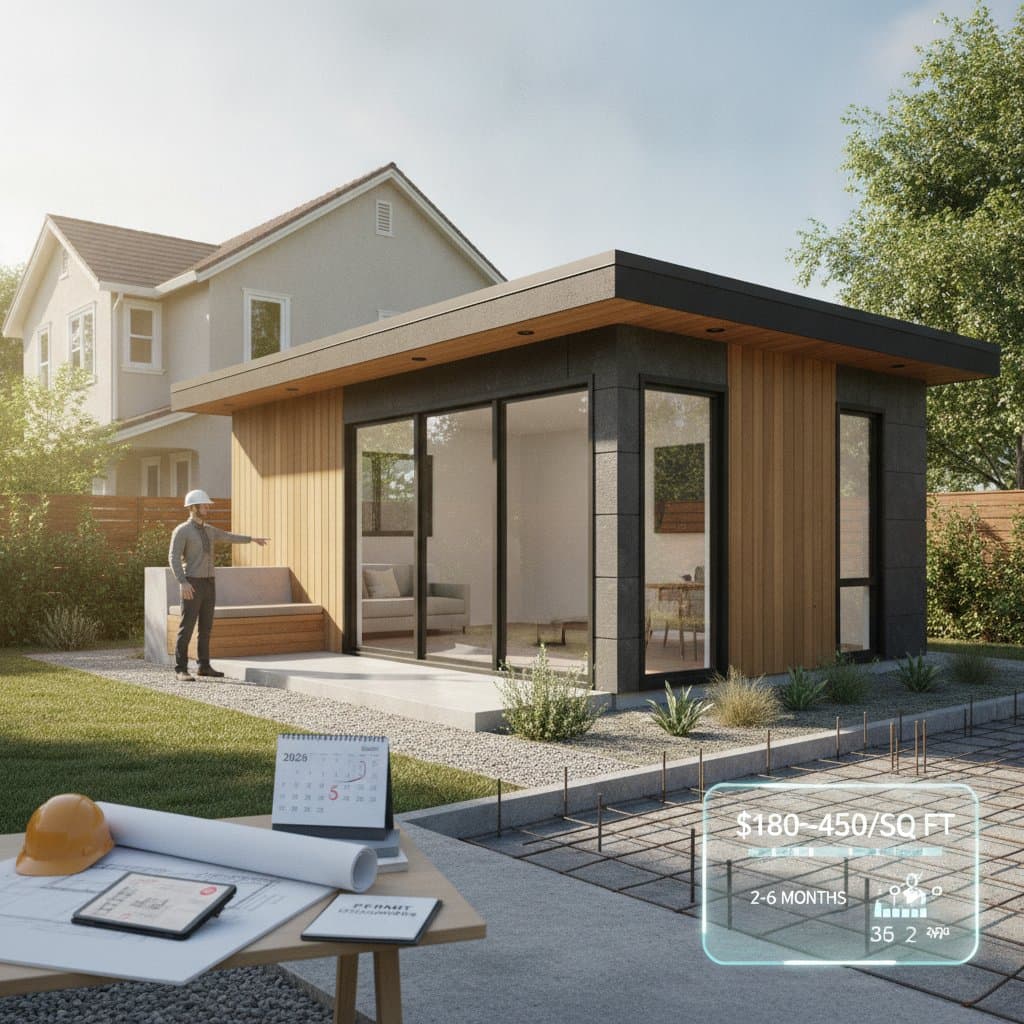
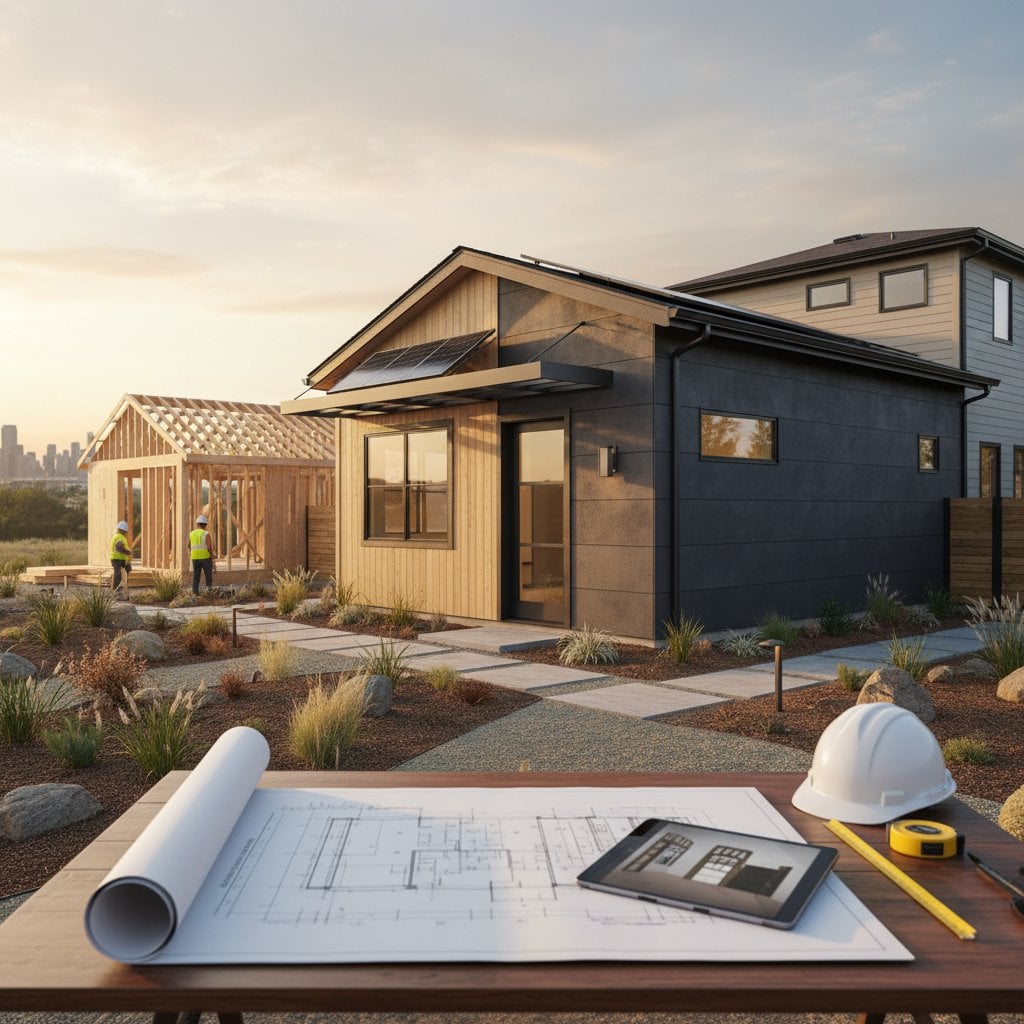
Builders guide clients toward finishes that prioritize durability alongside affordability. For exteriors, fiber cement siding withstands weather while requiring minimal upkeep, lasting over 50 years with proper installation. Interior walls benefit from light neutral paint colors that reflect sunlight and visually expand rooms. Fixtures in matte black or brushed steel provide a modern, enduring style without frequent replacements.
Roofing decisions affect both aesthetics and budget. Low-slope options create a contemporary silhouette that aligns with many primary homes, while metal panels offer superior insulation and longevity. Consistency in materials, like matching trim colors or roof pitches, integrates the ADU seamlessly into the property. This approach boosts curb appeal and complies with neighborhood guidelines.
Practical design strategies:
- Select fiber cement siding for its resistance to pests and fading.
- Apply light neutral paint colors to enhance brightness and perceived size.
- Incorporate matte black or brushed steel fixtures for versatile, low-maintenance style.
- Opt for low-slope roofing to achieve a modern look with efficient water runoff.
Navigating Permitting and Professional Support
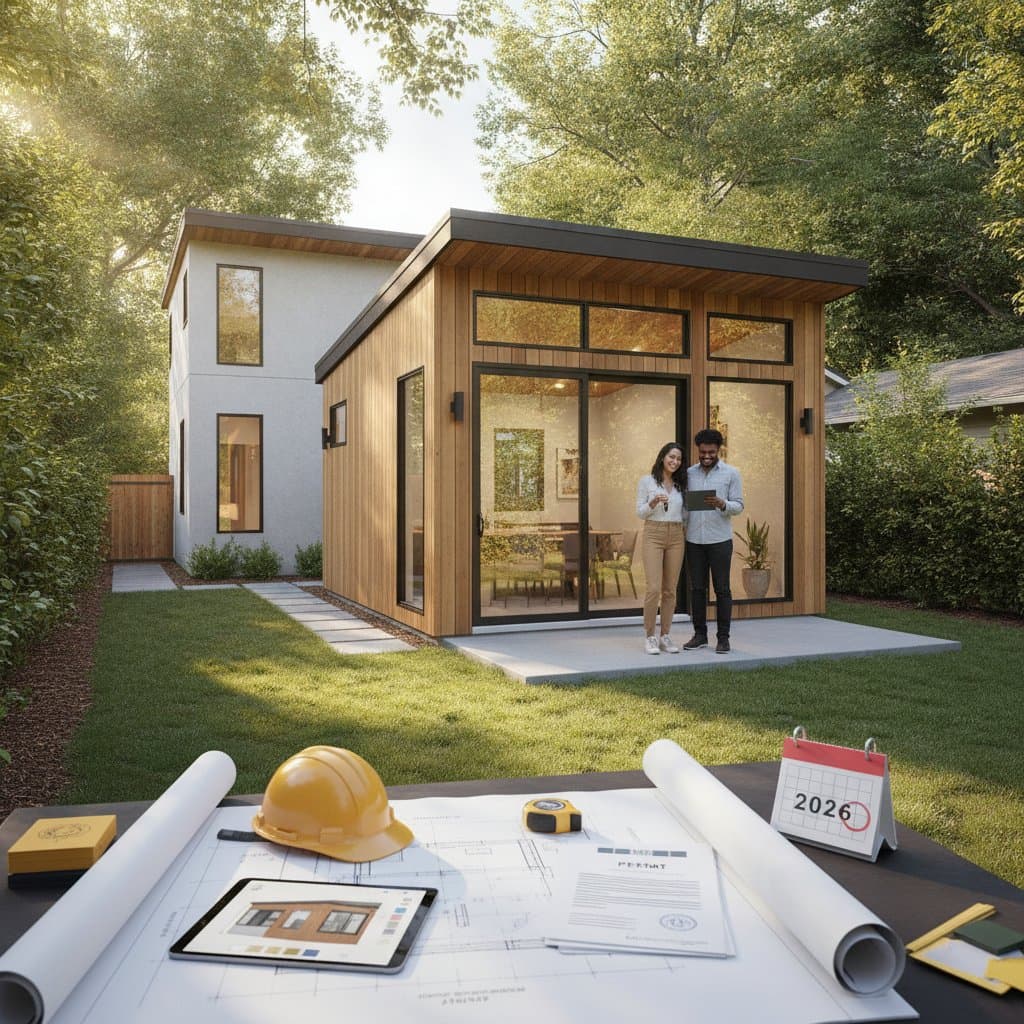
Permitting processes differ by locality, with urban centers often facing longer reviews due to higher volumes. Clear architectural plans and precise site surveys accelerate approvals, sometimes cutting timelines from six months to 90 days. Builders experienced in ADUs cultivate ties with planning departments, streamlining submissions and resolving issues proactively.
In intricate projects, such as two-story detached units, a design-build contractor coordinates all phases. This integrated approach maintains quality control and minimizes delays from miscommunications. For simpler garage conversions, partial DIY efforts might suffice for non-structural elements, but licensed experts handle critical tasks like foundation work and wiring.
Professional involvement safeguards compliance with building codes, including egress requirements and energy standards. This investment not only ensures safety but also preserves property value through documented quality. Homeowners avoid costly rework by partnering with vetted teams from the outset.
Strategies for Cost-Effective ADU Implementation
Effective ADU planning starts with thorough site evaluation. Review local zoning maps to confirm allowable sizes and placements, avoiding fines or redesigns. Compare material samples early to align with budget constraints, focusing on high-impact areas like kitchens and bathrooms.
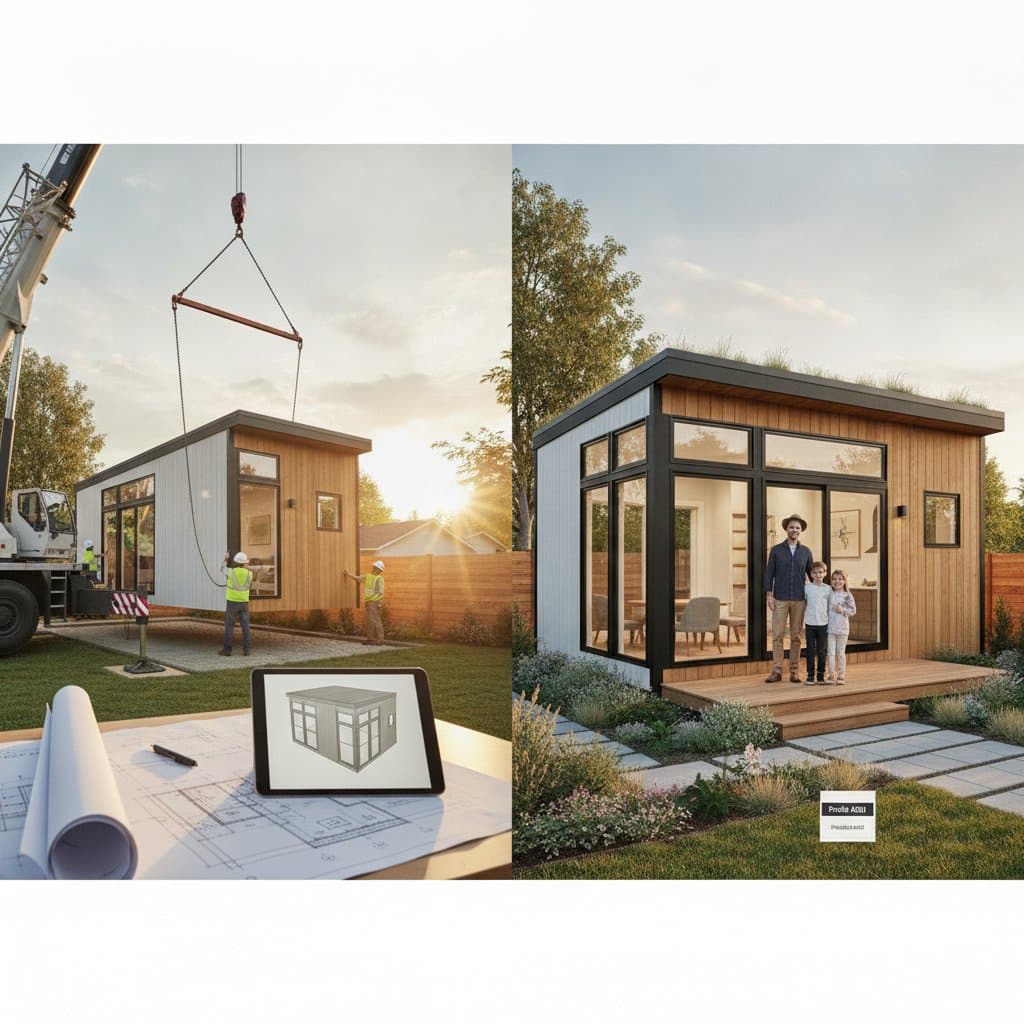
Utility planning follows closely; verify access points for water, power, and sewage to prevent surprises. Modular construction techniques, increasingly popular in 2025, assemble components off-site for faster installation and reduced labor costs. These methods suit both conversions and new builds, delivering 20 to 30 percent savings in time.
Sustainability features, while initially pricier, yield long-term benefits. Solar panels and efficient appliances lower utility bills, appealing to eco-conscious buyers. Track annual cost indices from industry sources to anticipate fluctuations in lumber or steel prices.
Achieving Lasting Value Through Prepared ADU Builds
ADUs convert idle spaces into revenue-generating assets, but success hinges on meticulous preparation. By monitoring zoning evolutions, selecting resilient materials, and engaging skilled professionals, projects deliver enduring functionality. Homeowners gain flexible housing solutions that enhance lifestyle and financial security. Builders who emphasize these principles create structures that stand the test of time, blending innovation with practicality.