2026 Multigenerational Home Costs and Designs
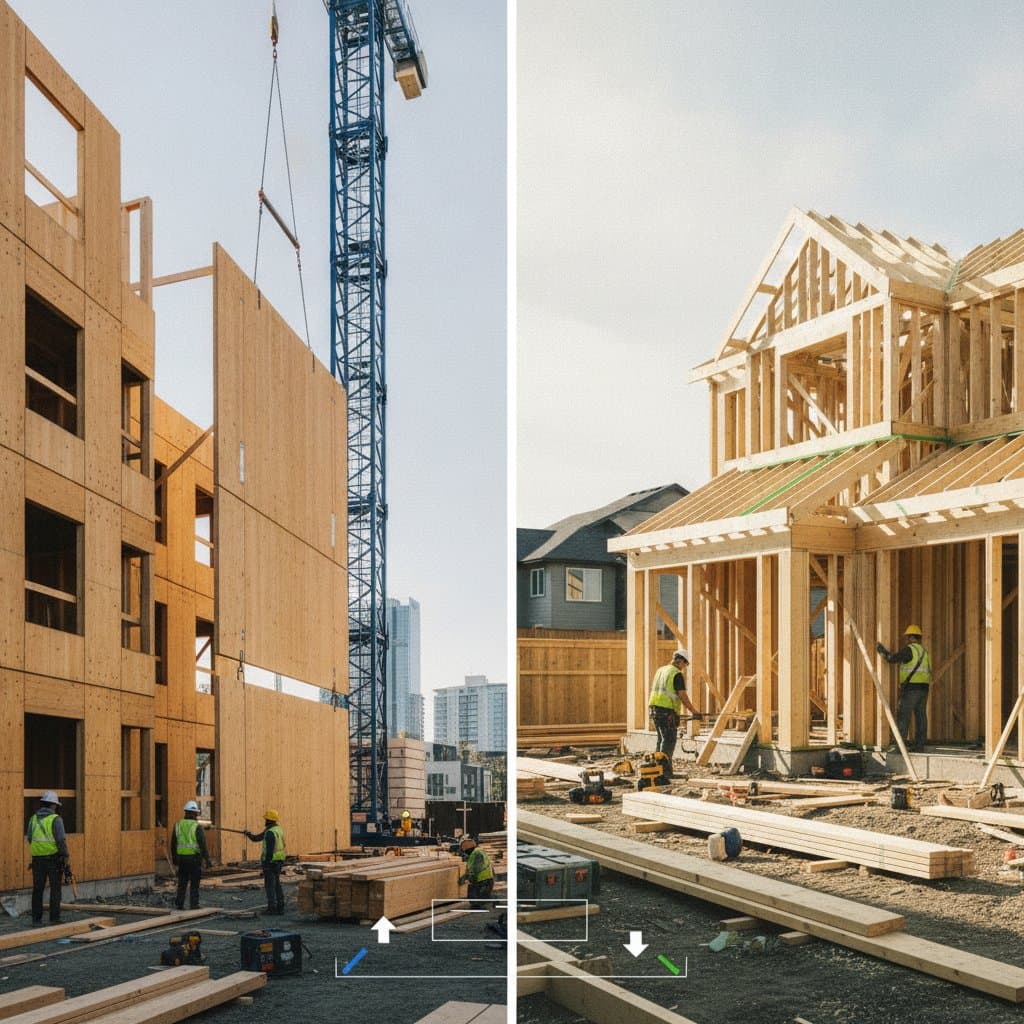
Families increasingly choose shared living arrangements, prompting builders to create adaptable homes that accommodate multiple generations. These residences support aging parents, grown children, or extended relatives while upholding privacy and autonomy. Grasping the principles of design and associated expenses enables informed planning for a durable, family-oriented environment.
This resource details the elements that determine construction costs for multigenerational homes, examines how design decisions enhance value, and identifies scenarios where expert assistance proves essential for projects involving accessory dwelling units or in-law suites.
Defining Multigenerational Homes
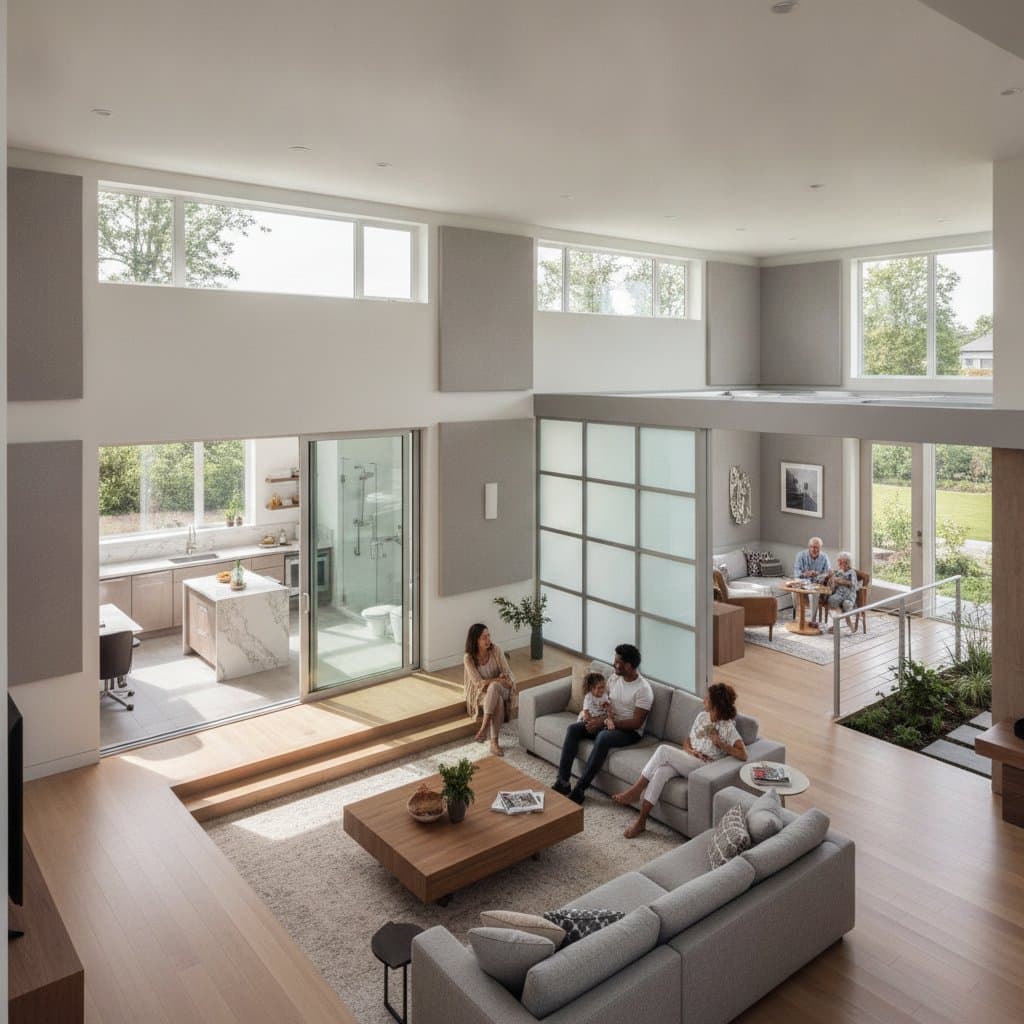
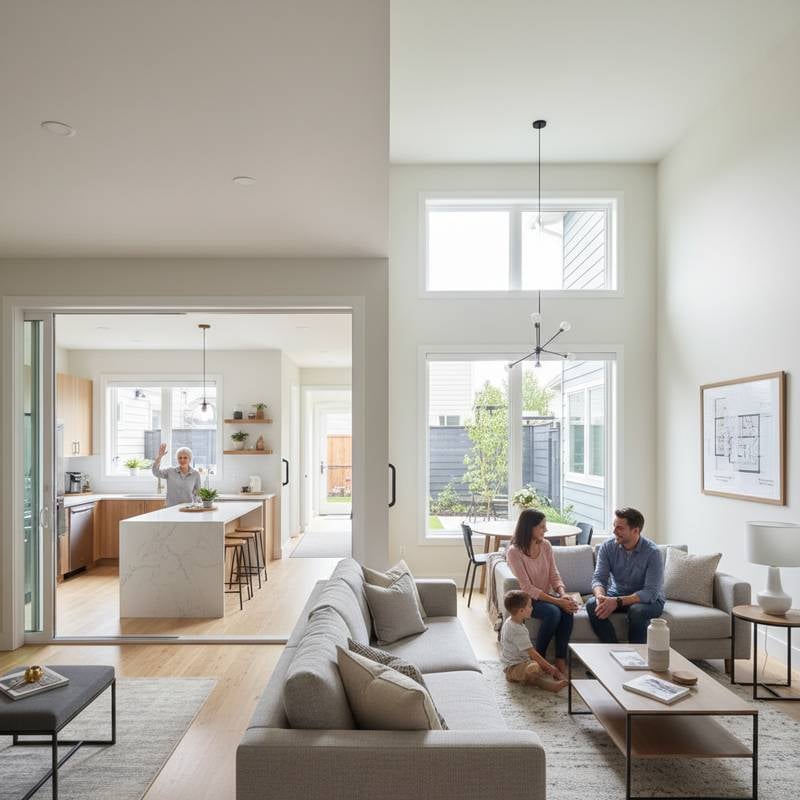
Multigenerational homes integrate communal areas with distinct private sections for individual family units. Such configurations often feature independent entrances, compact kitchenettes, or dedicated bathrooms to promote ease and adaptability. The primary objective remains fostering family interaction while respecting personal boundaries.
Typical configurations encompass:
- A primary residence paired with an adjoining in-law suite that includes a bedroom, bathroom, and modest living space.
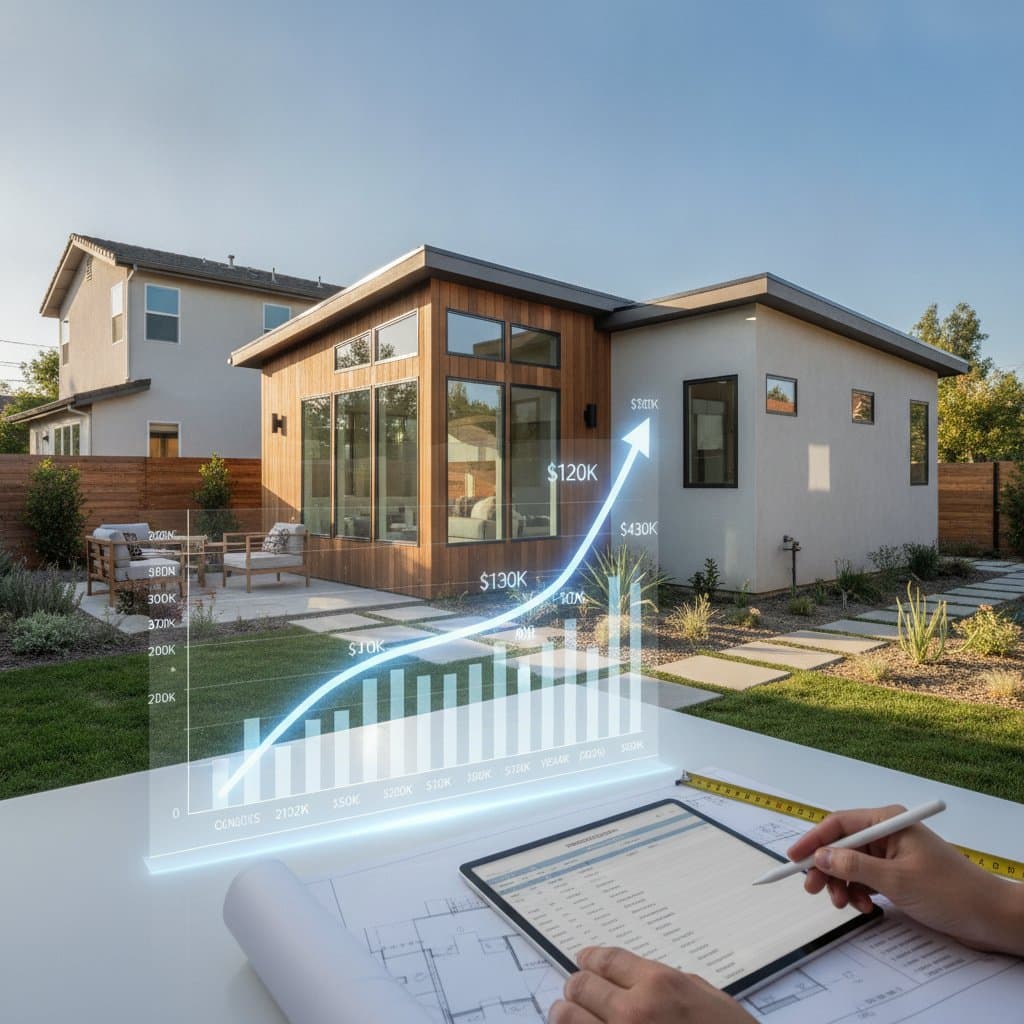
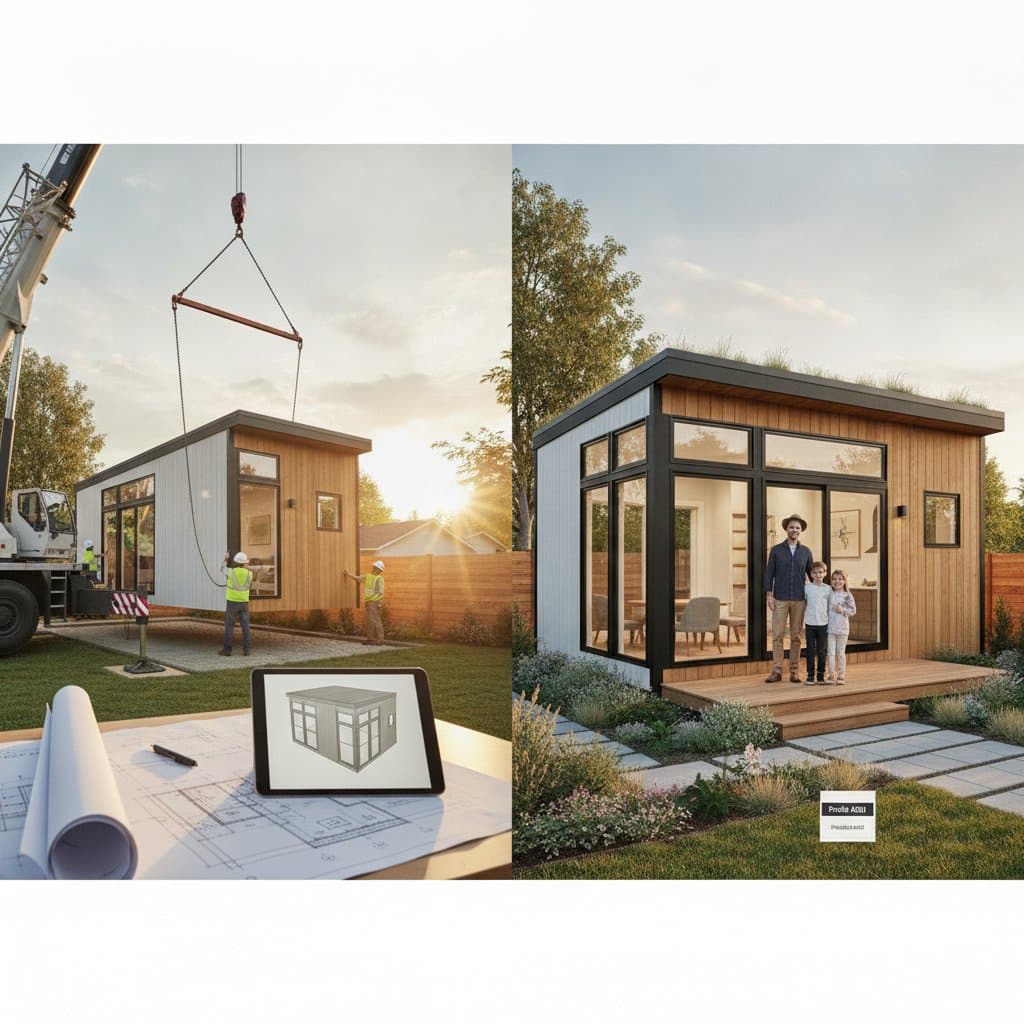
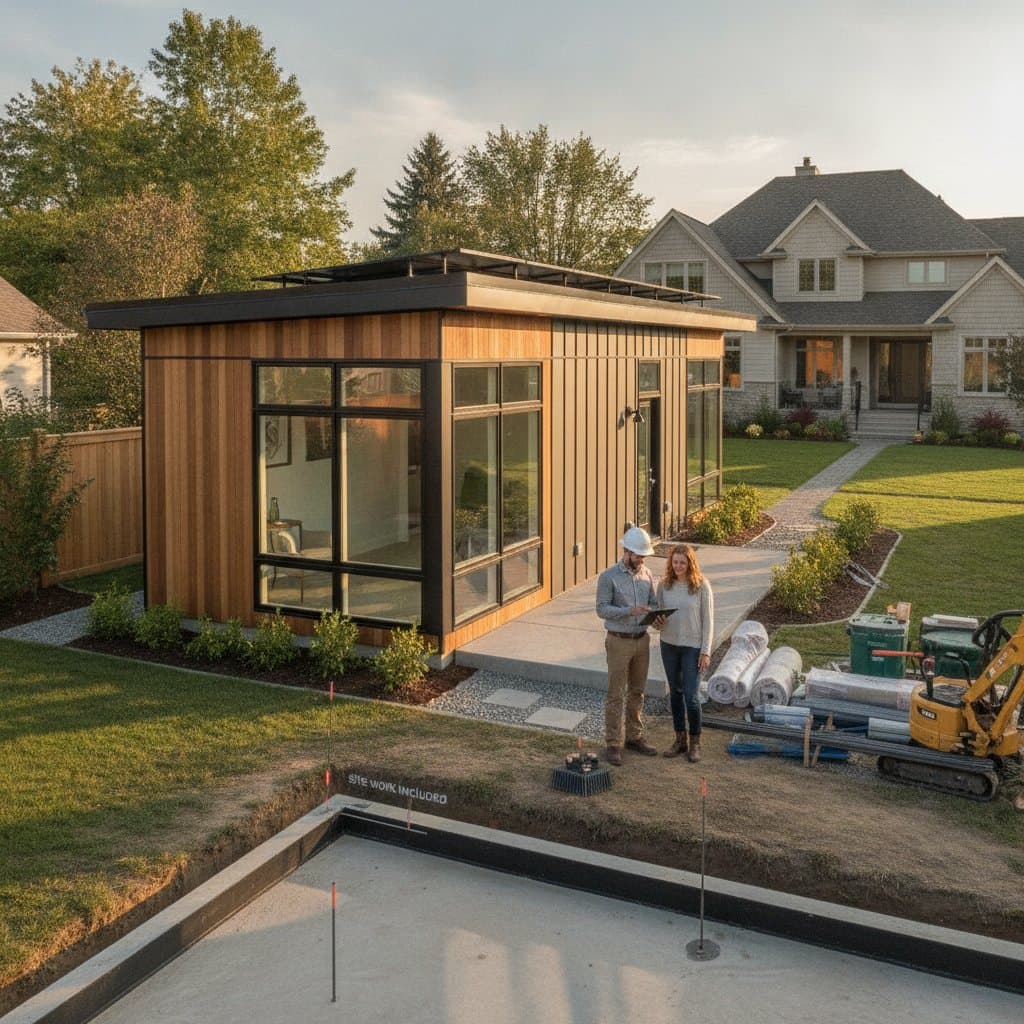
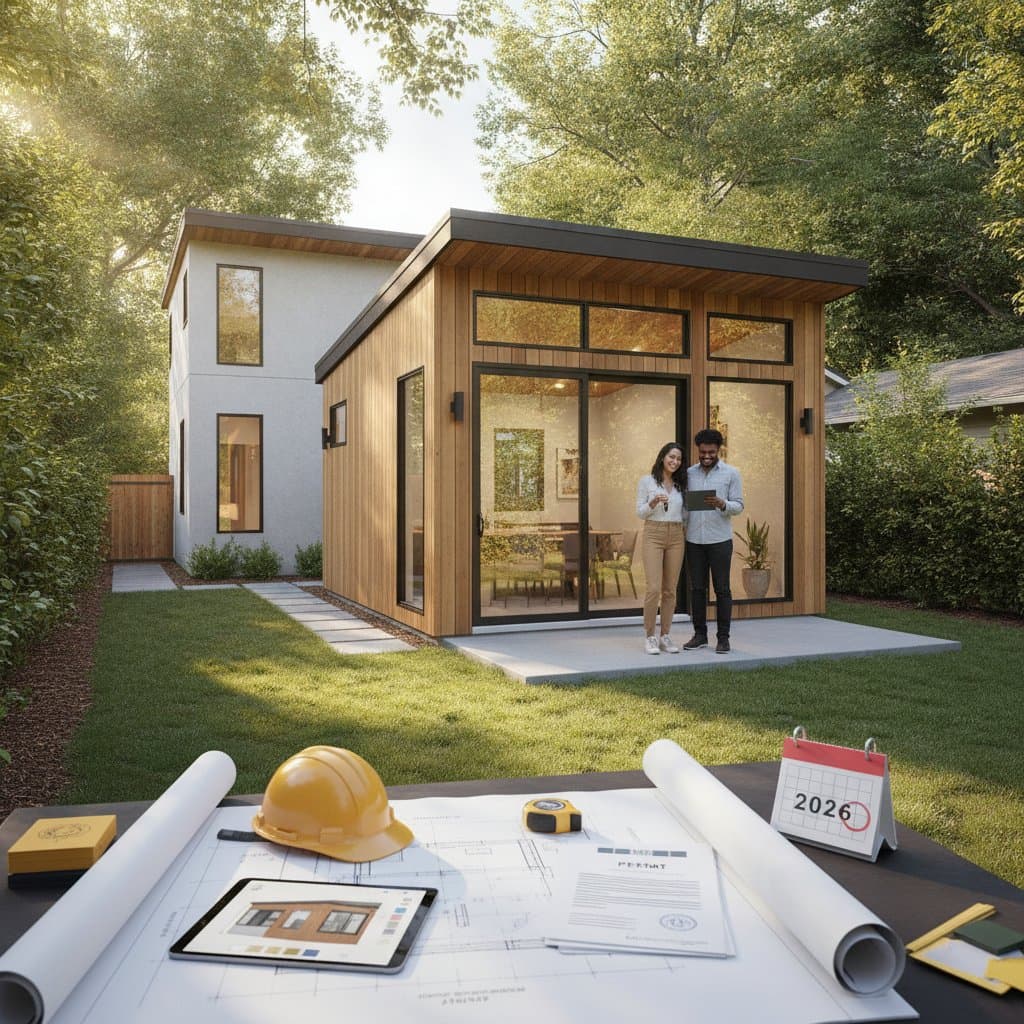
- A standalone accessory dwelling unit positioned in the rear yard, commonly referred to as a guest house or granny flat.
- Multi-level or bifurcated structures where generations reside on separate levels or in distinct wings.
Cost Breakdown and Influencing Factors
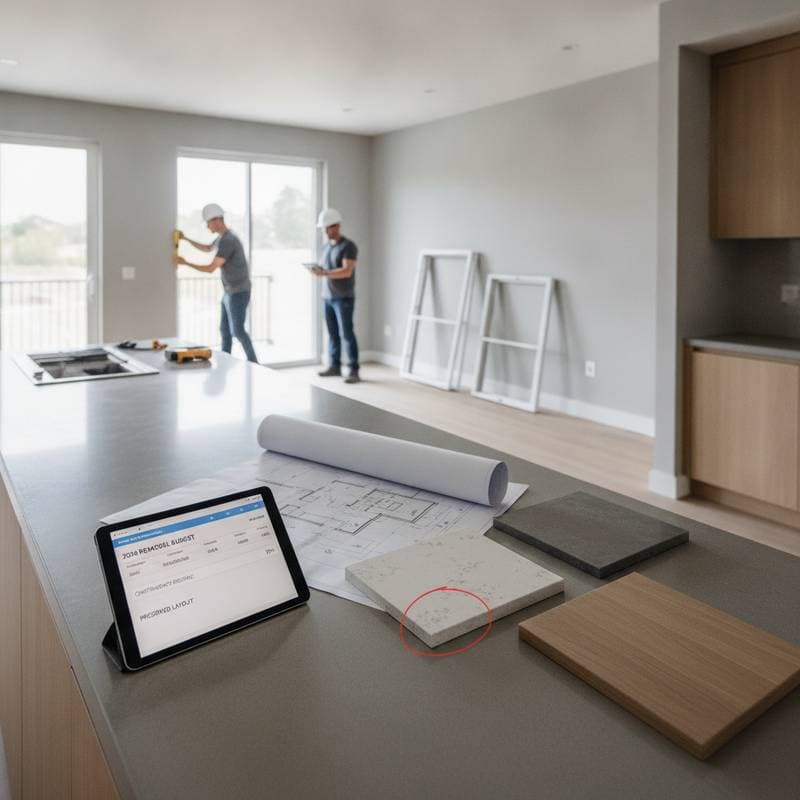
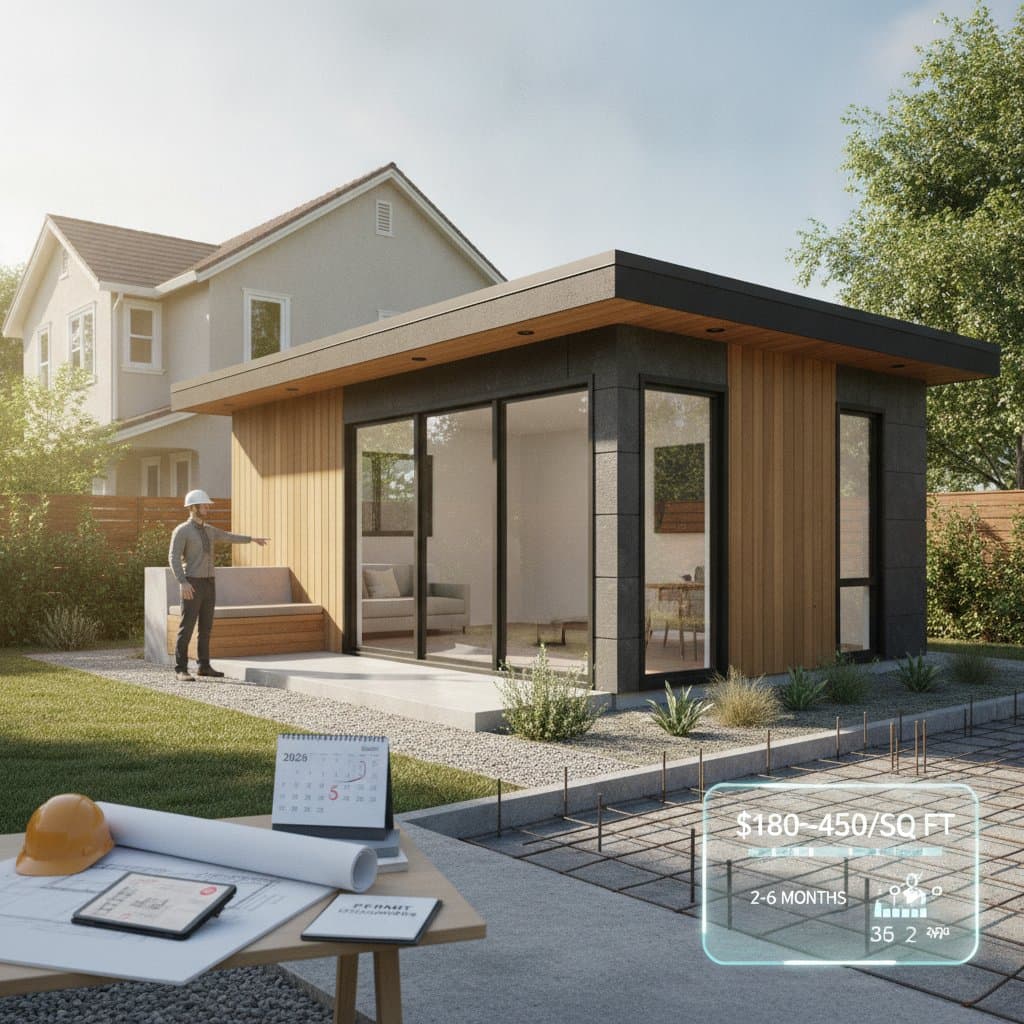
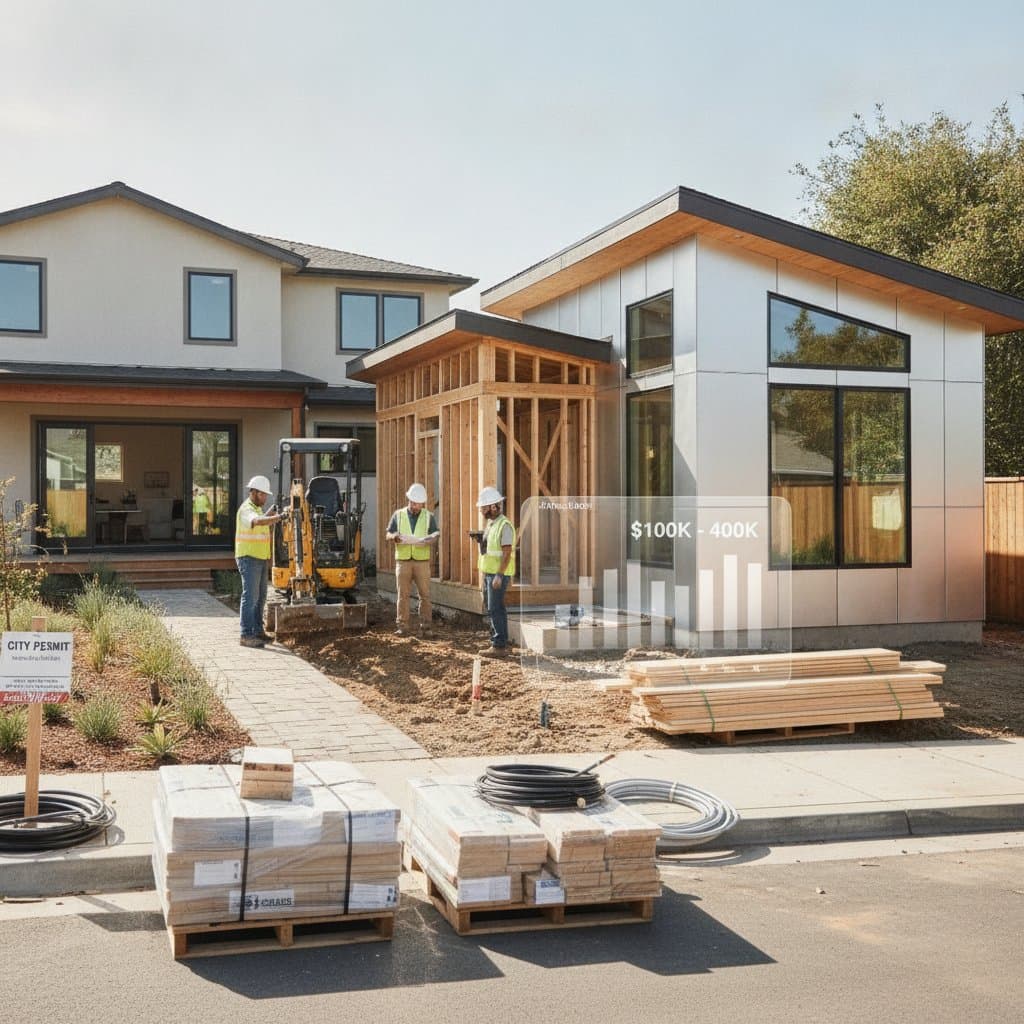
Constructing or modifying a home for multigenerational use introduces specific variables that impact overall expenses. National estimates indicate that completing a comprehensive multigenerational residence spans $250,000 to $750,000, varying by dimensions, materials selected, and regional labor expenses. Adding an in-law suite typically costs $80,000 to $200,000, whereas erecting a detached accessory dwelling unit ranges from $150,000 to $400,000.
Key factors shaping these costs include:
- Overall square footage: Expanded areas elevate demands on materials and workmanship.
- Plumbing and electrical installations: Incorporating additional kitchens or bathrooms necessitates fresh piping and outlets.
- Accessibility modifications: Elements such as broadened doorways, support rails, entry ramps, or barrier-free showers increase outlays yet prolong practical utility.
- Permits and architectural services: Regional regulations for secondary units demand thorough preparation and oversight.
- Surface treatments and building materials: Premium selections, including energy-conserving glass panes or enhanced flooring, amplify the total expenditure.
Return on Investment and Enduring Benefits
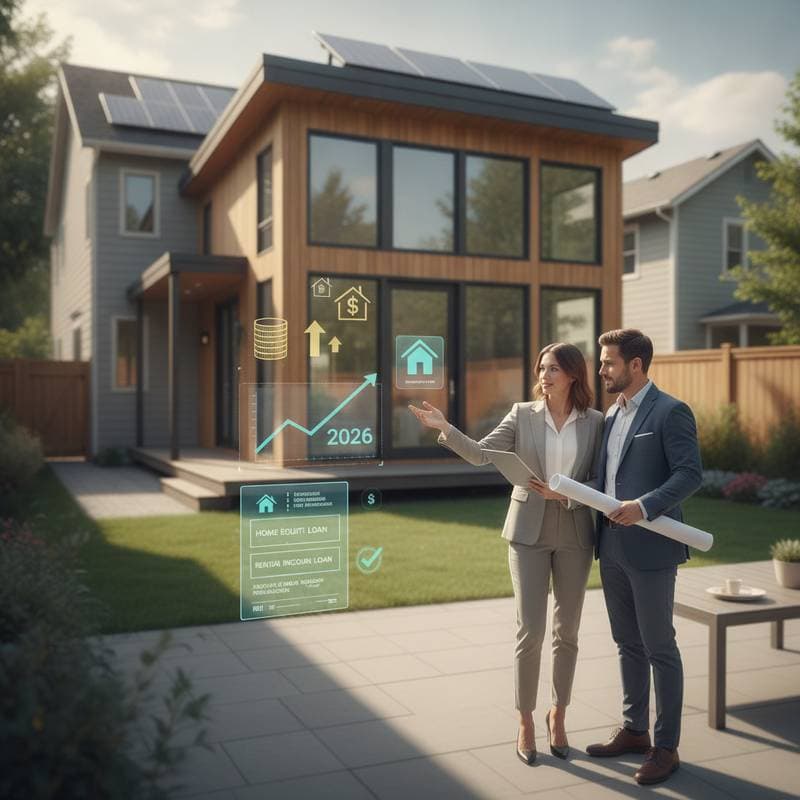
Adopting multigenerational configurations enhances real estate worth and diminishes ongoing housing expenditures. Properties boasting versatile arrangements attract diverse purchasers, and supplementary units generate potential leasing revenue. Property market analyses reveal that auxiliary living areas recoup 50 to 80 percent of invested funds upon sale, contingent on site and execution quality.
Incorporating energy-saving components, consolidating utility services, and streamlining upkeep further reduce operational costs, rendering these dwellings economically viable across decades.
Emerging Design Preferences
Contemporary multigenerational architecture emphasizes ease and self-sufficiency amid interconnected layouts. Frequently sought attributes comprise:
- Independent access points that preserve household distinctions.
- Acoustic insulation dividing living sectors to safeguard seclusion.
- Inclusive design principles featuring reduced elevation changes, expansive corridors, and ergonomic hardware.
- Collective gathering zones like expansive culinary areas or outdoor terraces that unite family members.
- Adaptable chambers suitable for transformation between workspaces, fitness rooms, or sleeping quarters in response to evolving requirements.
Design specialists advocate harmonizing palettes and textures throughout zones for visual unity. Opting for pale hues and unobstructed floor plans enlarges the perception of compact suites, rendering them more welcoming.
Handling Tasks Independently or with Experts
Homeowners manage straightforward alterations like repainting, resurfacing floors, or adjusting door widths without assistance. Structural modifications, water systems, or power enhancements, however, demand certified specialists.
Suitable for independent execution:
- Refreshing surfaces and hardware.
- Assembling prefabricated furnishings or organizational units.
- Erecting non-load-bearing dividers.
Requiring professional intervention:
- Integrating novel bathrooms or culinary facilities.
- Extending structural boundaries or modifying support walls.
- Implementing fresh climate control or overhauling electrical frameworks.
Collaborating with a design-construction enterprise guarantees adherence to standards and prevents expensive errors. Firms versed in multigenerational projects suggest streamlined configurations and resilient substances tailored to sustained family occupancy.
Regulatory and Safety Guidelines
Municipal ordinances dictate construction of auxiliary units, covering aspects like water systems, fire barriers, and vehicle accommodations. Confirm zoning permissions for accessory dwelling units or in-law suites prior to conceptualization. Separate metering for utilities or defined property boundaries may apply.
Standards for accessibility shape planning as well. Units designated for seniors benefit from level thresholds, traction-enhanced surfaces, and accessible controls. These specifications bolster security and usability for all occupants.
Upkeep and Durability
Well-constructed extensions or units endure comparably to the principal structure through consistent care. Roof coverings and outer claddings warrant renewal every 20 to 30 years, whereas interior surfaces like floors and coatings require attention every 5 to 10 years. Routine actions, including joint sealing, gutter clearing, and system tune-ups, prolong asset longevity.
Strategies for Cost Efficiency
- Evaluate current areas initially. Repurposing basements, garages, or lofts often proves more economical than new builds.
- Select moderate-quality options. Resilient choices such as synthetic wood flooring or engineered stone surfaces offer reliability without excess expense.
- Integrate with present infrastructure. Linking to established water or heating systems shortens setup and cuts costs.
- Solicit various proposals. Reviewing quotes secures equitable rates and highlights capable providers.
- Adopt incremental building. Prioritize foundational elements, deferring detailing until funds permit.
Engaging Specialists
Seek professional services for endeavors involving foundational shifts, utility expansions, or habitable additions. Prioritize contractors proficient in accessory dwelling units and multigenerational layouts. Request past examples, validate credentials, and ensure they manage approvals and evaluations.
Planners or integrated design teams facilitate equilibrium between isolation and unity via astute spatial arrangements. They optimize orientations for views, noise control, and illumination to yield a cohesive rather than segmented residence.
Frequently Addressed Queries
What dimensions suit an in-law suite? Sizes generally span 350 to 800 square feet, adjusted to site constraints and feature preferences.
Does a multigenerational setup elevate property levies? Affirmative, should expansions augment area or valuation, prompting reassessment.
May one lease an accessory dwelling unit? Provisions differ regionally. Consult zoning and approval protocols prior to offering for rent.
Which base type suits an accessory dwelling unit? Poured concrete bases prevail, although elevated supports or underfloor voids accommodate uneven terrain.
Sustaining Adaptability
As family dynamics evolve, zones transition seamlessly from autonomous retreats to professional nooks or visitor accommodations. This versatility preserves relevance and worth over extended periods.