2026 ADU Pricing: What Your Backyard Cottage Really Costs
Adding an Accessory Dwelling Unit (ADU), commonly known as a backyard cottage, granny flat, or guest house, expands your property's functionality and value. Homeowners pursue ADUs to accommodate family members, produce rental income, or enhance resale appeal. A clear grasp of total project expenses proves vital before starting construction.
This guide details realistic pricing, identifies key cost influences, and presents strategies for cost reduction. Readers gain insights into how design decisions, site features, and building techniques affect budgets. The information equips you to weigh options between self-managed tasks and expert involvement.
What an ADU Includes and Why It Adds Value
An ADU constitutes a compact, independent living space situated on the same parcel as the primary residence. Standard features encompass a kitchenette, full bathroom, bedroom or sleeping zone, and dedicated entryway. Configurations adapt to needs such as income-generating rentals, dedicated workspaces, or accommodations for extended family.
Key value additions include:
- Provision of extra living space without acquiring additional property.
- Opportunity to earn rental revenue that offsets financing expenses.
- Elevation of overall home worth, with appraisers in various regions noting increases of 20 to 30 percent.
- Enhanced adaptability for supporting elderly relatives or grown offspring.
Major Cost Factors: Site, Design, and Materials
Project estimates hinge on property-specific attributes. Variations in terrain slope, ground composition, or entry points alter expenses considerably.
Site Conditions
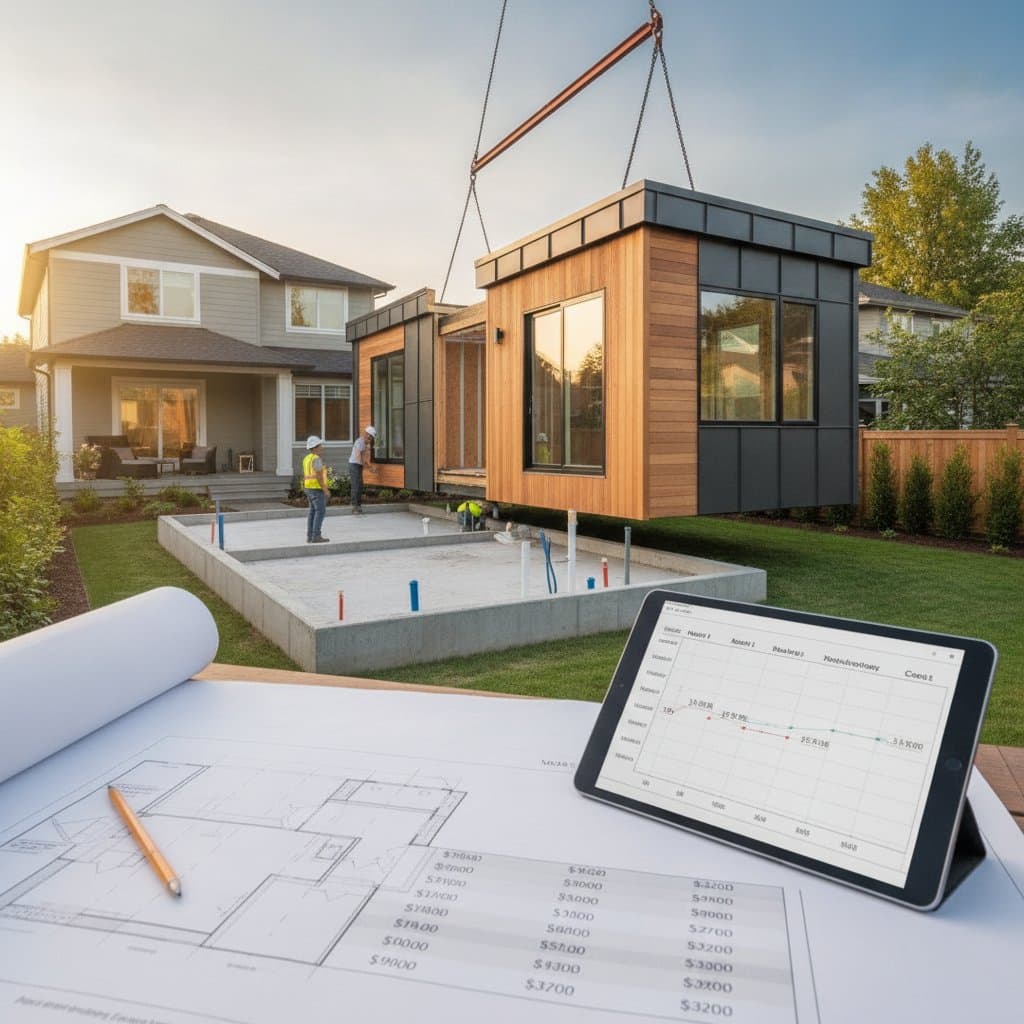
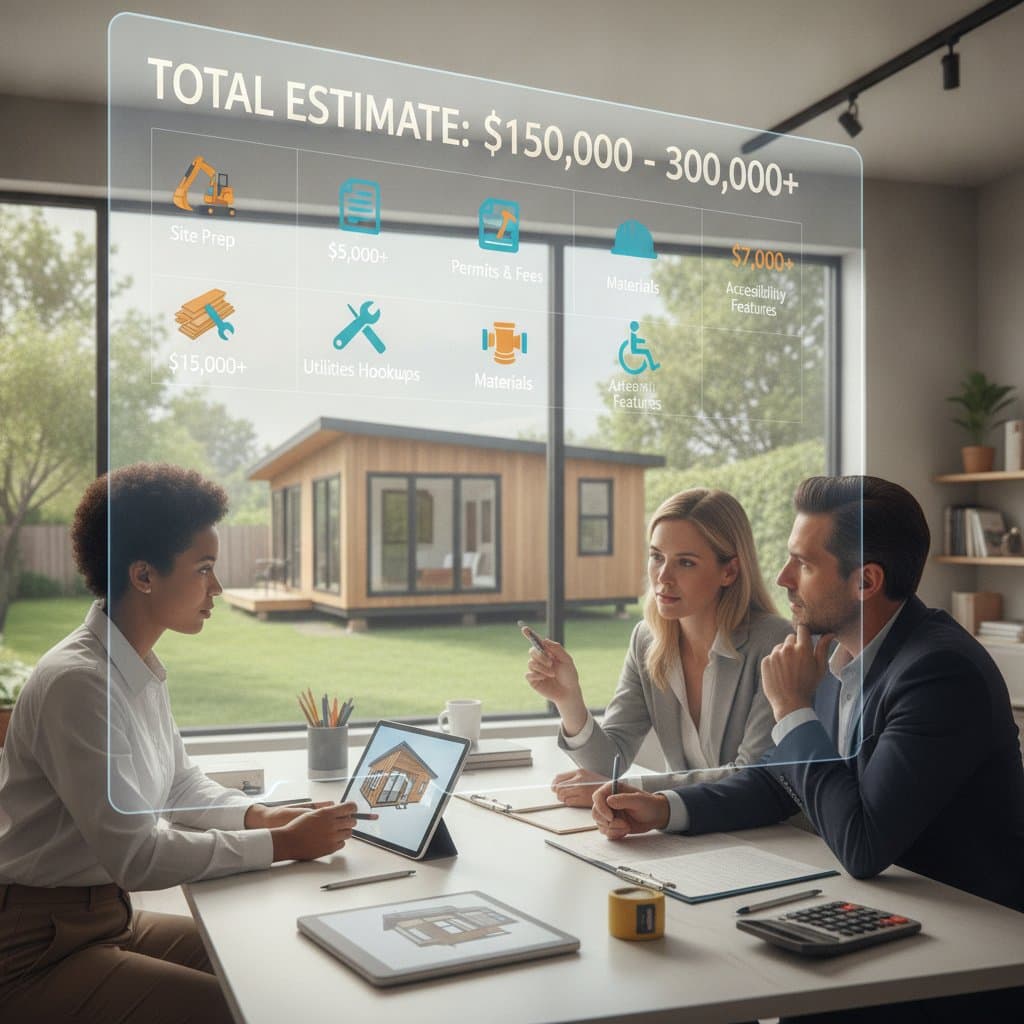
Grading tasks on sloped or irregular terrain demand extra excavation or installation of retaining walls, potentially adding $10,000 to $30,000. Connecting utilities like water, sewage, and power lines typically incurs $15,000 to $40,000, depending on distance from the main house. Substandard soil drainage or instability necessitates specialized engineering for foundations, which elevates those costs by 15 to 25 percent.
Design Complexity
Opt for straightforward rectangular floor plans to minimize expenses compared to multi-story or asymmetrical designs. Select gable or shed roofs for lower costs over flat or bespoke configurations, saving up to $8,000 in materials and labor. Incorporate energy-efficient windows and doors to boost performance, though they increase installation by 10 to 20 percent; balance this with long-term energy savings.
Material Selection
Choose fiber cement or vinyl siding for exteriors to keep costs below those of wood or stucco, reducing outlays by $5,000 to $12,000. Select mid-tier options for interior elements like cabinets, laminate flooring, and quartz countertops to cut $15,000 to $25,000 while upholding durability. Prioritize Energy Star-rated appliances and fixtures, which lower ongoing utility expenses and access local rebates worth $1,000 to $5,000.
DIY vs Professional Construction
Homeowners often evaluate incorporating personal labor to control spending, yet this method involves compromises in time and risk.
When DIY Can Work
Tackle interior tasks such as painting walls, laying flooring, and installing trim to achieve savings of $5,000 to $15,000. Manage landscaping elements like planting beds and gravel paths independently to deduct $3,000 to $8,000 from totals. Oversee permitting processes and design consultations yourself to eliminate fees, provided you allocate sufficient time for accurate documentation.
When to Hire a Professional
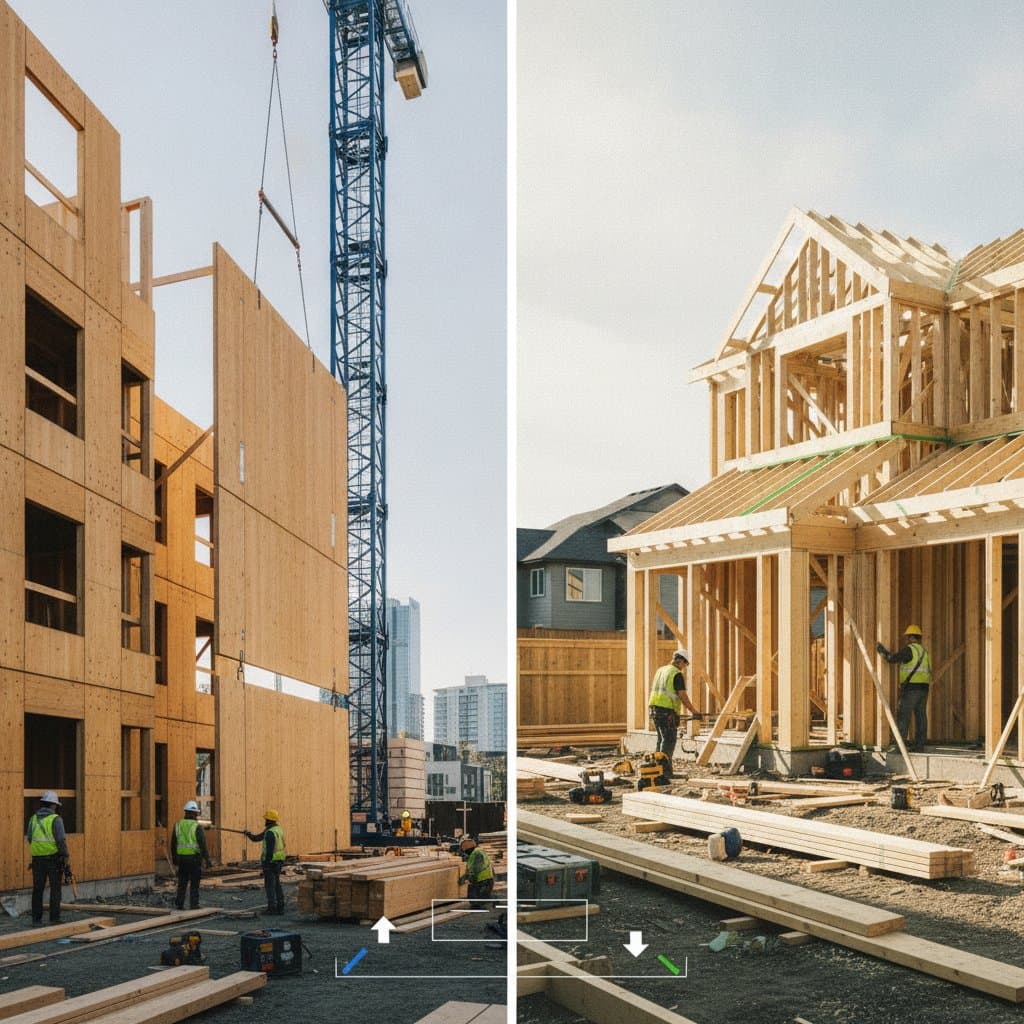
Entrust structural framing and roofing to certified teams to guarantee safety and adherence to building codes. Engage licensed plumbers and electricians for piping and wiring installations, ensuring reliable inspections and hazard-free operations. Rely on experts for foundation pouring and concrete placement to avoid structural shifts or repairs that could exceed $20,000 over time.
Professional involvement raises initial expenditures but averts expensive errors. Experienced contractors spot regulatory hurdles promptly and expedite approval processes.
Maximizing ROI and Long-Term Value
Strategic ADU development extends beyond added space to yield reliable financial benefits.
Rental Income Potential
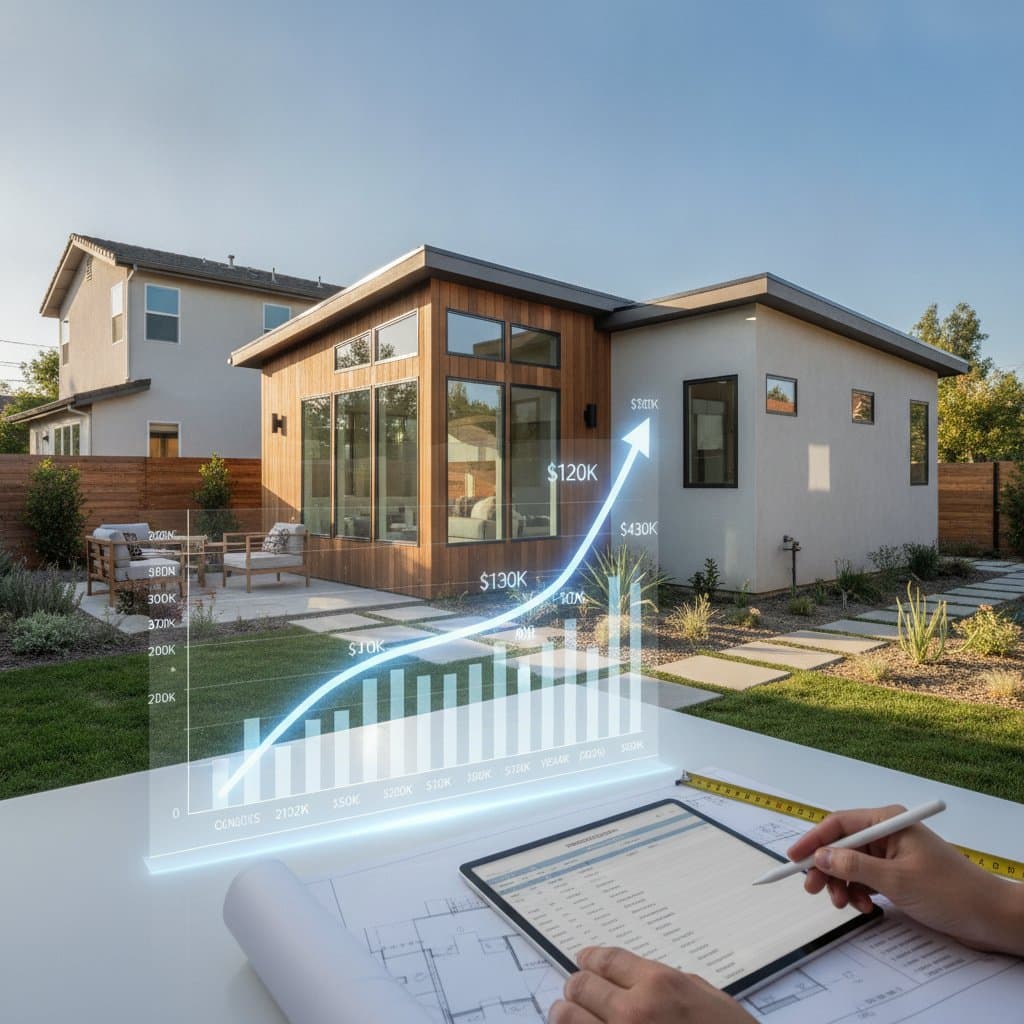
In diverse markets, a standalone ADU rents for $1,500 to $3,500 monthly. A basic 400-square-foot unit often recoups building costs through rent in five to eight years, factoring in occupancy rates above 90 percent.
Energy Efficiency
Integrate high R-value insulation, double-pane windows, and efficient HVAC systems to trim annual utilities by 20 to 40 percent. Add solar panels or heat pumps for further reductions, tapping incentives that offset $5,000 to $15,000 in upfront costs.
Design for Flexibility
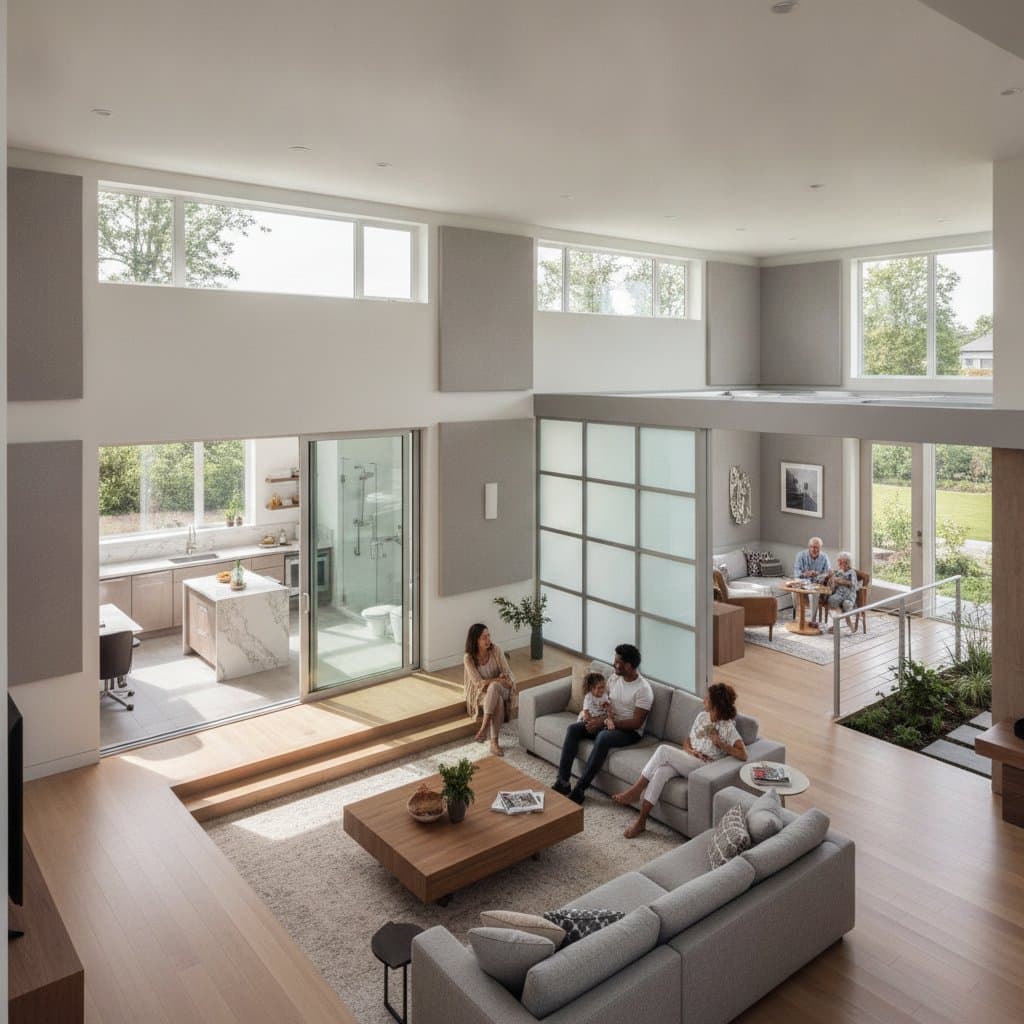
Develop versatile interiors, such as studios with Murphy beds that double as offices. Include isolated entrances and acoustic barriers to enhance tenant privacy and adaptability for varying occupants.
Resale Value
Permitted ADUs accelerate sales and elevate prices by 15 to 25 percent over similar properties. Agents report quicker closings, often within 30 days, due to buyer demand for ready-to-use expansions.
Common Questions About ADU Costs
How long does it take to build an ADU?
Prefabricated units complete in four to six months, while site-built custom projects extend to nine to twelve months, influenced by seasonal weather, permit timelines, and intricate designs.
Do I need a separate utility meter?
Certain jurisdictions mandate independent metering for income-producing ADUs to facilitate separate billing. This setup adds $2,000 to $6,000 but streamlines management; consult your provider for compliant alternatives.
Can I finance an ADU through my mortgage?
Homeowners frequently utilize renovation loans, home equity lines of credit, or cash-out refinances. These options cover 80 to 100 percent of costs at rates comparable to primary mortgages.
Will an ADU increase property taxes?
Additions typically raise assessments only on the new structure's value, adding $200 to $800 annually in most areas, while the original home's valuation stays stable.
Do I need a parking space for an ADU?
Local ordinances differ; proximity to transit hubs or garage conversions often exempt requirements. Verify zoning rules to avoid fines up to $10,000 for non-compliance.
Steps to Launch Your ADU Project
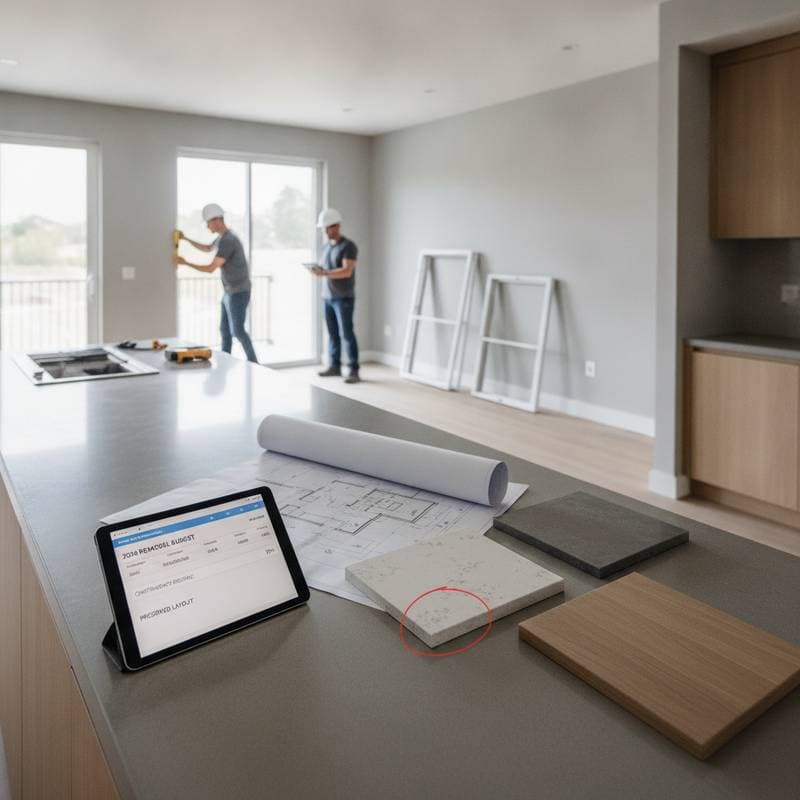
Launching an ADU transforms property potential into tangible benefits. Begin with a site survey to pinpoint challenges, then draft a budget incorporating 10 to 15 percent for contingencies.
Select durable, efficient components to ensure the unit withstands years of use. Partner with vetted professionals to navigate permits and execution, securing an investment that appreciates alongside your home.