Understanding ADU Construction Costs and Permits
Accessory dwelling units provide homeowners with additional living space and opportunities for rental income on their existing property. This guide examines the factors influencing construction expenses, the permitting process, and the decision to involve professionals. Readers gain insight into transforming backyard areas into functional, valuable extensions of their homes.
Project Overview
This resource covers the complete spectrum of costs, permits, and construction phases for an accessory dwelling unit. It equips individuals with knowledge on planning, budgeting, and overseeing the project to ensure legal compliance and safety.
Estimating Costs and Timelines
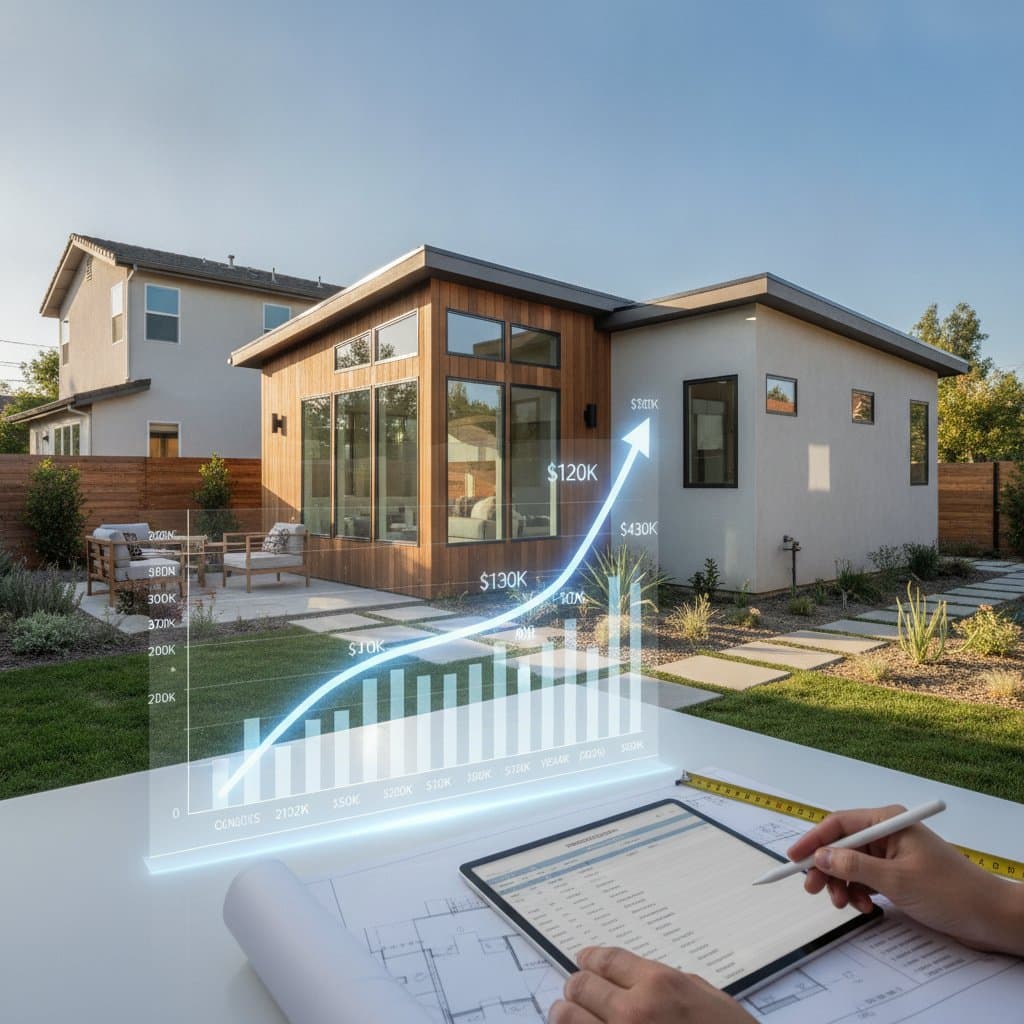
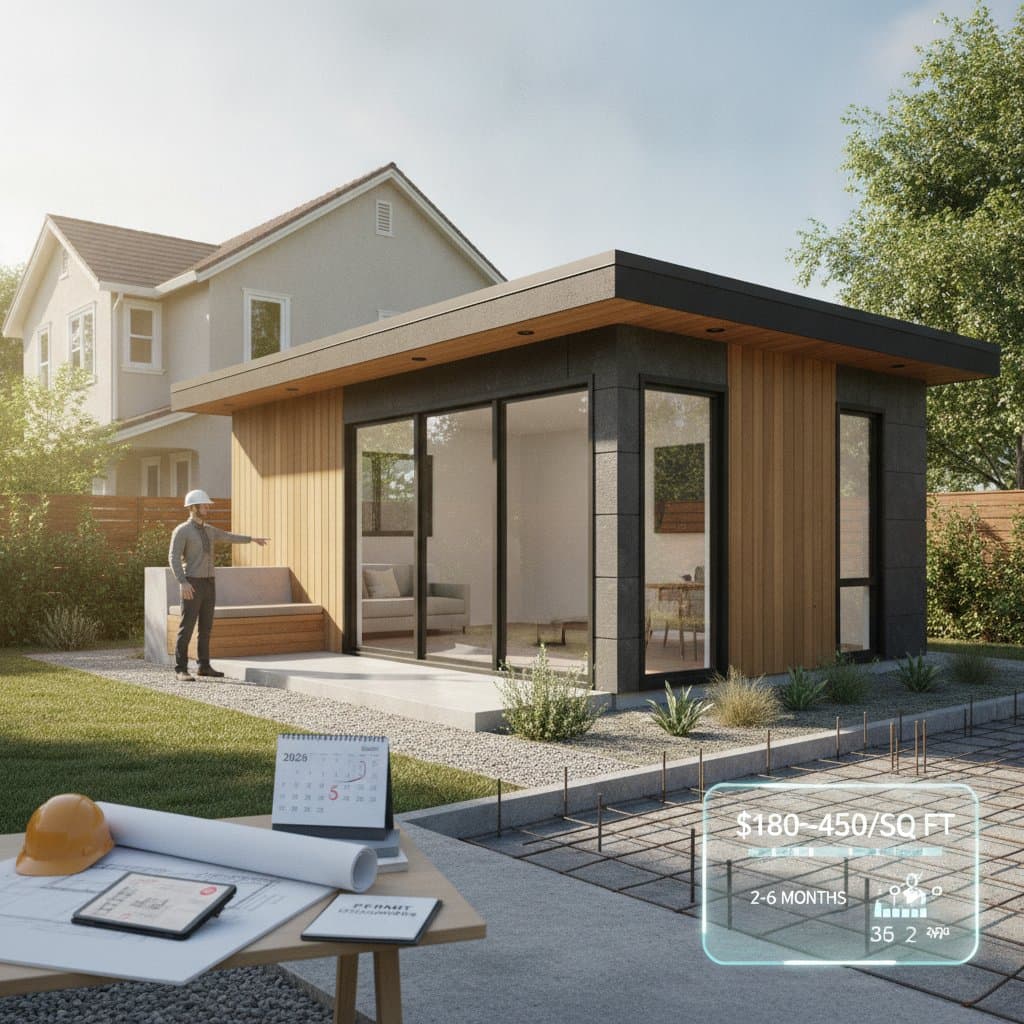
The expense of constructing an accessory dwelling unit varies based on design, dimensions, materials, and regional regulations. Detached units typically incur higher costs than conversions or attachments to existing structures.
Standard cost ranges:
- Detached backyard cottage: $180,000 to $350,000
- Garage conversion: $90,000 to $160,000
- Basement conversion: $100,000 to $200,000
- Attached addition: $130,000 to $250,000
Key expense drivers:
- Size: Greater square footage increases demands on materials, labor, and utility installations.
- Foundation: Fresh concrete bases contribute substantial costs due to excavation and pouring requirements.
- Utilities: Extensions for water, sewage, and electricity demand specialized connections.
- Finishing levels: Selections in flooring, cabinetry, and fixtures influence interior budgets significantly.
- Permits and fees: Local approvals and reviews range from $5,000 to $20,000.
Project duration projections:
- Self-managed construction: 12 to 18 months
- Contractor-led construction: 6 to 10 months
Complexity level: Advanced. Accessory dwelling units demand expertise in trades, adherence to building codes, and coordination of inspections.
Comparing Self-Managed and Professional Approaches
Homeowners handle initial planning and minor preparations independently, yet core construction elements necessitate certified experts.
Tasks suitable for independent management:
- Site mapping and preliminary design drafts
- Investigation of zoning restrictions and boundary offsets
- Coordination of permit applications with municipal offices
- Application of interior elements such as paint and flooring
Elements requiring expert involvement:
- Structural assembly including framing and roofing
- Integration of electrical, plumbing, and heating systems
- Foundation preparation and land grading
- Oversight of inspections and certifications
Expense contrasts:
- Hybrid self-managed project: $100,000 to $200,000
- Complete professional execution: $180,000 to $350,000
Professionals deliver accelerated timelines and guarantees on work quality. Independent efforts reduce outlays but heighten chances of regulatory issues or expensive corrections.
Detailed Construction Process
1. Verify Zoning Compliance
Reach out to the municipal or county planning office to assess property eligibility for an accessory dwelling unit.
- Calculate required distances from boundaries.
- Confirm limits on unit dimensions and elevations.
- Determine obligations for parking accommodations.
Milestone verification: Obtain documented approval from planning authorities confirming site suitability.
2. Develop Design Specifications
Collaborate with an architect versed in local standards to produce floor plans, exterior views, and utility schematics.
- Select aesthetics and materials harmonious with the primary residence.
- Incorporate features for accessibility and energy conservation.
Milestone verification: Finalized blueprints prepared for official submission.
3. Secure Necessary Permits
Present design documents to the building authority and cover associated charges.
- Enclose details on structure, systems, and site preparation.
- Anticipate evaluations and potential modifications.
Milestone verification: Endorsed permit package with authenticated plans.
4. Site Preparation
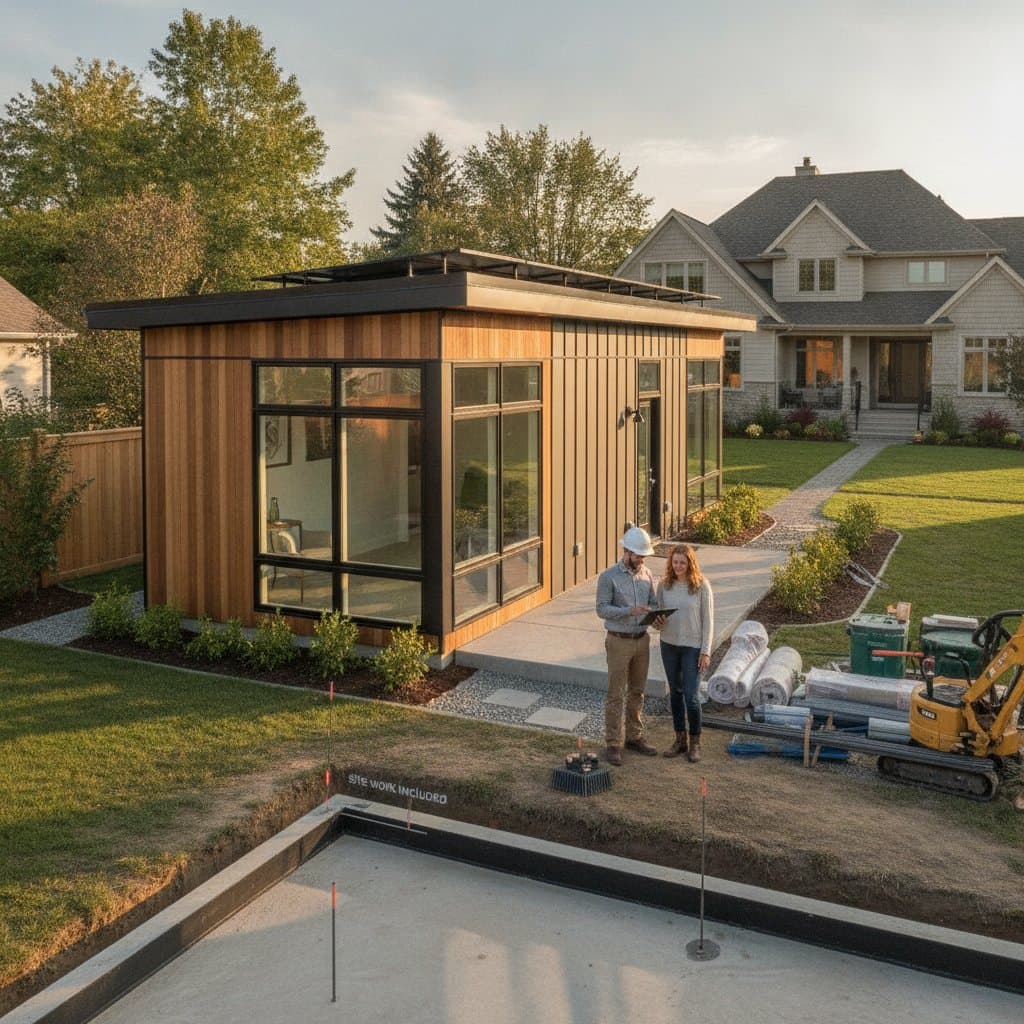
Remove obstacles and delineate the construction area. Arrange for earthmoving and leveling.
- Locate subsurface utilities prior to any disruption.
- Erect barriers if mandated by regulations.
Caution: Machinery and Trench Risks. Maintain distance from operating equipment and excavations.
Milestone verification: Prepared ground surface, stabilized and aligned for foundational work.
5. Foundation Construction
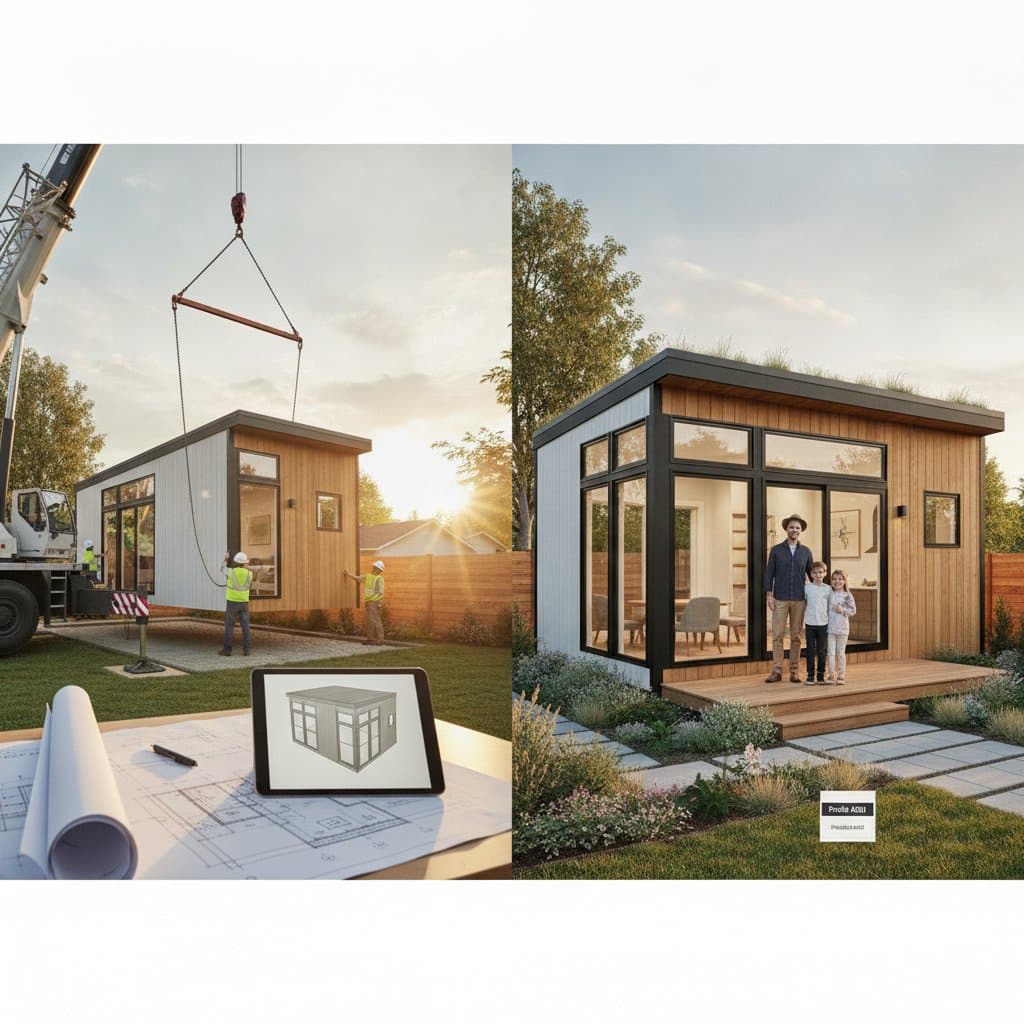
Form and pour concrete slabs or supports per approved specifications.
- Incorporate steel reinforcements for durability.
- Ensure precise measurements in depth and positioning.
Milestone verification: Foundation cleared by inspection and aligned with design parameters.
6. Structural Framing
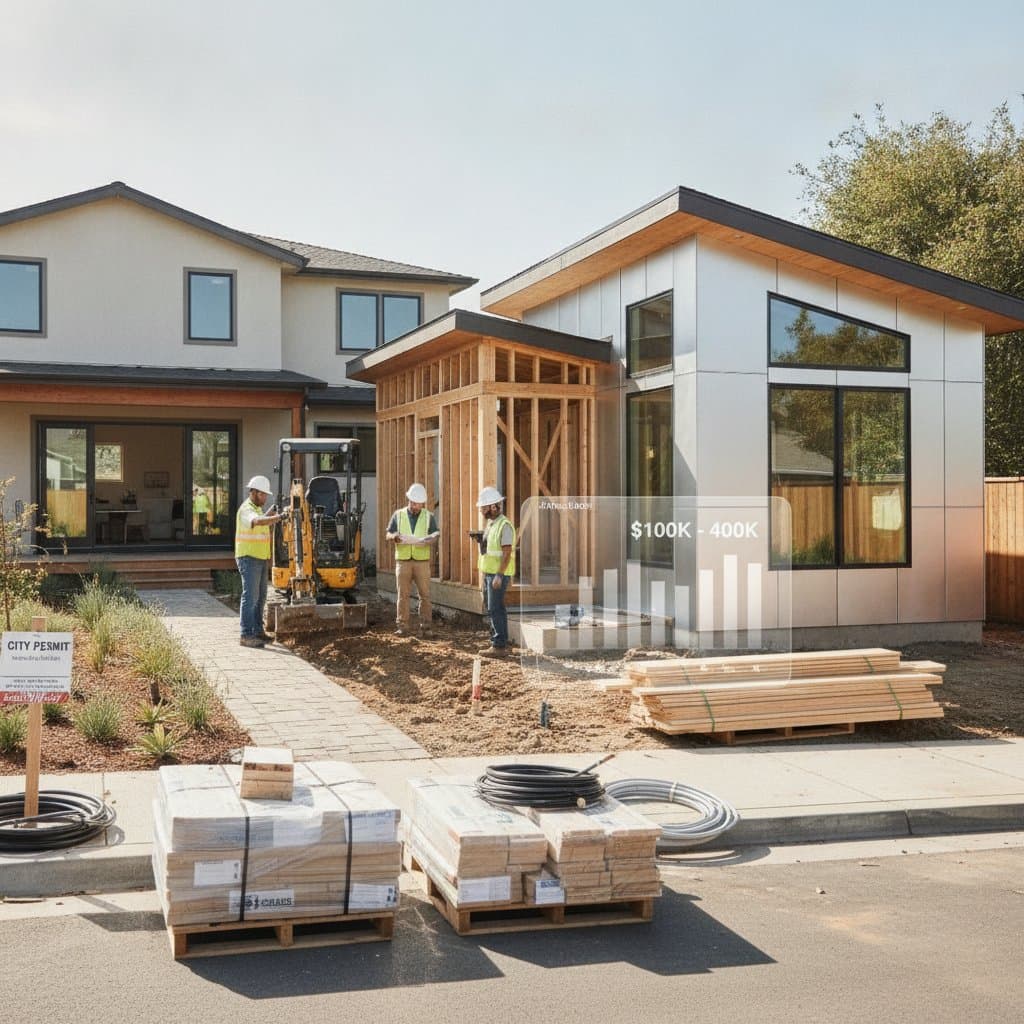
Erect walls, roof framework, and apertures following permitted drawings.
- Employ pressure-treated wood for base elements.
- Position windows and doors accurately.
Caution: Elevation Hazards. Secure with safety equipment and stable platforms at heights.
Milestone verification: Framing approved upon review by authorities.
7. Utility System Installation
Lay pipes, wiring, and ventilation ducts. Link to existing or new infrastructure.
- Engage certified specialists for each discipline.
- Mark electrical paths and emergency controls clearly.
Warning: Electrical Dangers. Deactivate sources and test before interventions.
Milestone verification: Preliminary system checks passed by officials.
8. Wall Enclosure and Insulation
Apply insulating materials, moisture shields, and interior panels.
- Select insulation ratings compliant with energy standards.
- Seal penetrations to eliminate drafts.
Milestone verification: Enclosed surfaces prepared for subsequent stages.
9. Finishing Interiors and Exteriors
Install surfaces, storage units, moldings, coatings, cladding, and roof coverings.
- Opt for resilient, easy-care options.
- Protect seams and edges against water entry.
Milestone verification: Unit appears complete, sealed, and inspection-ready.
10. Final Compliance Reviews
Authorities examine integrity of structure, systems, and safeguards.
Milestone verification: Issuance of occupancy certification from jurisdiction.
Essential Safety Measures
- Equip with personal protective equipment including hand coverings, eye shields, and auditory guards.
- Isolate utilities prior to alterations.
- Ensure unobstructed pathways free from obstacles.
- Deploy reliable elevation tools and avoid precarious positions.
Adherence to protocols safeguards participants and facilitates approvals.
Addressing Challenges and Verifications
Frequent issues and resolutions:
- Foundation irregularities: Adjust terrain or add drainage solutions to avert shifts.
- Interior dampness: Install barriers and inspect seals.
- Inadequate thermal protection: Address voids with enhanced materials.
- Drainage inefficiencies: Modify lines for optimal inclines.
Verification protocols:
- Confirm verticality of walls and evenness of floors.
- Operate outlets and appliances to test functionality.
- Evaluate flow rates in water and waste systems pre-enclosure.
Debris Management
Clear waste materials each day. Categorize into lumber, metals, panels, and aggregates.
- Secure container services for bulk disposal.
- Utilize recycling for salvageable items where available.
- Transport chemical residues to designated facilities.
Organized sites minimize risks and expedite completions.
Ongoing Upkeep and Durability
Conduct biannual assessments for water ingress, fractures, and circuit faults. Maintain drainage channels, renew coatings, and reinforce outer connections routinely.
- Roofing: Renew coverings after 20 to 30 years.
- Exteriors: Refresh applications every 5 to 7 years.
- Climate control: Annual servicing.
- Water systems: Update components upon signs of wear.
Consistent care prolongs utility and sustains asset worth.
Indicators for Expert Assistance
Engage qualified contractors for foundational, wiring, or piping tasks. Seek professionals amid geotechnical concerns, water flow issues, or administrative hurdles.
Specialist fee estimates:
- Project manager: $100,000 to $250,000
- Design consultant: $4,000 to $15,000
- Approval advisor: $1,000 to $3,000
Selection criteria:
- Active credentials and coverage.
- Testimonials and examples from similar endeavors.
- Detailed agreements outlining disbursements.
- Assurances on components and execution.
Skilled teams handle verifications, synchronize efforts, and uphold standards.
Strategies for Optimal Outcomes
Establish budgets incorporating 10 percent reserves for unforeseen elements. Organize documentation systematically. Maintain open dialogue with teams to prevent modifications. Align selections with primary property aesthetics for enhanced market appeal. Design entry routes that respect resident seclusion.
A thoughtfully constructed accessory dwelling unit enhances livability, adaptability, and revenue potential. Diligent preparation, specialist input, and methodical execution secure project success and safeguard investments.