2026 ADU Construction Costs: A Comprehensive Breakdown
Accessory Dwelling Units, known as ADUs, offer a practical solution for expanding living space or generating rental income on an existing property. These structures, sometimes referred to as granny flats, backyard cottages, or in-law suites, involve multifaceted financial considerations. Homeowners frequently overlook the full scope of expenses, particularly those related to permits, site preparation, and professional design services.
This guide details anticipated expenditures for an ADU project in 2026, presenting typical cost ranges, permit fees, and factors that influence pricing. It compares professional construction with do-it-yourself options, outlines cost-management strategies, and evaluates potential returns on investment.
Key Cost Ranges and Influencing Factors
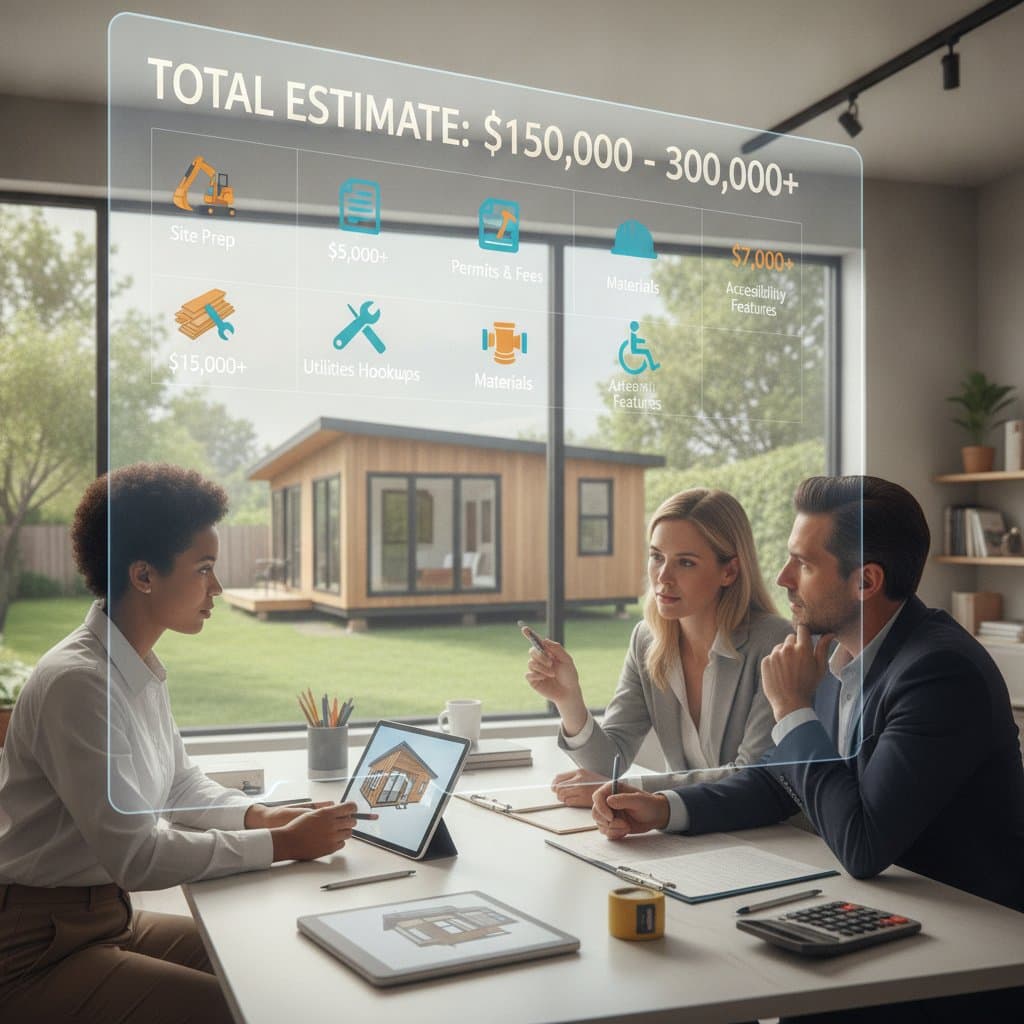
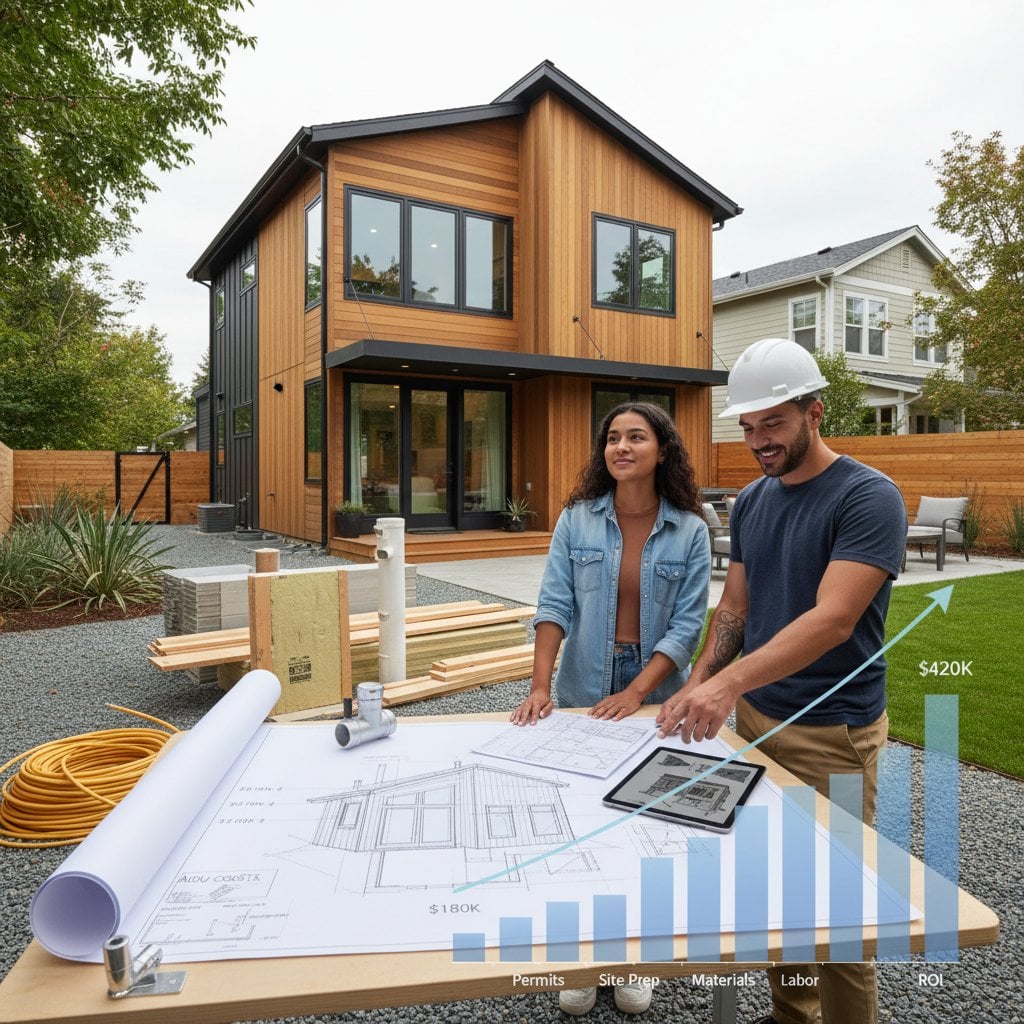
Total costs for constructing an ADU in 2026 typically range from $180,000 to $420,000, depending on size, type, location, and customization level. A compact 400-square-foot detached unit might start at $180,000, while a larger 1,200-square-foot model with premium features could reach $420,000. These figures encompass materials, labor, design, permits, and basic utilities.
Several elements drive these variations. Detached ADUs demand new foundations, roofing, and utility extensions, increasing costs per square foot to $300 to $450. In contrast, garage conversions prove more economical at $150 to $250 per square foot, leveraging existing structures. Location plays a significant role; urban areas with stringent regulations add 20 to 30 percent to the budget due to higher labor rates and fees.
Material selections further impact expenses. Standard options like asphalt shingles and vinyl siding keep costs lower, whereas upgrades to metal roofing or fiber-cement exteriors elevate prices by 15 to 25 percent. Energy-efficient features, such as insulated windows and solar-ready wiring, add upfront costs but yield long-term savings.
Essential Highlights
- Detached ADUs incur the highest per-square-foot expenses owing to requirements for independent foundations, roofs, and utility lines.
- Garage or basement conversions represent the lowest-cost starting point by utilizing pre-existing infrastructure.
- Permit fees vary from $5,000 to $25,000 based on municipal regulations and project complexity.
- Utility connections often add unexpected $10,000 or more, covering electrical, plumbing, and sewer extensions.
- Engaging a licensed contractor ensures compliance and efficiency, though it increases overall expenses by 30 to 50 percent.
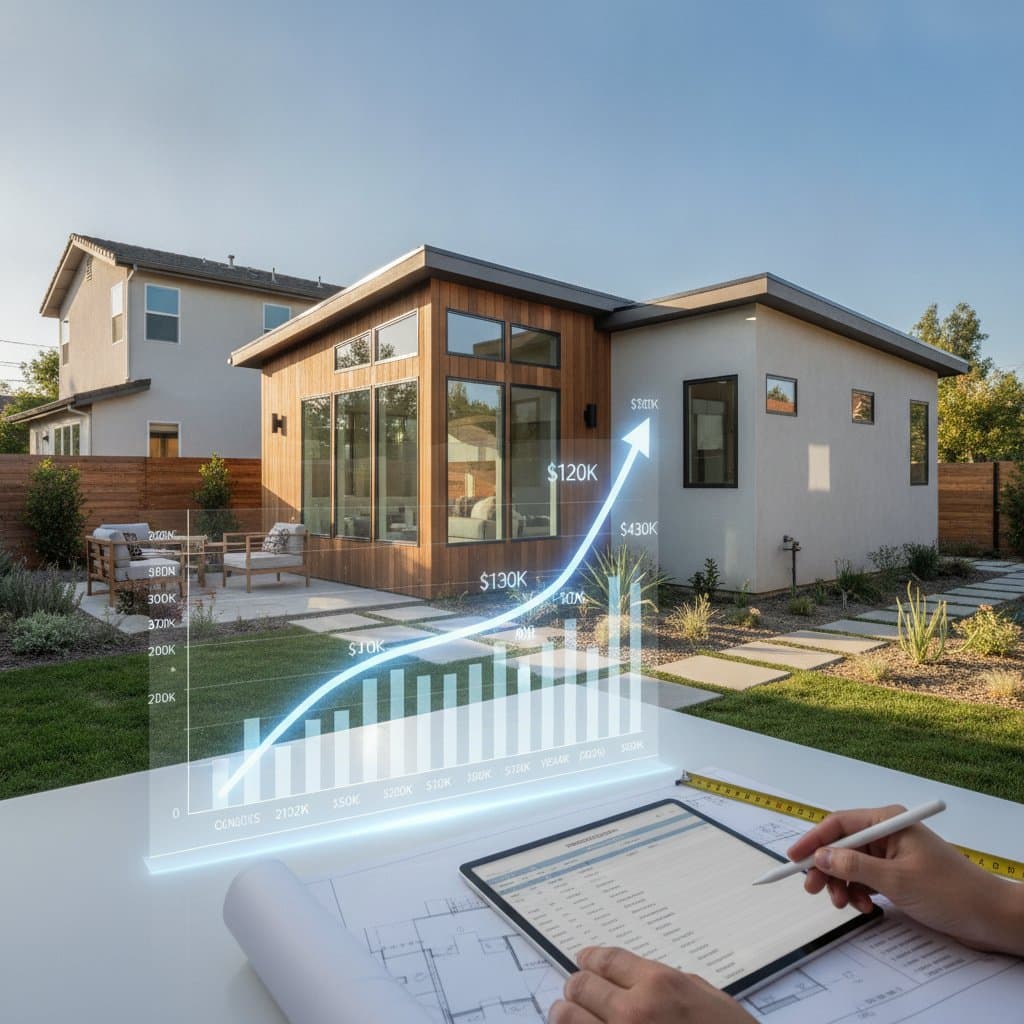
- Potential return on investment reaches 60 to 80 percent through rental income or property resale, contingent on local market conditions.
Professional Construction Versus Owner-Builder Options
Labor and professional services constitute 30 to 50 percent of the total budget, or $90,000 to $140,000 for a $280,000 project. A licensed general contractor oversees trade coordination, regulatory adherence, and timeline management, minimizing risks of delays or errors.
Professional Construction Benefits
Opting for a full-service contractor includes design, permitting, engineering, and on-site building. This approach guarantees adherence to building codes and reduces the likelihood of expensive revisions. Projects proceed more swiftly, often completing in 4 to 6 months, and provide homeowners with peace of mind through warranties and insurance coverage.
Owner-Builder and Partial DIY Considerations
Homeowners who serve as their own general contractor can reduce overhead by 10 to 20 percent. Success demands thorough understanding of construction phases, inspection requirements, and safety protocols. Errors, such as improper sequencing or code violations, result in delays and additional fees that negate initial savings.
For modest projects like garage conversions, partial DIY suits non-structural elements including painting, trim installation, and landscaping. Tools and materials for these tasks cost $2,000 to $5,000, but professional oversight remains advisable for electrical and plumbing work to avoid hazards.
Permit Processes and Associated Fees
Permits represent a critical yet often overlooked component of ADU projects. Local governments establish unique procedures, generally involving plan reviews, structural evaluations, and phased inspections. These steps verify compliance with safety, zoning, and environmental standards.
Core Permit Elements
- Building permits address structural integrity and overall safety.
- Electrical permits validate wiring installations against national codes.
- Plumbing permits oversee water supply and drainage systems.
- Mechanical permits apply to heating, ventilation, and air conditioning setups.
- Planning approvals assess property setbacks, height restrictions, and coverage limits.
Fee Structures and Timelines
Expect permit expenses between $5,000 and $25,000, with urban jurisdictions imposing higher development charges. Processing times span 4 to 12 weeks, influenced by application thoroughness. Certain areas provide expedited programs for standardized designs, reducing fees by up to 30 percent and shortening wait times to 2 to 4 weeks.
Strategies to Expedite Approvals
Prepare detailed, precise plans that specify all utilities and verify zoning compliance prior to submission. Collaborate with a local code-savvy designer to preempt issues. Incomplete applications cause the majority of setbacks, extending timelines by weeks and inflating holding costs.
Permits safeguard investments by enabling legal occupancy, insurance eligibility, and value appreciation. Non-permitted ADUs risk penalties, demolition orders, or diminished resale potential.
Utility Connections and Site Preparation
Site work and utilities form another substantial expense category, often totaling $20,000 to $50,000. Preparation includes grading, excavation, and foundation pouring, with costs rising in sloped or rocky terrains. Utility extensions for power, water, and sewage require trenching, which adds $5,000 to $15,000 per service.
Integrating with main home systems where feasible lowers expenses; for instance, tapping into existing electrical panels avoids full-line installations. Consult utility providers early to map connection paths and secure necessary easements.
Cost Methodology and Local Variations
Estimates derive from national contractor quotations, regional databases, and homeowner surveys, incorporating materials, labor, design, and permits. Averages assume standard conditions, but site-specific challenges like soil type or access limitations can adjust totals by 10 to 20 percent. Market fluctuations in labor and supplies may also influence 2026 pricing.
Obtain at least three detailed bids specifying identical scopes, and consult municipal offices for current permit timelines and fees before finalizing budgets.
Practical Strategies to Control Expenses
Implement these measures to decrease costs by 10 to 20 percent while upholding quality and safety.
- Select pre-approved plans from planning departments to minimize design fees and accelerate approvals.
- Adopt simple layouts with rectangular shapes and conventional roof pitches to streamline construction and material use.
- Install budget-friendly finishes, including vinyl plank flooring, ready-made cabinets, and laminate countertops mimicking quartz.
- Link utilities to primary home systems when regulations permit, reducing excavation and hookup charges.
- Defer optional additions like outdoor decks or gardens until after core completion.
- Solicit bids from multiple contractors, ensuring each proposal covers the full project scope.
- Schedule work during favorable weather seasons to prevent downtime from rain or frost.
- Investigate rebates for sustainable elements, such as energy-star appliances or solar panels.
Long-Term Value and Property Enhancement
An ADU extends beyond initial outlays to deliver enduring advantages. It enhances property versatility for multigenerational living, student housing, or guest accommodations, potentially offsetting future relocation expenses.
Durable construction choices, including fiber-cement exteriors, composite materials, and high-efficiency glazing, limit ongoing maintenance to 1 to 2 percent of build costs annually. Balanced, resilient finishes preserve aesthetics and functionality over 20 to 30 years, boosting rental appeal and resale prices by 10 to 20 percent.
Steps to Launch Your ADU Project
Begin by clarifying objectives, such as income generation, family support, or equity growth. Evaluate site suitability, consult zoning ordinances, and gather initial contractor estimates.
Secure funding via personal reserves, equity lines, or specialized loans. Develop comprehensive plans, obtain permits with all requisite fees, and initiate construction only after thorough preparation. This methodical process maximizes efficiency and realizes the full potential of your investment.