Costs and Designs for Multigenerational Homes in 2026
The trend toward multigenerational living under one roof shows no signs of slowing. Families increasingly seek arrangements that support aging parents, returning adult children, or extended relatives while preserving individual privacy. These homes deliver flexibility, enhanced comfort, and substantial long-term value when planned thoughtfully.
Key to success lies in grasping the elements that shape construction expenses and selecting designs that foster both shared experiences and personal space. This resource details the primary cost factors in multigenerational projects, outlines strategies for integrating private and communal areas, and highlights the importance of engaging skilled builders to ensure safety, efficiency, and adherence to building codes.
Breaking Down Multigenerational Home Costs
Expenses for constructing or renovating a multigenerational home vary based on project scale, geographic location, and desired custom features. Most initiatives fit into one of three categories, each with distinct cost profiles and considerations.
1. Converting Existing Space
Transforming a basement, garage, or attic into a self-contained suite typically ranges from $100 to $250 per square foot. Factors such as enhanced insulation, new plumbing lines, and accessibility modifications drive these figures. This method proves ideal when the primary building remains structurally sound and existing utilities require minimal extension.
Homeowners with relevant skills might manage surface-level tasks like installing flooring or applying finishes. However, professionals must handle electrical wiring and plumbing to meet safety standards. Such conversions frequently recover 60 to 70 percent of invested costs upon resale, particularly if configured for independent occupancy.
2. Adding an Attached In-Law Suite
Constructing a connected addition with its own entrance, compact kitchen, and full bathroom generally costs between $120,000 and $250,000. Prices escalate with needs for reinforcing the structure or upgrading utilities to support the new area. Separate metering for electricity or water can further influence the budget.
This option demands comprehensive planning, including permits and inspections to satisfy local codes. Homeowners should avoid attempting structural elements themselves due to complexity. Returns on investment hover around 65 percent, influenced by regional housing demand and the caliber of installed materials.
3. Building a Detached Accessory Dwelling Unit (ADU)
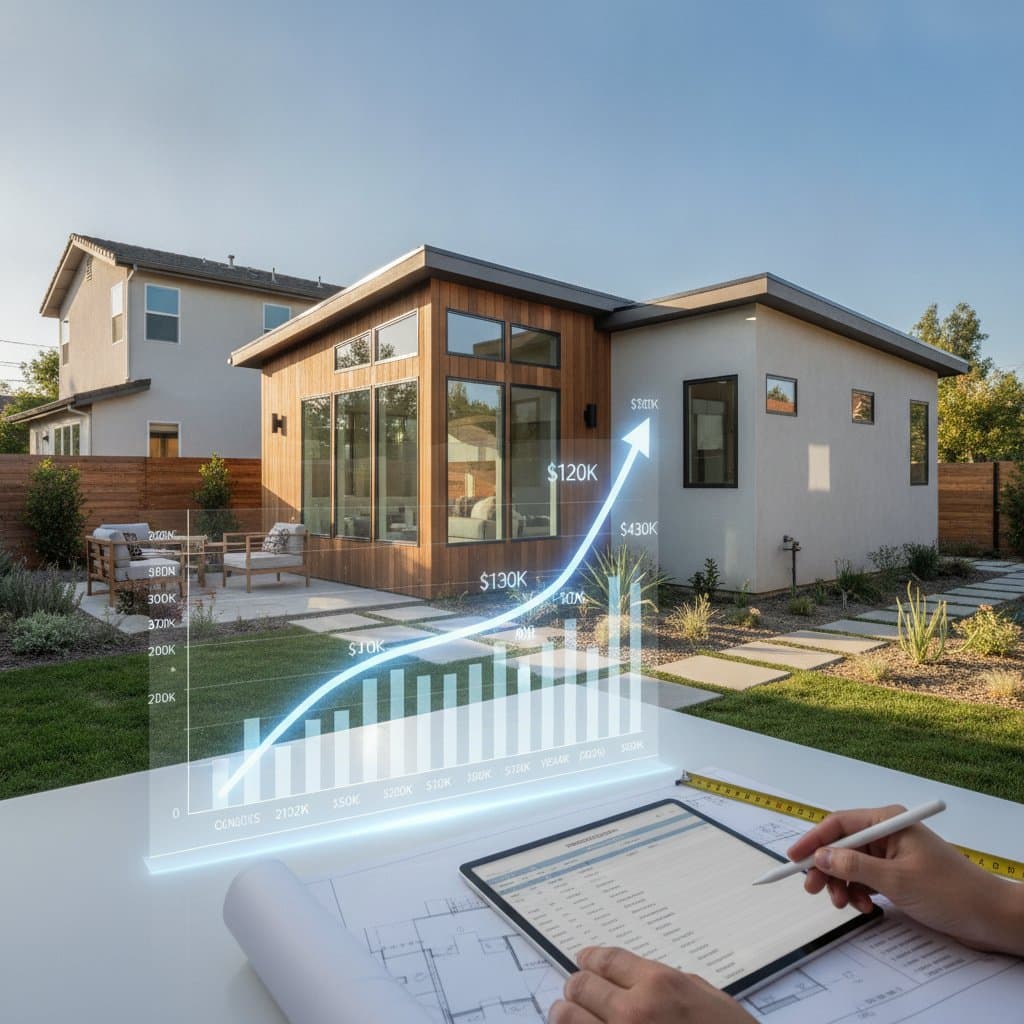
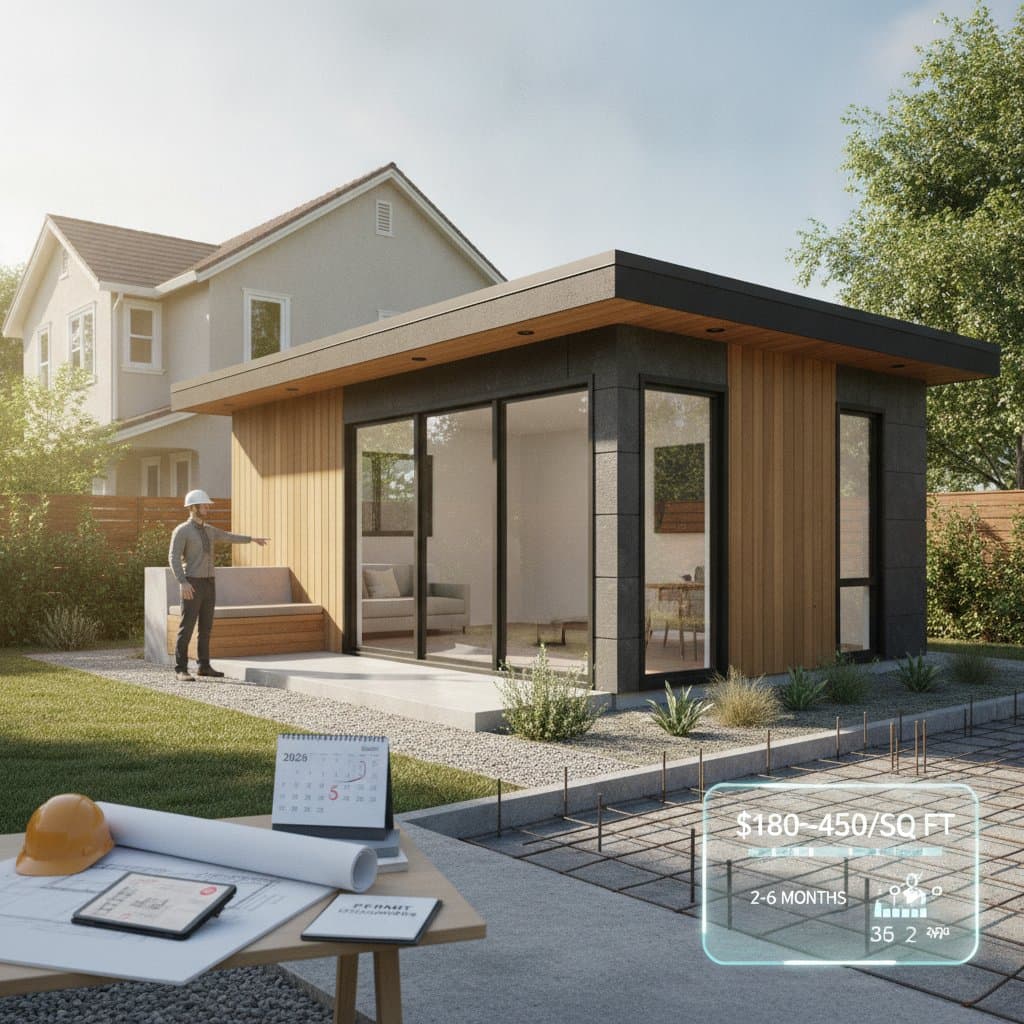
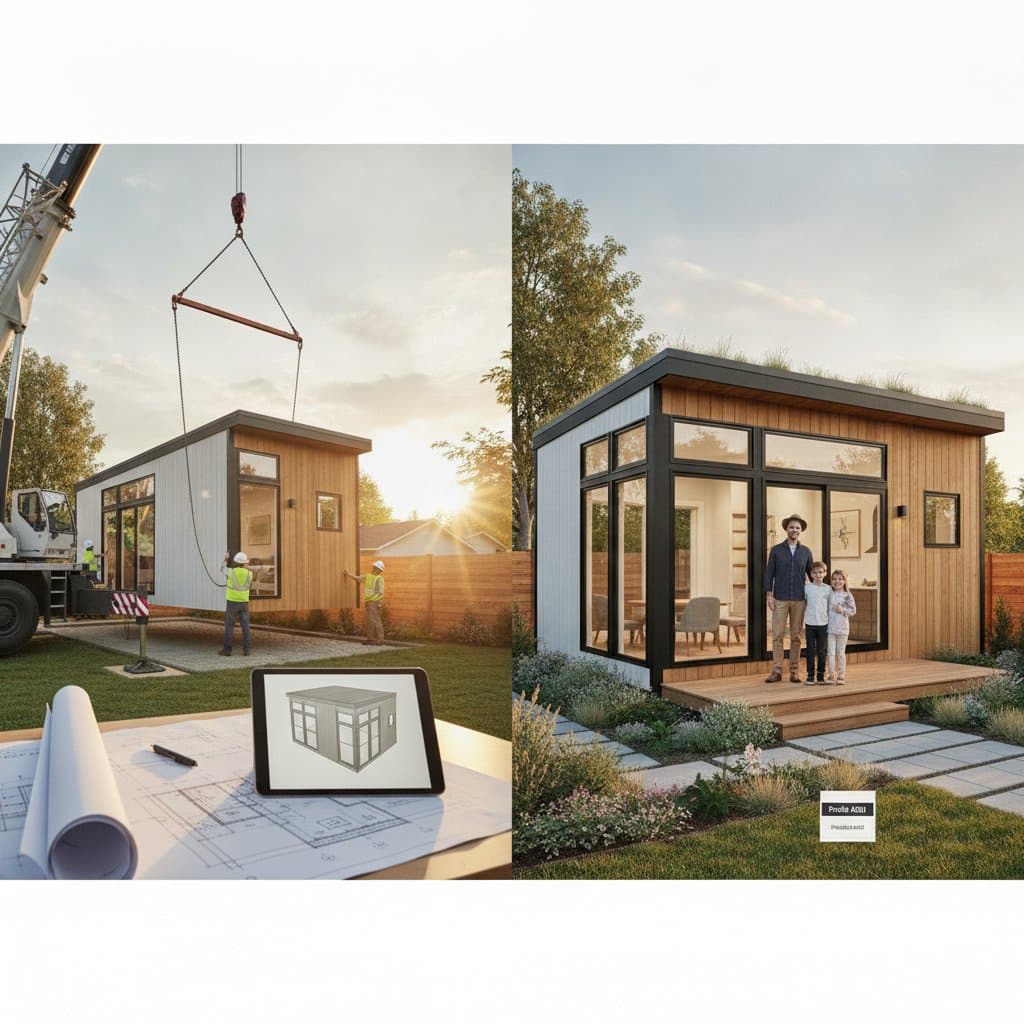
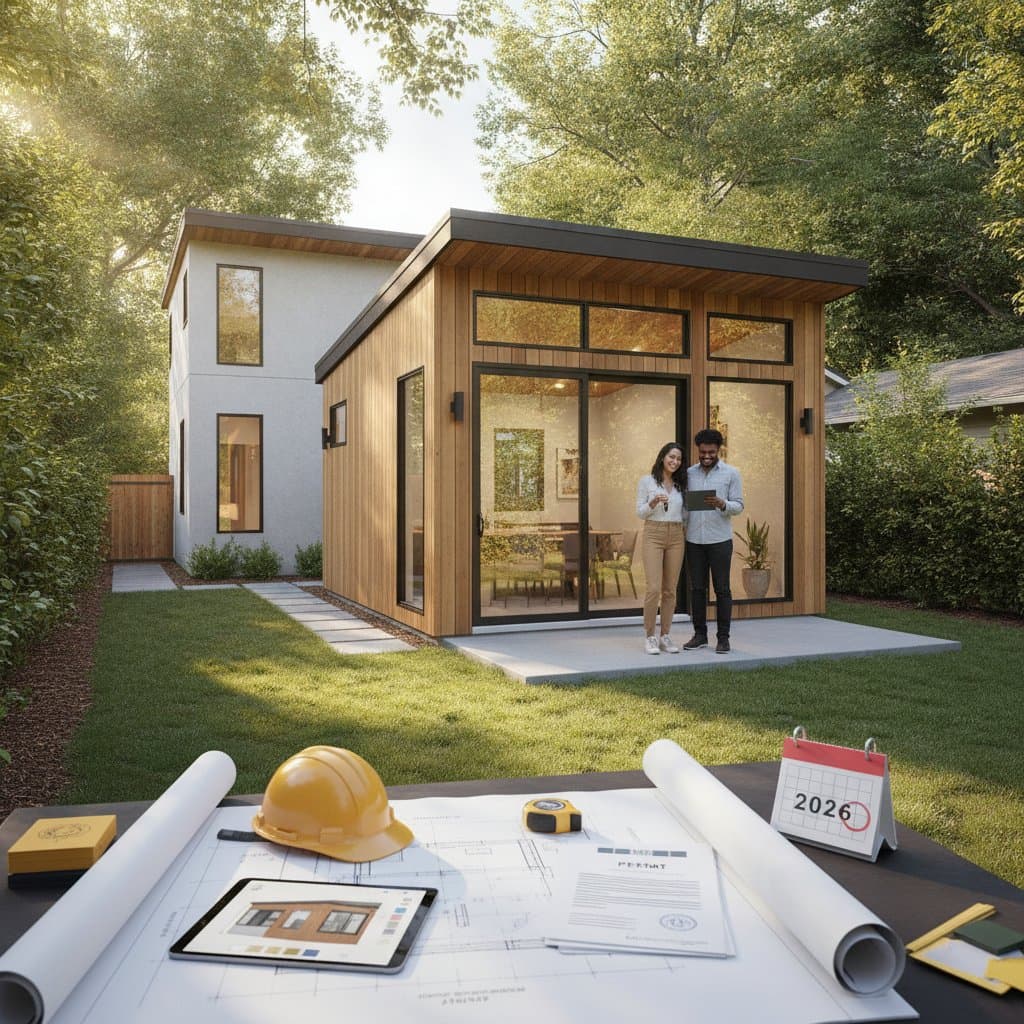
A standalone ADU provides the highest degree of separation and adaptability for family use. Total costs span $180,000 to $400,000, with prefabricated options at the lower spectrum and bespoke designs reaching the upper limit. Site-specific challenges, like soil conditions or setback requirements, can adjust these estimates.
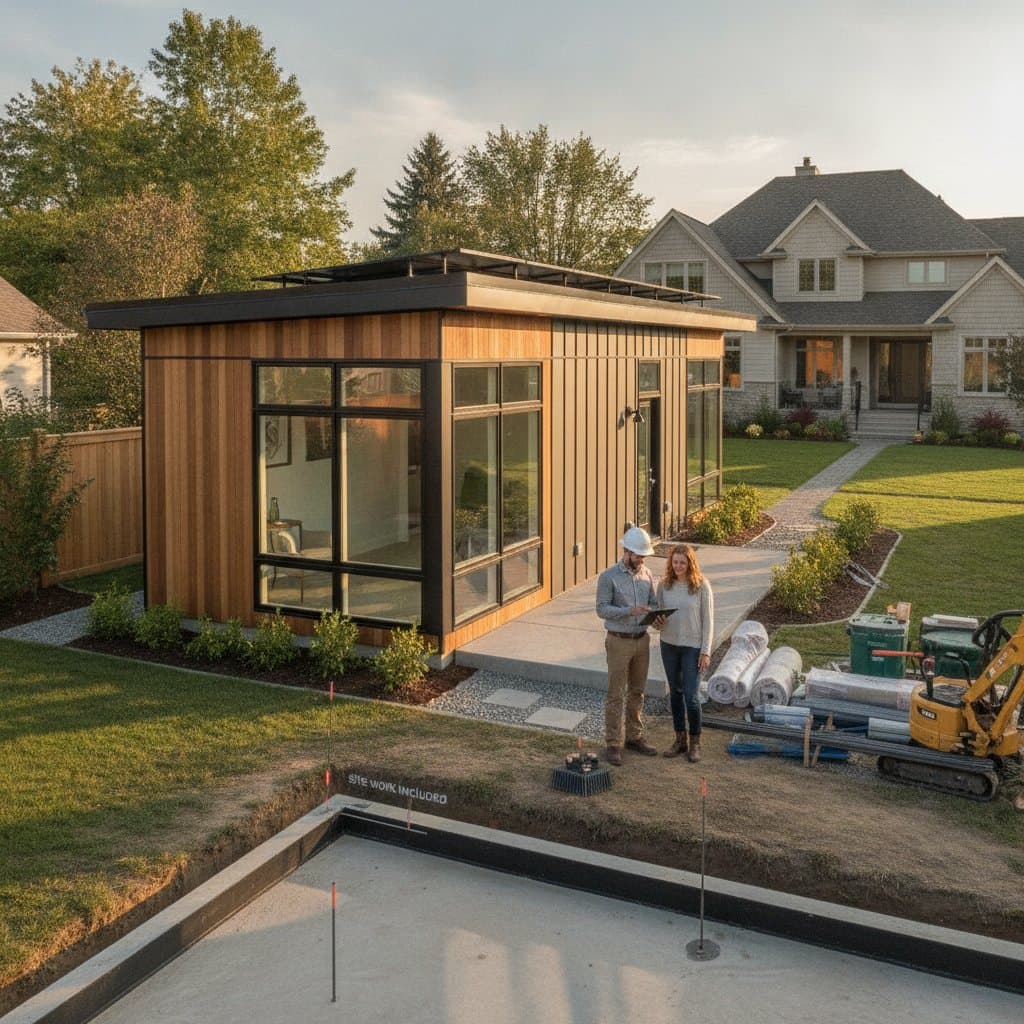
Professional involvement proves essential for groundwork, foundational pouring, and connecting to main utilities. Minimal owner-led efforts suit this scale to avoid compliance issues. These units often yield 70 to 80 percent ROI, as they double as income-generating rentals or versatile guest accommodations post-family needs.
Key Factors Influencing Overall Costs
Beyond basic measurements, several elements can significantly impact the final budget for multigenerational projects.
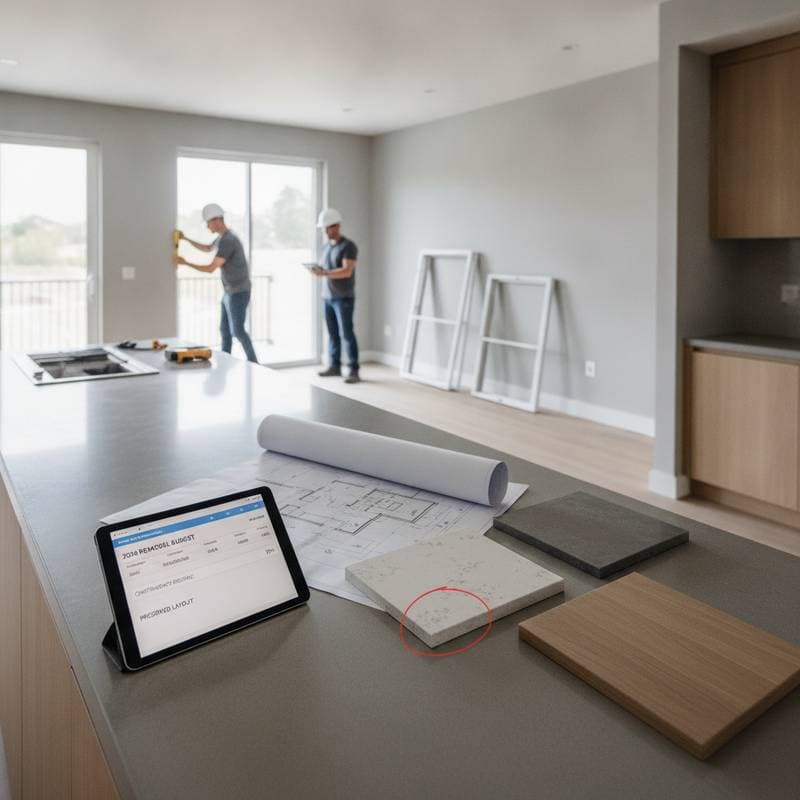
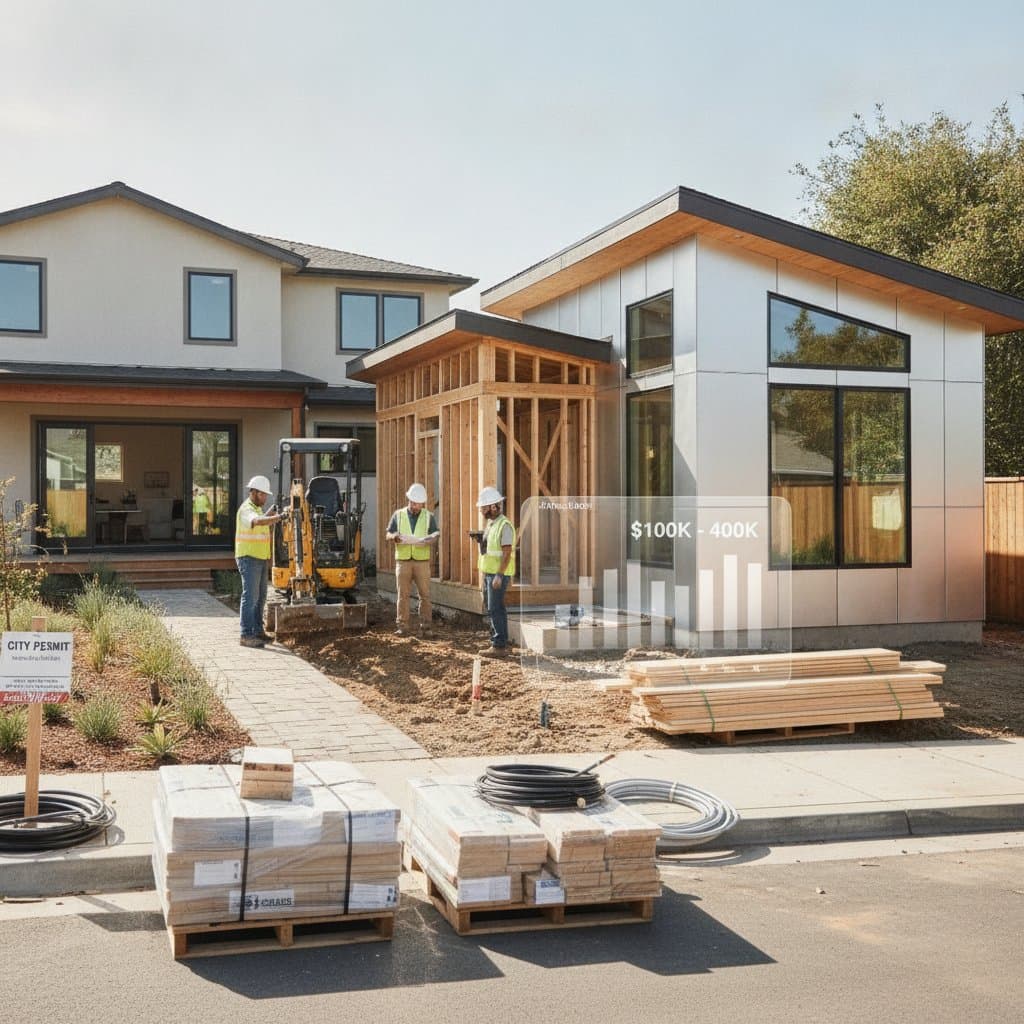
Site preparation, including excavation, land grading, and utility extensions, may contribute 10 to 20 percent to expenses. Professional fees for architectural design, engineering assessments, and permitting processes account for 5 to 8 percent of the total. Opting for practical, mid-tier finishes over high-end alternatives reduces outlays by 15 to 25 percent without sacrificing functionality.
Incorporating energy-efficient features, such as advanced insulation, double-pane windows, and efficient heating systems, elevates initial costs but yields savings on utility bills over time. These upgrades also enhance indoor air quality and comfort across generations. Evaluate long-term operational expenses during planning to prioritize investments with quick payback periods.
Engaging Professionals for Your Project
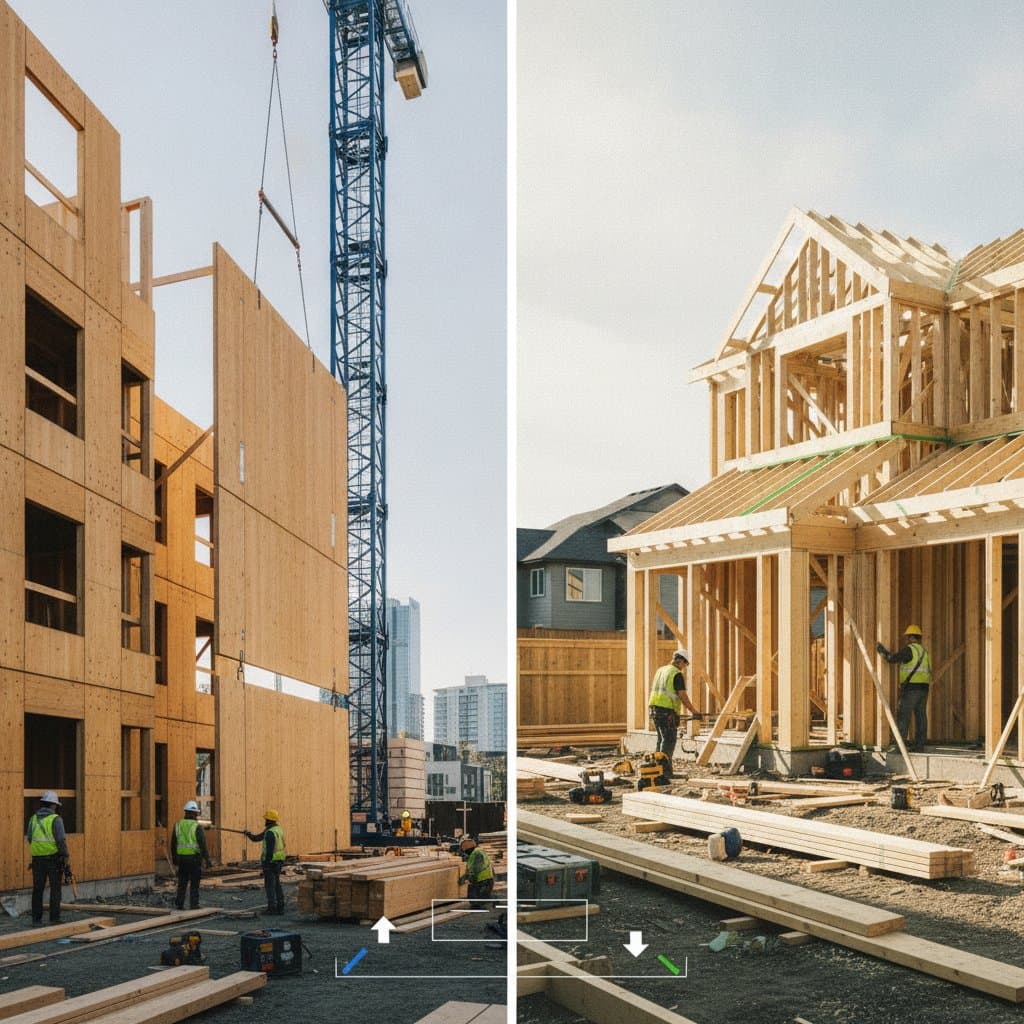
Qualified expertise ensures structural integrity, regulatory compliance, and enduring quality in multigenerational builds. Engage licensed contractors for any work involving:
- Modifications to load-bearing elements or foundations
- Installation of plumbing or electrical systems
- Utility integrations for separate living units
- Removal of supporting walls
- Evaluations for accessibility and safety codes
Select builders by soliciting bids from at least three reputable firms, verifying their credentials and coverage, and examining portfolios of comparable multigenerational work. Experienced professionals often propose innovative layouts that optimize square footage and control expenditures effectively.
Selecting Durable Materials for Everyday Use
Heavier foot traffic and diverse needs in multigenerational settings require robust choices that withstand wear while maintaining aesthetics.
Durable flooring options like luxury vinyl plank or ceramic tile resist scratches, spills, and fading from constant activity. Cabinetry equipped with soft-close mechanisms and protective coatings prolongs usability in high-traffic kitchens. Opt for metal components in plumbing fixtures over plastic for superior longevity and leak resistance.
Exterior selections such as fiber-cement siding and metal roofing minimize upkeep demands in varying weather. Schedule yearly checks on heating systems, roof integrity, and drainage to catch issues early and avert expensive fixes. These proactive steps safeguard the home's performance for years of family living.
Frequently Asked Questions
What size is recommended for independent living areas in a multigenerational home?
Design each private section with 600 to 800 square feet to accommodate a bedroom, bathroom, and basic kitchen facilities comfortably.
Is renting out an ADU permitted after family members relocate?
Local regulations in many areas support this use, though verifying zoning restrictions and occupancy limits remains crucial before proceeding.
What approvals are needed for an attached in-law suite?
Projects typically require building permits, along with approvals for electrical, plumbing, and zoning variances. Contractors assist in navigating these specifics.
How does financing work for multigenerational renovations?
Standard home loans suffice, yet specialized options for additions or ADUs offer tailored repayment structures to fit family budgets.
Do these homes appeal more to buyers and command premium prices?
Flexible configurations with dedicated suites broaden market appeal, leading to quicker sales and elevated values in competitive areas.
Steps to Launch Your Multigenerational Build
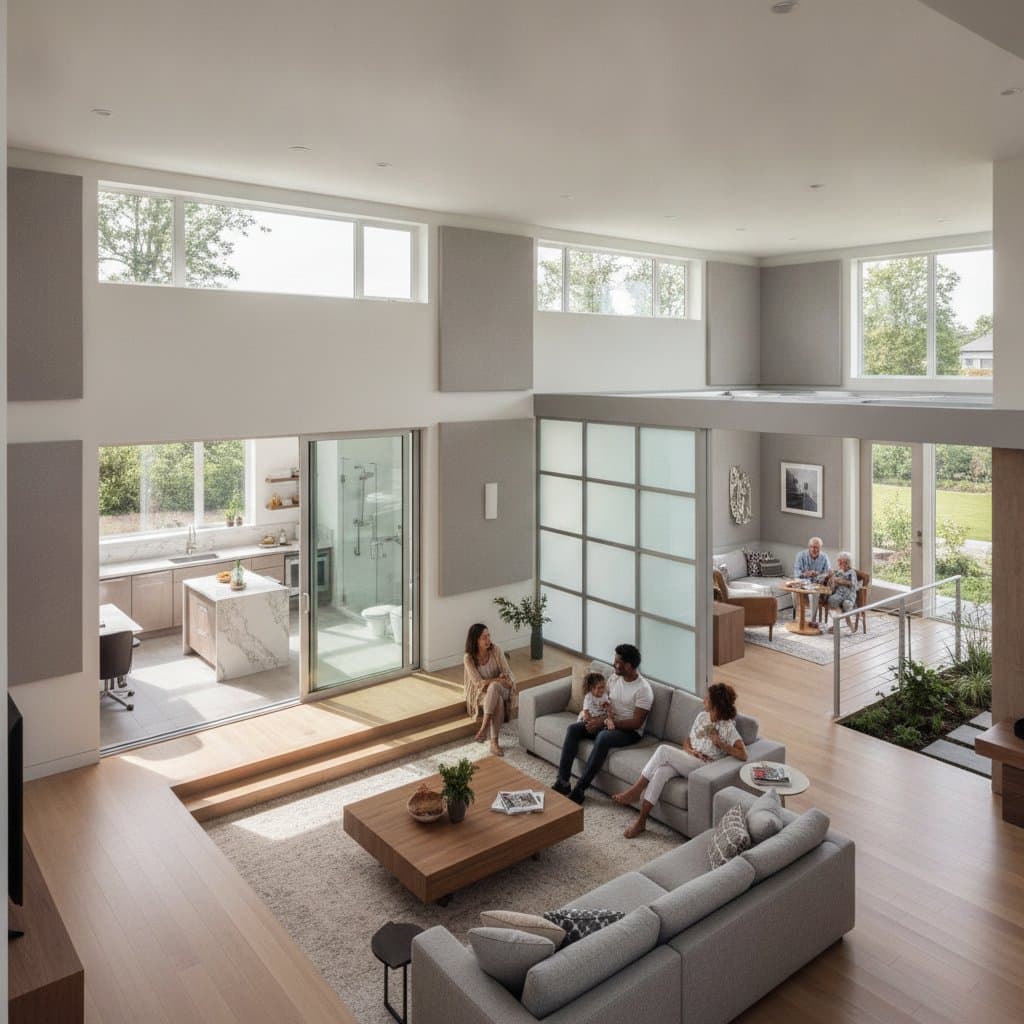
Achieving a harmonious multigenerational home requires blending seclusion with communal bonds. Start by mapping family schedules, anticipating evolving requirements, and assessing available land. Secure estimates from vetted professionals, review zoning mandates, and prioritize designs that adapt to changing circumstances.
Professional guidance transforms ambitious visions into secure, efficient realities. This approach not only meets immediate family dynamics but also builds equity for the future, fostering a supportive environment where generations thrive together.