Understanding Backyard ADU Construction Costs in 2026
Accessory dwelling units provide versatile additional living space and boost property equity. This guide outlines expected expenses for building one in 2026, identifies primary cost drivers, and offers practical steps for effective project management.
Project Overview
The discussion encompasses total expenses for backyard ADU construction, covering labor, materials, permits, and expert services. Readers gain insights into scenarios where self-directed efforts suit the project and instances where engaging qualified builders proves more reliable and economical.
Estimating Costs and Timelines
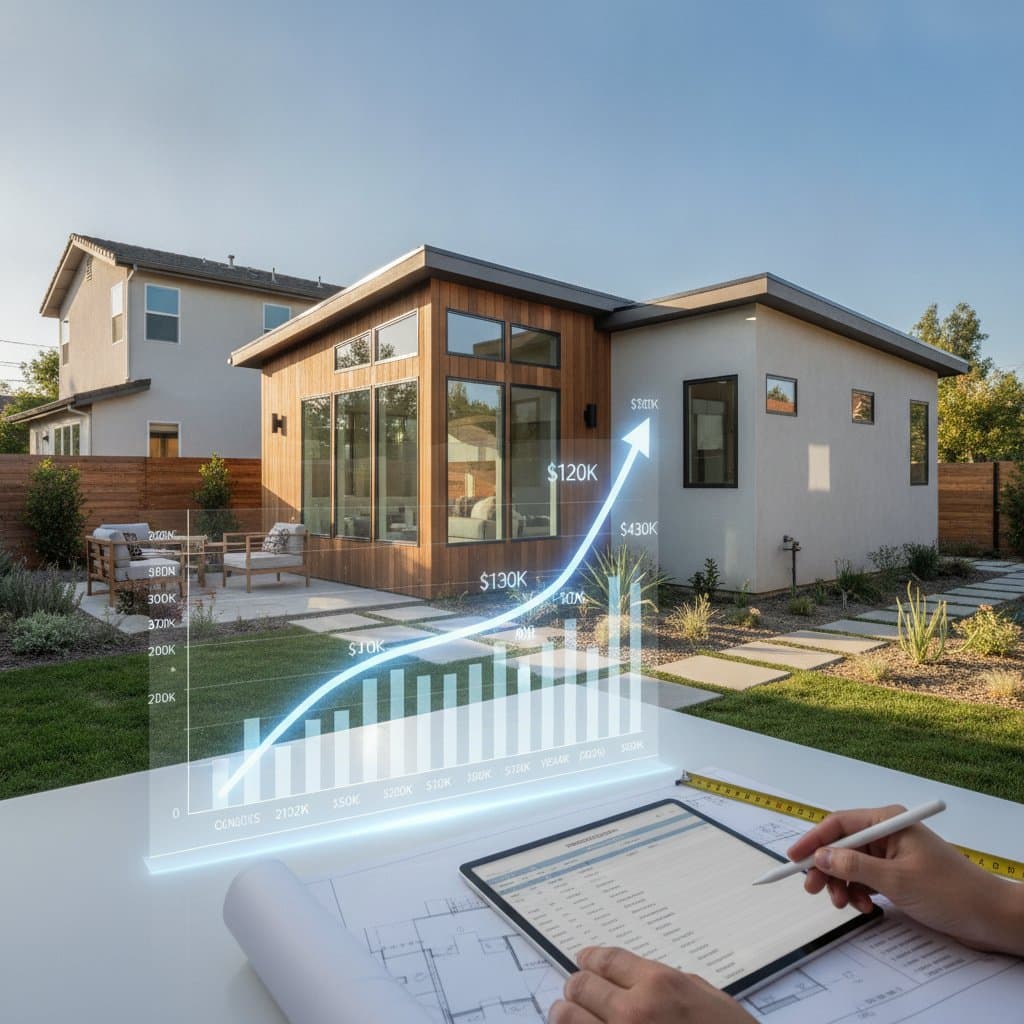
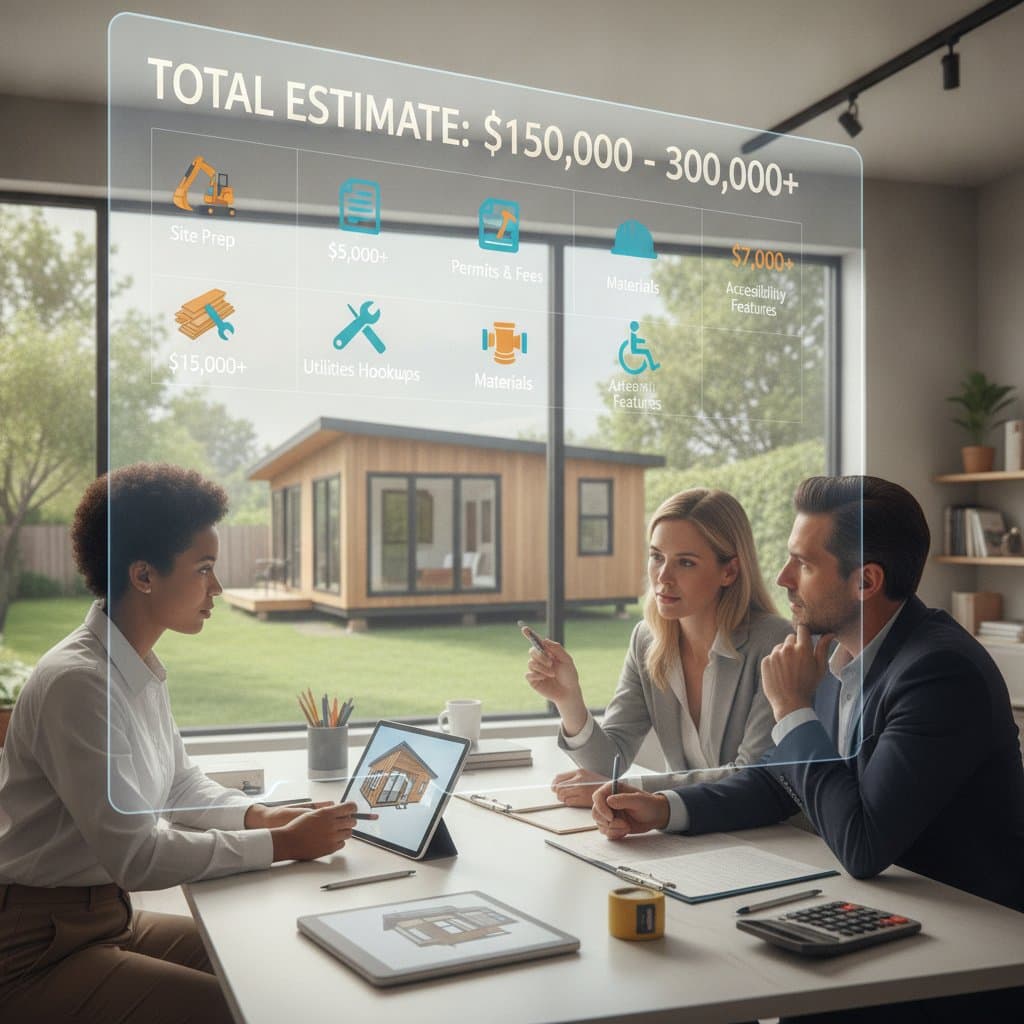
ADU construction generally ranges from $250 to $500 per square foot, varying with design intricacy, site preparation needs, and material selections. For a straightforward 400-square-foot unit, anticipate $100,000 to $200,000; an 800-square-foot model may climb to $200,000 to $400,000.
Primary Cost Influences
- Unit dimensions and configuration: Expanded areas demand greater quantities of materials and labor.
- Foundation approach: Slab foundations offer economy over elevated or pier-based alternatives.
- Utility extensions: Connections for plumbing, electricity, and sewage often incur substantial fees.
- Interior and exterior finishes: Premium options in cabinets, surfaces, and hardware elevate overall expenditure.
- Design and regulatory approvals: Budget $5,000 to $20,000 for architectural plans, engineering assessments, and government charges.
- Site accessibility: Restricted access or challenging landscapes extend labor and machinery requirements.
Project Duration
Professional teams complete builds in 4 to 8 months, starting from permit issuance. Owner-supervised or DIY projects extend to 8 to 12 months, accounting for coordination of schedules and regulatory reviews.
Project complexity: High. ADU development requires expertise in structural integrity, electrical systems, plumbing, and adherence to standards.
Comparing DIY and Professional Approaches
Suitable DIY Tasks
Individuals with building background may manage initial site clearing or final interior detailing. Activities such as applying paint, laying floors, or enhancing landscaping reduce costs when executed with attention to detail.
Essential Professional Involvement
Engage certified specialists for:
- Foundation laying and structural assembly
- Wiring and pipe installations
- Heating, ventilation, and energy-efficient systems
- Application processes and compliance verifications
Experts guarantee regulatory alignment, prioritize safety, and oversee specialist teams effectively.
Expense Analysis
- DIY elements: Achieve 10 to 25 percent reductions, though risks of corrections or postponements increase.
- Complete professional oversight: Involves greater initial outlay yet delivers uniform results and defined responsibility.
Financing institutions often mandate professional involvement for loan endorsements.
Required Tools and Materials
Essential Tools
- Tape measure and spirit level
- Power saw and drill set
- Mixer for concrete or transport cart
- Protective equipment including gloves, eye protection, and breathing apparatus
- Hammer for framing and pneumatic nailer
- Access platforms and extension ladders
- Circuit tester and pipe tools
Core Materials
- Structural lumber and fastening components
- Concrete blend or modular foundation kits
- Shingle or metal roofing elements
- Siding options such as cement board, timber, or synthetic panels
- Thermal insulation meeting R-13 to R-21 specifications
- Wallboard, molding, and coating supplies
- Code-compliant wiring and receptacles
- Piping, connectors, and sanitary ware
- Energy-efficient entryways and glazing
Detailed Construction Process
1. Assess Property Suitability
Examine municipal zoning to verify ADU eligibility. Confirm compliance with separation distances, elevation caps, and vehicle accommodation mandates.
Verification point: Property aligns fully with zoning criteria prior to planning.
2. Develop Design Specifications
Collaborate with an architect to outline spatial arrangement, dimensions, and entry features.
- Incorporate essential areas for cooking, bathing, and residing.
- Map connections for services to the primary residence.
Verification point: Plans conform to codes and optimize site utilization.
3. Obtain Regulatory Approvals
Present blueprints to authorities for review. Cover costs for urban planning, engineering, and service evaluations.
Verification point: Permissions granted prior to groundwork commencement.
4. Site Preparation
Remove foliage, grade the terrain, and outline the base area. Locate buried lines before any earthwork.
Alert: Digging dangers. Contact utility services for marking prior to excavation.
Verification point: Terrain stabilized and boundaries precisely indicated per approved layout.
5. Foundation Construction
Select slab or elevated method. Set concrete or supports in line with regional standards.
Alert: Stability concerns. Ensure foundations support designated loads.
Verification point: Base aligned, even, and set before upper work proceeds.
6. Structural Framing
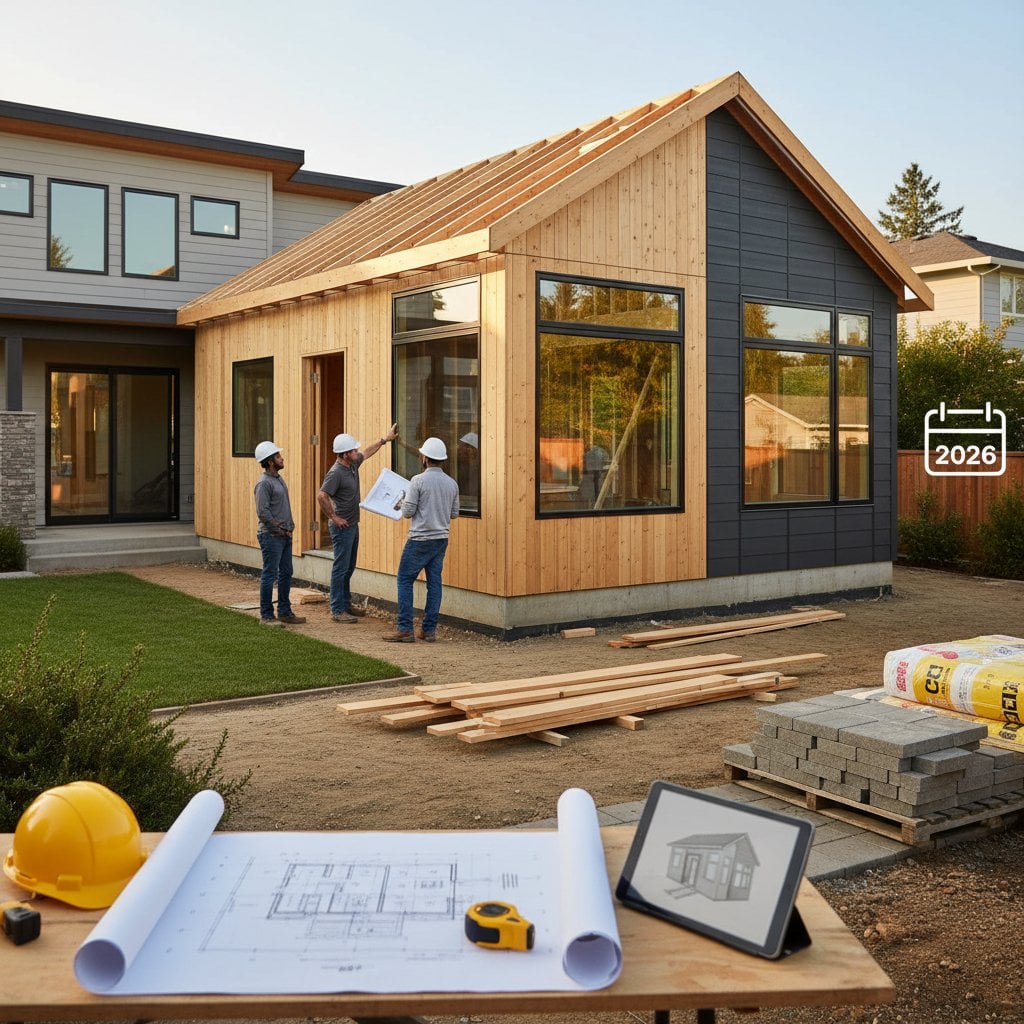
Erect wall panels, roof supports, and decking. Align all elements to design measurements.
Alert: Elevation hazards. Employ safety restraints and platforms for overhead tasks.
Verification point: Framework vertical and secure, with fixings in place.
7. Exterior Enclosure
Secure protective layers, moisture barriers, and coverings. Install facade materials and edging.
Verification point: Envelope sealed against water with seamless joints.
8. Utility Integration
Route initial pipes, cables, and ventilation prior to barriers and linings.
Alert: Power risks. Isolate electricity sources during electrical tasks.
Verification point: Preliminary checks cleared by inspectors.
9. Thermal and Surface Application
Place barriers in enclosures and overheads. Mount panels, seal joints, and prepare surfaces.
Verification point: Surfaces even for subsequent treatments.
10. Interior Completion
Fit surfaces, storage units, appliances, and details. Apply coatings and secure openings.
Verification point: Features operational and aligned with plans.
11. Final Compliance Review
Arrange evaluations for services and framework adherence.
Verification point: Occupancy certification issued.
Safety Protocols
- Alert: Power dangers. De-energize systems before electrical handling.
- Alert: Breathing issues. Use masks during dust-generating activities.
- Alert: Drop risks. Secure access on firm bases.
- Recommendation: Maintain extinguishers accessible throughout.
- Recommendation: Isolate combustibles in airy storage.
Vigilant safety measures minimize harm and regulatory hurdles.
Issue Resolution and Verification
Frequent Challenges and Solutions
- Irregular base: Re-measure and apply adjustments or compounds pre-assembly.
- Water penetration: Examine seals and close penetrations.
- Circuit interruptions: Assess capacities and earth connections.
- Reduced flow: Inspect lines for restrictions.
Inspection Protocols
- Gauge alignment with precision tools.
- Ensure barrier continuity.
- Operate systems pre-enclosure.
- Review overheads for runoff.
Rigorous checks prevent future expenses.
Post-Construction Management
Clear waste, remnants, and surplus.
- Categorize metals and paper for recycling.
- Deliver chemicals to designated sites.
- Arrange bulk removal services.
Thorough tidying readies the area for use.
Long-Term Care Strategies
Preserve condition through:
- Yearly roof examinations for damage.
- Exterior recoating every 5 to 10 years.
- Detector testing each month.
- Annual heater flushing.
- Quarterly filter changes.
Quality construction yields decades of service with routine attention.
Indicators for Expert Assistance
Engagement Criteria
- Framework or base impairments
- Advanced service modifications
- Approval complications
- Specialized alterations
Service Pricing
General oversight adds 15 to 30 percent, including coordination, guarantees, and standard conformity.
Selection Criteria
- Validate credentials and protections
- Obtain itemized proposals
- Seek client endorsements
- Clarify assurance details
- Align payments to advancements
Strategic choices safeguard funds and standards.
Optimization Strategies
- Early service mapping: Position lines pre-base work.
- Standardized designs: Utilize municipal templates to cut fees.
- Prefabricated elements: Accelerate timelines and labor.
- Expense monitoring: Log purchases and bills.
- Ongoing dialogue: Schedule builder updates.
These methods sustain progress and fiscal control.
Common Questions
Typical ADU dimensions? Units often span 400 to 800 square feet, per local constraints.
Independent metering required? Varies by area; consult officials.
Rental permissions? Long-term generally allowed; short-term may limit. Verify rules.
Tax implications? Assessments increase with added value.
Garage adaptations? Viable and economical, requiring upgrades to standards.
Securing Lasting Value
ADU projects demand thorough preparation and precise financial oversight. Adhere to regulations, leverage specialists as required, and commit to upkeep. This approach delivers enduring utility and asset appreciation.