2025 ADU Costs and Permits: Essential Insights for Builders
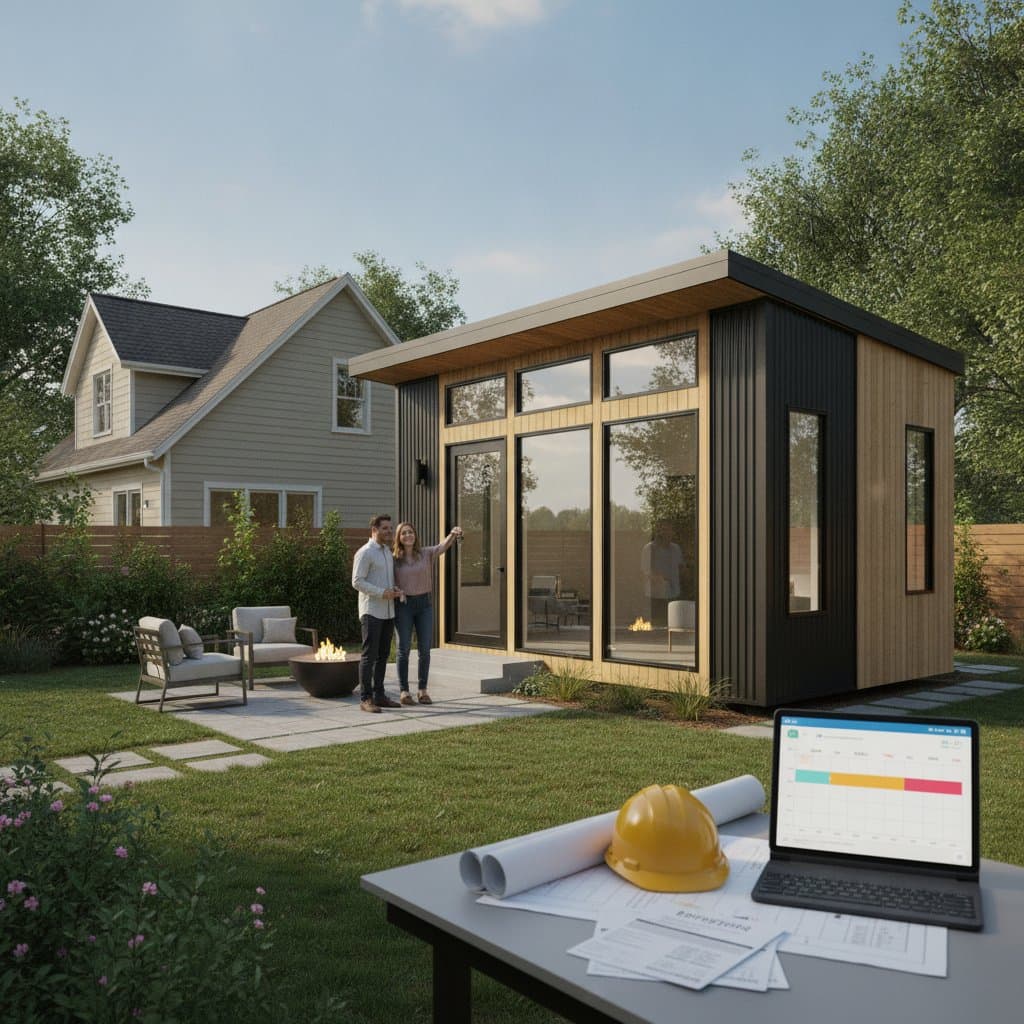
Accessory dwelling units, known as ADUs, gain increasing appeal for homeowners seeking additional living space or rental revenue. Builders and owners alike require a thorough grasp of expenses, regulatory demands, and design decisions that shape the overall project investment. This guide outlines key considerations to support informed planning and execution.
Cost Overview
The typical expense for constructing an ADU falls between $150,000 and $350,000, with many projects averaging $225,000 for a fully finished unit. Garage conversions begin at approximately $100,000, leveraging existing frameworks, while standalone cottages equipped with complete kitchens and bathrooms may surpass $400,000. Major budget components include labor, materials, and permitting charges, which vary by location and project scope.
Key Project Influences
- Detached ADUs incur higher costs compared to attached or converted options due to independent infrastructure.
- Premium finishes, such as custom cabinetry or advanced appliances, elevate expenses substantially.
- Permitting costs differ across municipalities and scale with unit dimensions.
- Preliminary site preparation and utility integrations frequently catch novice builders off guard.
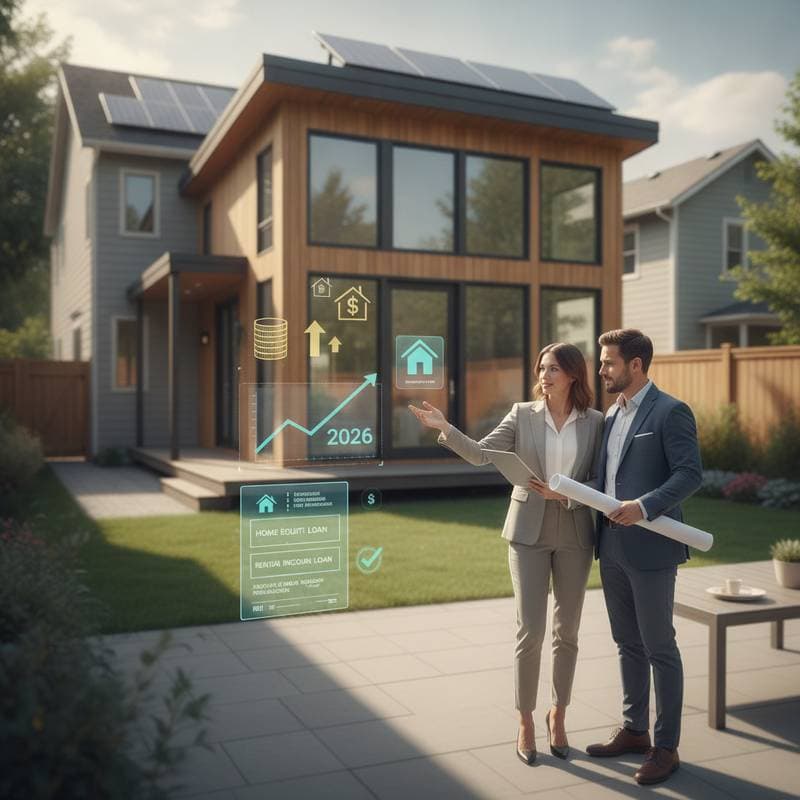
- Well-executed ADUs enhance property appraisals and open avenues for steady rental returns.
Expenses by Unit Type and Scale
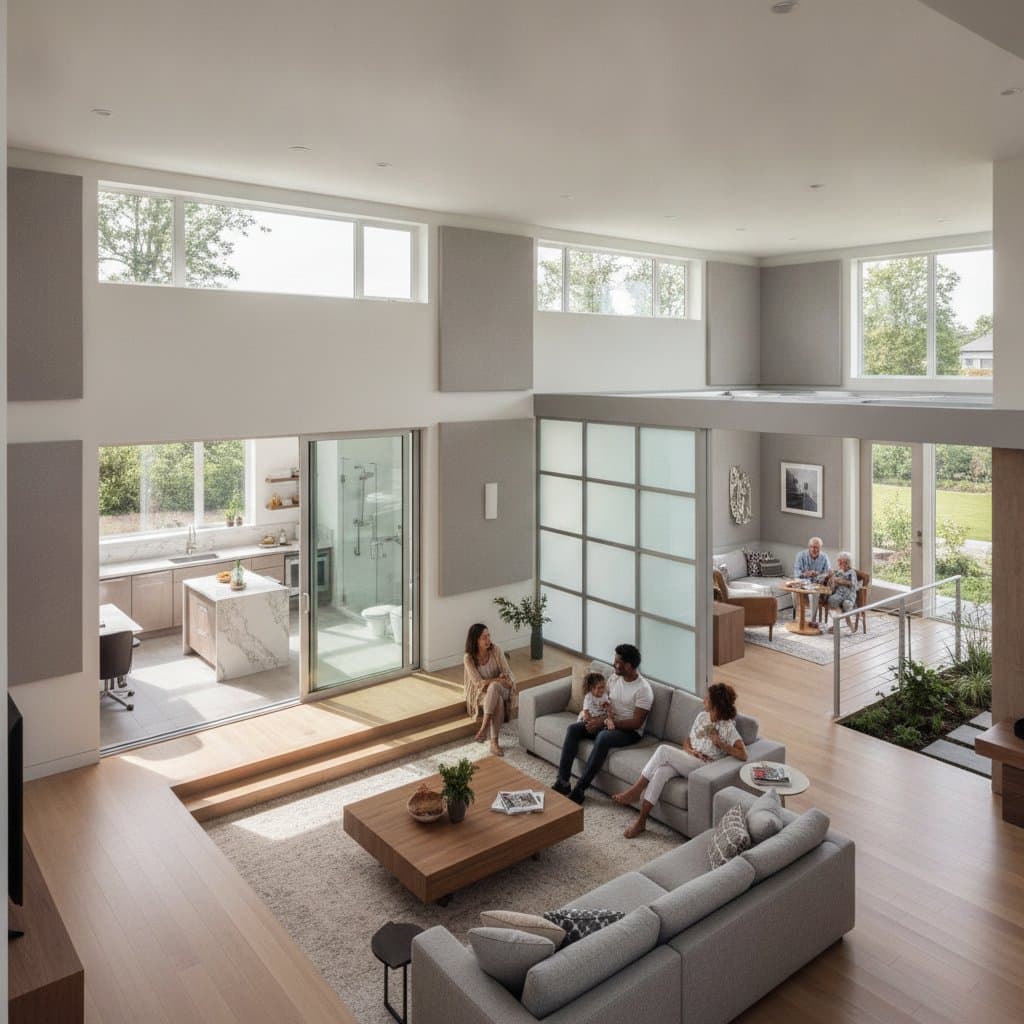
Project costs hinge on configuration and footprint. Garage conversions range from $100,000 to $180,000, benefiting from pre-established enclosures that minimize foundational needs. Attached ADUs, which integrate with the primary residence, average $150,000 to $250,000 by sharing structural elements and services.
Detached backyard units command $200,000 to $350,000, accounting for distinct foundations, roofing, and utility setups. Compact designs below 400 square feet prove more affordable overall yet carry elevated per-square-foot rates from essential installations like plumbing and compact kitchens. Expansive units exceeding 800 square feet achieve economies of scale but demand greater land allocation, reinforced foundations, and expanded material quantities.
Labor and Contractor Expenses
Labor constitutes 40 to 60 percent of the total outlay. General contractors, who must hold valid licenses, typically bill $150 to $300 per square foot based on design intricacy. Specialized trades, including electricians for wiring systems, plumbers for sanitation lines, and framers for skeletal assembly, each add to the cumulative charge.
Engaging a design-build team streamlines oversight but introduces elevated administrative fees. Owners opting to oversee subcontractors personally might reduce expenditures, though this approach demands substantial involvement in timelines, quality checks, and regulatory inspections. Select contractors with proven track records in local ADU builds to mitigate risks of delays or rework.
Influential Cost Elements
Multiple variables impact the final tally:
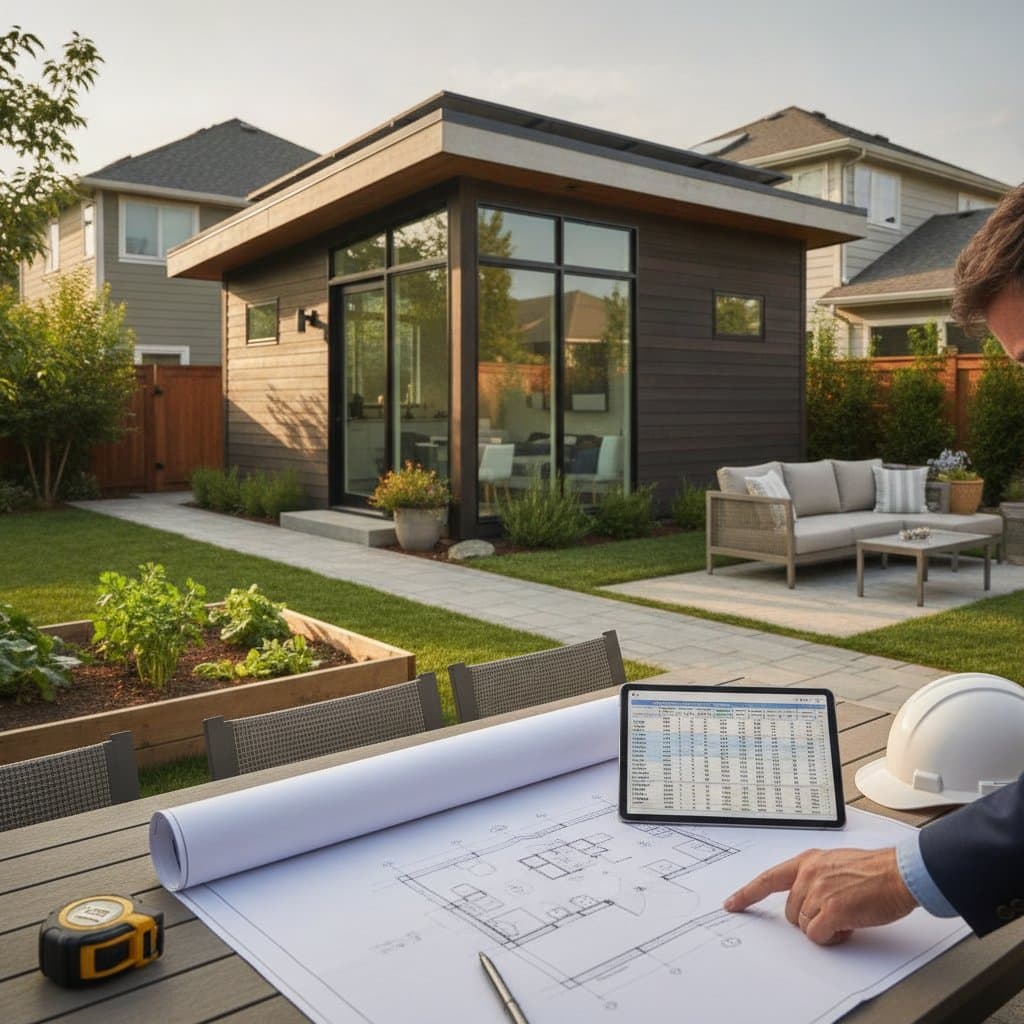
- Permitting and Regulatory Fees: Applications for building permits, architectural reviews, and utility approvals aggregate $5,000 to $25,000, influenced by jurisdiction and unit complexity.
- Material Selections: Opting for luxury elements like imported tiles or designer fixtures accelerates budget growth; standard choices maintain affordability.
- Site Preparation: Tasks such as soil grading, installation of retaining walls, or vegetation clearance add unforeseen costs, particularly on uneven terrain.
- Utility Infrastructure: Extending water, sewage, or power lines contributes $10,000 to $30,000, with distances from the main home playing a critical role.
- Design Specifications: Vertical expansions or non-standard geometries necessitate advanced engineering assessments and extended construction periods.
Strategies for Cost Reduction
Builders achieve savings through streamlined approaches and resource efficiency. Prioritize conversions of existing spaces to bypass full-scale groundwork. Standardize components, such as uniform window sizes or off-the-shelf cabinetry, to eliminate bespoke fabrication charges.
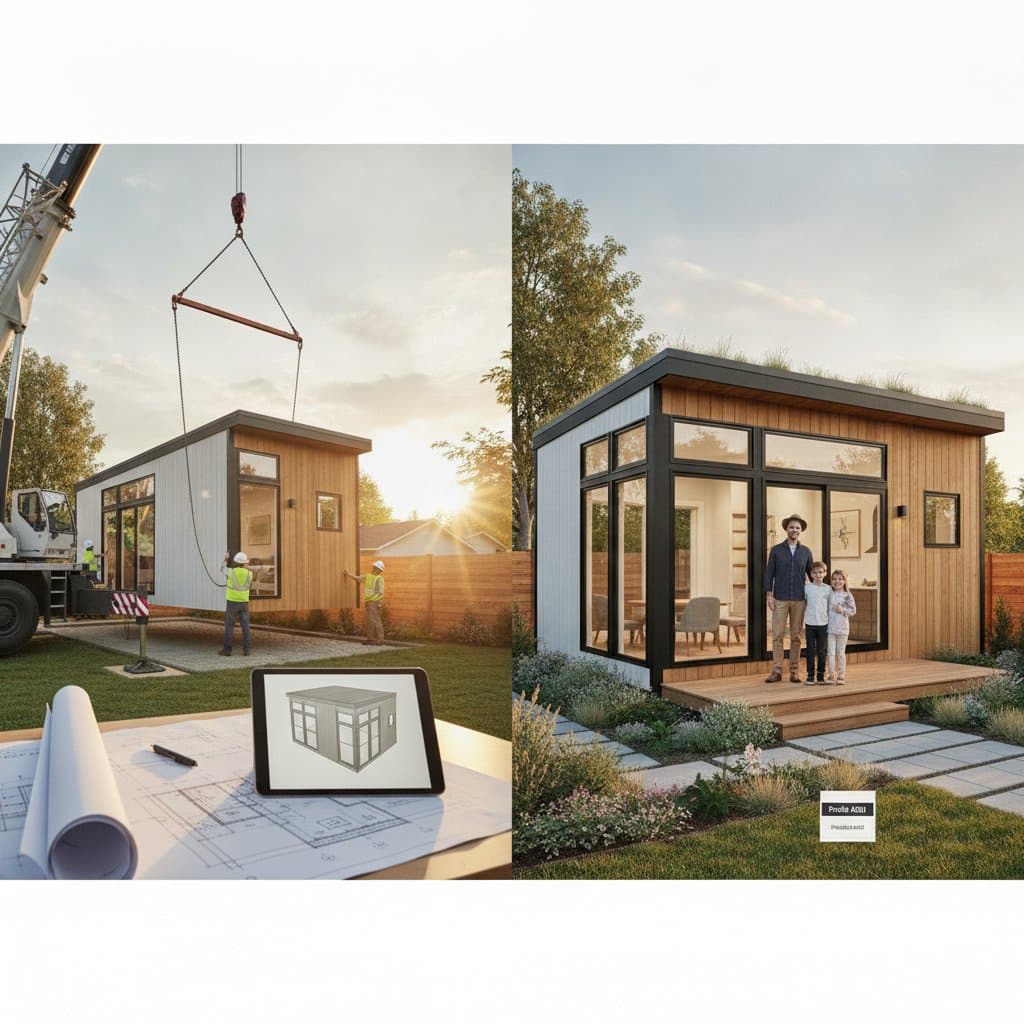
Modular or prefabricated assemblies shorten on-site labor and weather-related disruptions. Where regulations permit, integrate utility feeds from the primary dwelling to halve connection expenses. Collaborate closely with contractors during initial phases to preempt modifications, which often inflate budgets by 10 to 20 percent.
Investment Returns and Valuation
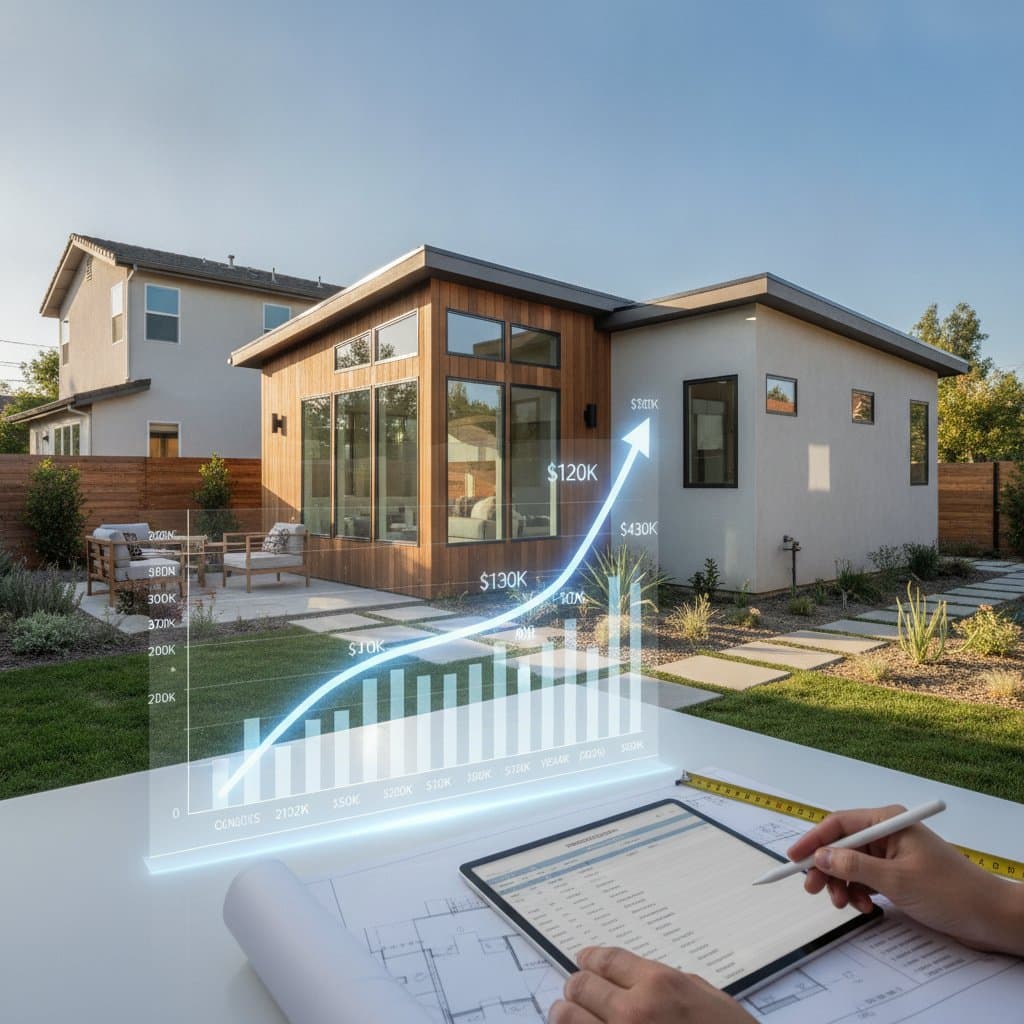
A thoughtfully built ADU elevates property worth by 20 to 30 percent, contingent on local market dynamics and execution quality. Rental yields frequently recoup initial outlays within three to five years, assuming competitive pricing and upkeep. Professional appraisers evaluate ADUs against regional comparables, emphasizing adherence to codes and durable craftsmanship to sustain long-term value.
Professional Assistance Versus Self-Management
While self-directed efforts appeal for cost control, ADU endeavors involve critical systems subject to mandatory oversight. Owners may undertake cosmetic tasks like painting or yard enhancements, but core elements—framing for stability, roofing for protection, and utility integrations for safety—require certified expertise. Partnering with contractors familiar with municipal permitting accelerates approvals and averts violations that could halt progress.
Basis for Cost Estimates
These figures derive from aggregated builder proposals, comprehensive regional construction analyses, and outcomes from verified ADU completions. Local variances arise from geographic factors, supply chain conditions, and workforce rates. Consult recent data specific to your area for precise projections.
Launching Your ADU Build
Effective ADU development originates with meticulous preparation and fiscal realism. Examine zoning ordinances and setback requirements prior to finalizing blueprints. Engage a contractor versed in ADU compliance to navigate approvals efficiently.
Anticipate every expense category, verify all prerequisites, and synchronize phases from design through occupancy. This methodical process yields a versatile asset that enhances lifestyle options and financial security for years ahead.