Multigenerational Home Remodels: Layouts and Costs
Quick Overview
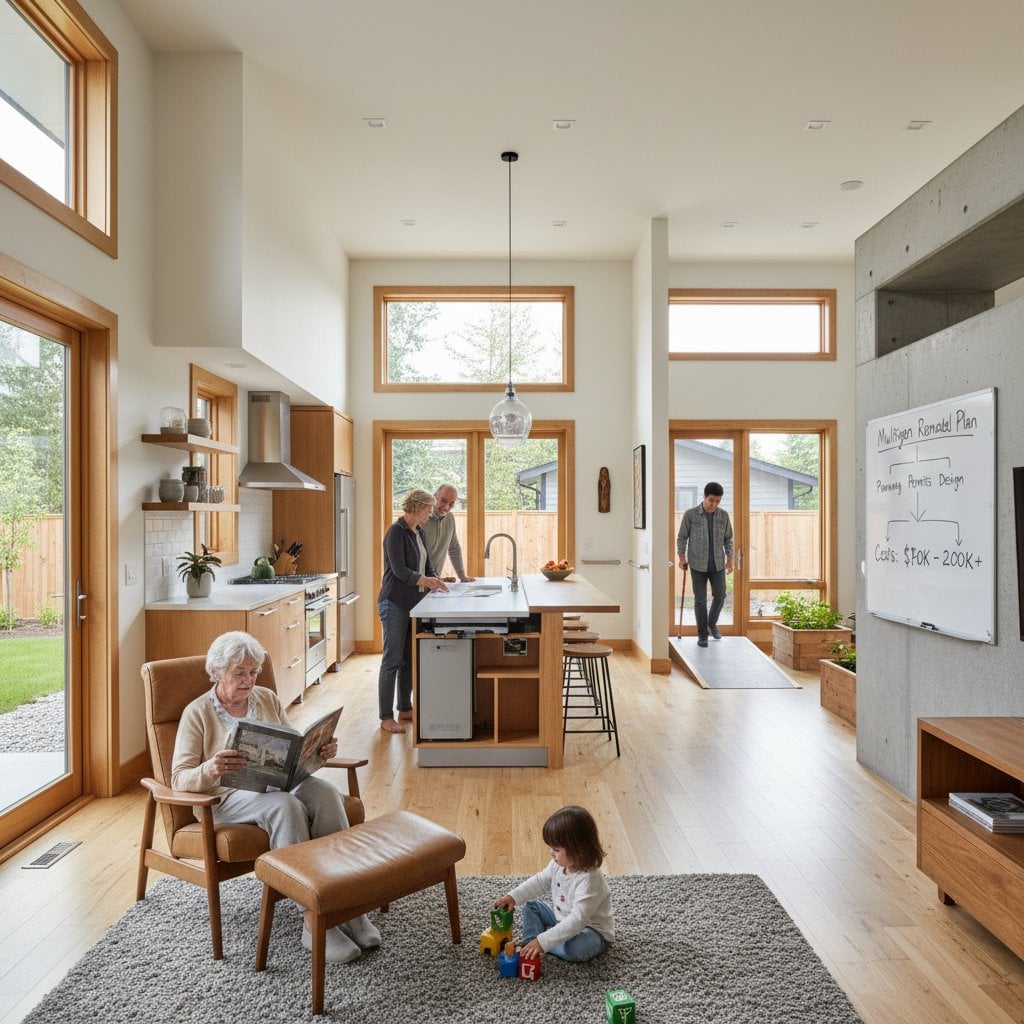
Multigenerational home remodels enable families to share a single residence while maintaining individual privacy and comfort levels. These projects often arise from the need to house aging parents, returning adult children, or other relatives. Timelines vary from a few weeks for simpler updates to several months for extensive work. Expenses typically fall between $10,000 for targeted renovations and over $200,000 for major expansions. The complexity ranges from moderate to advanced, with safety considerations centered on modifications to structural elements, electrical systems, and plumbing.
Step-by-Step Guide to Planning and Execution
1. Assess Family Needs
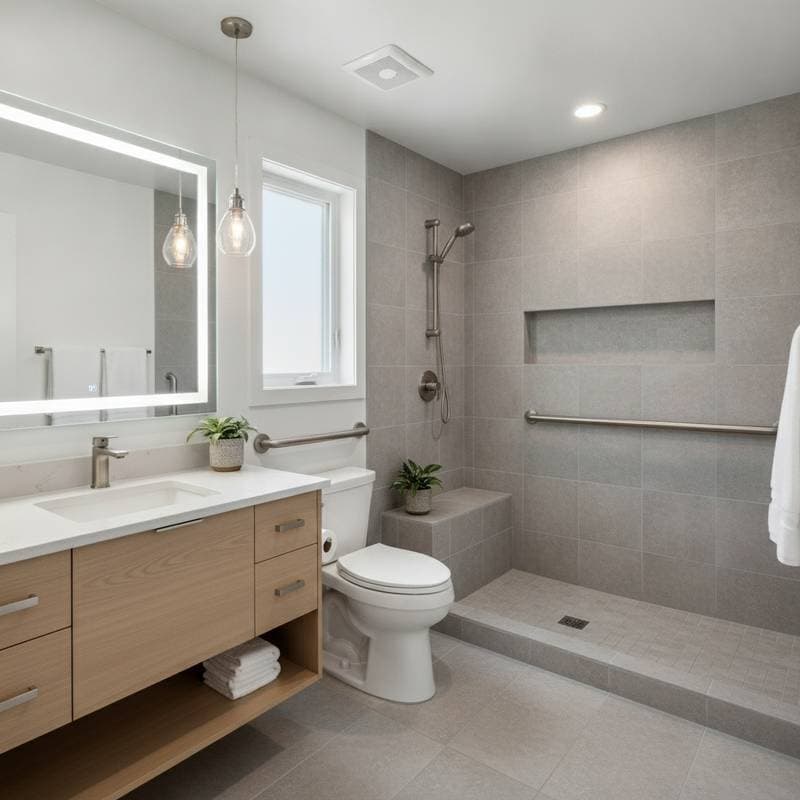
Begin by compiling a detailed list of all household members and their specific requirements for mobility, privacy, and daily care. Consider elements like wider doorways for wheelchair access or zero-threshold showers to support limited mobility. Factor in storage solutions for personal belongings and communal areas for family interaction. Verify that the proposed arrangement aligns with each individual's daily routines and ensures physical ease.
2. Evaluate the Existing Layout
Conduct precise measurements of all rooms and document the locations of existing plumbing and electrical infrastructure. Identify any load-bearing walls that cannot be altered without professional reinforcement. Highlight underutilized areas, such as basements suitable for conversion or attics that could serve as private retreats. Confirm that the home's current structure can accommodate the intended modifications without compromising stability.
3. Define the Project Scope
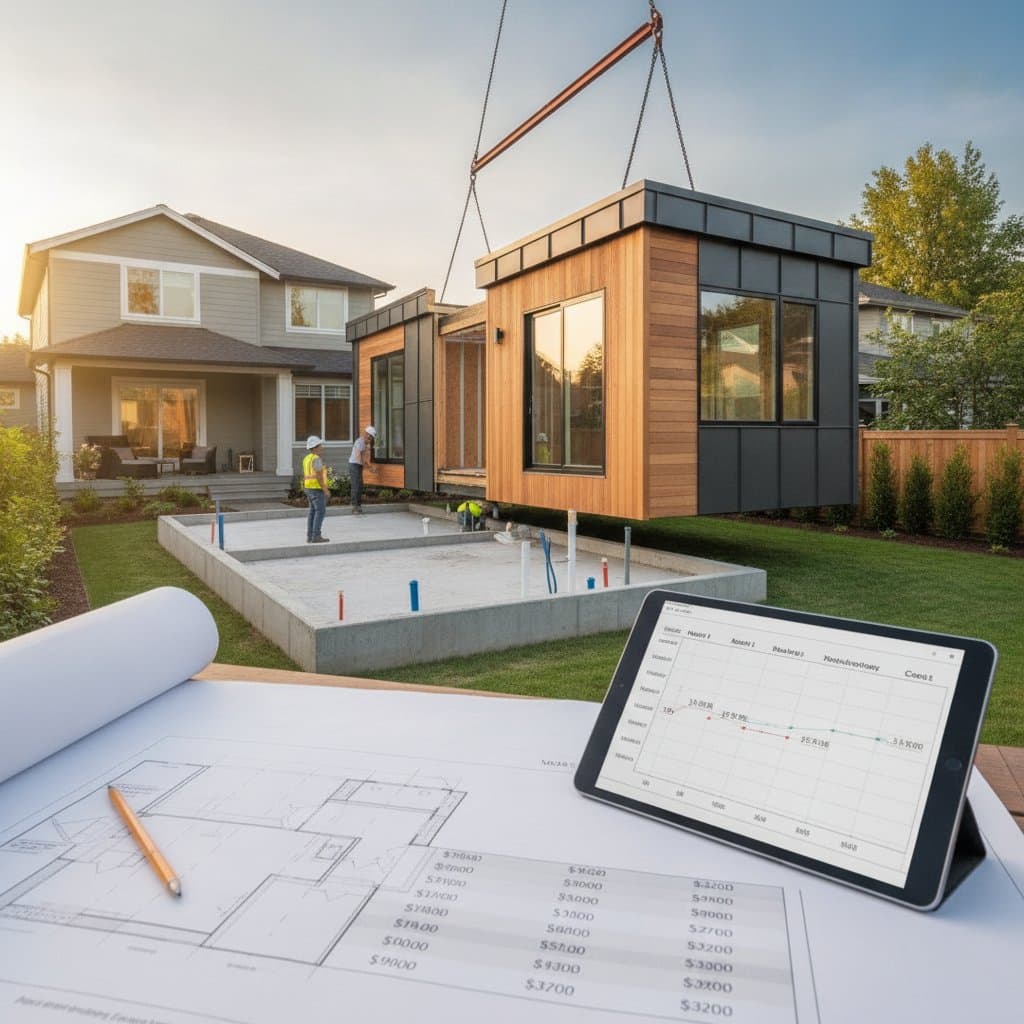
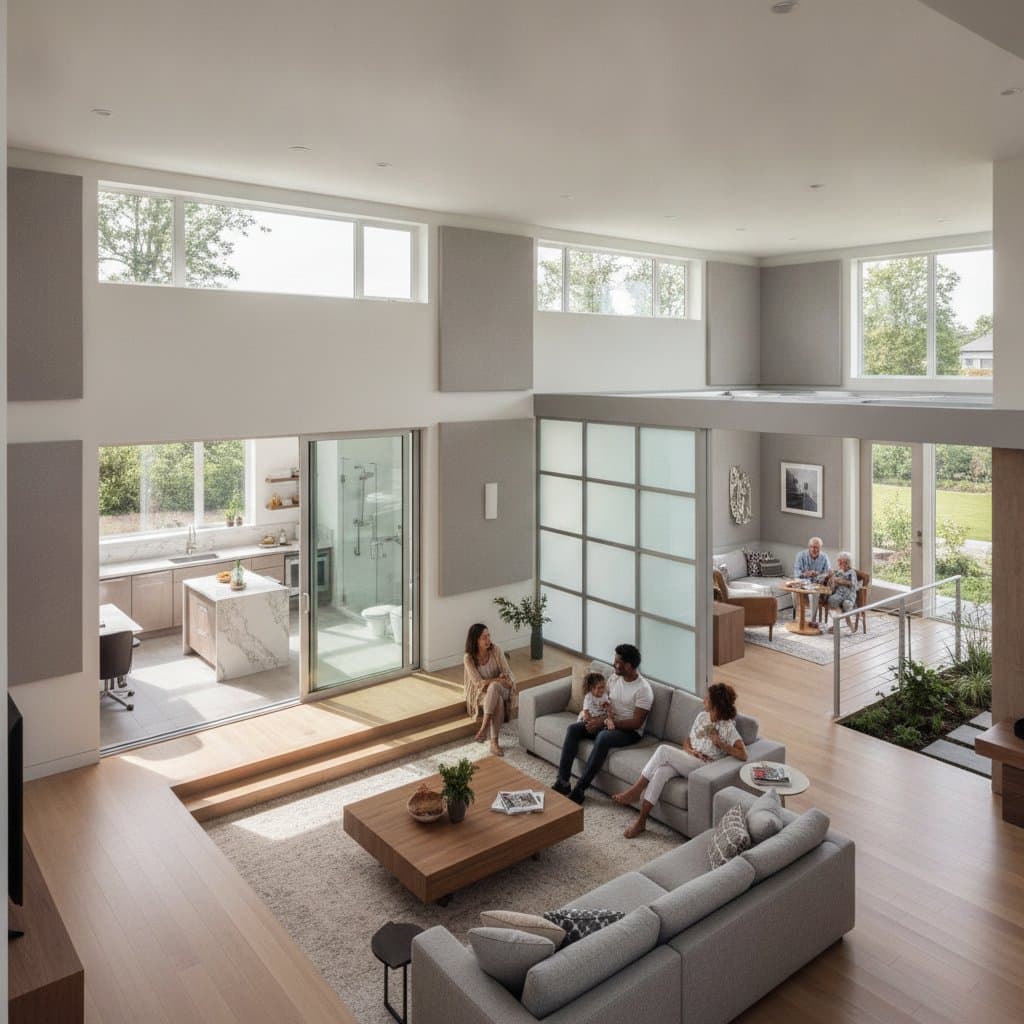
Determine whether the remodel will involve rearranging interior spaces or constructing a new addition, such as an accessory dwelling unit (ADU). Interior reconfiguration may include demolishing non-essential walls to form open-plan living zones that encourage family connection. For greater independence, additions or ADUs offer dedicated entrances, full kitchens, and separate utilities. Ensure the chosen scope aligns with financial constraints and local zoning restrictions on property expansions.
4. Develop a Functional Layout Plan
Draft preliminary sketches that divide the home into distinct zones for private living and shared activities. Incorporate dedicated bathrooms or compact kitchenettes tailored to the preferences of seniors or young adults. Integrate soundproofing materials, like mass-loaded vinyl, between bedrooms to minimize disturbances. Validate that the design provides sufficient privacy for each generation alongside convenient pathways to common spaces.
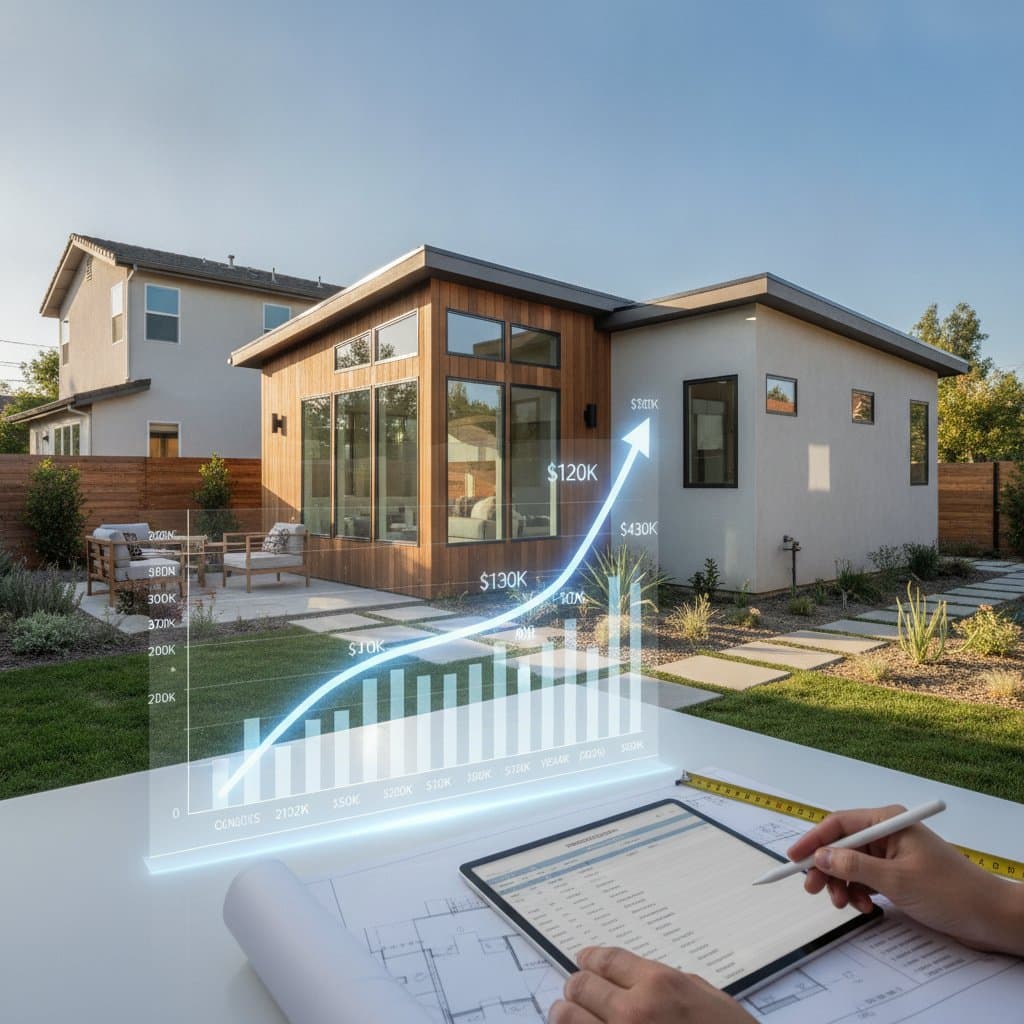
5. Establish a Realistic Budget
Solicit detailed quotes from suppliers and contractors for materials, labor, and unforeseen expenses. Cost breakdowns generally include:
- Minor remodels, such as bathroom updates or kitchen tweaks: $10,000 to $50,000.
- Conversions of garages or basements into livable suites: $50,000 to $100,000.
- Construction of new ADUs or major additions: $100,000 to $250,000.
Account for additional outlays on permits, architectural designs, and a 10-15% contingency reserve to cover surprises like hidden wiring issues.
6. Select and Schedule Professionals
Engage certified experts for tasks involving structural framing, electrical installations, gas lines, or plumbing systems. Request documentation of their licenses, liability insurance, and client references to confirm reliability. Obtain itemized written proposals that outline project phases, payment milestones, and guarantees. Review contracts thoroughly to ensure clarity on deliverables, timelines, and dispute resolution processes.
7. Initiate Demolition and Framing
Prioritize safety by equipping workers with protective eyewear and respirators; always test for hazardous materials like asbestos or lead paint prior to any removal. Proceed with dismantling only non-load-bearing walls, consulting a structural engineer for any potential alterations to support beams. Erect new frameworks for walls and doorways in compliance with building regulations. Inspect that all framing elements are level, aligned, and dimensionally accurate to the approved plans.
8. Install Rough Plumbing and Electrical Systems
Position new pipes and wiring before enclosing surfaces to allow for adjustments. Electrical setups require adherence to code standards for circuit capacity, GFCI outlet placement in wet areas, and proper grounding. Plumbing installations demand correct pipe slopes for drainage and adequate venting to prevent backups. Schedule mandatory inspections to approve these systems prior to proceeding with wall coverings.
9. Apply Insulation, Drywall, and Final Finishes
Choose insulation types that enhance both thermal efficiency and noise reduction, such as fiberglass batts or spray foam in critical areas. Opt for green-board or cement-board drywall in high-moisture zones like bathrooms and kitchens to resist mold. Apply primer, multiple coats of paint for durability, and install baseboards, crown molding, and resilient flooring options. Ensure all surfaces exhibit seamless joints and uniform application for a professional appearance.
10. Incorporate Accessibility and Comfort Enhancements
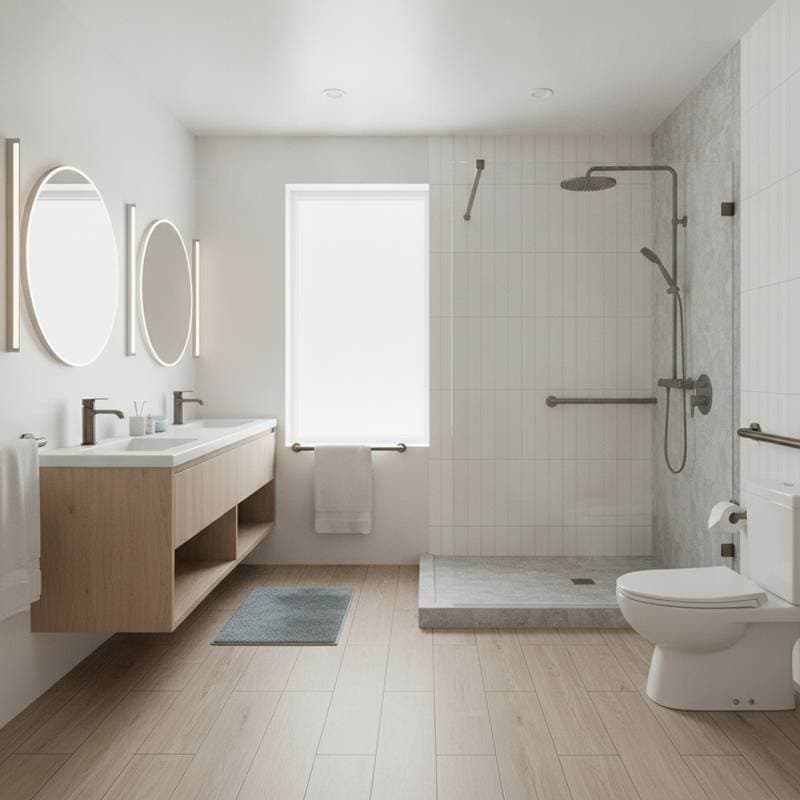
Mount reinforced grab bars in bathrooms, switch to lever-style door handles, and select slip-resistant flooring materials to aid those with mobility challenges. Position motion-activated lighting fixtures at staircases, hallways, and exterior entries to reduce fall risks. Integrate smart home technologies, including programmable thermostats and automated door locks, to simplify routines and monitor safety. Reassess that these additions directly address the mobility and care needs outlined in the initial assessment.
Essential Quality Checks and Solutions
Addressing Common Challenges
Inadequate soundproofing often leads to disturbances; remedy this by retrofitting acoustic panels or sealing gaps with door sweeps. Poor ventilation can cause moisture buildup; counteract it with high-capacity exhaust fans featuring humidity sensors in kitchens and bathrooms. Uneven flooring or misaligned doors signal framing issues; level them using adjustable shims and re-square the structure as necessary.
Straightforward Repairs
Repair minor drywall fissures by applying joint compound, sanding smooth, and repainting. Adjust hinges on binding doors with a screwdriver for proper alignment. Refresh deteriorated weatherstripping around windows and doors to boost energy efficiency and indoor comfort.
Indicators for Professional Intervention
Seek a licensed contractor immediately for issues such as foundation fissures, settling structures, or extensive electrical overhauls beyond basic outlet swaps. Professional handling is essential for relocating plumbing fixtures, installing gas appliances, or resolving site drainage and soil grading concerns. Expect hourly rates for skilled trades to vary from $50 to $150, influenced by specialization and geographic location. Thoroughly evaluate potential hires through reference calls, license verifications, and reviews of any past complaints.
Frequently Asked Questions
Is garage conversion to a family suite feasible? In many cases, yes, provided the space complies with zoning laws regarding insulation standards, minimum ceiling heights, emergency exits, and preserved parking availability.
How does an ADU differ from an in-law suite? An ADU functions as an independent unit complete with its own kitchen, bathroom, and exterior access, whereas an in-law suite integrates more closely with the primary residence, sharing utilities and entry points.
What steps enhance home safety for seniors? Install sturdy grab bars near toilets and showers, eliminate rugs and cords that pose tripping risks, upgrade to brighter LED lighting throughout, and design entryways with minimal thresholds for seamless wheelchair passage.
Is a professional designer necessary for this type of remodel? For complex projects, a designer proves invaluable in optimizing space flow, integrating universal design principles, and navigating accessibility codes to avoid costly revisions.
Sustaining Family Harmony Through Smart Design
A thoughtfully executed multigenerational remodel fosters deeper family bonds by balancing shared experiences with personal sanctuaries. It addresses immediate housing needs while future-proofing the property against evolving circumstances. By prioritizing code-compliant permits, skilled craftsmanship, and proactive maintenance, homeowners create a resilient space that nurtures every generation with security and warmth for decades ahead.