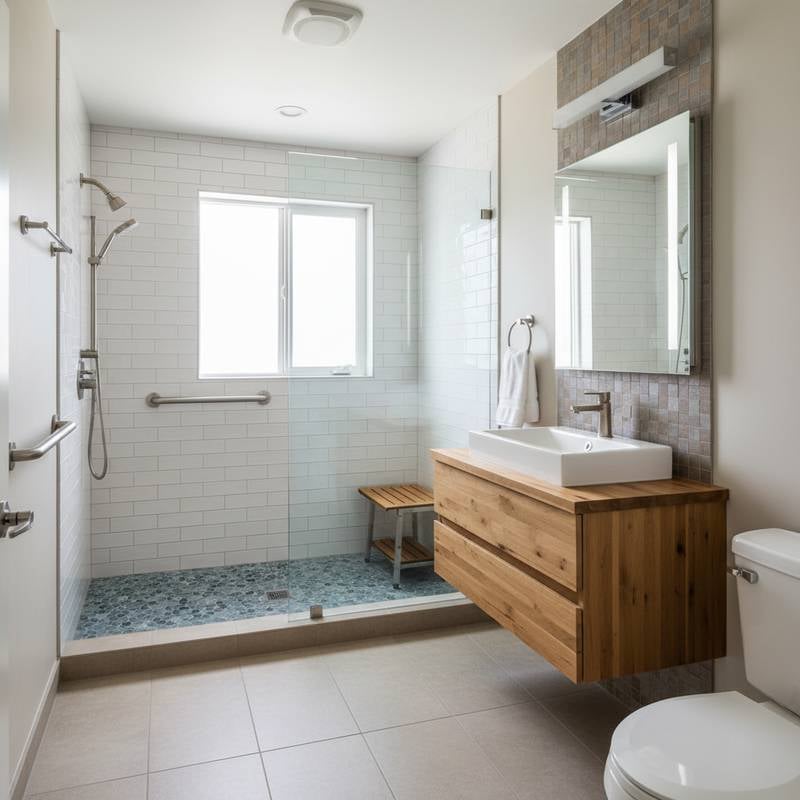
The Real Cost of Aging-in-Place Bathroom Remodels
Remodeling a bathroom to support aging in place enhances comfort, safety, and independence within the home. This guide details the costs involved, planning strategies, and the decision between DIY efforts and professional assistance.
Quick Overview
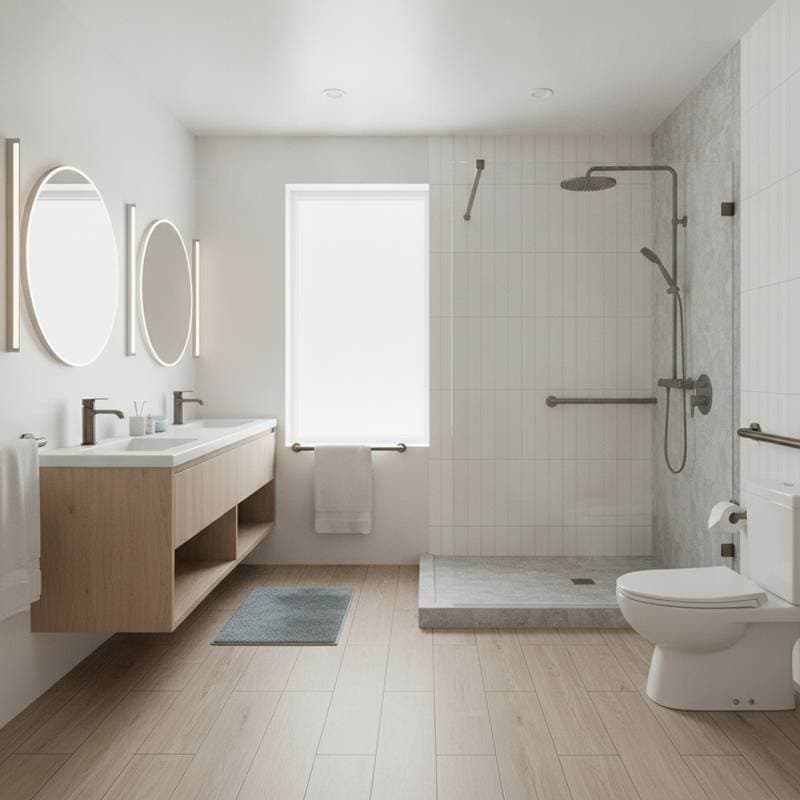
An aging-in-place bathroom remodel modifies an existing space to boost accessibility and minimize fall risks. Targeted upgrades foster a secure, practical environment that accommodates long-term needs while preserving aesthetic appeal.
Cost and Time Estimates
Aging-in-place bathroom remodels typically range from $12,000 to $50,000. Factors influencing the total include bathroom dimensions, material selections, and modification complexity.
Typical cost breakdown:
- Basic safety upgrades: $2,000 to $5,000 (grab bars, slip-resistant flooring, handheld showerhead)
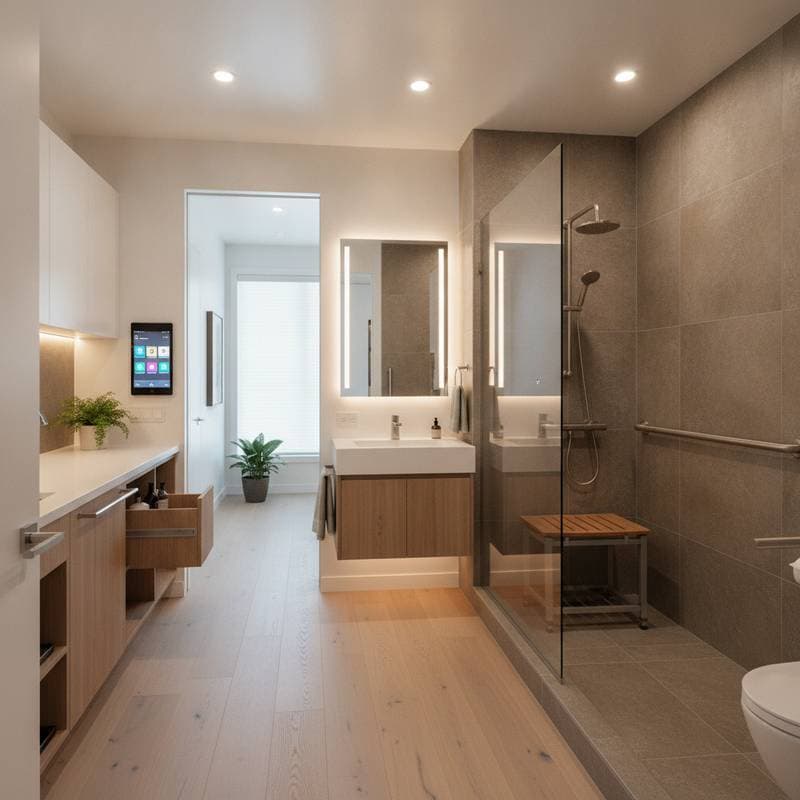
- Mid-range remodel: $12,000 to $25,000 (walk-in shower, comfort-height toilet, widened doorway)
- Full accessible conversion: $30,000 to $50,000 (roll-in shower, zero-threshold entry, structural changes)
Labor: Accounts for 40 to 80 percent of the total cost.
Permits: Range from $200 to $800 based on local regulations.
DIY time: 2 to 4 weeks for minor updates.
Professional remodel: 3 to 8 weeks depending on project scope.
Difficulty: Moderate to advanced.
DIY vs Professional Guidance
Certain upgrades suit DIY approaches, but others demand licensed professionals to ensure safety and compliance.
DIY-friendly projects:
- Installing grab bars
- Replacing faucets with lever handles
- Adding non-slip mats or adhesive strips
- Upgrading lighting fixtures
When to hire a professional:
- Relocating plumbing or electrical lines
- Converting a tub to a walk-in or roll-in shower
- Widening a doorway or lowering a vanity
- Reinforcing walls for grab bar installation
Cost comparison:
- DIY safety upgrades: $200 to $1,000
- Professional installation: $3,000 to $50,000 based on design and labor extent
Engaging a contractor guarantees adherence to accessibility codes and building permits, safeguarding both user safety and property value.
Tools and Materials
Tools:
- Stud finder
- Power drill with masonry bits
- Level and tape measure
- Caulking gun
- Adjustable wrench
- Safety goggles and gloves
Materials:
- Stainless steel grab bars (18 to 36 inches)
- Slip-resistant vinyl or tile flooring
- ADA-compliant comfort-height toilet
- Curbless or walk-in shower kit
- Handheld showerhead with adjustable slide bar
- Lever-style faucet handles
- Waterproof lighting fixtures
Step-by-Step Instructions
1. Assess Your Current Bathroom
Measure doorway width, shower entry height, and turning radius to identify constraints. Document tripping hazards or confined areas. Locate plumbing and electrical components for reference.
Success check: Compile a comprehensive list of accessibility challenges and required adjustments.
2. Plan Layout and Budget
Prioritize safety enhancements before aesthetic choices. Obtain quotes for fixtures and finishes to inform decisions. Allocate a 10 percent contingency for unforeseen issues.
Success check: Develop a plan that integrates safety priorities with financial limits.
3. Secure Permits and Inspections
Consult the local building department to determine needs for accessibility and plumbing permits. Arrange inspections for any drain or electrical relocations.
Success check: Obtain all necessary approvals prior to starting demolition.
4. Remove Obstacles and Prepare the Space
Demolish and clear fixtures and flooring from the area. Inspect subfloor and wall framing for signs of damage or deterioration.
Caution: Fall Risk Employ stable ladders and secure protective footwear.
Success check: Confirm the space is cleared, dry, and structurally intact.
5. Modify Layout and Rough-In Utilities
Expand doors to a minimum of 32 inches to facilitate wheelchair access. Reposition plumbing lines to support a walk-in or roll-in shower. Install wall blocking to accommodate future grab bar mounts.
Warning: Electrical Hazard Disconnect power sources before altering outlets or lighting.
Success check: Verify that rough-in modifications meet inspection standards prior to enclosing walls.
6. Install Accessibility Fixtures
Secure grab bars horizontally adjacent to the toilet and shower. Position the toilet at 17 to 19 inches above the floor. Integrate a curbless shower pan featuring a slip-resistant finish.
Success check: Ensure fixtures are level, securely fastened, and accessible without strain.
7. Finish Surfaces and Add Details
Install slip-resistant flooring throughout the space. Apply sealants to joints and seams to block moisture entry. Position mirrors and shelves at heights convenient for seated or standing use.
Success check: Validate that the bathroom resists water intrusion, remains stable, and supports effortless navigation.
Safety Warnings and Tips
Warning: Electrical Hazard Deactivate circuit breakers before any work involving outlets, lights, or switches.
Caution: Slippery Surface Maintain a dry workspace and deploy slip-resistant mats during fixture placement.
Tip: Opt for matte flooring finishes to reduce glare and enhance depth perception.
Tip: Install sufficient illumination around the toilet, sink, and shower areas. Incorporate motion-sensor night lights to aid visibility during low-light conditions.
Troubleshooting and Quality Checks
Problem: Grab bars wobble during use.
Fix: Secure with robust anchors or directly into wall studs.
Problem: Water accumulates beyond the shower boundaries.
Fix: Recalibrate the shower floor slope or add a trench drain.
Problem: Doorway restricts walker passage.
Fix: Install an offset hinge on the door frame to expand usable space.
Quality checks:
- Confirm floor levelness without raised edges that could cause trips.
- Test that water drains completely following showers.
- Verify smooth, one-handed operation of all fixtures.
Cleanup and Disposal
Dismantle old fixtures, tiles, and flooring with care to avoid impacting surrounding areas. Segregate metal components and tiles for recycling purposes. Follow community guidelines for debris disposal. Clean all surfaces thoroughly to eliminate dust and residue ahead of final evaluation.
Maintenance and Lifespan
Consistent upkeep sustains the bathroom's safety and accessibility features. Wipe grab bars and fixtures weekly to avoid residue accumulation. Examine caulking and grout periodically, every few months. Renew non-slip flooring or mats upon signs of wear.
Anticipate that grab bars and fixtures endure 10 to 20 years under diligent maintenance. Arrange yearly inspections to affirm the integrity of safety components.
When to Call a Professional
Engage a licensed contractor for projects involving structural or plumbing alterations. Such tasks encompass:
- Transforming a bathtub into a walk-in or roll-in shower
- Relocating drains or vent lines
- Fitting waterproof lighting or outlets proximate to water features
- Strengthening floors to bear wheelchair loads
Professional cost ranges:
- Tub-to-shower conversion: $8,000 to $20,000
- Full accessible remodel: $30,000 to $50,000
Contractor checklist:
- Confirm possession of valid license and insurance.
- Solicit a detailed written estimate and timeline.
- Request references from comparable aging-in-place initiatives.
- Clarify warranty provisions for labor and materials.
Pro Tips for Success
Incorporate contrasting colors for walls, floors, and fixtures to heighten visibility. Select lever or touchless faucets to ease handling. Integrate a shower bench or fold-down seat for added support. Choose doors with wide openings and seamless thresholds to promote fluid movement. Position controls, outlets, and switches no higher than 48 inches from the floor.
Extending Independence Through Design
A meticulously planned aging-in-place bathroom remodel promotes sustained independence and security. Thoughtful selections in design and execution yield a versatile space that evolves with changing requirements.