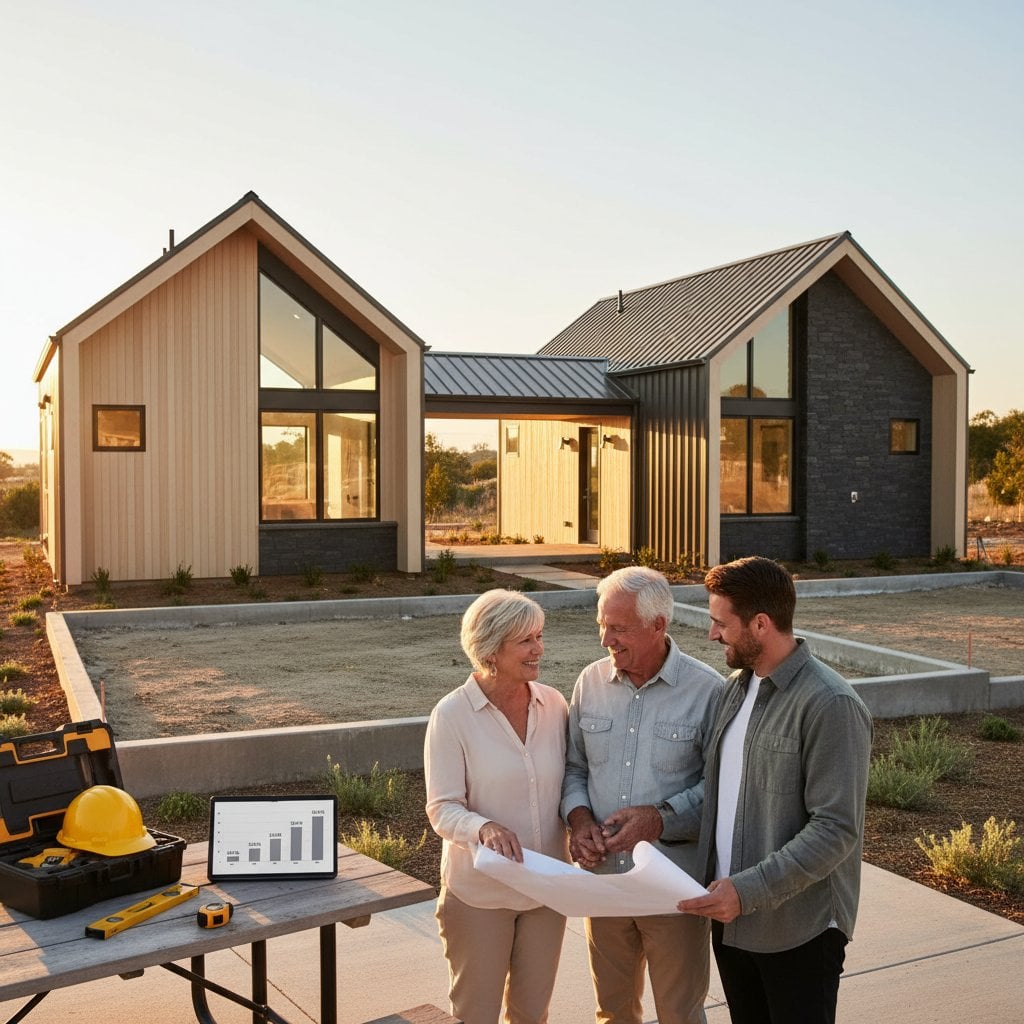
Understanding Accessory Dwelling Units for Family Housing
Accessory dwelling units (ADUs) provide versatile solutions for multigenerational living. These structures, often built on existing properties, offer independent spaces for aging parents, grown children, or extended family members. In 2026, demand for ADUs continues to rise due to housing shortages and the desire for close-knit family arrangements without sacrificing privacy.
Property owners benefit from ADUs in multiple ways. They increase home equity, generate potential rental income, and adapt to changing family needs over time. However, successful projects require careful planning to balance costs, functionality, and local regulations.
This article examines the financial aspects of ADU construction, from initial budgeting to ongoing upkeep. Readers gain practical insights to make informed decisions for their family housing goals.
Cost Breakdown for ADU Projects
ADU construction costs in 2026 typically span $120,000 to $450,000, depending on size, location, and features. Basic units under 500 square feet start at the lower end, while larger, custom designs with premium finishes reach the upper range.
Key expense categories include:
- Site Preparation and Foundation: $20,000 to $50,000. This covers excavation, grading, and utility connections. Urban lots may incur higher fees due to limited space.
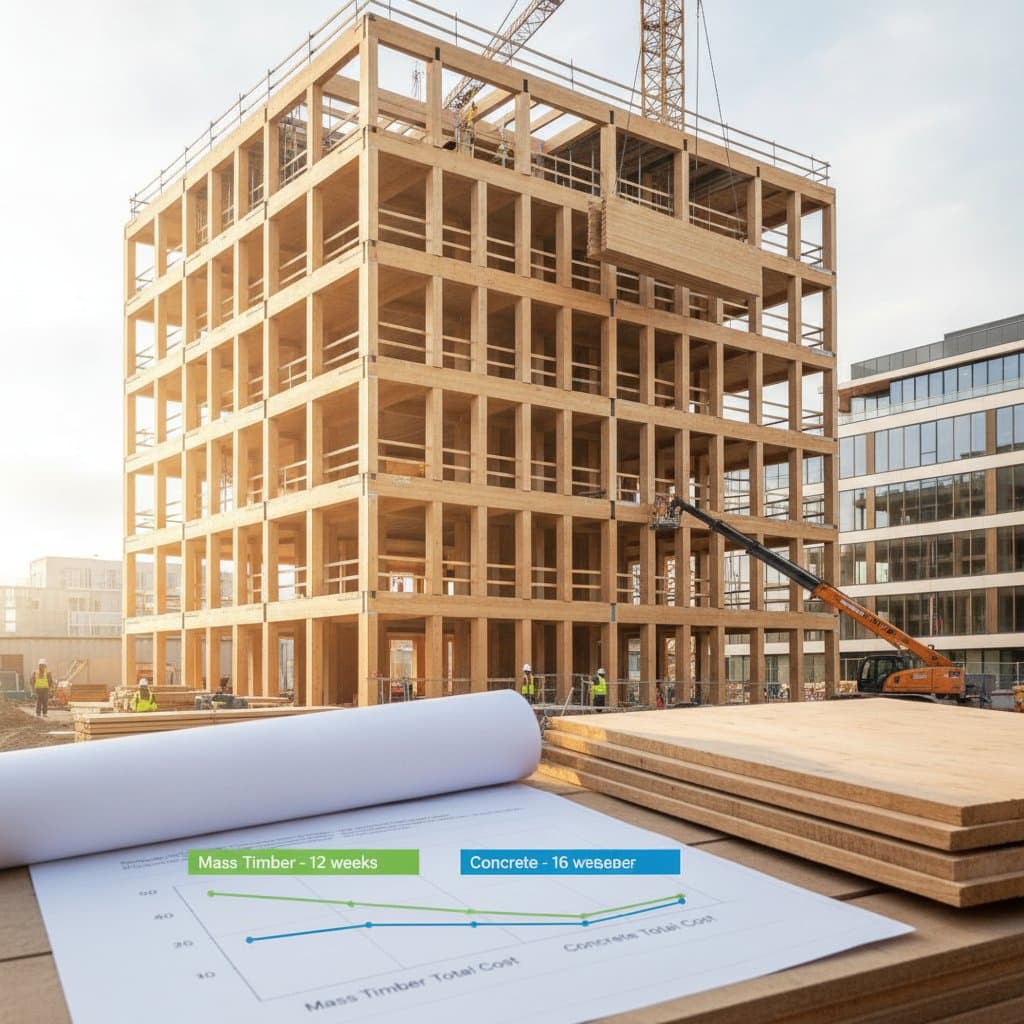
- Structural Build: $60,000 to $200,000. Framing, roofing, and exterior work dominate here. Prefabricated options reduce labor costs by up to 20 percent.
- Interior Finishes and Systems: $30,000 to $150,000. Plumbing, electrical, HVAC, and kitchen or bathroom installations add significant value. Energy-efficient appliances lower long-term utility bills.
- Permits and Fees: $5,000 to $25,000. Local zoning laws vary; coastal areas often impose stricter environmental reviews.
Total costs reflect regional differences. For example, high-demand markets like California average 15 to 20 percent above national figures due to labor and material premiums.
Factors Influencing ADU Expenses
Several variables determine the final price tag for an ADU. Location plays a primary role, as building codes and land values differ widely. Properties in seismic zones require reinforced foundations, adding $10,000 to $30,000.
Size and complexity also matter. A simple 400-square-foot studio costs less than a 1,000-square-foot unit with multiple bedrooms. Custom elements, such as vaulted ceilings or smart home integrations, elevate expenses.
Material choices impact budgets significantly. Opt for durable, low-maintenance options like fiber cement siding over wood to cut future repair needs. Sustainable features, including solar panels, qualify for rebates that offset initial outlays by 10 to 30 percent.
Economic conditions in 2026, such as inflation on lumber and steel, may push costs upward. Early budgeting with a 10 to 15 percent contingency fund helps manage surprises.
Construction Timelines and Planning
ADU projects require 3 to 12 months from concept to completion. Permitting alone takes 1 to 3 months, depending on municipal efficiency. Design and engineering phases add another 4 to 6 weeks.
Construction proceeds in stages:
- Pre-Construction: Secure approvals and finalize blueprints. Engage architects early to align with family needs.
- Foundation and Framing: 4 to 8 weeks. Weather delays common in rainy seasons.
- Rough-Ins and Finishes: 6 to 10 weeks. Coordinate trades to avoid bottlenecks.
- Inspections and Handover: 2 to 4 weeks. Final checks ensure code compliance.
To streamline timelines, select experienced contractors familiar with local rules. Phased builds, starting with essentials, allow occupancy sooner while completing luxuries later.
Design Tips for Multigenerational Living
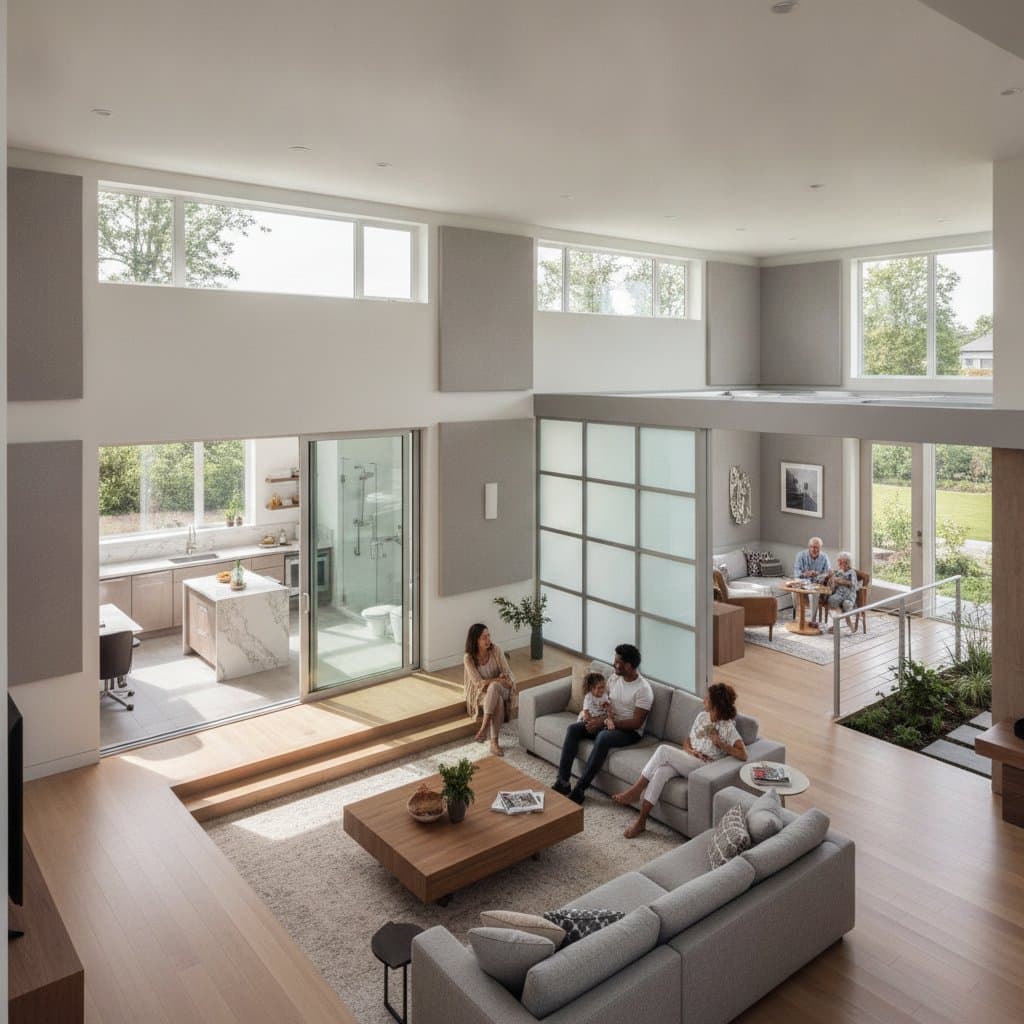
Effective ADU design prioritizes family connectivity and independence. Incorporate open layouts that encourage interaction, such as shared patios or sightlines to the main house.
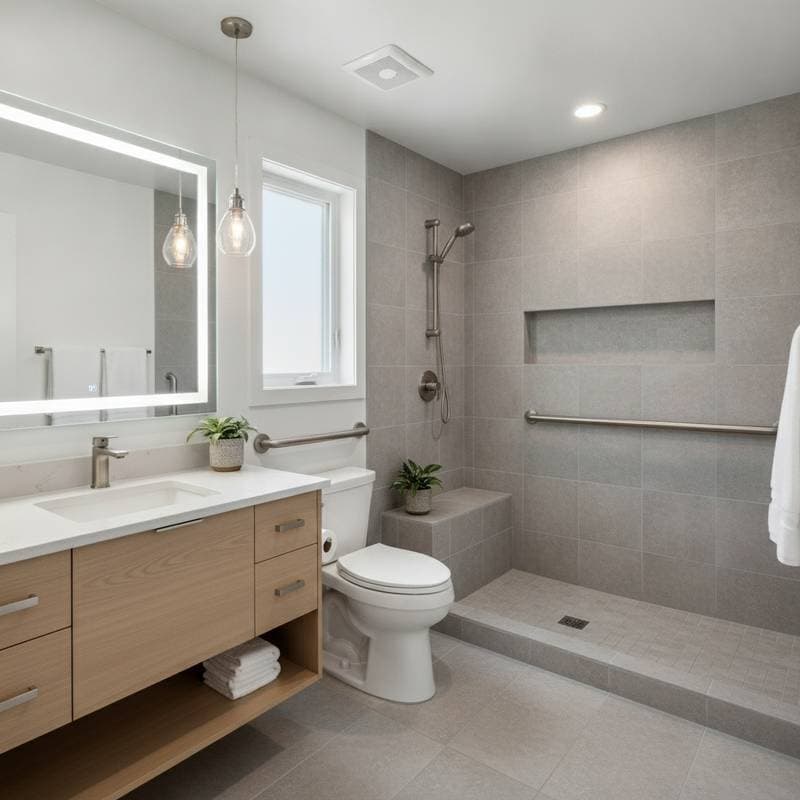
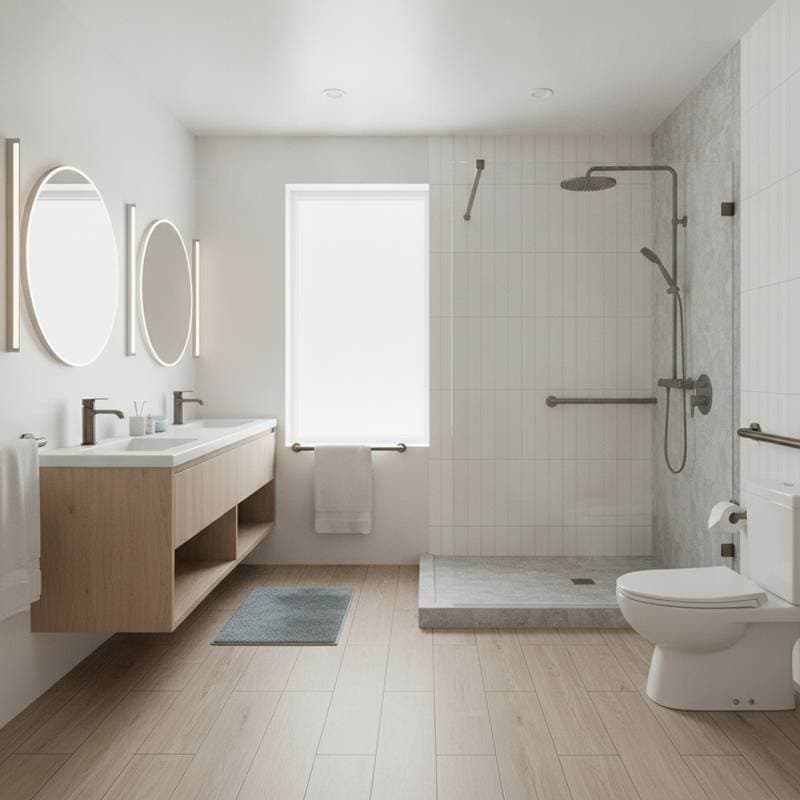
Focus on universal accessibility from the outset. Install zero-step entries, wide doorways (at least 36 inches), and lever handles to accommodate mobility challenges. Leveraged designs support aging in place without major retrofits.
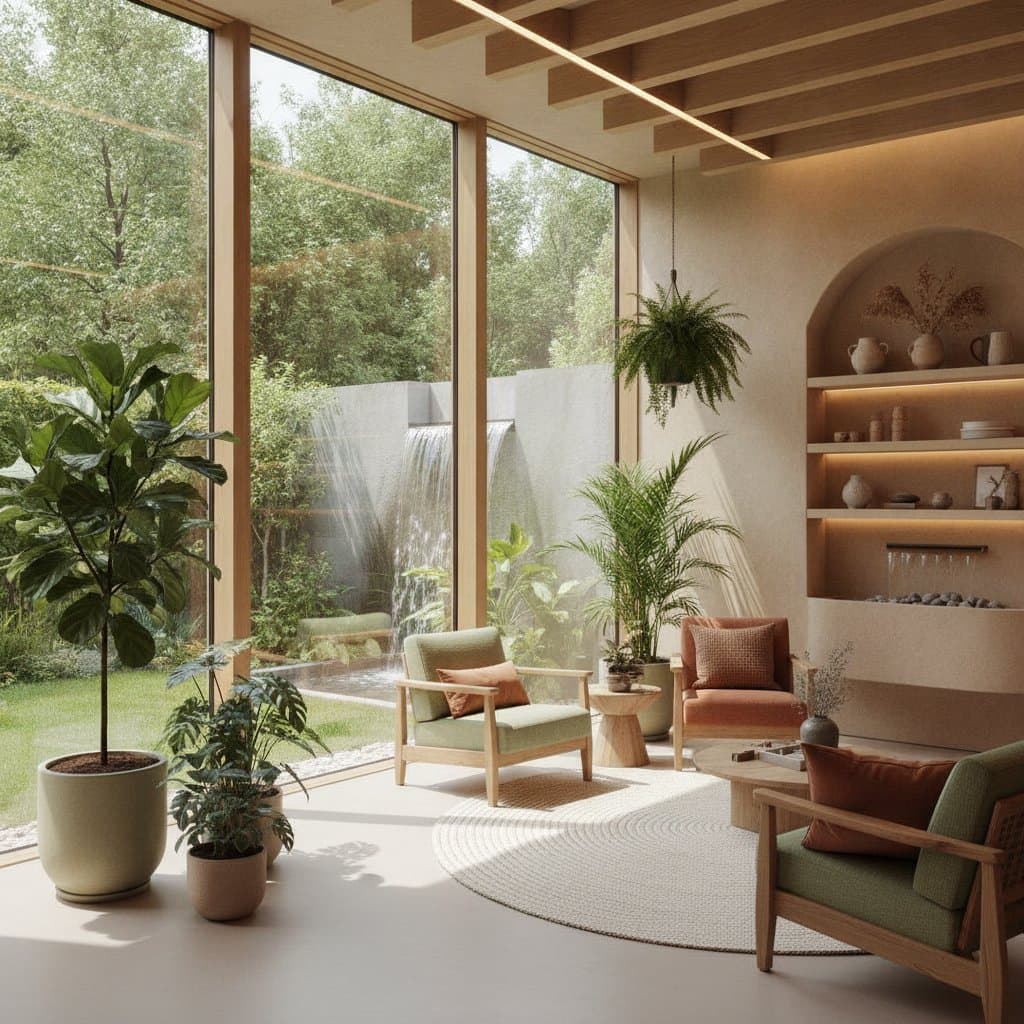
Kitchen and bath configurations matter for daily comfort. Compact, efficient spaces with reachable counters and roll-in showers serve diverse users. Natural light through large windows enhances well-being and reduces energy use.
Privacy remains essential. Soundproofing walls and separate entrances prevent disturbances. Thoughtful landscaping integrates the ADU seamlessly into the property.
DIY Versus Professional Construction
Homeowners weigh DIY approaches against hiring professionals based on skills and scope. Simple tasks, like painting or landscaping, suit DIY efforts and save 5 to 10 percent on labor.
However, structural work demands expertise. Permits often require licensed oversight for safety and compliance. DIY missteps lead to costly corrections or insurance issues.
Professionals bring efficiency and warranties. General contractors manage subcontractors, ensuring on-schedule delivery. For budgets under $200,000, hybrid models combine owner input with pro execution.
Assess capabilities honestly. Consult local resources or preliminary designs to gauge feasibility before committing.
Navigating Permits and Regulations
Local ordinances govern ADU development. Most jurisdictions allow units up to 1,200 square feet on single-family lots, but setbacks and height limits apply.
Start with zoning checks through city planning departments. Some areas mandate parking or utility upgrades. Historic districts impose aesthetic guidelines.
Environmental reviews, especially near wetlands, extend approval times. Budget for legal consultations if disputes arise. Compliance avoids fines or demolition orders.
In 2026, streamlined state laws in places like Oregon and Washington expedite processes, reducing barriers for families.
Incorporating Accessibility and Comfort Features
Multigenerational ADUs thrive with inclusive designs. Beyond basics, add adjustable-height counters and non-slip flooring to prevent falls.
Climate control systems maintain comfort year-round. Insulated walls and double-pane windows minimize drafts and noise.
Smart technology, such as voice-activated lights and thermostats, simplifies routines for all ages. These features enhance usability without overwhelming budgets.
Test designs through mockups or virtual tours to confirm suitability before construction begins.
Long-Term Maintenance Strategies
Sustained value depends on proactive upkeep. Annual inspections of roofing, plumbing, and electrical systems prevent minor issues from escalating.
Establish a maintenance schedule:
- Quarterly: Clean gutters and check seals.
- Annually: Service HVAC and inspect foundations.
- Every Five Years: Repaint exteriors and update appliances.
Quality materials reduce frequency of repairs. Document all work for insurance and resale purposes. Well-maintained ADUs appreciate faster than neglected ones.
Realizing Family Benefits Through Smart ADU Investment
Investing in an ADU fosters enduring family bonds while securing financial gains. Thoughtful execution transforms properties into adaptable havens.
Families report improved support networks and reduced relocation stress. Property values rise by 20 to 50 percent in many markets.
Begin planning today to navigate 2026's opportunities. Consult experts to tailor solutions that fit unique circumstances and aspirations.