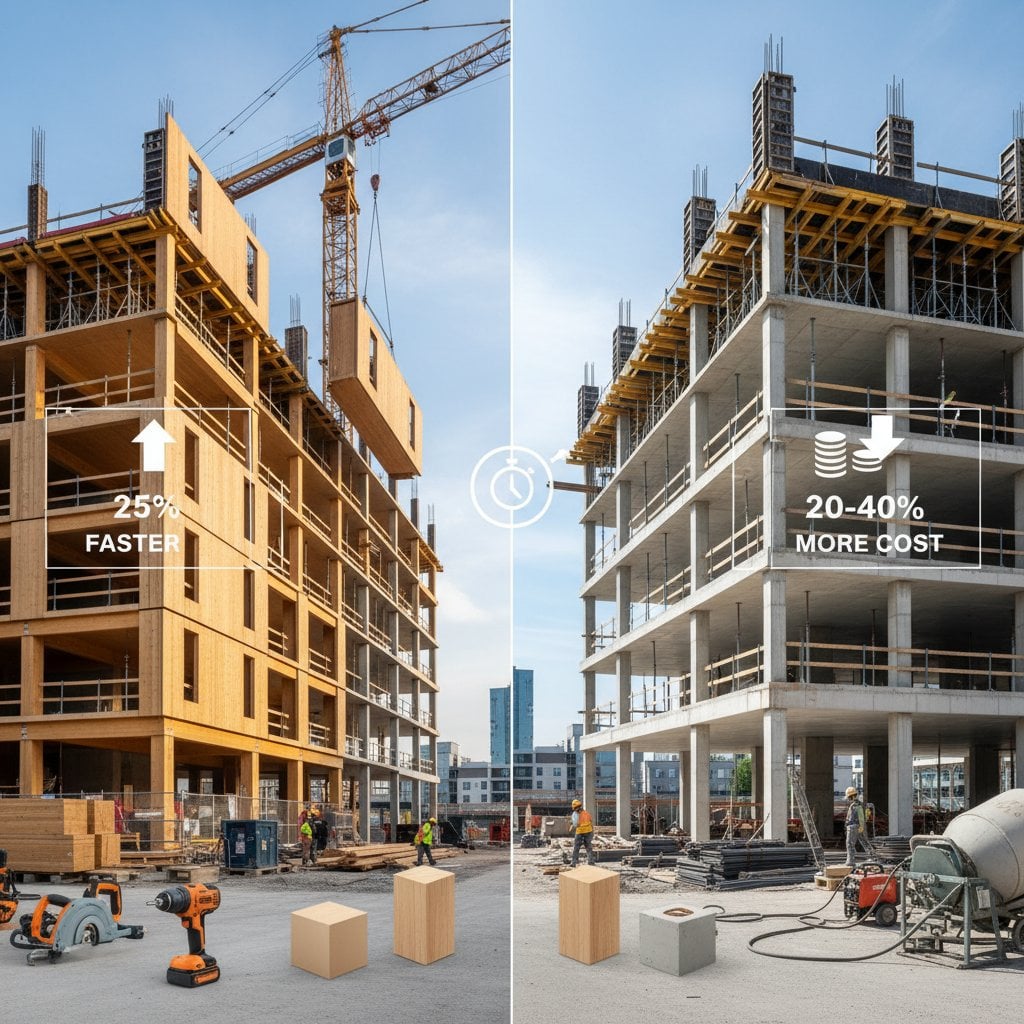
Mass Timber Construction Costs Compared to Traditional Framing
Mass timber offers a sustainable option for modern buildings. Traditional wood framing continues to serve many residential projects. This comparison examines costs, timelines, and practical factors to guide project decisions.
Cost Breakdown by Method
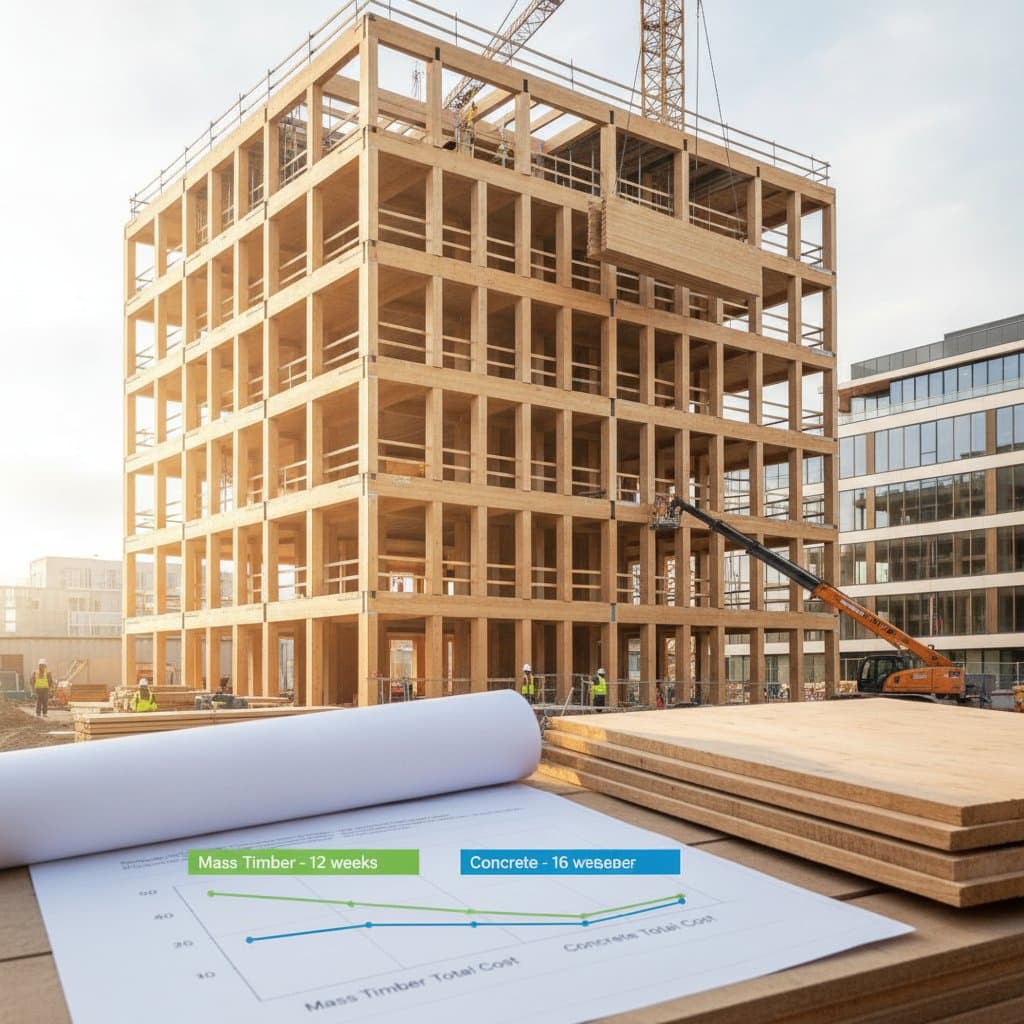
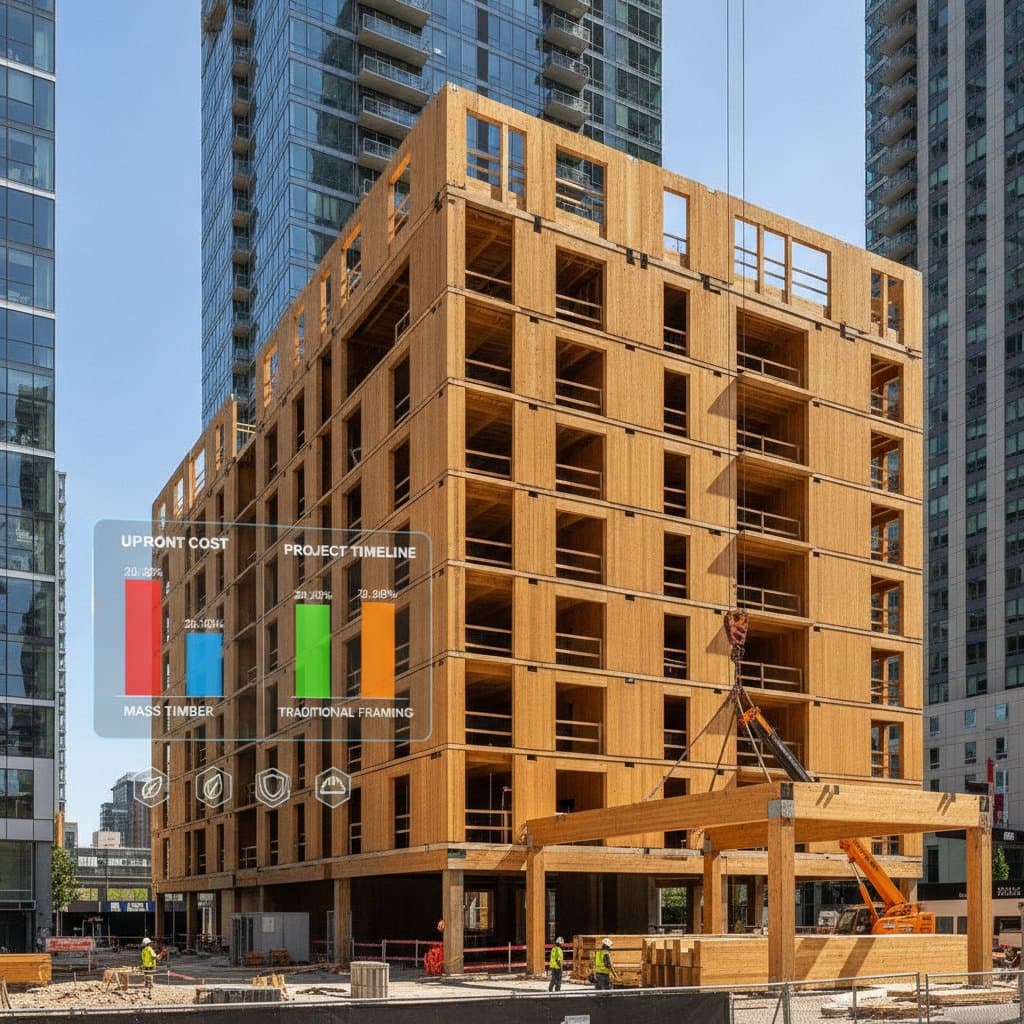
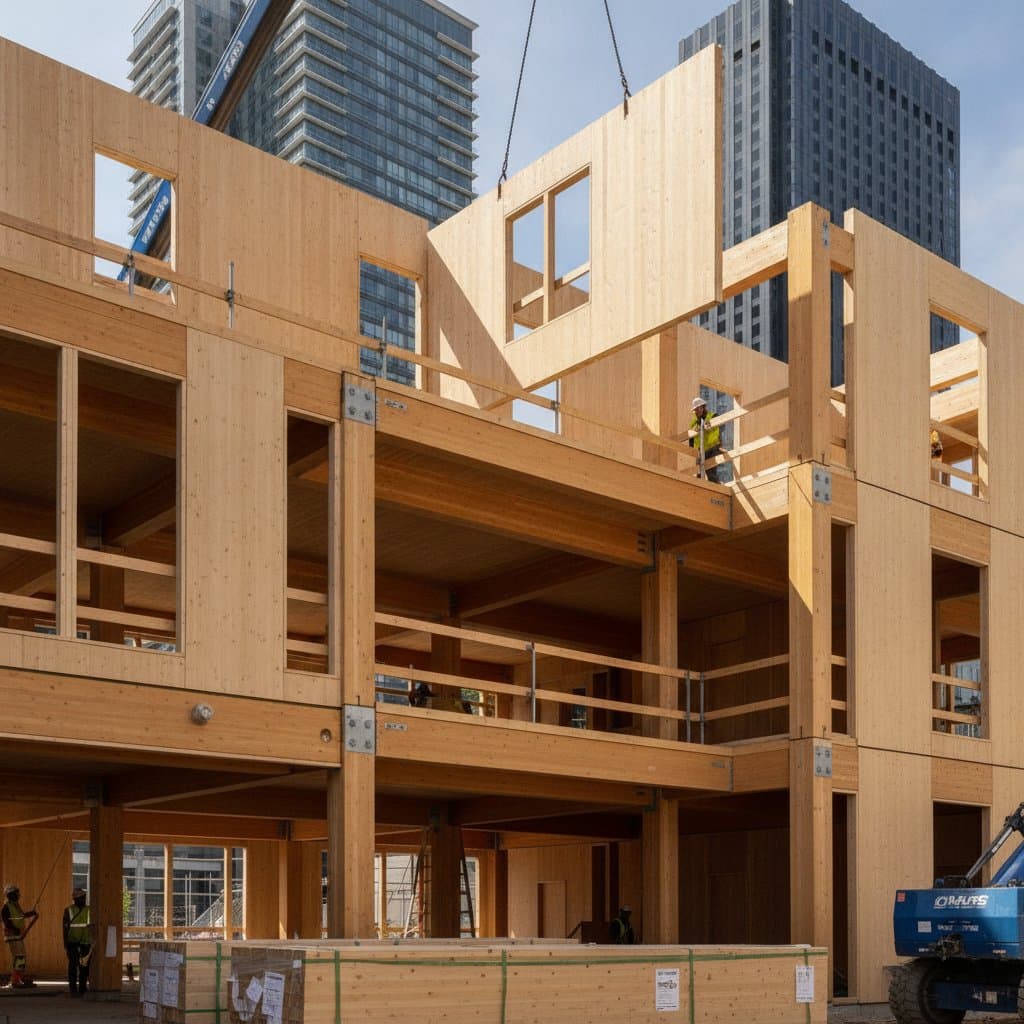
Mass timber relies on cross-laminated timber panels and glulam beams. Material costs range from 50 to 80 dollars per square foot. Labor adds 20 to 40 dollars per square foot because certified crews and cranes handle installation. Total installed costs fall between 70 and 120 dollars per square foot.
Traditional framing uses dimensional lumber. Material costs range from 15 to 30 dollars per square foot. Labor costs add 10 to 25 dollars per square foot. Total installed costs typically run from 25 to 55 dollars per square foot.
Build Timelines and Project Complexity
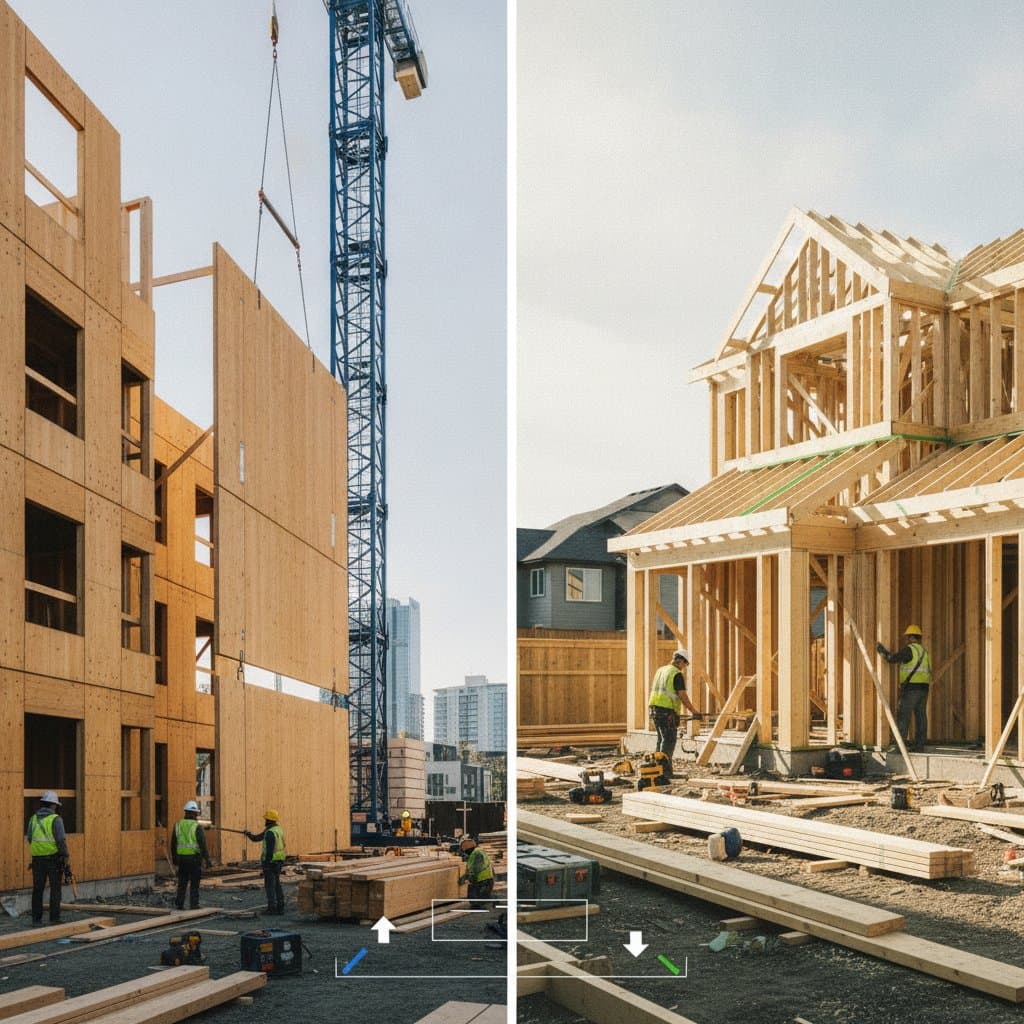
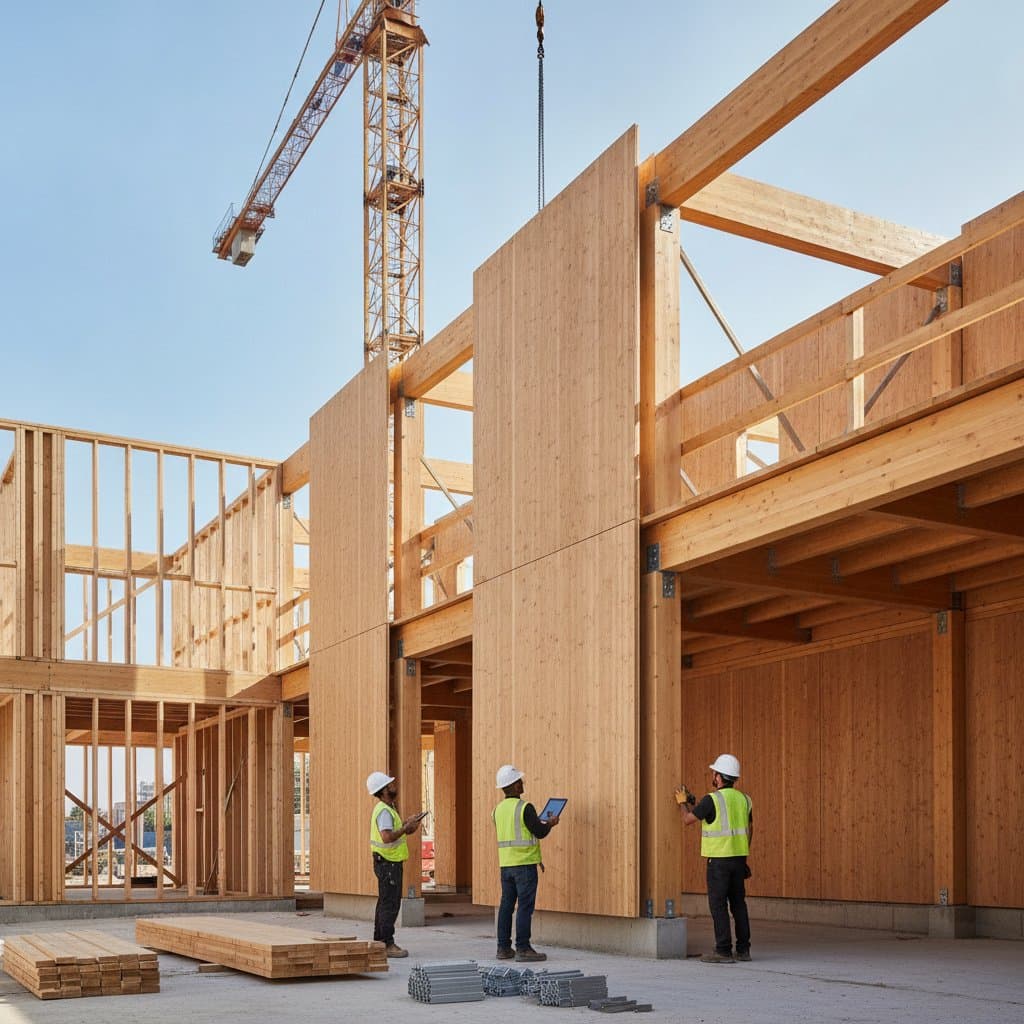
Mass timber panels arrive prefabricated. Assembly proceeds 25 to 35 percent faster than conventional methods because crews set large sections in place quickly. Weather delays decrease once the structure rises.
Traditional framing requires more on-site cutting and nailing. Crews work sequentially, and rain or wind can extend schedules. The process suits moderate complexity but demands steady site labor.
Difficulty levels differ. Mass timber projects call for advanced engineering and heavy equipment. Traditional framing remains moderate for experienced builders.
Professional Installation versus Owner Participation
Mass timber demands precision engineering and certified installers. Homeowners should not attempt these projects. Full-service professional costs run at least twice those of traditional framing.
Traditional framing allows skilled owners to handle small structures such as sheds or garages. Larger homes require licensed contractors. Owners who complete labor themselves may save 20 to 40 percent, provided all work meets local codes.
Construction Sequence
- Design and engineering teams prepare shop drawings for mass timber or standard plans for framing. All load paths must satisfy building codes.
- Procurement teams order pre-cut panels or local lumber. Moisture content checks prevent future movement.
- Foundations receive anchor bolts that align with panel or stud layouts.
- Cranes place mass timber panels, while framing crews cut and fasten lumber on site. Every joint requires inspection for level and security.
- Immediate weatherproofing with sealants and membranes protects both systems before interior work begins.
Safety and Quality Controls
Heavy panels require certified riggers and proper lifting gear. Roof work demands harnesses and guardrails. Inspect every fastener before closing connections.
Check panels and studs for warping by verifying moisture levels. Tighten bolts or upgrade to structural screws where connections feel loose. Shim floors and walls before finishes to maintain even surfaces.
Waste Management and Ongoing Care
Mass timber produces little waste because panels arrive pre-cut. Traditional framing generates scrap that can be recycled. Dispose of treated lumber only at approved facilities.
Mass timber needs periodic moisture and joint inspections. Sealed correctly, it performs as long as steel or concrete structures. Framed buildings require regular painting and pest management. Annual inspections benefit both systems.
When Professional Help Becomes Essential
Engage a licensed contractor for projects over one story, spans longer than 20 feet, or any engineered components. Professional framing costs remain 25 to 55 dollars per square foot. Professional mass timber costs range from 70 to 120 dollars per square foot. Select firms that carry structural experience, insurance, and manufacturer certifications.
Choosing the Appropriate System
Early planning with an architect and structural engineer clarifies options. Obtain quotes that cover materials, labor, and finishes. Mass timber delivers speed and environmental benefits for larger or visible structures. Traditional framing provides cost control for smaller or simpler builds. The correct match produces durable results that align with budget and design goals.