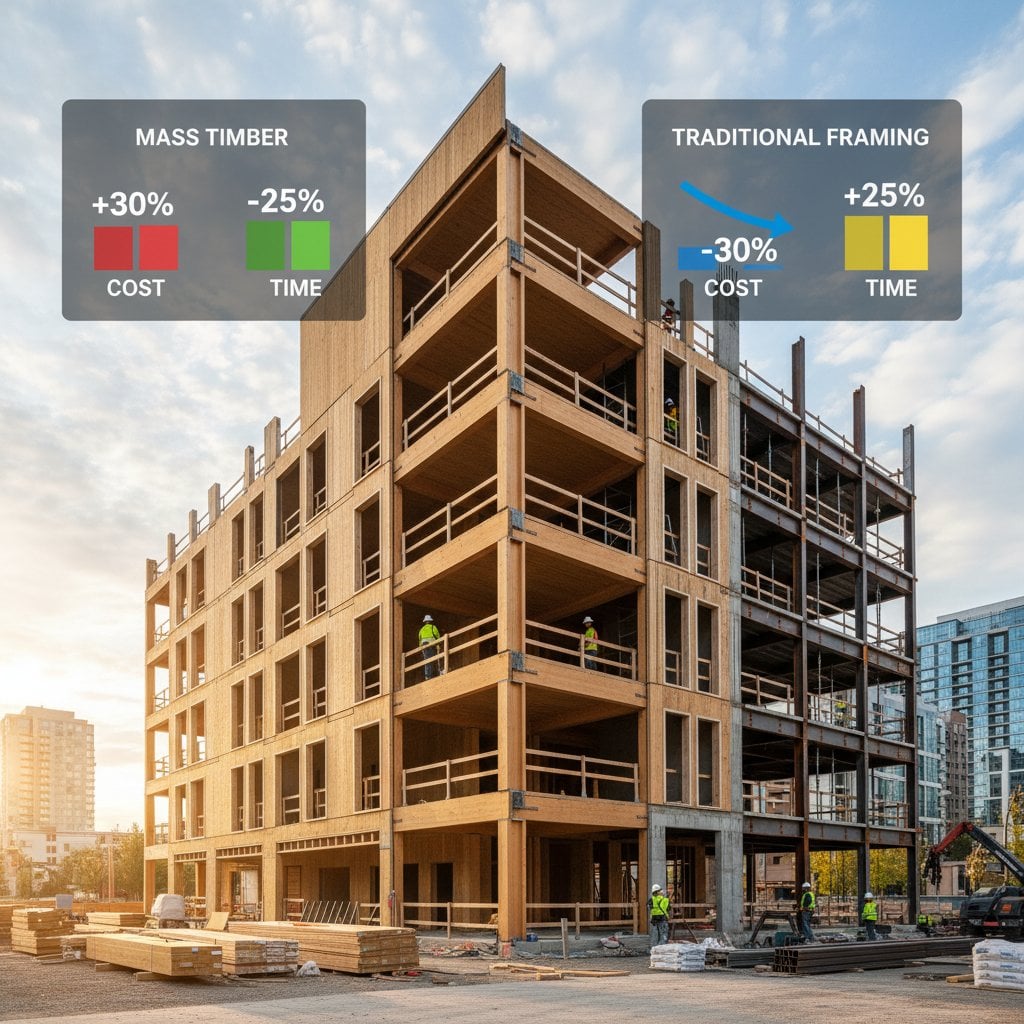
Mass Timber Versus Traditional Framing in 2026
Mass timber and traditional wood framing offer distinct advantages as structural systems. Their differences in cost, speed, and durability influence project planning in meaningful ways.
Cost and Schedule Comparison
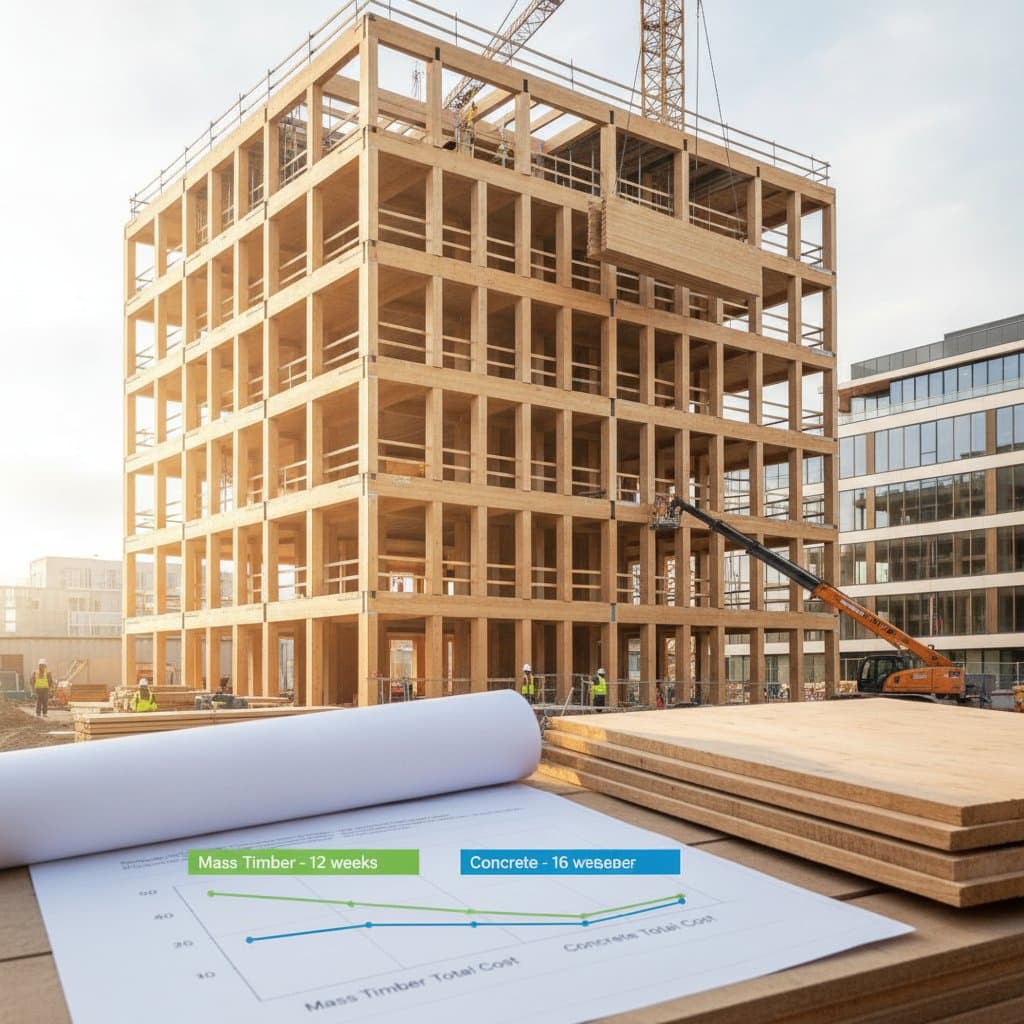
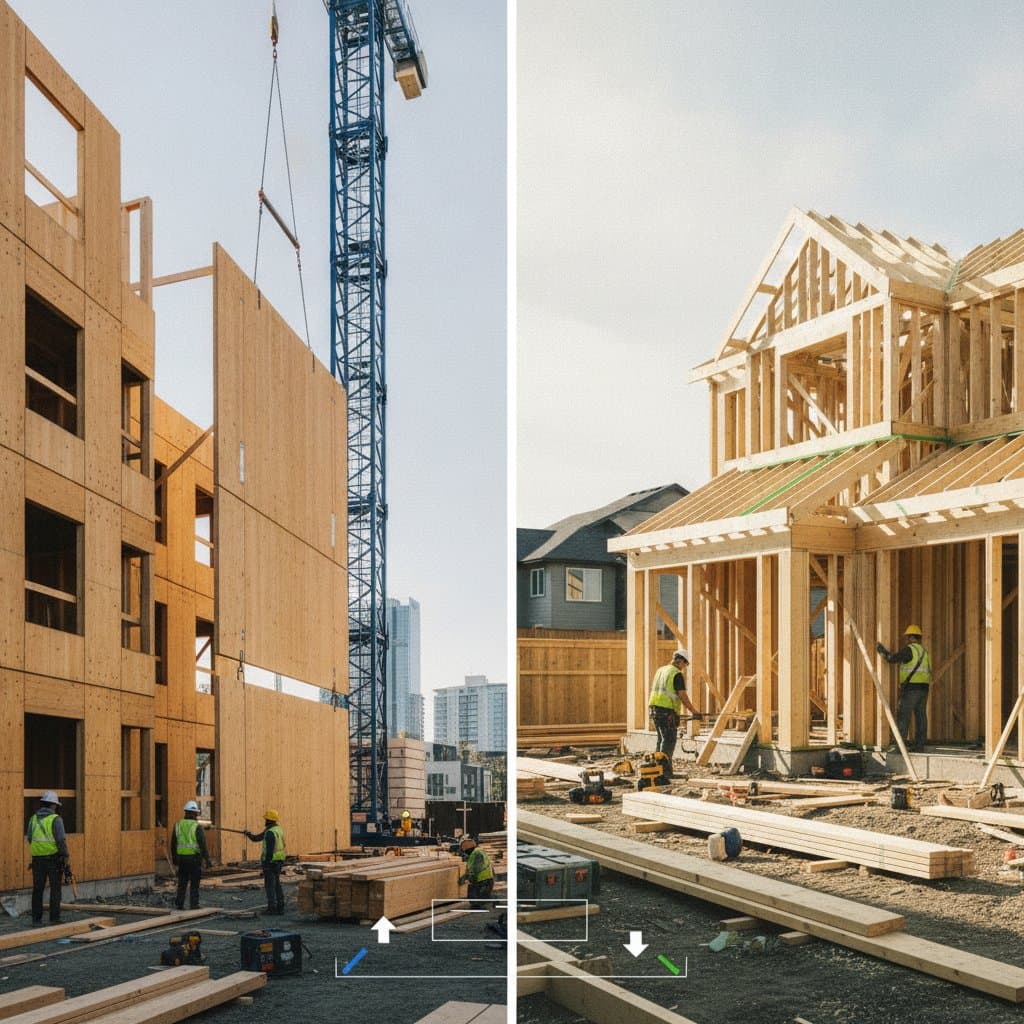
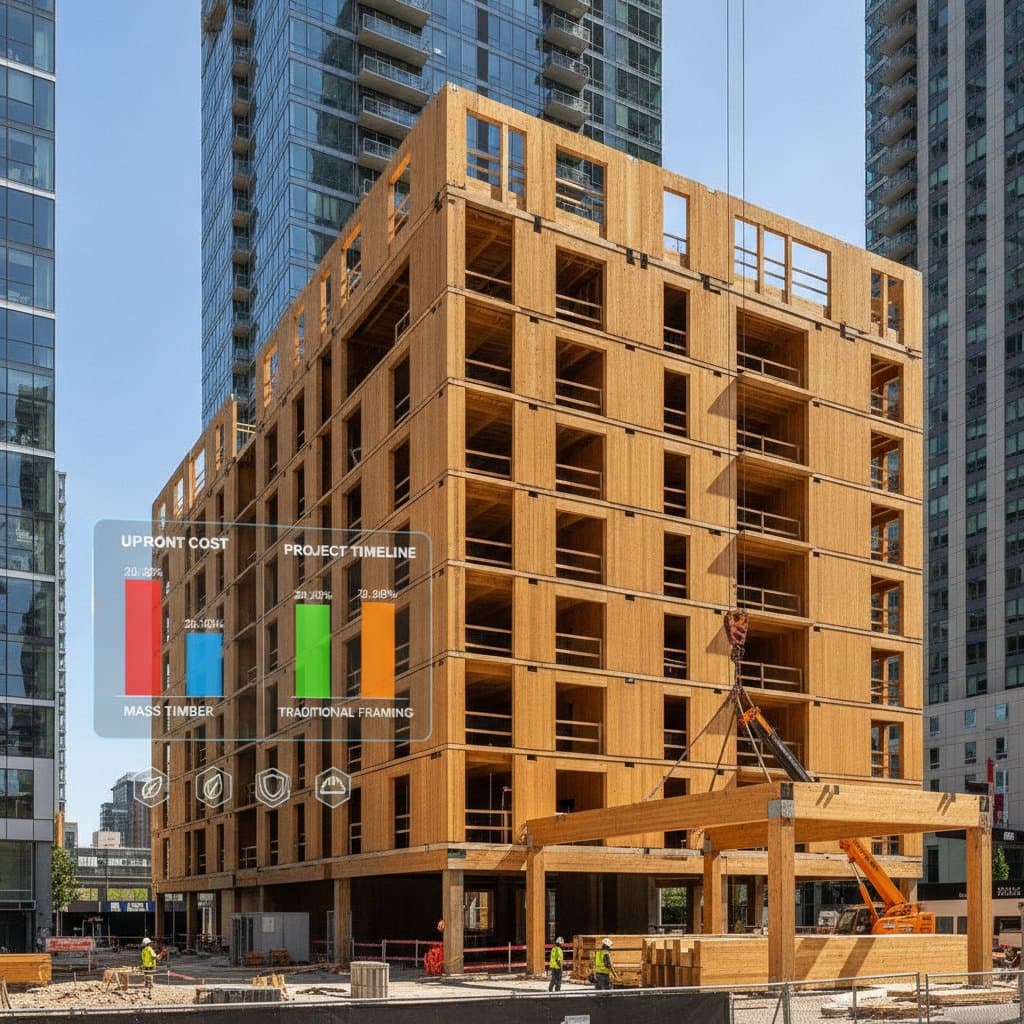
Mass timber construction, which includes cross laminated timber, glulam, and similar products, typically ranges from 120 to 160 dollars per square foot when installed. Prefabrication reduces on site labor but requires cranes and careful logistics planning. Projects using this method often finish 20 to 30 percent sooner once materials reach the site.
Traditional stick framing costs between 90 and 130 dollars per square foot installed. This approach relies more on manual labor and local material availability. Assembly proceeds more slowly because each piece is placed individually.
Professional Installation Requirements
Mass timber demands specialized equipment and expertise. Licensed contractors handle panel placement and connection detailing. Traditional framing allows experienced builders to manage smaller projects themselves, though larger homes benefit from professional supervision.
Labor savings with do it yourself framing can reach 20 to 40 percent. Mass timber reduces overall duration rather than material expense.
Construction Sequence
Planning Phase
Engineers prepare drawings for both systems. Mass timber specifications cover panel thickness and connection hardware. Framing follows standard dimensional lumber sizes. All plans must satisfy local codes prior to material orders.
Sourcing Materials
Mass timber panels require orders from certified manufacturers well in advance. Framing lumber is available from nearby suppliers with shorter lead times. Every delivery should be checked for damage or excess moisture.
Site Preparation
A level foundation supports either system. Verify that the slab or piers meet a tolerance of one eighth inch before work begins.
Structural Assembly
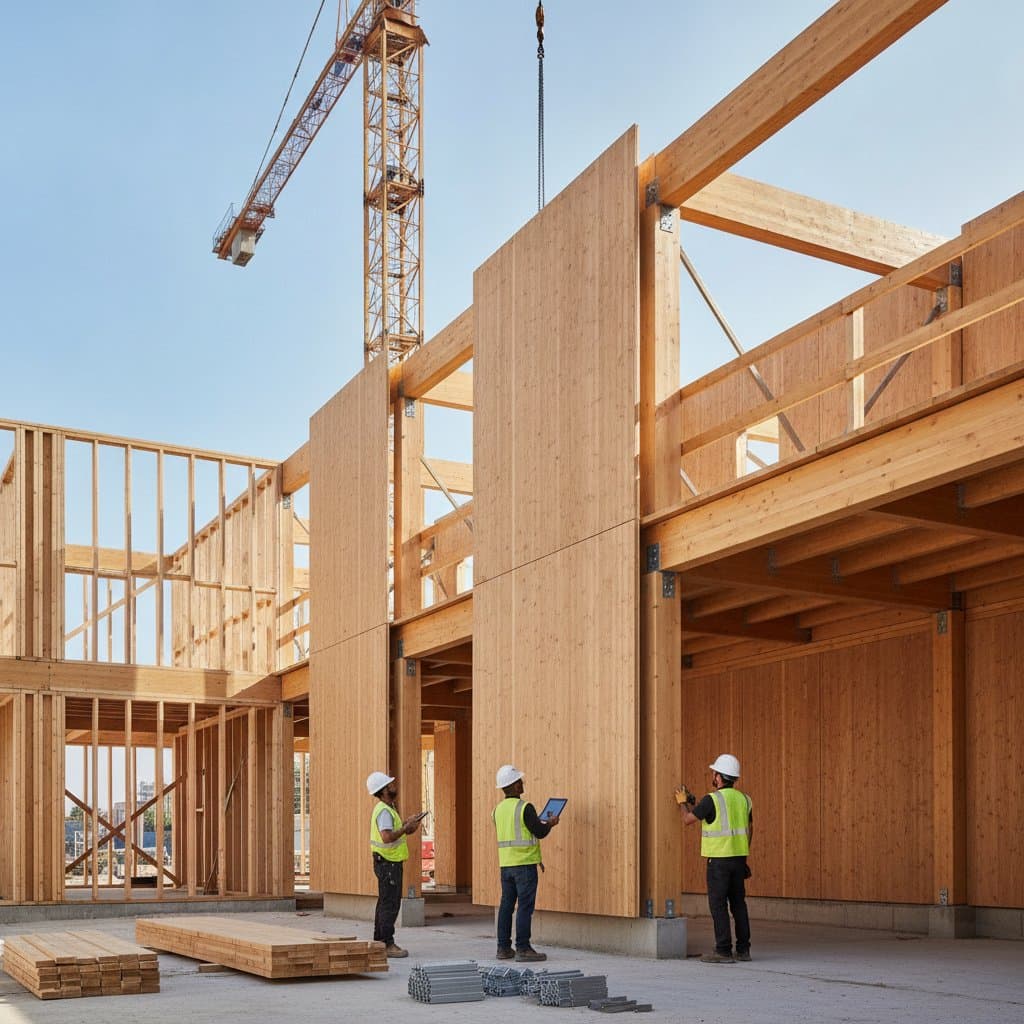
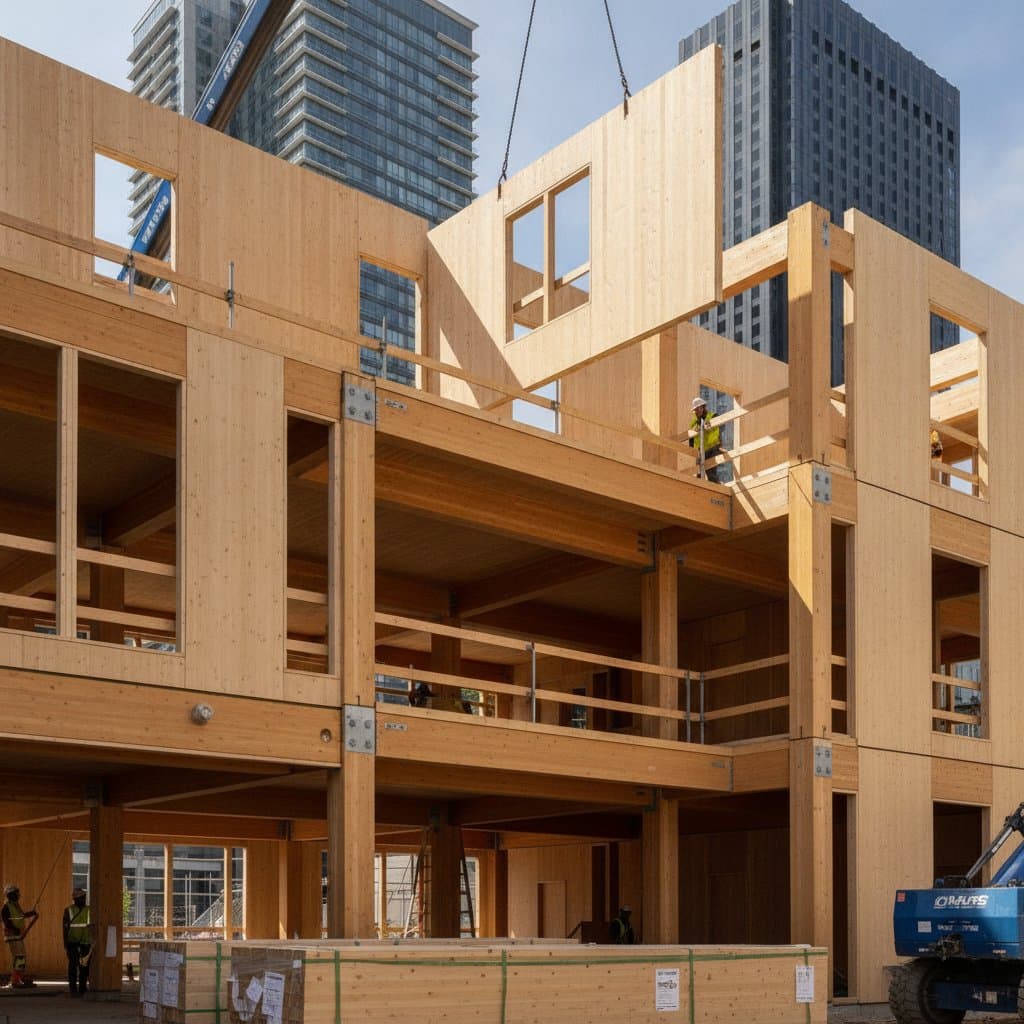
Cranes position mass timber panels efficiently. Stick framing proceeds component by component. Confirm that every joint remains tight and aligned during fastening.
Weather Protection
Both methods accept standard sheathing and insulation. Maintain continuous air and moisture barriers across all seams.
Safety Considerations
Mass timber panels weigh several thousand pounds. Certified rigging and trained crews are essential for safe handling. Elevated work on either system requires fall protection equipment.
Common Issues and Corrections
Adjust supports if gaps appear after initial placement. Tighten or replace any loose hardware immediately. Apply sealant to joints at the first sign of moisture entry. Check level and plumb conditions at every level before interior work starts.
Long Term Care
Apply protective coatings to exposed mass timber surfaces on a regular schedule. Inspect traditional framing periodically for signs of water damage or insect activity. Proper ventilation and maintenance allow either system to perform well for decades.
Engaging Specialists
Professional assistance becomes necessary for multistory buildings, complex spans, or when stamped drawings are required. Framing labor typically costs 4 to 8 dollars per square foot. Mass timber specialists charge 8 to 15 dollars per square foot.
Before hiring, confirm licensing, review past work samples, and clarify warranty coverage along with material origins.
Project Planning Advice
Confirm material availability early and align subcontractor schedules in advance. Mass timber provides speed and accuracy. Traditional framing supplies adaptability at a lower initial investment. Match the chosen system to your financial limits, timeline, and performance expectations.